
Free in-home measure and quote - PGT, CGI and CWS impact lines compared on your actual openings, style by style
Sliding glass doors
Impact garage doorsPGTCGI
 Before
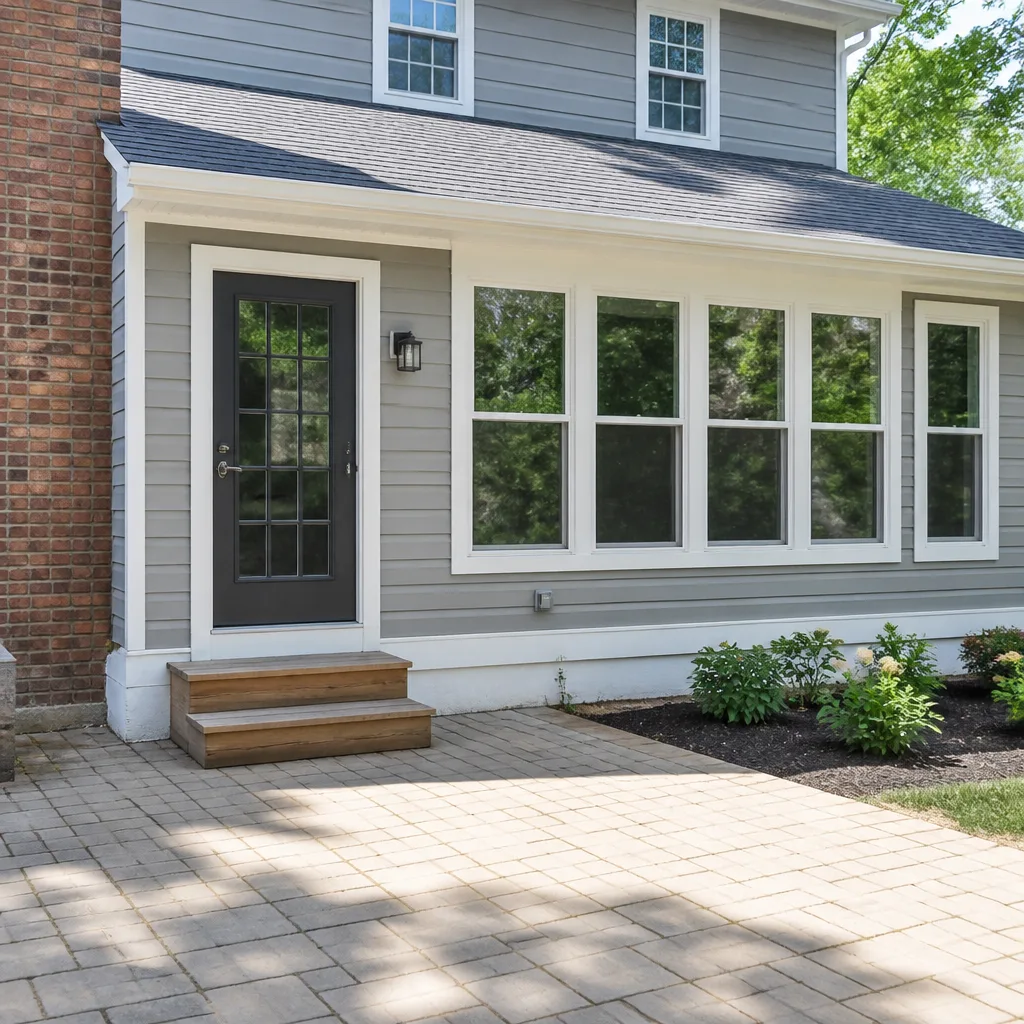 After
After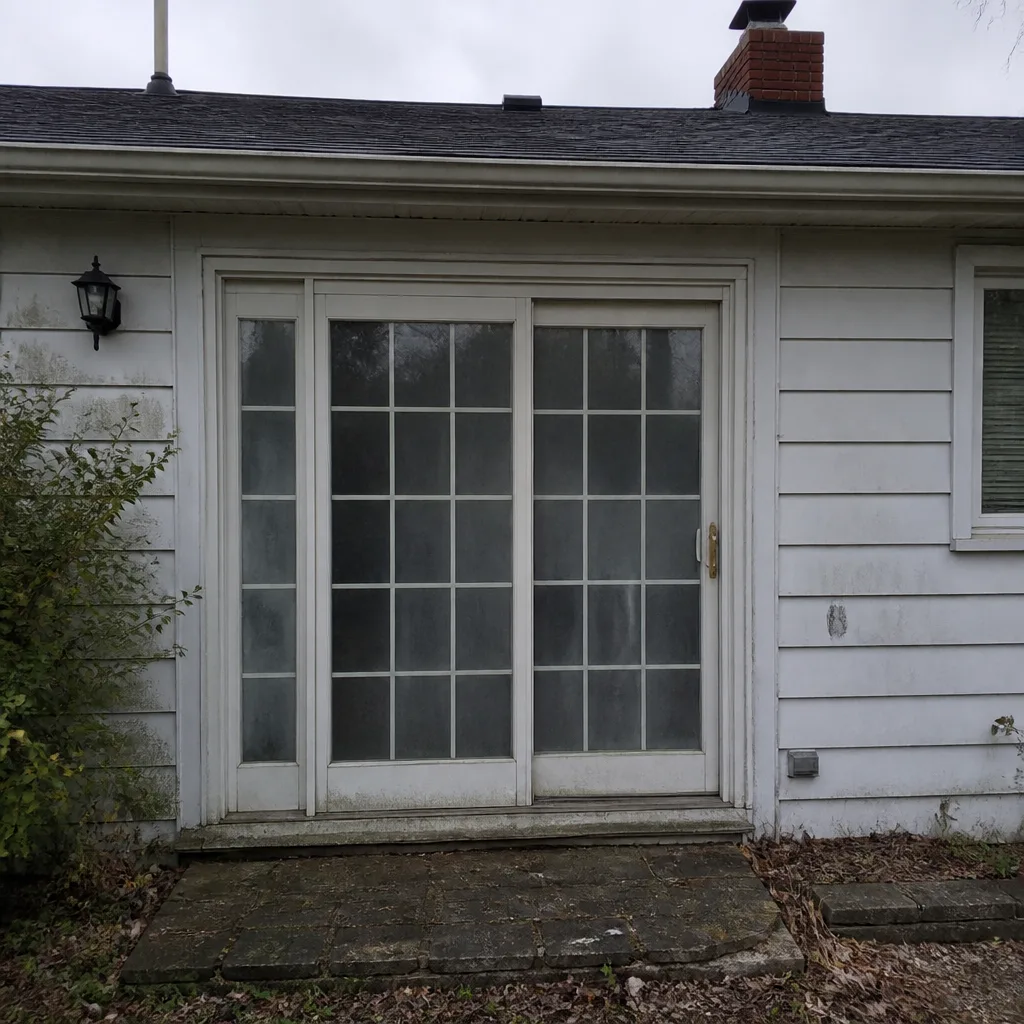 Before
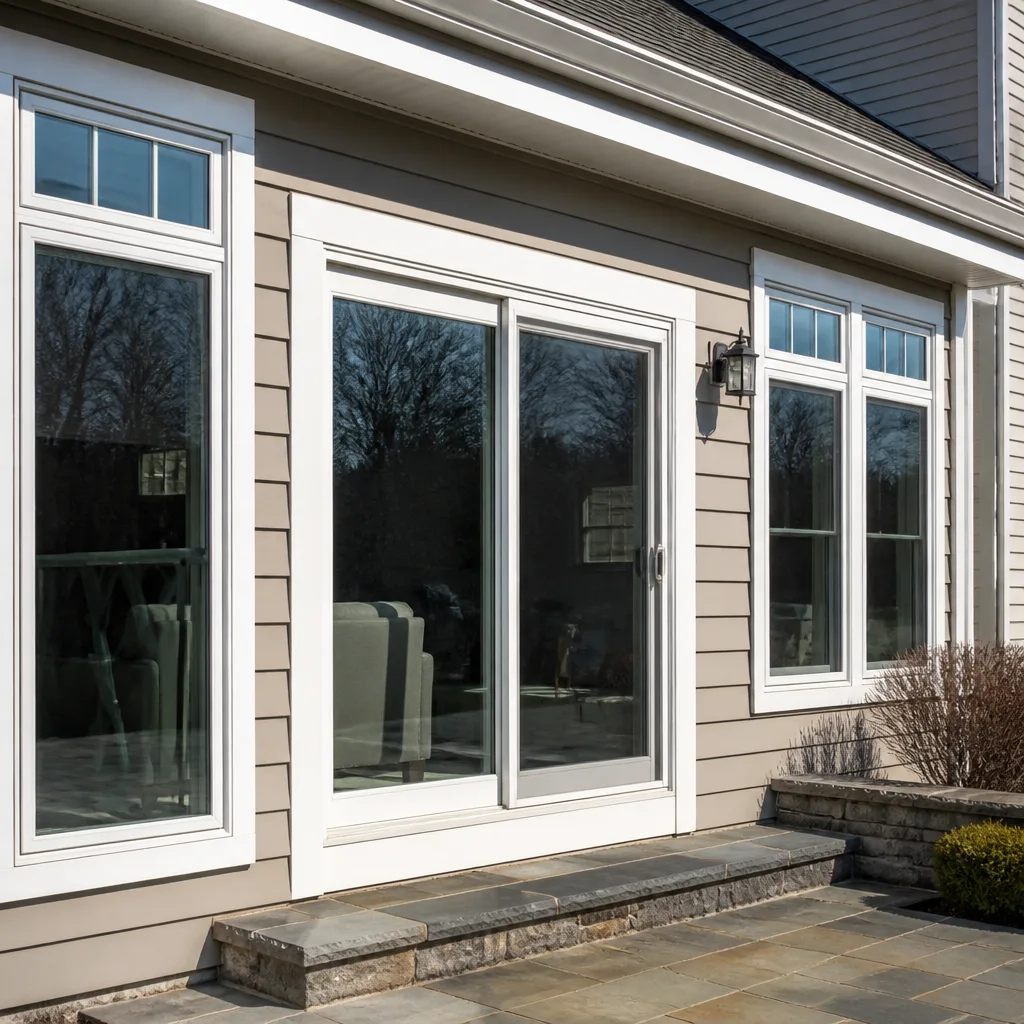 After
After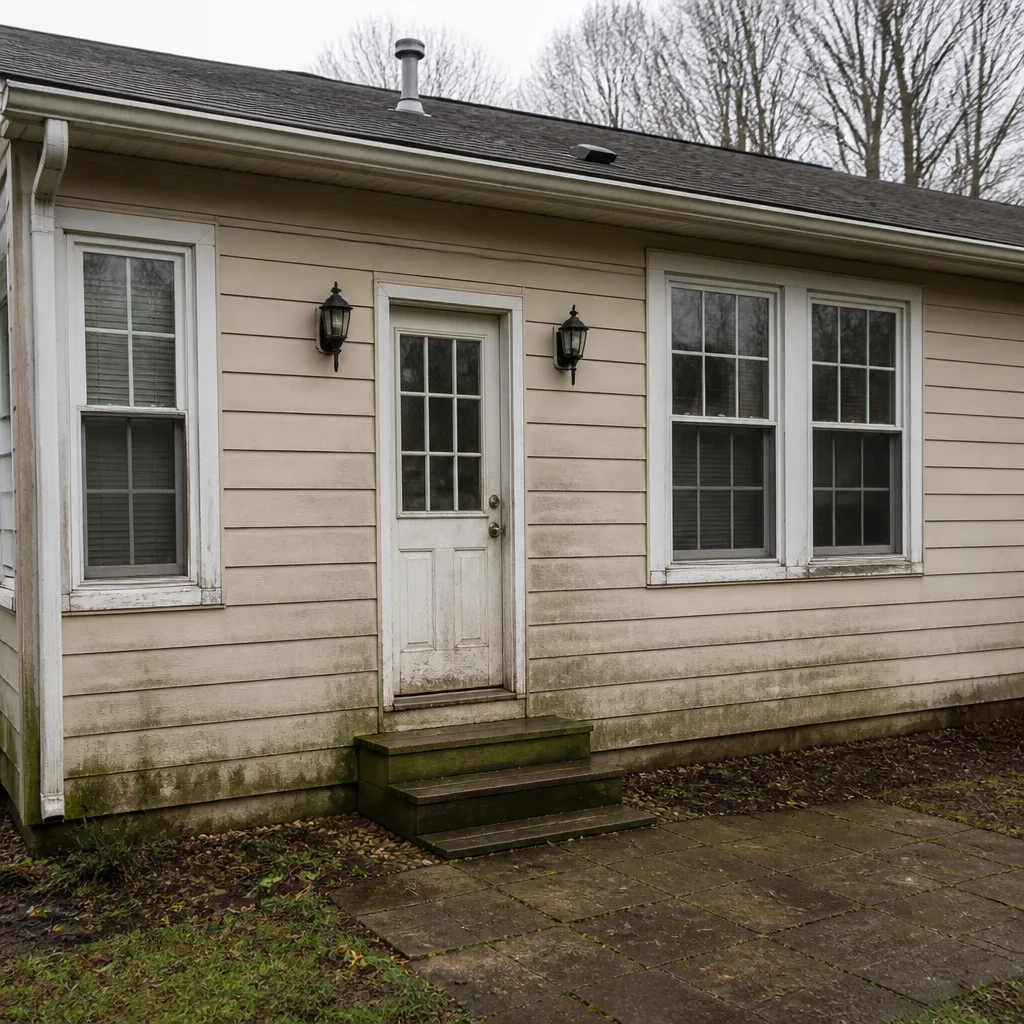 Before
 After
AfterInterior Glass Railing in Columbus, OH
Interior glass railing replaces traditional wood or iron balusters on indoor staircases, loft openings, and mezzanine levels with tempered or laminated glass panels that let light travel through the space instead of stopping at the rail. In Columbus homes – particularly the open floor plans common in Clintonville, Upper Arlington, and the newer construction neighborhoods around Polaris – a properly installed interior glass railing can make a split-level feel twice as large without moving a single wall. At TruePane Windows & Doors, we’ve been setting glass true since 2008, and interior railing is one of those jobs where the difference between a careful install and a rushed one shows every single day.
If you’re weighing this for your Columbus home, the short answer is this: interior glass railing typically runs $150 to $320 per linear foot installed, most residential staircase projects finish in a single day, and every TruePane install is covered by our Done Right Promise with both warranty layers registered in writing before we leave. Call us at (888) 635-0804 – a live person answers every call, any hour – or read on for the specifics.
This page covers interior railing specifically. For a broader look at post systems, cable railing, and exterior deck applications, visit our Glass Railing Systems in Columbus overview.
When You Need Interior Glass Railing
- Your existing wood balusters are loose, split, or simply outdated. Older Columbus colonials and split-levels built in the 1970s and 1980s often have balusters that have been repainted so many times they wobble at the base. When tightening screws stops working, replacement is the honest answer.
- You’re finishing a basement or converting a loft. Open stair systems to a finished lower level or a second-story loft need code-compliant guards. Glass panel systems meet Ohio Residential Building Code Section R312 guardrail height requirements and do it without visually closing off the space.
- Natural light is the problem, not the solution. In Columbus, where overcast skies from November through March are the norm, a wood or iron balustrade on a central staircase acts like a light dam. Glass panels let whatever daylight comes through your windows keep moving through the house.
- You’re preparing the home for the next twenty years. Many of our Columbus customers in Bexley, Worthington, and Dublin have lived in their homes since the 1980s and are not planning to leave. Interior glass railing is a long-term quality-of-life upgrade – lower maintenance than painted wood and far easier to clean than ornamental iron.
- A remodel is already underway. New hardwood floors, an updated kitchen, or a whole-house repaint are common trigger points. Glass railing finishes the visual update that new flooring starts, and coordinating it with ongoing work is easier than scheduling a second project later.
- The current railing failed inspection or doesn’t meet code. If you’ve had a home inspection flag the balusters – spacing wider than four inches is a common citation on older Ohio homes – replacement with a panel system resolves the violation and removes the recurring concern.
Our Interior Glass Railing Process
- In-home consultation and measurement. Dale Kessler’s rule has always been to measure every opening twice before quoting anything once. One of our background-checked, uniformed technicians visits your Columbus home, takes precise measurements of the stair run, landing, and any loft or balcony edge, and photographs existing conditions. We note the subfloor type – concrete slab, wood joist, or engineered lumber – because that changes the post-anchoring approach entirely.
- Material selection and upfront quote on paper. We quote the glass panel systems we carry side by side on paper so you can see exactly what you’re buying: panel thickness (typically 3/8″ or 1/2″ tempered, or 9/16″ laminated), frame finish options, and top-rail profile. We work with manufacturers like CWS and carry multiple frame finish lines so Columbus homeowners aren’t limited to one aesthetic. The price you see on paper is the price on the invoice.
- Permit coordination if required. Columbus Building & Zoning requires a permit for structural alterations to guardrail systems in most cases. We handle the coordination – pulling the permit, scheduling inspections if the scope requires it – so you’re not left navigating the Franklin County permit portal on your own.
- Panel fabrication and delivery scheduling. Tempered glass panels cannot be cut on-site after tempering; they’re fabricated to the exact dimensions measured in step one. Lead times vary – typically two to four weeks from the fabrication order – and we confirm the delivery window before the truck leaves your driveway after the consultation.
- Installation day. Most Columbus interior railing projects – a standard 12- to 18-foot staircase run – complete in a single visit. Our technicians anchor the post system into the structural framing (not just the finished floor surface), set the panels, install the top rail, and check every panel for plumb and secure fit before cleanup. If anything is off, we correct it that day. If the pane is not true, the job is not done.
- Warranty registration before we leave. This is where The Keystone Standard earns its name. Both manufacturer warranty layers are registered in writing, durations stated, before our truck pulls out of your driveway. You receive paper documentation. There is no paperwork fight, no “contact the manufacturer directly,” and no grey area about what’s covered and for how long. Our Done Right Promise covers workmanship on top of that.
Interior Glass Railing Pricing in Columbus
Interior glass railing in Columbus typically costs between $150 and $320 per linear foot, fully installed. That range is wide because the variables are real, not manufactured to obscure the price. Here’s what actually moves the number:
| Factor | Lower End | Higher End |
|---|---|---|
| Glass thickness | 3/8″ tempered panels | 9/16″ laminated (required by some code applications) |
| Frame system | Surface-mount aluminum posts, standard finish | Fascia-mount or frameless standoff system, powder-coat custom color |
| Top rail | Aluminum flat cap rail | Continuous wood or stainless round rail |
| Stair complexity | Straight run, level landing | Curved stair, multiple landings, angled rake sections |
| Subfloor anchoring | Wood joist with direct lag anchor | Concrete slab requiring sleeve anchors and leveling |
| Permit and inspection | Not required for scope | Franklin County permit pulled and inspected |
For a typical Columbus split-level with a 14-foot straight staircase run and a standard aluminum-framed 3/8″ tempered panel system, most projects land between $2,400 and $3,800 total installed. Frameless standoff systems with continuous wood rails on more complex stair runs can reach $5,500 to $7,500 for the same linear footage.
Seniors and veterans receive a permanent 5% discount on every project. If your railing replacement qualifies as a repair over $250, the standing Free Written Repair Estimates offer applies. Both can be combined; we’ll apply them to the quote automatically.
We don’t do ballpark estimates over email. Call us at (888) 635-0804 and we’ll schedule an in-home measurement – free, no obligation – and put the exact price on paper before any work is discussed.
What Makes Interior Glass Railing Different from Exterior
Columbus homeowners sometimes assume an interior railing job is just a smaller version of an exterior deck rail project. It isn’t, and confusing the two leads to problems.
Interior applications deal with finished floors – hardwood, tile, engineered wood – where anchoring a post system requires care not to crack or buckle the surface material. The fastener pattern matters. The load path matters. Ohio’s 2021 Residential Building Code requires guardrails to withstand a 200-pound concentrated load applied at any point, and that load capacity has to be achieved through a post anchor that doesn’t destroy the floor covering in the process. We’ve repaired Columbus jobs where a previous contractor simply surface-mounted posts with construction adhesive and a couple of screws into the finished floor – a setup that looks fine until someone leans on it.
Moisture is not a primary design concern for interior systems the way it is outdoors, but cleaning chemistry is. Glass panels adjacent to carpeted stairs see different soiling patterns than panels in a loft overlooking an open kitchen. We walk customers through maintenance before we leave so the panels look the same in year ten as they do on installation day.
Glass Panel Options for Columbus Homes
The glass itself is not one material with one spec. Here is what we typically quote and why each choice exists:
- 3/8″ tempered glass: The standard residential interior choice. Tempered glass is four to five times stronger than annealed glass of the same thickness, and when it fails – which it almost never does under normal use – it breaks into small blunt pieces rather than long shards. This is the glass type most Columbus interior railing projects use.
- 1/2″ tempered glass: Specified for wider panel spans or where the design eliminates intermediate posts. The additional thickness reduces flex under lateral load, which matters on longer unsupported runs like a loft edge in an open great room.
- 9/16″ laminated glass: Two lites of glass bonded with a polyvinyl butyral interlayer. If the panel is broken, the interlayer holds the pieces in place rather than letting them fall. Some Columbus architects and some insurance underwriters specify laminated for interior railings in homes where children are present. It’s also specified for certain commercial applications if the project scope crosses that threshold.
- Low-iron glass: Standard float glass has a faint green tint visible at the edge and in large panels. Low-iron glass – sometimes marketed under trade names by manufacturers like PGT – has a higher visual clarity and a true-white edge. The difference is subtle in a dark stairwell and noticeable in a south-facing loft with natural light hitting the panel face. We bring samples to the consultation so you see the difference in your own space.
Key Takeaways
- Interior glass railing in Columbus runs $150 to $320 per linear foot installed, with most residential staircase projects completing in a single day.
- Ohio Residential Building Code requires guardrails to handle a 200-pound concentrated load – post anchoring into structural framing is not optional, and surface-mount shortcuts cause failures.
- Glass thickness ranges from 3/8″ tempered (most common) to 9/16″ laminated (specified for wider spans or where building code or insurance requires it).
- Every TruePane interior railing install is covered by the Done Right Promise and The Keystone Standard: both manufacturer warranty layers registered in writing before the truck leaves.
- Seniors and veterans receive a permanent 5% discount; the Free Written Repair Estimates offer applies where eligible.
- TruePane has served Columbus and surrounding communities since 2008 – this is a company that plans to be here if something needs attention after the job is done.
FAQs – Interior Glass Railing
How much does interior glass railing cost in Columbus, OH?
Interior glass railing in Columbus typically costs $150 to $320 per linear foot installed, with most standard staircase projects totaling between $2,400 and $3,800. Frameless or custom-rail systems on more complex stairs can reach $5,500 to $7,500 or more. The biggest cost drivers are glass thickness, whether you choose a framed or frameless post system, the top rail material, and the complexity of the stair geometry. Call (888) 635-0804 for a free in-home estimate with the exact price on paper.
Is interior glass railing safe for homes with children?
Yes, when properly specified and installed, interior glass railing meets or exceeds the safety requirements of Ohio’s Residential Building Code. Tempered glass breaks into small, relatively blunt pieces rather than sharp shards. For additional protection, 9/16″ laminated glass – which holds together even when broken – is available and is what we recommend when young children are consistently present in the home. The more common safety failure we see in Columbus is not the glass itself but inadequate post anchoring from prior installs. A panel system is only as safe as the connection between the post base and the structural framing below it.
How long does an interior glass railing installation take?
Most Columbus interior railing projects on a standard straight staircase run complete in a single day – typically four to seven hours from the time our technicians arrive to the time cleanup is done. The longer variable is fabrication lead time: tempered panels are cut and tempered at the factory to your exact measurements, which typically takes two to four weeks from the point of order. We schedule installation once the panels are confirmed on-hand so there’s no partial install sitting open in your home.
Do I need a permit for interior glass railing in Columbus?
In most cases, yes. Columbus Building & Zoning classifies the replacement or installation of a guardrail system as a structural alteration that requires a residential building permit. The permit process through Franklin County involves a plan review and, depending on scope, a rough or final inspection. TruePane handles permit coordination for every project where it’s required – we pull the permit and schedule the inspection so that responsibility doesn’t fall on you. Every permitted project is also fully documented under The Keystone Standard, which means no ambiguity about code compliance when you eventually sell the home.
Written by Dale Kessler, Owner at TruePane Windows & Doors, serving Columbus.