
Free in-home measure and quote - PGT, CGI and CWS impact lines compared on your actual openings, style by style
Sliding glass doors
Impact garage doorsPGTCGI
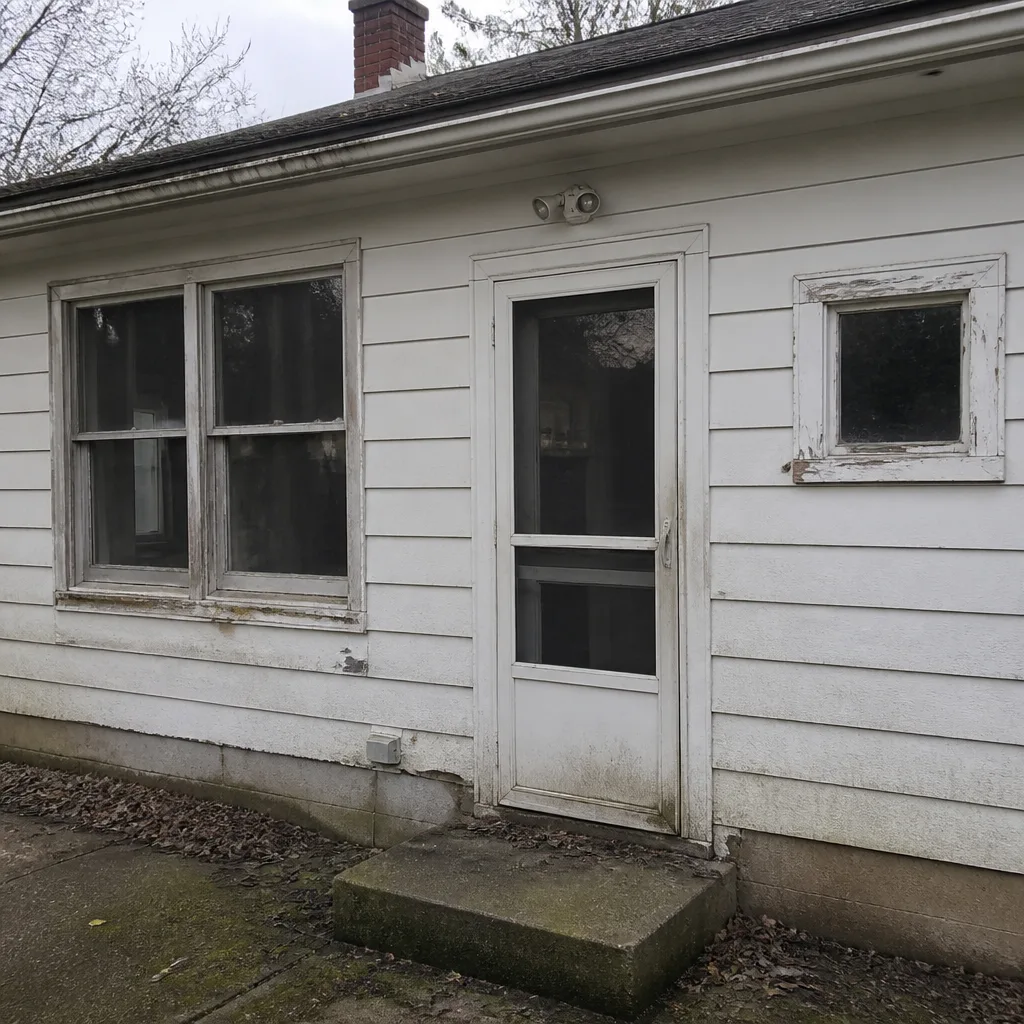 Before
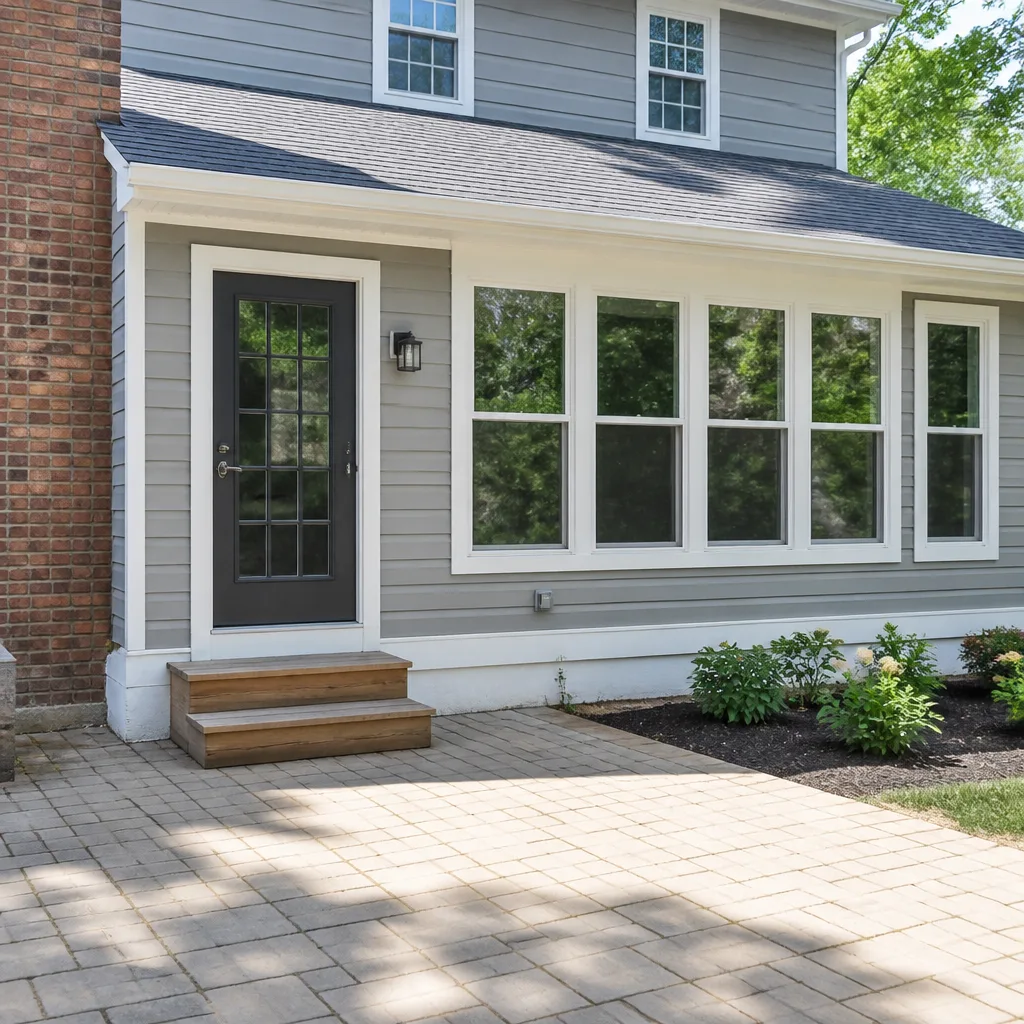 After
After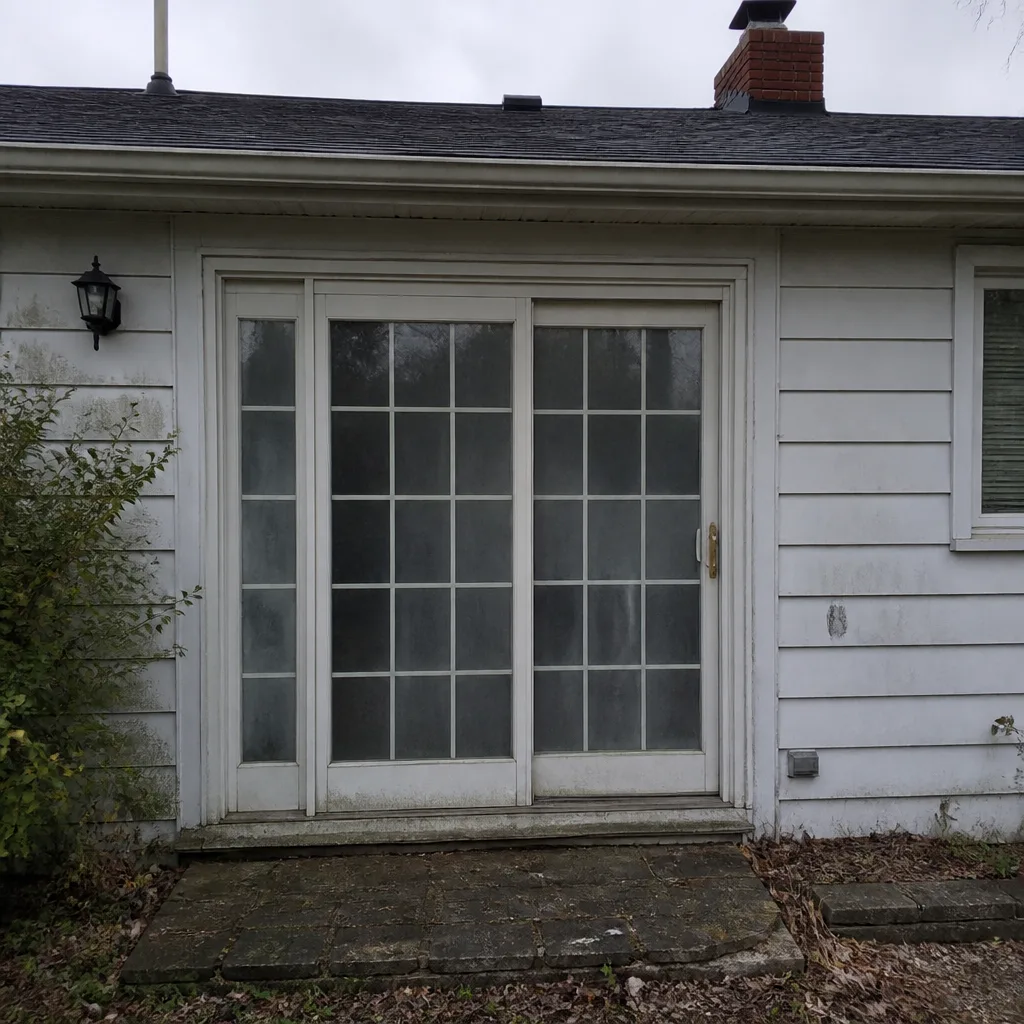 Before
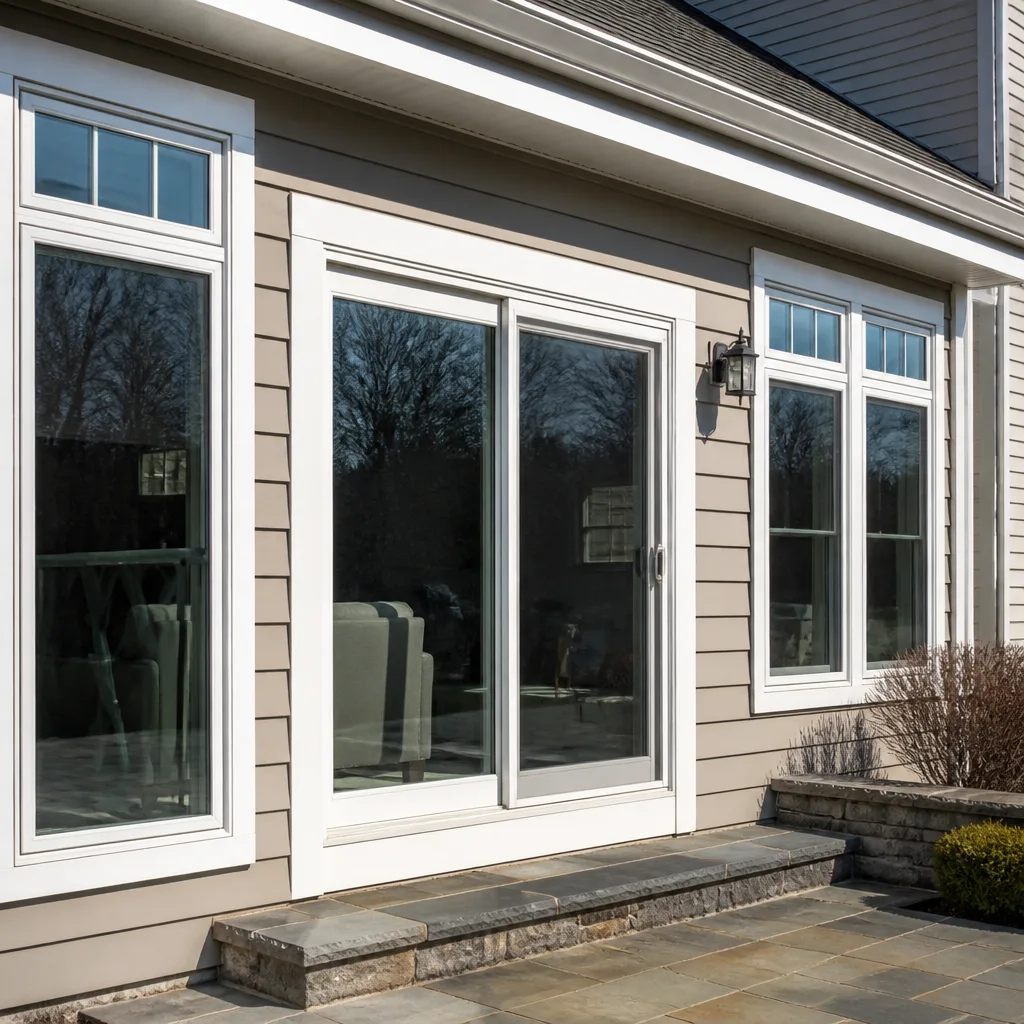 After
After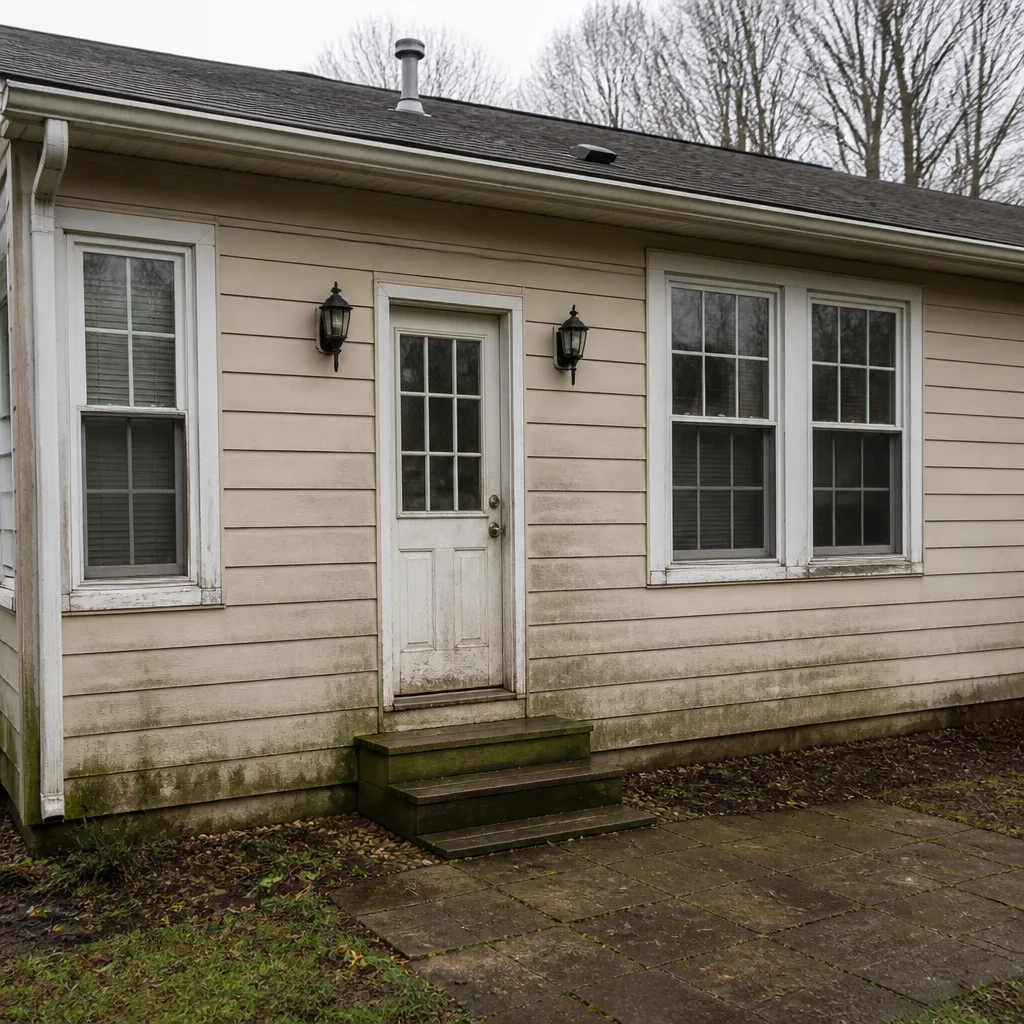 Before
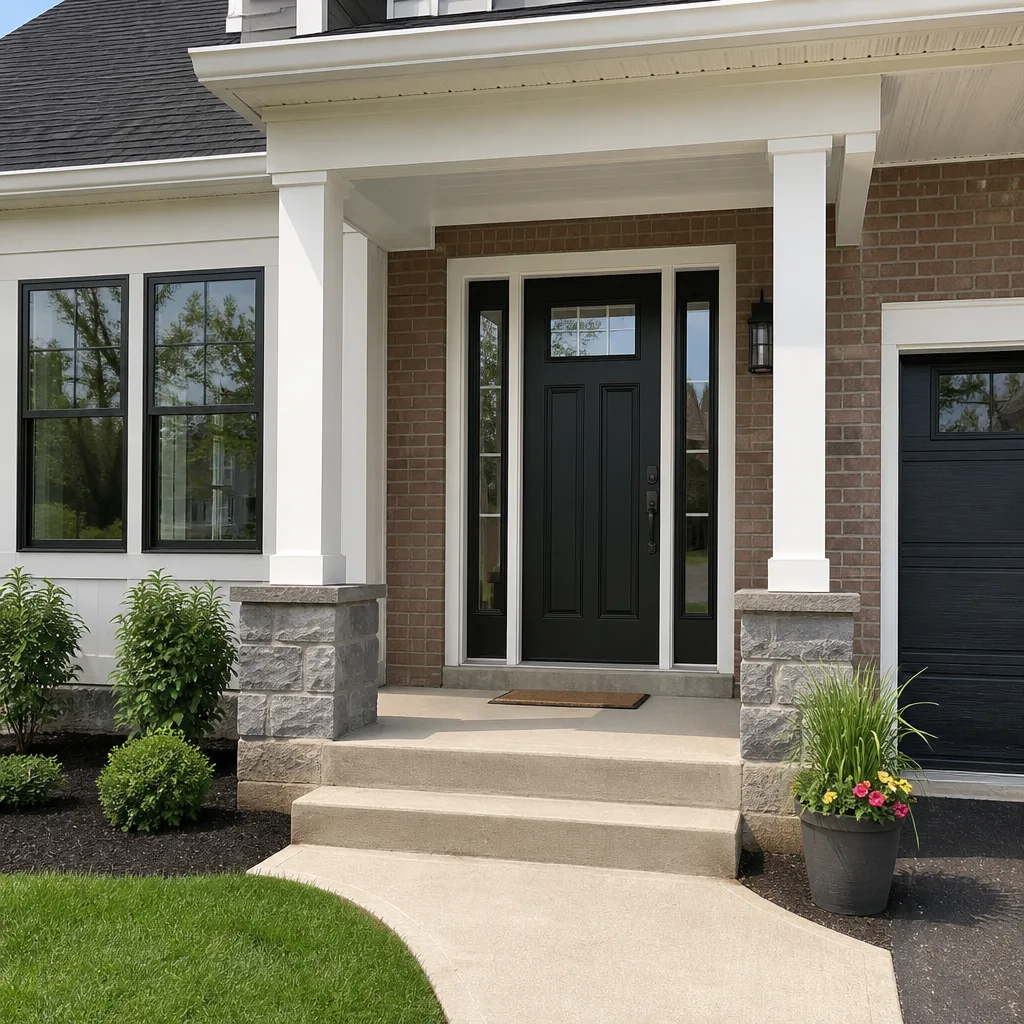 After
AfterFast, Reliable Glass Railing Systems Across Chinatown
Glass railing systems in Chinatown run $220-$380 per linear foot for frameless glass rail, $180-$310 per linear foot for exterior deck railing, and $150-$250 per linear foot for interior glass railing, installed and warrantied. Most jobs on the tight lots and dense mixed-use buildings here take two to four days, depending on whether the original masonry needs reinforcement before we anchor anything. We know this neighborhood’s buildings, its alleys, and its peculiar headaches because we’ve worked them for years. Call (888) 635-0804 and a live person will answer, set up a free estimate, and put a real number on your project.
Key Takeaways:
- Chinatown’s 1930s-1960s masonry buildings almost always need anchor reinforcement before glass railing posts can be set properly.
- Frameless glass rail on a rooftop deck in Chinatown typically costs $220-$380 per linear foot, with seismic bracing requirements driving the upper end.
- Permits are required for rooftop and elevated deck railings, and the historic district review adds time you’ll want to plan for.
- Every job carries the Done Right Promise and both manufacturer warranty layers registered in writing before our truck leaves.
Why TruePane Windows & Doors Is Chinatown’s Preferred Glass Railing Systems Company
We work in Chinatown differently than a contractor who shows up cold from the Westside. The building stock here is dense, older, and architecturally specific, which means a glass railing is never just a glass railing. It’s a code-required guardrail on a mezzanine a family uses daily, or a wind-loaded barrier on a rooftop where the original steel header is showing its age. Our crews have set posts into hollow-clay tile parapets, core-drilled through 1940s concrete, and sequenced deliveries so a panel truck never blocks a produce loading zone on North Broadway. That’s not marketing language. That’s what the work actually requires.
TruePane was founded by second-generation glazier Dale Kessler in 2008, and the craftsman’s rule has never changed: if the pane is not true, the job is not done. We hire local, train apprentices into journeymen, and figure every quote the way a tradesperson should: measure twice, write the manufacturer lines side by side on paper, and register both warranty layers before the truck leaves the driveway. The Done Right Promise means if it isn’t right, we make it right, no paperwork fights. For a homeowner on Yale Street or a building owner near Central Plaza, that backed-by-writing promise matters more than a truck wrap.
One thing we never do in Chinatown is pretend access is easy. A rooftop job on a lot with zero staging room is a different animal than a suburban patio deck. We’ll be there when we say, uniformed, background-checked, and prepared for the parking situation, because we’ve already thought through the parking situation when we walked the site. That’s a square deal, and it’s the only kind we offer.
Our Glass Railing Systems Services in Chinatown
We install and service Glass Railing Systems across every building type Chinatown throws at us, from ground-floor commercial storefronts to third-story residential balconies. Here’s what that looks like on the ground.
Exterior Deck Railing
Exterior deck railing in Chinatown usually replaces rusted steel or bowed wood railings on decks that have baked in the inland LA sun for twenty-plus summers. The old anchors are often set into unreinforced masonry that was never designed for modern guardrail loading, so our scope usually includes epoxy-setting new stainless steel posts after core-drilling through the spalled concrete. We stock low-E laminated panels that keep the view open while meeting post-Northridge guardrail loading requirements. Expect $180-$310 per linear foot, including the anchor work most decks here require.
Frameless Glass Rail
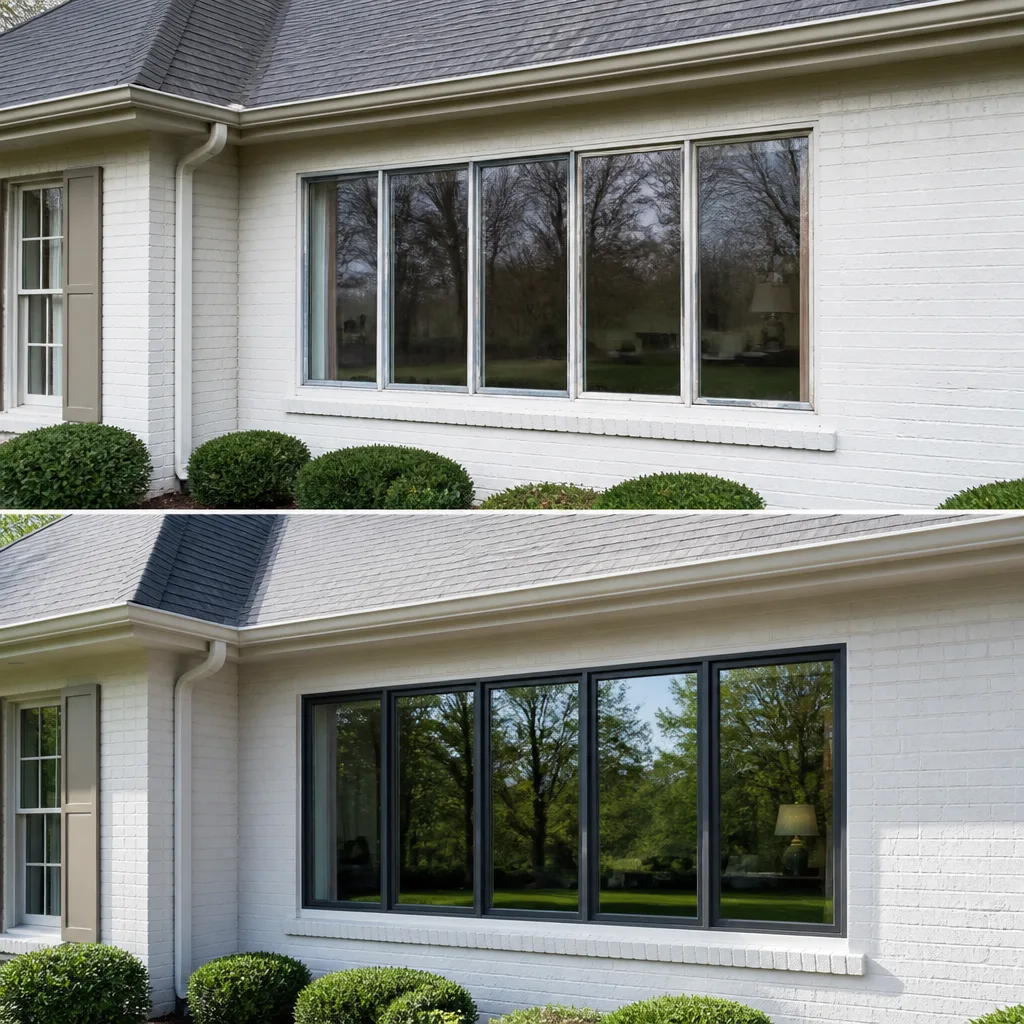
Frameless glass rail is the most requested product we install in Chinatown, and also the one that punishes shortcuts hardest. Base shoes mounted over original steel-sash framing or decorative brick need a level, structurally sound mounting surface, which is why we spend the first site visit checking what’s actually behind the finish layer. On rooftop terraces and Juliet balconies, we use stainless steel spigots or base channels set into reinforced concrete curbs. In Chinatown, frameless rail typically runs $220-$380 per linear foot, and the spread comes down to whether the substrate needs rebuilding before glass goes in.
Interior Glass Railing
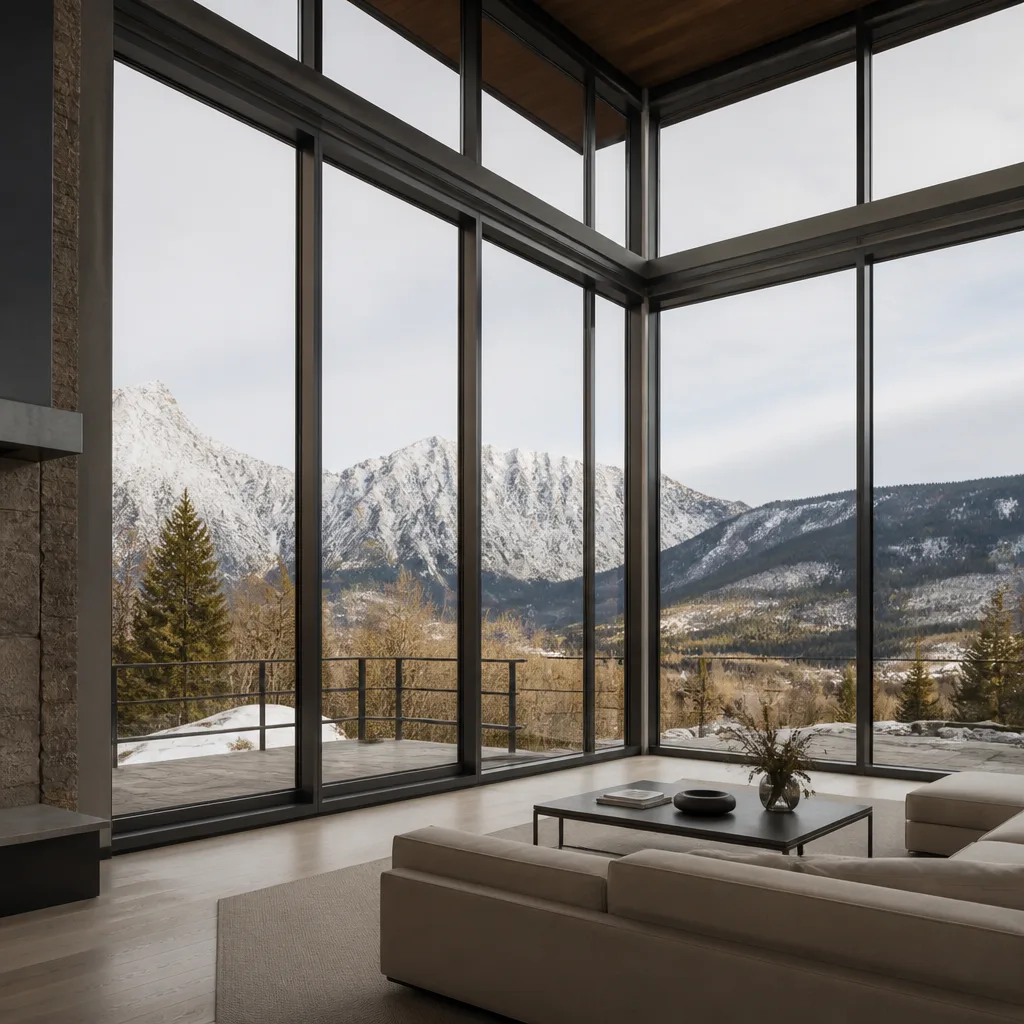
Interior glass railing for lofts, staircases, and mezzanine edges is where the code and the aesthetic have to shake hands. We’ve set interior panels in converted live-work spaces along North Spring Street where the mezzanine guardrail doubles as the room’s visual divider, and the original steel framing below couldn’t accept a modern post without reinforcement. For interior work in Chinatown, figure $150-$250 per linear foot for standard tempered glass with steel or aluminum cap rails. Custom low-iron glass and heavier hardware push toward the upper end.
Pool & Spa Glass Fencing
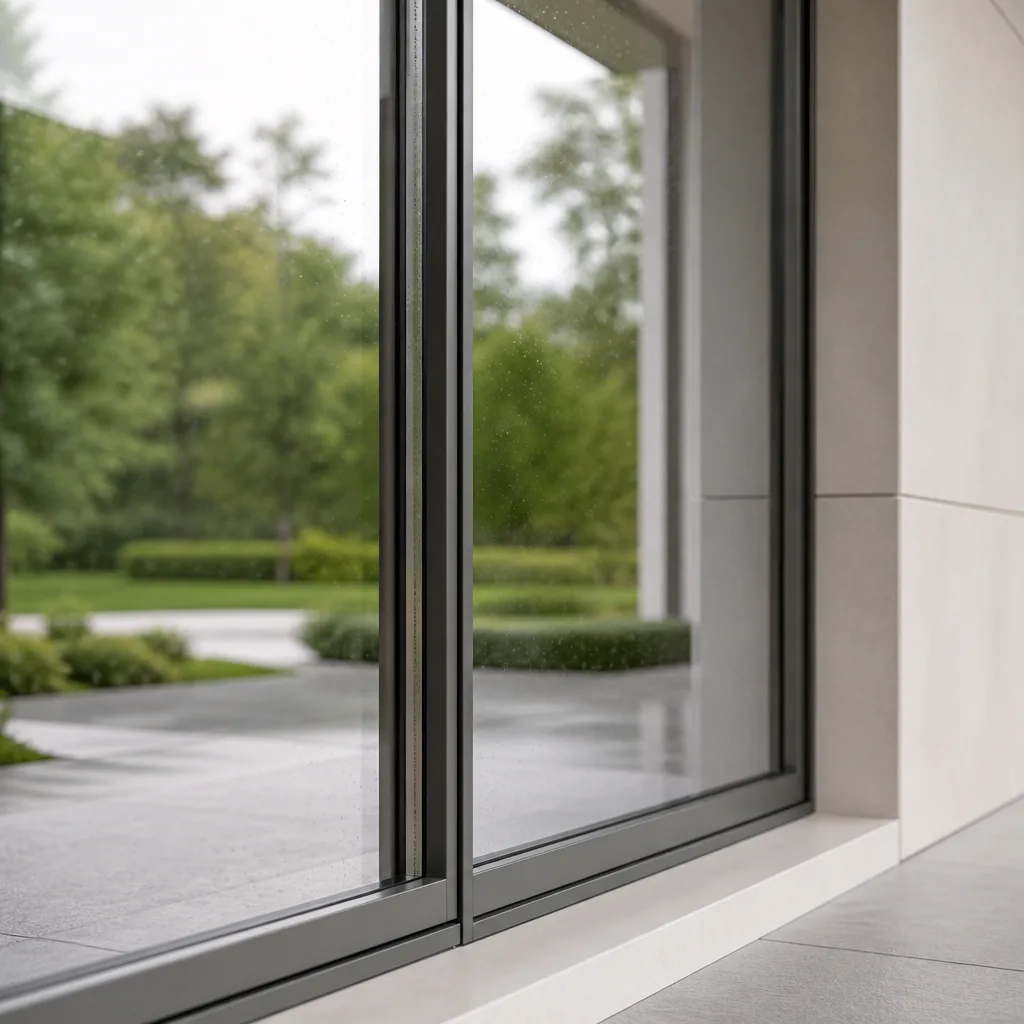
Pool and spa glass fencing appears on a surprising number of Chinatown rooftops and private courtyards, given the density. The challenge is the same one that shows up everywhere else here: getting a true, level mounting curb on a building that’s been settling for eighty years. We level the curb first, then set the glass. If the pool edge abuts a shared wall, which happens on these narrow lots, we also coordinate access with the neighbor before fencing goes up. We quote these jobs only after walking the site, because the curb condition dictates everything downstream.
What happens when you call
- 1
A real person answersNo phone trees - you reach a local pro.
- 2
You get an upfront price rangeHonest numbers before anyone is dispatched.
- 3
A background-checked tech heads outLicensed & insured, dispatched right away.
- 4
You approve before work beginsNothing starts until you say go.
Trusted Brands We Service in Chinatown
We’re an authorized installer for more than a dozen manufacturer lines, and for Chinatown projects we routinely quote CGI, CWS, and ECO Window Systems because their hardware and glass specs handle the seismic and thermal demands of this neighborhood better than most. We put the manufacturer lines side by side on paper so you see exactly what you’re buying, not a verbal upgrade pitch. When a railing component fails or a panel needs replacing, we can order from local suppliers who know our account and keep common profiles in regional stock, which shortens turnaround on warranty work. The Keystone Standard means both warranty layers get registered in writing, durations stated, before we leave the driveway.
Common Glass Railing Systems Problems We See in Chinatown Homes
We see the same failure modes repeat across Chinatown’s building stock. Here are the four most common, and what they mean for your project:
- Base shoe corrosion from gate runoff and Santa Ana debris. Iron security gate runoff carries minerals and fine particulates that collect at the aluminum base shoe, pitting the metal and leaving the glass sitting off-square. In Chinatown, where ornamental iron gates over storefronts and entryways are nearly universal on North Broadway, this is the single most common cause of wobbly or hazed railings.
- Laminated glass delamination on exposed edges. The inland LA Basin runs 5-10°F hotter than the coast in summer, and south-facing Juliet balconies on Chinatown buildings get direct afternoon sun that no marine layer softens. Over years, the interlayer at the exposed glass edge begins to cloud and separate. It’s a warranty issue, and we handle it through the manufacturer’s written coverage, not a hand-wave.
- Post anchors loosening in hollow-clay tile parapets. A lot of 1930s construction in Chinatown used hollow-clay tile for parapet walls, and post-installed expansion anchors simply do not hold reliably in that substrate. We drill into the tile cells, inject structural epoxy, and set stainless threaded rod before the post goes on. If someone quotes you a railing without asking what the parapet is made of, that’s a red flag.
- Framed glass panels failing inspections due to substrate deflection. Original steel-sash framing and unreinforced masonry deflect more than modern building codes assumed. When a railing is mounted to a substrate that moves, the glass picks up the stress, and the inspector’s gauge is unforgiving. We reinforce the mounting curb or header first, then set the glass true.
Pricing for Glass Railing Systems in Chinatown, CA
Here are honest ranges for Chinatown’s market, based on the buildings we actually work in. Interior glass railing runs $150-$250 per linear foot, exterior deck railing $180-$310, frameless glass rail $220-$380, and pool or spa glass fencing $200-$350. The lower ends assume a sound, level mounting surface. The upper ends reflect the reality of most Chinatown jobs: reinforcing a 1940s concrete header, rebuilding a hollow-clay tile parapet, or core-drilling through spalled masonry before a single post goes in. Material choice moves the number too: standard tempered glass is less than low-iron, stainless hardware is more than powder-coated aluminum, and laminated panels cost more than monolithic. We write line-item quotes, on paper, with the manufacturer lines named. Call (888) 635-0804 and we’ll come walk your building, measure the actual conditions, and hand you a number you can hold us to.
We Also Serve Cities Near Chinatown
Our crews run the same careful, code-correct installs for Chinatown neighbors throughout the LA Basin. We work regularly in Parkway, Arden-Arcade, Ladera Heights, and Commerce, and we bring the same Done Right Promise and The Keystone Standard to every job, whether it’s a rooftop terrace on Hill Street or a deck railing a few miles east. Dispatch and scheduling are coordinated from our Los Angeles office, and crews serve Chinatown locally.
Serving Chinatown, CA - Our Local Coverage Area
We’re based in the Chinatown area and know this community well. Use the map below to see our service coverage - if you’re nearby, we can almost certainly help.
FAQs - Glass Railing Systems in Chinatown
Yes, a building permit is required for any rooftop deck railing in Chinatown, and if your building falls under the historic district’s review process, expect an additional layer of plan check. The city reviews structural anchoring to post-Northridge codes, which for a 1940s building usually means an engineer’s letter confirming the existing header or parapet can carry the guardrail load. When the historic review is involved, the railing design also gets evaluated for how it reads against the building’s original character, which is why we quote glass rail systems that sit low and clean rather than heavy framed panels that fight the building’s lines. We pull permits on every one of these jobs and send our own crew through inspection. Call (888) 635-0804 and we’ll tell you exactly what your building will trigger.
Yes, but only with the right anchoring method. Many 1930s and 1940s parapets in Chinatown are hollow-clay tile or unreinforced masonry, and expansion anchors will not hold reliably in either. We core-drill into the tile cells or concrete fill, epoxy-set stainless threaded rod, and then mount the base shoe or spigot to that engineered connection. The glass sits true and the railing passes inspection. If the parapet is too severely spalled from seismic retrofits, we’ll recommend rebuilding a small curb before glass goes in, and we’ll show you why on the site walk rather than after the inspector fails it.
We sequence the delivery and staging around the site’s actual constraints. On a North Broadway mixed-use building, we staged panels in a single adjacent parking spot and coordinated load-in times with two neighboring businesses so their customers were never blocked. Panels arrive on a truck sized for the street, and our crew moves them to the work area by hand or with a compact lift kept tight to the building. If the alley is the only access, we schedule the lift for off-peak hours and keep a crew member on the ground the entire time. We’ll map all of this during the free estimate, because access changes the labor number on the quote.
Yes, when the glass is specified and anchored for the wind loads the site actually sees. Santa Ana winds funnel down the flanking streets and hit rooftop railings at angles a generic suburban installation never accounts for. We specify laminated glass thicker than minimum code in exposed rooftop locations, and we anchor through the finish layer into structural framing or reinforced concrete, not just into the stucco or brick veneer. Low-E laminated panels also keep the heat load down, which reduces thermal stress at the edges. A railing that sways in a Santa Ana event is a railing whose anchors were set wrong.
Yes, in most cases we can work entirely from above with minimal disruption to the ground-floor retail. We set scaffolding or a compact lift from the street side, keep all drilling and epoxy work contained to the balcony deck, and schedule the loudest work for hours when the storefront below says foot traffic is lightest. The bigger question is always the balcony structure itself, which on these older mixed-use buildings often needs header or curb reinforcement before the railing can be anchored. We’ll tell you that on the first site visit, not after the demo crew opens the wall. Call (888) 635-0804 to schedule a free estimate.
Written by Dale Kessler, Owner at TruePane Windows & Doors, serving Chinatown and the surrounding LA Basin since 2008.