
Free in-home measure and quote - PGT, CGI and CWS impact lines compared on your actual openings, style by style
Sliding glass doors
Impact garage doorsPGTCGI
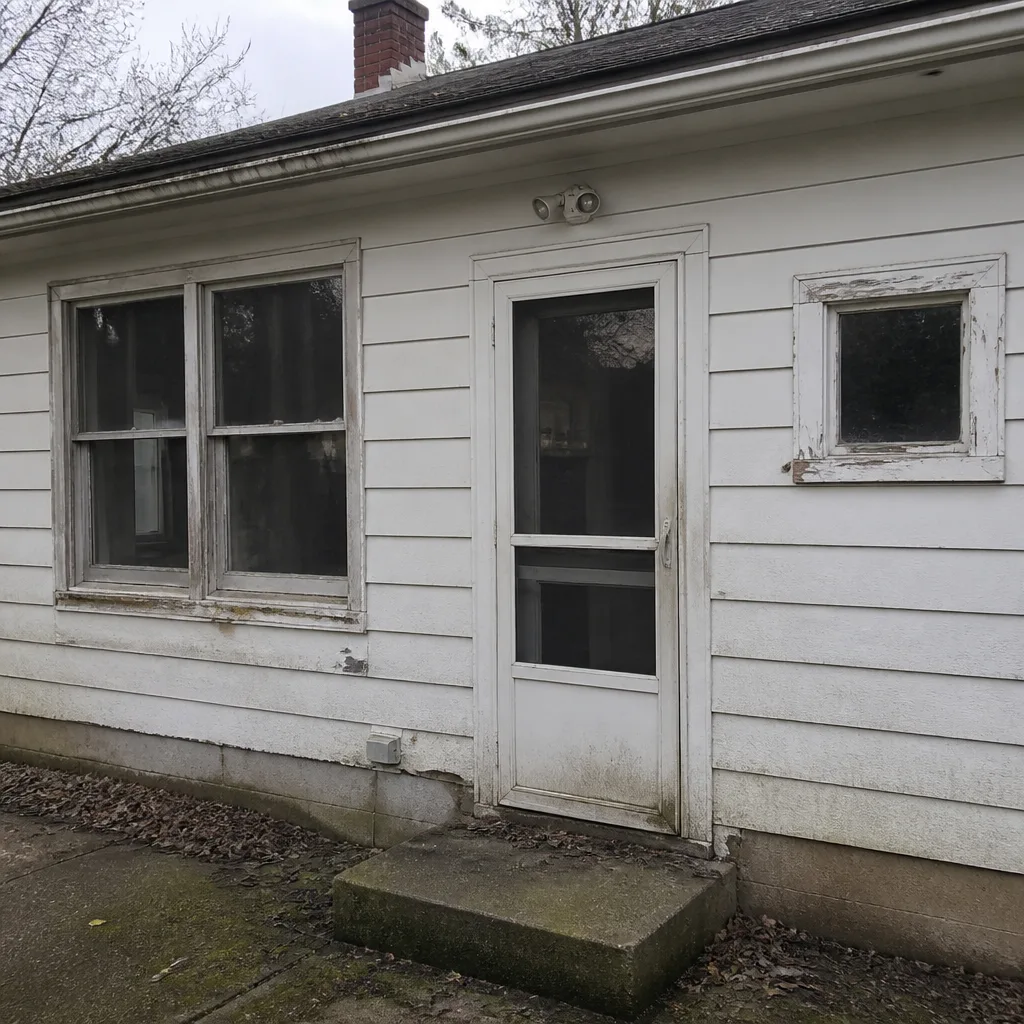 Before
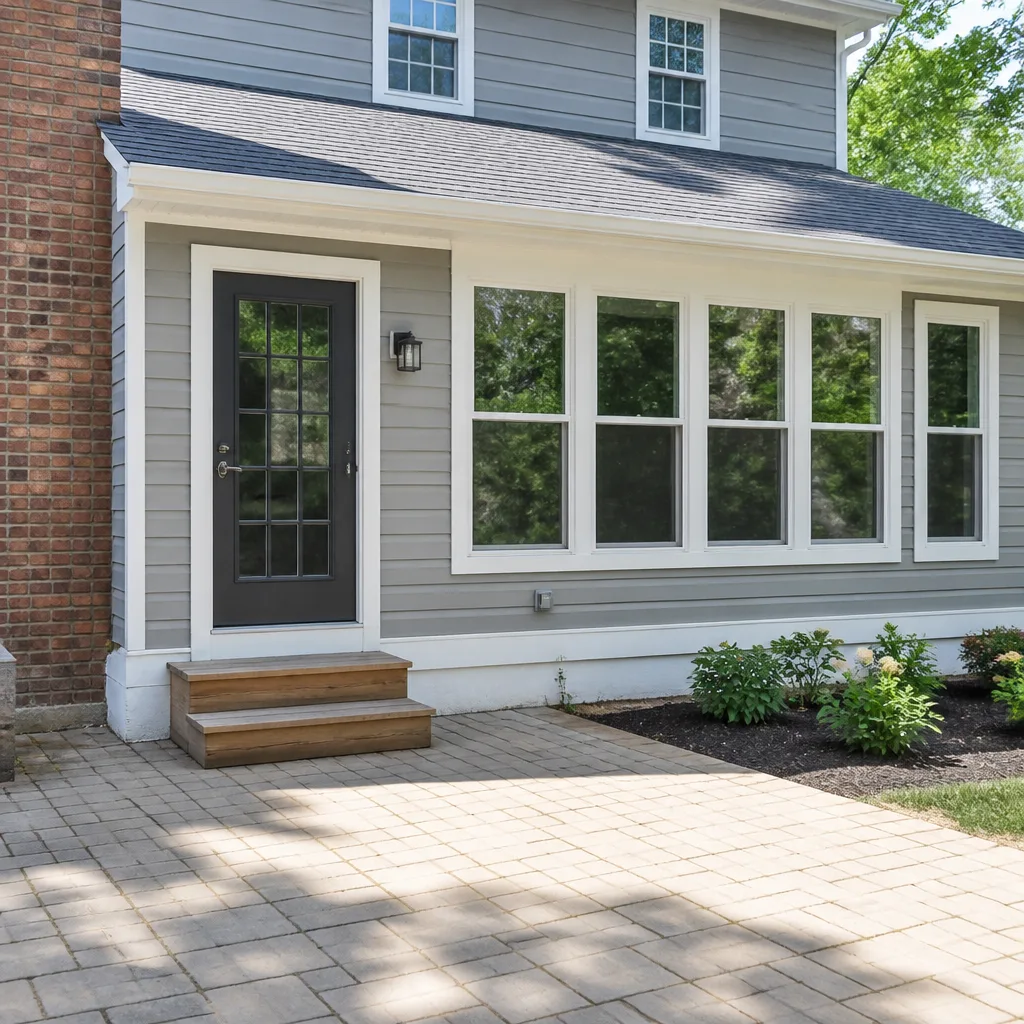 After
After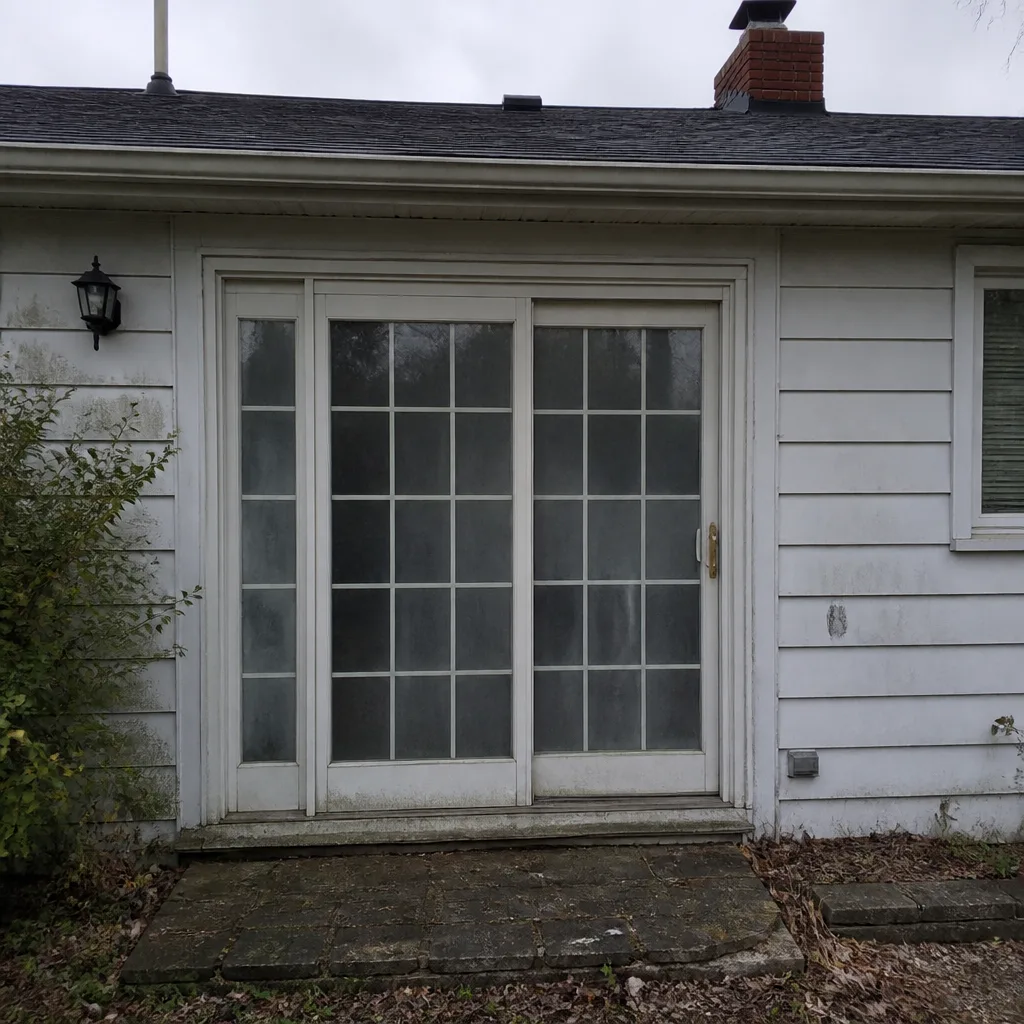 Before
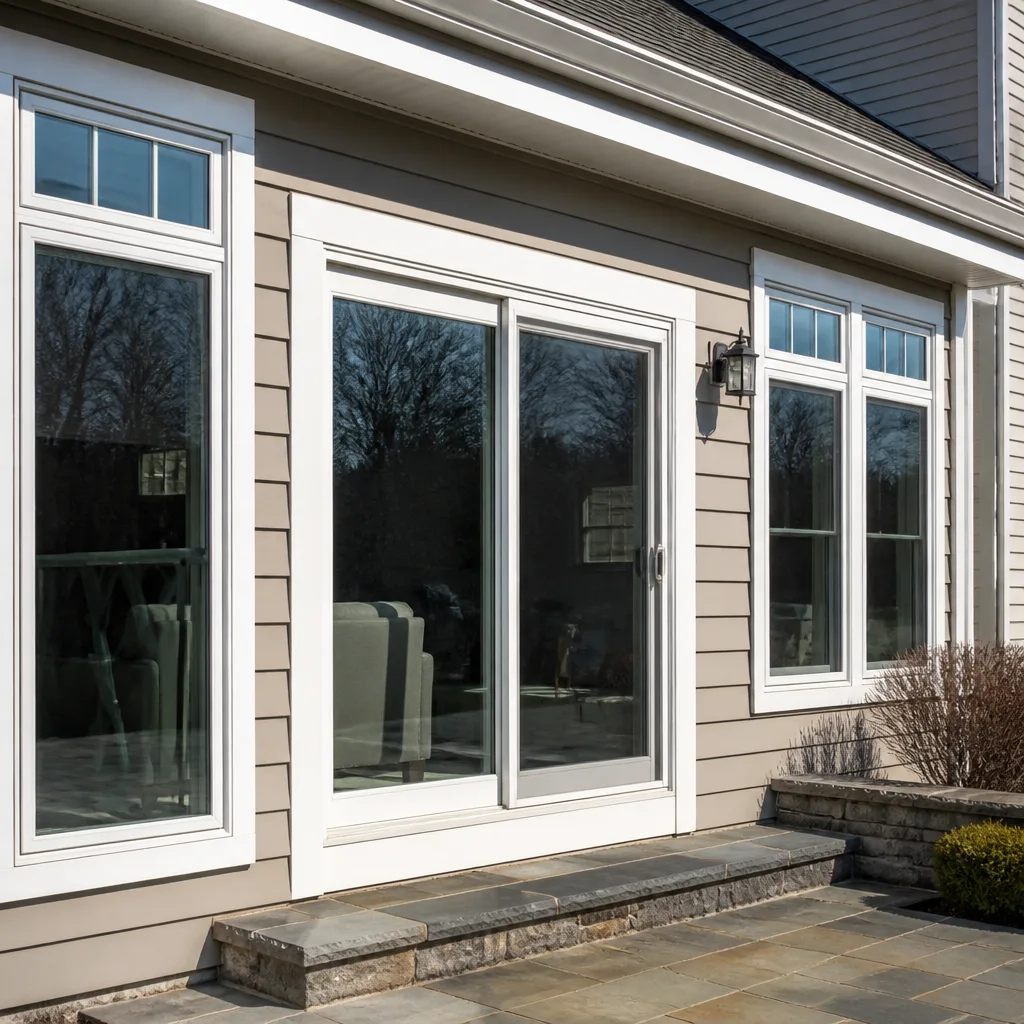 After
After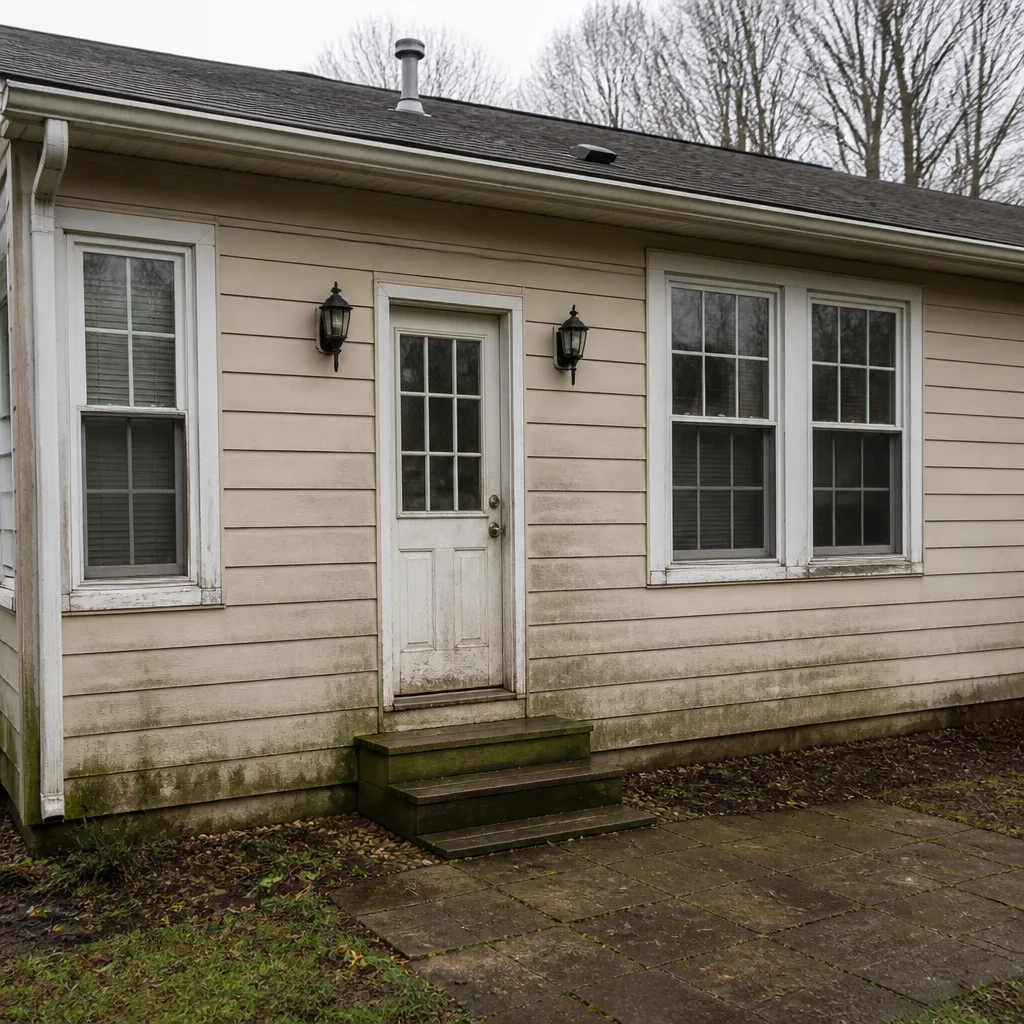 Before
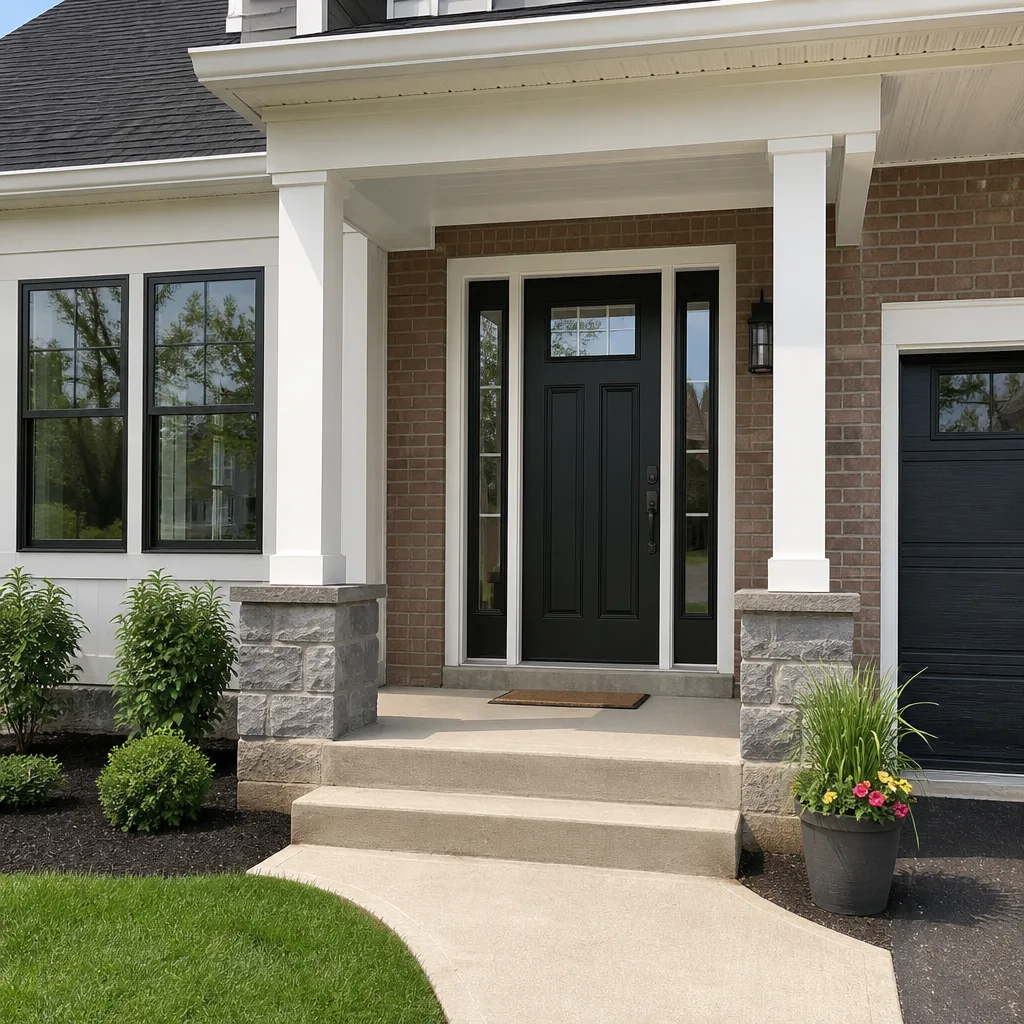 After
AfterFast, Reliable Glass Railing Systems Across Los Angeles
Glass railing system pricing in Los Angeles runs from roughly $180 to $320 per linear foot for a standard exterior deck railing, with frameless glass rail and pool fencing typically landing between $220 and $400 per linear foot depending on hardware selection, glass thickness, and whether your home sits in a hillside fire zone. That’s the honest range we quote, and we put it on paper before any work starts. If you’re weighing options for a deck, balcony, pool perimeter, or an interior stair run in Los Angeles, you want a company that knows LADBS code, stucco waterproofing, and why tempered glass behaves the way it does under 300 days of direct sun. Call (888) 635-0804 for a free estimate, and we’ll walk the site before we talk numbers.
Dale Kessler founded TruePane Windows & Doors because he kept seeing out-of-true installs and voided warranties that should never have happened. We serve Los Angeles with the same standard on every glass railing job: measure twice, register both warranty layers in writing, and stand behind the work for 90 days with our Done Right Promise. No arguing, no fine print.
Why TruePane Windows & Doors Is Los Angeles’s Preferred Glass Railing Systems Company
Los Angeles homeowners call us after other contractors have already left them holding a wobbling rail or a cracked panel. We’ve spent years working in neighborhoods across this city, from the 1930s stucco bungalows around South Central to the hillside homes in the Very High Fire Hazard Severity Zones that require fire-rated glazing. That local knowledge means we show up knowing what to look for before we lift a tool.
Our background-checked, uniformed technicians serve Los Angeles directly from our metro office. A live person answers the phone 24 hours a day, 7 days a week. When you call about a glass railing in Los Angeles, you get a human who knows the territory, not a call center reading a script.
We’re a local company that plans to be here in thirty years. That’s why Glass Railing Systems work in Los Angeles comes with our name attached, our warranty in writing, and our crew accountable to the same neighborhoods we live and work in. We hire local, train apprentices into journeymen, and sponsor county fairs and church roof funds because this town is home.
Our Glass Railing Systems Services in Los Angeles
Every railing job in Los Angeles starts with the same question: what’s behind the surface we’re mounting to. That’s where our inspection-first approach saves homeowners from surprises once the panels are up. Here’s what we handle for Los Angeles homes.
Interior Glass Railing
Interior glass railing in a Los Angeles Craftsman or Spanish Revival bungalow usually means attaching to plaster walls, not drywall. We hit studs, use proper anchors, and keep the rail true to the stair line without tearing up more plaster than necessary. Our crew has re-glazed enough original interior stair rails in 1920s and 1930s homes to know that patience and a careful hand beat a hammer.
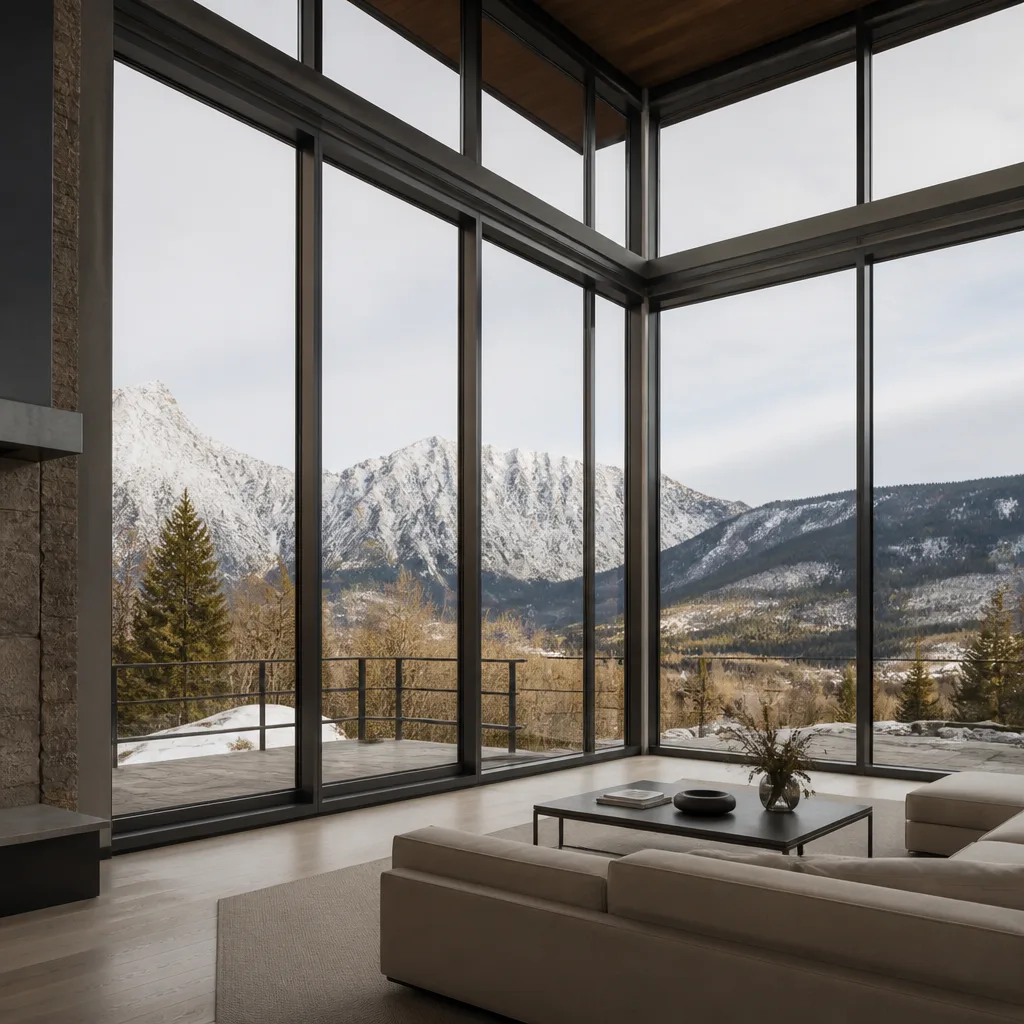
Exterior Deck Railing
Exterior deck railings in Los Angeles take a beating from UV, coastal moisture, and the thermal expansion that comes with 300-plus sunny days a year. When we install glass deck railing, we flash every anchor point with stainless steel and back-dam detailing at the stucco interface. Skip that step, and trapped moisture eats the anchor bolts until the rail wobbles. We’ve seen it enough times in 90001 to never skip it.
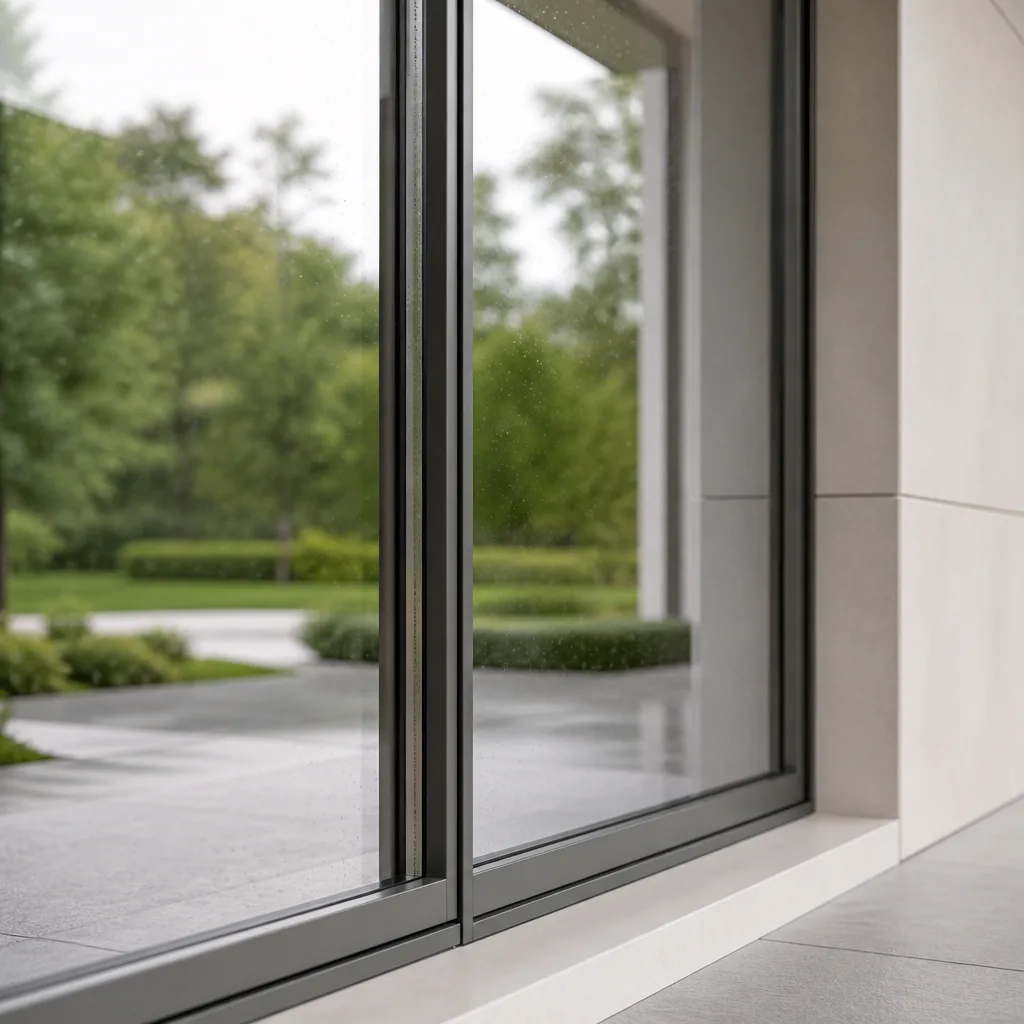
Pool & Spa Glass Fencing
Los Angeles pool codes are strict about barrier height and gate latching, and LADBS enforces them on any permitted pool fence work. We build glass pool fencing that meets code without looking like a prison, using tempered glass and hardware selected for our climate. Homeowners in flatland Los Angeles neighborhoods don’t face the fire-zone glazing rules, but every pool fence still has to pass inspection.
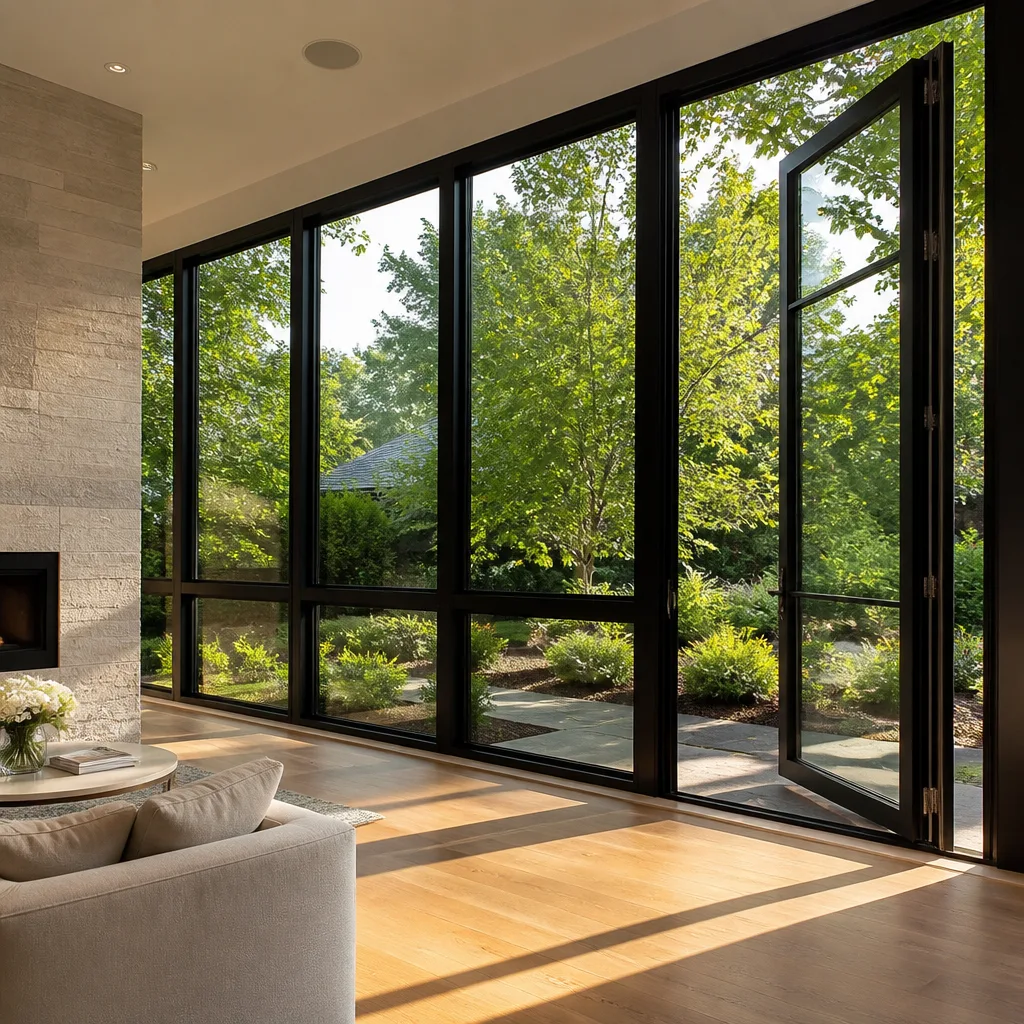
Frameless Glass Rail
Frameless glass rail in Los Angeles is popular for views and clean lines, but it demands exact engineering. Glass thickness, post spacing, and the anchoring system all change based on wind load, exposure, and whether the rail sits on a deck or a raised patio. We measure every mounting point twice and spec the hardware before we quote, so the price we give you is the price on the contract.
What happens when you call
- 1
A real person answersNo phone trees - you reach a local pro.
- 2
You get an upfront price rangeHonest numbers before anyone is dispatched.
- 3
A background-checked tech heads outLicensed & insured, dispatched right away.
- 4
You approve before work beginsNothing starts until you say go.
Trusted Brands We Service in Los Angeles
We stock hardware and replacement parts locally and service glass railing systems built on major national lines. That includes ES Windows, PGT, and CGI, three brands we’ve installed and repaired across Los Angeles for years. When you call us about an existing rail, we can often identify the original hardware on-site and bring the right parts on the first visit. We’re an authorized installer for more than a dozen manufacturer lines, and we quote side by side on paper so you see exactly what you’re buying.
Common Glass Railing Systems Problems We See in Los Angeles Homes
- Corroded aluminum posts at the stucco line. A skipped back-dam lets moisture sit against the anchor bolts, and within a few seasons the post wobbles. We’ve opened enough 1950s stucco walls in Los Angeles to know the pattern before the rail comes off.
- Thermal stress cracks in tempered glass corners. Long exterior runs on a west-facing Los Angeles deck expand and contract hard over a full year. Installers who don’t allow for that movement see panels crack at the corners; we size and set our runs to handle it.
- Silent rot behind wood-framed glass rails. Older stucco bungalows in Los Angeles often still have original waterproofing that was never updated before a rail was mounted. The wood rots behind the cladding, and the first sign is staining after winter rain.
- Wobble from undersized anchors into old framing. A railing is only as strong as what it’s lagged into. On 1930s and 1940s Los Angeles homes, we frequently find undersized or rotted framing that needs attention before the new rail goes up.
Pricing for Glass Railing Systems in Los Angeles, CA
For a straightforward exterior glass deck railing in a flatland Los Angeles neighborhood, budget $180 to $320 per linear foot. A frameless glass rail runs higher, usually $220 to $400 per linear foot, because the panel thickness and anchoring system are more demanding. Pool and spa glass fencing in Los Angeles typically lands between $200 and $350 per linear foot. Hillside homes inside a Very High Fire Hazard Severity Zone will see the glazing cost shift upward; fire-rated or tempered glass is mandatory there under the California Building Code, and that material cost is real. Interior stair rails are priced per project, usually $2,500 to $6,000 for a standard Los Angeles bungalow run. Every quote includes the railing, hardware, labor, and written warranty registration. Call (888) 635-0804 and we’ll give you a fixed price in writing before any work starts.
We Also Serve Cities Near Los Angeles
Beyond Los Angeles itself, our crews regularly work in Huntington Park, South Gate, Bell, and Maywood. If you live in one of those neighboring cities, the same Los Angeles-based scheduling and support applies, and the same Done Right Promise follows every job. Call the office and we’ll get your address on the board.
Serving Los Angeles, CA - Our Local Coverage Area
We’re based in the Los Angeles area and know this community well. Use the map below to see our service coverage - if you’re nearby, we can almost certainly help.
FAQs - Glass Railing Systems in Los Angeles
Yes, most exterior glass railing replacements in Los Angeles require an LADBS permit, especially if the rail attaches to a deck ledger or sits on a hillside. We handle the paperwork, pull the permit, and call for inspection on your behalf. Call (888) 635-0804 and we’ll tell you exactly what your address will need before the first panel comes off.
A panel that cracks suddenly on a hot Los Angeles afternoon was almost always set with insufficient allowance for thermal expansion, which builds over hundreds of sunny days and releases at the weakest corner. It’s a $900 to $1,400 replacement depending on the panel size and hardware. We spec expansion clearances and appropriate glass thickness so the next panel lasts. Call (888) 635-0804 for a site inspection and exact quote.
Yes, but it requires careful anchor placement into studs and a light touch on the plaster around the mounting points. We’ve done it many times in Los Angeles Craftsman homes without blowout or cracking. The key is drilling at low speed with sharp bits and using anchors that spread the load through the lathe rather than against it. For a free walk-through of your bungalow, call (888) 635-0804.
A glass pool fence in Los Angeles must meet barrier height, gap, and gate latching requirements in the California Building Code, while a glass deck railing is governed by load and guardrail rules. They’re different sections of the same code. We build both and know which inspection your project will trigger. Call (888) 635-0804 for a code-specific answer on your property.
We write an allowance into the contract for exactly that possibility on older Los Angeles stucco homes. If we open the wall and find rot, we show it to you, price it in writing, and get your sign-off before we replace the board. No change orders without approval. Call (888) 635-0804 and we’ll explain how the allowance protects you on a 1930s or 1940s home.
Yes, in most Los Angeles residential zones you can replace a deteriorating wrought-iron rail with a glass system that preserves the overall look, but if your home sits in a designated historic district, you’ll need design review first. We can tell you quickly whether your address triggers that. Call (888) 635-0804 and we’ll check before you spend a dollar.
How Los Angeles’s Fire Zones and Old Stucco Change the Job
In Los Angeles, any permitted exterior glass railing system attached to a hillside home within a designated Very High Fire Hazard Severity Zone must use fire-rated or tempered glazing as enforced by LADBS. That requirement does not apply to railing replacements in flatland neighborhoods like 90001 or in neighboring cities like Burbank. It’s a Los Angeles-specific rule that routinely surprises out-of-area contractors and adds meaningful material cost to any hillside job. We flag it before we quote, because a railing that fails inspection saves no one any money.
Our crew recently re-glazed a rusted steel exterior deck railing on a 1940s stucco bungalow off South Central Avenue in 90001. We pulled the corroded metal frame, replaced the rotted wood jamb at the ledger connection, and installed custom tempered glass panels with low-E coating to cut the afternoon heat on the west-facing deck. We flashed every anchor point with stainless steel and back-dam detailing before the stucco patch, so the first winter rain would not find a path behind the new rail.
That job mirrors what we see throughout Los Angeles. The city’s stock of 1920s to 1940s Spanish Colonial Revival and Craftsman bungalows means installers regularly deal with original single-pane steel windows, arched openings, and decorative stucco that demand custom work rather than off-the-shelf swaps. A glass railing attached to one of these homes has to respect the existing waterproofing, the framing condition, and the stucco detail. Get any of those wrong and the rail looks fine for a season, then fails silently.
If the pane is not true, the job is not done. That’s the founding rule at TruePane Windows & Doors, and it’s why we inspect before we quote on every Los Angeles glass railing project. Call (888) 635-0804 to schedule your free estimate. We’ll show up when we say, measure twice, and put the price in writing before the truck leaves your driveway.
Written by Dale Kessler, Owner at TruePane Windows & Doors, serving Los Angeles and surrounding communities.