
Free in-home measure and quote - PGT, CGI and CWS impact lines compared on your actual openings, style by style
Sliding glass doors
Impact garage doorsPGTCGI
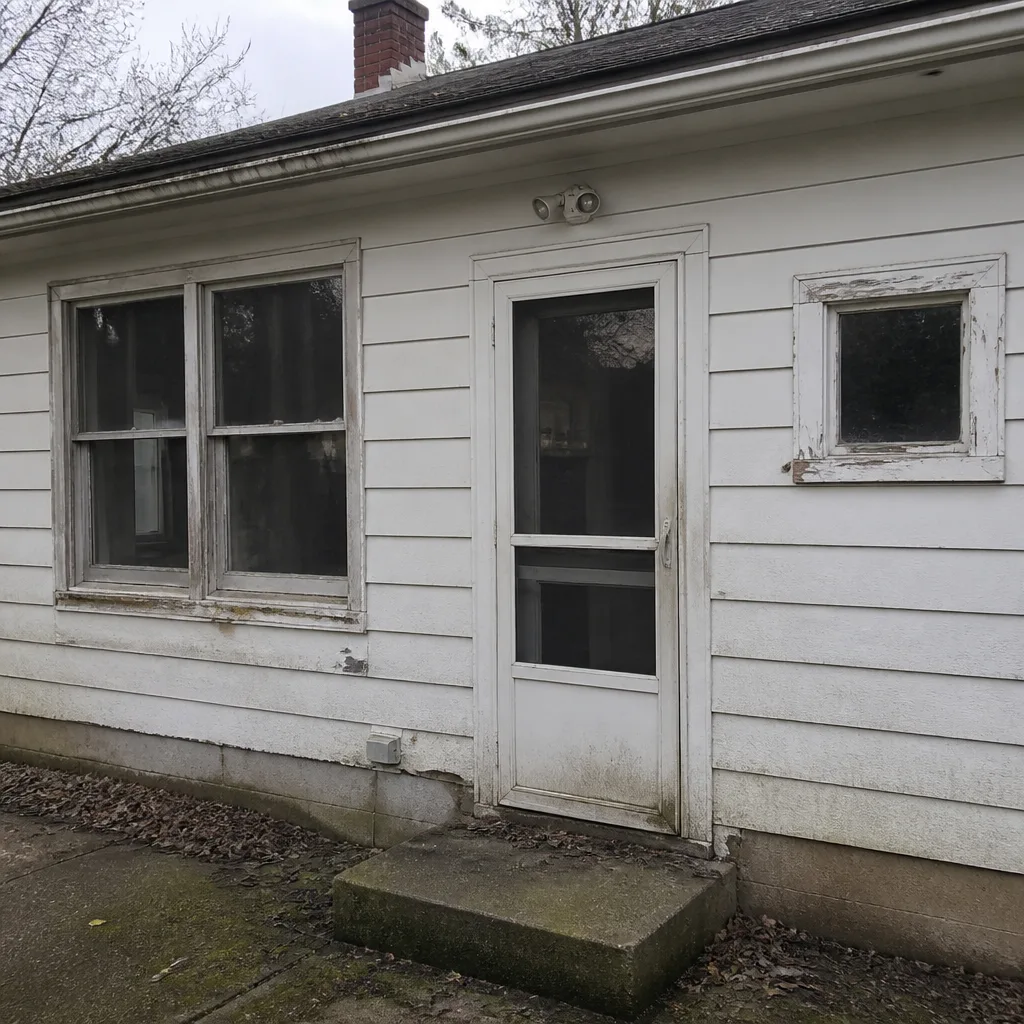 Before
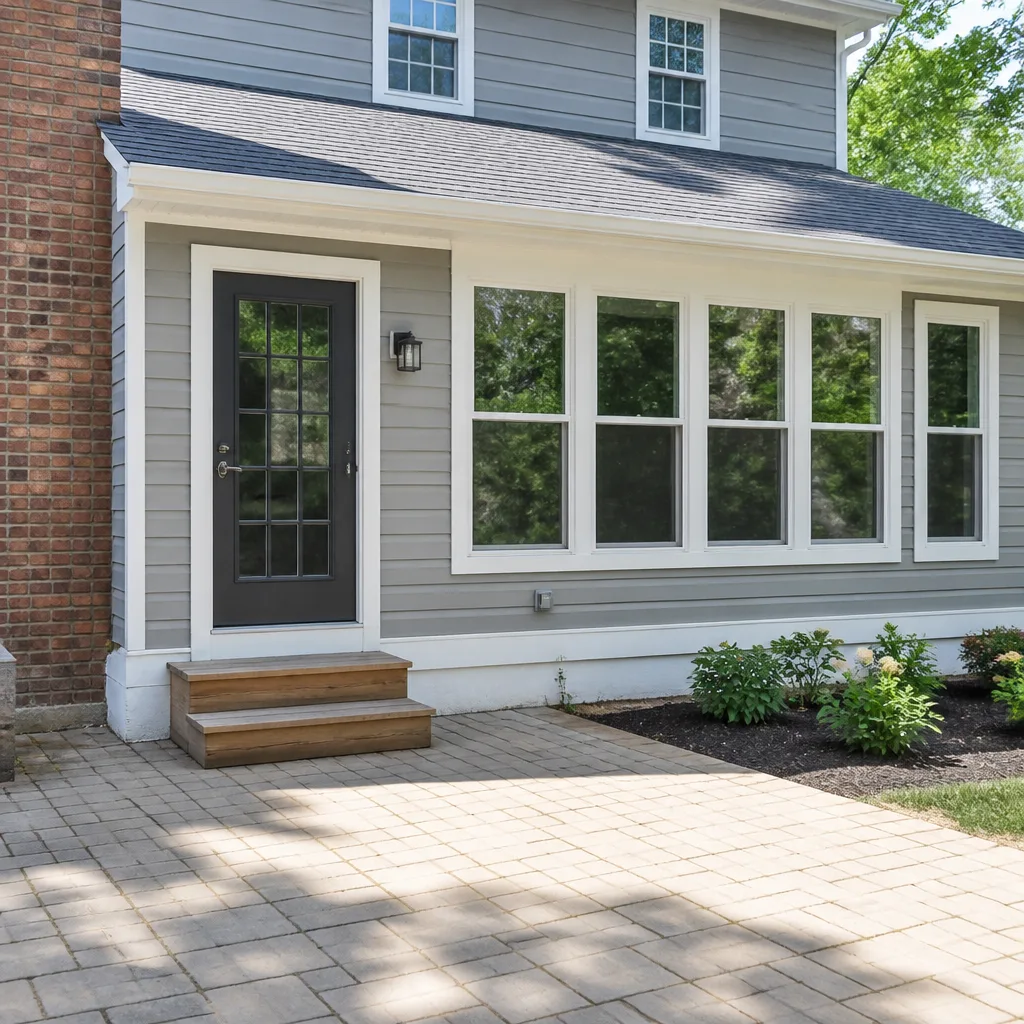 After
After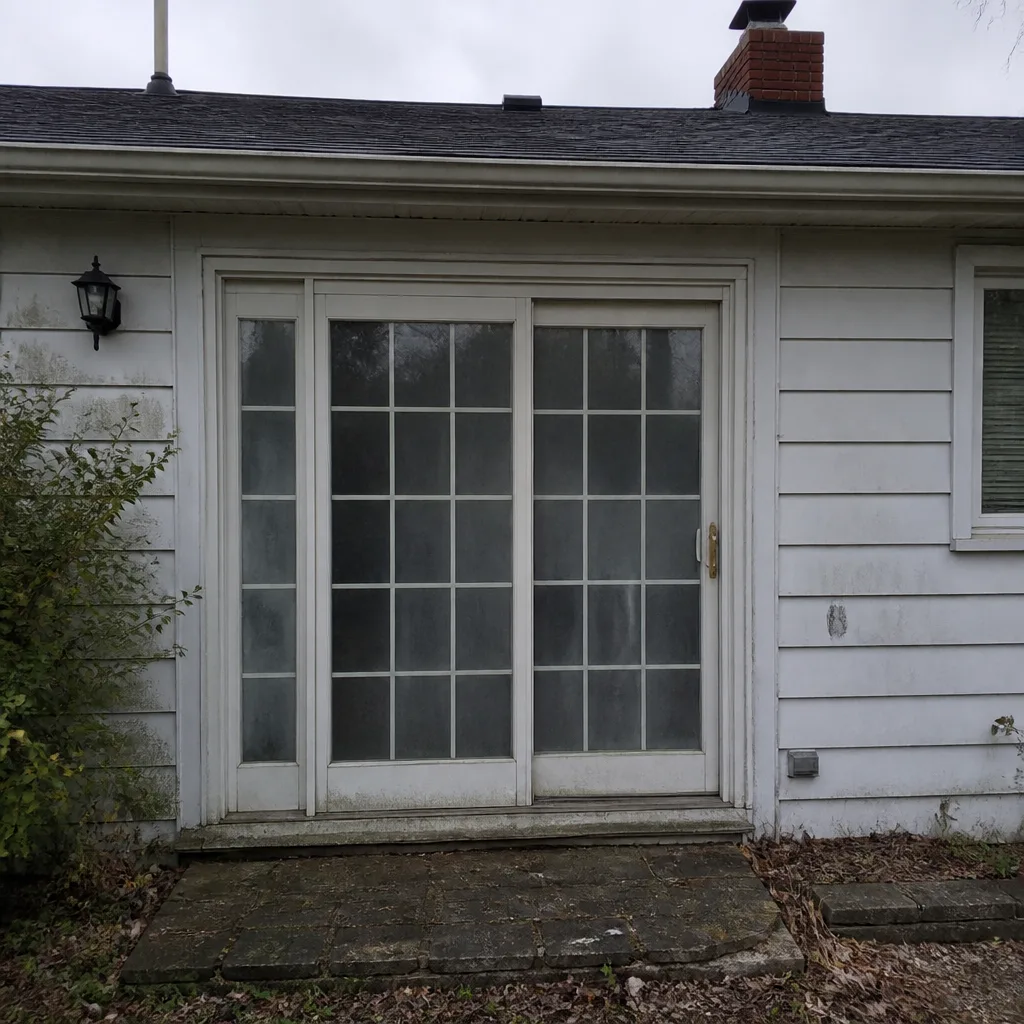 Before
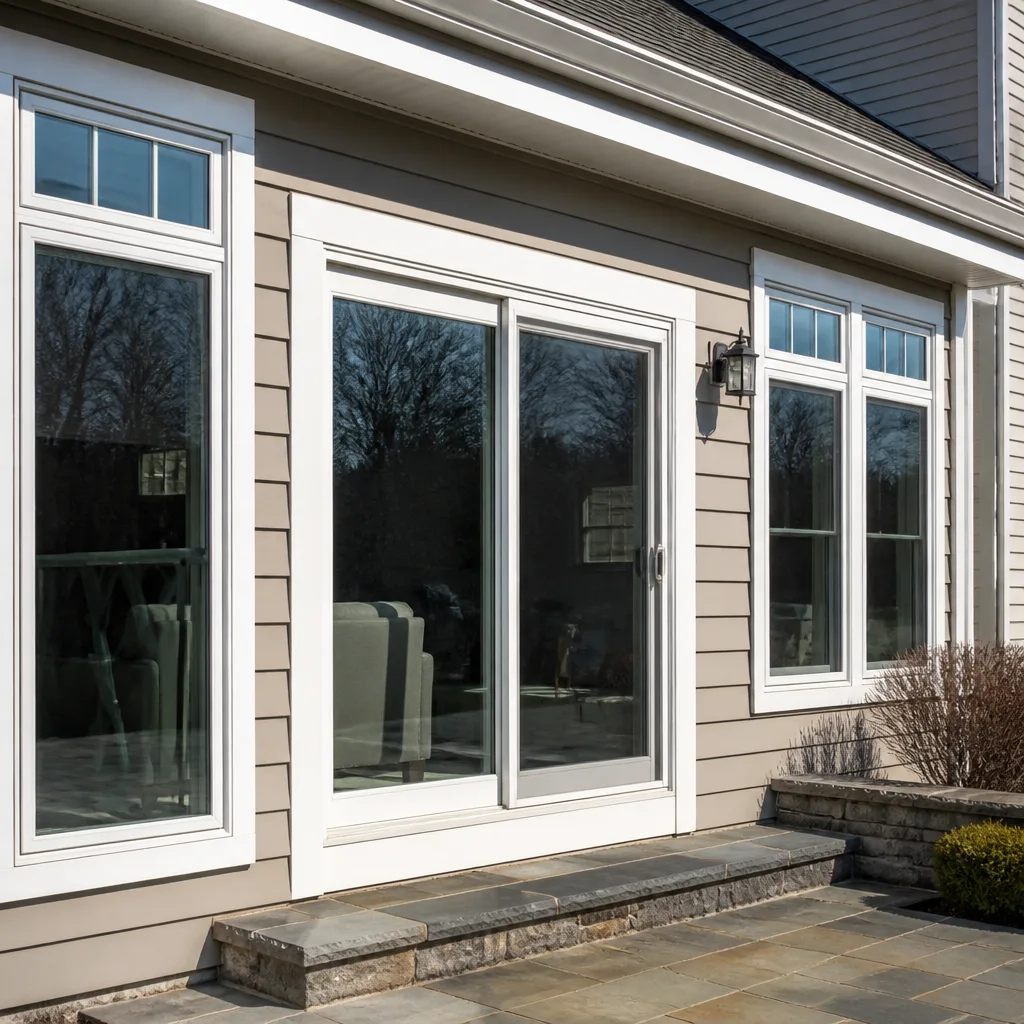 After
After Before
 After
AfterFast, Reliable Glass Railing Systems Across Miami
Glass railing system installation in Miami typically runs $350 to $700 per linear foot for NOA-certified impact-rated systems, with most balcony and terrace projects landing between $4,500 and $12,000 depending on footage, mounting surface, and finish. We serve the full Miami metro from our South FL office, and a live person answers when you call (888) 635-0804, day or night. If you’re in Little Havana, Shenandoah, Flagami, or along Biscayne Bay, we know what your structure needs because we’ve worked on it before.
Miami is not like other glass railing markets. The salt air, the hurricane code, the concrete block homes built between 1940 and 1970, and the Miami-Dade Notice of Acceptance requirements all change what products you can legally install and how we mount them. A railing that works fine in Orlando will not pass inspection here. That’s the reason we lead with Glass Railing Systems that carry county-specific NOA certifications and marine-grade finishes as the baseline, not an upsell.
Why TruePane Windows & Doors Is Miami’s Preferred Glass Railing Systems Company
We’ve spent years earning a reputation in South Florida for doing the job the way the code demands and the homeowner expects. Dale Kessler founded this company on a simple rule: if the pane is not true, the job is not done. That applies as much to a glass railing panel on a second-floor terrace in 33129 as it does to an impact window in 33155. Our Miami crews are background-checked, uniformed, and trained to measure every opening twice before a single anchor is drilled.
Miami homeowners call us because they’ve been burned before. They had a railing installed that flaked within five years from salt corrosion, or a base track that leaked into a 1950s slab edge because the contractor never checked the slope. We handle the structural inspection, the NOA paperwork, the permit, and the mounting details that keep a railing standing through a Cat 3. You get a written quote with both manufacturer warranty layers registered in writing before our truck leaves your driveway. That’s our Keystone Standard, and it’s on every job.
Our Glass Railing Systems Services in Miami
Balcony and Terrace Glass Railings
Balcony railings in Miami take a beating from salt air and hurricane-driven wind. We install frameless and semi-frameless glass railing systems with laminated glass interlayers that meet Miami-Dade HVHZ requirements, mounted on marine-grade aluminum posts or stainless-steel standoff anchors. If you’re in a CBS home in Shenandoah or Coral Way with an original concrete balcony, we inspect the slab edge, check the existing slope, and install waterproofing at the base track so water doesn’t migrate into the concrete and spall the face over time.
Pool and Deck Glass Railings
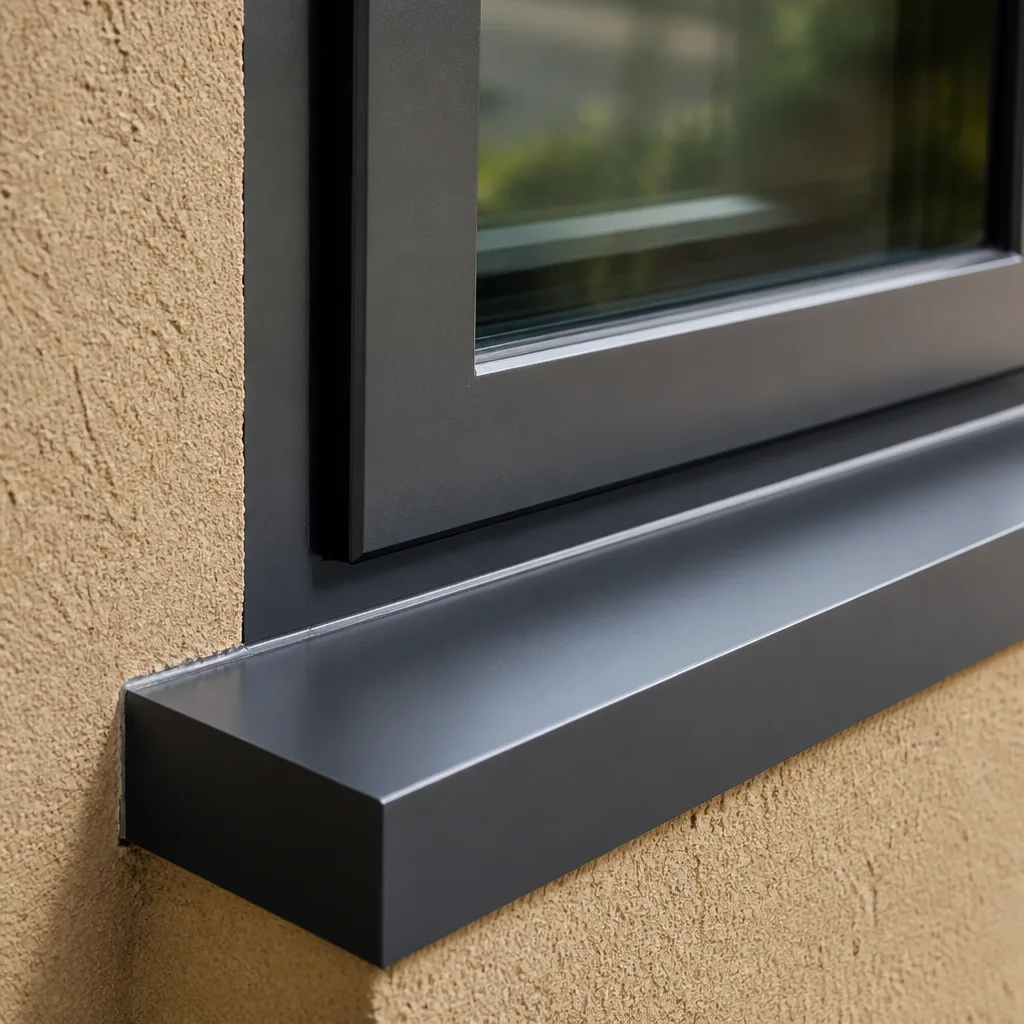
Pool railings in Miami face a different problem than balconies: constant chlorine splash combined with afternoon sun and high humidity. Standard powder-coated aluminum posts will corrode at the welded joints within five to seven years if the coating is compromised. We spec marine-grade anodized or painted finishes and stainless-steel fasteners as the default for any pool deck railing near Biscayne Bay or open water. The glass panels themselves need to be impact-rated if the deck is enclosed by a screen or within a certain distance of the house, and we handle that determination before you spend a dollar.
Stair and Mezzanine Glass Railings
Interior stair railings in Miami don’t face the same wind loads, but they still need to meet local code for load resistance and glass type. We install tempered glass stair railings with discrete mounting channels or standoff pins, depending on your design preference and the condition of the stair stringer. If your home dates to the 1940s or 1950s, the stringer may be undersized for the point loads a glass railing transfers. We check that first and tell you in writing if reinforcement is needed before we order panels.
Custom Glass Railing Fabrication and Installation
Some Miami homes have openings that no off-the-shelf railing system will fit. Arched terrace openings, curved bay edges, or balcony walls that angle around a corner all require custom fabrication. We measure in place, order panels cut to the profile of your existing structure, and handle the NOA paperwork for custom configurations. Custom fabrication typically runs 4 to 6 weeks from approval, and we install in as fast as a single day once your units arrive.
What happens when you call
- 1
A real person answersNo phone trees - you reach a local pro.
- 2
You get an upfront price rangeHonest numbers before anyone is dispatched.
- 3
A background-checked tech heads outLicensed & insured, dispatched right away.
- 4
You approve before work beginsNothing starts until you say go.
Trusted Brands We Service in Miami
We install and service glass railing systems from Mr-Glass, Therma-Tru, ViewLux, and PGT, among others. PGT’s impact-rated laminated glass railing systems are built in Florida and engineered for Miami-Dade’s HVHZ standards, which is why we use them frequently on balcony replacements. Mr-Glass produces railings through a network of regional fabricators, and when a customer needs a specific finish match or replacement panel quickly, our relationship with local suppliers means we can source parts without routing through an out-of-state distributor. If you already have a railing from one of these brands, we can service it, reseal it, or replace failed panels. We stock common mounting hardware for Miami’s most-installed systems.
Common Glass Railing Systems Problems We See in Miami Homes
- Salt-air corrosion at welded joints. Along Biscayne Bay-facing properties in 33129 and along the barrier islands, powder-coated aluminum railing posts flake at the welds within five to seven years. The coating fails first at the heat-affected zone, then salt water wicks into the aluminum, and eventually the glass channel loosens. We replace the post or the entire rail section and spec marine-grade finishes that hold up longer in this environment.
- Failed waterproofing at the base track on CBS balconies. Homes built in the 1950s and 1960s often have balcony slab edges without proper slope. Water pools at the railing base, seeps into the concrete, and rusts the embedded anchors. By the time you see spalling on the face of the slab, the anchors are already compromised. We cut back the damaged concrete, install new anchors, and slope the base track away from the structure before remounting the railing.
- Code-triggered surprises behind the stucco. Opening up an existing balcony wall for a glass railing in a 1950s CBS home often exposes non-compliant wiring or undersized framing behind the stucco. That forces a permit amendment and structural reinforcement before the railing can be mounted. We handle this by performing an inspection before we quote, writing allowances into the contract, and pricing any surprise in writing before we touch it.
- Non-NOA glass railing panels from national suppliers. We see homeowners order a standard tempered glass railing from a national supplier, only to find out at permit review that the system does not carry a Miami-Dade Notice of Acceptance. The product gets rejected and the homeowner is out the cost of the panels and the time. We only quote systems with current NOA certifications for Miami-Dade County, and we verify the certificate number before you pay for anything.
Pricing for Glass Railing Systems in Miami, FL
A typical glass railing system in Miami runs $350 to $700 per linear foot installed, including materials, mounting hardware, waterproofing, and permit documentation. A small balcony of 12 to 15 linear feet in a Coral Way condo generally lands between $4,500 and $9,000. A larger terrace of 25 to 30 linear feet with a curved section or custom glass profile can run $10,000 to $20,000. The factors that move the price: the number of anchors required, whether we’re mounting to concrete or wood, the finish grade, and whether the existing structure needs reinforcement before the railing goes on. Call (888) 635-0804 to schedule a free in-home measure and get a written line-item quote. We don’t give ballpark numbers over the phone, and we don’t change the price once you’ve approved the scope.
What Glass Railing Systems Cost in Miami
To put glass railing pricing in context with the rest of the home’s openings: impact windows in Miami generally run $800 to $1,500 per window installed. Impact single-hung windows run $900 to $1,800. Large or custom openings, like a picture window or a sliding glass door replacement, run $2,500 to $5,000. Whole-home packages run $8,000 to $25,000 or more depending on opening count and floor height. A glass railing system is often part of a larger project on a 1940s to 1970s CBS home, where the balcony or terrace is being enclosed or upgraded alongside the windows. We quote the railing separately, line by line, so you see exactly what each component costs. The free in-home measure and written quote are the starting point.
Florida Pays You Back
Florida has several programs that offset the cost of impact-rated upgrades like glass railing systems and impact windows. The My Safe Florida Home program offers matching grants up to $10,000 for qualifying wind-mitigation improvements. Florida also exempts impact-resistant windows and doors from sales tax, which applies to the glass railing system when it’s part of a wind-mitigation scope. The federal 25C energy credit covers 30% of product cost up to $600 per year on qualifying units. After a wind-mitigation inspection, which typically costs $75 to $150, many Miami homeowners see windstorm premium credits averaging around 25% on the windstorm portion of their policy. We don’t guarantee these numbers because programs and carriers set the final figures, but we’ll point you to the right documentation.
One comparison worth making: impact-rated glass railings versus hurricane shutters on a balcony enclosure. Shutters require you to be home to deploy them, and they don’t address the structural weakness of an original jalousie enclosure. An impact-rated glass railing system with a Miami-Dade NOA is permanent protection, no panels to hang, no tracks to corrode. For homeowners in Miami’s HVHZ who plan to stay in their house, the railing system is the better long-term answer.
We Also Serve Cities Near Miami
Our crews cover Glass Railing Systems in Miami and the surrounding cities: Miami Beach, Key Biscayne, Hialeah, and Opa Locka. If you’re on the beach side in 33101 or inland in 33122, scheduling works the same. Call (888) 635-0804 and a live person will set up your free measure.
Serving Miami, FL - Our Local Coverage Area
We’re based in the Miami area and know this community well. Use the map below to see our service coverage - if you’re nearby, we can almost certainly help.
FAQs - Glass Railing Systems in Miami
Yes, the railing itself requires a Miami-Dade Notice of Acceptance. Miami-Dade’s HVHZ code classifies glass railing systems as exterior architectural elements subject to the same large-missile impact and cyclic pressure testing as windows and doors. Most glass railing manufacturers nationwide do not hold this certification, which limits your product choices to county-approved systems engineered with laminated glass interlayers and marine-grade aluminum. Before you buy any railing, we verify the NOA number on the specific configuration you’re installing. Call (888) 635-0804 and we’ll check your opening against the current approved product list.
No. A standard tempered glass railing from a national supplier will not pass permit review in Miami-Dade County unless the specific system carries a current NOA with large-missile impact rating. Most national catalog railings are designed for interior or non-HVHZ exterior use. If you order one and it fails at permit review, you’re stuck with the panels and the cost. We only quote systems with verified Miami-Dade NOA certifications. Call (888) 635-0804 for a free measure and we’ll show you approved options on paper.
We start with a structural inspection of the slab edge and the beam behind it, then use stainless-steel sleeve anchors or weld-plate details sized to the existing concrete condition. On older CBS construction, the concrete can be brittle at the edge, so we anchor deeper than the minimum code requirement and often install a continuous base track that distributes the load across the full length of the balcony rather than concentrating it at point anchors. If the concrete is spalled or the original anchors are rusted, we cut back the damaged section and repair it before mounting. Call (888) 635-0804 to have us look at your specific balcony.
Yes. Any replacement of an exterior balcony enclosure or railing system in Miami-Dade requires a building permit, and the permit triggers a review of the entire opening. If the original jalousie framing was installed without a permit or the electrical work behind the wall is non-compliant, the inspector will flag it and you’ll need a permit amendment. We handle the permit set, the NOA documentation, and any code corrections that come up during inspection. The paperwork often takes longer than the installation itself, so plan for that. Call (888) 635-0804 and we’ll walk you through the timeline.
Marine-grade anodized aluminum or a multi-stage painted finish, with stainless-steel fasteners as the baseline. Standard powder-coated aluminum will flake at the welded joints within five to seven years in Flagami’s salt-air environment because the coating fails first at the heat-affected zones. Anodized finishes don’t rely on a paint film, so they don’t flake. If you want a color match to existing hardware, use a painted finish with a marine-grade primer and topcoat, and we’ll spec stainless hardware throughout. Call (888) 635-0804 for an exact recommendation based on your exposure and existing finishes.
How We Handle What Opening Up an Older Miami Home Actually Turns Up
When we open a wall or a balcony edge on a 1940s to 1970s CBS home in Miami, we find things the homeowner didn’t know about. Outdated wiring that doesn’t meet current code. Undersized or corroded framing behind the stucco. Failed waterproofing at the slab edge that’s been leaking into the concrete for decades. In Shenandoah and Flagami specifically, original jalousie enclosures were often installed with no waterproofing detail at all, and the slab edges are flat or sloped toward the house rather than away from it. Those are the things that move a quote.
We handle it this way: inspection first, before we quote. We open the wall or the balcony edge and document what’s there, then we write allowances into the contract for the things we can’t see until the work is underway. If we find a problem, you get a price in writing and you approve it before we touch it. No surprise line items on the bill, no second appointment left hanging.
One field vignette from our work: on a 1950s CBS home in Shenandoah, our crew replaced a corroded second-floor jalousie balcony enclosure with a custom PGT glass railing system. We performed a structural inspection of the existing concrete beam first, then installed stainless-steel anchors with a weld-plate detail and impact-rated laminated glass panels carrying a Miami-Dade NOA that matched the home’s new impact windows. The permit set took three weeks. The installation took one day. That’s the typical ratio here.
This page gives you a Miami-Dade NOA gatekeeping reality check on glass railing systems that a generic national railing page misses, including marine-grade material specs and structural inspection protocols specific to 1940s through 1970s CBS construction. If you live in 33155, 33156, 33101, or 33122, or anywhere else in the Miami metro, call (888) 635-0804 to schedule your free in-home measure. We’ll give you a written quote with both warranty layers registered in writing, and the job will be done right.
Written by Dale Kessler, Owner at TruePane Windows & Doors.