
Free in-home measure and quote - PGT, CGI and CWS impact lines compared on your actual openings, style by style
Sliding glass doors
Impact garage doorsPGTCGI
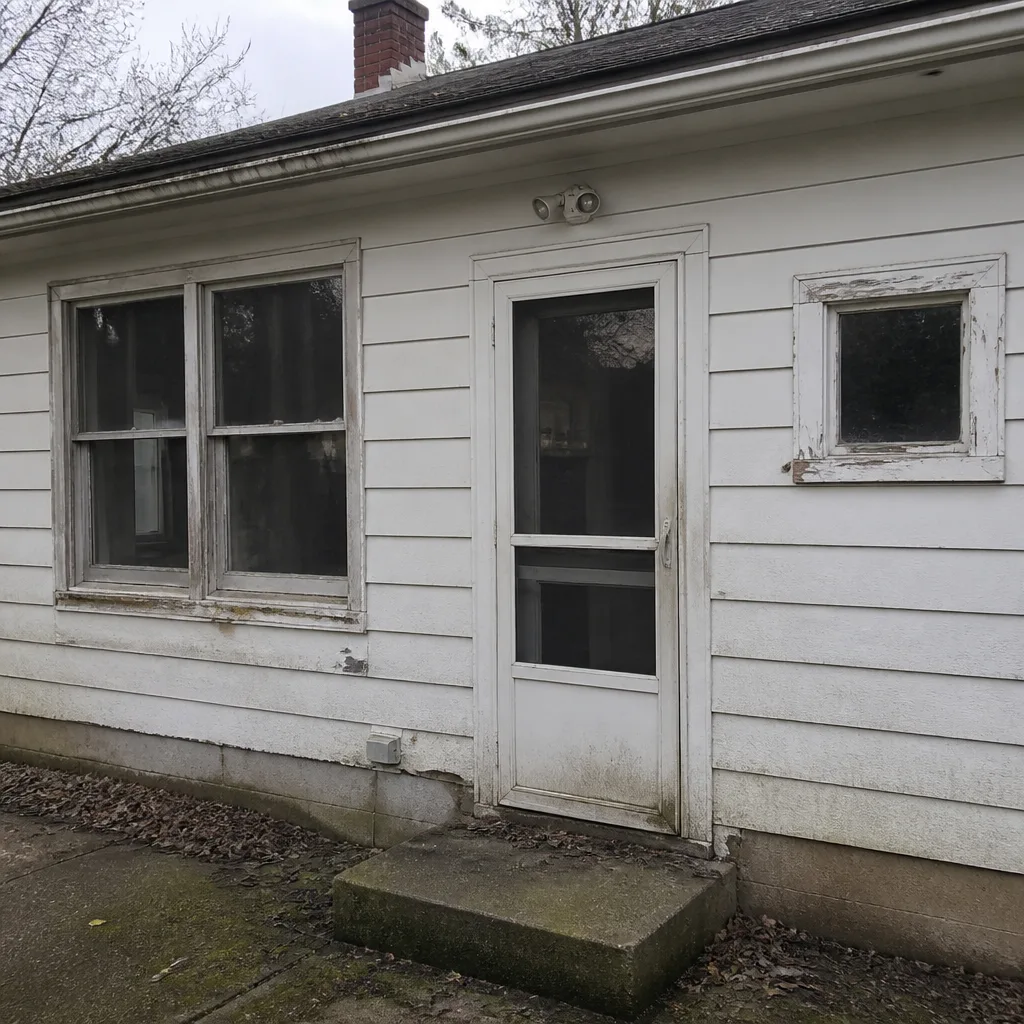 Before
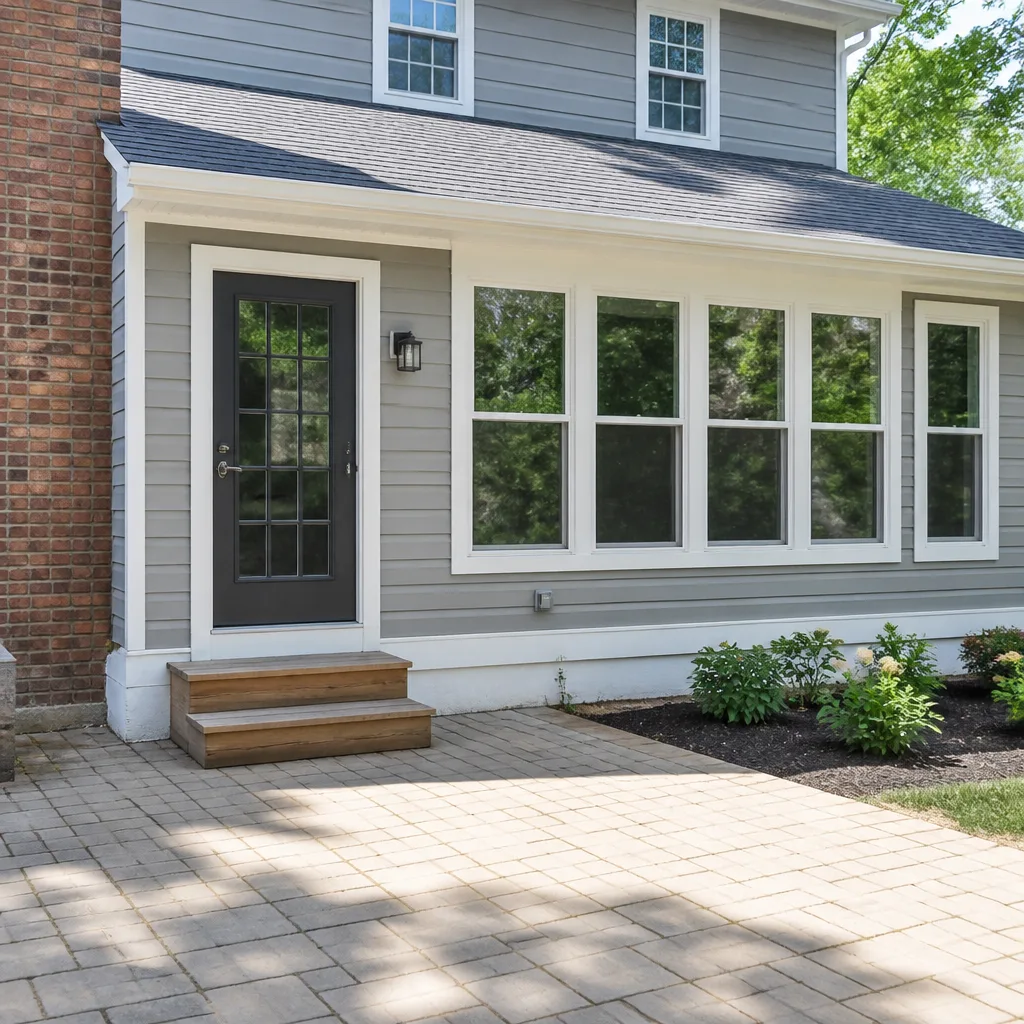 After
After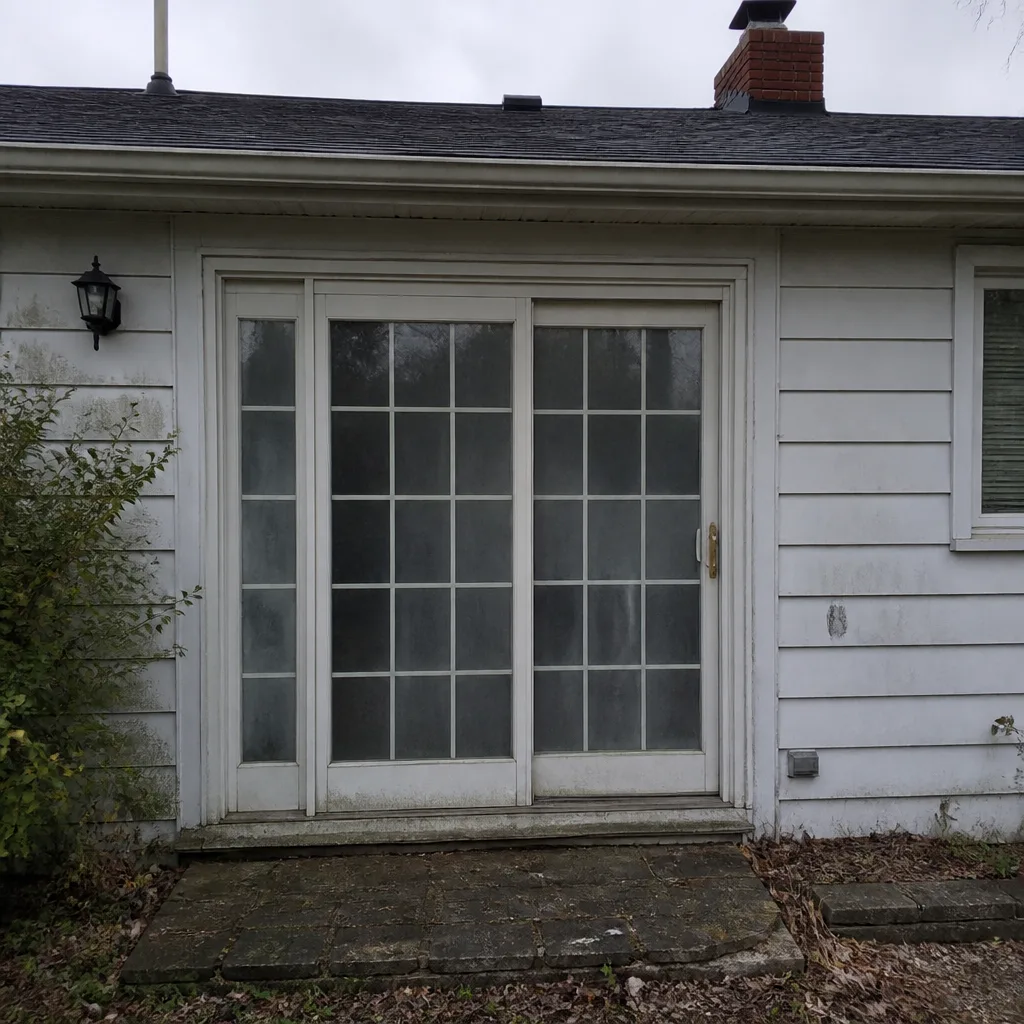 Before
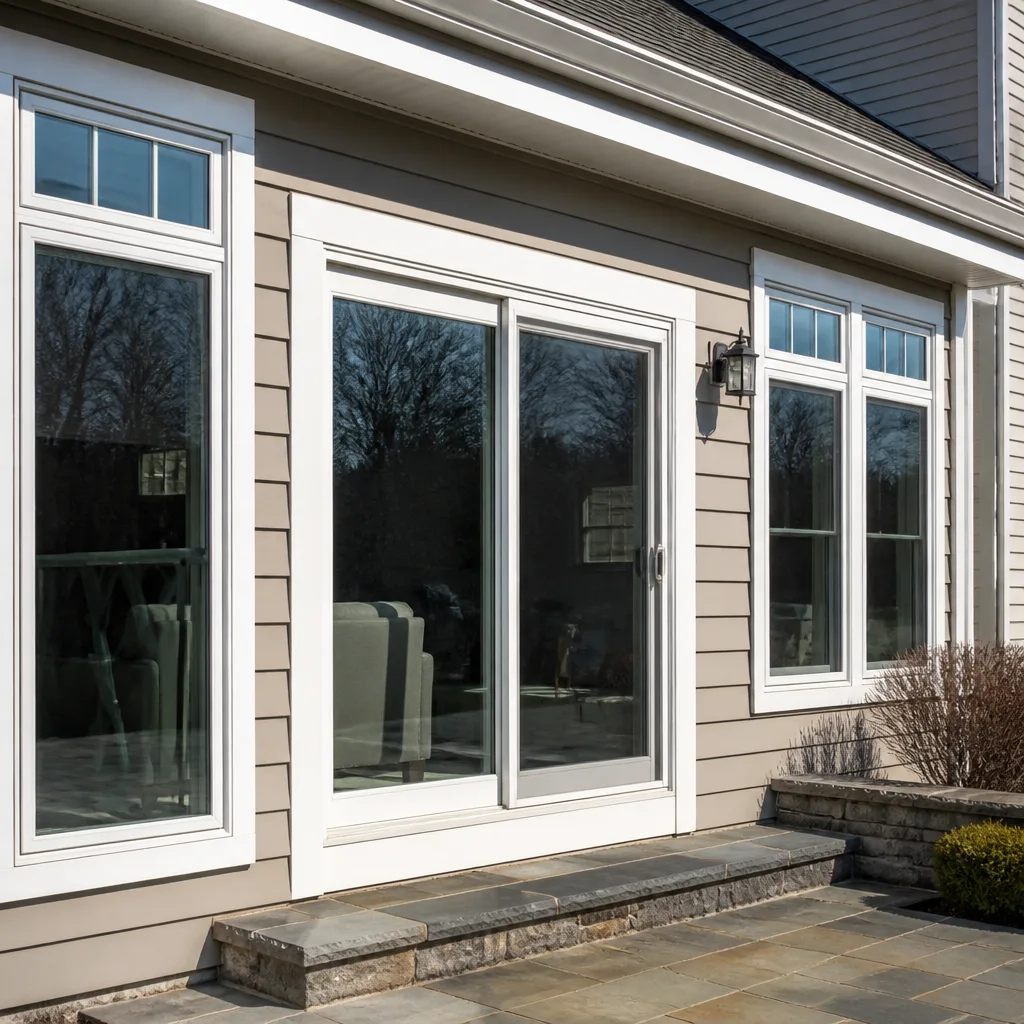 After
After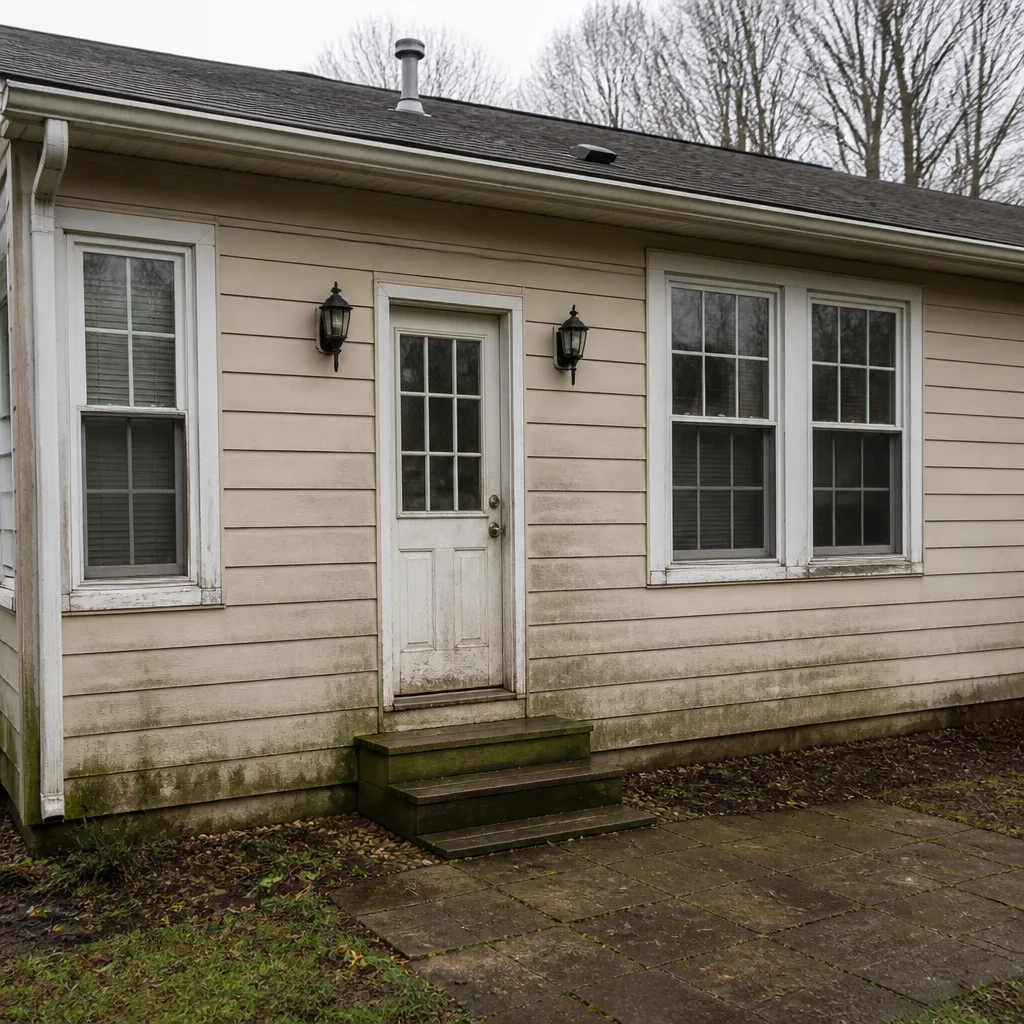 Before
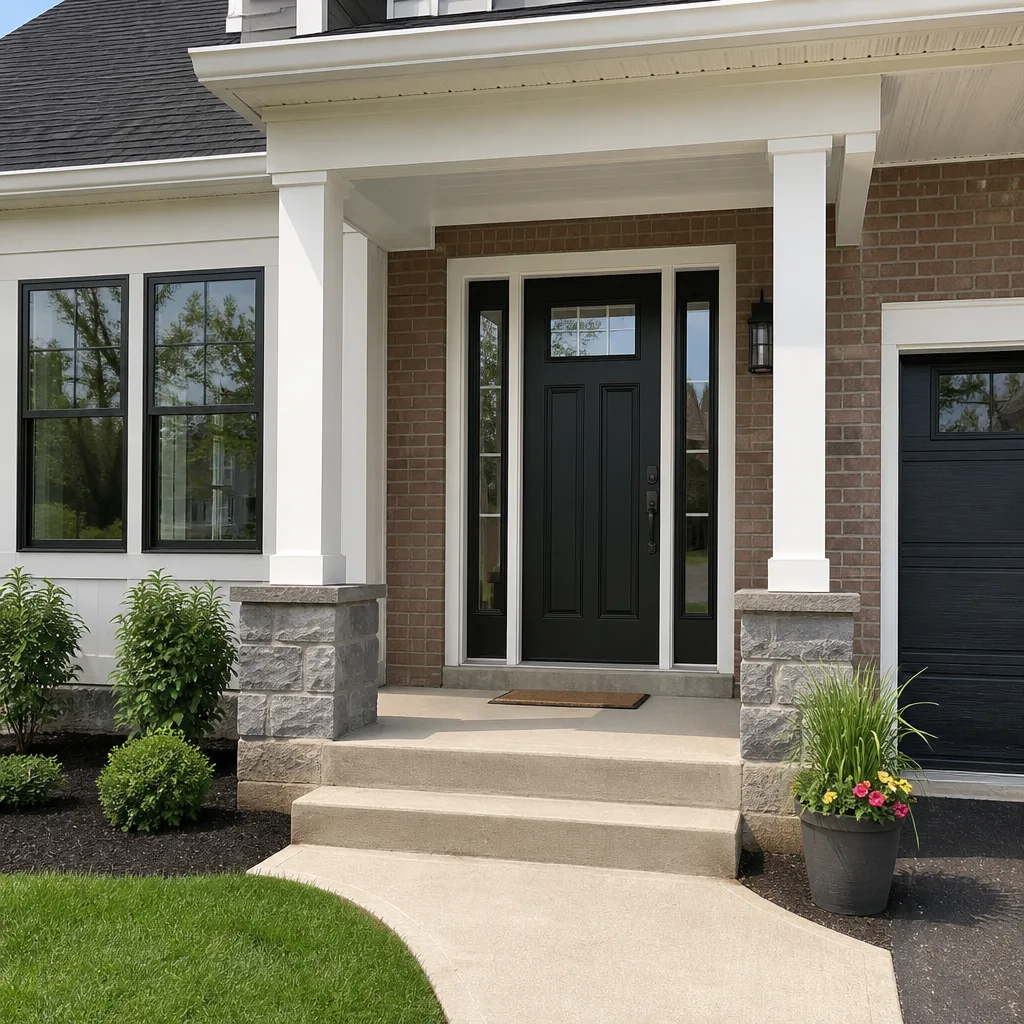 After
AfterFast, Reliable Glass Railing Systems Across Mission District
Glass railing systems in Mission District homes cost between $220 and $480 per linear foot installed, depending on whether you choose frameless tempered glass, interior glass panels, or a cable system. Most Mission District decks and stairways run 15 to 40 linear feet, which puts most projects in the $3,300 to $19,000 range before any structural work on the underlying framing. The Mission’s older Victorians and Edwardians add a wrinkle: the wood framing under the railing is often over a century old, and it usually needs reinforcement before new glass goes in. If you’re pricing a railing on a Mission District flat or single-family home, call (888) 635-0804 and we’ll give you a written, line-item estimate based on your actual deck or stair dimensions, not a guess over the phone.
Why TruePane Windows & Doors Is Mission District’s Preferred Glass Railing Systems Company
We’re a glass and glazing company out of the San Francisco Bay Area, and the Mission District is one of our core service areas. Our crews know the streets here: the tight rowhouse spacing along 24th Street and Folsom, the narrow side yards off South Van Ness, the roof decks on top of three-story flats above Valencia Street. That matters when you’re moving 8-foot tempered glass panels up a winding Victorian staircase or a narrow exterior ladder. We’ve done it enough times that we know which panels fit through a Mission side gate and which need to go up over a roof.
Every job is run by background-checked, uniformed technicians who measure twice, quote manufacturer lines side by side on paper, and register both warranty layers in writing before the truck leaves the driveway. That’s The Keystone Standard, and it applies to every glass railing we install in Mission District. Dale Kessler founded this company on a simple rule: if the pane is not true, the job is not done. It’s the same standard on a $3,000 interior stair rail as it is on a $25,000 exterior deck system.
We stand behind the work with a Done Right Promise. If something is not right, we make it right. No paperwork fights, no arguing. Homeowners in Mission District call us because they’ve been burned before by a contractor who disappeared after the check cleared. We plan to be here in thirty years, and we act like it.
Our Glass Railing Systems Services in Mission District
We offer the full range of Glass Railing Systems for Mission District homes, from small interior stair rails to full exterior deck enclosures. Here’s what we install most often in the neighborhood.
Interior Glass Railing
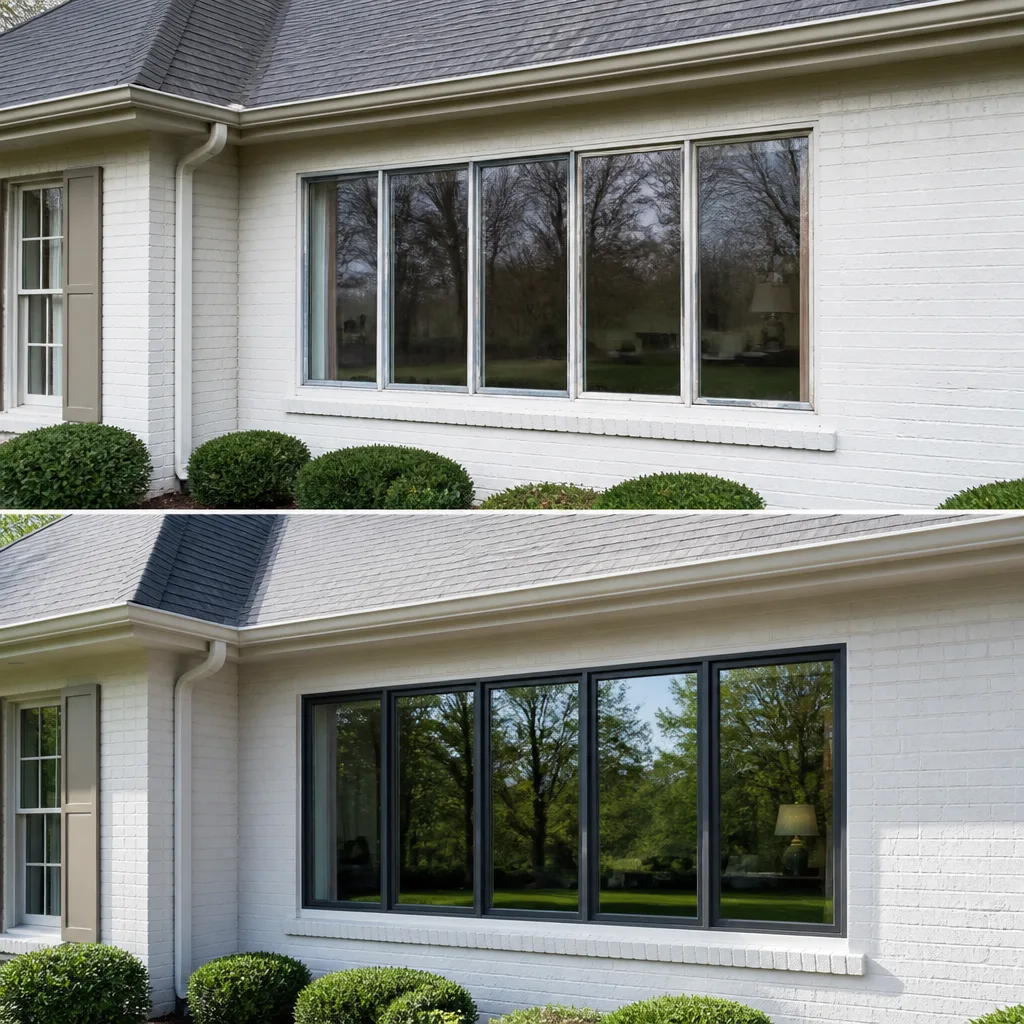
Open-plan living is common in Mission District flats that have been remodeled in the last decade, and glass railings let light move through spaces that would otherwise feel chopped up. On a typical Mission Victorian, an interior glass rail for a stairway or loft edge runs $220 to $350 per linear foot. The glass itself is tempered, and we mount it with either stainless steel clamps or an aluminum base channel, depending on the look and the existing floor structure. In older Mission District buildings, we always check the floor joists under the rail path first. A glass rail is heavy, and a century-old floor can sag more than you’d think.
Exterior Deck Railing
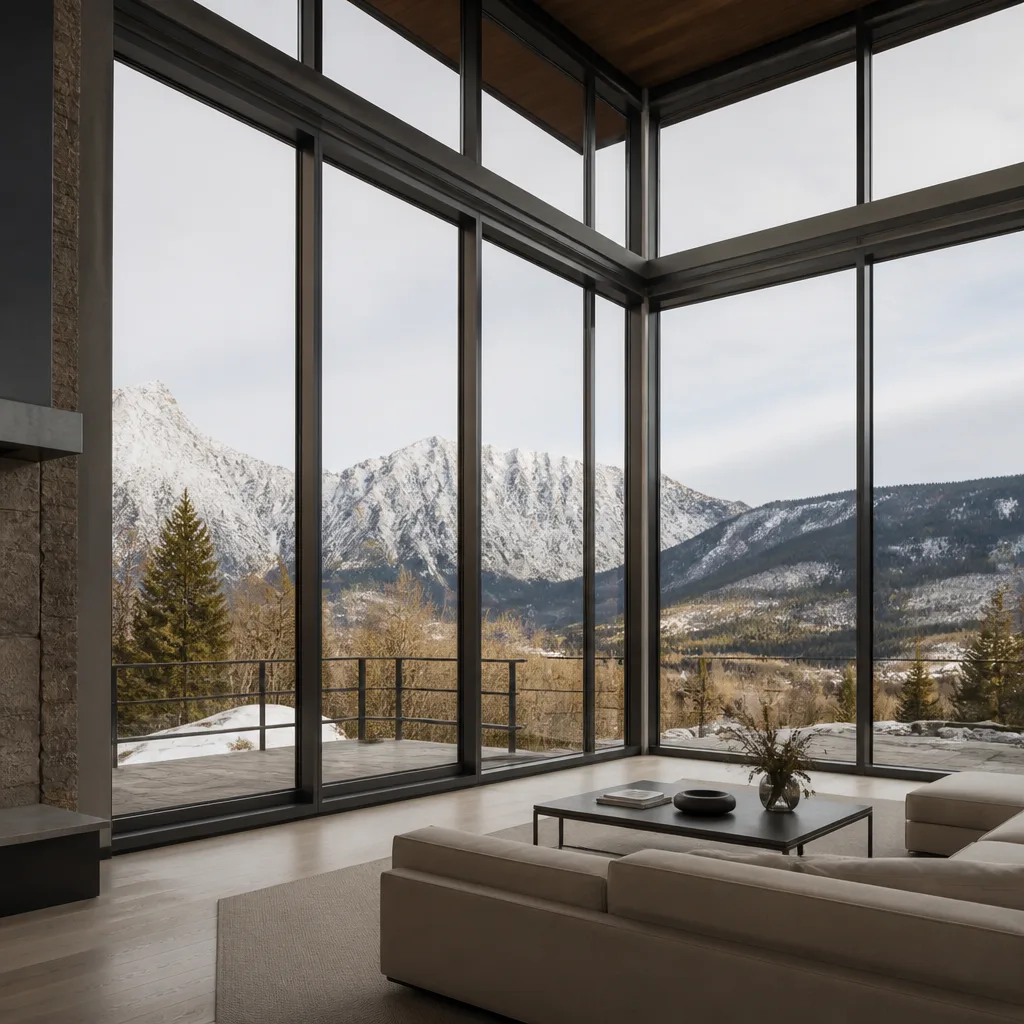
Exterior deck railing is where Mission District’s specific conditions matter most. Because the Mission sits in San Francisco’s warmest, sunniest microclimate, south- and west-facing decks get UV and heat loading that the Sunset or Richmond never see. We specify corrosion-resistant stainless steel hardware and tempered glass rated for constant sun exposure. On a rooftop deck off Valencia or a rear deck overlooking an alley, an exterior glass rail system typically runs $280 to $480 per linear foot, including structural upgrades to the deck framing if needed. And on older Mission decks, framing upgrades are almost always needed.
Pool & Spa Glass Fencing
Pool and spa glass fencing in the Mission District tends to be smaller in scale, since most lots are tight. A rear-yard plunge or a rooftop spa enclosure benefits from frameless glass panels that let light through while keeping curious kids out. We install safety-rated tempered glass, and we’re aware of the wind uplift along the Mission’s south slope. Panels need proper expansion gaps. When the afternoon sun hits a south-facing panel that’s locked tight in its base shoe, thermal stress can crack it. We leave the gaps the spec calls for, even when a homeowner asks us to squeeze them shut. We’d rather explain why than replace a shattered panel in August.
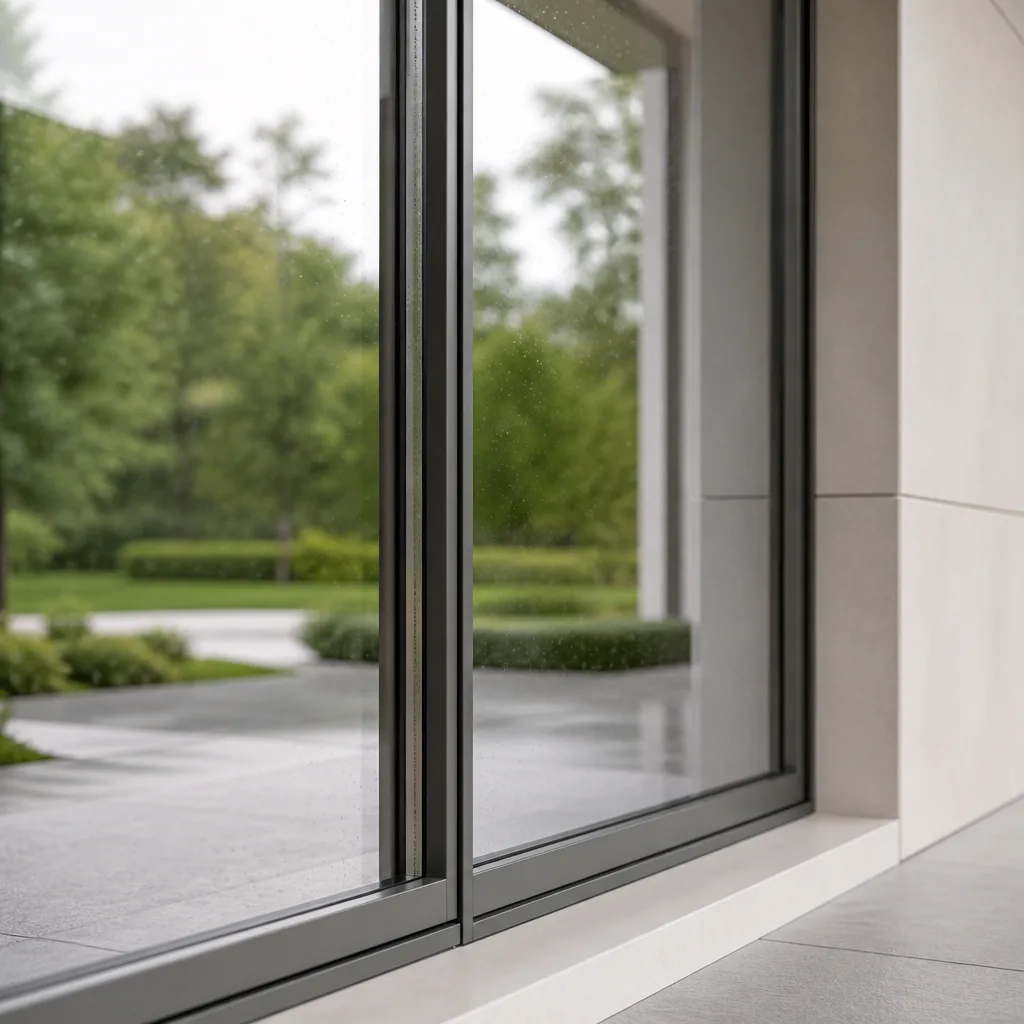
Frameless Glass Rail
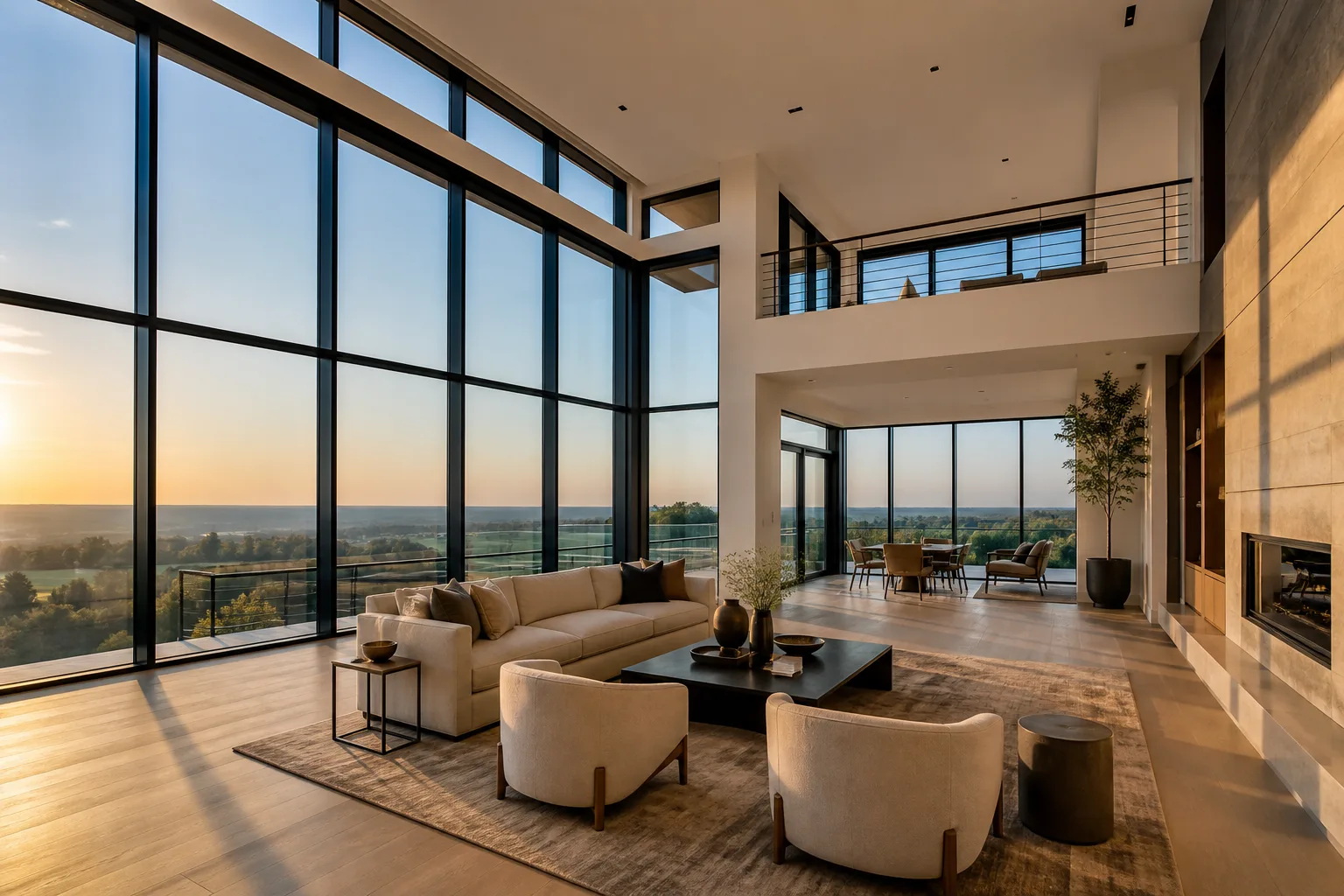
Frameless glass rail is the system we install most in Mission District, because it solves a real problem: a century-old home has character, and a thick wood or powder-coated rail can block the light and age the facade visually. Frameless panels with stainless steel standoffs preserve sightlines and weather beautifully in the Mission’s mix of sun and marine air. On a three-story Victorian flat near 24th and Folsom, our crew replaced a rotting wood deck railing with a frameless glass rail system. The original 1910 cantilevered deck framing had water damage at the gable end, but we sistered new pressure-treated joists, installed an impact-rated tempered glass rail with stainless steel standoffs, and flashed the base with peel-and-stick flashing tape so the sunny southern exposure won’t eat the new end grain like it did the old. That’s the kind of detail work this neighborhood demands.
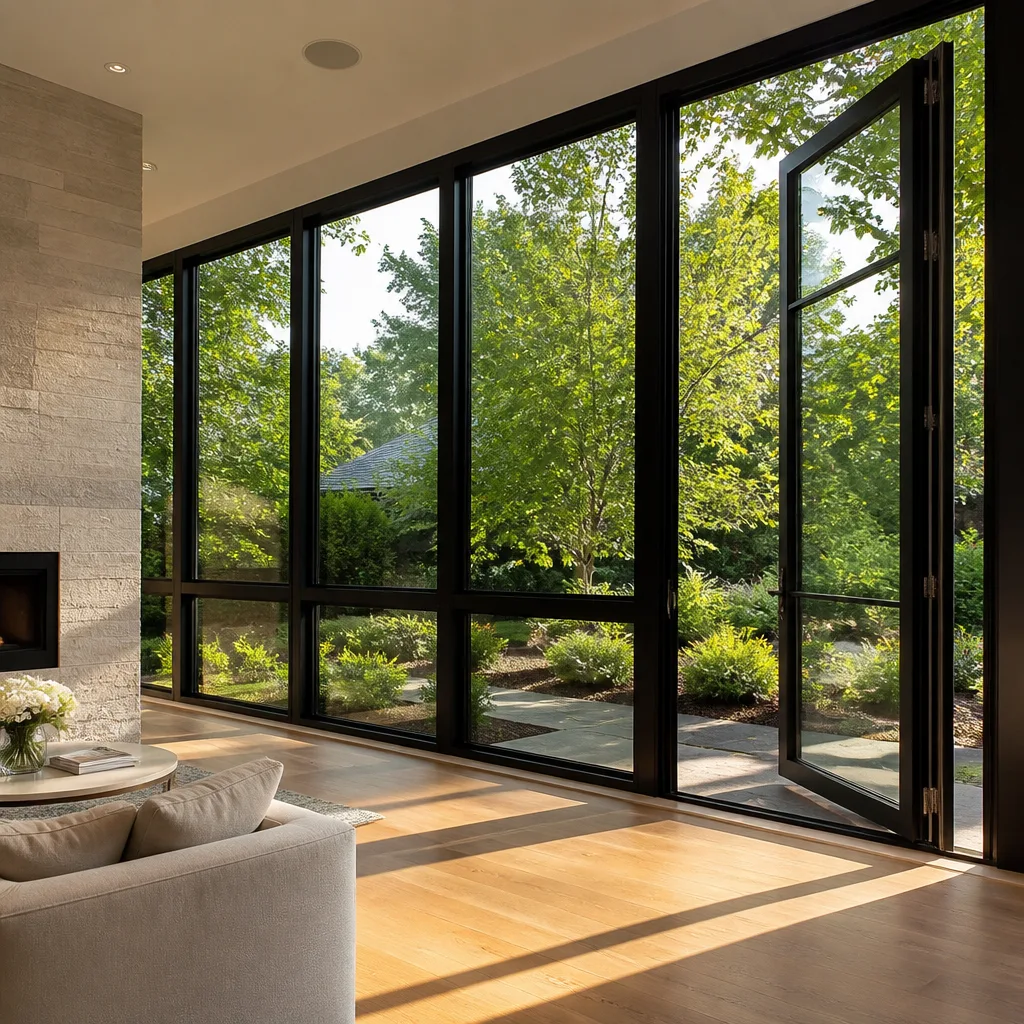
Cable Railing Systems
Some Mission District homeowners prefer cable railing, especially on decks where they want to preserve a more industrial, understated look. Stainless steel cable systems run $180 to $320 per linear foot installed. A word of caution from our field work: cable rails near the marine layer, where fog squeezes through the hills on summer mornings, can pit at welds quicker than you’d expect. We use marine-grade stainless steel and we inspect welds on every installation. On a Mission rooftop, that difference shows up within five years.
What happens when you call
- 1
A real person answersNo phone trees - you reach a local pro.
- 2
You get an upfront price rangeHonest numbers before anyone is dispatched.
- 3
A background-checked tech heads outLicensed & insured, dispatched right away.
- 4
You approve before work beginsNothing starts until you say go.
Trusted Brands We Service in Mission District
We install and service glass railing lines from PGT, CWS, and Ply Gem, among others, and we’re an authorized installer for more than a dozen manufacturer lines. That matters because it means we can quote two or three brands side by side on paper, showing you the glass thickness, the hardware finish, the warranty duration, and the price. You see exactly what you’re buying before we start. We keep common hardware and panel sizes in local supply for faster turnaround in Mission District, and when a warranty claim does come up, we manage the paperwork with the manufacturer ourselves. You don’t chase down a rep.
Common Glass Railing Systems Problems We See in Mission District Homes
- Stainless steel pitting at welds near the marine layer. Fog squeezes through the hills around Twin Peaks on summer mornings, and that salty, damp air settles on exposed metal. Cheaper stainless pitting at weld points is a failure we see in decks that were installed by contractors who don’t know the Mission’s specific microclimate.
- Tempered glass shattering from thermal stress on south-facing rails. When a Mission afternoon hits 80 degrees and the glass expands, a panel installed without proper expansion gaps can crack. We leave the manufacturer-spec gaps, every time.
- Railing posts pulling loose from cantilevered Victorian framing. The original decks on many Mission flats are cantilevered assemblies built between the 1890s and 1910s, and the wind uplift along the south slope puts real load on those old joists. Posts anchored into undersized or partially rotted framing loosen within a few seasons. We sister or replace framing before mounting any rail.
- Glass panels delivered without Mission-side access planning. This is a neighborhood-specific problem. Narrow side yards and zero-lot-line construction on many blocks between South Van Ness and Mission Street mean a standard delivery truck can’t always park near the door. We plan panel logistics before the job starts, which keeps the cost honest and the schedule intact.
Pricing for Glass Railing Systems in Mission District, CA
A typical interior glass railing in Mission District runs $220 to $350 per linear foot. An exterior frameless glass rail runs $280 to $480 per linear foot, more if the existing deck framing needs structural work. Cable rail systems run $180 to $320 per linear foot. Pool glass fencing generally falls between $250 and $420 per linear foot depending on panel height and gate hardware. These are installed ranges, including materials, labor, permits, and warranty registration. If your deck is a Mission District cantilevered Victorian with framing from 1910, the structural allowance may add $1,500 to $6,000, depending on what we find when we open it up. We write that allowance into the contract upfront, and if the final number comes in lower, you pay the lower number. A real phone call with your measurements gets you an exact number. Call (888) 635-0804 for a free estimate.
We Also Serve Cities Near Mission District
Our crews work throughout the San Francisco Bay Area, and we regularly install glass railing systems in neighborhoods and cities surrounding Mission District, including Parkway, Arden-Arcade, Ladera Heights, and Commerce. If you’re near the Mission but a little outside the core streets, Glass Railing Systems in Mission District callers can still reach us at (888) 635-0804 and we’ll schedule accordingly.
Serving Mission District, CA - Our Local Coverage Area
We’re based in the Mission District area and know this community well. Use the map below to see our service coverage - if you’re nearby, we can almost certainly help.
FAQs - Glass Railing Systems in Mission District
The structure underneath is different. Mission Victorians and Edwardians built between the 1890s and 1910s have cantilevered deck assemblies and original wood framing that is over a century old. Experience shows that the framing is often undersized for current wind uplift along the south slope, and rot at the gable ends is common. We inspect the framing before quoting, and we write any structural allowance into the contract so you know what the worst case looks like before we start.
They need glass specified for heat and UV, not just marine air. Twin Peaks blocks the ocean fog, so Mission District south- and west-facing exposures get far more sun and thermal cycling than the Sunset or Richmond. We specify tempered glass rated for constant sun and stainless hardware that won’t pit quickly in the summer marine layer. Call (888) 635-0804 and we’ll walk you through the exact spec for your exposure.
Yes, with the right base detail. On a flat Mission roof, we use surface-mounted or curb-mounted base shoes sealed and flashed with peel-and-stick tape, not through-bolted posts that puncture the roof membrane. This is standard practice for us, and we verify the roof membrane condition before recommending a mounting method. It’s one reason we measure twice and show you the detail on paper before installation.
We plan the delivery path before the job. Many Mission District flats between South Van Ness and Mission Street have side yards under three feet wide or zero-lot-line walls, which means panels often go up over the roof or through an interior stairwell. We’ve done it enough times to know what fits where, and we factor that into the quote. It’s never a surprise line item. Call (888) 635-0804 and describe your access, and we’ll tell you what’s realistic.
A frameless glass rail is one of the least visually intrusive options, because it preserves sightlines and doesn’t compete with original wood details. The Mission’s Victorian and Edwardian flats have ornate cantilevered bay windows and decorative wood surrounds, and a heavy powder-coated metal rail can visually age a facade. Frameless panels with stainless standoffs are our most common recommendation for this neighborhood’s older homes. We’ll show you side-by-side options on paper before you decide, and we register both warranty layers in writing under The Keystone Standard before we leave the driveway.
Written by Dale Kessler, Owner at TruePane Windows & Doors, serving Mission District and the surrounding Bay Area.