
Last updated August 15, 2026
Free in-home measure and quote - PGT, CGI and CWS impact lines compared on your actual openings, style by style
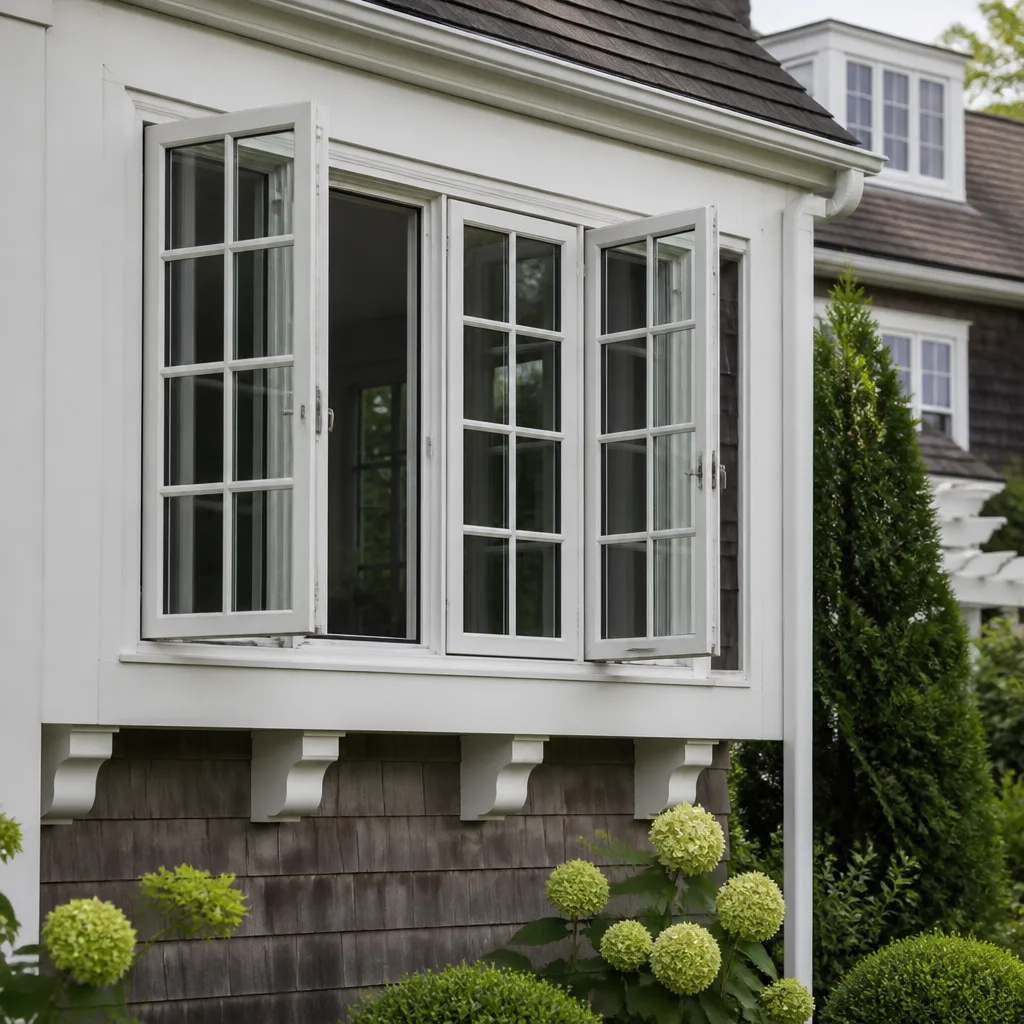
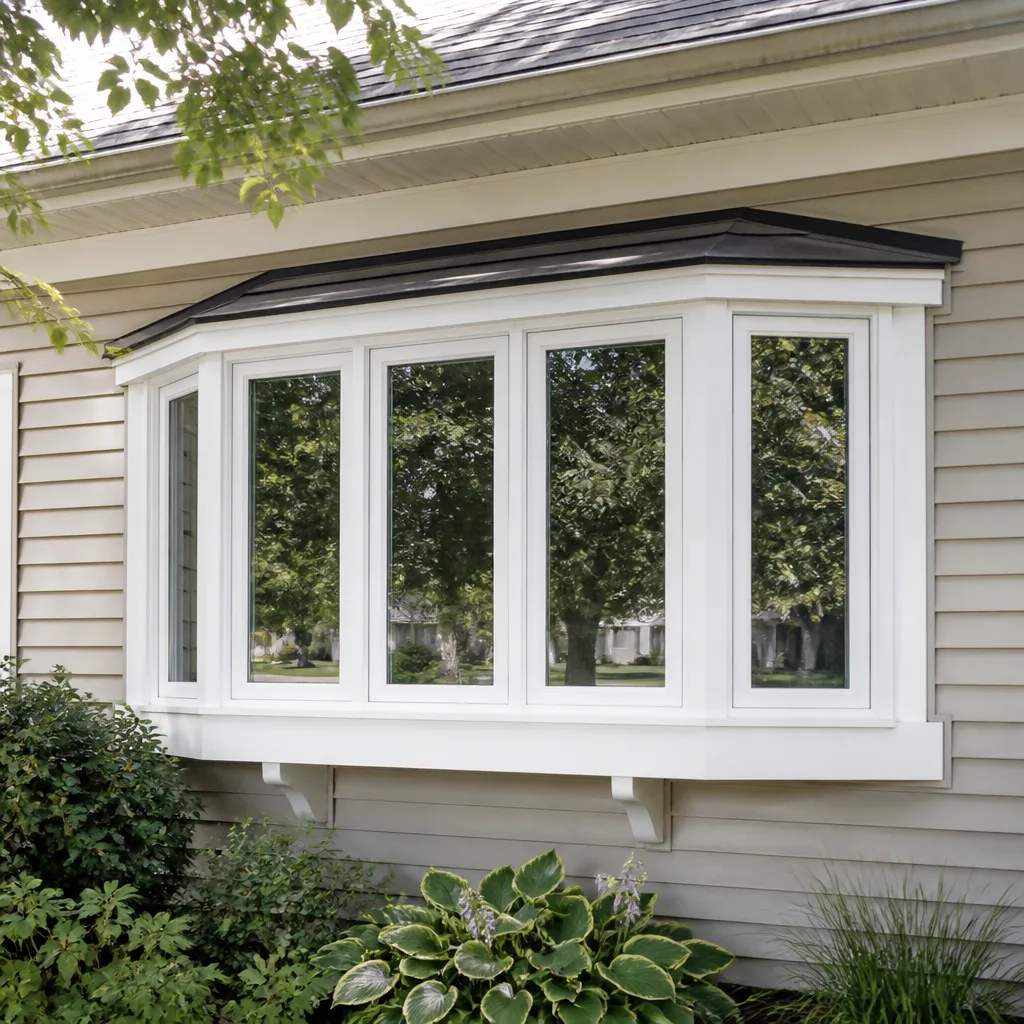
Sliding glass doors

Impact garage doorsPGTCGI
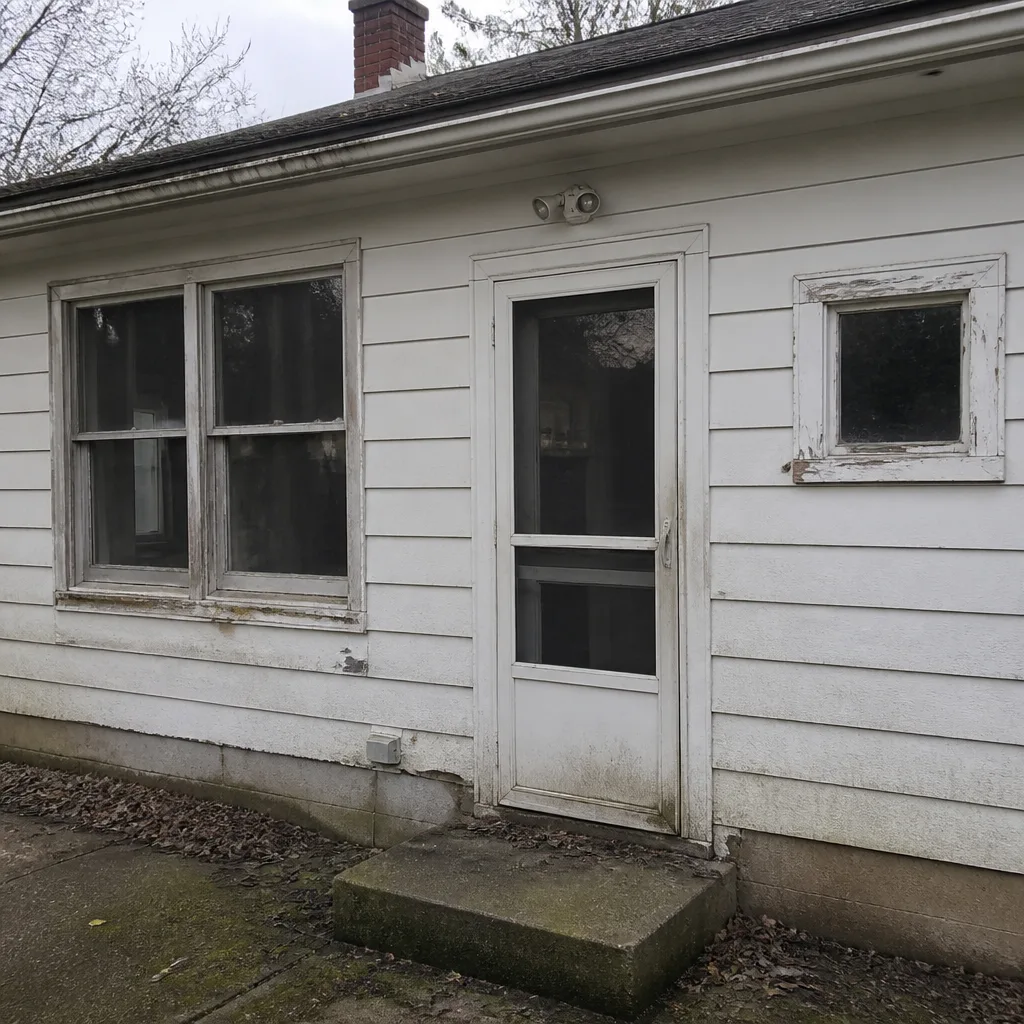 Before
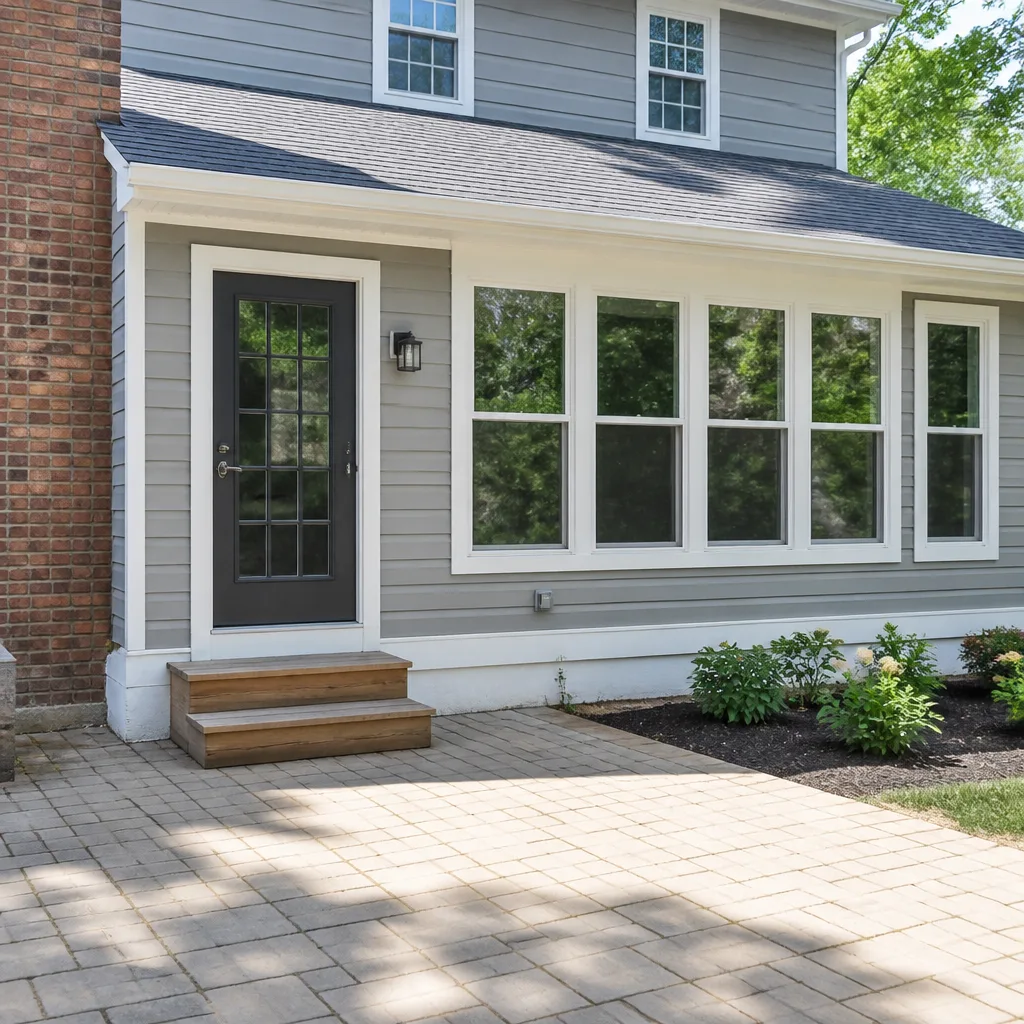 After
After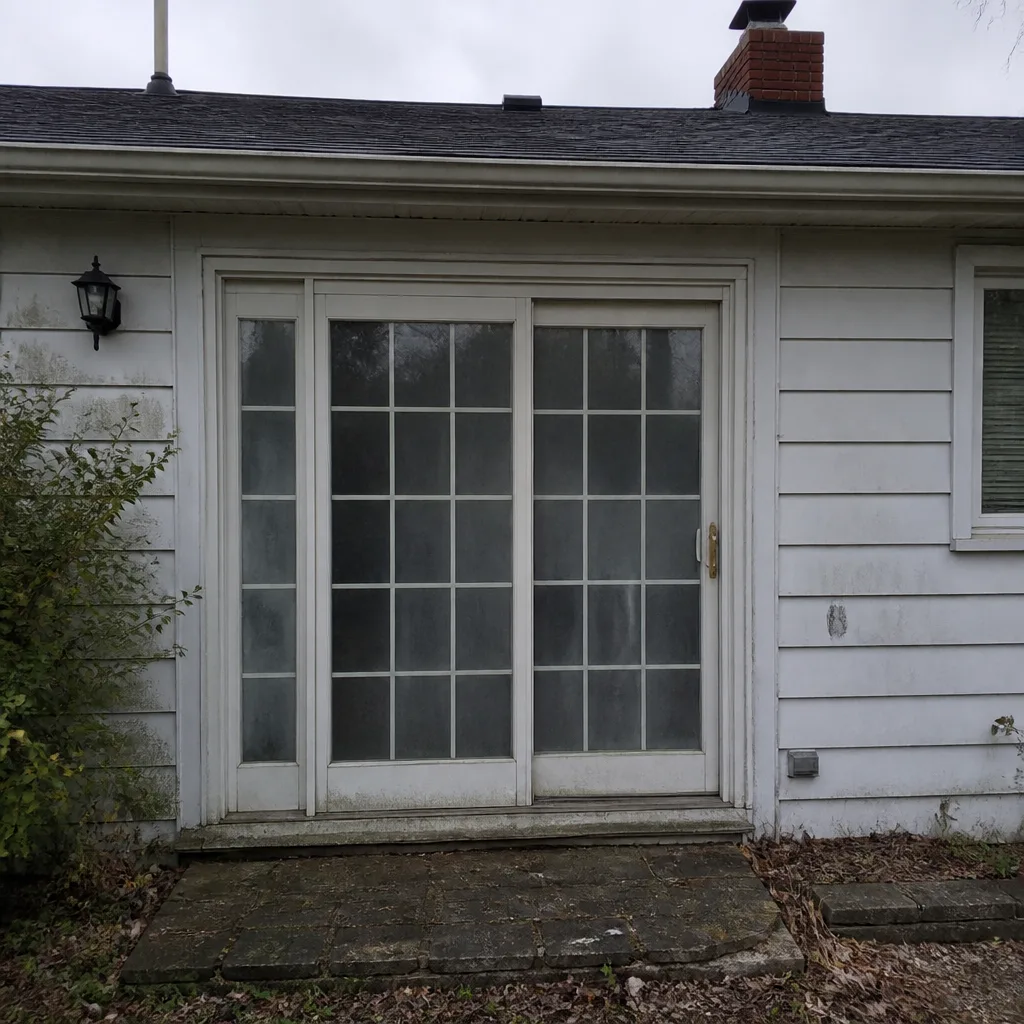 Before
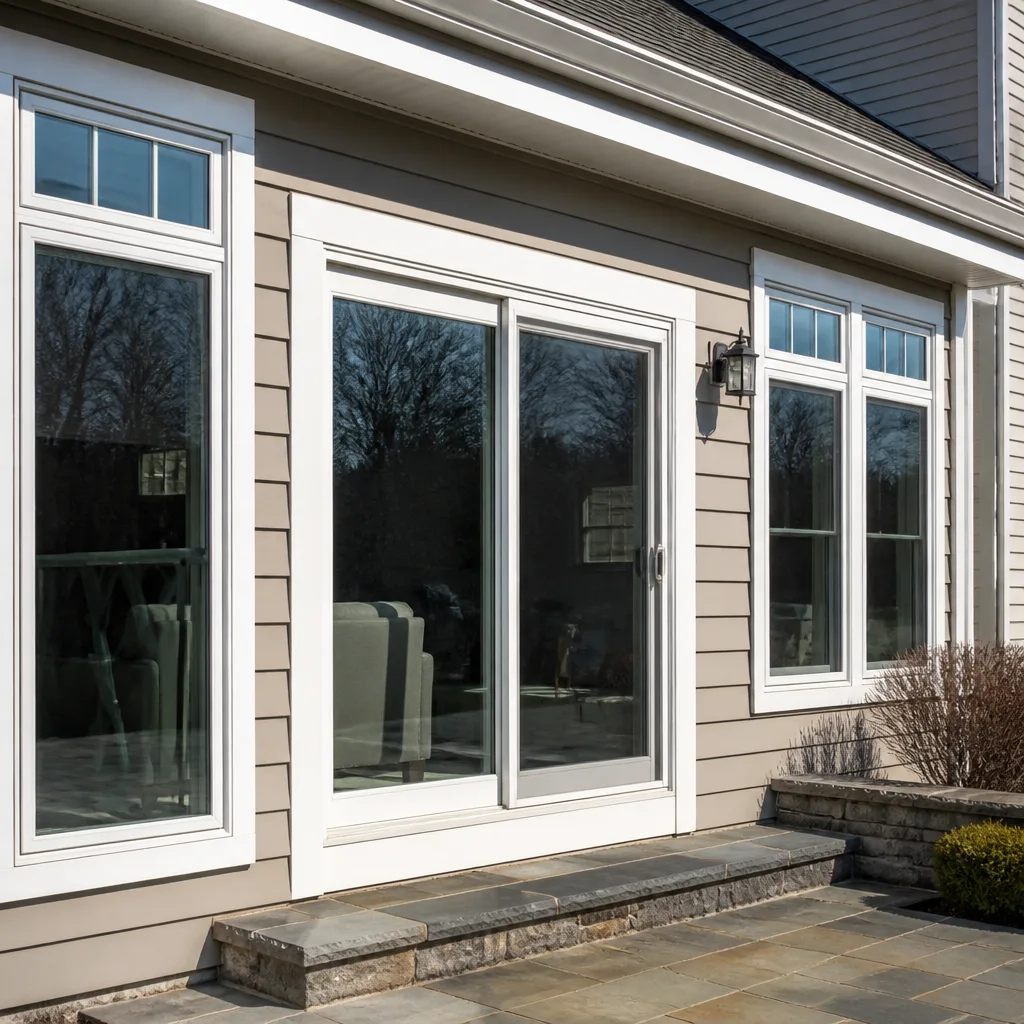 After
After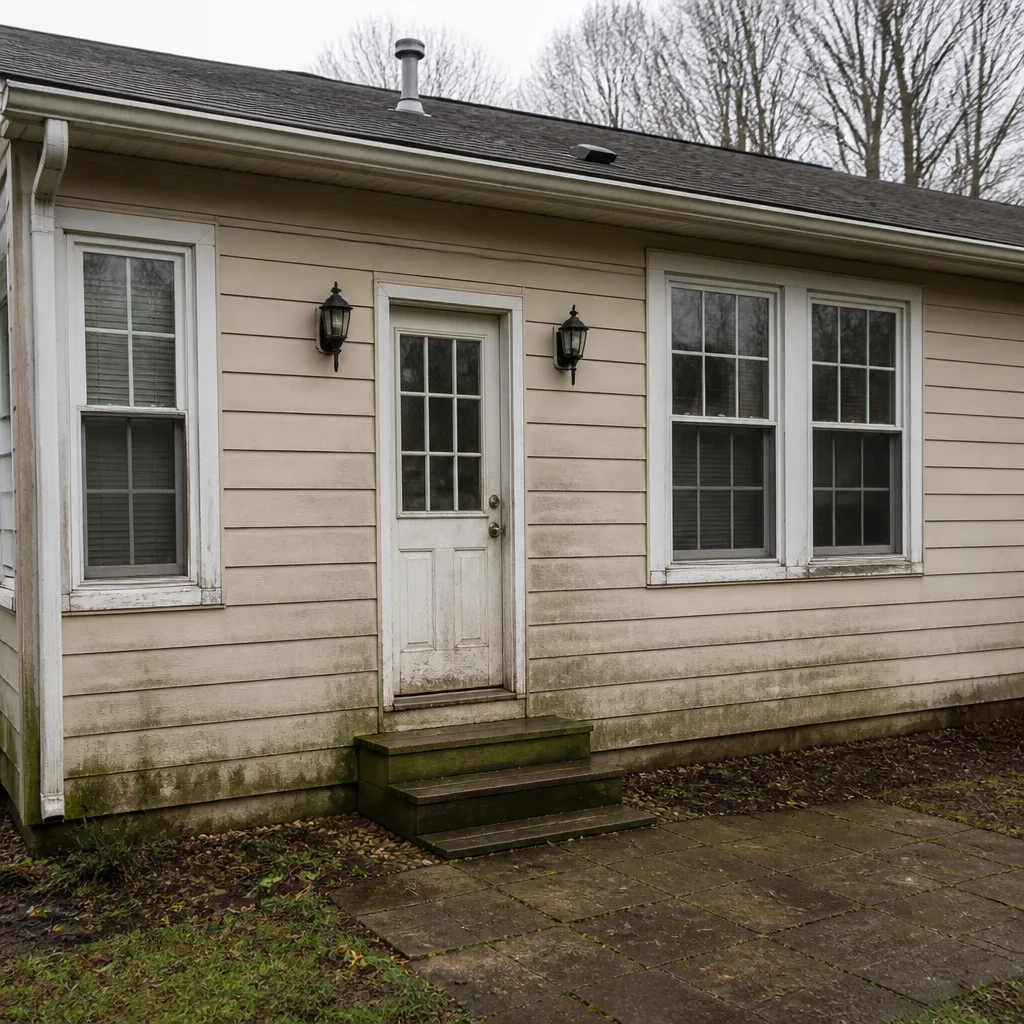 Before
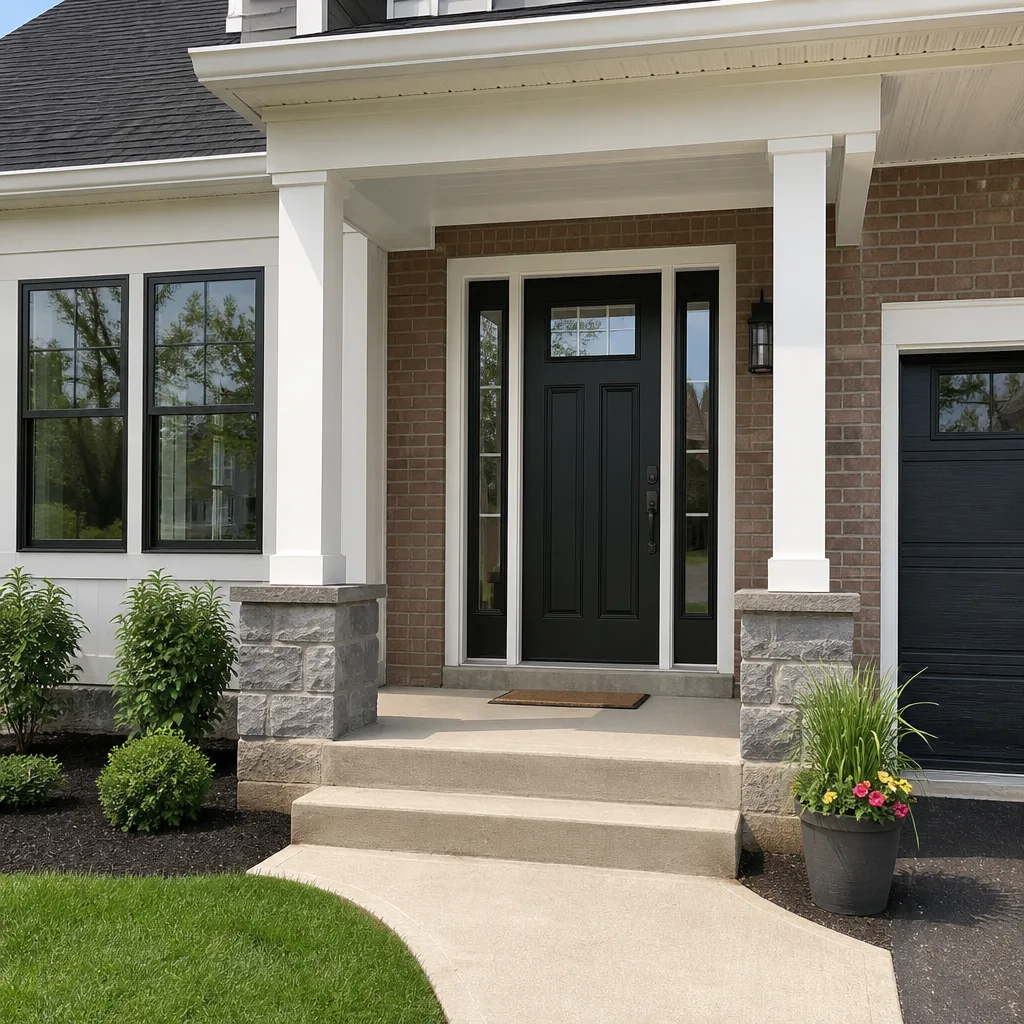 After
AfterDIY vs Professional Windows & Doors: The Columbus Homeowner's Decision Guide
A homeowner in Columbus who replaces a window themselves is gambling with a document most never read: the warranty card. Here is the calculation nobody puts in the YouTube comments. Save $400 on labor, and you may have just voided coverage on an $800 insulated glass unit that fails in year three or four. This guide walks through the real decision framework for Columbus homeowners deciding between doing the work themselves and hiring a window and door professional, including what the warranty language actually says, where DIY mistakes hide until they become expensive, and how to think about cost beyond the first invoice.
Quick Answer
For most Columbus homeowners, professional window and door installation is the better financial decision once you account for warranty coverage, permit compliance, and the cost of correcting mistakes. DIY makes sense for tasks like weatherstripping, caulking, interior trim, and hardware replacement, which fall outside the manufacturer's structural warranty and carry limited risk. The core installation work should be handled by a licensed professional because most window manufacturers in Ohio void product warranties when units are not installed by a qualified, authorized installer.
Table of Contents
- The Warranty Gap: What DIY Actually Costs
- What a Competent DIYer Can Legitimately Do
- The Installation Steps Where Mistakes Stay Hidden
- How to Read a Warranty Before You Buy
- Permits and Inspections in Columbus
- The Break-Even Analysis Most Guides Skip
- Columbus Climate and Its Effect on Windows and Doors
- Common Mistakes to Avoid
- When to Call a Professional
- Frequently Asked Questions
- The Bottom Line
The Warranty Gap: What DIY Actually Costs
The DIY window debate usually gets framed as a money question: can you save the labor cost by doing it yourself. But the more important question in Columbus is a warranty question, and the answer changes the entire math. Most window manufacturers, including major lines sold in Ohio like Pella, Marvin, and Andersen, write their warranty documents with a specific clause about installation. That clause typically states the product warranty remains valid only if the window was installed by a qualified professional, often defined as an authorized dealer or installer. When a homeowner installs a window themselves, even a perfectly square, properly flashed installation, the manufacturer has a documented basis to deny a warranty claim.
Consider what that warranty actually covers. A failed insulated glass unit with a broken seal is one of the most common window failures in Columbus, where winter freeze-thaw cycles put constant stress on seals. Replacing that glass unit through a manufacturer warranty claim typically costs the homeowner nothing beyond perhaps a service fee. Without warranty coverage, replacing a failed insulated glass unit in a standard double-hung window runs $200 to $600 per sash depending on size, glass coating, and gas fill. If the failure happens in year four of a ten-year warranty, the homeowner who saved $300 on installation now pays for a glass replacement they would have received free. The math reverses quickly.
There is a second layer to the warranty gap. Door installations carry the same exposure, especially for products with multi-point locking systems or fiberglass door slabs, which is why it helps to know the Door Installation Warning Signs Every Homeowner Should Know. When the slab warps or the seal fails, the manufacturer asks one question first: who installed it. A homeowner with a receipt from a licensed, authorized installer gets a replacement covered. A homeowner with a Saturday of sweat equity gets a politely worded denial. The labor savings are real but finite. The warranty exposure is less visible and potentially much larger.
One more point worth naming plainly: insurance. A window that leaks and causes water damage to framing or drywall can become a claim against a Columbus homeowner's policy. If the insurance company determines the leak resulted from improper installation, the claim can be denied or the payout reduced. A professional installer carries liability insurance for exactly this scenario. A homeowner does not. The warranty gap and the insurance gap together form the true cost of DIY installation, and it is a cost most guides never mention.
What a Competent DIYer Can Legitimately Do
This is not an argument that homeowners should never touch their windows and doors. There are specific tasks a competent DIYer can perform in Columbus without voiding a warranty and without risking structural water penetration. The line is reasonably clear once you understand what the manufacturer cares about. They care about structural installation: the connection between the window frame and the rough opening, the flashing, the sill pan, the water-resistive barrier integration. They do not care about the things you can see and touch from inside the house.
DIY-Appropriate Tasks
- Weatherstripping replacement: Foam tape, V-strip, and door sweeps wear out over time, especially in Columbus where temperature swings are wide. Replacing weatherstripping is a maintenance task, not an installation task, and it restores the air seal around a window or door without touching the structural connection.
- Caulk maintenance: Exterior caulk around window and door trim fails every few years in Ohio's freeze-thaw climate. Cutting out old caulk and applying a quality exterior sealant is straightforward DIY work. The caution is to avoid caulking over weep holes or blocking drainage paths.
- Interior trim and casing: Replacing or painting interior trim around a window or door is purely cosmetic. It does not affect warranty coverage and carries no water-penetration risk.
- Hardware replacement: Replacing a worn-out sliding door roller, a hinge, a lock set, or a window crank assembly is mechanical work, not structural work. These parts are designed to be serviceable. The only caution is matching the hardware to the specific window or door model.
- Screen repair: A torn window screen or screen door mesh is a simple DIY fix that requires basic tools and a new piece of screen material from any Columbus hardware store.
Each of these tasks keeps a Columbus home functional and comfortable without touching the warranty-voiding zone. The common thread is clear: if the task is inside the product, it is fair game for DIY. If the task is the connection between the product and the house, that is the line where the warranty exposure begins. A homeowner who stays on the inside of that line saves money legitimately.
The Installation Steps Where Mistakes Stay Hidden
The most dangerous thing about an improper window installation is that the error is invisible on the day of installation. The window sits square. The trim looks right. The caulk bead is smooth. Then three years later, a brown stain appears on the drywall below the window, and the homeowner is opening up the wall to find rotted framing. In Columbus, where every winter brings snow melt and every spring brings heavy rain, water intrusion is relentless. A mistake that would stay hidden in a dry climate like Arizona gets exposed quickly here.
The sequence where errors hide is consistent. Here are the installation steps that separate a professional installation from a gamble:
- Sill pan installation: Before the window goes into the opening, a properly sloped sill pan must be installed at the bottom of the rough opening. This pan catches any water that gets past the window and directs it to the exterior. A missing or improperly sloped sill pan means water drains into the wall cavity. This is invisible once the window is set and trimmed.
- Flashing tape sequence: Flashing tape must be applied in a shingle pattern: bottom first, then sides, then top. Each layer overlaps the one below so water runs over joints, not into them. A reverse-lapped flashing tape at the top corners is one of the most common amateur errors and allows water behind the tape where it follows the framing down the wall.
- Water-resistive barrier integration: The window flange must be integrated with the housewrap or water-resistive barrier. If the housewrap is cut incorrectly or the flashing does not bridge the gap between the window and the barrier, water that hits the wall above the window runs behind the barrier instead of over it.
- Rough opening prep and shimming: The rough opening must be level and plumb before the window is set. Shims correct small deviations, but they must be placed at specific points so the window frame does not flex or bow. An over-shimmed window binds when the seasons change. A Columbus homeowner will notice a window that was easy to open in May and sticks hard in January.
- Insulation and air sealing: The gap between the window frame and the rough opening must be insulated properly. Filling the gap solid with expanding foam can bow the frame. Leaving it empty creates air leaks. The correct method uses low-expansion foam at the right amount. This step is invisible behind trim and affects the window's actual energy performance.
None of these errors show up on installation day. They show up as a slow, persistent wetting of the framing that becomes visible only when the damage is already significant. A trained installer catches these issues before they are sealed into the wall because they have seen the consequences. A first-time installer does not know what they do not know, which is where a resource like Door Installation Troubleshooting: Common Problems and How to Fix Them can help identify what to watch for.
How to Read a Warranty Before You Buy
Before purchasing any window or door product for a Columbus home, a homeowner should read the warranty installation section carefully. This is not the glossy marketing language on the first page. It is the fine print, usually on page three or four of the warranty document, under a heading like Conditions or Installation Requirements. What that section says determines the actual value of the warranty you are buying.
Here is what to look for in the warranty document:
- Who must install the product? Look for language like "installed by a qualified professional" or "installed in accordance with manufacturer's written installation instructions." The first phrase often means authorized installer specifically. The second is softer and may allow a DIY installation if the instructions were followed exactly.
- What voids the warranty? Some warranty documents list specific voiding actions: installation into an unprepared opening, using non-manufacturer flashing, installation below grade, or modification of the product. A homeowner who wants to install their own windows should confirm which self-install actions trigger warranty exclusion.
- What is covered and for how long? Manufacturers split coverage by component. The glass seal may carry a ten-year prorated warranty. The vinyl frame may carry a lifetime warranty. The hardware may carry a two-year warranty. Understanding the component-specific coverage matters because a DIY installation can void the glass seal coverage while the frame warranty remains intact, or vice versa.
- Transferability. Many manufacturer warranties are transferable to a second homeowner, but only if the original installation was done by a professional. A Columbus homeowner who plans to sell in five years should care about this. An untransferable warranty is a negotiating point against them at resale.
- Registration requirements. Some manufacturers require the warranty to be registered within a specific window after installation, often 30 or 60 days, to activate full coverage. A professional installer does this as part of the job. A homeowner doing the installation must remember to do it themselves, and the registration form often asks for the installer's license or authorization number.
The key insight for a Columbus homeowner is that the warranty is a purchased asset, part of what you pay for when you buy a window or door. Installing the product yourself can surrender that asset in exchange for labor savings. Whether that trade is worth making depends on reading the specific warranty language for the specific product, not on a general assumption about what manufacturer warranties cover.
Permits and Inspections in Columbus
The permit question gets overlooked in most DIY window discussions, and it matters in Columbus more than homeowners expect. In the city of Columbus, window replacement typically requires a building permit when the work involves widening or enlarging an opening. A like-for-like replacement, where a new window goes into an existing rough opening without structural changes, may not require a permit. But door installation often does, especially if the rough opening is being modified or a new opening is being cut, so following a Door Installation Maintenance Schedule: What to Do and When starts with proper permitting. The specific rules depend on the scope of work, and the Columbus Department of Building and Zoning Services is the authority that determines what applies to any given project.
Here is the reality a DIY homeowner needs to understand. If a permit is pulled for the project, the work must pass inspection. A failed inspection creates a documented record. That record becomes part of the property file and can surface at resale. A future buyer who finds a failed window installation inspection in the property history has a legitimate reason to demand a repair or a price reduction. A homeowner who skips the permit entirely takes a different risk: unpermitted work can become an insurance issue if a claim ever involves the unpermitted installation, and it can delay a sale if a mortgage lender flags the unpermitted modification.
Pulling a permit as a DIYer also means taking responsibility for the inspection scheduling and for passing the inspection on the first attempt. A professional installer in Columbus handles permits as a routine part of the job. They know what the inspector looks for, they schedule the inspection around the job timeline, and they return to fix anything the inspector flags. That return visit is not an extra charge in most cases with a professional firm; it is part of the fixed-price scope. A DIY homeowner pays for a failed inspection with their own time on a second attempt, and some Columbus inspectors are less forgiving on a first-time homeowner's work than on a licensed contractor's work. That is not a criticism of inspectors. It is a reflection of the fact that licensed professionals are expected to know the code, and homeowners are not.
The Break-Even Analysis Most Guides Skip
The honest way to compare DIY and professional window installation in Columbus is to build a full cost model, not just a labor-savings number. A standard double-hung replacement window in Columbus carries a product cost of roughly $400 to $800 depending on brand, glass package, and size. Professional installation for that same window typically adds $200 to $400 per unit. A homeowner who installs it themselves saves that labor cost. That is the part every guide quotes.
The parts most guides omit are the risk-adjusted costs. Here is how the full break-even actually works for a homeowner installing a single window:
- Labor savings: $200 to $400 per window, depending on scope and access.
- Tool and material costs: A first-time installer needs flashing tape, sill pan, shims, low-expansion foam, caulk, and possibly a new level or a set of window-specific tools. Figure $75 to $150 per window for materials and consumables a professional already carries on the truck.
- Time investment: A first-time window installation takes a full day per window, or longer, including the learning curve, the trip to the hardware store for the item you forgot, and the second attempt to get the window seated. That time has value, even if it is not a wage.
- Warranty gap: The replacement cost of a failed insulated glass unit runs $200 to $600 per sash in Columbus. If the failure happens within the warranty period and the warranty is void because of self-installation, that cost is uninsured exposure.
- Inspection risk: If the project requires a permit and the inspection fails, there is a re-inspection fee and additional time to correct the issue. The re-inspection fee in Columbus is not large, but it is a cost a professional absorbs into their fixed price.
- Resale documentation: A paper trail showing a licensed installer completed the work can support a higher resale price. The absence of that paper trail can be a point of negotiation against the seller.
When you add the warranty gap and the risk premium to the numerator of the calculation, the $300 labor savings shrinks toward zero for a single window. For a whole-house project of ten or twelve windows, the professional installation cost is proportionally lower per window, and the DIY risk compounds: more windows means more chances for a flashing error, more warranty exposure, and more time invested. The break-even point varies by project, but for a Columbus homeowner with a typical four-bedroom house, the professional route is usually close to the DIY route in total expected cost once all the risk-adjusted factors are included. The difference is that the professional route carries less uncertainty, and the warranty remains intact.
Columbus Climate and Its Effect on Windows and Doors
Columbus sits in a climate zone that punishes window and door installations more than most. The city experiences winter temperatures routinely below freezing, summer temperatures routinely above 85 degrees, and annual rainfall around 39 inches spread across every month of the year. That combination of freeze-thaw cycles, sustained humidity, and year-round precipitation attacks window seals, flashing joints, and exterior caulk with persistence. A window that is installed with a small flashing error may not show the resulting water damage for three or four years, but in Columbus it will show, because the water load is constant.
The freeze-thaw cycle deserves specific attention because of what it does to window frames. A vinyl window frame expands and contracts with temperature change. The rough opening around it flexes slightly as the framing lumber responds to humidity shifts between winter and summer. A properly installed window allows that movement through correctly placed shims and proper insulation. An improperly installed window binds. The binding shows up as a window that is hard to open in February and easy in July, or a door that rubs the frame at the top corner only during the humid months. These are not product defects. They are installation outcomes.
Columbus also sees severe weather enough times per year that impact-rated windows are a legitimate consideration for many homeowners, particularly in newer subdivisions without mature tree cover. Impact windows and doors from brands like PGT and CGI are designed to withstand windborne debris and maintain structural integrity during storms. These products require precise installation because the strength of the glass is only as good as the anchoring system holding the frame to the house. A DIY installation of an impact-rated window is a poor place to save money, because the entire premise of the product depends on the installation being correct. A loose anchor or an improperly spaced fastening pattern means the product cannot perform to its rating.
The same climate reasoning applies to energy-efficient windows. The energy performance of a window is rated under laboratory conditions assuming a correct installation. A window with an excellent U-factor and a low solar heat gain coefficient performs only as well as the air seal around it. A gap in the insulation between the window frame and the rough opening, or a flashing path that allows cold air into the wall cavity, can negate the efficiency benefits the homeowner paid for on the product spec sheet.
Common Mistakes to Avoid
- Skipping the sill pan on a replacement window. Some DIY guides for replacement windows omit the sill pan because the existing opening appears to have functioned. This is a mistake. The sill pan is the last line of defense for water that gets past the window, and in Columbus's climate, water gets past the window eventually. TruePane Windows & Doors home guides often reference this step because we see the consequences of its omission in Columbus homes regularly.
- Using the wrong sealant at the wrong location. Exterior sealant must be compatible with the window frame material and the surrounding surface. Using a silicone sealant where a urethane or hybrid sealant is specified can lead to adhesion failure within a year. Using no backer rod in a deep joint causes sealant cracking.
- Reverse-lapping the flashing tape. The flashing sequence is bottom, sides, top, in that order, with each layer overlapping the one below. A homeowner who tucks the top flap under the side flaps creates a funnel that directs water into the wall. This is the single most common flashing error TruePane technicians correct on Columbus homes.
- Ignoring the weep holes. Windows and sliding doors have weep holes at the bottom of the exterior frame to allow water that enters the track or frame to drain to the outside. Painting over them, caulking over them, or installing the window with the weep holes blocked traps water inside the frame. The resulting damage is inside the frame, invisible until the window fails.
- Assuming the existing rough opening is square. A window that is set into an out-of-square opening without proper shimming will bind, leak, or both. The proper approach is to check the rough opening for plumb, level, and square before setting the window, and to correct deviations with the right shim placement. Skipping this step saves twenty minutes and costs a window.
- Underestimating the door threshold. A new exterior door without a properly installed sill pan and threshold seal will leak air from day one, and the leak is at the lowest point of the door, where water pools during Columbus rainstorms. The threshold is the first point of failure on a DIY door installation.
When to Call a Professional
A Columbus homeowner should call a professional for any project that involves setting a new window or door into a rough opening, flashing that opening, modifying the rough opening size, or installing an impact-rated or oversized product. These are the tasks where a warranty, a permit, or a structural seal are at stake. The cost of a professional installation is the price of the guarantee behind the product, and in most cases, that guarantee is worth more than the labor savings it replaces. TruePane Windows & Doors offers free estimates in Columbus, including Window Installation in Parkway and neighboring communities, and a walkthrough of exactly what the job involves. Call (888) 635-0804 to schedule a free estimate. A live person answers the phone every time.
Frequently Asked Questions
In most cases, no. Most residential window manufacturers in Ohio, including Pella, Marvin, and Andersen, require installation by a qualified professional to keep the product warranty valid. A homeowner who installs their own windows correctly will still likely be holding a warranty document that is unenforceable for any future claim, because the manufacturer's authorized-installer clause has not been satisfied. Before buying window products for a DIY installation, read the specific warranty document for the exact installation requirement language, because some manufacturers are more lenient than others. Call (888) 635-0804 for help reading the warranty language on any product line TruePane carries, and we can walk through what the exclusion means for a specific project.
Professional window installation in Columbus typically adds $200 to $400 per window for a like-for-like replacement in a standard opening. The total cost per window, including a mid-grade double-hung product, runs $600 to $1,200 installed. Larger windows, impact-rated windows, and projects involving structural rough-opening modifications run higher. The price depends on the product line, the elevation of the opening, the condition of the existing rough opening, and whether interior trim work is included. TruePane Windows & Doors provides line-item quotes in writing so the labor cost is visible before any work begins. Call (888) 635-0804 for an exact figure on your specific windows.
Like-for-like window replacement in an existing rough opening typically does not require a permit in Columbus, but enlarging an opening, cutting a new opening, or changing the structural header does. Door installation follows the same pattern: a new door in an existing opening is usually exempt, but a wider door or a new opening requires a building permit and inspection. The safest approach is to contact the Columbus Department of Building and Zoning Services before starting any project, or to have a professional installer handle the permit determination. TruePane pulls permits when required and passes inspection before the job is considered done.
A failed inspection creates a documented record with the city of Columbus, and that record becomes part of the property file. The homeowner must correct the issue, schedule a re-inspection, and pay any associated fees. A failed inspection can also surface at resale, where a buyer's inspector may flag the window installation history and request remediation. The more practical risk is that the failure itself indicates an installation error that may be invisible but will eventually cause water or air-sealing problems. A professional installation in Columbus is backed by the installer's obligation to pass inspection the first time.
You can physically install impact windows yourself, but you should not, because the product's entire value depends on an installation that meets the manufacturer's anchoring and fastening specifications. Impact windows are tested as a system, with the glass, frame, and anchoring all engineered to work together. A DIY installation with improper fastening does not just void the warranty; it means the window will not perform to its rating if the storm it was purchased for ever arrives. Impact-rated products from brands like PGT and CGI should be installed by an authorized installer who has been trained on the specific anchoring pattern for each product line. TruePane is an authorized installer for impact product lines in Columbus, and we register both manufacturer warranty layers in writing before the truck leaves your driveway.
Replacing windows all at once is usually more cost-effective per window because the installer can amortize setup, permitting, and disposal across the whole project. A one-at-a-time approach spreads cash flow but costs more in total and creates staggered warranty start dates, which can complicate future claims. The Columbus climate also argues for a whole-house approach: a single replaced window in an otherwise old window line is like patching one hole in a boat. The energy benefit and the air-sealing benefit compound when the entire envelope is updated. TruePane provides a whole-house quote that shows the per-window price difference between a single-window scope and a full replacement, so the decision is visible in writing. For Door Installation in Parkway or Window Replacement in Parkway, we treat every opening with the same care regardless of project size.
The Bottom Line
The DIY window and door question in Columbus is not really a question about skill. A competent homeowner can learn to install a window correctly. The question is about what the homeowner is accepting in exchange for the labor savings: a voided warranty, a personal assumption of water-damage risk, a potentially failed inspection on the record, and a resale liability. The tasks worth doing yourself are the maintenance items outside the structural and warranty zone: weatherstripping, caulking, hardware, interior trim. For additional guidance, see our more guides & resources. The installation itself belongs with a professional who carries insurance, pulls permits, registers warranties, and stands behind the work in writing. For Columbus homeowners who intend to stay in their house for another twenty years, the professional route is not the expensive option. It is the route that leaves the warranty to someone else's liability, which is exactly where a homeowner wants it.
Written by Dale Kessler, Owner at TruePane Windows & Doors, serving Columbus since 2008.