
Free in-home measure and quote - PGT, CGI and CWS impact lines compared on your actual openings, style by style
Sliding glass doors

Impact garage doorsPGTCGI
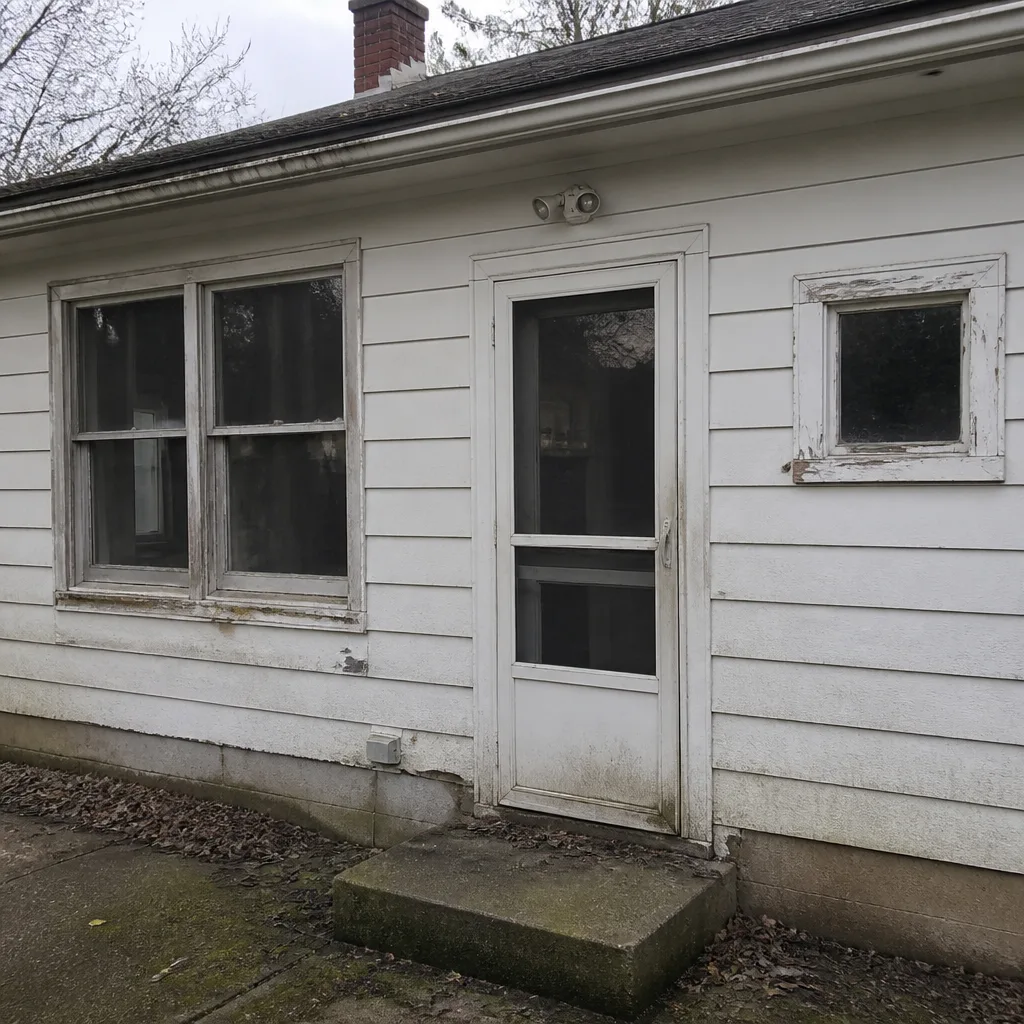 Before
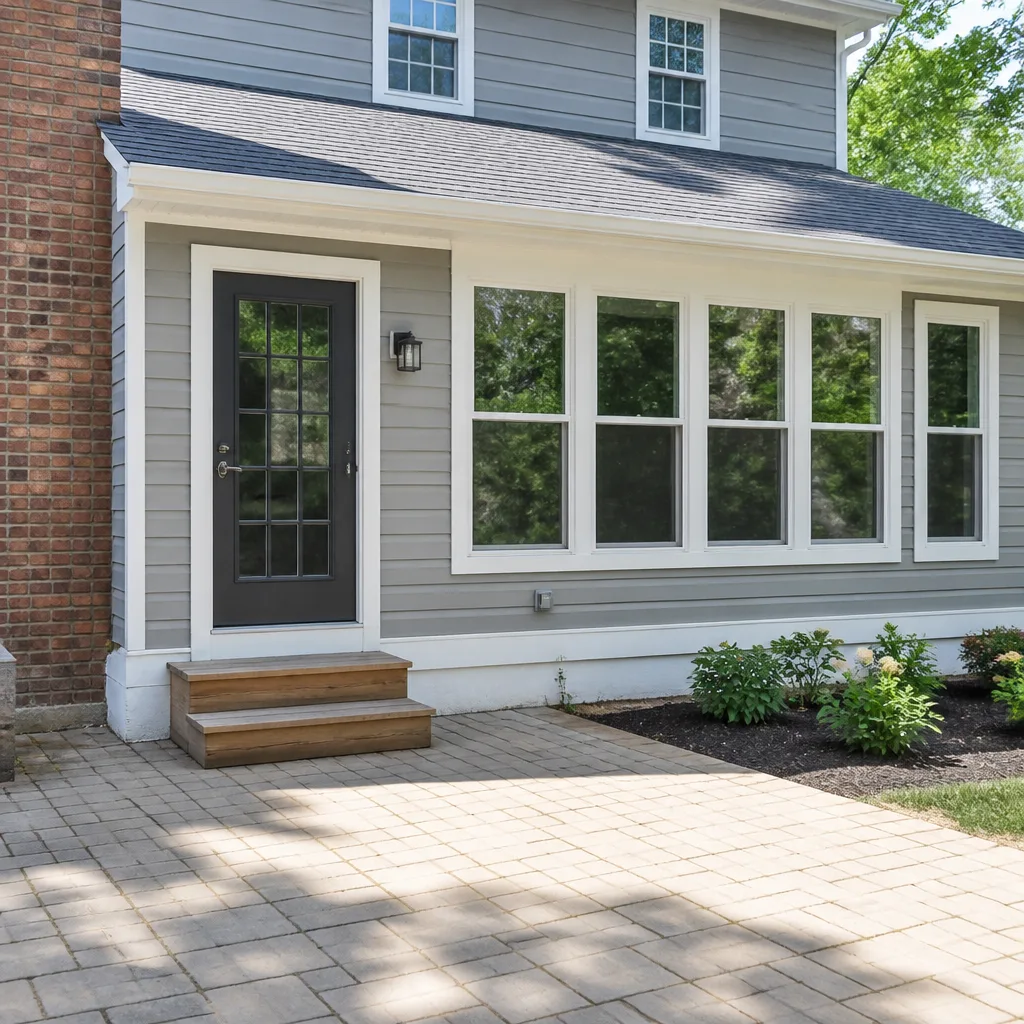 After
After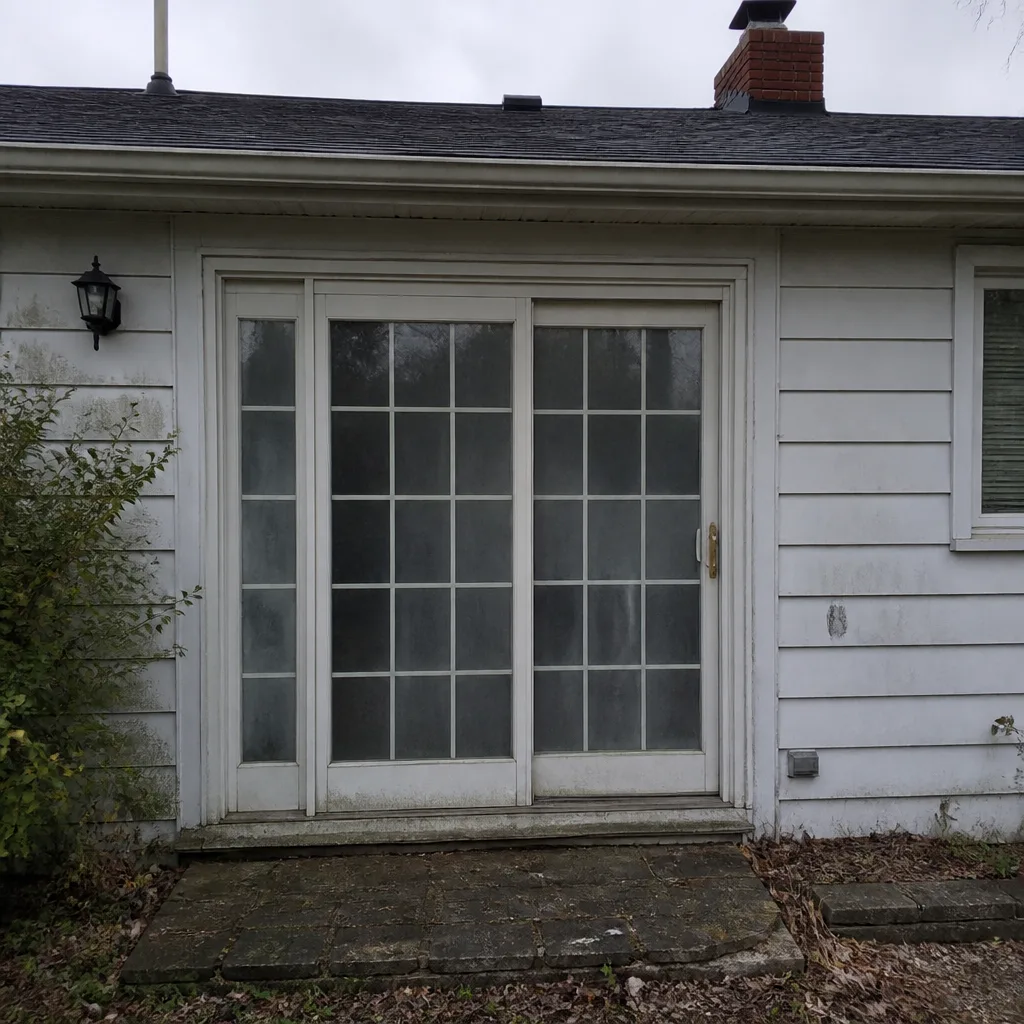 Before
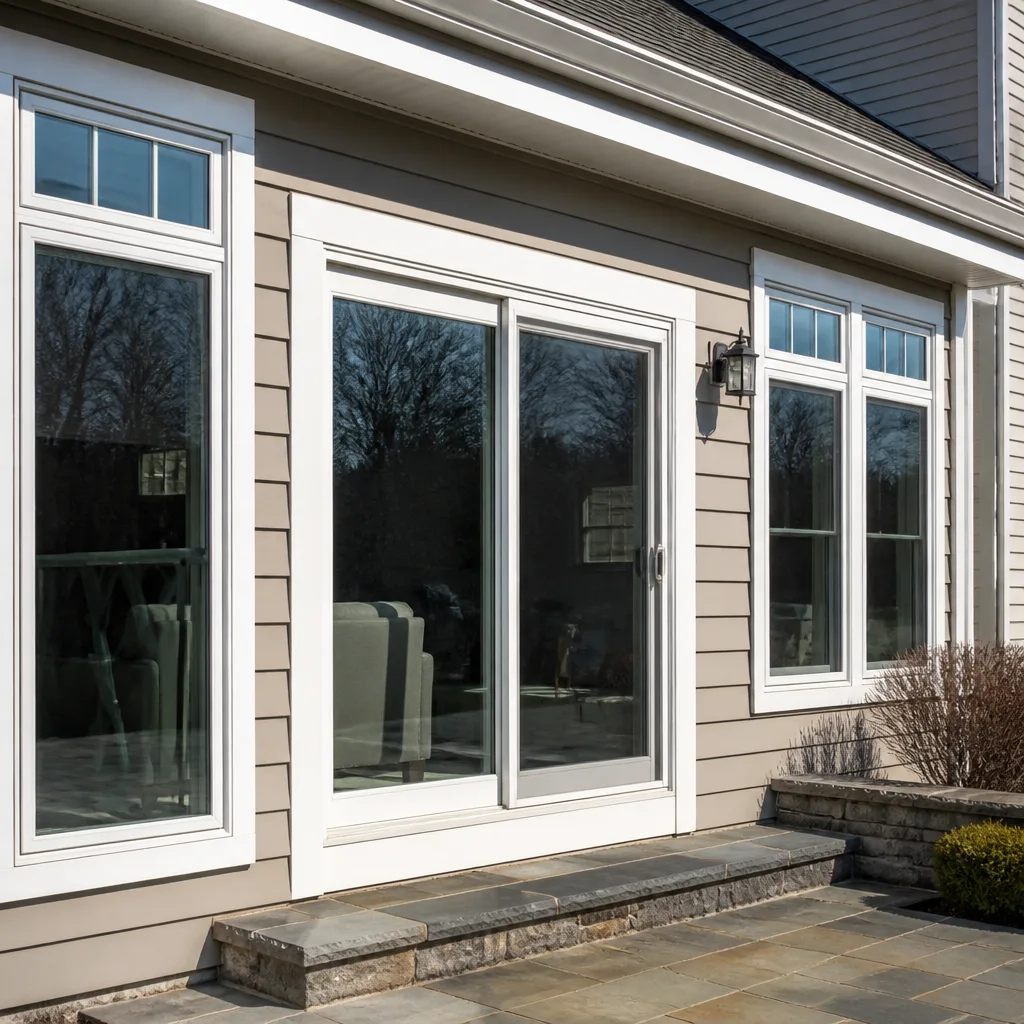 After
After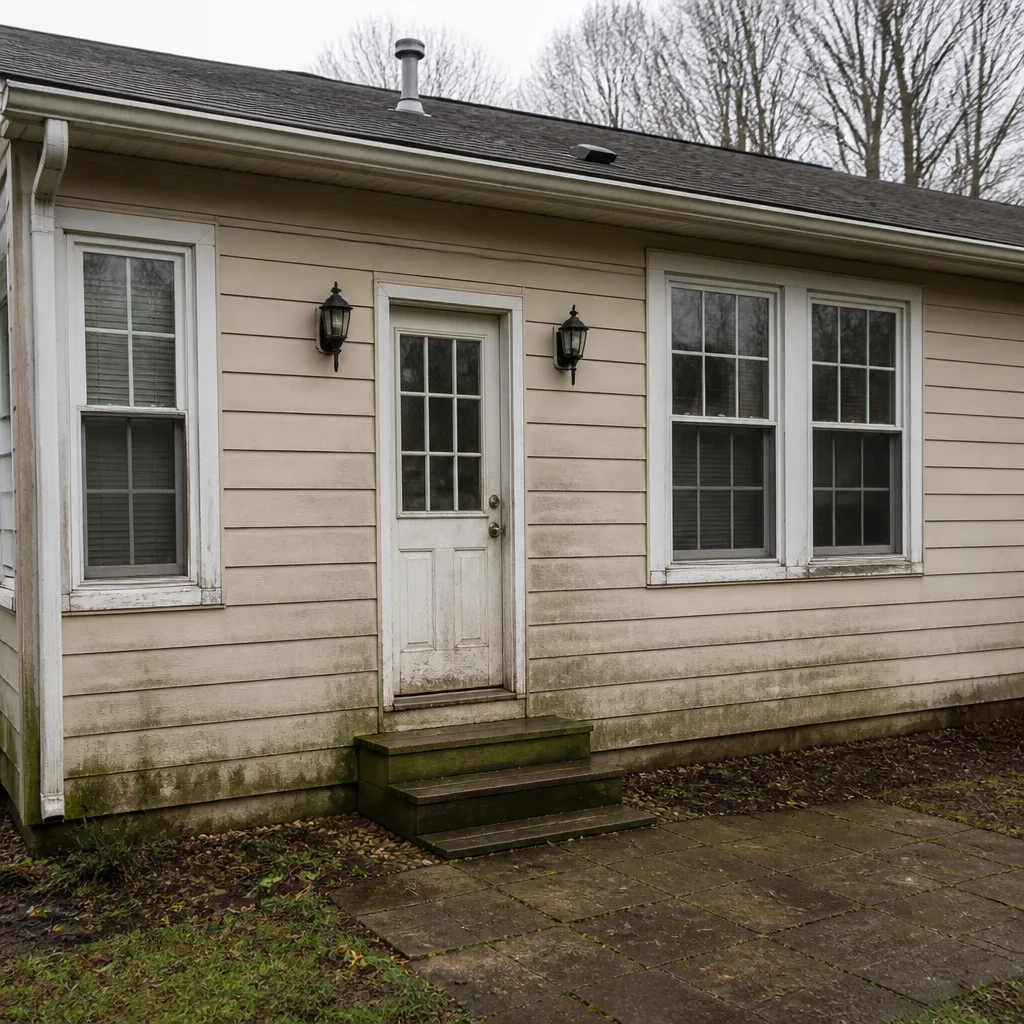 Before
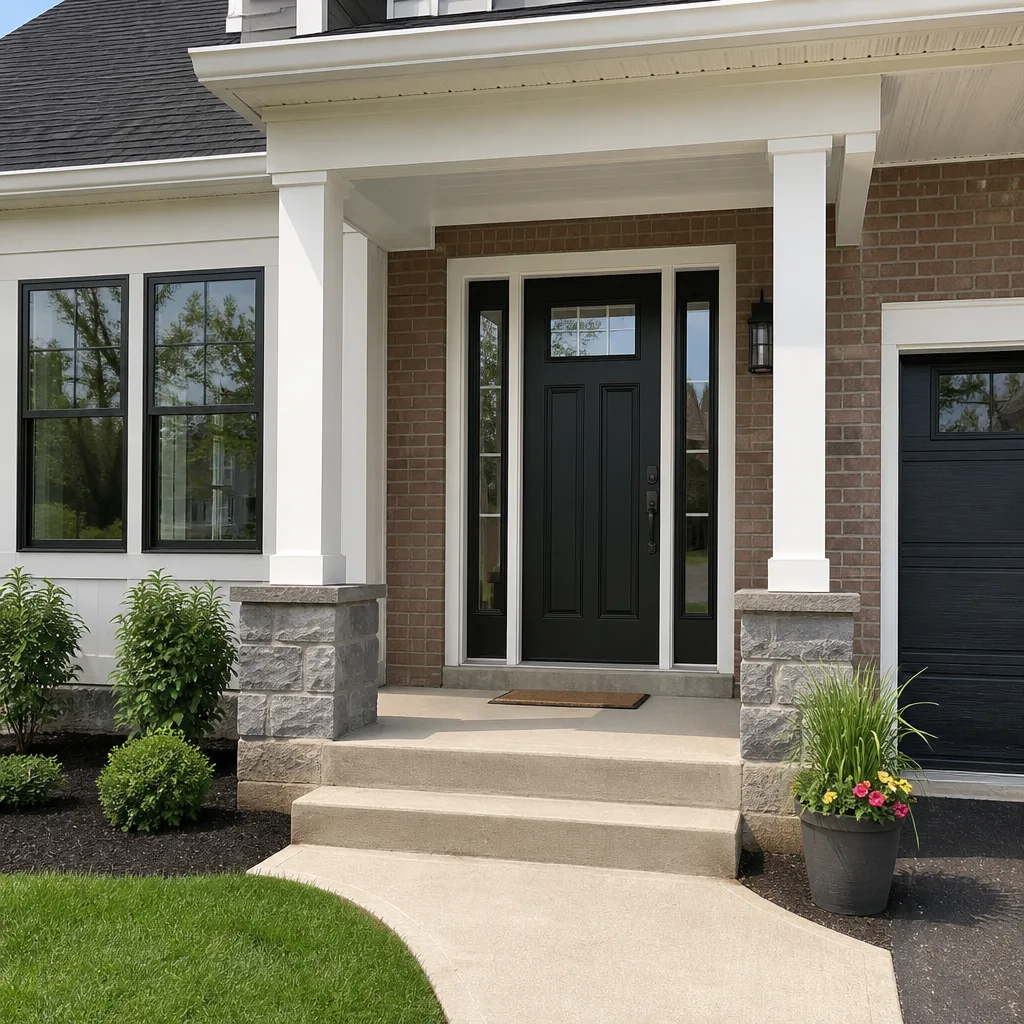 After
AfterThe Short Answer: When Columbus Windows Tell You They’re Done
You need to replace your windows when interior glass condensation forms on the room side in January, when drafts move curtains on calm days, or when the frame itself shows brittleness, rot, or no longer seats flush. In Columbus, these failures follow patterns tied to orientation and housing stock, not just age. Call (888) 635-0804 for a diagnostic that tells you which windows actually need replacement and which can wait.
Why Fog Between the Panes Is Only Half the Story
Fog between the panes gets all the attention. It’s visible and easy to photograph. But it’s not always the most important signal. In Columbus’s climate, a window that shows interior condensation on the glass surface in January, not between the panes but on the room-side glass, is telling you something about frame-to-rough-opening air infiltration that a fogged IGU is not. One of those is a glass problem. The other is a building-envelope problem.
What we see most often, after more than four decades serving the Columbus market, is that homeowners fixate on the fog and miss the draft. The fog means the sealed unit has lost its inert gas and the desiccant inside the spacer bar has given out. That’s a glass replacement. The draft means outside air is moving through the gap between the window frame and the rough opening in the wall. That’s a window replacement, and no amount of glass work fixes it.
Key takeaways:
- Fog between panes = failed IGU seal. Often repairable with new glass.
- Interior surface condensation in winter = frame-level air infiltration. Usually requires full replacement.
- Both can exist on the same house, and they don’t always point to the same fix.
Three Failure Modes Columbus’s Climate Produces
Columbus sits in a humid continental zone where January nights near 18°F and July afternoons near 85°F put every window through repeated thermal cycling. Materials expand, contract, and stress the seals. Flat terrain channels sustained northwest winds, which hit north- and west-facing elevations harder than anything on the south side of the house. Over time, this creates three distinct failure modes, and knowing which one you’re looking at changes what you should do.
1. IGU Seal Failure: The Fog You Can’t Wipe Away
This shows up as persistent haze or moisture trapped inside the glass unit, often worse on north and west elevations first. Wind load on those sides flexes the sash and accelerates seal fatigue. If the fog is intermittent, appearing only on humid summer mornings and clearing by afternoon, the unit may still be under warranty if it was registered. If it’s permanent, the desiccant is saturated and the glass is done.
For homes in Dublin, Hilliard, Pickerington, or Lewis Center built between 1988 and 2005, original builder-grade IGUs are now statistically at or past their seal-life design threshold regardless of visible symptoms. We’ve measured units in those neighborhoods that still look fine from the driveway but read a 40% argon loss on the glass analyzer. A window that’s lost its gas is working at a fraction of its designed thermal performance even if you never see a foggy day.
2. Frame-to-Rough-Opening Air Infiltration: The Draft You Feel in January
This is the failure that gets overlooked. The symptom is cold air moving across the window perimeter, interior glass surface condensation on the coldest nights, and curtains that sway when the wind blows outside. The cause is rarely the glass. It’s the gap between the window frame and the rough opening, where the original installer skimped on insulation or used fiberglass that has since settled and lost its R-value.
In Columbus’s production-builder stock, we routinely find gaps along the sill and side jambs that were never sealed behind the interior trim. The window itself can be perfectly sound, and the room still loses heat through the opening. We diagnose this with an infrared camera before recommending replacement, because replacing the glass in a window that’s leaking around the frame is throwing money at the wrong problem. Dale Kessler’s rule on this has always been simple: a window that fits right shouldn’t need caulk to do the work the frame was supposed to do.
3. Frame Material Degradation: The Failure You Can See But Often Ignore
Builder-grade vinyl from the 1990s is now hitting 25 to 30 years in service. Vinyl gets brittle with sustained thermal cycling. We see corner welds crack, sash corners chip at the meeting rail, and frames warp just enough to let air through. In Clintonville and Olde Towne East, older wood-frame homes show a different version of this: wood sash that no longer seats flush when closed, sash cords that have broken, or sill paint peeling from the underside, which points to moisture infiltration at the joint. That’s a different diagnostic than IGU fog, but just as actionable. Rot in a wood sill doesn’t repair itself. By the time the paint peels, the wood underneath has been wet for years.
The Columbus Orientation Diagnostic
If fogged or drafty windows are concentrated on the north and west elevations, the cause is likely wind-stress-accelerated seal failure rather than age alone. We see this pattern constantly in Dublin and Hilliard homes where the original windows were all installed in the same year, but the north and west units failed five to seven years earlier than the rest. The wind on those sides of the house, sustained across the flat terrain, flexes the sash and works the seals loose over thousands of pressure cycles.
This matters because it affects which windows need immediate replacement and which can wait. If a house has failed units on the north and west but solid units on the south and east, we can usually stage the work. Replace the windward elevations now, monitor the rest, and plan for replacement when the budget allows. If the failures are scattered across all elevations, that’s a sign the whole house’s windows are aging out together, and staged replacement may cost more in the long run than doing the full house while we’re already on site and ordering product.
TruePane’s background-checked technicians diagnose before they quote. We look at orientation, frame condition, and rough-opening moisture before recommending replacement versus repair, because a company planning to be in Columbus in thirty years doesn’t upsell a repair job into a replacement. If a repair will hold, we say so. If a replacement is the only honest answer, we show you why in writing, side by side on paper, with manufacturer lines quoted so you see exactly what you’re buying.
What Dale Kessler Looks For Before Any Quote
Dale Kessler grew up in Clintonville, where his father spent thirty years doing glass work on older homes with original wood frames and single-pane storms that let in half the weather. He enrolled in the building trades program at Columbus State Community College after high school, learned glazing and rough framing, and has been measuring and setting windows in central Ohio for close to three decades. He’s the kind of installer who shows up having already looked at the satellite view of the house and knows which side takes the afternoon sun.
When our technicians arrive at your home in Columbus, here’s the diagnostic sequence we run before any number goes on paper:
- Orientation first. Which elevations are showing symptoms, and do they match the wind-stress pattern we know from central Ohio weather?
- Gas-loss testing. A handheld device reads argon and krypton levels through the glass. A unit can look fine and be thermally dead.
- Frame inspection. We check the corners, the sill joints, and the interior trim for signs of air movement or moisture that never made it to the glass.
- Rough-opening check. Behind the trim, where the air actually leaks, before recommending whether the opening needs a full replacement or the glass alone can be swapped.
This is the difference between diagnosing the window and diagnosing the opening. Most replacement companies only look at the glass. That’s how homeowners end up with new IGUs in openings that still leak, and a second bill eighteen months later. Our home service area covers all of Columbus, and our Window Replacement in Columbus work starts with the same diagnostic we just described, every time.
What Replacement Costs in Columbus, As of March 2026
Here’s what we’re quoting in the Columbus market right now for standard residential Window Replacement work. These are installed prices including haul-away of the old units, and they assume no structural repairs to the rough opening:
| Window Type | Installed Price Range (Columbus, OH) | Notes |
|---|---|---|
| Builder-grade vinyl double-hung | $450-$700 per opening | Common in 1990s-2000s Dublin/Hilliard/Pickerington homes |
| Mid-grade vinyl double-hung (Simonton, Ply Gem) | $700-$1,100 per opening | Better seals, longer warranty, argon-filled standard |
| Wood or aluminum-clad wood replacement | $1,200-$2,200 per opening | Required in German Village and other historic districts |
| Impact-rated window (PGT, CGI) | $900-$1,600 per opening | Standard for new construction in coastal spec; available in Columbus |
| Glass-only replacement for failed IGU | $180-$340 per pane | Only viable when the frame and rough opening are sound |
Glass-only replacement is always the cheaper fix when the frame is sound and the rough opening is tight. The problem in Columbus is that by the time most homeowners notice the symptoms, the frame has usually been compromised as well. We’ll tell you which one you have before we quote anything, and our upfront pricing means the number we put on paper is the number you pay. No surprise line items on the bill.
FAQs
You need full replacement if there’s air moving around the frame, visible frame damage, rot, or brittleness; you can often repair with new glass alone if the failure is isolated to a fogged IGU with a sound frame and tight rough opening. In Columbus, orientation matters: if the fog or draft is concentrated on north and west elevations, it’s likely wind-stress-accelerated seal failure that may be repairable on the glass side, but still worth a diagnostic. Call (888) 635-0804 and we’ll tell you which one you have before quoting anything.
Older Columbus homes in Clintonville, German Village, and Olde Towne East typically signal replacement through wood sash that no longer seats flush, broken sash cords, and sill paint peeling from the underside where moisture has infiltrated the joint. These are frame-level failures, not glass failures, and they don’t repair themselves. If you’re in a historic district like German Village, plan for commission oversight on replacement units before ordering anything.
Window replacement in Columbus currently runs $450 to $2,200 per opening depending on material and manufacturer, with builder-grade vinyl at the low end and wood or aluminum-clad wood required in historic districts at the high end. Glass-only replacement for a failed IGU typically runs $180 to $340 per pane when the frame is sound. Call (888) 635-0804 for an exact quote based on your home’s orientation, frame condition, and rough-opening state; estimates are free.
For glass-only IGU replacements, same-day service is common if we have the unit size in stock or can cut it on our Columbus truck; full window replacements typically schedule within a week depending on manufacturer lead times. Most jobs are completed in a single visit, and a live person answers our phone 24 hours a day, 7 days a week. Call (888) 635-0804 to get on the schedule.
Get a Diagnostic, Not Just a Quote
If you’ve noticed any of the signs above, or if your north and west windows look worse than the rest of the house, we can tell you what’s actually failing before you spend a dime. TruePane Windows & Doors offers a no-pressure assessment in Columbus, and every job carries the Done Right Promise and The Keystone Standard, both manufacturer warranty layers registered in writing before our truck leaves your driveway. Call (888) 635-0804 to schedule your diagnostic.
Written by Dale Kessler, Owner, TruePane Windows & Doors at TruePane Windows & Doors, serving Columbus, OH.