
Free in-home measure and quote - PGT, CGI and CWS impact lines compared on your actual openings, style by style
Sliding glass doors
Impact garage doorsPGTCGI
 Before
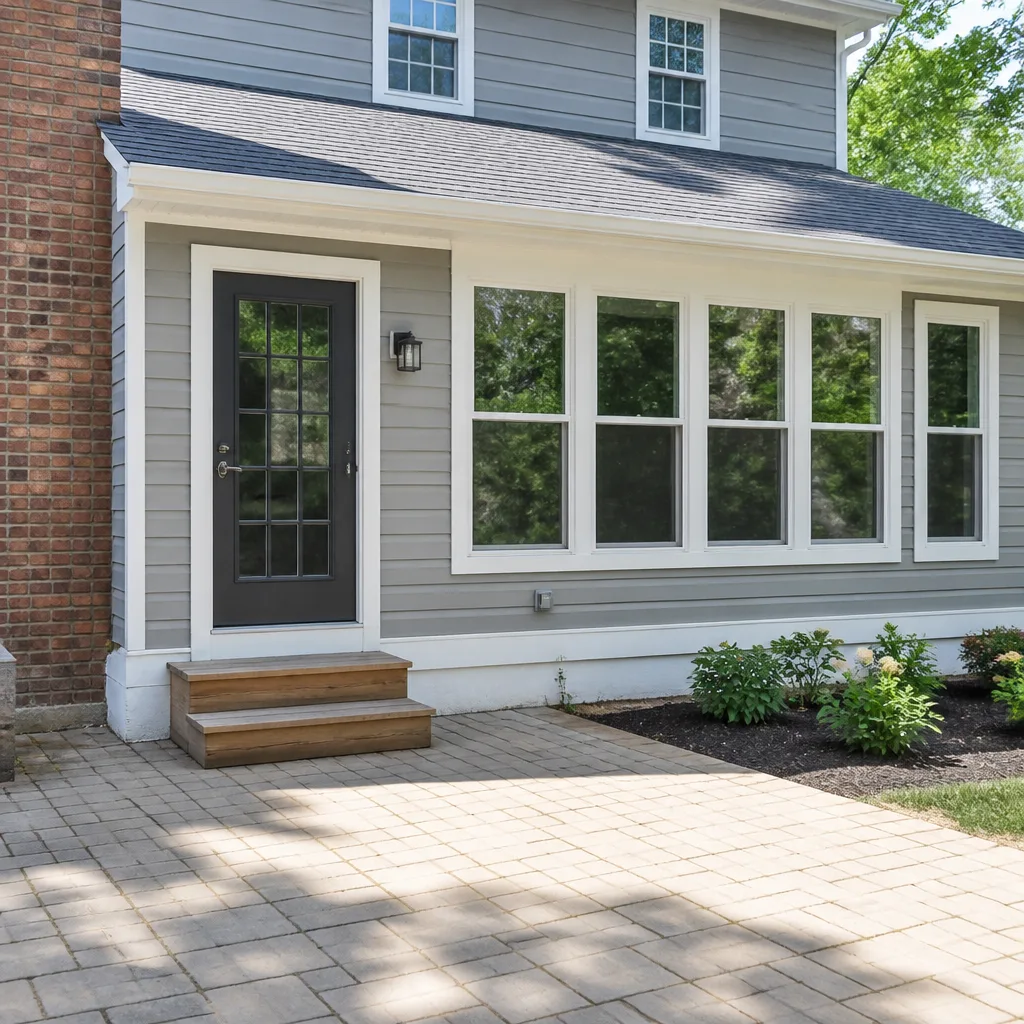 After
After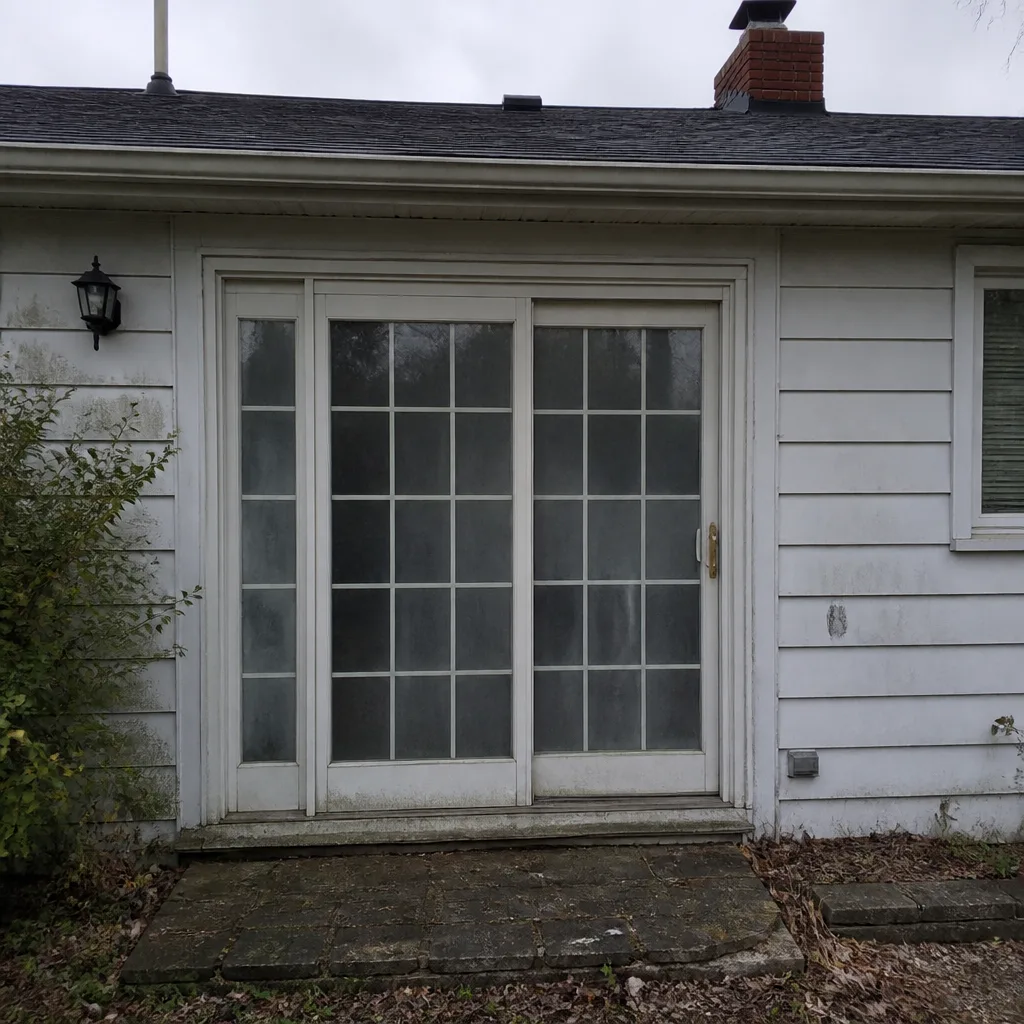 Before
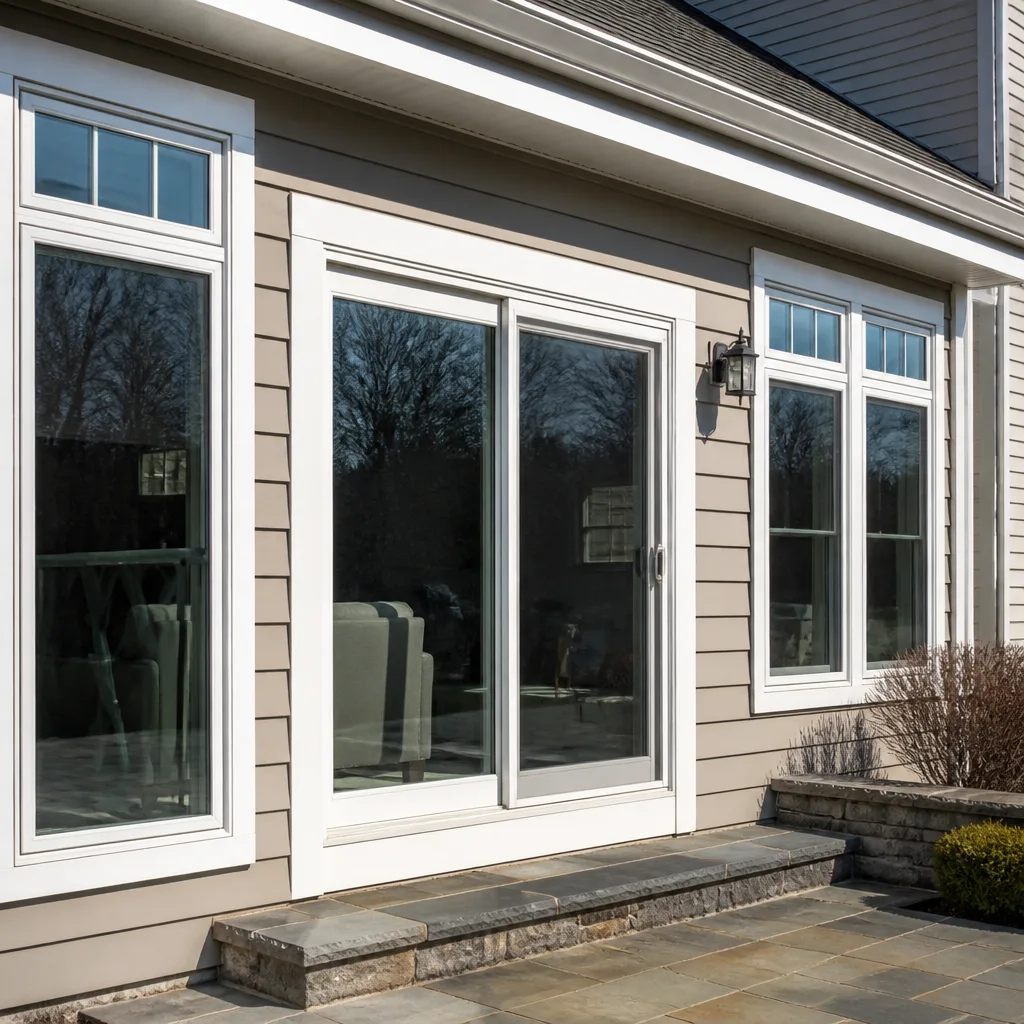 After
After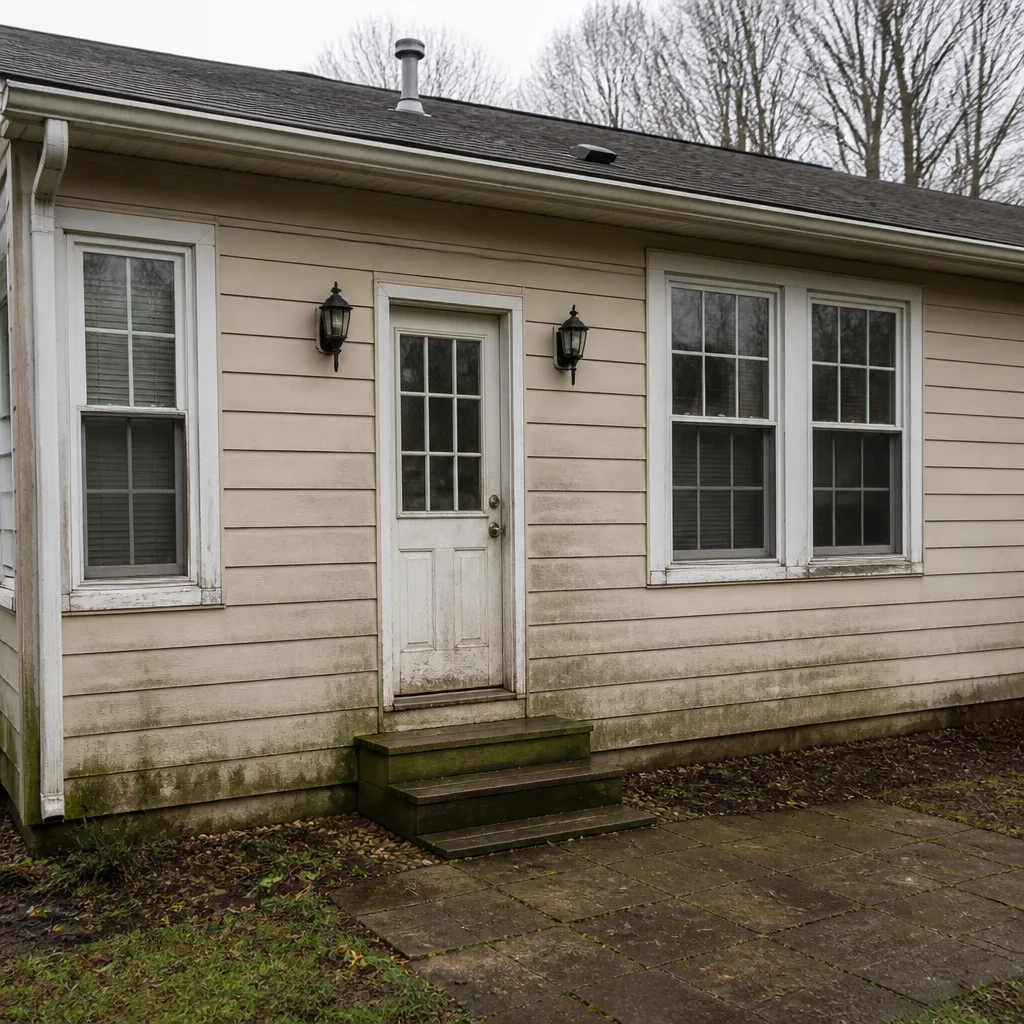 Before
 After
AfterHow Long Do Windows Last in Columbus, OH? The Short Answer Depends on the Wall They’re On
Twenty to twenty-five years for vinyl, thirty or more for wood. That’s the standard answer, and it’s not wrong. But it assumes average climate exposure and average installation quality, and Columbus delivers neither. The humid continental swings here, combined with flat terrain that channels northwest winds straight into north- and west-facing walls, means the same window can lose its seal three to seven years earlier on one side of your house than the other. The real lifespan question isn’t what the window is made of. It’s which wall it’s on.
If you’re noticing signs you need to replace your windows in Columbus, OH-fogged glass, drafts, or a frame that’s pulling away from the sill-call us at (888) 635-0804. We’ve been tracking window failures across Columbus housing stock since 2008, and we can tell you what you’re actually looking at.
Orientation-Adjusted Lifespan: What Years of Columbus Calls Have Shown Us
When we do a diagnostic visit, we don’t start with the window’s age. We start with its compass direction. Columbus sits on flat ground, which sounds harmless until you understand what it does to wind. There’s no terrain to break up the prevailing northwest flow, so it hits west- and north-facing elevations at full force, season after season. That sustained pressure works on the edge seals of insulated glass units (IGUs) in a way manufacturers’ lab tests don’t replicate.
In the field, we see IGU seal failure on those elevations three to seven years ahead of south- and east-facing units in the same house. A builder-grade vinyl double-hung on the east side of a Hilliard colonial might give you twenty-two years before the glass fogs. The identical unit on the west side of that same house often starts showing condensation between the panes at fifteen or sixteen years. The wind-driven rain and pressure differential do the damage quietly, long before you can see it from the street.
Dale Kessler, our owner, grew up in Clintonville watching his father fight this exact problem on older homes with wood frames and single-pane storms. He learned early that a window is only as good as its weakest exposure. That’s why our technicians note orientation on every diagnostic report. It changes the recommendation.
The 1988-2005 Production-Builder Cohort Is Aging Out Right Now
There’s a wave moving through Columbus, and it’s not evenly distributed. From roughly 1988 to 2005, M/I Homes, Pulte, and similar production builders put up thousands of colonials and ranches across Dublin, Hilliard, Gahanna, Lewis Center, and Pickerington. The windows in those homes were entry-level vinyl IGUs, specified to code minimum at the time and nothing more. Code minimum didn’t anticipate forty years of thermal cycling between 18°F January lows and 85°F July highs with Columbus humidity stacked on top.
Those homes are now twenty to thirty-five years old. The windows are hitting their functional limit, but not all at once. We see clusters. A street in Gahanna where three houses were built by the same builder in the same year will often have three houses with seal failures within eighteen months of each other. In Lewis Center, the north-facing bedrooms go first. In Dublin, it’s the west-facing great rooms with the big trapezoid windows over the stairwell that fog first, because those oversized units were never rated for sustained wind load on that exposure.
This is where a company that’s been local for over four decades earns its keep. Our installers don’t arrive with a national-average lifespan chart. They arrive with a mental map of which subdivisions were built when, which builders used which window lines, and what fails first in each one. That’s not something you learn in a franchise training manual. It’s something you learn by answering the phone for the third time on the same street in Hilliard and saying, “That’s the same problem the house two doors down had last spring.”
Wood Windows in Clintonville, German Village, and Olde Towne East: A Different Calculation
If you live in one of Columbus’s older neighborhoods, the lifespan math doesn’t apply the same way. Original wood double-hungs in Clintonville, German Village, Olde Towne East, and Franklinton are not automatically candidates for replacement just because they’re old. The wood itself, if it’s been kept painted and the sashes haven’t rotted at the joints, can outlast vinyl by decades. Often the better move is restoration.
The limiting factors on these windows are the components around the wood, not the wood itself. Glazing compound dries out and cracks. Sash cords fray and snap. Paint fails at the bottom rail where snow melt sits against the sash. We’ve restored wood windows in German Village that are pushing eighty years old, and after reglazing, recaulking the exterior, and replacing the weatherstripping, they perform as well as many new mid-range vinyl units. They also hold their character, which matters when you’re in a commission district.
In German Village, the German Village Commission routinely denies standard vinyl double-hung replacements. They require wood or aluminum-clad wood units that match the original divided-light pattern and sash profile. Out-of-market window companies get caught on this regularly. They sell a job, order product, and then find out the commission won’t approve it. By the time we’re called, the homeowner has already spent six weeks and a deposit. We know to pull commission approval before ordering a single window. That’s not a question of craftsmanship. It’s a question of knowing the city.
How Humidity Compresses Effective Seal Life
Manufacturers rate their IGUs based on accelerated aging tests that simulate years of thermal cycling. But Columbus humidity adds a variable those tests only approximate. When the temperature cycles from 18°F to 85°F and back, the air inside the IGU expands and contracts. The seal is designed to flex with that. What it’s not designed to handle is the sustained moisture load that Columbus air carries. That moisture migrates into the seal material over thousands of cycles, degrading the polymer from the inside out.
The practical result: a window that a manufacturer’s spec sheet says should last twenty-five years may fog at eighteen or nineteen in Columbus, particularly on a north- or west-facing elevation. We see it often enough that we’ve stopped quoting national averages at all. When we give you a remaining-service-life estimate during a diagnostic visit, it’s based on what we’ve actually observed in central Ohio housing stock: the same builder, the same subdivision, the same exposure, year after year.
That’s the difference between an estimate and a guess. And it’s why years of Columbus installation records matter more than a warranty brochure.
What This Means for Your Budget and Timing
If you’re trying to plan for window replacement or repair, here’s what orientation-adjusted lifespan looks like in practical terms across central Ohio:
- Builder-grade vinyl IGU, south- or east-facing: 20-25 years before seal failure is typical, provided the installation was done correctly and the weep holes stay clear.
- Builder-grade vinyl IGU, north- or west-facing: 15-20 years is common. The wind load and driven rain on those elevations take years off the seal.
- Mid-grade vinyl or fiberglass, any orientation: 25-35 years if the frame stays square and the glazing bead remains intact. The frame often outlives the seal.
- Wood double-hung with proper maintenance: 50-80 years on the sash and frame, with reglazing every 15-20 years and repainting every 7-10 years.
- Aluminum-frame windows from the 1970s and 1980s: 30-40 years on the frame, but the single-pane glass and thermal break (if it has one) are typically the weak points. Most are past due.
The cost to replace a window in Columbus runs from about $600 to $1,200 per opening for mid-grade vinyl installed, depending on size, grid options, and whether interior trim work is needed. Wood or aluminum-clad wood for commission districts like German Village runs higher, often $1,800 to $3,000 per opening due to custom sizing and preservation-grade specs. Those are our field numbers, not national averages.
One thing we tell every homeowner: if you’re replacing windows on a north- or west-facing wall, don’t spec the cheapest IGU in the product line. The savings disappear the first time the seal fails early and you’re paying for glass replacement on a window that’s six years old. A window that fits right shouldn’t need caulk to do the work the frame was supposed to do.
When to Call a Pro, and When to Wait
Fogged glass means the seal has failed. That’s not a debate, it’s a diagnosis. If the fog is visible, the argon or krypton fill has escaped, the insulating value is gone, and the glass unit needs replacement. Drafts, sticking sashes, visible daylight at the sill, and condensation between the panes are all signs the window is past its functional life. If you’re in a commission district like German Village, don’t touch anything until approval is in hand. If you’re in a home built between 1988 and 2005 and the windows are original, you’re likely within five years of needing action on at least one elevation.
We don’t hard-sell replacement on every call. We’ll tell you if a window is worth restoring, worth repairing, or worth replacing. The point of a diagnostic visit is to give you a straight answer, so you can spend your money where it matters and skip what doesn’t.
If you’d rather have a trained eye on it, our Window Replacement team can walk you through what you’re working with. We also have more detail on our home page about the full scope of what we do, and you can read more about Window Replacement in Columbus if you’re planning ahead.
FAQs
Builder-grade double-pane windows in Columbus typically last 20-25 years on south- and east-facing walls, but only 15-20 years on north- and west-facing exposures where sustained northwest winds and driven rain accelerate IGU seal failure. Call (888) 635-0804 if you’re seeing fog between the panes and want a straight answer on how much life is left.
Orientation and humidity are the two biggest factors in Columbus. Northwest winds hit north- and west-facing windows at full force on our flat terrain, and repeated thermal cycling between cold January lows and humid July highs degrades IGU seals faster than manufacturers’ lab tests predict. A free on-site look will tell you where your house is most vulnerable.
If the wood sash and frame are sound, restoration is often the better move. We reglaze, recaulk, replace weatherstripping, and repaint wood double-hungs in Clintonville and German Village, and they can outlast new vinyl by decades. Call (888) 635-0804 and we’ll tell you honestly whether your windows are restore-worthy or replacement is the better spend.
Mid-grade vinyl replacement windows in Columbus run $600 to $1,200 per opening installed, while wood or aluminum-clad wood units for German Village commission approval typically land between $1,800 and $3,000 per opening. Every TruePane quote is itemized upfront, and both manufacturer warranty layers are registered in writing before the truck leaves your driveway.
If you’d rather have it looked at, TruePane Windows & Doors offers a no-pressure assessment in Columbus. Call (888) 635-0804 and a live person will answer. We’ll come out, measure twice, check the orientation, and tell you the truth about what your windows need and what they don’t.
Written by Dale Kessler, Owner, TruePane Windows & Doors at TruePane Windows & Doors, serving Columbus, OH.