
Free in-home measure and quote - PGT, CGI and CWS impact lines compared on your actual openings, style by style
Sliding glass doors
Impact garage doorsPGTCGI
 Before
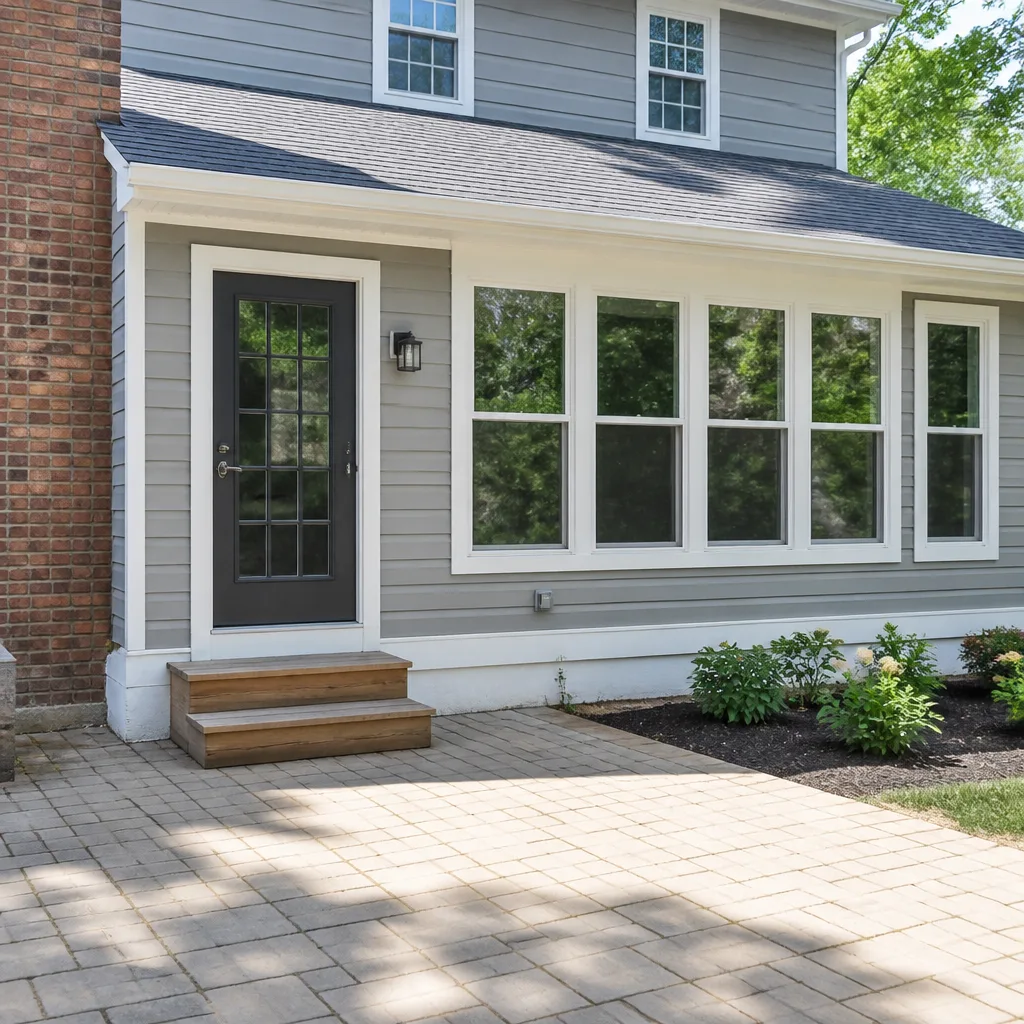 After
After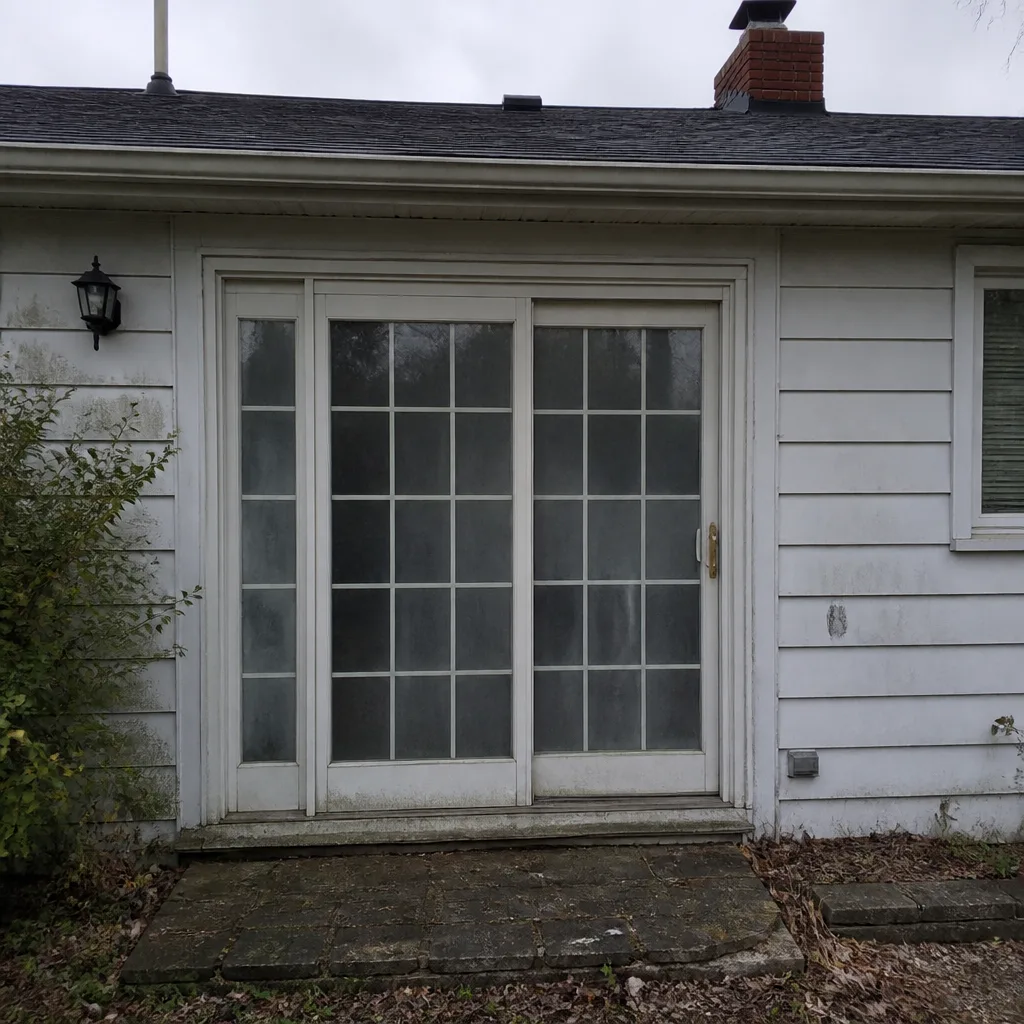 Before
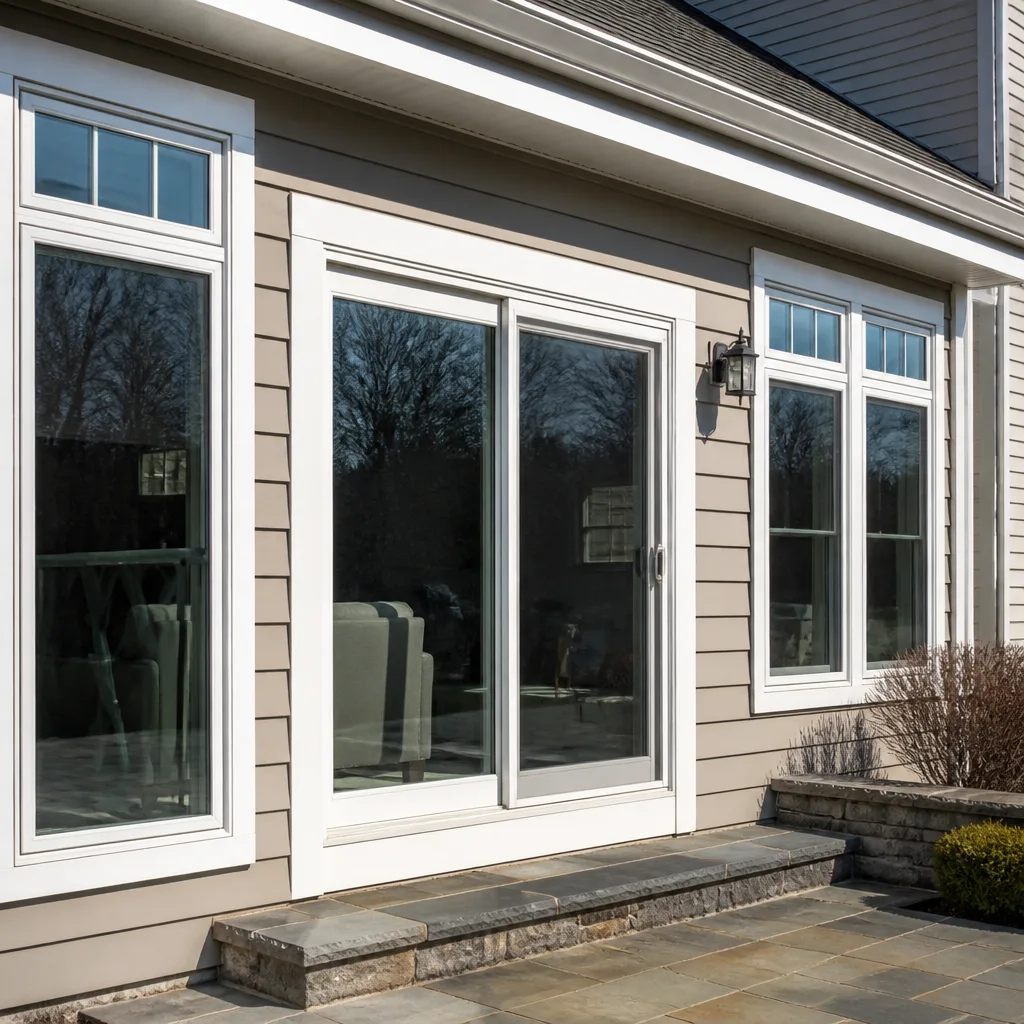 After
After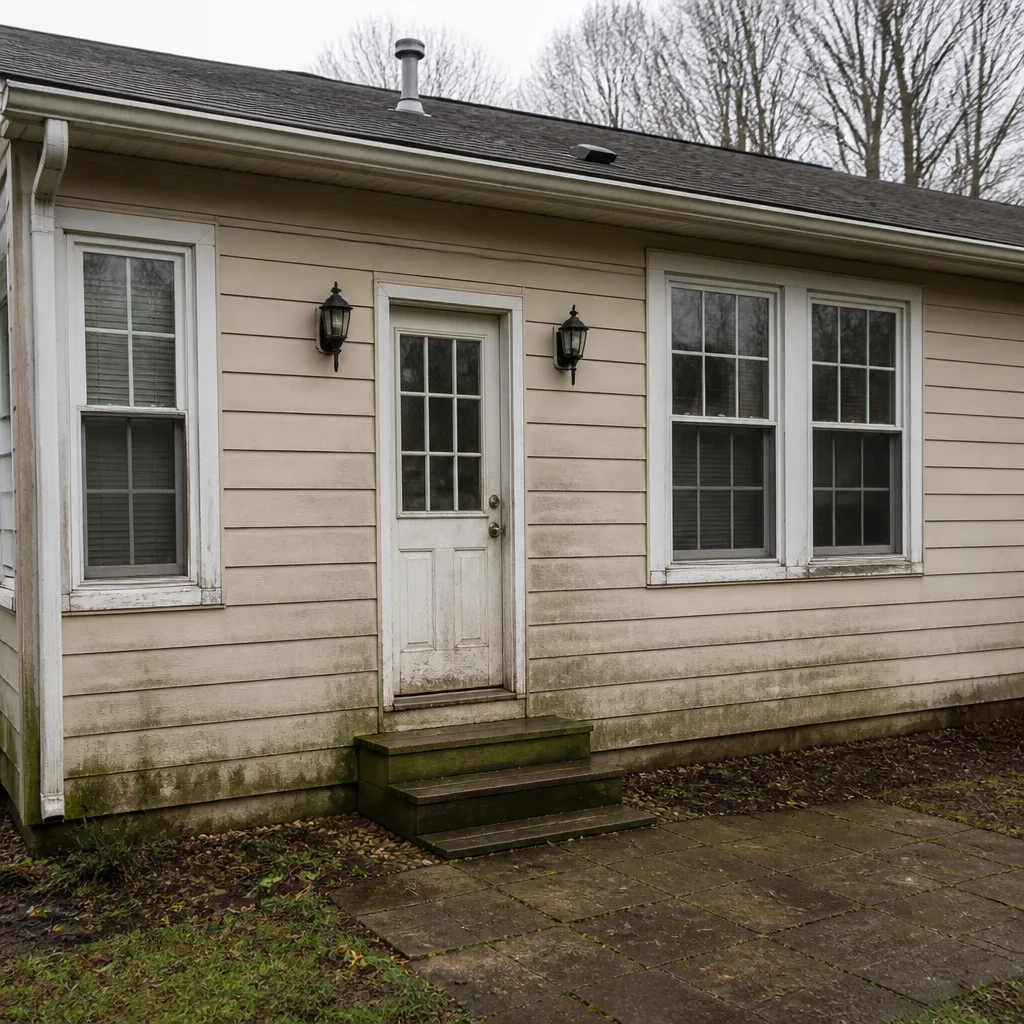 Before
 After
AfterHow to Measure a Window for Replacement in Columbus, OH: Start With the Rough Opening, Not the Frame
To measure a window for replacement correctly, you need the rough opening dimensions (stud to stud, sill plate to header), not the visible frame size. In Columbus, measuring only the existing frame is the single most common homeowner error, because many production-built homes from the 1990s and 2000s have windows shimmed into rough openings at standard factory sizes. Call TruePane Windows & Doors at (888) 635-0804 if you’d rather have a technician pull the numbers for you.
Here’s the thing most measuring guides skip, and it matters more in Columbus than almost anywhere else. When M/I Homes and Pulte framed houses in Dublin, Hilliard, Pickerington, and Gahanna during the 1990s build-out, the rough openings followed standard framing dimensions. The window units going into those openings came from the factory at the nearest standard size, usually a half inch or more smaller than the rough opening. The install crew set the unit in the center of the opening and drove cedar shims behind the frame to plumb and level it. Those shims live inside the wall cavity, hidden behind the interior casing. Measure the frame you can see, and you’re measuring the shimmed position, not the opening the window actually sits in. Order a replacement to that number and the new unit will be too small, leaving a gap that someone has to fill with backing rod and a thick caulk bead. That’s not how a window should sit.
Why the Shim-Plane Problem Shows Up in Columbus Production Housing
The Columbus suburbs grew fast after 1990. Ohio State’s expansion, the insurance industry’s hiring cycles, and the city’s appetite for annexation pushed developers to build thousands of tract homes in a short window. The builders used the same standard vinyl single-hung and double-hung units across hundreds of houses. A 1995 Pulte colonial in Gahanna and a 2001 M/I ranch in Lewis Center likely share the same window spec. The rough opening in each house might vary by half an inch or more, depending on how the framing crew laid out that wall that day. The window unit did not vary. The difference got absorbed by shims.
A homeowner measuring a 1997 vinyl double-hung in Pickerington might get a frame width of 35½ inches. The rough opening behind that frame could easily measure 36¼ or 36½. If they order a replacement at 35½, the new unit floats inside an opening that’s too big. The install crew has to shim it even harder, or the homeowner ends up with a window that’s set in the same compromised plane as the original, with the casing and trim doing work they were never meant to do. This is why we measure the rough opening, not the frame, on every job. Dale Kessler has been measuring and setting windows in central Ohio for close to three decades, and he’s pulled enough trim off 1990s tract homes to know exactly what’s back there.
As Dale puts it: “A window that fits right shouldn’t need caulk to do the work the frame was supposed to do.”
The Three Measurements That Actually Matter
Every replacement window order starts with three numbers: rough opening width, rough opening height, and rough opening depth. Here’s what each one means and why we take it twice.
- Rough opening width: The distance between the two vertical framing studs that define the sides of the window opening. You measure from the face of one stud to the face of the other, at the top, middle, and bottom of the opening. If those three numbers differ by more than an eighth of an inch, the opening has racked, and the smallest width governs what can be ordered.
- Rough opening height: The distance from the sill plate (the horizontal framing member at the bottom of the opening) to the header (the horizontal member at the top). You measure at the left side, center, and right side. Again, the smallest number rules.
- Rough opening depth: The thickness of the wall from the interior face of the drywall to the exterior face of the sheathing. This confirms the replacement unit’s frame depth will sit flush with both the interior and exterior planes of the wall. Most Columbus production homes land between 4½ and 5½ inches, but older homes can vary, and a unit ordered too deep or too shallow won’t sit right.
TruePane’s field protocol requires every opening to be measured twice, by the same technician, with a tape and a level and a note sheet. We compare the numbers before anyone quotes a unit, because a window ordered to a wrong dimension is a delay and a cost that the homeowner should never have to eat. We don’t place a product order until the field measurements are verified.
What’s Different in Clintonville and Olde Towne East
If you’re in Clintonville, Olde Towne East, or Franklinton, your house was likely framed long before production builders standardized anything. The wood studs and rough sawn headers in a 1922 Clintonville foursquare have been settling for a hundred years. Seasonal moisture cycling and foundation movement rack the openings. When we pull the interior stop bead on an older home, it’s common to find that the width at the top of the opening differs from the width at the bottom by a quarter inch or more.
You cannot correct for that by ordering a bigger window and hoping the installer can force it square. The smallest dimension governs the order spec. Order to the largest dimension and the unit won’t go in without cutting framing, which is not something any reputable company does to make a sale. Order to the smallest dimension and the gap gets shimmed properly, then sealed, then trimmed. The window sits true, which is the whole point.
Columbus’s humid continental climate makes this precision matter even more. January lows near 18°F and July highs near 85°F mean the wood in older homes expands and contracts constantly. A window that’s set out of plane in January will bind in July. We’ve seen it in plenty of older Columbus homes. We measure every opening twice, at top, middle, and bottom, specifically so we don’t install that problem for someone else.
German Village Adds a Layer Most Guides Never Mention
Measuring a window for replacement in German Village is a different job than measuring one in Hilliard. The German Village Commission reviews every replacement window proposal, and they don’t approve standard vinyl double-hungs. They want wood or aluminum-clad wood sliding windows or other units that match the original divided-light pattern and sash profile of the house. That means the measurement process has to capture more than the rough opening dimensions.
Here’s what we record when measuring in German Village:
- The rough opening width, height, and depth, same as anywhere else.
- The original muntin layout, including the number of lights per sash and the width of the muntin bars, so the replacement unit matches the divided-light pattern.
- The original sash rail and stile dimensions, so the replacement sash profile reads the same from the street.
- The frame depth of the existing unit, because many of these homes have thicker plaster walls and the replacement must sit flush without protruding.
Out-of-market window companies routinely skip the commission process, order standard units, and get the replacement rejected before the truck ever shows up. TruePane pulls commission approval before ordering product. We’ve done it enough times to know what the commission looks for, and we’d rather get the spec right the first time than ask a homeowner to re-buy a window.
Why We Don’t Let You Order to the Frame Size
Here’s a number that shows up on a lot of homeowner worksheets: the frame dimension of the existing window. It’s the easiest measurement to take, because you can do it without removing anything. You run a tape across the visible frame, top to bottom, side to side, and write down what you see. The problem is that the number you wrote down is the size of the manufactured unit, not the size of the hole in your wall.
In a 1998 M/I Homes colonial in Gahanna, the frame might measure 35½ by 47½. That’s the unit’s factory spec. The rough opening behind it might measure 36 by 48. If you order a replacement at 35½ by 47½, you’ve just ordered a window that’s a half inch too narrow and a half inch too short for the hole in your wall. The install crew either shims the gap harder than it should be shimmed, or the window sits low and off-center behind a thick bead of sealant. Neither outcome is what you paid for.
The interior stop bead on most windows comes off with a flat bar and about three minutes of careful work. Behind it, you’ll see the shims. They’re the ones doing the real work. Once the stop bead is off, you can get a tape into the gap between the rough framing and the window frame, and that’s where the true rough opening dimension lives. That’s the number we order to. It’s also the number we encourage any homeowner to ask about, because a contractor who measures only the frame is a contractor who’s about to bill you for a window that doesn’t fit.
Window Replacement Measurement Considerations in Columbus
| Measurement Point | What It Tells You | Common Columbus Issue |
|---|---|---|
| Rough opening width (top, middle, bottom) | Whether the opening is square and what unit width will fit | Racked openings in pre-WWII homes can differ ¼” or more between top and bottom |
| Rough opening height (left, center, right) | Whether the header and sill are level and what unit height will fit | Settled headers in older homes can compress the opening over time |
| Rough opening depth | Whether the replacement unit’s frame depth matches the wall | Plaster walls in German Village can be thicker than modern drywall |
| Existing frame dimensions | The factory size of the current unit, not the opening | M/I and Pulte homes often have units ½” smaller than the rough opening |
| Muntin layout and sash profile | What the German Village Commission will require | Standard vinyl double-hungs get denied; wood or aluminum-clad wood required |
We install, replace, and service Window Installation Near Me in Columbus, OH and surrounding communities for residential homeowners. We’re an authorized installer for more than a dozen manufacturer lines, including, and PGT, and we quote manufacturer lines side by side on paper for the confirmed rough opening dimension so you can see exactly what you’re buying. No hidden line items, no surprise on the bill. We’ve been doing this since 2008 through Dale Kessler’s family trade, and we plan to be doing it for another forty.
If you’ve already taken a measurement and want a second set of eyes on it, call us. If you’d rather not pull the stop bead yourself, we’ll do it. The estimate is free, and a live person answers the phone 24 hours a day, 7 days a week. Most jobs are completed in a single visit.
FAQs
You can take the visible frame dimensions without removing anything, but those dimensions won’t match the rough opening in most Columbus homes, especially production-built houses from the 1980s through the 2000s. The interior stop bead comes off easily and reveals the shims and the true rough opening width. Measuring to the frame without checking the rough opening is how homeowners end up ordering a unit that’s a half inch too small.
You’ll likely receive a unit that’s smaller than the opening it needs to fill, which means the installer has to over-shim or float the window in a wall gap, and the window ends up set in the same compromised plane as the original. In older Columbus neighborhoods with racked openings, the mismatch can be even worse. Call (888) 635-0804 if you’ve already measured and want a professional to verify the numbers before you place an order.
In German Village, you measure the rough opening width, height, and depth, plus the original muntin layout and sash rail dimensions, because the German Village Commission requires replacements to match the original divided-light pattern and sash profile. Standard vinyl double-hungs get denied. TruePane pulls commission approval before ordering product, and we’ll walk you through what the commission requires for your specific house.
Taking a basic measurement helps you understand the scope of the job and gives you a reference number for comparing quotes, but in Columbus’s production-builder housing stock, the frame measurement you take from the outside won’t match the rough opening, and ordering to that number is the most common homeowner error. Our technicians measure every opening twice, at top, middle, and bottom, and verify the numbers before any product order is placed. Estimates are free, so it costs nothing to have a professional confirm your measurements.
Get a Measurement You Can Trust in Columbus
If you’d rather have it looked at, TruePane Windows & Doors offers a no-pressure assessment in Columbus. We’ll pull the stop bead, measure the rough opening correctly, and give you a written quote with no obligation. Call (888) 635-0804 for a free estimate, or read more about our work on our home page or our Window Installation in Columbus page. You can also learn more about our Window Installation process. A window that fits right is the whole job. We’ll help you get the numbers right before anything gets ordered.
Written by Dale Kessler, Owner, TruePane Windows & Doors at TruePane Windows & Doors, serving Columbus, OH.