
Free in-home measure and quote - PGT, CGI and CWS impact lines compared on your actual openings, style by style
Sliding glass doors

Impact garage doorsPGTCGI
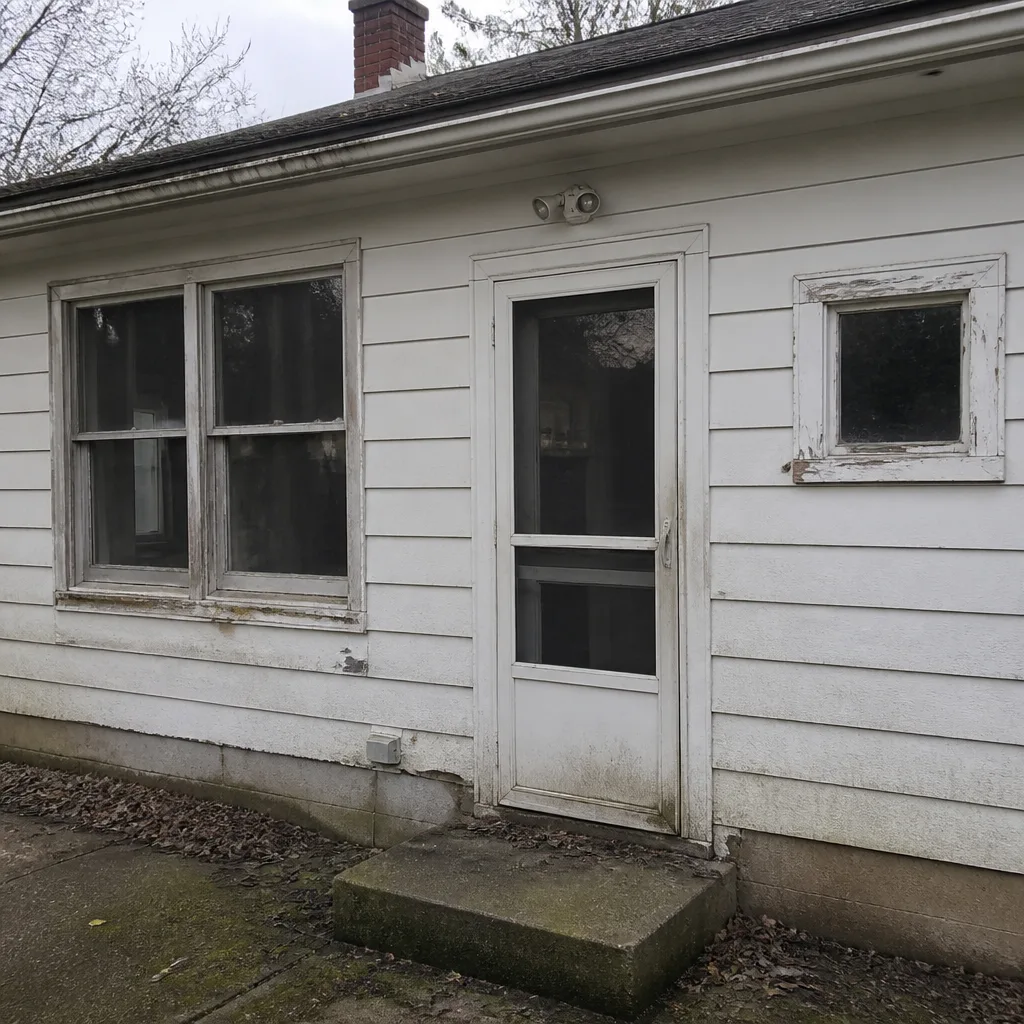 Before
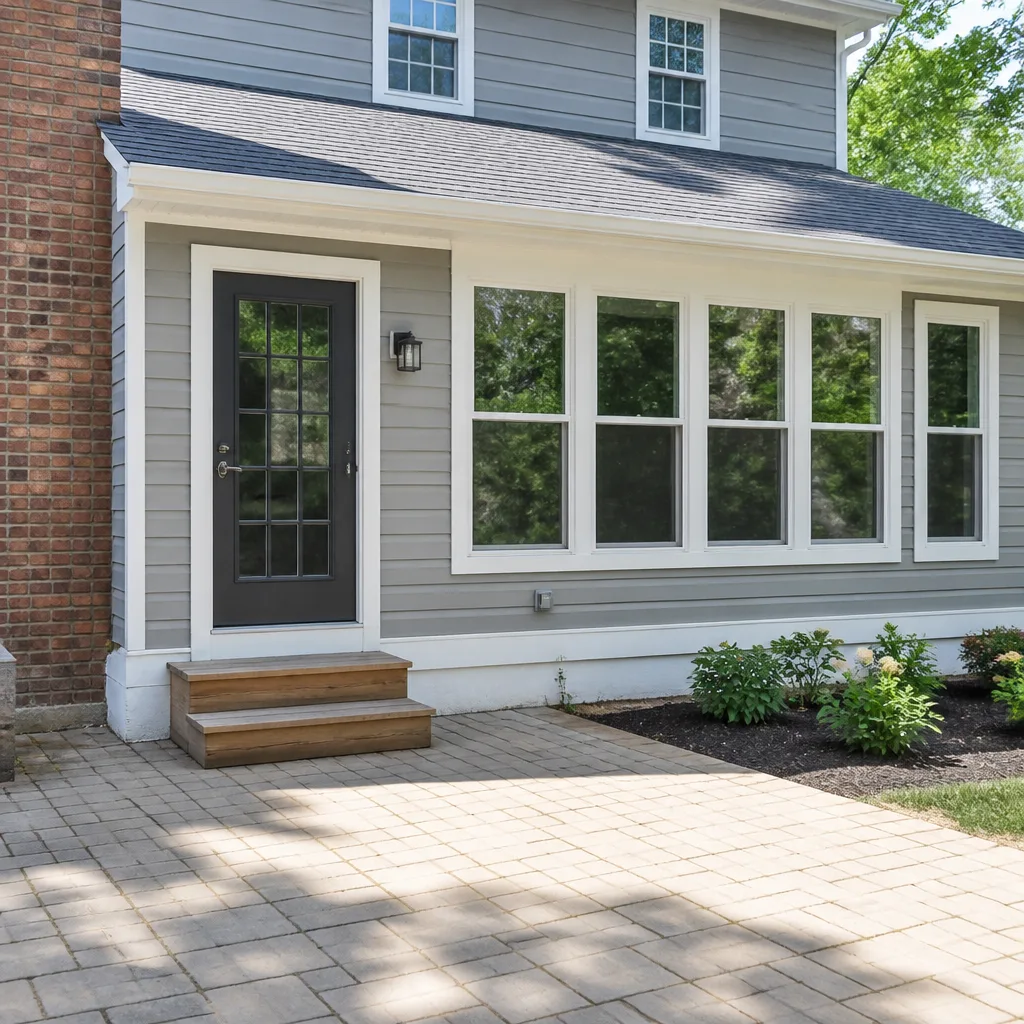 After
After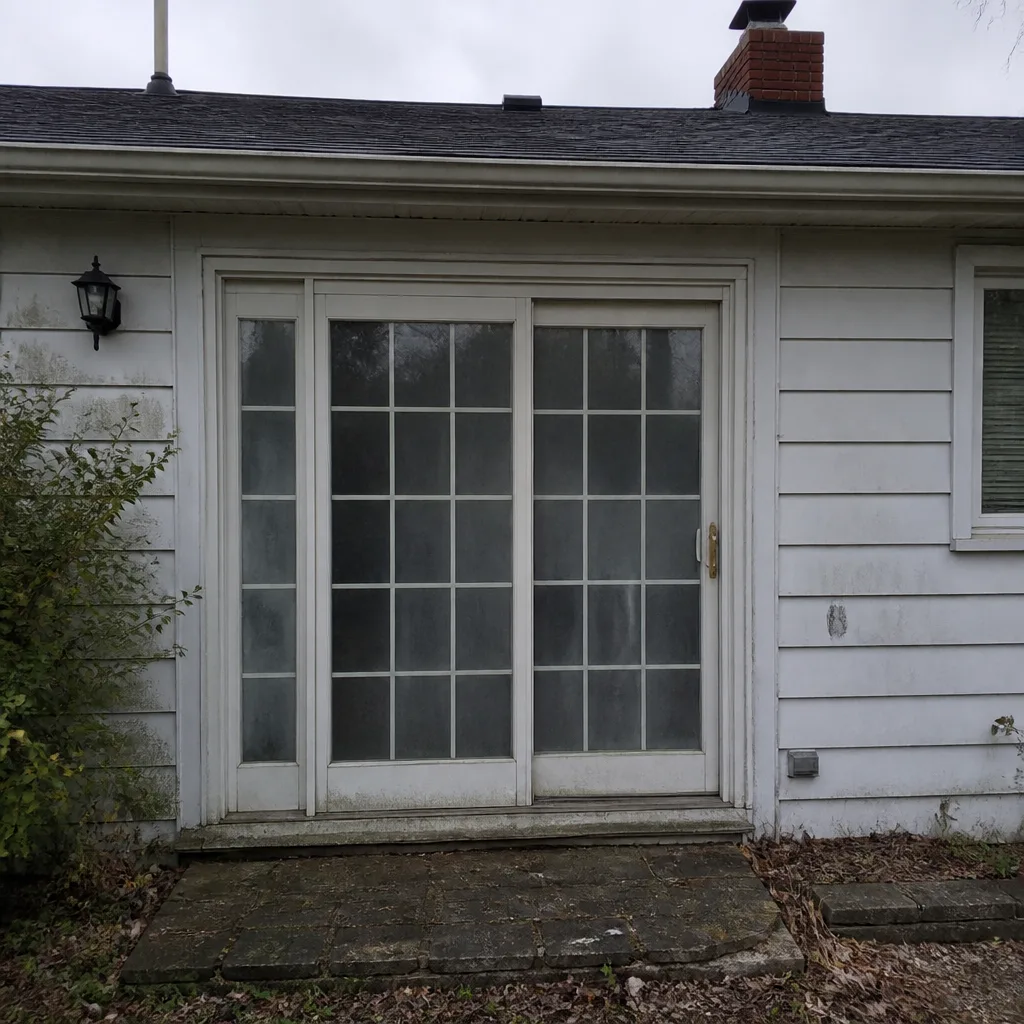 Before
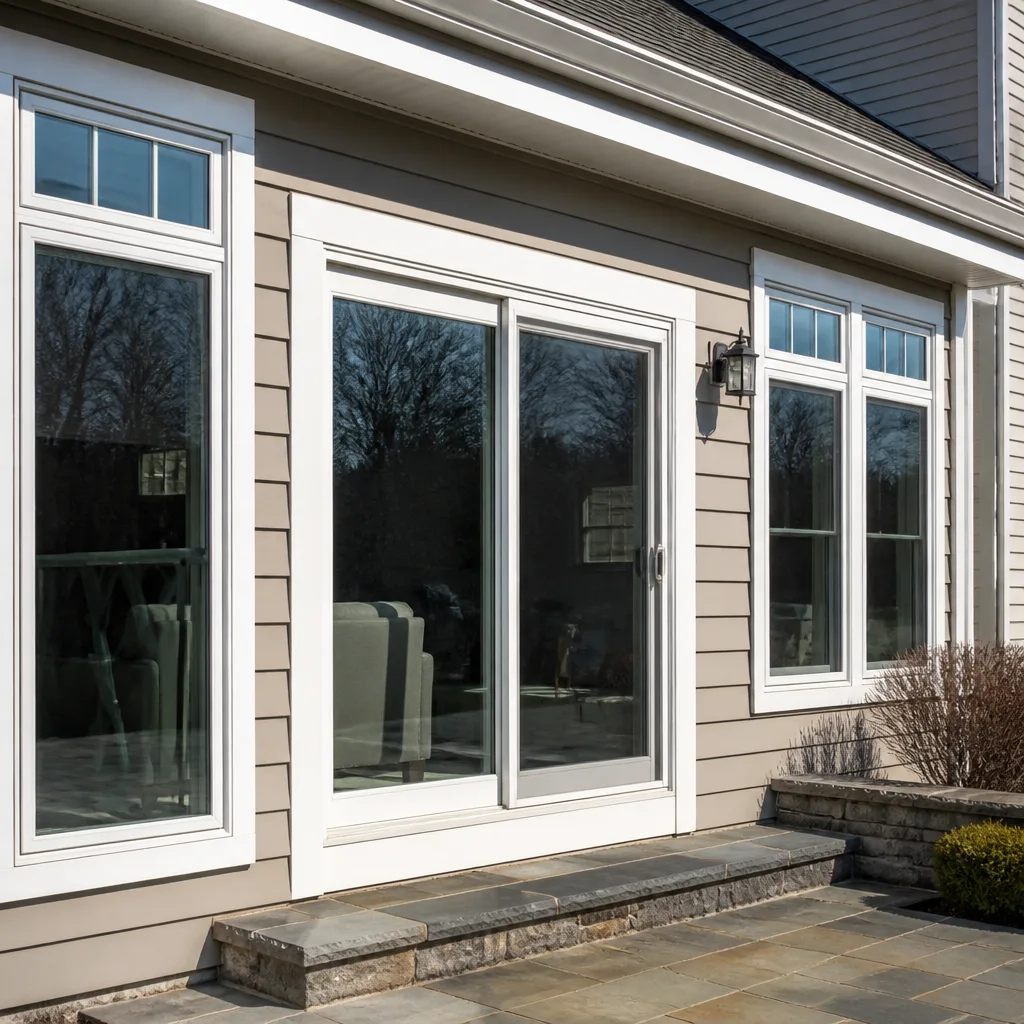 After
After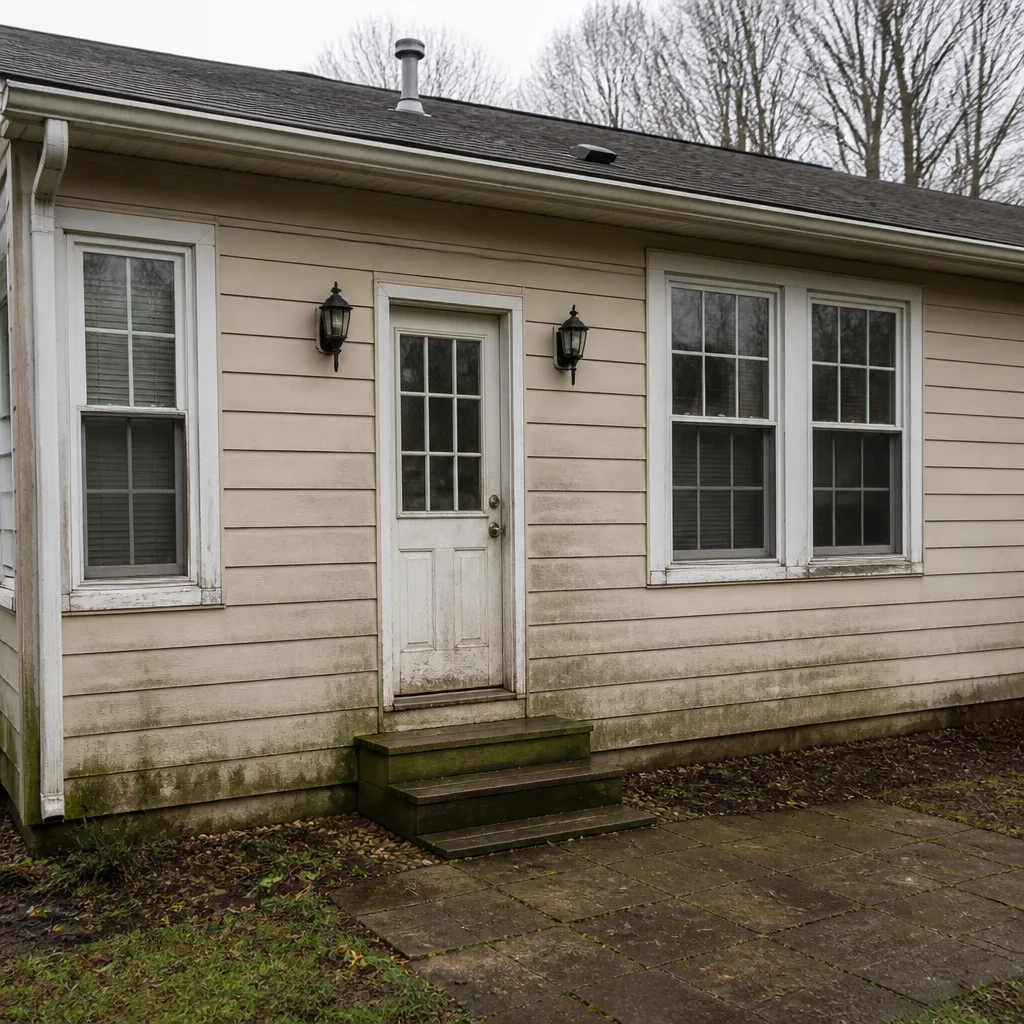 Before
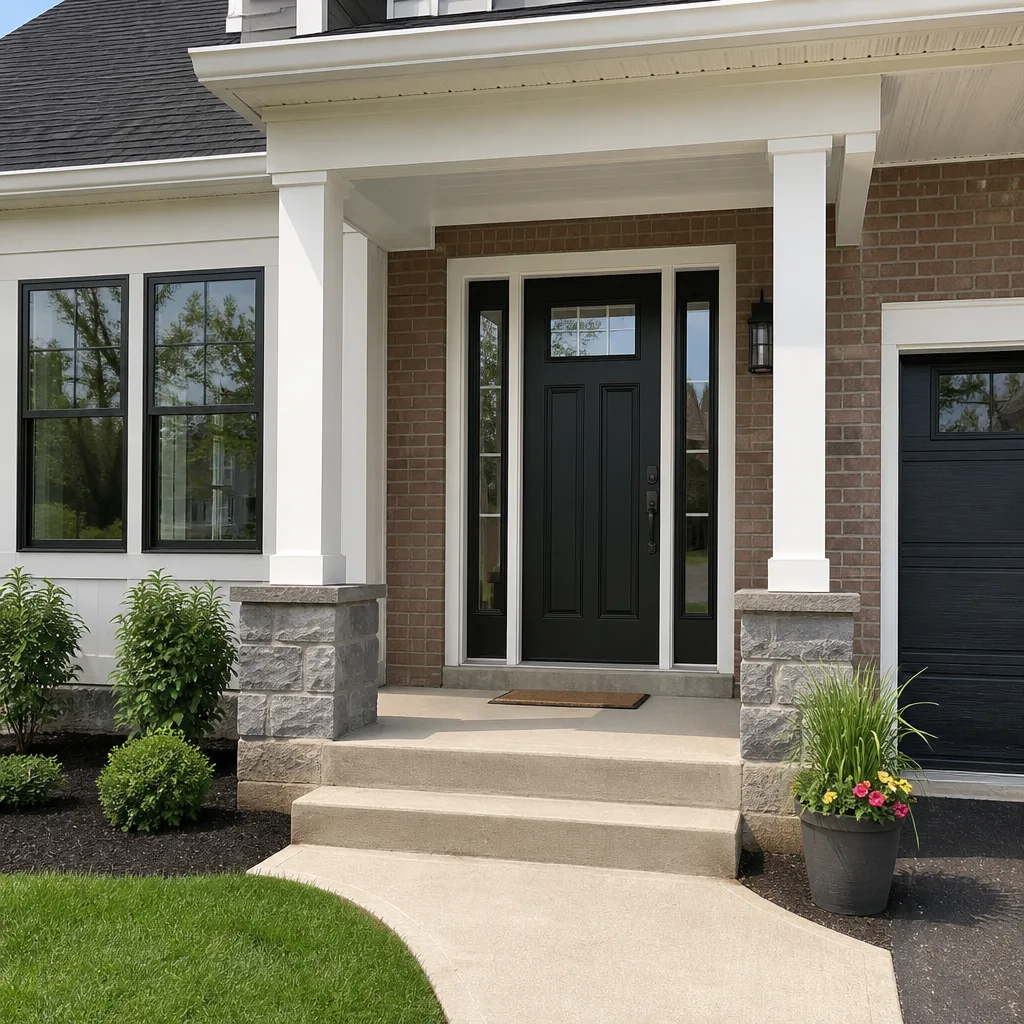 After
AfterChoose fiberglass unless the budget says otherwise. Here’s the engineering reason why.
Fiberglass is the better window material for Columbus, Ohio homes, and the reason comes down to physics rather than preference. Fiberglass expands and contracts at nearly the same rate as the glass it holds, while vinyl moves at roughly three times that rate. In a climate where January lows sit near 18°F and July highs push 85°F, that difference determines whether your insulated glass seal holds for 15 years or 30. Call (888) 635-0804 when you’re ready to compare both options side by side on paper, with warranty durations written down where you can see them.
The thermal expansion numbers most comparison articles skip
There’s a stat that rarely makes it into the vinyl-versus-fiberglass debate, and it’s the one that matters most in central Ohio. Vinyl, which is PVC, expands and contracts at roughly three times the rate of fiberglass. Fiberglass is engineered to move at nearly the same coefficient as plate glass. That sounds like a specification sheet detail until you understand what it means for the IGU seal, the insulated glass unit edge seal that keeps argon or krypton inside and humidity out.
Every 60-degree temperature swing puts mechanical stress on that seal. The frame moves, the glass moves, and if they’re moving at different rates, the bond between them gets worked loose over years of freeze-thaw cycles. In Columbus, we get that full swing every single year, plus the persistent summer humidity that punishes any seal already compromised by cyclical stress. Fiberglass puts far less of that stress on the seal. That’s not marketing language. That’s the math behind why we see vinyl IGU failures in tract homes so consistently at the 12-to-18-year mark, while properly set fiberglass units routinely outlast the mortgage.
Dale Kessler, our founder, learned this watching his father do glass work on older Clintonville homes with original wood frames. He’ll tell you the same thing we tell every homeowner who calls us weighing these two materials: “A window that fits right shouldn’t need caulk to do the work the frame was supposed to do.” If the frame is working against the glass, no bead of caulk solves it.
What Columbus’s housing stock tells you about window replacement
If you live in Dublin, Hilliard, Pickerington, or Lewis Center, your home was likely built between 1985 and 2010, during the production-builder boom that followed Ohio State’s growth and Columbus’s aggressive annexation. M/I Homes, Pulte, and similar builders glazed thousands of those houses with entry-level vinyl windows. Those units are now hitting their replacement threshold at the same time, which is why we’re seeing the same conversations across the northwest suburbs.
The decision point for those homeowners isn’t really Window Repair vs Replacement in Columbus, OH in the abstract. It’s whether the next window goes in as a like-for-like replacement that repeats the same 15-to-20-year cycle, or whether it’s an upgrade that buys three decades before anyone touches that opening again. For a homeowner planning to stay in the house, which is most of the people who call us, that’s the difference between replacing windows once or doing it twice.
That said, vinyl isn’t always the wrong answer. We quote mid-tier vinyl from manufacturer lines we trust, including Simonton and Jeld-Wen, and we put those quotes on paper next to fiberglass options from Marvin and Milgard so you can see the actual difference. On south- and east-facing openings where the thermal load is lower and a good air-seal installation is the primary concern, a quality mid-tier vinyl window remains a defensible choice. The honest answer from a glazier is that you don’t need fiberglass on every elevation. You do need to understand which openings in your house are doing the heavy lifting.
The orientation factor: why north- and west-facing windows fail first
Columbus is flat, and that flatness channels sustained northwest winds across the entire metro. If you’ve lived here through a winter, you’ve felt it. What you may not have connected is that those prevailing winds hit your north- and west-facing windows harder than any other part of the house, driving rain against the seals and adding wind-load pressure on top of thermal cycling.
We consistently find that north- and west-facing IGUs in Columbus homes show seal failure years before south- and east-facing units from the same install date. That’s not coincidence, and it’s not a manufacturing defect. It’s orientation-specific stress. For those exposures, fiberglass’s dimensional stability is a measurable advantage regardless of what price tier of window you’re buying. If you’re going to split the difference on material cost anywhere, it should not be on the windward side of the house.
This is also where our Window Replacement approach differs from a typical install. We measure every opening twice, and we pay attention to which side of the house takes the prevailing wind. That orientation work is part of the Keystone Standard we apply to every job: both manufacturer warranty layers registered in writing, durations stated, before the truck leaves your driveway.
Side-by-side: vinyl vs fiberglass for Columbus homes
| Factor | Vinyl (PVC) | Fiberglass |
|---|---|---|
| Thermal expansion rate | ~3x the rate of glass | ~1x, matched closely to glass |
| IGU seal stress in Columbus climate | High, esp. on north/west exposures | Low to moderate |
| Typical seal lifespan (central OH) | 12-20 years | 25-35+ years |
| Upfront cost (installed, avg. | $450-$800 per opening | $850-$1,400 per opening |
| Best application | South/east openings, tighter budget | North/west openings, long-term stay |
| Color options | Limited, darker tones can warp | Broader range, holds finish longer |
- Bottom line: If you’re replacing windows in a Columbus home you plan to own for another 10+ years, put fiberglass on the windward exposures and consider quality vinyl only on protected openings.
- Budget reality: Fiberglass runs 60-80% more upfront, but doing the replacement once instead of twice often erases that gap over the ownership period.
- What we quote: We’ll put manufacturer lines side by side on paper, with the actual warranty durations written out. You decide based on numbers, not a sales pitch at the kitchen table.
Where vinyl still makes sense, and why we say so
We sell and install both materials, and we’re not going to steer you toward the higher-margin option when the cheaper one will do the job. If you have a south-facing dining room window that never sees wind-driven rain, or an east-facing bedroom window shaded by a mature maple, a quality mid-tier vinyl unit with a proper air-seal installation will perform well for a long time. The key words there are proper air-seal installation. The best window on the market underperforms when it’s set out of square or the rough opening isn’t sealed correctly.
That’s a big part of why we’ve been doing this work in Columbus since 2008. Our founder, Dale Kessler, grew up in Clintonville and enrolled in the building trades program at Columbus State Community College before spending nearly three decades measuring and setting windows across central Ohio. The founding rule he keeps on the whiteboard is simple: if the pane is not true, the job is not done. It’s also why we register both manufacturer warranty layers in writing while the truck is still in your driveway, and why every job carries our Done Right Promise. If it’s not done right, we make it right. No paperwork, no arguing.
Our home page walks through the full scope of what we install and service, and our Window Replacement in Columbus page covers the replacement process in detail. But the vinyl-versus-fiberglass conversation is one we’d rather have over the phone, because the right answer depends on your house, your orientation, and how long you plan to stay.
FAQs
Yes, fiberglass windows are better than vinyl for most Columbus homes because fiberglass expands and contracts at nearly the same rate as glass, reducing stress on the IGU seal through the city’s 60+ degree annual temperature swings and persistent humidity. The advantage is most pronounced on north- and west-facing elevations where sustained northwest winds add pressure to the seal. For a homeowner planning to stay 10 years or more, fiberglass typically costs less over the full ownership period because you replace it once instead of twice. Call (888) 635-0804 and we’ll show you both options on paper with actual warranty durations.
If you’re wondering How Much Does Window Replacement Cost? (2026 Price Guide) - Columbus, OH, fiberglass windows in Columbus typically run 60-80% more upfront than vinyl, with installed fiberglass averaging $850 to $1,400 per opening versus $450 to $800 for quality vinyl, depending on size, manufacturer, and installation conditions. The honest way to compare is over the ownership period, not the invoice: a vinyl IGU that fails at year 15 means paying for that opening twice, while a fiberglass unit often outlasts a 30-year mortgage. We’ll quote manufacturer lines side by side on paper so you can see the actual numbers before deciding. Call (888) 635-0804 for a free estimate.
Yes, and for many Columbus homes that’s the right approach. We regularly install fiberglass on north- and west-facing openings where wind and thermal stress are highest, and quality vinyl on protected south- and east-facing openings where the load is lower and the budget savings are real. The key is that every opening gets measured twice and air-sealed correctly regardless of material. Our technicians quote manufacturer lines side by side on paper so you can see what each warranty actually covers. Call (888) 635-0804 to sort out which openings justify the upgrade.
Window seals in Columbus fail most often because of thermal cycling, the repeated expansion and contraction from the city’s annual temperature swing between roughly 18°F and 85°F, combined with persistent summer humidity that attacks any edge seal already stressed by that movement. Vinyl frames amplify the problem because they expand at roughly three times the rate of the glass they hold, working the IGU edge seal loose over years of freeze-thaw cycles. Fiberglass mimics glass movement almost exactly, which is why those units typically last far longer. If you’re seeing fogged panes, call (888) 635-0804 and we’ll tell you honestly whether it’s a repair or a replacement situation.
If you’d rather have it looked at, TruePane Windows & Doors offers a no-pressure assessment in Columbus, and we can discuss Window Financing Options in Columbus, OH if that helps. Call (888) 635-0804 and a live person will answer, any hour, any day. We’ll measure, we’ll show you your options in writing, and we’ll stand behind the work with the Keystone Standard and the Done Right Promise.
Written by Dale Kessler, Owner, TruePane Windows & Doors at TruePane Windows & Doors, serving Columbus, OH.