
Free in-home measure and quote - PGT, CGI and CWS impact lines compared on your actual openings, style by style
Sliding glass doors
Impact garage doorsPGTCGI
 Before
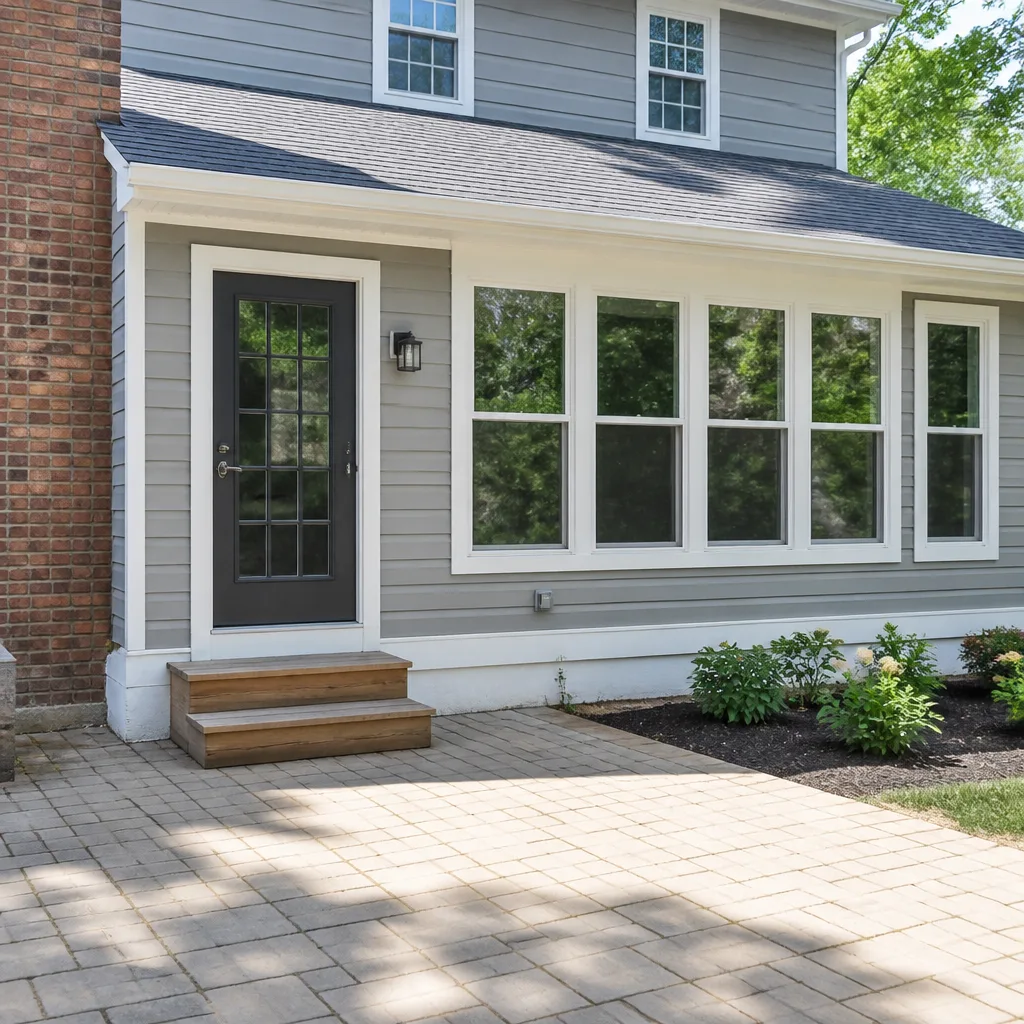 After
After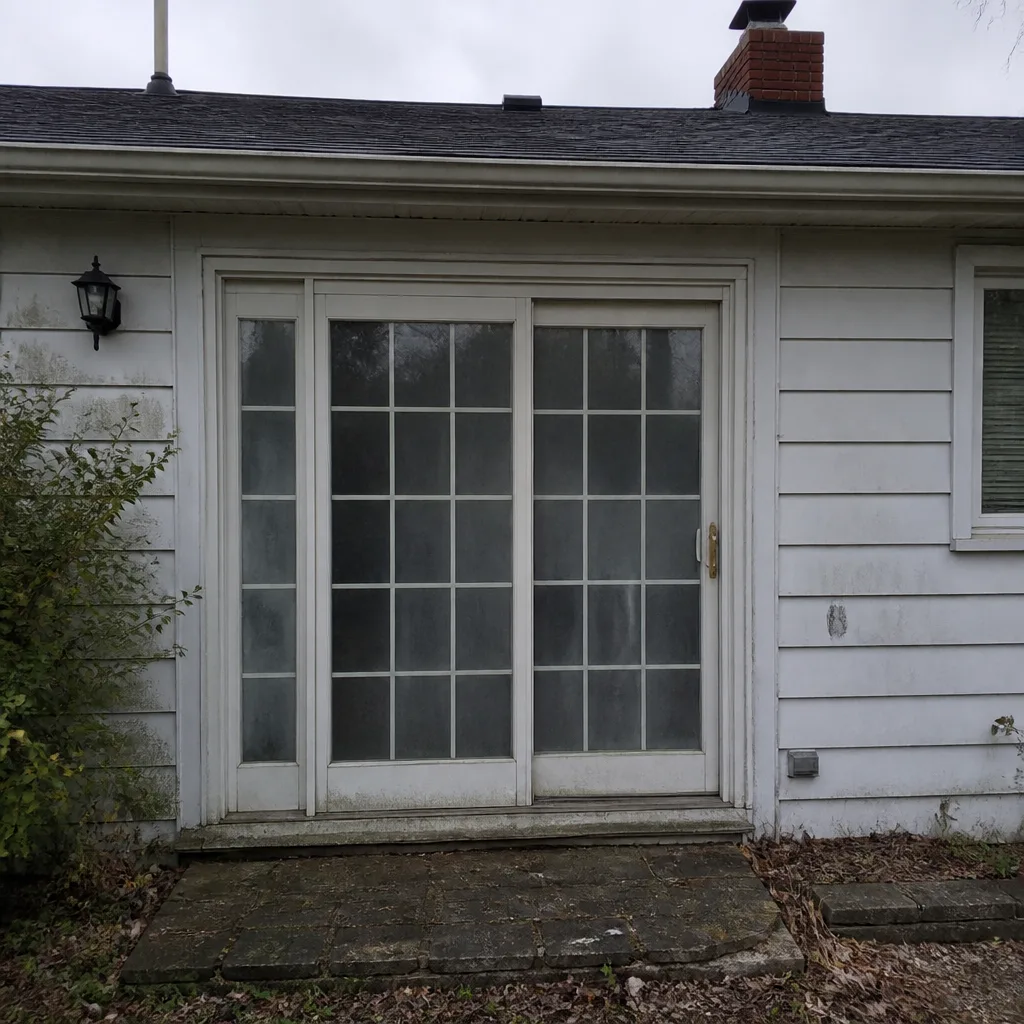 Before
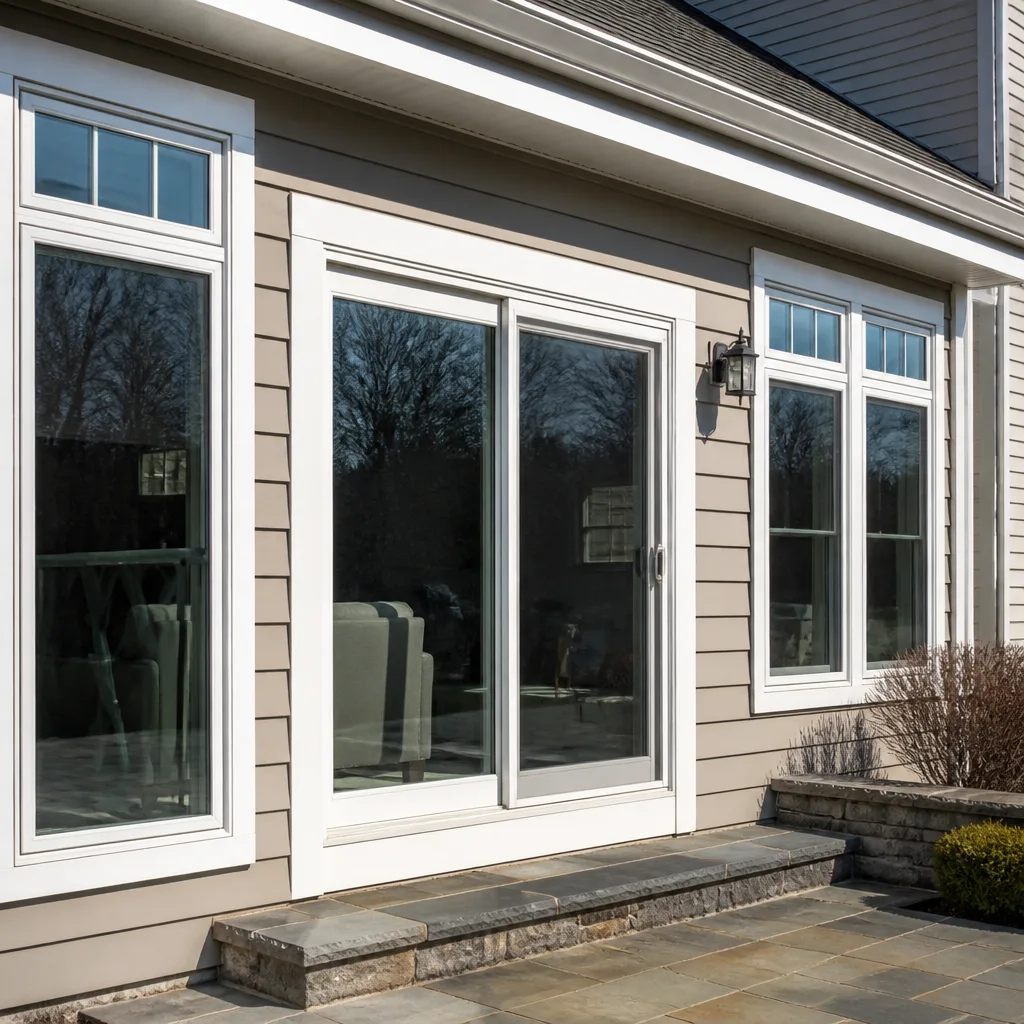 After
After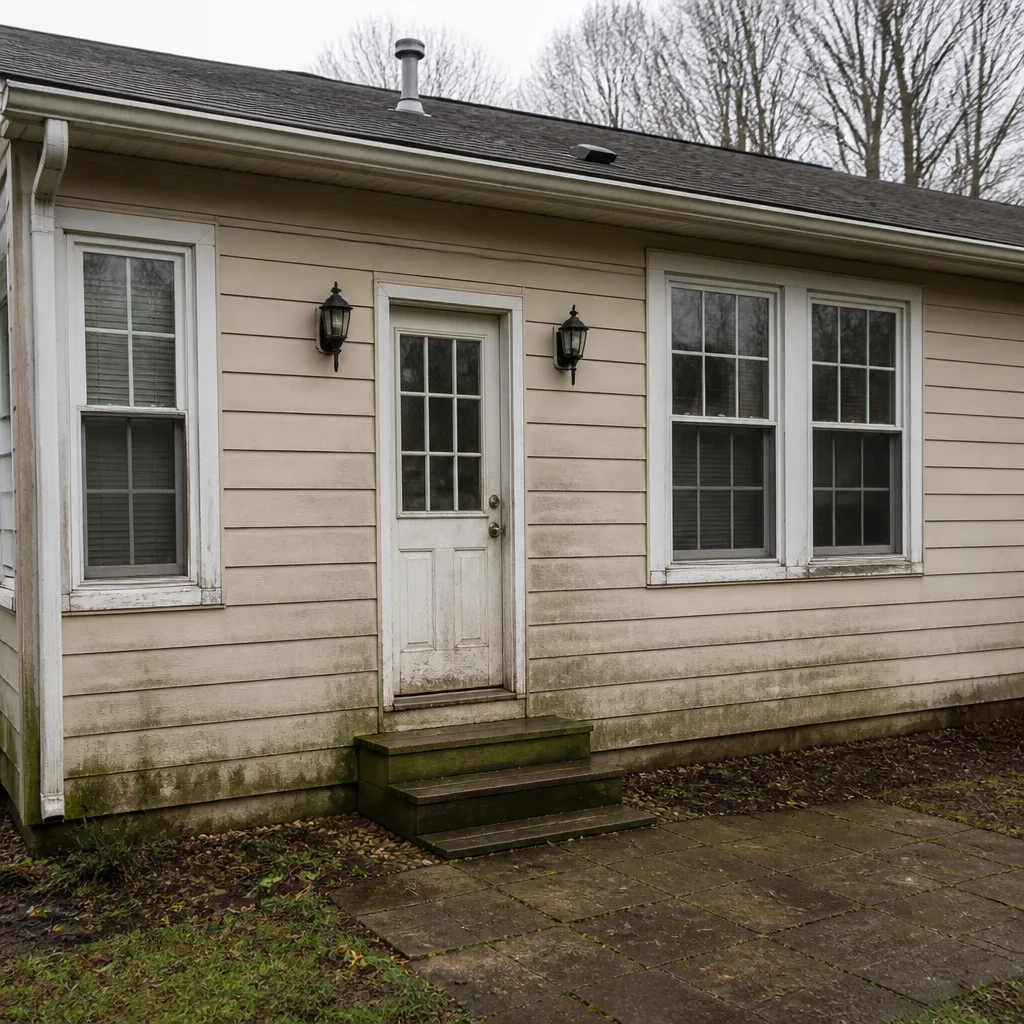 Before
 After
AfterChoose a Casement for Northwest Walls in Columbus. Choose a Double-Hung Almost Everywhere Else.
Double-hung windows are the right call for most Columbus homes because they tolerate wind, age, and imperfect rough openings better than casements do. The exception is a casement on a sheltered east- or south-facing wall, where its tighter seal and directed airflow earn their keep. If the window faces west or north in this city, the sustained wind load makes a casement a maintenance liability you’ll pay for every winter. Call (888) 635-0804 to have us walk your walls with you before you commit.
A casement window seals by compressing its sash against the frame, which is excellent performance when it works and a single-point failure when the operator mechanism wears or the sash warps. On a northwest-facing wall in Columbus, that mechanism works harder every winter than any other installation in the house. We’ve replaced enough worn operators in Hilliard and Dublin to know the pattern before we even pull the sash.
What Nobody Tells You About Casements in a Wind Corridor
Columbus sits on flat terrain, and flat terrain doesn’t block wind. It channels it. Sustained northwest winds push against west- and north-facing elevations for months at a stretch, and a casement sash takes that pressure as a continuous lateral load. The operator crank, the hinge hardware, the locking points - they all work against that load every time the wind rises. In a double-hung, the two sashes just sit in their tracks. The weatherstrip does its job quietly, with no moving parts holding the seal closed.
That’s why our standard advice to homeowners in Clintonville, Worthington, and Upper Arlington starts with one question: which wall does the window go on. A casement on a southeast bedroom wall will likely give you twenty years of tight, draft-free service. A casement on a northwest kitchen wall will show micro-gaps in the perimeter seal within five or six seasons, and you won’t necessarily feel those gaps as a draft. You’ll notice them on your heating bill, and you’ll notice them when condensation starts forming along the hinge side in January.
Dale Kessler grew up in Clintonville watching his father do glass work on older homes with original wood frames, so he learned young which side of a house takes the weather. That’s not nostalgia. It’s diagnostic practice, and it’s why we measure every opening twice and look at the wall orientation before we ever talk product lines.
The Mechanical Difference That Comparison Articles Skip
Most double-hung vs. casement comparisons talk about ventilation and cleaning. Those matter, but they’re the second conversation. The first conversation is how each window keeps weather out.
A double-hung seals at six contact points: four meeting rails and two jambs. That’s weatherstrip on weatherstrip, and if one of those contact points degrades, the others still hold. A casement has a continuous compression seal around the entire perimeter. That’s a better seal on paper - one uninterrupted line of resistance. But it’s only a better seal if the sash lands squarely on the frame every single time. The operator mechanism has to hold the sash fully compressed for the seal to do its job. When that mechanism wears, you don’t get total failure. You get slow degradation that most homeowners never attribute correctly.
Add Columbus’s northwest wind to that, and the casement’s advantage flips. The same feature that makes it tight and efficient on a sheltered wall makes it vulnerable on an exposed one.
Pre-War Columbus Houses Have a Skeleton You Can’t Ignore
If you live in Clintonville, Olde Towne East, or anywhere in Columbus built before roughly 1945, your window openings were framed and trimmed for double-hungs. The rough opening width, the interior trim profile, the exterior sill detail - all of it was built around a two-sash vertical format.
Swapping those openings to casement windows means modifying the rough opening and reworking the trim profile. On a historic home in a district with commission oversight, like German Village, that modification can trigger additional approval costs and required replacement details that no big-box comparison chart ever prices in. A wood or aluminum-clad wood double-hung that matches your home’s original divided-light pattern is usually the least expensive path to compliance, not to mention the one the commission will actually approve.
When we quote a project in a pre-war Columbus neighborhood, we don’t just measure the opening. We look at the framing, the interior stop, the exterior sill pitch, and the trim thickness. You can’t price a swap to casement honestly without that information.
Ventilation and Cleaning: The Fair Argument for Both Sides
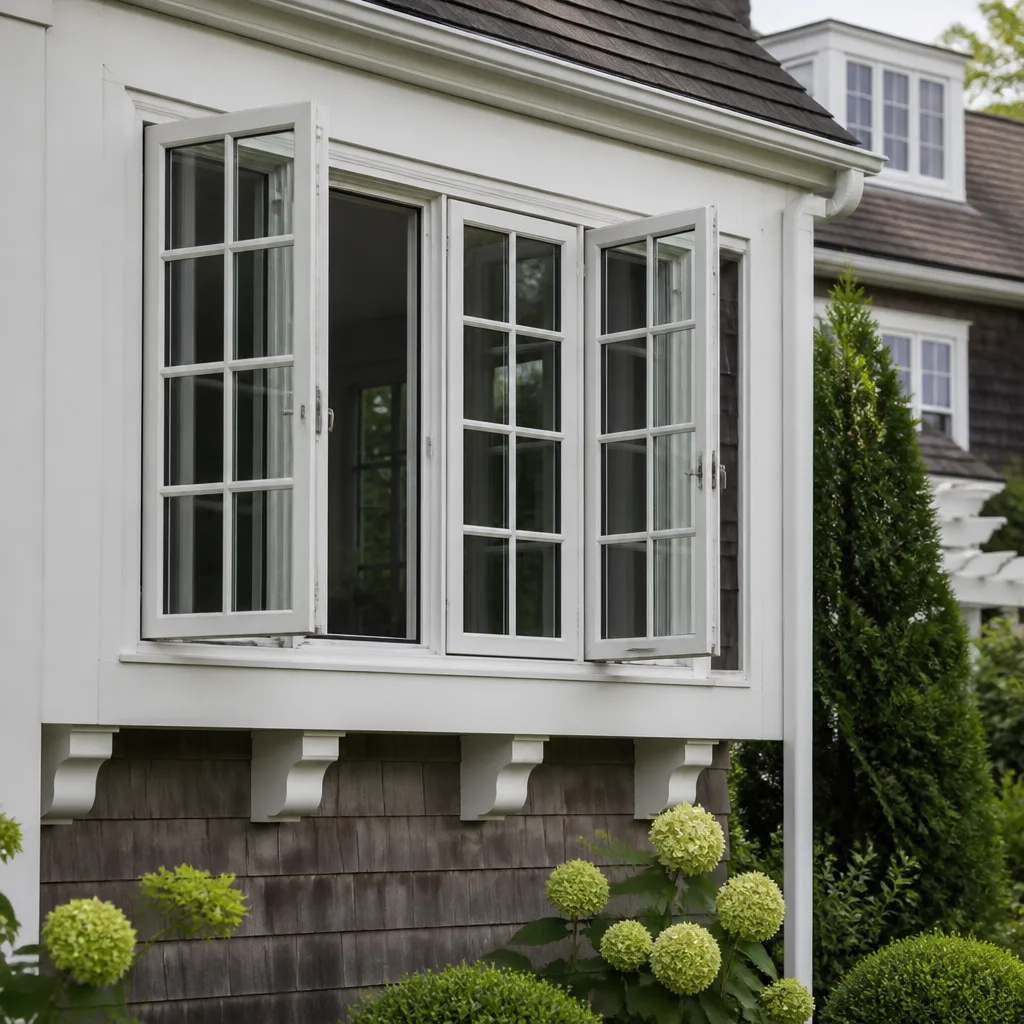
Casements do ventilate better than double-hungs in one specific way: they direct air. A casement opened outward acts like a scoop, channeling breeze into the room rather than simply letting it pass over the sash. During a humid Columbus summer, that directed cross-breeze matters, especially in an upstairs bedroom with a single window on an opposing wall. A double-hung typically requires two open sashes to create true cross-flow through the window itself.
The trade-off is maintenance and access. A double-hung with a tilt-wash mechanism lets you clean both sides of the glass from inside the house. For a second or third-story window, that’s a meaningful safety point. Casements require either reaching around an open sash or cleaning from the exterior, and every casement operator and hinge set is hardware that eventually needs attention.
For a first-floor kitchen over a foundation planting bed, or for garden and basement windows, a casement makes a lot of sense. For a second-floor hall landing where you’d rather not prop a ladder twice a year, the double-hung is the steadier choice.
Cost Ranges We Actually See in Columbus
Here’s what we quote in the field, on paper, for a standard replacement window installed in a typical Columbus home. These are mid-grade vinyl or wood-composite units from brands like Andersen, Pella, Marvin, and ViewLux, not entry-level tract stock:
| Window Type | Material | Installed Cost (Standard Opening) |
|---|---|---|
| Double-Hung | Mid-Grade Vinyl | $650 - $950 per window |
| Double-Hung | Aluminum-Clad Wood | $950 - $1,400 per window |
| Casement | Mid-Grade Vinyl | $750 - $1,100 per window |
| Casement | Aluminum-Clad Wood | $1,100 - $1,600 per window |
These ranges hold for standard two-foot to four-foot openings. Historic-district approved units with custom divided lites, true wood interiors, and commission-mandated profiles can push 30 to 50 percent higher. If you’re replacing windows on a German Village home, expect that conversation before we give you a final number.
What changes the casement number most on a northwest wall isn’t the unit cost. It’s the long-term cost of operator and hinge replacement. We see casement operators on exposed walls in Dublin and Hilliard failing two to three times faster than those on sheltered walls. That’s not a product defect. It’s physics plus orientation.
The Installation Tolerance No One Talks About
A double-hung has some forgiveness in it. If the rough opening is a quarter-inch out of square, the window still operates. The sashes ride in their tracks, the weatherstrip compresses, and the window performs. A casement has almost none of that forgiveness. The perimeter compression seal depends on the sash landing squarely on the frame every time. Set a casement half a degree out of square, and one corner of the sash will always bear more on the seal than the opposite corner. That’s where micro-gaps start.
This is why we measure every opening twice, and why our Window Installation process includes checking the existing opening for square and level before we ever order product. It’s also why the Done Right Promise covers seal behavior, not just glass. The standard at home is simpler than the industry norm: if the pane is not true, the job is not done. A window that fits right shouldn’t need caulk to do the work the frame was supposed to do.
Case in Point: What We See on Northwest Elevations
We replaced a bank of three casements on a northwest-facing kitchen wall in Worthington last year. The original units were only twelve years old. The operators were so worn that two of the three sashes couldn’t hold full compression against the frame, and the homeowner had caulked the exterior perimeter every fall for three years trying to stop what she thought was a gap problem. It wasn’t a gap problem. It was an operator problem.
The right fix wasn’t just new windows. It was new windows that matched the exposure. We re-measured the openings, confirmed the setback, and installed three fixed units with a single venting window on the leeward end. The homeowner’s heating bill dropped that first winter, and she hasn’t touched exterior caulk since.
In Clintonville, where we’ve been doing this for years, we see the opposite pattern: original double-hungs from the 1920s and 1930s with worn jamb liners and loose putty that somehow still keep the rain out because the format is simply less dependent on a single seal point. Restored and re-weatherstripped, a pre-war double-hung in a Columbus four-square is a genuinely good window. The format earned its century.
The Bottom Line
If the window faces west or north in Columbus, choose a double-hung. The wind load on those elevations is real, measurable, and harder on casement hardware than most manufacturers will tell you. If the window faces east or south, a casement’s directed ventilation and tight seal are worth the higher unit cost and the eventual operator maintenance.
Unsure which wall takes the weather? We’ll look at the elevation, check the surrounding grade and roofline, and give you a recommendation in plain terms. TruePane has been doing this in the neighborhoods around Columbus for over forty-two years of combined family craft, and we stand behind every window we set with a Done Right Promise and both warranty layers registered in writing before our truck leaves your driveway.
FAQs
For most Columbus homes, double-hung windows are the better choice because they tolerate the city’s sustained northwest winds and age more gracefully than casement hardware does. Casements are the better choice on sheltered east- or south-facing walls where their directed airflow and tighter perimeter seal pay off. Call (888) 635-0804 and we’ll look at your specific exposure before you spend a dollar.
Installed double-hung windows in Columbus typically run $650 to $950 per window for mid-grade vinyl, while mid-grade casements run $750 to $1,100. Aluminum-clad wood units run higher, and historic-district approved replacements can run 30 to 50 percent above standard pricing. Estimates are free, so calling (888) 635-0804 costs you nothing and gets you exact numbers for your openings.
Casement windows on northwest-facing Columbus elevations wear out their compression seals and operator mechanisms faster than double-hungs, which can lead to air and moisture intrusion that feels like a leak but is actually hardware failure. Double-hungs are more forgiving because they have six independent weatherstrip contact points instead of one continuous seal. If you have a drafty casement, call us before you caulk it again.
No, replacing a double-hung with a casement requires modifying the rough opening and reworking the interior and exterior trim, which on a Columbus pre-war home can be a significant added cost. In historic districts like German Village, the commission may also deny the change outright. Call (888) 635-0804 for an on-paper quote before you plan around a swap.
If you’d rather have it looked at, TruePane Windows & Doors offers a no-pressure assessment in Columbus. Call (888) 635-0804 for a free estimate, and we’ll tell you honestly which window fits your wall, your house, and your heating bill.
Written by Dale Kessler, Owner, TruePane Windows & Doors at TruePane Windows & Doors, serving Columbus, OH.