

Free in-home measure and quote - PGT, CGI and CWS impact lines compared on your actual openings, style by style
Sliding glass doors
Impact garage doorsPGTCGI
 Before
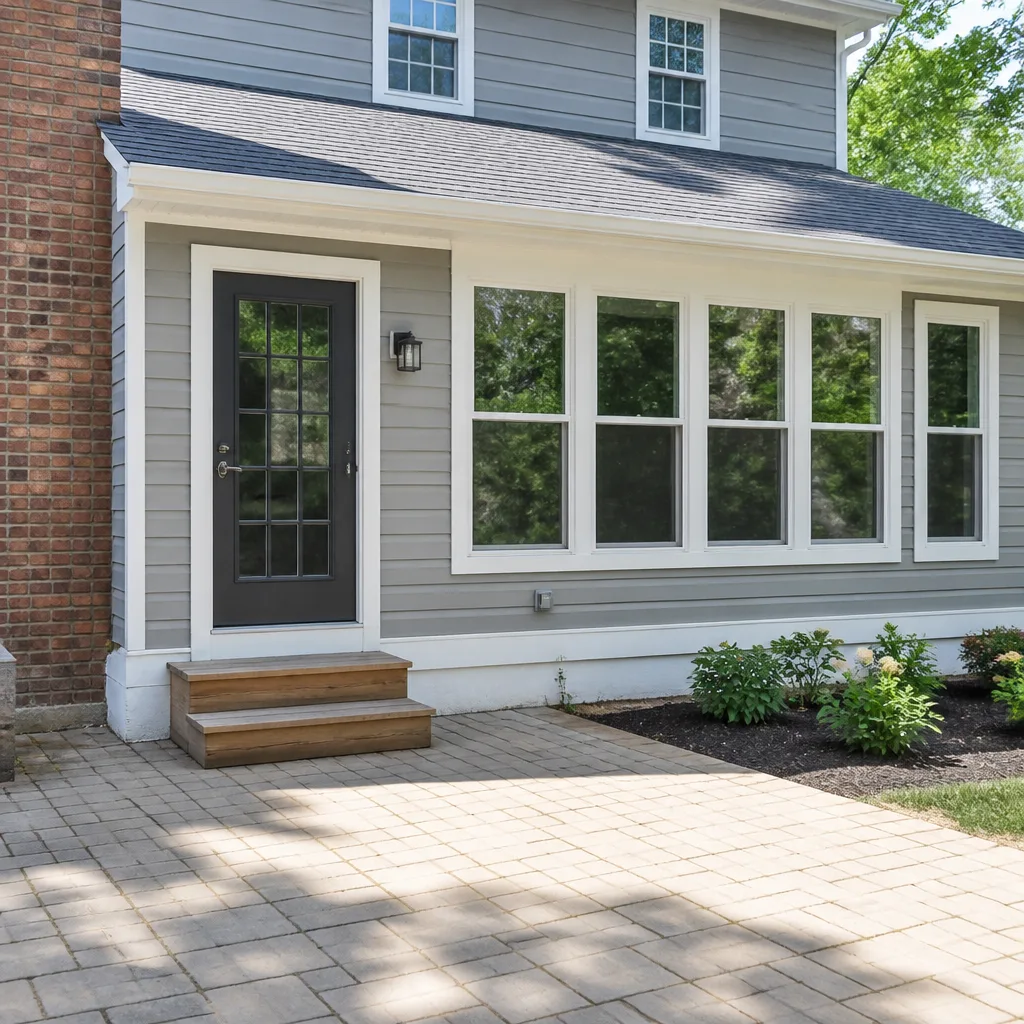 After
After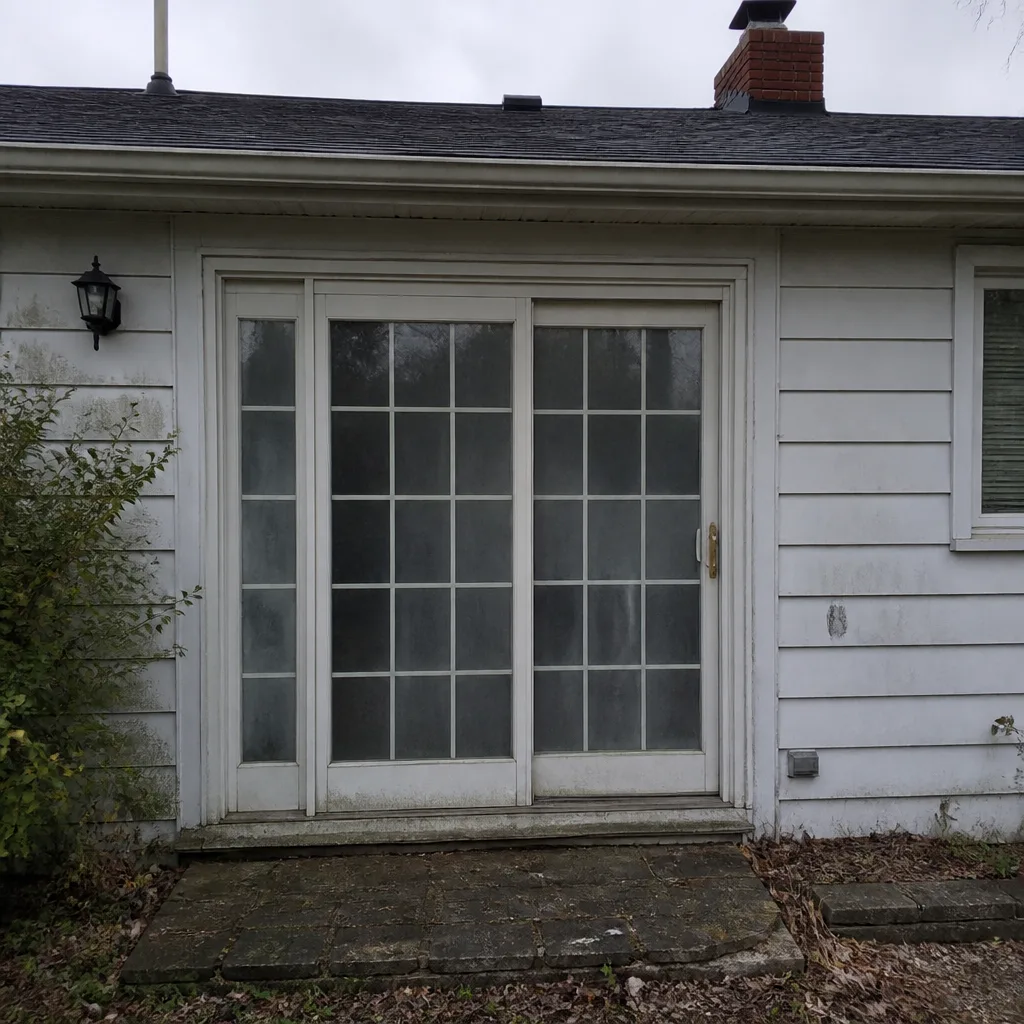 Before
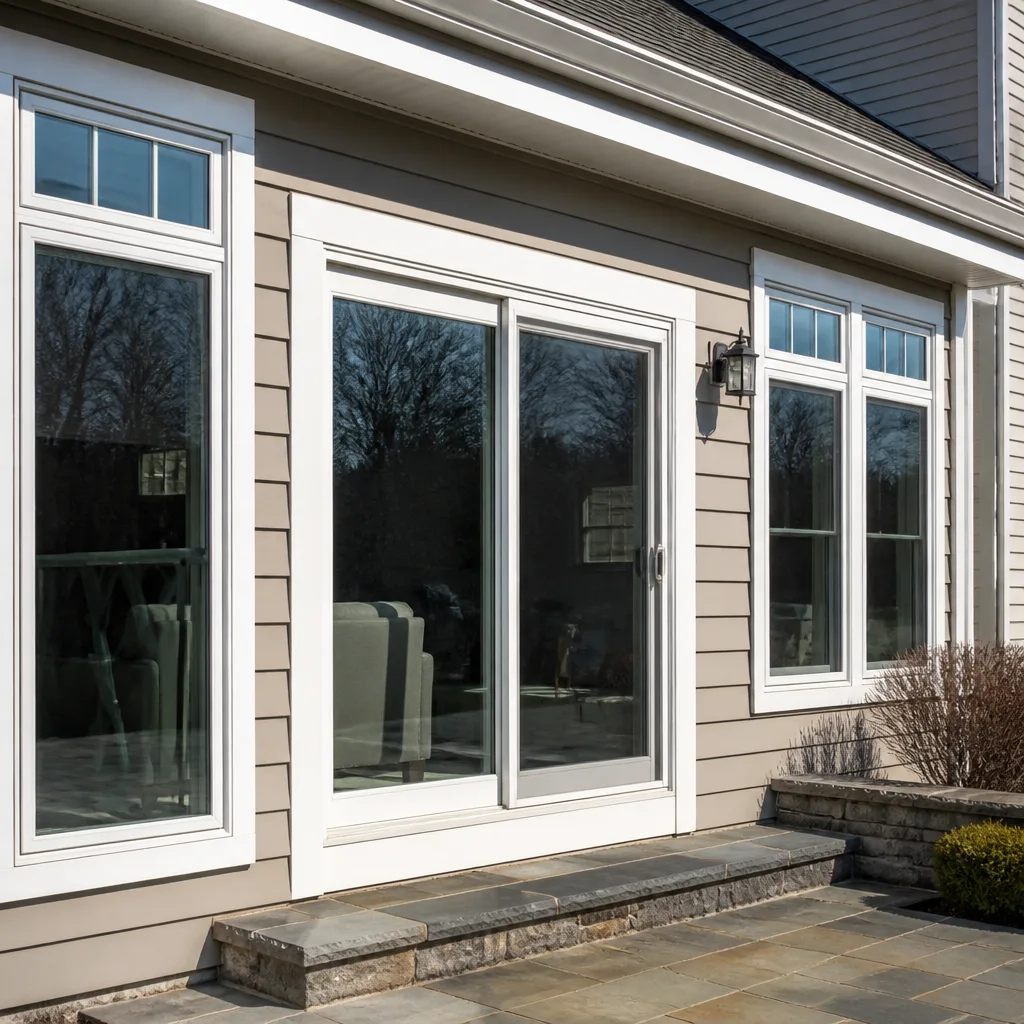 After
After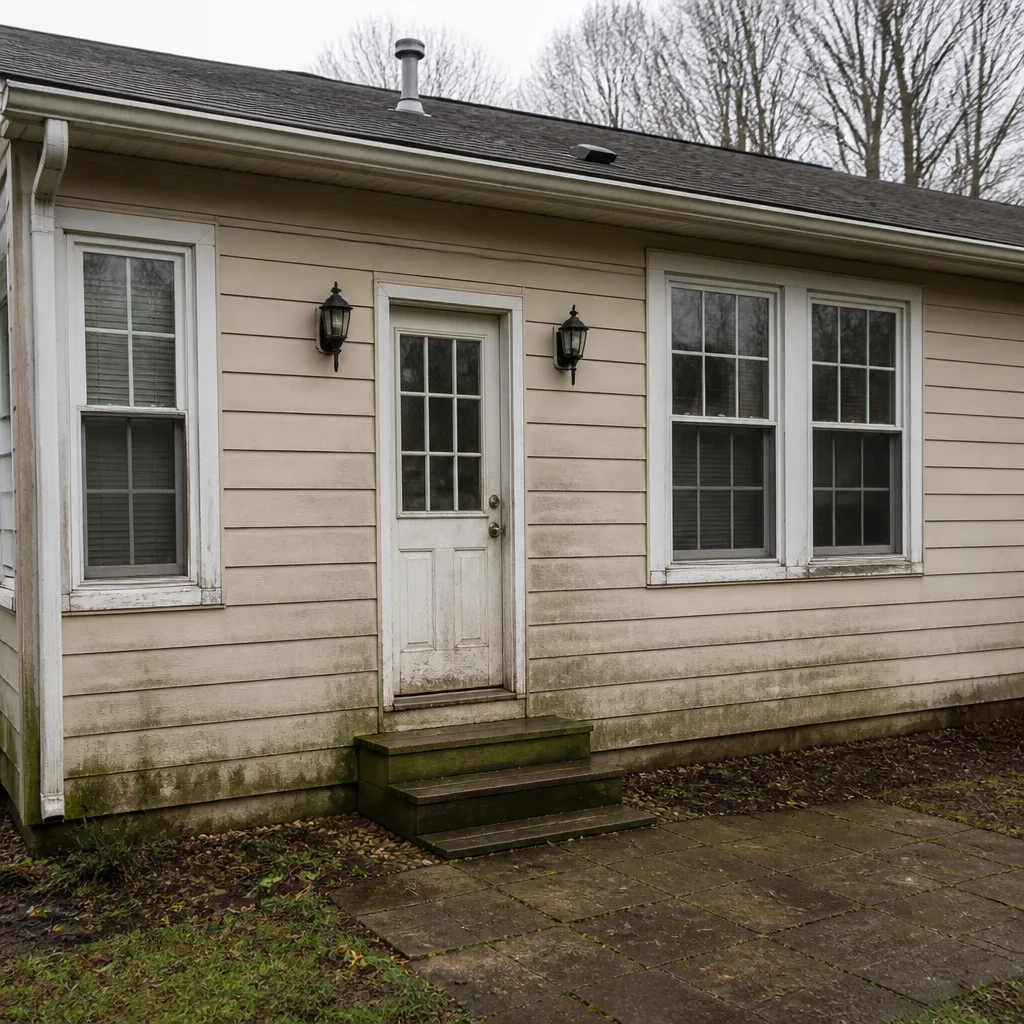 Before
 After
AfterHurricane Windows in Columbus, Ohio: What You’ll Actually Pay and What You Actually Need
In Columbus, a genuine laminated-glass “hurricane window” upgrade typically adds $150 to $350 per opening over a standard double-pane replacement, installed. Full Miami-Dade-certified impact windows, which almost nobody in central Ohio needs, run $600 to $900 more per window once you factor in the certified frame hardware. The honest conversation starts with this: Ohio is not in a hurricane zone, so the label on the box matters less than the spec sheet underneath it. Call (888) 635-0804 and we’ll walk through what you’re actually solving for before you spend a dollar.
Dale Kessler, our founder, grew up in Clintonville watching his father spend thirty years reglazing original wood windows on pre-war houses. He’ll be the first to tell you that most Columbus homeowners searching “hurricane windows cost” don’t need a hurricane window at all. They need a properly specified laminated-glass unit that solves a real problem, quoted honestly, installed true. That’s what we do at TruePane Windows & Doors.
The Code Reality: Columbus Doesn’t Require Hurricane Certification
Columbus builds to the Ohio Residential Code. That code does not require Miami-Dade County product approval or Florida Building Code impact certification. Period. A window marketed as “hurricane-rated” in Columbus is one of two things: a genuinely impact-laminated unit with a PVB interlayer, or a standard unit wearing a marketing label. You cannot tell the difference without reading the product certification document, and most out-of-town sales reps count on you not asking.
Here’s what that means in practice. During our 42-plus years serving Columbus and its suburbs, we’ve pulled plenty of “impact” quotes from other companies where the glass spec was actually a stock double-pane with tempered glass. Tempered glass is not impact glass. It shatters into small cubes on hard impact; a laminated unit holds its fragments under the PVB layer. If the certification sticker doesn’t state the interlayer thickness and the product listing, it’s not a rated window. We quote the spec on paper, line by line, so you can see exactly what the glass is and what it’s rated to do. Our Impact Windows & Doors in Columbus page covers the product side in more detail; this page is about what you should actually pay for what you actually need.
Three Legitimate Reasons Columbus Homeowners Buy Laminated Glass
When someone in Columbus calls us asking about hurricane windows, the real driver is almost always one of three things. None of them require Miami-Dade certification. All of them can be served by a properly specified domestic laminated unit at roughly half to a third of the Florida price.
Insurance underwriting. Some high-replacement-value homes in Upper Arlington, New Albany, and Bexley get flagged by underwriters for wind-mitigation credits or specific glass requirements. The insurer typically asks for a laminated-glass spec, not a hurricane label. We’ll help you read the insurer’s letter and specify exactly what it asks for, nothing more and nothing less.
Noise. This is the one we hear most. Columbus has serious noise corridors: the OSU game-day crush near campus, approach paths off John Glenn International, and the constant I-270 hum in Dublin, Hilliard, and Gahanna. Laminated glass with a 0.060-inch or thicker PVB interlayer cuts mid-to-high-frequency noise measurably better than standard double-pane. You don’t need hurricane certification for acoustics. You need the right interlayer.
Forced-entry resistance. Homeowners with security concerns, especially in older neighborhoods like Olde Towne East and Franklinton where street access is direct, often want glass that doesn’t give way on the first hard strike. Laminated glass, like the kind used in Impact Entry & French Doors, holds the opening even after the glass fractures. Again, the spec that matters is the interlayer, not the storm rating.
What Columbus Actually Needs: The Specification, Not the Label
If you’re going to spend money on laminated glass in Columbus, know what to ask for on the spec sheet. Three numbers matter.
- PVB interlayer thickness. Entry-level laminated glass uses a 0.030-inch interlayer. It meets basic safety standards but does little for noise or forced entry. For acoustic or security benefit in Columbus, specify 0.060 inches or thicker. That’s the upgrade that actually changes how the window performs.
- Glass lite thickness. Standard double-pane uses two pieces of 2.5mm to 3mm float glass. A laminated unit substitutes one or both lites with laminated glass, and the total unit thickness changes. Make sure the frame channel can accommodate the thicker unit, especially on older wood sash in Clintonville or German Village where clearances are tight.
- Frame anchoring method. A certified glass unit in an inadequately anchored frame doesn’t perform to spec. In Columbus, where sustained northwest winds stress north- and west-facing openings through the flat terrain, fastening pattern and frame-to-rough-opening connection matter more than the glass label. We measure every opening twice and check the anchor points before we order product.
Dale has a saying he keeps taped near the workbench: “A window that fits right shouldn’t need caulk to do the work the frame was supposed to do.” That’s the standard on every TruePane install, laminated or not. Our home page shows what else we do, if you’re still mapping out the project.
Hurricane Window Cost in Columbus: The Honest Numbers
The table below reflects installed ranges for typical Columbus homes, assuming a standard opening and no structural surprises. Prices shift with window size, frame material, and whether you’re replacing or doing new construction.
| Item | Installed Cost Range |
|---|---|
| Laminated glass upgrade (per opening) over standard double-pane | $150 - $350 |
| Standard double-pane replacement window (vinyl, builder-grade) | $450 - $800 per opening |
| Standard double-pane replacement window (wood or aluminum-clad, preservation-grade) | $900 - $1,500 per opening |
| Full Miami-Dade-certified impact window (glass + certified frame hardware) | $600 - $900+ premium per opening over standard |
| Laminated glass with 0.060″ PVB for acoustic/security (per opening) | $200 - $400 premium |
Those Florida-certified numbers are real, by the way. A certified impact window in a coastal market is not the same product as a laminated IGU here. The frame extrusion is tested, the anchoring hardware is specified, and the product carries a compliance label. If you’re buying for an insurance credit in Franklin County, you almost certainly don’t need that label. You need the spec that satisfies the underwriter’s letter, and we’ll match it without padding the order.
We quote manufacturer product lines side by side on paper, with the glass spec, frame material, and warranty durations stated in writing before any work starts. That means you can compare a genuine Andersen or Pella laminated unit to a standard Marvin or Milgard double-pane and see exactly where the money goes. Both warranty layers get registered in writing before the truck leaves the driveway. That’s the Keystone Standard, and it’s how every TruePane job is handled.
What the Columbus Market Teaches You About Window Specs
Columbus splits into two housing stocks that demand very different specification knowledge. The 1985 to 2010 production-builder boom, driven by Ohio State’s growth and the insurance economy, packed Dublin, Hilliard, Pickerington, Gahanna, and Lewis Center with tract builds using entry-level vinyl windows that are now hitting the 25- to 30-year replacement threshold all at once. Those houses need efficient, high-volume replacement work done well, and a laminated upgrade there is straightforward, unlike Impact Garage Doors which require different load calculations.
Then there’s German Village, where the commission routinely denies standard vinyl double-hung replacements. The spec requires wood or aluminum-clad wood units matching the original divided-light pattern and sash profile. A homeowner there asking about hurricane windows still doesn’t need Miami-Dade certification, but they do need a shop that knows to pull commission approval before ordering product. We’ve been through that process more times than we can count, and the spec sheet looks nothing like a suburban tract-home order.
Columbus’s humid continental climate also does a number on window performance. January lows near 18°F, July highs near 85°F, and persistent humidity drive repeated thermal cycling that accelerates IGU seal failure. The flat terrain channels sustained northwest winds that stress north- and west-facing window seals and weatherstripping year after year. Orientation matters when we diagnose a failed unit. A window on the north elevation of a Clintonville four-square is living a harder life than the same unit on the south side of a Hilliard colonial, and upgrade recommendations should account for that. We’ve been doing this in central Ohio since 2008, and Dale has been measuring and setting windows here since he left the building trades program at Columbus State. The local knowledge isn’t a talking point; it’s how we diagnose.
FAQs
A laminated-glass hurricane-style window upgrade in Columbus adds roughly $150 to $350 per opening over a standard double-pane window, installed, while full Miami-Dade-certified impact windows cost $600 to $900 more per opening. Since Ohio does not require hurricane certification, most Columbus homeowners pay for the laminated upgrade rather than the Florida spec. Call (888) 635-0804 for a written quote on your specific openings.
Hurricane windows in Columbus are worth it if you’re solving for insurance underwriting requirements, noise reduction near I-270 or OSU corridors, or forced-entry resistance, since laminated glass addresses all three at $150 to $350 per opening. They are not worth paying for if you’re buying the Miami-Dade certification label itself, which adds $600 to $900 per window for a rating Columbus codes don’t require. We’ll help you match the spec to the actual problem.
Laminated glass is the impact-resistant component inside a hurricane window, using a PVB interlayer that holds fragments on impact, while full hurricane windows add certified frame hardware and a compliance label for coastal wind codes. In Columbus, you can buy the laminated glass without the certified frame and get the acoustic, security, and insurance benefits at a fraction of the cost. The interlayer thickness, typically 0.030-inch or 0.060-inch, drives the performance difference.
Most Columbus impact and laminated glass installations are measured and quoted on the first visit, with product ordered to spec and installed in a follow-up appointment rather than the same day, because laminated units are made to order. We complete most jobs in a single visit once product arrives, and a live person answers the phone 24/7 at (888) 635-0804 if you need to check status. For any repair over $250, we take $50 off as a standing offer.
If you’re still sorting out whether you need laminated glass, a standard replacement, or something in between, call (888) 635-0804. We’ll measure your openings, walk the spec sheet with you line by line, and hand you a written quote with both warranty layers registered before we leave. Estimates are free, and the quote won’t come with a sales pitch. Just the numbers, side by side, on paper.
Written by Dale Kessler, Owner, TruePane Windows & Doors at TruePane Windows & Doors, serving Columbus, OH.
What Our Customers Say
"Our bay window had rotted at the sill and two other outfits wanted to talk us into a flat picture window instead. TruePane rebuilt the opening and matched the original look. Neighbors have knocked on the door about it."
- Gene A."Two entry doors. Showed up when they said, second day was a half day like they said, and the painter they recommended confirmed the frames were dead plumb. The financing was explained in actual dollars, not a brochure."
- Janet R."Impact windows on the whole house. They handled the permit, the inspection, and gave me a folder with every approval number for the insurance company. My windstorm premium dropped enough to notice."
- Bill T.