
Free in-home measure and quote - PGT, CGI and CWS impact lines compared on your actual openings, style by style
Sliding glass doors
Impact garage doorsPGTCGI
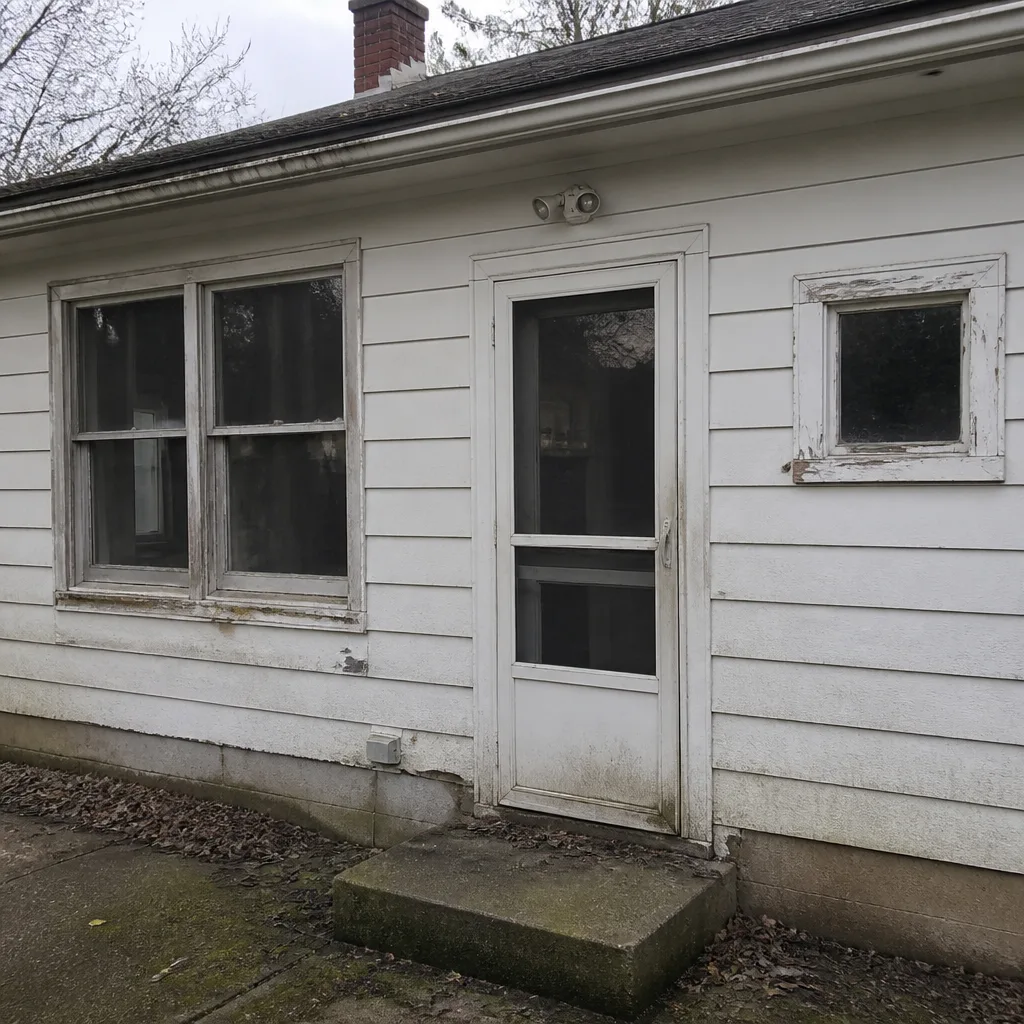 Before
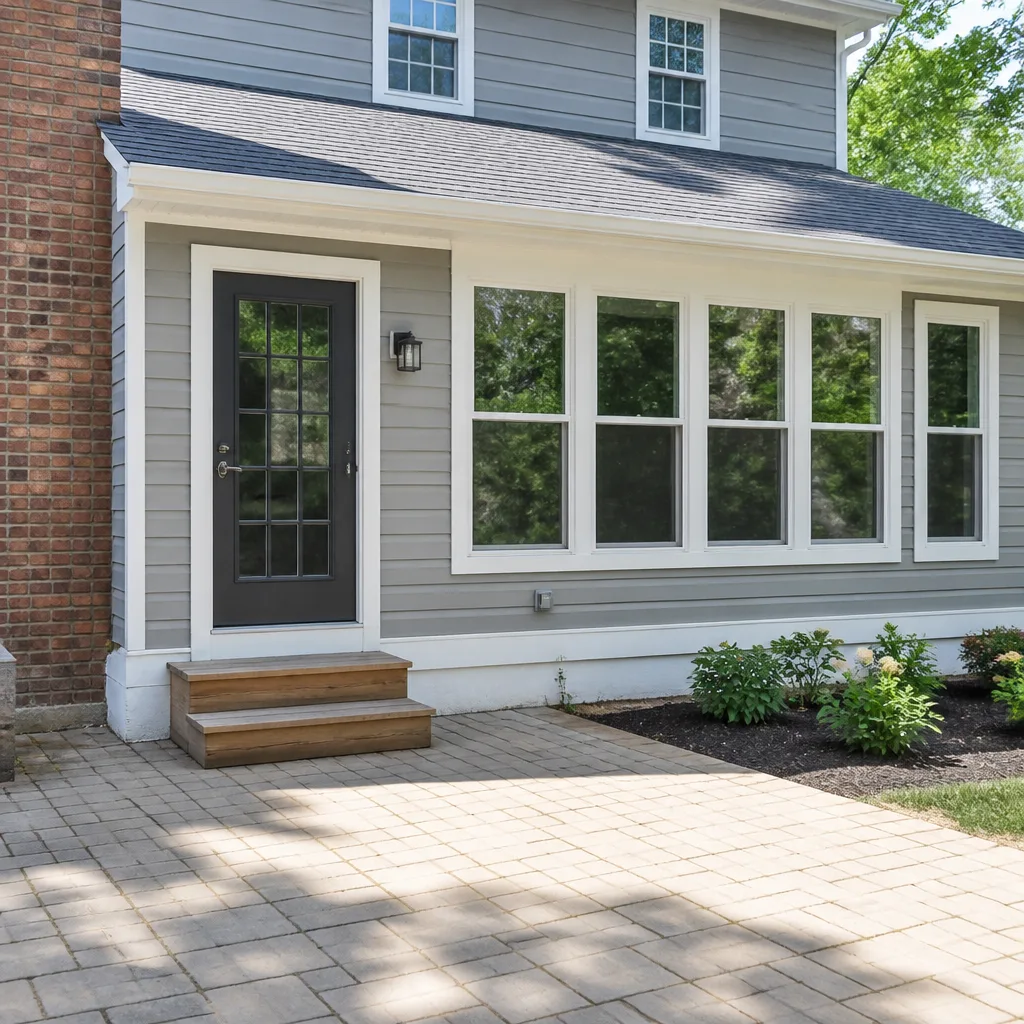 After
After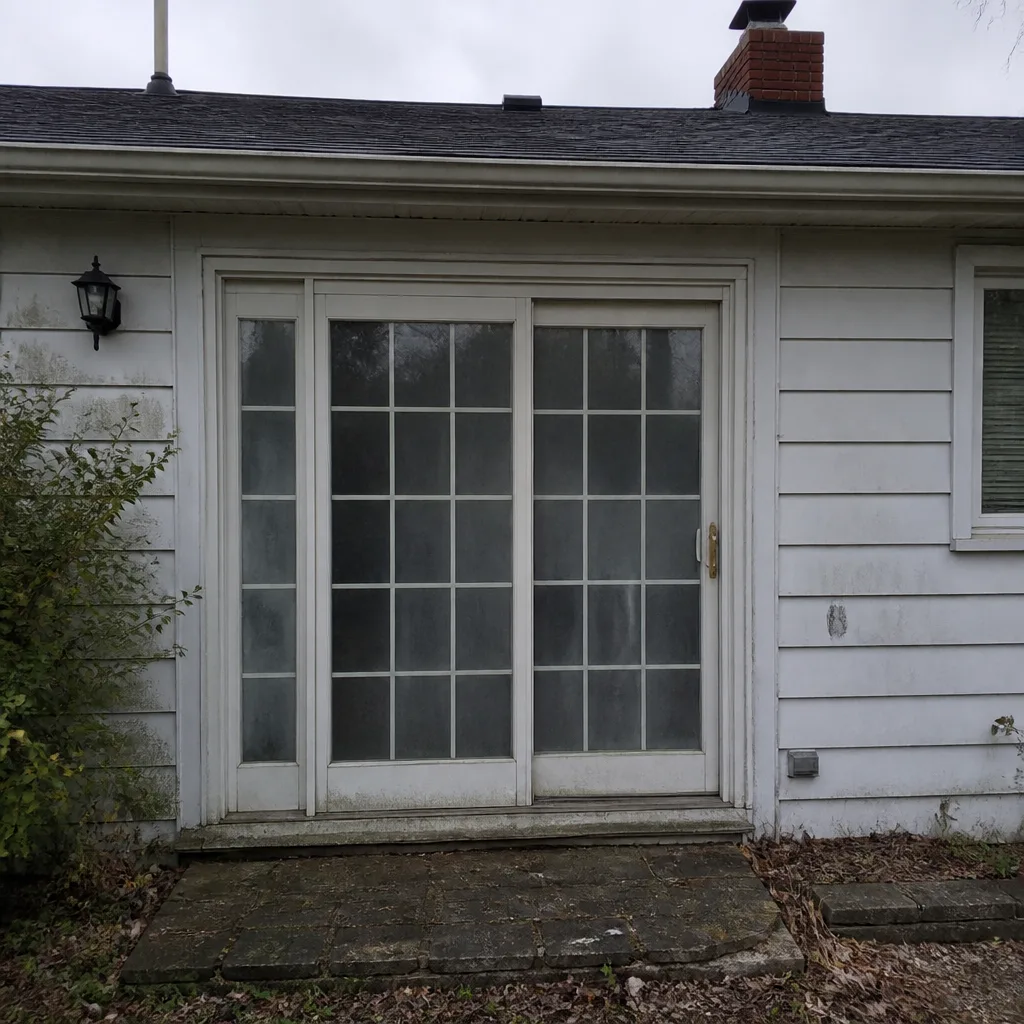 Before
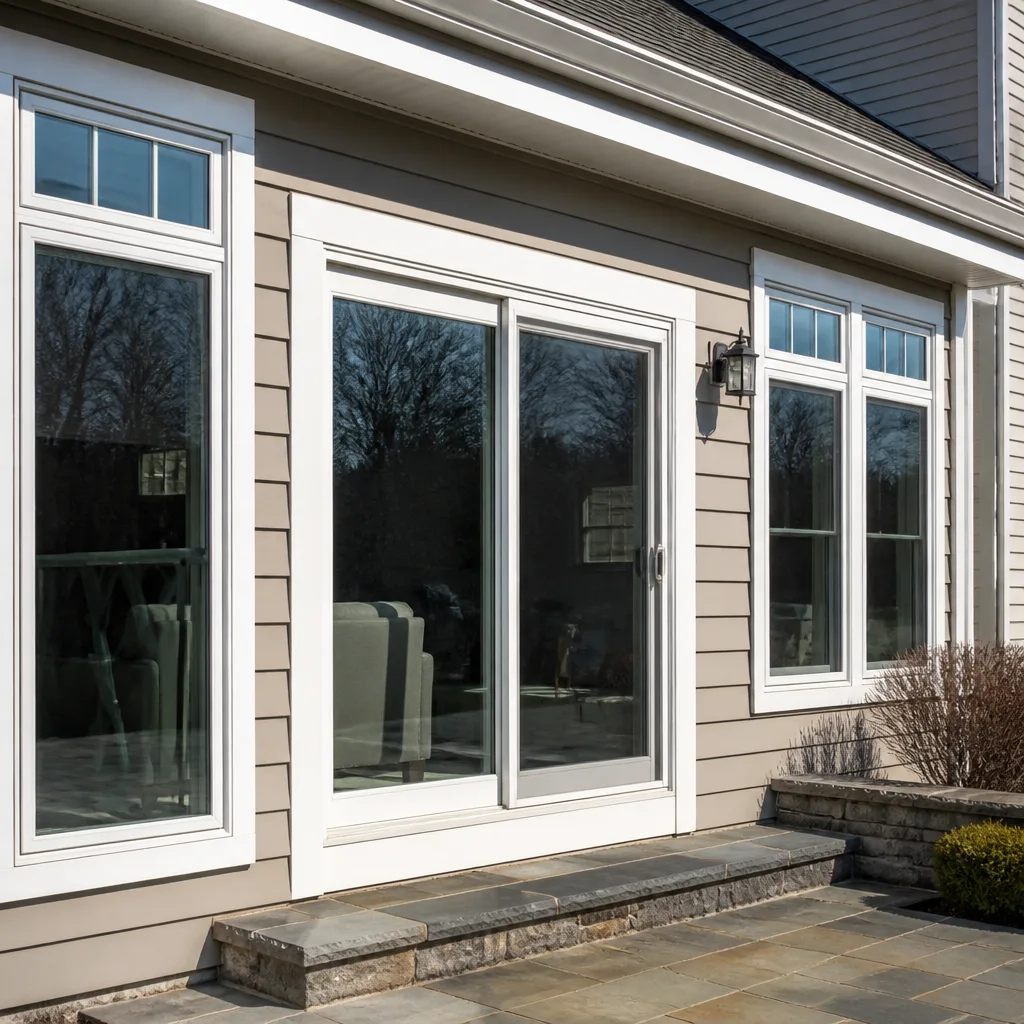 After
After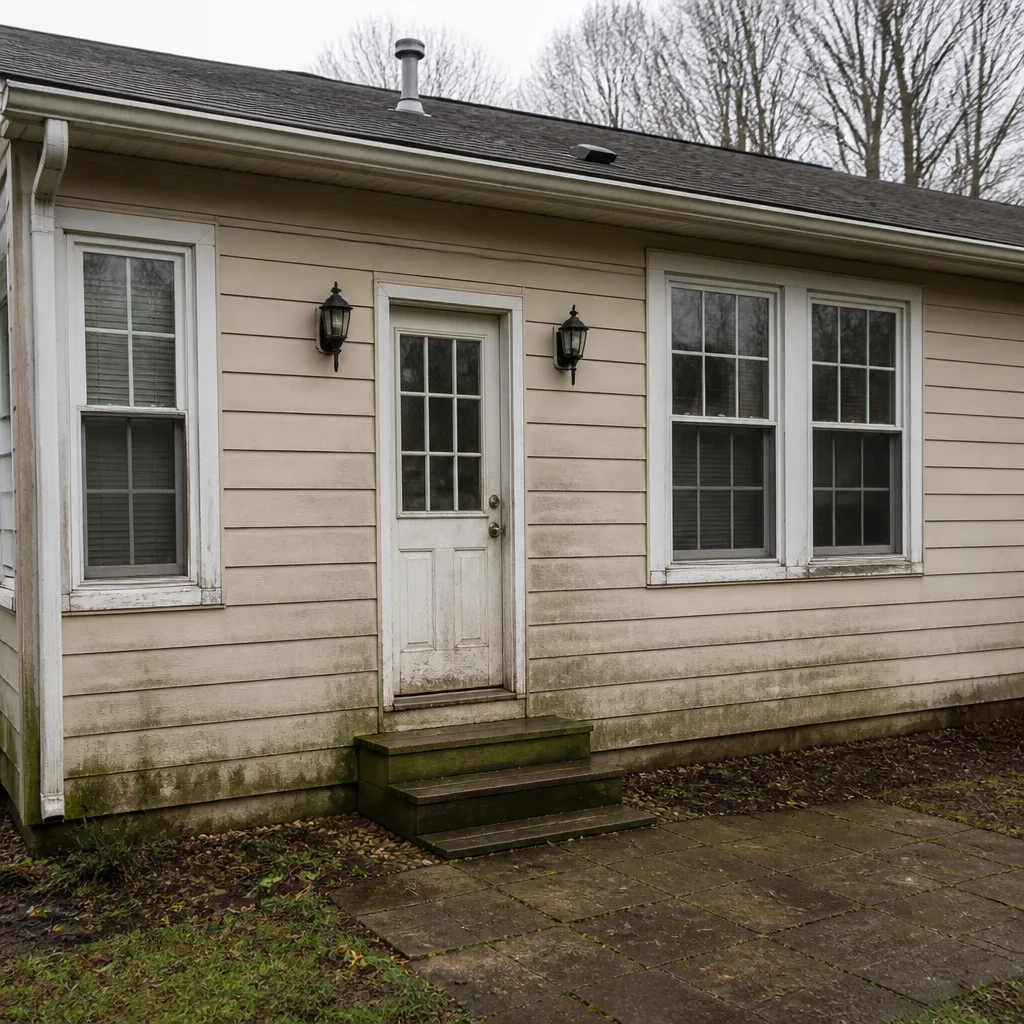 Before
 After
AfterAre Impact Windows Worth It in Columbus? The Honest Answer
In Columbus, best impact windows and doors are worth it if you’re buying them for noise reduction, forced-entry resistance, or an insurance requirement on a high-value home. They are not worth it if you’re buying them for hurricane protection. Ohio has no hurricane code, no Columbus insurance adjuster will ask for Miami-Dade certification, and paying the premium for that certification is money that buys you nothing in this market. Call (888) 635-0804 and we’ll tell you which openings justify the upgrade and which don’t.
The Question Hiding Inside the Question
Homeowners searching “are impact windows worth it” are usually asking something more specific. They want to know if the extra cost will actually solve a problem they can name. A noisy stretch of I-270 outside the bedroom. A first-floor window that faces an alley. An insurance underwriter who flagged laminated glass on the spec sheet. Those are real problems with real answers. A hurricane in central Ohio is not one of them.
Dale Kessler, our founder, grew up in Clintonville, where his father spent thirty years doing glass work on older homes with original wood frames and single-pane storms that let in half the weather. He’s been setting windows in central Ohio for close to three decades, and he’ll tell a homeowner the same thing he’d tell a neighbor: buy the glass that solves your problem, not the glass somebody in another state needs for theirs.
Three Cases Where Impact Glass Delivers Measurable Value in Columbus
Impact windows are not a blanket upgrade. They earn their cost on specific openings and specific exposures. Here are the three cases where we’ve seen the premium pay for itself.
1. Acoustic Performance Near OSU Game Corridors, Airport Approach Paths, and I-270
The single most common reason Columbus homeowners call us about impact windows has nothing to do with storms. It’s noise. Laminated glass, which is the core of any impact-rated unit, uses a PVB interlayer that interrupts sound transmission differently than a standard double-pane IGU. The improvement in STC rating is real and measurable. If you live near the airport approach path in Gahanna, along the I-270 corridor in Dublin or Hilliard, or within earshot of campus game-day traffic, a laminated unit will do more for your sleep than a standard replacement ever will. Standard double-pane glass typically lands around STC 28-30. A quality laminated unit can push that into the mid-30s. That difference is the difference between hearing the pregame traffic and not knowing it’s there.
2. Forced-Entry Resistance on Accessible First-Floor Openings
The PVB interlayer in impact glass does something tempered glass cannot: it holds the pane together when struck. A tempered pane shatters into small pieces and falls out of the frame. A laminated pane cracks but stays in place, and a burglar looking for a smash-and-grab entry is looking for the window that clears out in one swing. On a first-floor window facing an alley, a side yard, or a street with no visibility from the house next door, that interlayer buys valuable resistance. We don’t oversell this. Determined entry with tools and time will beat any window. But the opportunistic break-in, the one that happens in ninety seconds because the window gave way on the first hit, is exactly the entry laminated glass resists.
3. Insurance Underwriter Requirements on High-Replacement-Value Homes
This is the one case where Columbus homeowners don’t get to choose. Some carriers, particularly on homes with high replacement values or in specific neighborhoods, write laminated glass into the policy requirements, which raises the question do impact windows lower insurance costs or simply satisfy them. When the underwriter specifies it, the question “are impact windows worth it” stops being a cost-benefit conversation and becomes a compliance one. We’ve handled enough of these to know the paperwork matters as much as the glass. Through The Keystone Standard, we register both manufacturer warranty layers in writing before the truck leaves the driveway, and we document the install so the policy requirement is satisfied the first time.
The Case Where It Doesn’t Pay: Miami-Dade Certification in a Market That Doesn’t Require It
Most hurricane impact windows marketed to American homeowners carry Miami-Dade County certification, which is the gold standard for hurricane-zone building codes in Florida. That certification is expensive to engineer, expensive to test, and expensive to manufacture. If you buy a Miami-Dade-certified product in Columbus, you are paying for engineering that the Ohio Residential Code does not require, that no Columbus inspector will ask about, and that no insurance adjuster in Franklin County will credit. The hurricane the certification protects against is not a weather event central Ohio experiences. Our advice is plain: if you don’t have a Miami-Dade requirement from a carrier, don’t pay for Miami-Dade certification.
What Columbus Housing Stock Actually Needs
There’s a larger truth about Columbus windows that gets lost in the impact conversation. The city’s post-1990 production-builder boom packed Dublin, Hilliard, Pickerington, Gahanna, and Lewis Center with M/I Homes, Pulte, and similar tract builds. Those houses are now hitting the 25-30 year replacement threshold simultaneously, and what they’re showing is not a need for impact glass. It’s failed IGU seals, fogged glass, and frames that were shimmed poorly the day they went in. A quality standard replacement unit with a properly rebuilt opening solves that problem at a fraction of the impact premium.
The honest math: the cost premium for a laminated-glass unit over a quality standard replacement runs $150-$350 per opening in Columbus. That premium pays back in noise reduction or security benefit on the relevant openings. It does not pay back in storm-damage avoidance in Ohio the way it does in a hurricane-zone market. Our job, the way Dale has run this company, is to tell a homeowner when the impact upgrade makes sense for their specific openings and when it doesn’t. We quote manufacturer lines side by side on paper, including Andersen, Pella, and Marvin options, so the homeowner sees exactly what they’re buying and what they’re paying for. A homeowner who understands what they’re buying is more likely to call back in fifteen years than one who feels sold to.
Columbus’s Climate and the Real Stress on Your Windows
Columbus’s humid continental climate does more to age a window than any storm event. January lows near 18°F and July highs near 85°F put the seals through repeated thermal cycling that accelerates IGU failure. The region’s flat terrain also channels sustained northwest winds that disproportionately stress north- and west-facing window seals and door weatherstripping. If you’re deciding where an impact upgrade earns its cost, those are the elevations where the conversation starts. A first-floor west-facing window in Hilliard that takes the afternoon sun and the prevailing wind is a different animal than a second-floor east-facing bedroom in the same house.
How We Approach the Impact Decision
We’re an authorized installer for more than a dozen manufacturer lines, including, and PGT. That breadth matters for exactly one reason: we can quote a standard replacement and an impact upgrade side by side on paper, with the same measurement, the same opening, and the same install quality under both numbers. Every job carries the Done Right Promise. If it’s not done right, we make it right, with no paperwork fights and no arguing. And both manufacturer warranty layers get registered in writing before the truck leaves the driveway, because a warranty that isn’t registered isn’t a warranty.
We’ve been serving central Ohio since 2008, through the original glazier’s craft passed down to Dale and through the company he founded in 2008. We hire local, run background-checked uniformed technicians on every job, and a live person answers the phone 24 hours a day, 7 days a week. Not a voicemail tree. Not a callback form. That matters when you’re trying to make a decision and need a straight answer.
Key Takeaways
- Impact windows in Columbus earn their cost on noise reduction, forced-entry resistance, and insurance underwriting requirements.
- They do not earn their cost as hurricane protection; Ohio has no hurricane code and Miami-Dade certification buys you nothing here.
- The cost premium for laminated glass runs $150-$350 per opening in Columbus, and it only makes sense on specific elevations and use cases.
- Most Columbus production-builder homes from the 1990s need better IGU seals and proper frame shimming, not impact glass, and a quality standard replacement delivers that at lower cost.
- TruePane quotes standard and impact options side by side on paper so you can see exactly what each dollar buys. See our full Impact Windows & Doors service page for the details.
FAQs
Impact windows are worth the extra $150-$350 per opening in Columbus only when you need noise reduction near I-270, the airport, or OSU corridors, forced-entry resistance on accessible first-floor windows, or have an insurance requirement for laminated glass. For hurricane protection, they are not worth it here, because Ohio has no hurricane code and the certification premium buys you nothing in this market. Call (888) 635-0804 and we’ll walk your specific openings with you.
Impact windows help significantly with noise in Columbus because the same PVB interlayer that resists forced entry also dampens sound transmission, typically improving STC ratings by 4-7 points over standard double-pane glass. Homeowners near I-270, the airport approach path, or campus game-day corridors notice the difference most on north- and west-facing openings.
It is cheaper to buy the right window the first time, because retrofitting laminated glass into an existing standard frame is rarely cost-effective and usually requires full unit replacement anyway. In Columbus, the impact premium of $150-$350 per opening is modest enough that we recommend deciding during the initial quote, not after a standard unit is already in the wall.
Columbus building code does not require impact windows for residential homes, because the Ohio Residential Code contains no hurricane or missile-impact standard. The only scenario where laminated glass becomes a requirement here is when an insurance underwriter writes it into a policy on a high-value home, which is a spec-level requirement, not a city code.
If you’d rather have it looked at, TruePane Windows & Doors offers a no-pressure assessment for Columbus homeowners, with side-by-side quotes on paper and a straight answer on where impact glass earns its cost. Call (888) 635-0804 and we’ll set a time that works.
Written by Dale Kessler, Owner at TruePane Windows & Doors, serving Columbus, OH.