
Free in-home measure and quote - PGT, CGI and CWS impact lines compared on your actual openings, style by style
Sliding glass doors
Impact garage doorsPGTCGI
 Before
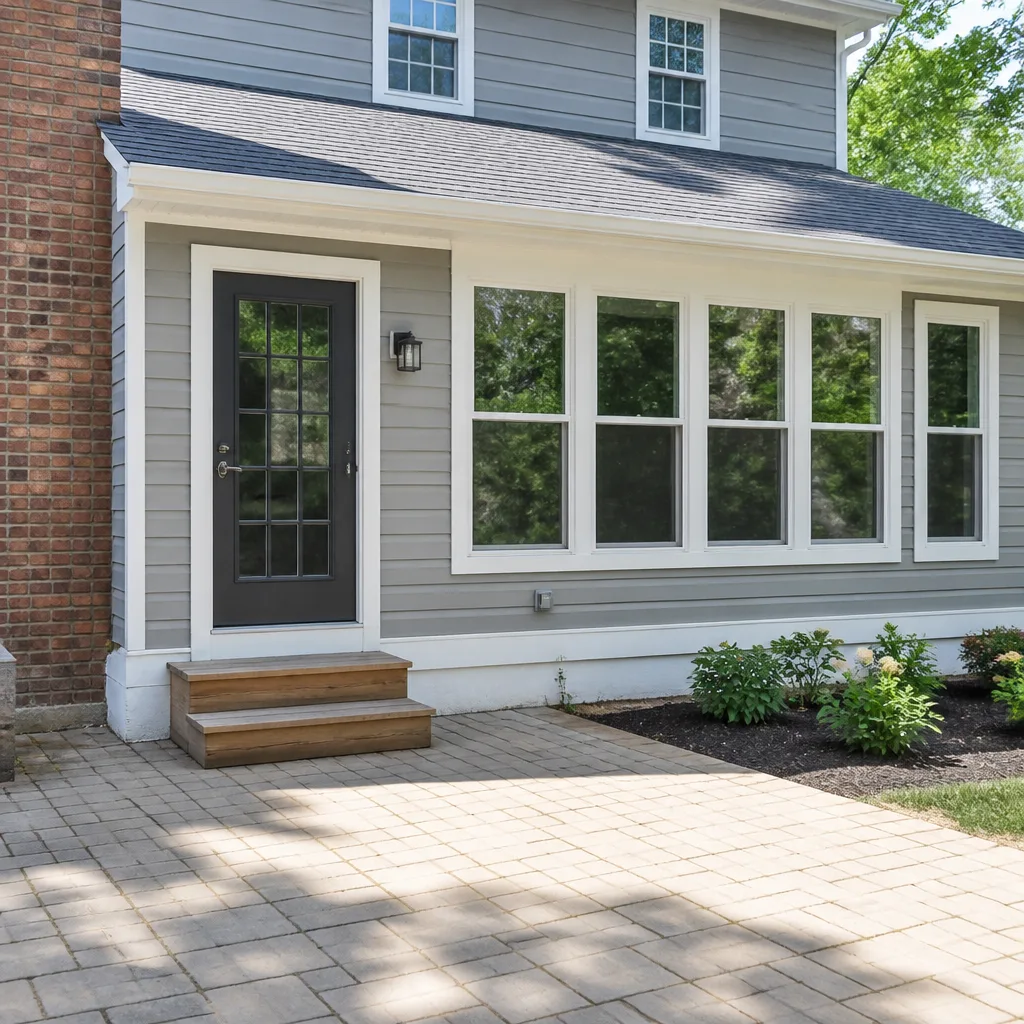 After
After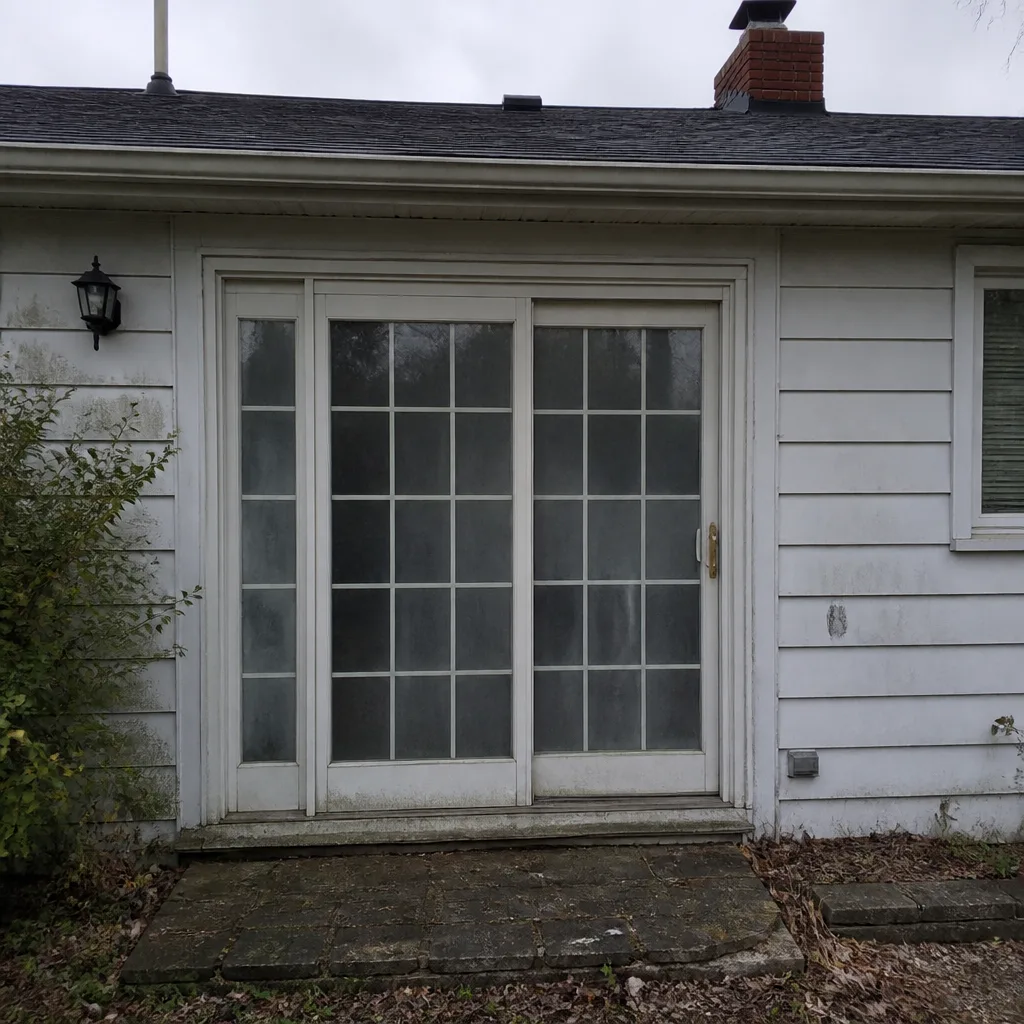 Before
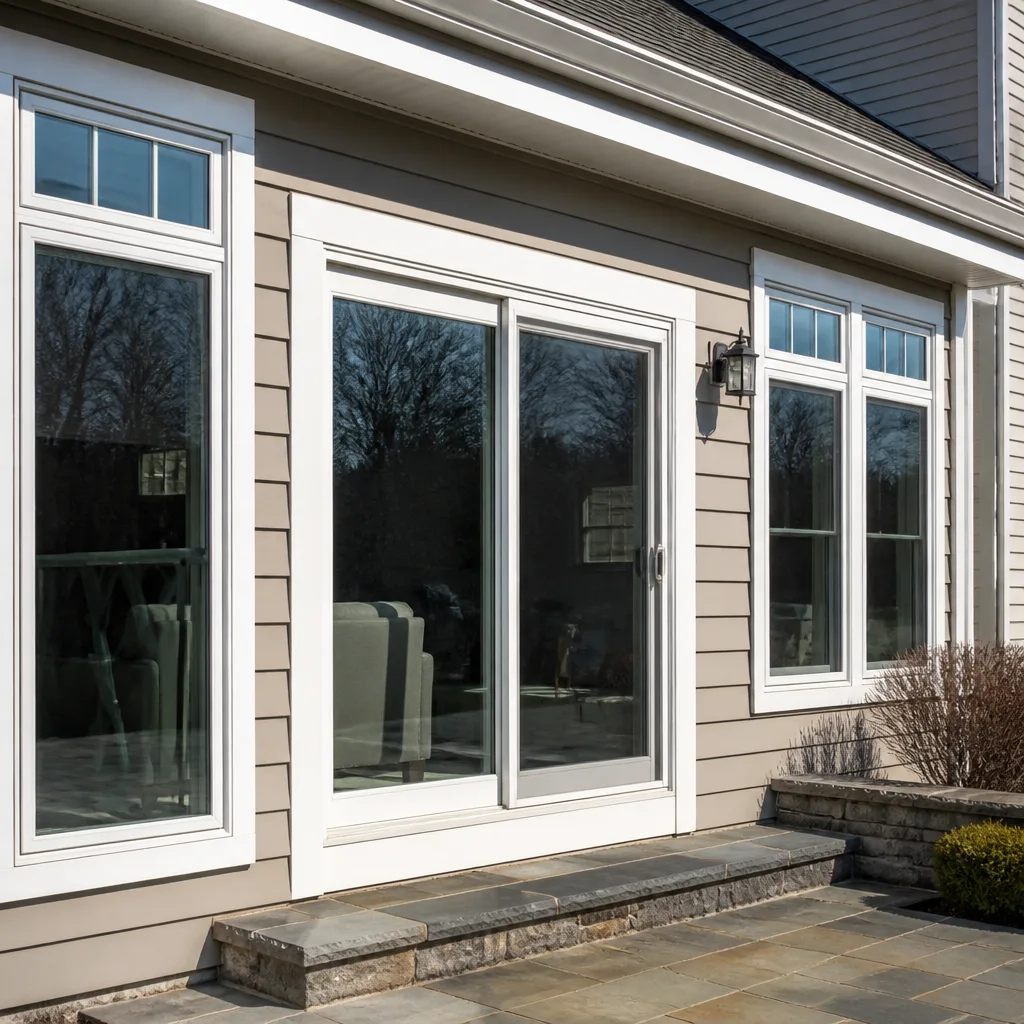 After
After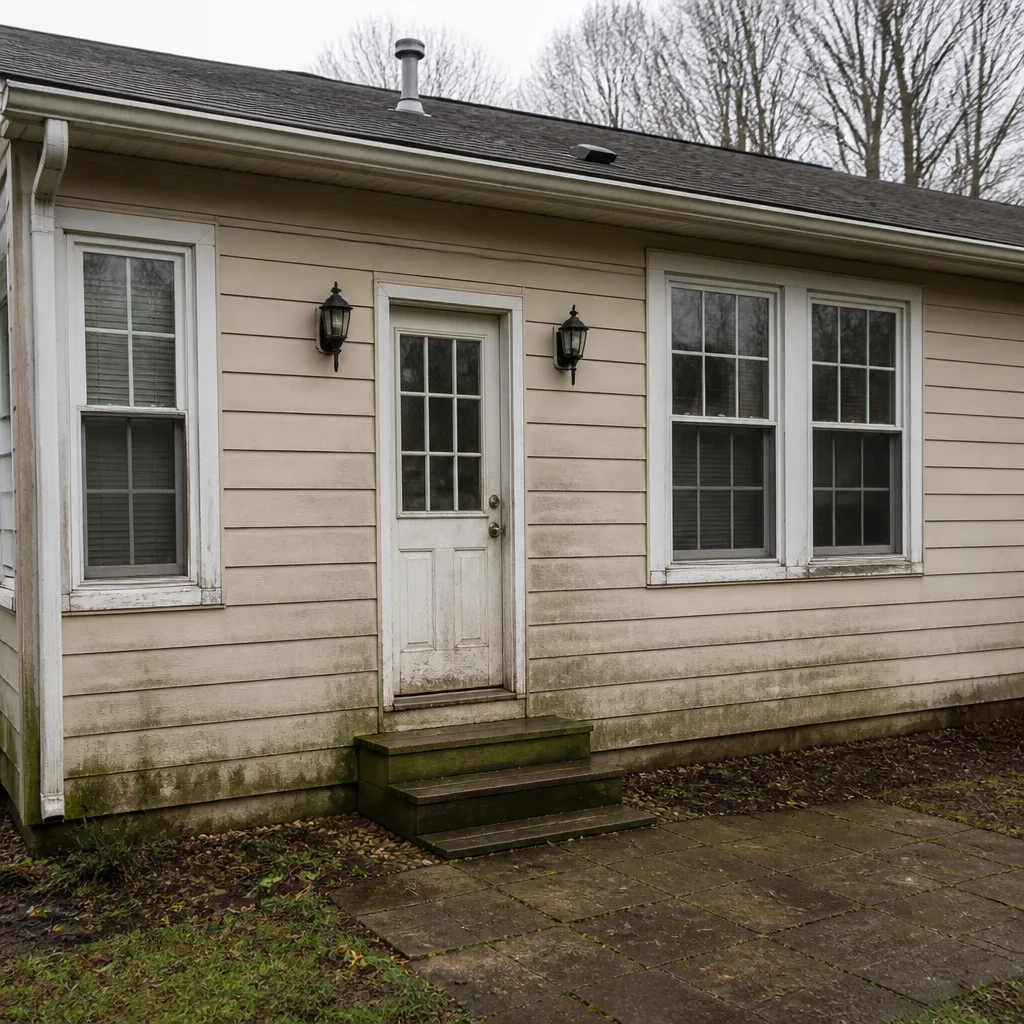 Before
 After
AfterFor Columbus, impact windows beat shutters unless you’re pricing pure storm protection you’ll never use. Here’s the honest math.
Impact windows win for almost every Columbus homeowner, but not for the reason the national sites tell you. Hurricane shutters make sense in Miami or Houston, where a named storm gives you 48 hours of warning and the building code requires one or the other. Columbus is 800 miles from the Gulf Coast. Neither option is code-required in Columbus, Dublin, Hilliard, or anywhere else in Franklin County. So the real question isn’t “which protects better against hurricanes.” It’s whether impact windows are worth it for Midwest hail, break-in resistance, and traffic noise from the Rt. 270 and 670 corridors. For most houses we measure, it does. Call (888) 635-0804 and we’ll put the actual numbers on paper for your specific openings.
The comparison most websites won’t give you: what actually matters in central Ohio
Hurricane shutters are active protection. Someone has to deploy them before a storm, and that someone is usually out of town or asleep when the severe weather rolls through. Columbus weather develops fast across flat terrain. A squall line can go from “clouds to the west” to hail on your windowsill in twenty minutes. Shutters don’t help if they’re stacked in the garage. Laminated glass is passive. It’s in the unit all the time, doing its job whether you’re home or not. That’s the practical advantage, and it’s one that doesn’t show up in coastal comparison charts because coastal buyers assume they’ll have warning. You won’t always.
Dale Kessler grew up in Clintonville, where his father spent thirty years doing glass work on older homes with original wood frames and single-pane storms that let in half the weather. One thing he learned early: a window that fits right shouldn’t need caulk to do the work the frame was supposed to do. When we evaluate a house in Columbus, we’re not thinking about hurricane ratings. We’re looking at which side takes the northwest wind, whether the existing seals have cycled out from twenty-five years of January-to-July swings, and whether the homeowner is trying to block noise from the freeway or the neighbor’s dog. The impact-versus-shutter question usually sorts itself out once you answer those first.
What laminated glass actually buys you in Columbus, by the numbers
Impact windows aren’t one product. The core technology is laminated glass: two panes of glass bonded to a plastic interlayer, usually inside an insulated unit. In Columbus, that construction matters for four reasons, none of which involve named storms:
- Break-in resistance. Laminated glass doesn’t shatter out of the frame on the first or second hit. An opportunistic burglar can get through tempered glass with a rock or a pry tool in seconds. Laminated interlayer holds the glass together, which buys you time and makes noise. We hear this from homeowners in Hilliard and Pickerington who’ve had garage or rear-door break-ins.
- Hail survival. Central Ohio gets real hail. Standard annealed glass cracks and rains shards. Tempered glass shatters into the frame and leaves your window open to the weather and your house open to animals. Laminated glass cracks but holds its shape. You’ll still need a replacement, but you won’t have a tarp job onto your living room carpet at midnight.
- Noise reduction. The interlayer in laminated glass damps sound transmission in a way that a single airspace in a standard double-pane unit does not. If you live within earshot of 270, 670, or the train tracks through Clintonville, the difference is audible the first night you sleep next to the new unit.
- Seal longevity. Laminated units are built heavier. The added rigidity reduces the flex that kills seals on north- and west-facing windows during Columbus’s temperature swings. We’ve replaced too many builder-grade vinyl units in Dublin where the seal failed on the windward side while the south-facing windows are still fine. Orientation matters here more than any hurricane map.
What about tempered glass as the middle option?
Tempered glass costs less than laminated and offers more impact resistance than standard annealed glass. It’s a reasonable upgrade for picture windows and patio doors. But tempered shatters when it fails, and it doesn’t provide the noise damping or the hold-together haze of a laminated unit. We quote both side by side so you can see the actual dollar difference on your specific opening sizes, not a national average that doesn’t match your house.
The housing stock reality: your windows are aging out on schedule
Columbus’s post-1990 production-builder boom packed Dublin, Hilliard, Pickerington, Gahanna, and Lewis Center with M/I Homes, Pulte, and similar tract builds using entry-level vinyl windows. Those units are now hitting the 25-30 year replacement threshold simultaneously. The standard single-seal vinyl window that went in new in 1995 was never built for a forty-year life. Replacing it with affordable impact windows and doors in Columbus, OH is a meaningful improvement in break-in resistance and noise control, even though “hurricane protection” isn’t the selling point in central Ohio. The selling point is that the next window goes in differently than the last one did.
We measure every opening twice. We quote manufacturer lines side by side on paper, including laminated options from PGT, CGI, and CWS. You’ll see the cost spread between a standard replacement unit and a laminated unit in your specific size before you spend anything. No national averages, no “it depends.” Our job is a square deal: write it down, stand behind it, and register both warranty layers before the truck leaves the driveway.
Where shutters still deserve a second look
There are a handful of situations in Columbus where exterior hurricane shutters or a similar physical barrier make sense. Properties with extensive west-facing glass that takes the full afternoon sun and the brunt of summer storm lines might benefit from a shading and hail barrier, though Columbus has its own summer hail patterns, not hurricane-force winds. Historic homes in German Village or Olde Towne East where the commission restricts window profiles sometimes pair perfectly with a shutter solution because the alternative requires custom wood sash work before glass ever enters the conversation. And if you have a freestanding garage or workshop with glass you don’t want to replace at all, a manual shutter system might be cheaper than new glazing. These are the exceptions, not the rule.
For homes in the annexed suburbs where the builder-grade stock is reaching its end, the question is really about the replacement glass you choose, not about bolting a deployment system onto a failing window. We’d rather see you put your budget into the glass itself.
Key takeaways
- Impact windows use laminated glass, which holds together under hail, resists opportunistic break-ins, and cuts traffic noise. Hurricane shutters do none of these passively.
- Neither product is code-required in Columbus. This is a voluntary, value-driven decision, not a compliance one. You’re not “behind code” with standard replacement windows.
- Severe weather in central Ohio develops fast. Passive protection built into the glazing beats a shutter system that depends on someone being home and paying attention.
- TruePane measures and quotes laminated options side by side with standard units so you see the actual cost difference for your openings, not a national average.
FAQ: impact windows vs hurricane shutters in Columbus
No. Neither impact windows nor hurricane shutters are required by building code anywhere in Columbus or Franklin County. This is a voluntary upgrade decision, which means wind mitigation and code compliance aren’t driving factors as they would be in coastal markets where one or the other is mandated.
Laminated impact windows typically run $90-$160 per square foot installed in the Columbus market, while hurricane shutters average $15-$35 per square foot for manual accordion or roll-down models, not including installation labor. But the total cost comparison is misleading: shutters only protect when deployed, while the laminated glass is working every day against hail, break-ins, and noise. Call (888) 635-0804 for an exact quote on your openings, estimates are free.
Yes, through a combination of lower break-in risk, fewer hail-replacement calls, and measurable noise reduction on homes near the 270 and 670 corridors. We can’t promise an exact payback period, but the holding-up performance of laminated glass during a central Ohio hail season is the difference between a cracked pane that stays in the frame and a shattered opening that needs immediate attention.
Shutters are generally a less invasive installation, but they don’t address the underlying condition of aging builder-grade windows. If your windows are 25-30 years old and the seals are failing, a shutter system is adding hardware to a unit that still needs replacement. We’ll walk you through the condition of the existing glass before recommending either path. Call (888) 635-0804 and we’ll measure everything.
The home page has more on our full window and door line, and you can read about our Impact Windows & Doors in Columbus work in detail. If you’re weighing costs on a full replacement project, our Impact Windows & Doors service covers the laminated options, the tempered options, and everything in between, quoted side by side.
If you’d rather have it looked at, TruePane Windows & Doors offers a no-pressure assessment in Columbus. We’ll measure the openings, check the existing units, and give you a written comparison of standard versus laminated glass on your actual windows. Call (888) 635-0804. A live person answers.
Written by Dale Kessler, Owner, TruePane Windows & Doors at TruePane Windows & Doors, serving Columbus, OH.