
Free in-home measure and quote - PGT, CGI and CWS impact lines compared on your actual openings, style by style
Sliding glass doors
Impact garage doorsPGTCGI
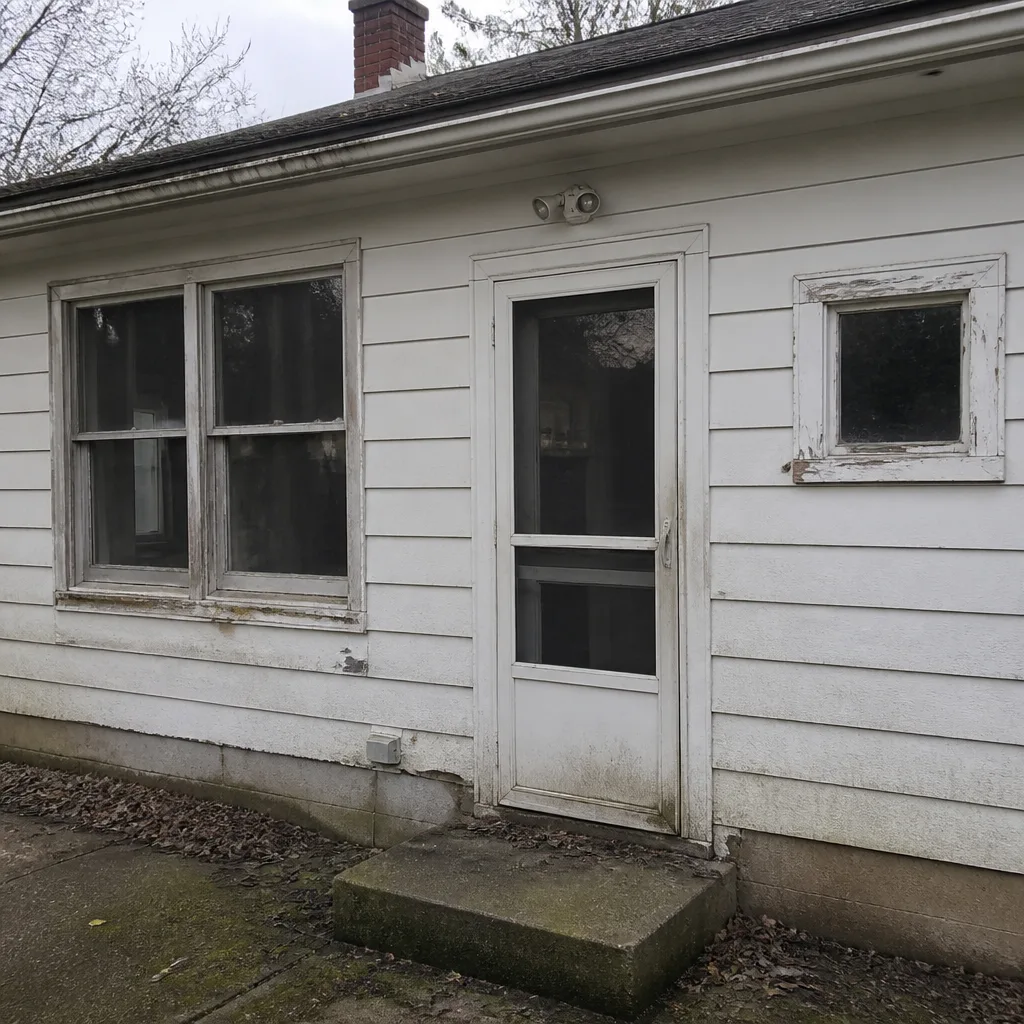 Before
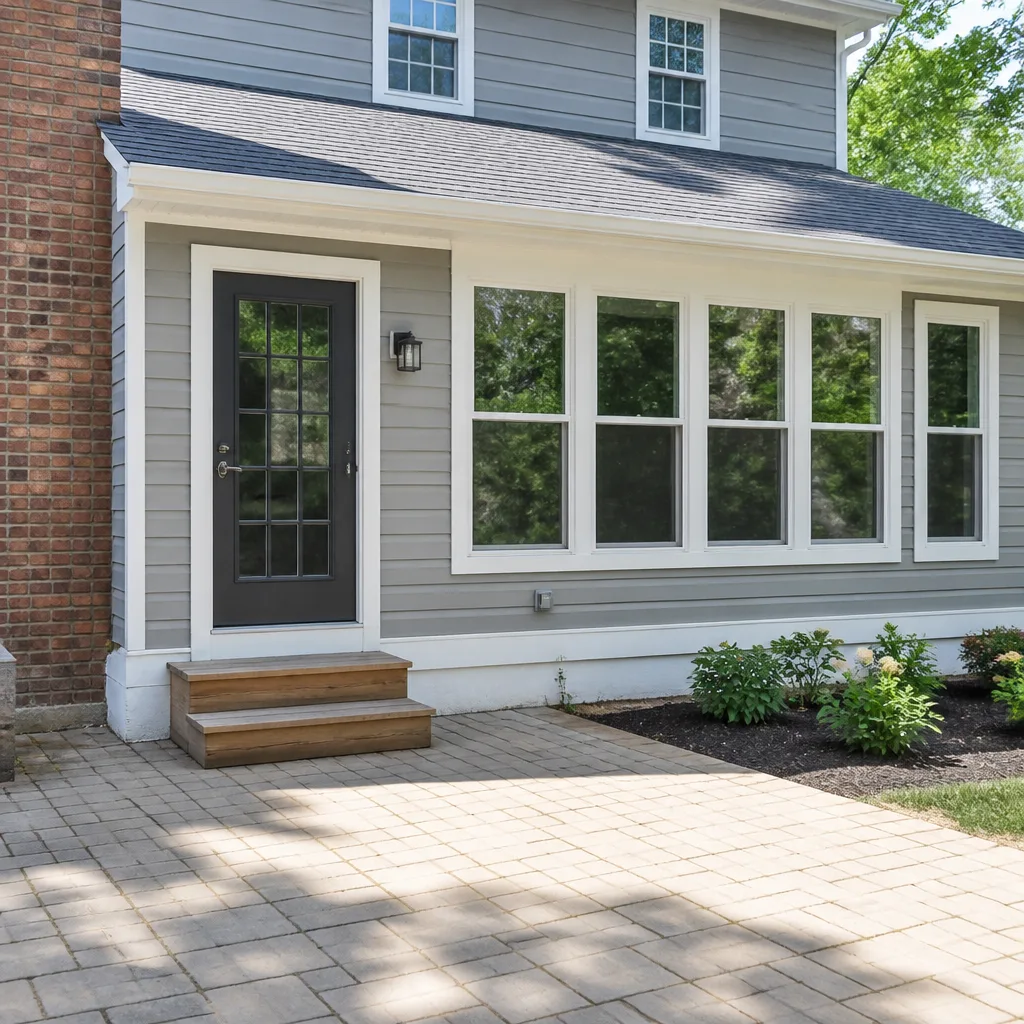 After
After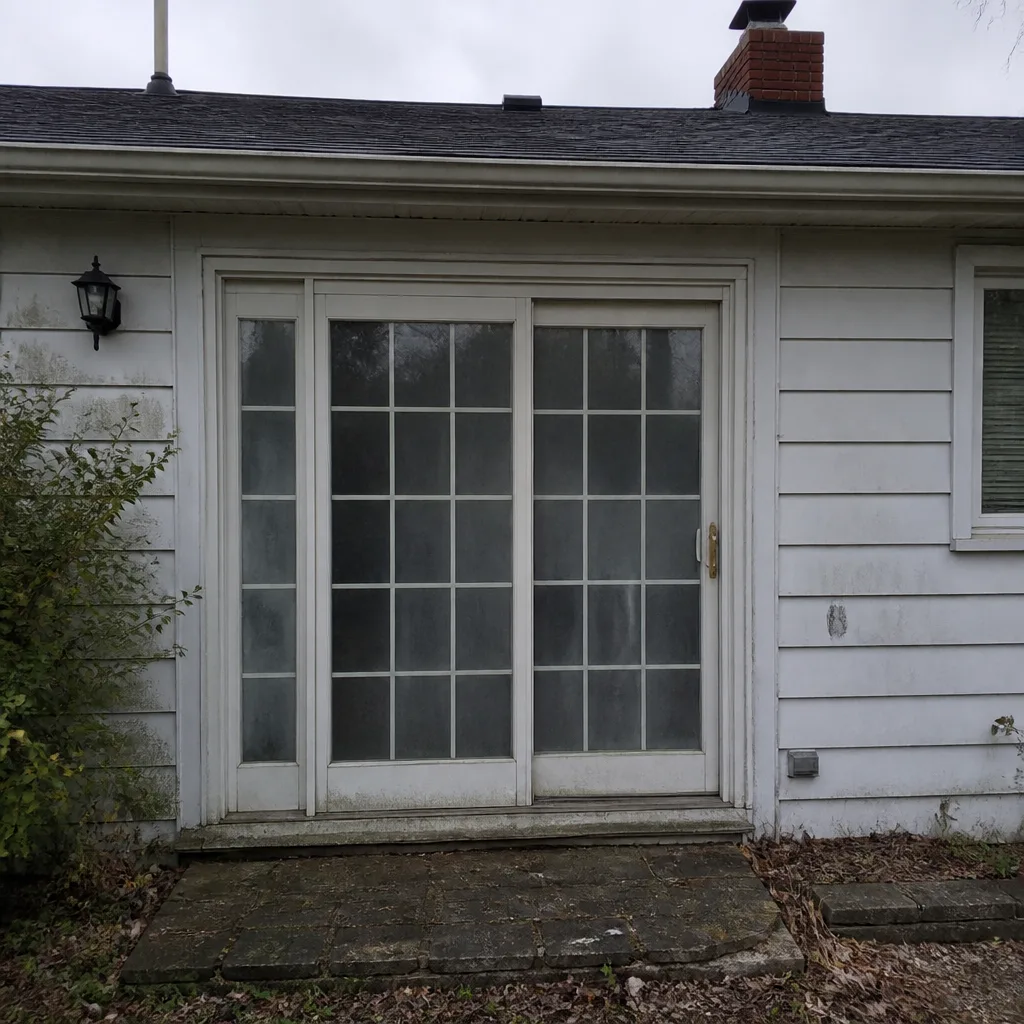 Before
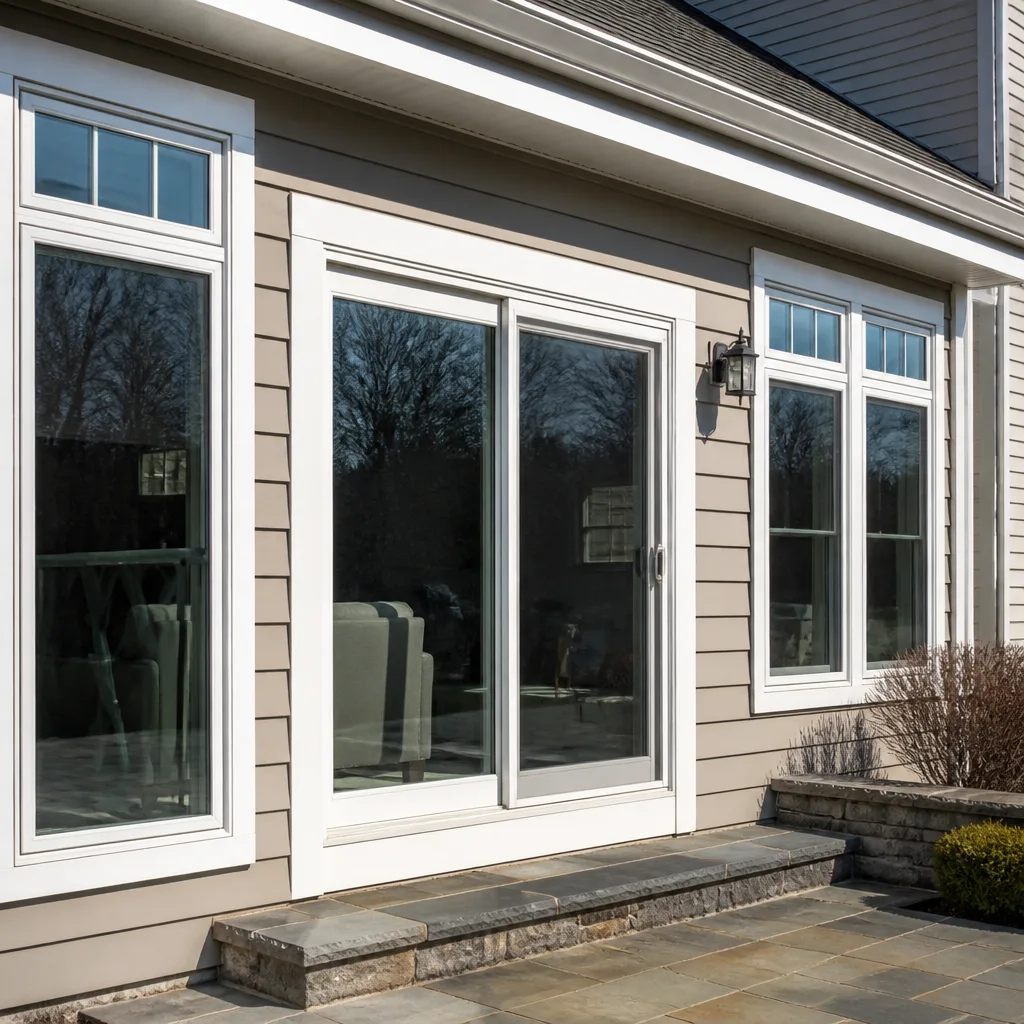 After
After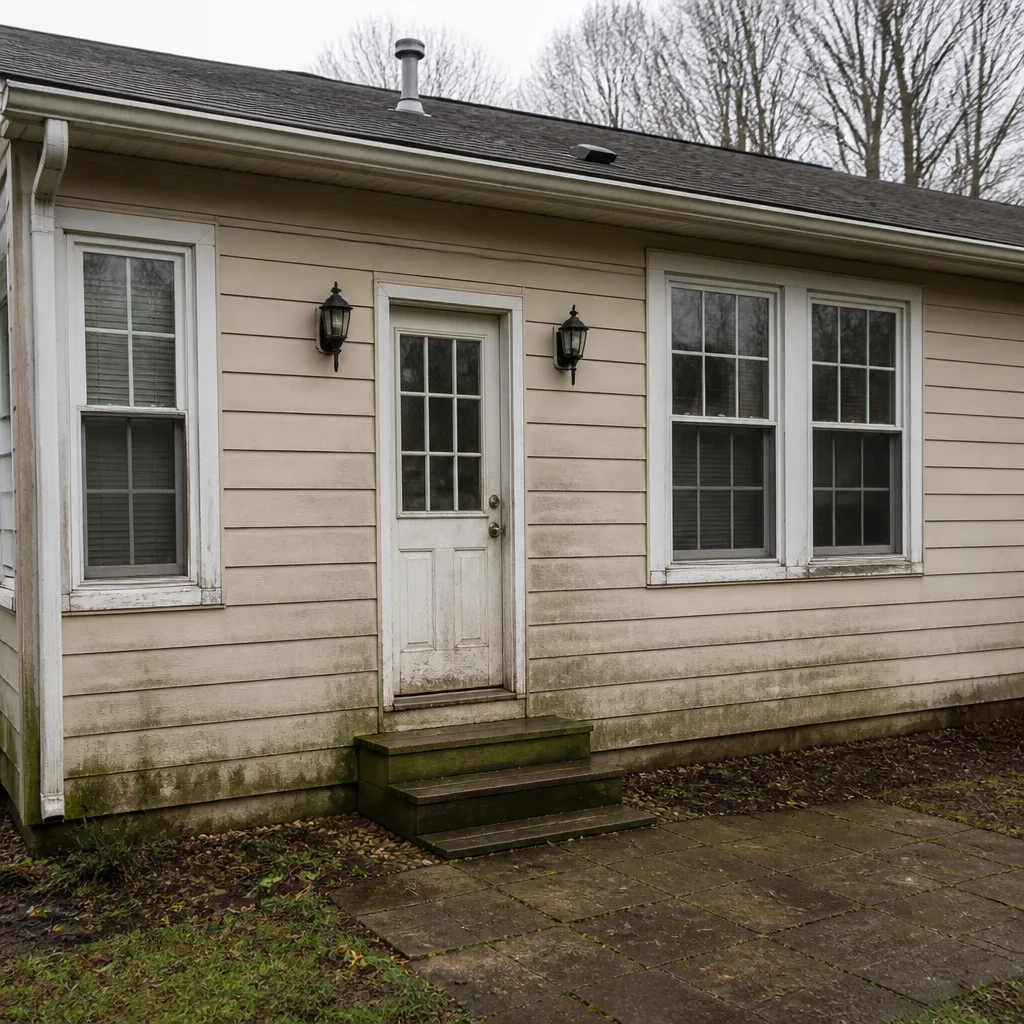 Before
 After
AfterLow-E Glass Is Not One Product. In Columbus, the Coating Position and Surface Number Decide Whether It Saves You Money or Costs You Money.
Low-E glass is window glass coated with a microscopic metallic oxide layer that reflects heat radiation while letting visible light through. That coating reflects long-wave infrared heat back toward its source: room heat back inside your Columbus home in January, outdoor heat back outside in July. But here’s what most explainers skip: “Low-E” describes a family of coatings, and which one you want depends on which wall of your house the window faces. Call (888) 635-0804 if you’d rather skip the spec sheets and have someone who reads them every day walk you through it.
What Low-E Actually Does, in Plain Terms
Glass without a coating is transparent to heat. Sunlight hits it, heat passes through. Your furnace runs in winter, heat radiates right back out through the glass. A Low-E coating is a layer of metal oxide, tin or silver, applied so thin you can see through it. That layer reflects heat radiation, specifically the long-wave infrared band that carries thermal energy, while still allowing short-wave visible light to pass. The result is a window that lets the daylight in but pushes the heat back where it came from.
There are two distinct heat measurements on every glass spec sheet, and they are not the same thing:
- U-factor measures how well the entire window assembly resists heat transfer, including the glass, frame, and edge spacers. Lower is better. Columbus sits in Climate Zone 5, where code expects a U-factor of 0.30 or better on most residential windows. The Low-E coating is the main reason modern windows can hit that number without adding a third pane.
- Solar Heat Gain Coefficient (SHGC) measures how much solar radiation passes through the glass as heat. Higher means more free heat from the sun. Lower means more heat blocked. This is the number that changes based on coating type, and it’s the one that matters most for orientation.
When Dale Kessler talks to a homeowner about Low-E, he starts with the spec sheet, not the brochure. “If the sale can’t be explained on paper, it’s not a sale, it’s a story,” is how we put it in the shop. Every quote we write in Columbus lists U-factor and SHGC side by side, so the homeowner sees exactly what the coating does - the same details you’d find in a window energy audit and rating - before any money changes hands.
Hard-Coat vs. Soft-Coat: The Difference Columbus Homeowners Never Hear About
There are two ways manufacturers apply a Low-E coating, and they behave differently in real Ohio weather.
Hard-coat Low-E, also called pyrolytic, is baked onto the glass while it’s still molten hot. The coating fuses into the surface of the glass itself. It’s durable, scratch-tolerant, and easy to fabricate. It also has a relatively high SHGC, usually between 0.37 and 0.55 depending on the glass package. That means it lets meaningful solar heat through. On a south-facing window in Columbus, that’s a feature, not a flaw. During the heating season, which runs roughly October through April here, that free solar gain offsets furnace runtime.
Soft-coat Low-E, also called sputtered, is applied in a vacuum chamber after the glass has cooled. It’s a finer layer, often double-silver in premium units, and it reflects heat more efficiently than hard-coat. A soft-coat double-silver Low-E in a good argon-filled unit can push SHGC down to 0.20 or below while keeping U-factor at 0.24 or better. The tradeoff is that sputtered coatings are more delicate and must be sealed inside an insulated glass unit, which is why you only ever see soft-coat on surface 2 or surface 3, never exposed to open air.
Which one does Columbus need? It depends on the wall.
Orientation Is the Specification, Not the Afterthought
Columbus has a humid continental climate. January lows sit near 18°F. July highs push 85°F with humidity that makes the air feel closer to 95. That means the same Low-E coating that saves you $200 on winter heating can cost you $150 in summer cooling if it’s on the wrong wall of your house.
Here’s the specific breakdown we use when specifying glass for homes across Franklin County and the surrounding suburbs:
- South-facing glass in Columbus wants a higher SHGC, generally 0.35 or above. The winter sun sits low in the southern sky and delivers free heat right through the glass. Hard-coat Low-E in the surface 2 position is often the right call here, especially on lower floors where durability matters and kids and lawn mowers are part of the equation.
- West-facing glass is the trouble wall in central Ohio. The afternoon July sun hits west windows at a shallow angle for hours, right when the air conditioning is already working hardest. A high-SHGC Low-E on the west wall of a Hilliard colonial or a Dublin two-story will raise cooling costs every summer. These openings want soft-coat, double-silver Low-E with an SHGC of 0.25 or lower, ideally in a triple-pane unit where surface 3 placement adds another layer of heat rejection.
- East-facing glass takes morning sun, which is less intense and arrives when the house is cool. A moderate SHGC between 0.28 and 0.32 works well here. The goal is to capture some early warmth without overheating the breakfast nook by 10 a.m.
- North-facing glass gets almost no direct solar gain. Here the priority is U-factor, not SHGC. You want the best insulation you can afford, because north glass in Columbus loses heat all winter and gets no solar payback. Soft-coat Low-E in a good argon-filled unit is the standard recommendation.
We’ve measured enough windows in Columbus to know that a blanket “Low-E is better” statement is not a specification. It’s a slogan. The right glass package for a ranch in Gahanna is not automatically the right package for the south-facing sunroom in Grandview Heights. If the pane is not true, the job is not done, and if the SHGC is wrong for the wall, the glass is not right for the house.
What Happens When the Seal Fails: The Hidden Half of Low-E Performance
Low-E coatings do not work alone. In a modern insulated glass unit, the coating is paired with a gas fill, typically argon or sometimes krypton in premium units, between the panes. That inert gas reduces convective heat transfer through the gap. The Low-E coating handles the radiative heat. Together they make the U-factor number on the spec sheet possible.
But gas fill only stays where it’s put if the edge seal holds. The repeated thermal cycling of Columbus seasons, freezing nights followed by warm afternoons, expands and contracts the glass and the spacer bar at different rates. Over twenty or thirty years, that cycling breaks the seal on a meaningful number of insulated glass units. We see it regularly in the production-builder vinyl stock across Pickerington, Lewis Center, and the older Dublin subdivisions that went up in the late 1990s. The telltale sign is fog between the panes that never clears, or a hazy film that looks like it’s on the inside but won’t wipe off.
When the seal fails, argon leaks out and ordinary air, with its higher thermal conductivity and moisture content, leaks in. The Low-E coating is still there. It’s still doing its job. But the overall U-factor of that unit has already dropped significantly, because the gas fill is gone and the air gap is now damp. A Low-E unit with a broken seal has lost a meaningful fraction of its thermal performance before the homeowner even notices the fog.
This is why our Energy-Efficient Windows work always starts with a seal assessment, not a glass assumption. In Columbus’s older housing stock, particularly the mid-century wood-frame homes in Clintonville and the brick doubles in Olde Towne East, we often find that the Low-E coating is fine and the seal is the failure point. That changes the repair conversation completely.
What Dale Kessler Learned About Low-E the Hard Way
Dale grew up in Clintonville, where his father spent thirty years doing glass work on older homes with original wood frames and single-pane storms. Those houses let in roughly half the weather Columbus threw at them. Dale learned early that glass is not just a material; it’s a decision about heat, light, and comfort that a homeowner lives with for decades. He enrolled in the building trades program at Columbus State Community College after high school, learned glazing and rough framing, and has been measuring and setting windows in central Ohio for close to three decades.
One thing he’s said consistently since founding TruePane in 2008: a window that fits right shouldn’t need caulk to do the work the frame was supposed to do. The same idea applies to glass specifications. The Low-E coating should be chosen because the math works for that wall on that house, not because the word “Low-E” looks good in a brochure.
That’s why TruePane quotes manufacturer lines side by side on paper. When a Columbus homeowner sees two comparable windows with their U-factor, SHGC, and coating position printed next to each other, the best energy-efficient window conversation stops being abstract. It becomes a decision about which number matters more: winter heat retention or summer heat rejection. And the answer changes depending on whether we’re looking at a south-facing picture window in Bexley or a west-facing master bedroom window in Upper Arlington that catches every degree of July afternoon sun.
Low-E in Columbus: The Local Picture in Two Paragraphs
Columbus split its housing stock between two eras. The pre-WWII neighborhoods, Clintonville, German Village, Olde Towne East, Franklinton, grew up with wood double-hung windows and storms. Many of those original units have been replaced over the years, but plenty still carry single-pane glass or early-generation Low-E from the 1990s. Those early coatings were often hard-coat with minimal performance gains, and most have failed seals by now.
The other half of the city is the production-builder boom. From roughly 1985 to 2010, Columbus annexed land aggressively and builders like M/I Homes and Pulte packed Dublin, Hilliard, Pickerington, Gahanna, and Lewis Center with vinyl windows and entry-level glass packages. Those units are now hitting the 25 to 30 year mark simultaneously. The Low-E coatings in that generation of product were often the cheapest available, and the seals are failing in waves. We replace more fogged insulated glass units in those suburbs than anywhere else in central Ohio. The good news: the replacement glass available today is dramatically better, if the homeowner specifies it correctly.
Key Takeaways for Columbus Homeowners
- Low-E is a coating position, not a product. Surface 2 and surface 3 placements behave differently, and the surface number affects both durability and performance.
- Orientation matters more than brand. A south-facing window in Columbus wants different SHGC than a west-facing window. The right number on the wrong wall costs you money every season.
- U-factor and SHGC are separate measurements. Both appear on the glass spec sheet. Columbus Climate Zone 5 code targets U-0.30 or lower. SHGC should vary by wall.
- A broken seal cancels part of the Low-E benefit. If the argon is gone and the gap is fogged, the coating is still there but the unit has already lost thermal performance.
- Spec sheets don’t lie. We quote glass packages with U-factor and SHGC printed on paper, so the homeowner sees exactly what they’re buying before the order goes in.
FAQs
Low-E glass itself typically adds $35 to $75 per window over standard clear glass when ordered as part of a new unit, but the cost difference is minor compared to the lifetime energy savings. In Columbus, most affordable energy-efficient windows with a quality soft-coat Low-E package run from $550 to $1,100 per opening installed, depending on size, frame material, and whether you’re doing full-frame or insert work. Call (888) 635-0804 for a quote with the actual spec sheet in front of you - our estimates are free, and we’ll show you the SHGC and U-factor numbers on paper before you decide.
Yes, and the test takes ten seconds. Hold a lighter or a small flashlight near the glass at night and look at the reflection. If you see two reflections, one of them slightly dimmer or tinted, your glass has a Low-E coating; if all reflections look identical, it probably doesn’t. Another tell is a very faint blue or gray tint when you look at the glass from an angle in daylight. If you’re not sure, we can identify the coating during a standard window assessment in Columbus - call (888) 635-0804 and we’ll take a look.
Yes, and this is exactly where the coating position matters. Low-E reflects infrared heat back toward the warm side of the glass, so in winter it reflects your furnace heat back inside instead of letting it radiate out. The U-factor is the number to watch for winter performance, not the SHGC. Columbus’s cold-season benchmark of U-0.30 or better is achievable with a quality soft-coat Low-E in a double-pane argon-filled unit, and even better numbers come from triple-pane configurations. For an exact recommendation based on your house, call (888) 635-0804.
For most Columbus homes, the coating belongs on surface 2 (the inside face of the outer pane) or surface 3 (the inside face of the inner pane, typically in triple-pane units). Surface 2 placement handles both summer heat rejection and winter heat retention reasonably well. Surface 3 placement in a triple-pane unit adds another layer of summer heat rejection, which is why we specify it for west-facing glass that takes the worst of the Columbus afternoon sun. An experienced glazier will specify the surface position on the order sheet; it’s not a default.
If you’d rather have a professional look at your existing glass and talk through what makes sense for each wall of your house, TruePane Windows & Doors offers a no-pressure assessment anywhere in Columbus. Call (888) 635-0804 and we’ll check the seals, read the existing glass package if we can, and put the numbers on paper. Energy-Efficient Windows in Columbus is a topic we’ve spent decades working through, one opening at a time, and you can read more about it on the home page if you want the full picture of how we work.
Written by Dale Kessler, Owner, TruePane Windows & Doors at TruePane Windows & Doors, serving Columbus, OH.