
Free in-home measure and quote - PGT, CGI and CWS impact lines compared on your actual openings, style by style
Sliding glass doors
Impact garage doorsPGTCGI
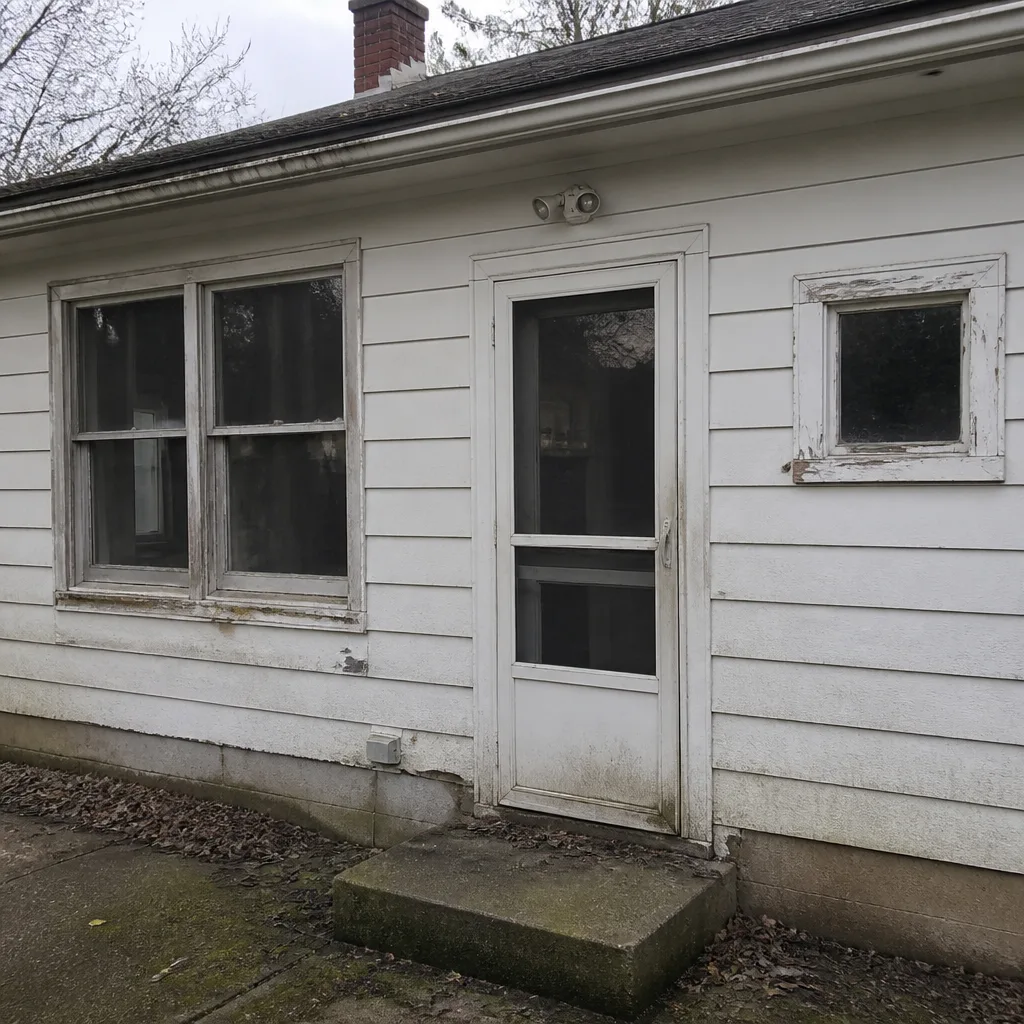 Before
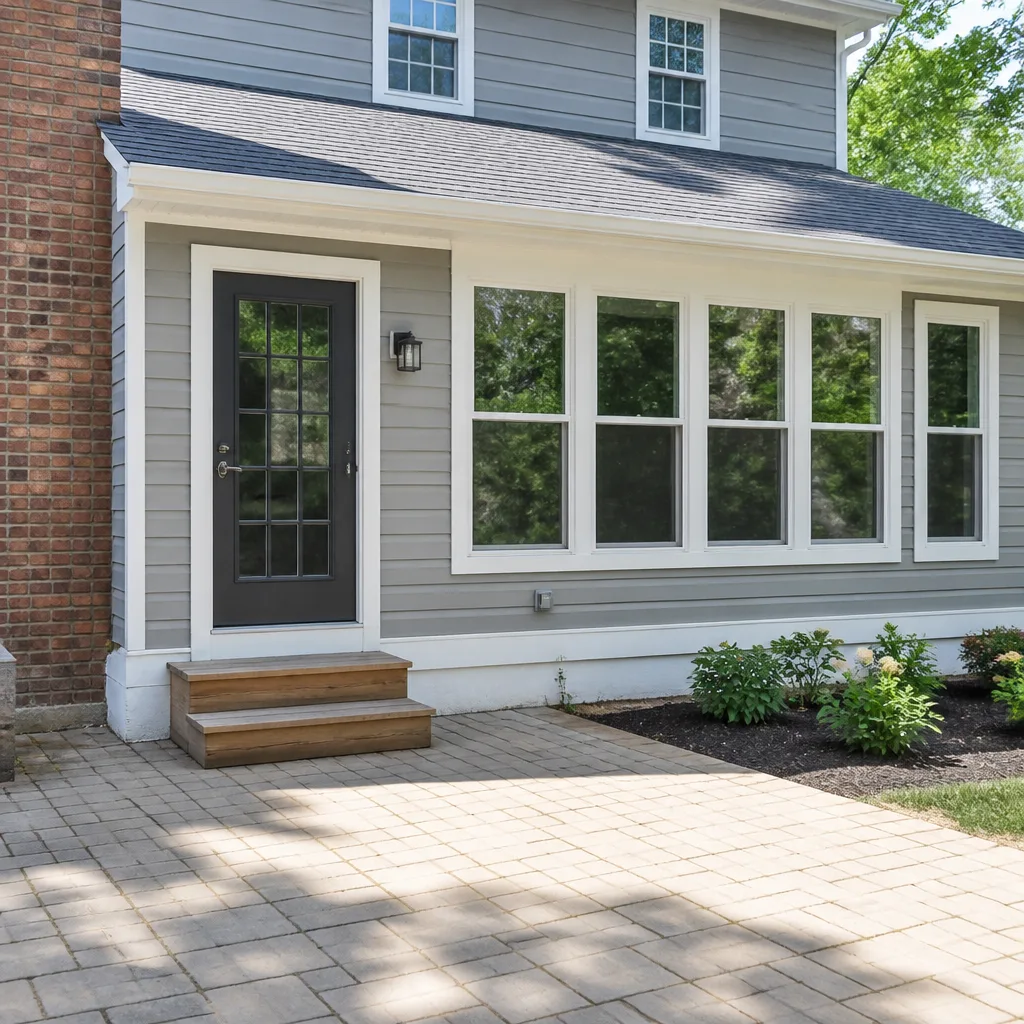 After
After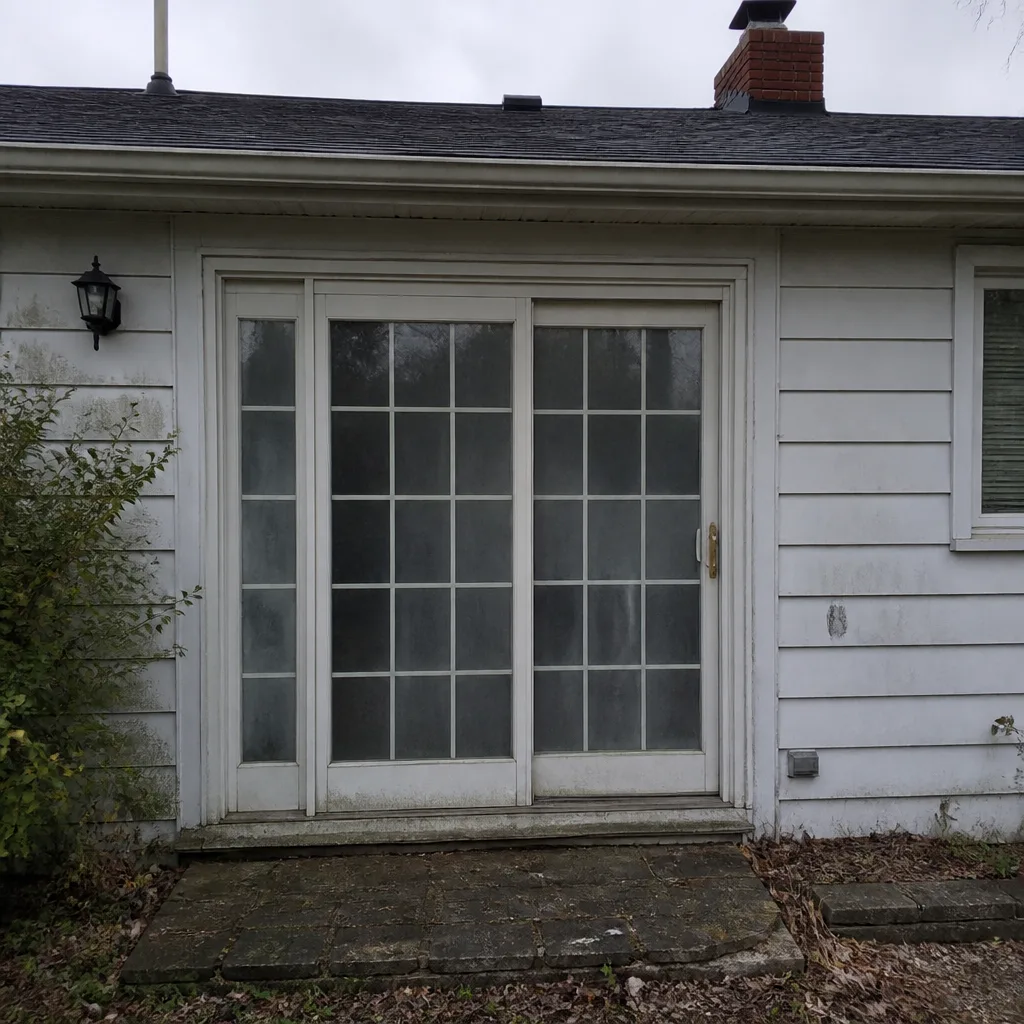 Before
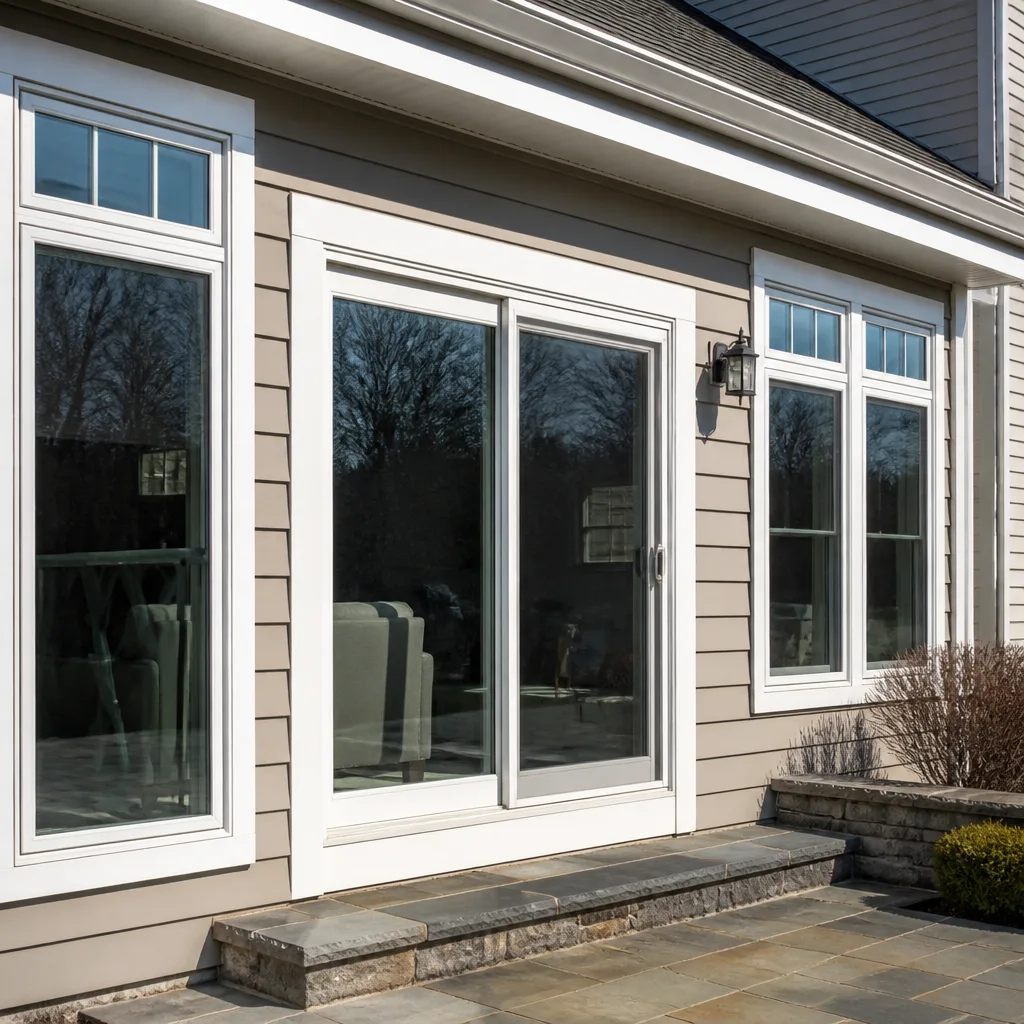 After
After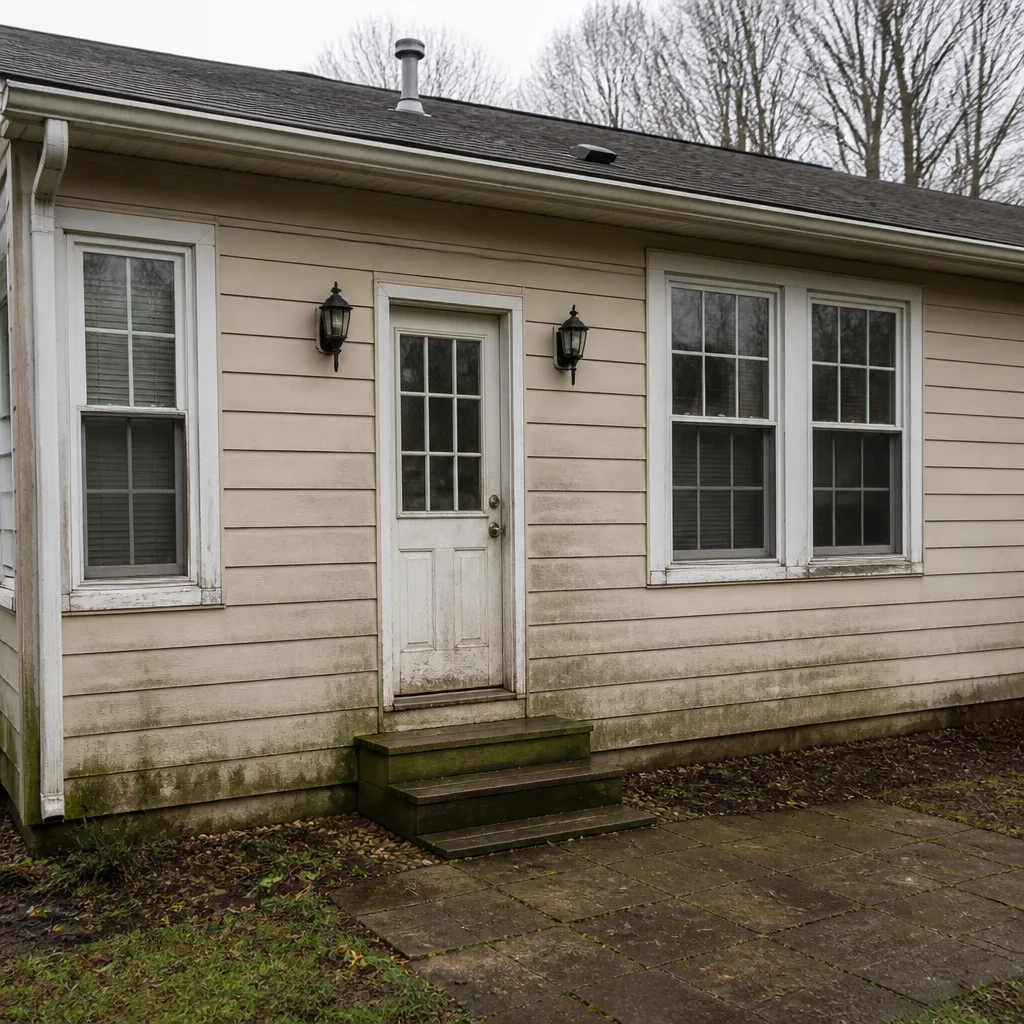 Before
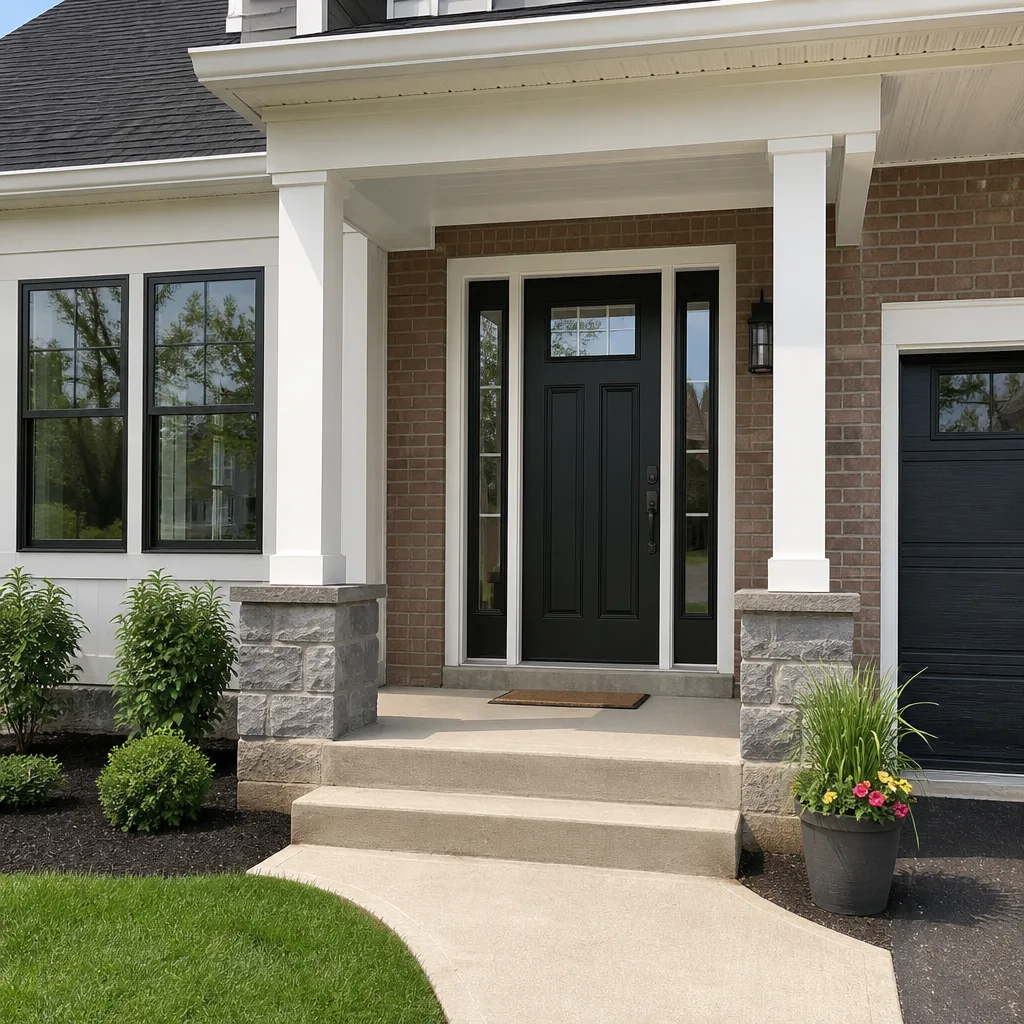 After
AfterBest Windows for Energy Efficiency
What’s Happening
The most energy-efficient windows available today combine a thermally broken frame, double- or triple-pane glass with a low-emissivity (low-e) coating, and inert gas fill between the panes – working together to slow heat transfer in both directions. If your current windows are failing at that job, you will feel it as drafts near the glass, rooms that are hard to keep comfortable, or heating and cooling bills that have crept up over the past few seasons. Choosing the right replacement is not just a product decision; it is an installation decision, because even the best window in the world will underperform if it goes in out of true.
Most homeowners searching for energy-efficient windows have already noticed something: a room that runs warmer than the rest of the house in summer, condensation forming on the inside of the glass in winter, or a draft that shows up right where it shouldn’t. Those are symptoms of windows that are no longer doing their thermal job. The glass may have lost its seal, the frame may have degraded, or the original window simply wasn’t built for your climate to begin with. Any of those causes has a fix – and getting the right diagnosis before you choose a product saves money and frustration down the road.
Why It Happens
Failed Insulating Glass Seal
Every double- or triple-pane window relies on a hermetic seal that keeps inert gas – typically argon or krypton – locked between the panes. When that seal breaks down, the gas escapes, the insulating value drops sharply, and moist air moves in. The clearest sign is fogging or a hazy film between the panes that doesn’t wipe off from either side. A failed seal cannot be repaired from the outside; the insulating glass unit itself needs replacement.
Outdated or Single-Pane Glass
Single-pane windows offer almost no thermal resistance. If your home was built before the mid-1980s and the windows are original, there’s a good chance you’re looking at single-pane glass – sometimes dressed up with an interior storm panel that has long since lost its fit. You can tell by looking at the edge of the glass from the inside: a single dark line at the sash edge means one pane; two lines with a visible gap between them means insulating glass. One pane is not enough for any climate.
Frame Degradation and Air Infiltration
Energy loss doesn’t always come through the glass. Frames made of aluminum without a thermal break conduct heat directly from outside to inside. Wood frames that have weathered and checked allow air infiltration around the sash and at the corners. Vinyl frames can warp over time, especially in climates with wide temperature swings. Run your hand slowly around the interior perimeter of a closed window on a windy day – if you feel air movement, the frame is failing at its job.
Missing or Degraded Low-E Coating
Low-emissivity coatings are applied to one or more glass surfaces to reflect infrared heat while still letting visible light through. Older windows predate low-e technology, and even some windows from the 1990s were glazed without it. You can’t see a low-e coating with the naked eye, but you can check the manufacturer’s label on the spacer bar between the panes – it will typically list the glass specification. If your windows have no coating, or only a basic coating designed for a different climate than yours, they may be working against you in summer and winter alike.
What to Do Right Now
- Do a draft check with a thin sheet of paper. Hold a single sheet flat against the closed sash on a breezy day. If it flutters or bends toward the wall, you have air infiltration. Note which windows and which edges – that information is useful for whoever comes to assess the job.
- Photograph any fogging, haze, or condensation between the panes. Take the photo at the same time of day on two or three consecutive days. Fog that disappears and reappears confirms a failed seal rather than surface condensation, which can be wiped away.
- Check the frames from the outside. Look for daylight gaps at the corners, cracked or missing glazing compound, paint that has peeled back from the frame-to-sash joint, or caulk that has shrunk away from the rough opening. Photograph what you find.
- Do not attempt to separate the sash or disassemble the frame. Some window hardware – particularly sash balance springs and tension cables inside the frame – is under significant mechanical load. Removing a sash without knowing the balance system can cause the spring to release suddenly. If the window is stuck, leave it and let a technician handle the disassembly.
- Note your utility bills for the past twelve months if you have them. A pattern of increasing heating and cooling costs tied to specific seasons helps narrow down which windows are underperforming and by how much – useful context when discussing options and priorities.
How We Fix It
When your local TruePane Windows & Doors team arrives, the first thing we do is measure every opening twice – not once – and assess the existing frame, rough opening, and installation condition before we talk product. Dale Kessler built TruePane on that habit because an out-of-true opening causes the same problems in year three whether you put a $200 window in it or a $2,000 one.
From there, we quote the manufacturer lines side by side on paper – authorized lines including Andersen, Pella, Marvin, Milgard, PGT, and others – with the glass specifications, frame materials, and warranty terms visible for each option so you can make an honest comparison. For energy efficiency specifically, we walk through low-e coating options, gas fill choices, and frame materials suited to your local climate.
The work itself falls under our Window Replacement and Energy-Efficient Windows services. Most replacements are completed in a single visit. Both warranty layers – manufacturer product and our own workmanship – are registered in writing before the truck leaves. That is The Keystone Standard, and it is not negotiable. The price you agree to before work starts is the price on the bill.
Frequently Asked Questions
The most energy-efficient windows available today use triple-pane insulating glass with a dual low-e coating, argon or krypton gas fill, and a thermally broken or fiberglass frame. That combination addresses conductive, radiant, and convective heat transfer at once. The right specification depends on your climate and your home’s orientation – which is why we quote the options side by side rather than steering every homeowner toward the same product. Call (888) 635-0804 and we’ll walk through the choices at no charge.
Failing windows cost money every month they stay in place – through heating and cooling loads your equipment has to compensate for. A failed seal also allows moisture between the panes, which accelerates frame degradation over time, meaning the scope of the eventual replacement can grow the longer it sits. There’s no emergency in the way a roof leak is an emergency, but there’s no financial argument for waiting either. Call (888) 635-0804 for a free written estimate so you know exactly what the job costs before you decide.
No. We give you a written estimate before anything is removed or ordered, and that number does not change once work begins. No-hassle upfront pricing is not a marketing phrase for us – it’s how we avoid the argument that happens when someone is surprised by a line item at the end. If we find a condition during installation that changes scope – an unexpected rotted sill, for example – we stop, show you what we found, and get your approval before continuing. The decision is always yours.
A live person answers our phone around the clock, every day, so you can reach us any time to schedule. We’ll get your local TruePane team out as quickly as our current schedule allows, and we’ll give you a specific appointment window – not an all-day wait. Call (888) 635-0804 and someone will pick up.
Get It Fixed
Call (888) 635-0804 any time – a live person answers around the clock – or book online. Your local TruePane Windows & Doors team will measure every opening, quote the manufacturer lines side by side in writing, and get you a firm price before any work begins. No surprises on the bill.
Written by Dale Kessler, Owner at TruePane Windows & Doors, proudly serving local communities since 2008.
What Our Customers Say
"Impact windows on the whole house. They handled the permit, the inspection, and gave me a folder with every approval number for the insurance company. My windstorm premium dropped enough to notice."
- Bill T."Whole-house window replacement at 71 years old is not something you want to do twice. Dale walked the house himself for the quote. Crew was the same three men all four days, and the foreman knew every window by room."
- Pat and Ray L."Eleven windows replaced in two days. The crew chief, Marcus, showed me the level on every single frame before they caulked it. My wife noticed the street noise was gone before I did."
- Ronald P.