
Last updated August 27, 2026
Free in-home measure and quote - PGT, CGI and CWS impact lines compared on your actual openings, style by style
Sliding glass doors
Impact garage doorsPGTCGI
 Before
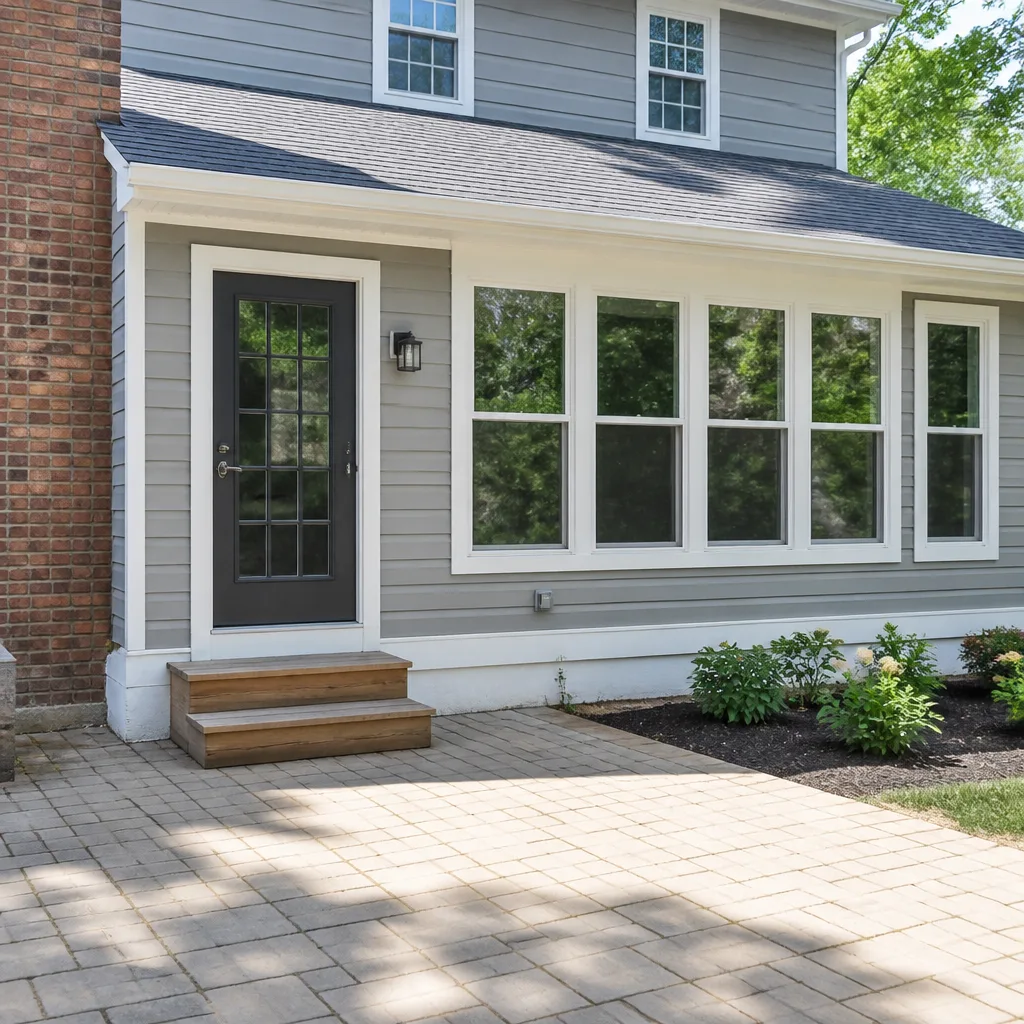 After
After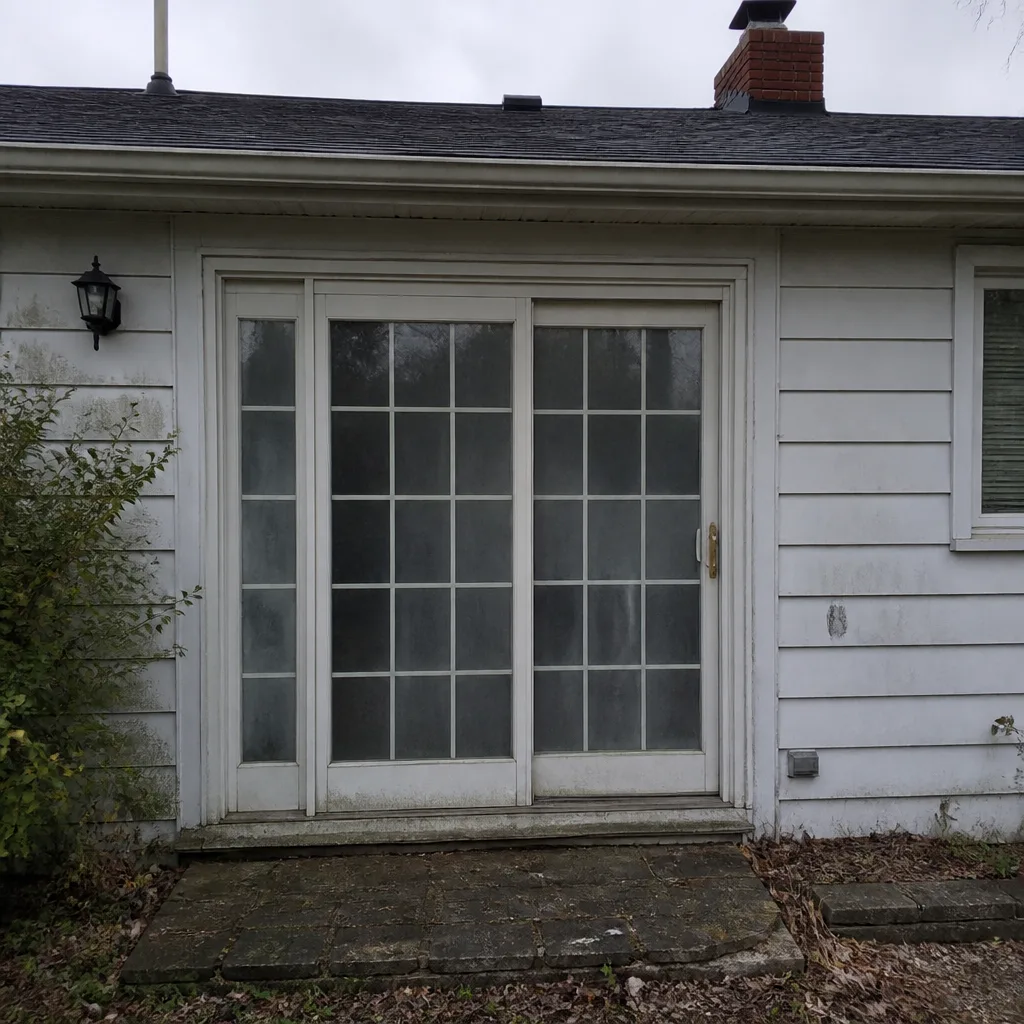 Before
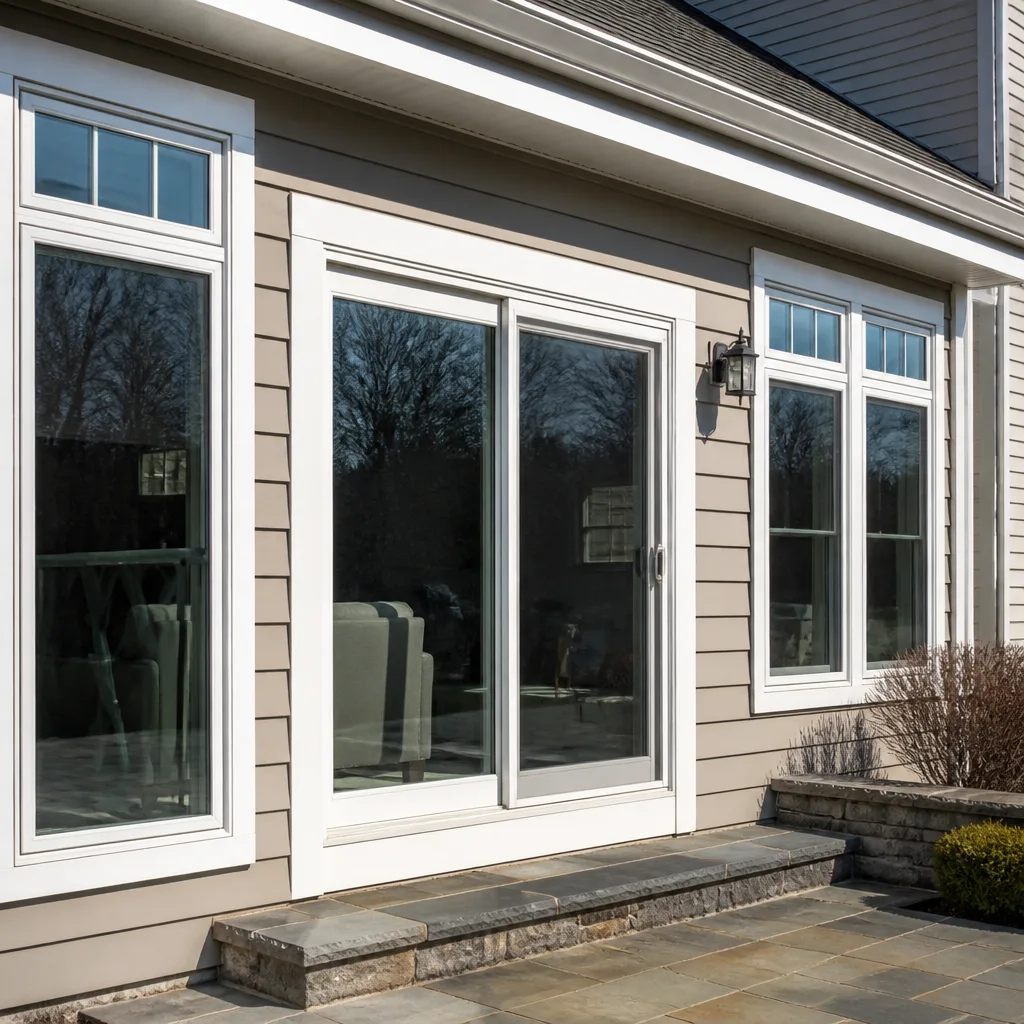 After
After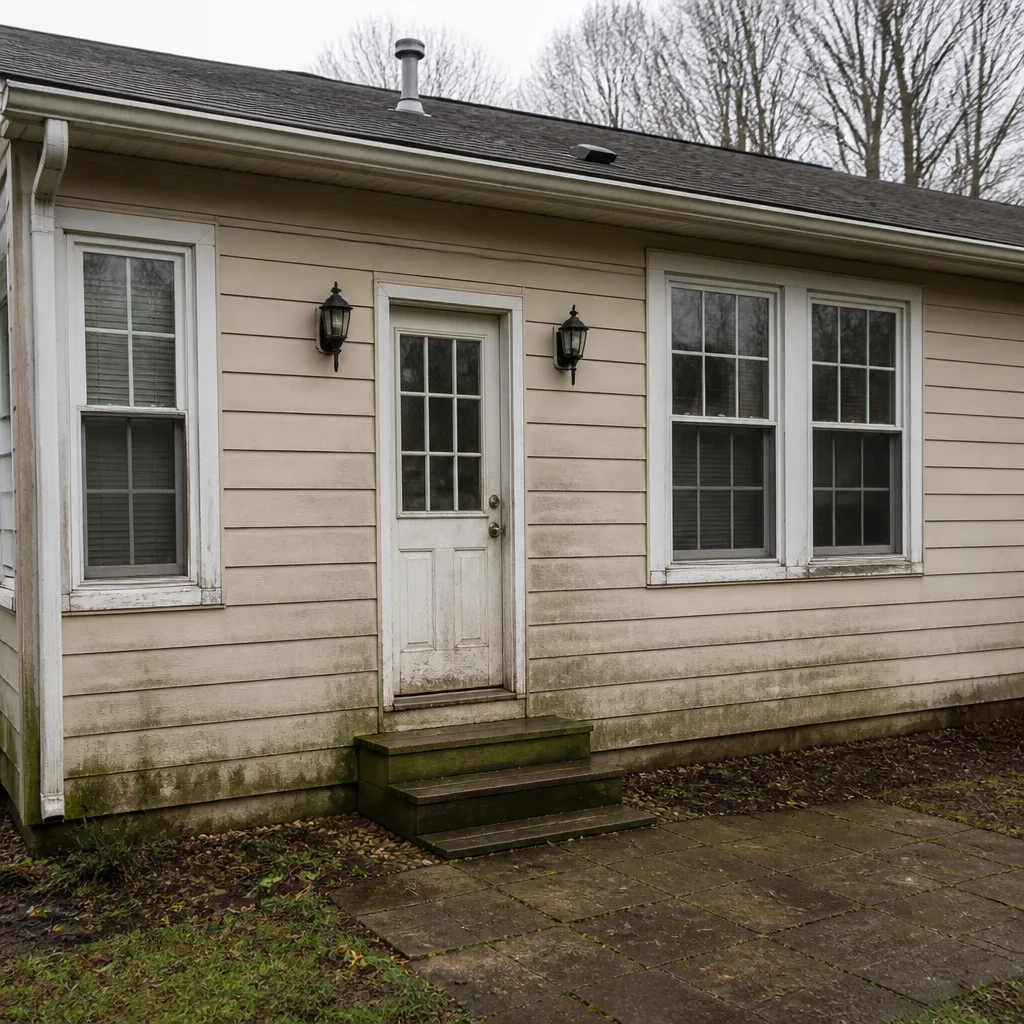 Before
 After
AfterDIY vs Professional Door Installation: What’s Safe to Do Yourself
Every spring, hardware stores across Columbus sell thousands of prehung interior doors to homeowners who have never hung one before. Most of those doors go in fine. The trouble starts when the same confidence walks out to the exterior wall, to a stucco opening, to a load-bearing header with an old door that has been sagging since the Clinton administration. We tell customers the same thing Dale Kessler has said for years: a door is not a door. The frame, the wall it sits in, and the weather it has to hold back change the job completely. This guide draws the line by door type, not by skill level, and tells you what is safe to do yourself and what deserves a second set of hands. For related reading, see our comparison of DIY vs Professional Impact Windows & Doors: What’s Safe to Do Yourself.
Quick Answer
Interior prehung doors on non-load-bearing walls are generally safe for a capable DIYer with basic carpentry tools and patience. Exterior entry doors, exterior sliding doors, French door pairs, and any door in a load-bearing wall carry structural, weatherproofing, security, and warranty stakes that make Door Installation services the safer choice for most Columbus homeowners.
Table of Contents
- The Door-Type Decision Matrix
- The Structural Assessment Every Homeowner Must Make
- What Exterior Door Warranties Actually Require
- Security Variables DIY Guides Skip
- The True Cost of DIY Door Installation
- Tools, Skills, and Time: An Honest Inventory
- Common Mistakes to Avoid
- When to Call a Professional
- Frequently Asked Questions
- The Bottom Line
The Door-Type Decision Matrix
Skill level matters, but door type matters more. We have watched finish carpenters struggle with a warped French door pair and watched a patient first-timer hang an interior slab dead level on the second try. The matrix below separates the jobs by what the door has to do: hold back weather, hold a lock against force, or simply swing in a conditioned hallway.
Interior prehung door, non-load-bearing wall: DIY appropriate for most homeowners. The rough opening already has a header, the wall carries nothing above it, and shimming a door plumb and level is a learnable skill. Expect to spend a full afternoon on the first one.
Interior prehung door, load-bearing wall: Proceed with caution, but not automatically a pro job. The header is already in place if the opening exists. If you are cutting a new opening into a load-bearing wall, that is a structural project requiring an engineer or licensed contractor, full stop. Replacing an existing door in a load-bearing wall is usually fine for a careful DIYer with a long level and a willingness to shim patiently.
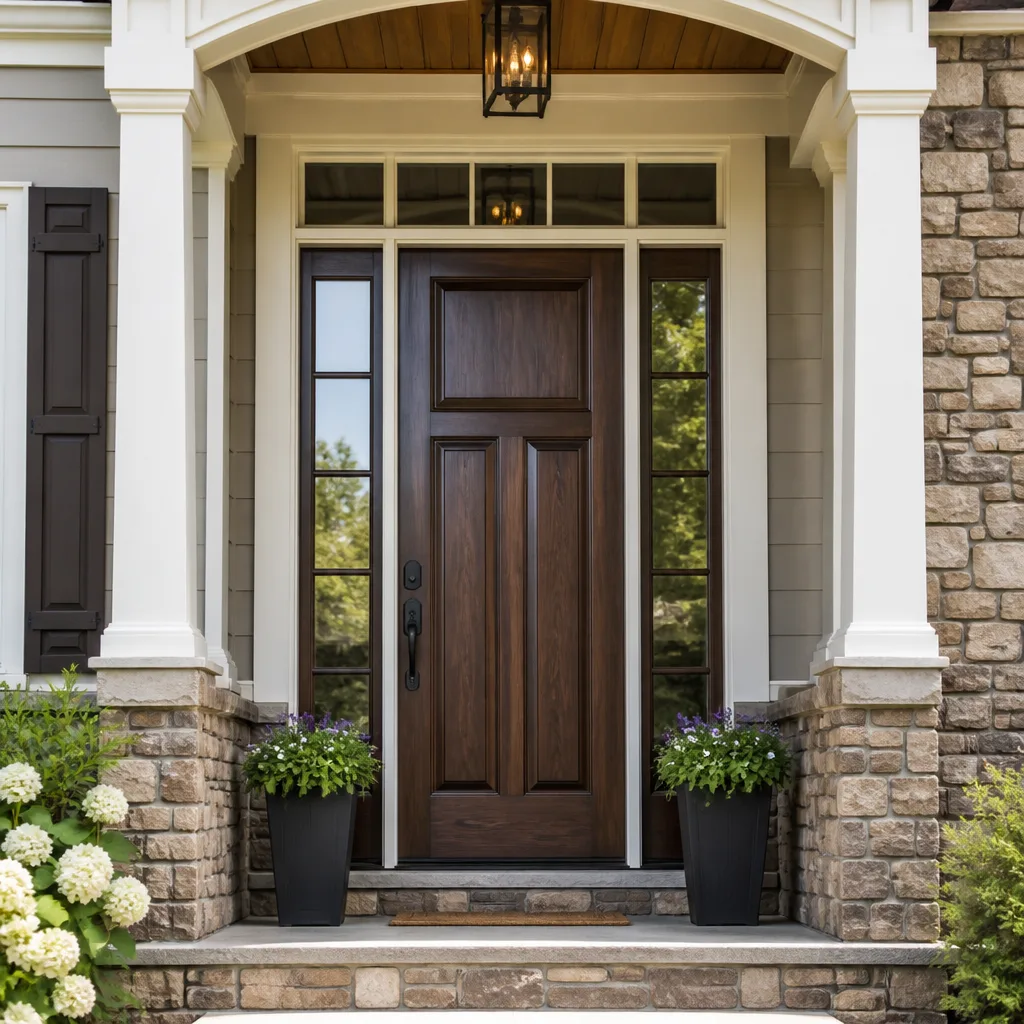
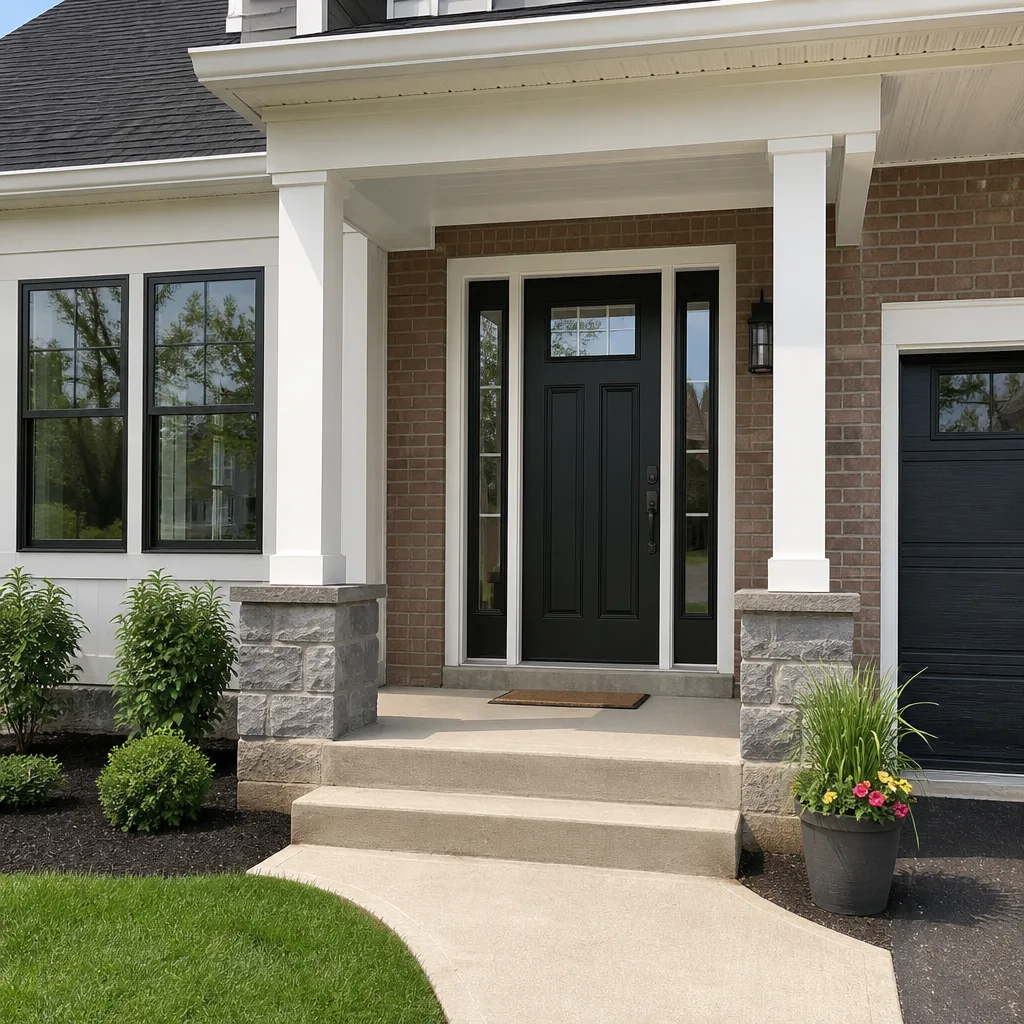
Exterior entry door: Professional installation recommended. This is where weatherproofing, flashing, threshold sealing, security hardware, and warranty conditions all converge. A single error in flashing lets water behind the siding where it rots the rough opening silently for years. In Columbus, freeze-thaw cycles punish any gap at the threshold. The stakes are too high to treat this as a weekend project.
Exterior sliding door: Professional installation strongly recommended. Sliding doors need a perfectly level track, square framing, and correct roller adjustment. A track that is off by an eighth of an inch binds in winter and leaks in spring. Tearing one out for correction costs more than the original install.
French door pair, exterior or interior: Professional installation recommended. Two active panels meeting at a center astragal demand precise alignment in three dimensions. One panel that sags ruins the weatherstrip, the lock throw, and the look. We have re-hung enough DIY French doors in Columbus to know this is where homeowner frustration peaks.
The Structural Assessment Every Homeowner Must Make
Before any door project, exterior especially, you need to know what that wall is carrying. Here is the step-by-step evaluation we walk our own customers through when they call about a door replacement in Columbus. You can also find more guides & resources on our blog.
- Look at the wall direction. In most Columbus homes, exterior walls run parallel to the roof ridge or along the gable ends. Walls perpendicular to the ceiling joists above are usually load-bearing. Walls parallel to the joists are usually not. This is a starting rule, not a guarantee.
- Check the basement or crawlspace. If there is a beam, column, or foundation wall directly under the wall containing the door, that wall is carrying weight. Load paths run straight down.
- Look in the attic. If roof trusses or rafters bear on the wall top plate above the door, it is load-bearing. If the wall sits under open attic space with no bearing line, it may not be.
- Check the existing header. A load-bearing opening needs a properly sized header: usually double 2×10 or larger for exterior spans, sometimes engineered lumber. A 2×4 flat header is a red flag that the opening was not built for structure.
- If unclear, stop and ask. A licensed contractor or structural engineer can answer the question in one visit. The cost of that visit is a fraction of the cost of correcting a sagging header or cracked drywall after the fact.
In our experience, most Columbus homes built before 1980 have had enough remodeling done over the decades that load paths are not always obvious. We have opened walls in Clintonville and German Village and found surprises behind the drywall, including headers that someone cut through for ductwork. When the answer is uncertain, the safe call is a professional evaluation before the saw comes out.
What Exterior Door Warranties Actually Require
Here is something most DIY guides never mention: the warranty on your new exterior door is conditional, and the conditions are written in the fine print. Before you buy the door, read the installation requirements. Many manufacturers, including Andersen, Pella, and Marvin, publish installation instructions that are incorporated into the warranty by reference. That means if you skip a flashing step, you have not just risked a leak; you may have voided the warranty before the door ever swings.
Specifically, look for language that requires:
- Licensed contractor installation: Some manufacturers state outright that failure to have the door installed by a licensed professional voids the finish or glass warranty.
- Manufacturer-specified flashing tape or pan flashing: Not generic hardware store tape. The warranty may name a specific product or a specific detail.
- Sill pan installation: A properly sloped, sealed sill pan under the threshold is a common warranty condition, and a commonly skipped step.
- Registration within a defined window: If the warranty is not registered in writing within 30 or 60 days, the enhanced coverage may drop to a base warranty with shorter terms.
At TruePane Windows & Doors home, we register both manufacturer warranty layers in writing before the truck leaves the driveway. It is part of The Keystone Standard. If a warranty claim ever comes up, there is no argument about who installed what and whether the fine print was followed.
Security Variables DIY Guides Skip
A clean-looking entry door installation can still fail the security test. The three variables below rarely make the DIY checklist, but they are the difference between a door that holds and a door that folds under a kick.
Strike box depth. The strike plate on the jamb is only as strong as what is behind it. The screws that come with most locksets are half-inch or three-quarter-inch decorative screws. They bite into the jamb only. A proper installation drives 3-inch screws through the strike plate, through the jamb, and into the framing stud behind it. That is what resists a forced entry. We see doors in Columbus every season where the deadbolt engages fine but the strike plate is held by screws that would pull out with one hard shoulder.
Hinge screw length. Same principle on the hinge side. The short screws supplied with hinges hold the door to the jamb but not the jamb to the stud. Three-inch screws in at least the top and middle hinge anchor the whole assembly to the wall framing. This is a ten-minute upgrade during installation and a much harder job to retrofit after trim is up.
Deadbolt throw clearance. The deadbolt needs full travel into the strike box. If the door is slightly out of plane, or the strike box is misaligned by a sixteenth of an inch, the bolt may only half-throw. The door latches, but the security is compromised. A correctly installed door has the deadbolt sliding home fully with no contact on the strike plate edge.
The True Cost of DIY Door Installation
People compare the cost of a door to the cost of a door plus installation and think they are saving the install fee. The honest comparison includes the cost of correcting what goes wrong. Here is what we see in the Columbus and Parkway markets when a DIY exterior door goes sideways.
| Line Item | Typical Range in Columbus Area |
|---|---|
| Prehung interior door, basic six-panel | $150-$350 |
| Exterior entry door, steel, mid-grade with frame | $500-$1,200 |
| Exterior entry door, fiberglass, premium brand (Andersen or Pella) | $1,500-$3,500 |
| DIY tool acquisition if starting from nothing (level, shims, drill, impact driver, flashing tape) | $150-$400 |
| Service call to correct frame racking after a DIY exterior install | $200-$450 |
| Threshold gap remediation (adjusting or replacing threshold, sealing) | $150-$350 |
| Strike realignment and replacement with long screws after a DIY entry install | $100-$250 |
| Full re-install of an exterior door after a failed DIY attempt | $400-$900 |
| Water damage repair behind a flashed doorway that leaked for two seasons | $800-$3,000+ |
The correction costs are not hypothetical. We have been called out to homes in Columbus where a homeowner hung an exterior door, the threshold leaked the first winter, and by spring the subfloor had rot. The original install saved maybe $500. The repair was over $2,000 and the new door had to be reset anyway. For a free, written estimate on any door project, call (888) 635-0804. We quote line items on paper so you see exactly what you are paying for.
Tools, Skills, and Time: An Honest Inventory
Before you start, take a realistic inventory. Not of what you could borrow, but of what you will actually have on hand Saturday morning and how long the job will really take.
Tools you need for an interior prehung door: 4-foot level, 2-foot level, shims (a full bundle, not the half bundle left from another job), cordless drill with driver bits, a 15-gauge finish nailer or hammer and finish nails, utility knife, tape measure, and a patience level that survives the door fighting you.
Skills you need for an interior prehung door: reading a level correctly in two planes at once, shimming incrementally without overdriving, cutting trim miters, and knowing when to stop and pull the door back out because something is racked.
Time expectation: First door, an honest afternoon to evening. Second door, half that. If you have never done trim work, add a few hours and a trip to the hardware store for another length of casing. Columbus big-box stores sell casing by the piece, which helps.
For exterior doors, add: flashing tape, sill pan, exterior sealant rated for the Columbus freeze-thaw cycle, impact driver capable of long screws, and the willingness to pull the door back out if the reveal is not consistent on all three sides. That last item is the one most DIYers skip, and it is the one that costs the most later.
For context on what full exterior door replacement involves in Parkway and surrounding Columbus neighborhoods, see our Door Installation in Parkway page, which walks through the process step by step.
Common Mistakes to Avoid
- Shimming flush to the rough opening instead of creating a reveal. A prehung door needs an even gap on all three sides for the slab to swing clean. Shoving shims hard against the jamb in one spot racks the frame. The door will bind at the top or rub at the latch.
- Skipping the sill pan on an exterior door. The sill pan is the waterproofing under the threshold that directs water out, not under the floor. Skipping it is the most common cause of hidden rot we find in Columbus entryways.
- Using the short screws that come in the hardware packet. Those screws hold the lock in the jamb only. A solid kick and the door opens. This is a security failure that looks fine from the outside.
- Leveling the threshold instead of the frame. The frame must be plumb and square; the threshold follows the frame. Leveling to the threshold guarantees a door that drags or gaps.
- Cutting the existing door down to fit a new opening. This works once in a while and fails often. It changes the hinge geometry and the weatherstrip alignment. The saved hour becomes a full re-install.
- Ignoring the warranty installation instructions. If the manufacturer requires a sill pan, flashing tape, or licensed install, skipping those steps means the warranty is gone before the door is hung. Read the paperwork before you buy.
- Hanging a heavy door on a 2×4 jamb that was never meant for it. Some older Columbus homes have thin, non-standard jamb stock. A solid-core door on an undersized jamb sags within a season, and the fix is a new jamb.
When to Call a Professional
Call a professional when the door is exterior, the wall is load-bearing, the opening is out of square by more than a quarter inch, or the warranty language requires licensed installation. Call when the door is a sliding unit or a French pair, where small errors compound into binding panels and leaks. Call when you have already tried it once and the door still sticks, the threshold still leaks, or the deadbolt still does not throw clean. The pattern is simple: the more weather, structure, or security is involved, the less this is a weekend project. TruePane Windows & Doors offers free estimates in Columbus and the surrounding areas, with line-item pricing on paper. Call (888) 635-0804 to schedule one.
Frequently Asked Questions
It depends entirely on the manufacturer’s installation instructions. Some brands, including Andersen and Pella, publish detailed installation guides that are incorporated into the warranty by reference. If the guide requires specific flashing, sill pan installation, or installation by a licensed contractor, skipping those conditions can void the warranty. Read the installation paperwork that ships with the door before you start. At Window Installation in Parkway, we walk customers through what their specific manufacturer requires, in writing, before any work begins.
Professional door installation in Columbus typically ranges from $300 to $900 for an interior prehung door, and from $500 to $1,500 or more for an exterior entry door depending on the unit, the condition of the rough opening, and the flashing work required. The range is wide because every opening is different. Call (888) 635-0804 for a free, written estimate with line items so you see exactly what the job involves.
A wall is likely load-bearing if it runs perpendicular to the ceiling joists above, if there is a beam or column directly beneath it in the basement, or if roof structure bears on its top plate in the attic. In Columbus homes with decades of remodeling, the answer is not always obvious. If you are unsure, have a licensed contractor or engineer look before you cut.
The most common error is shimming the door too tight against the rough opening, which racks the frame and causes binding or gaps. Close behind it are skipping the sill pan on exterior doors and using the short hinge and strike screws instead of 3-inch screws driven into framing. All three are easy to avoid with careful work and the right materials.
For an interior prehung door on a non-load-bearing wall, DIY is usually cheaper, especially if you already own basic tools. For an exterior door, the correction costs from a single flashing error, threshold leak, or racked frame can exceed the original installation savings. The water damage from a hidden leak is the expensive part, and it does not show up until months after the job is done. Get a written quote and compare honestly. Estimates are free at (888) 635-0804.
Yes. TruePane installs and services doors across Columbus and the surrounding communities, including Parkway, Clintonville, Upper Arlington, German Village, Dublin, Westerville, and the wider central Ohio area. We have been serving the Columbus market since 2008 through Dale Kessler’s craft tradition, and every job carries The Keystone Standard with both warranty layers registered in writing. Learn more about what door work involves on our Window Replacement in Parkway page, which covers the broader scope of our replacement services.
The Bottom Line
The safe line between DIY and DIY vs Professional Energy-Efficient Windows: What’s Safe to Do Yourself is drawn by door type, not by enthusiasm. Hang your own interior prehung on a non-load-bearing wall and learn the craft. Hire a professional for exterior entry doors, sliding doors, French pairs, and anything in a load-bearing wall, because the cost of correcting a failed install in Columbus is real and recurring. The structural, weatherproofing, security, and warranty stakes are all higher on an exterior unit, and the fine print matters. A door that looks right but leaks behind the jamb is a five-figure problem waiting. A door installed true stays true for decades. That is the standard, and it is the only one worth paying for.
Written by Dale Kessler, Owner at TruePane Windows & Doors, serving Columbus since 2008.