
Last updated August 27, 2026
Free in-home measure and quote - PGT, CGI and CWS impact lines compared on your actual openings, style by style
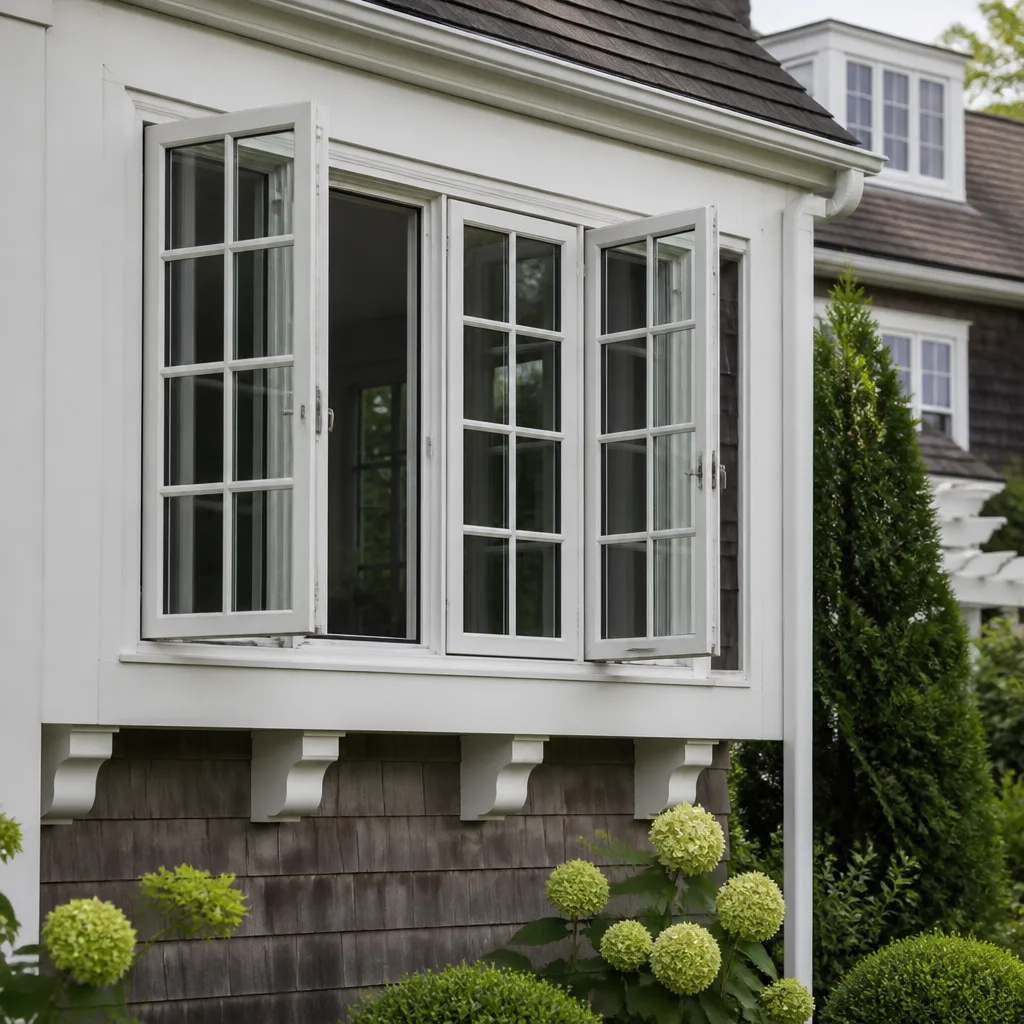
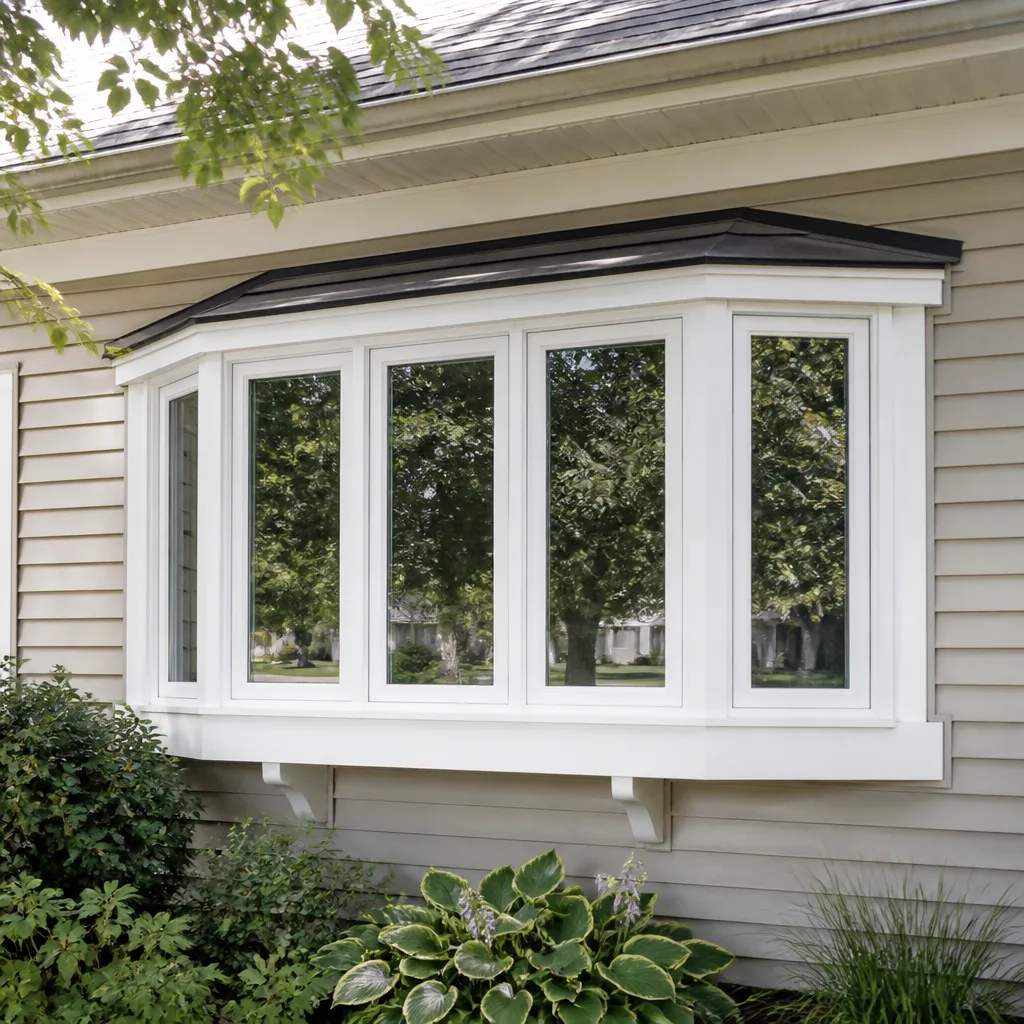
Sliding glass doors

Impact garage doorsPGTCGI
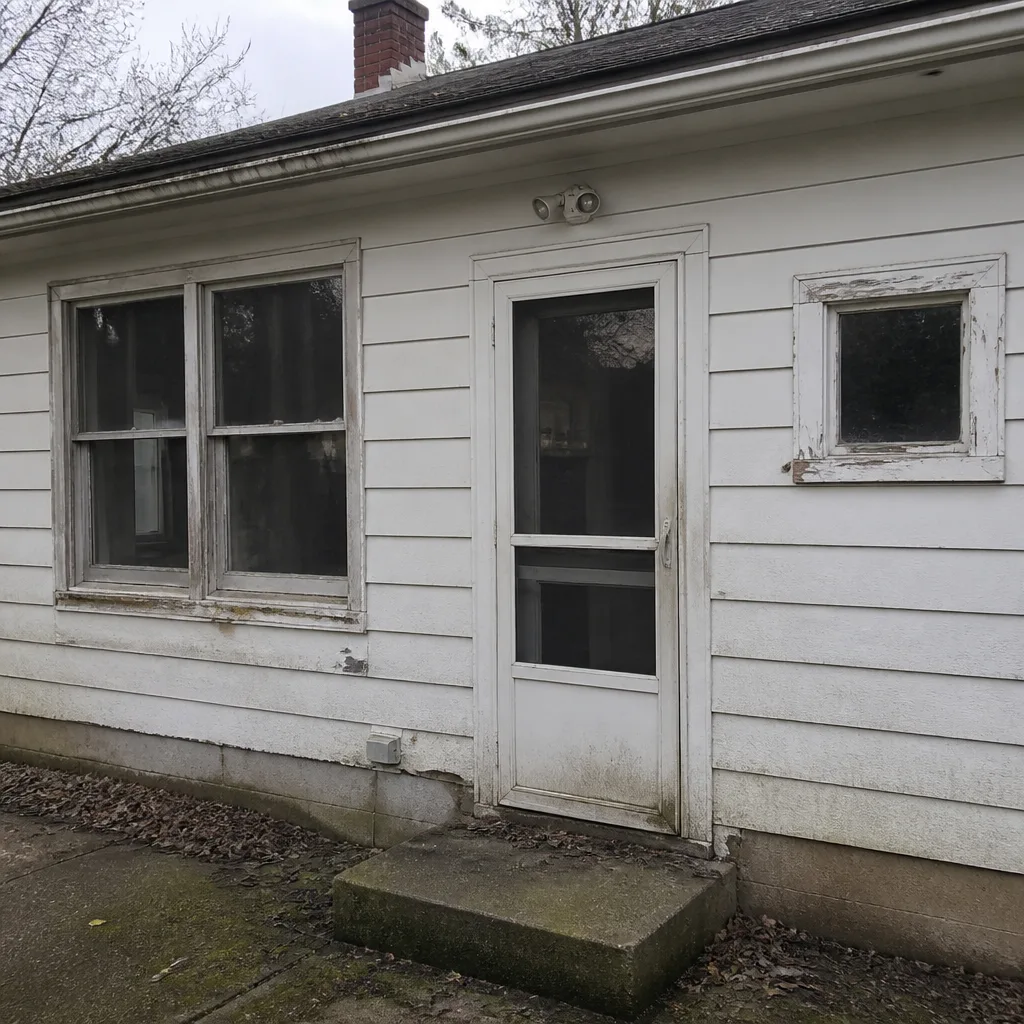 Before
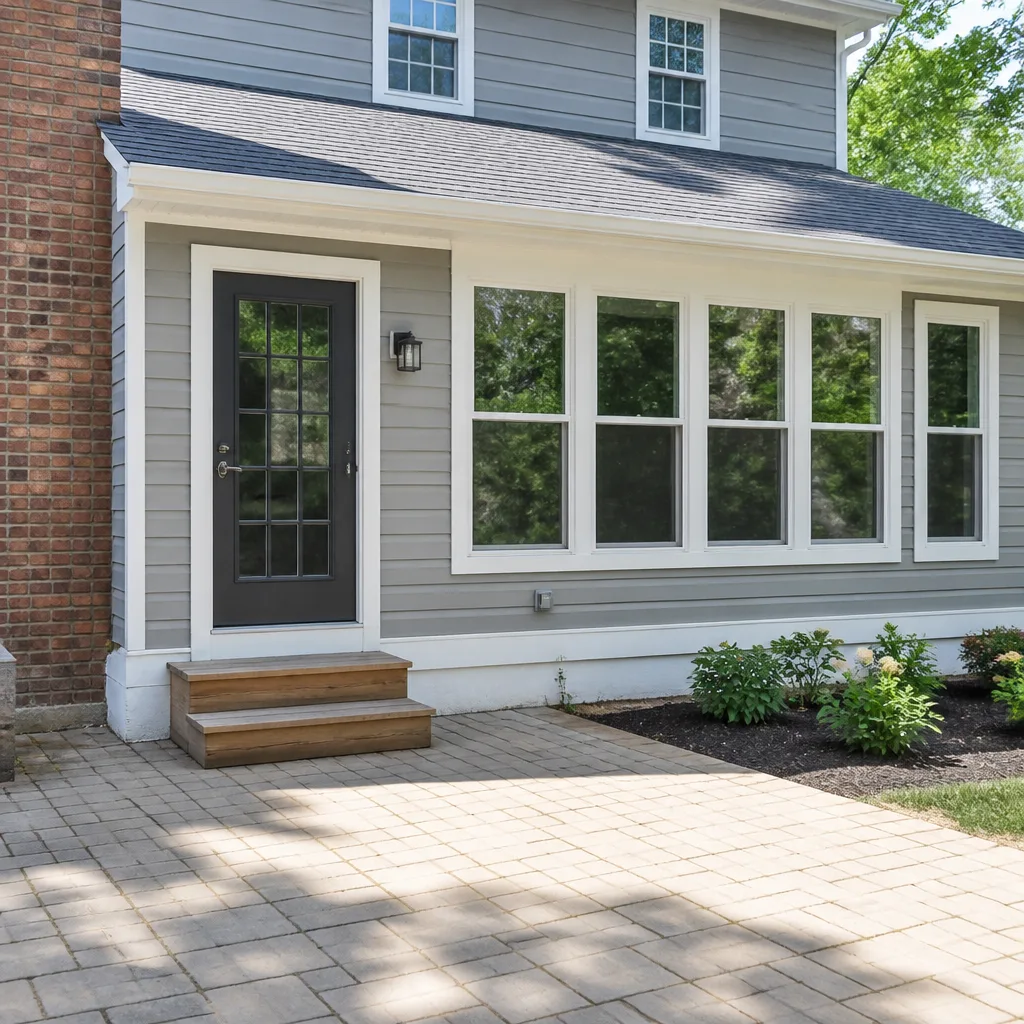 After
After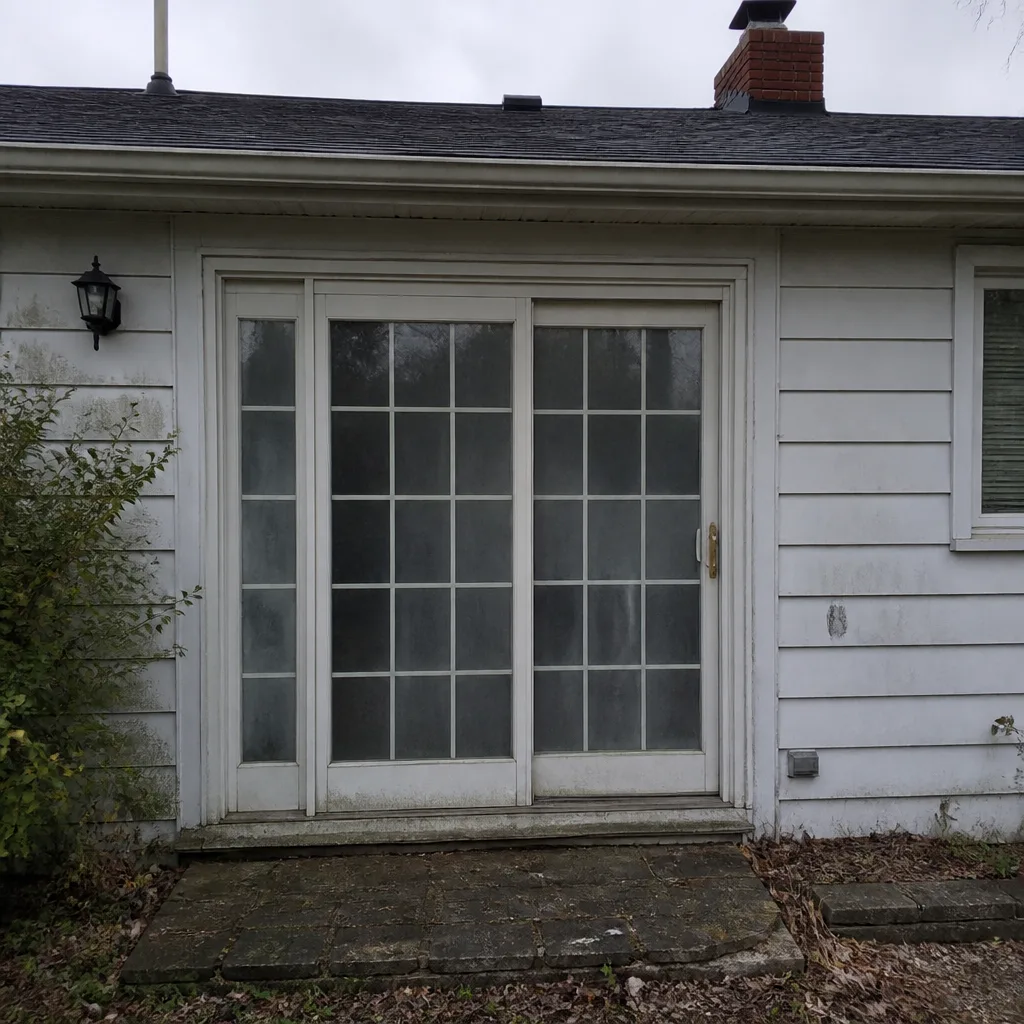 Before
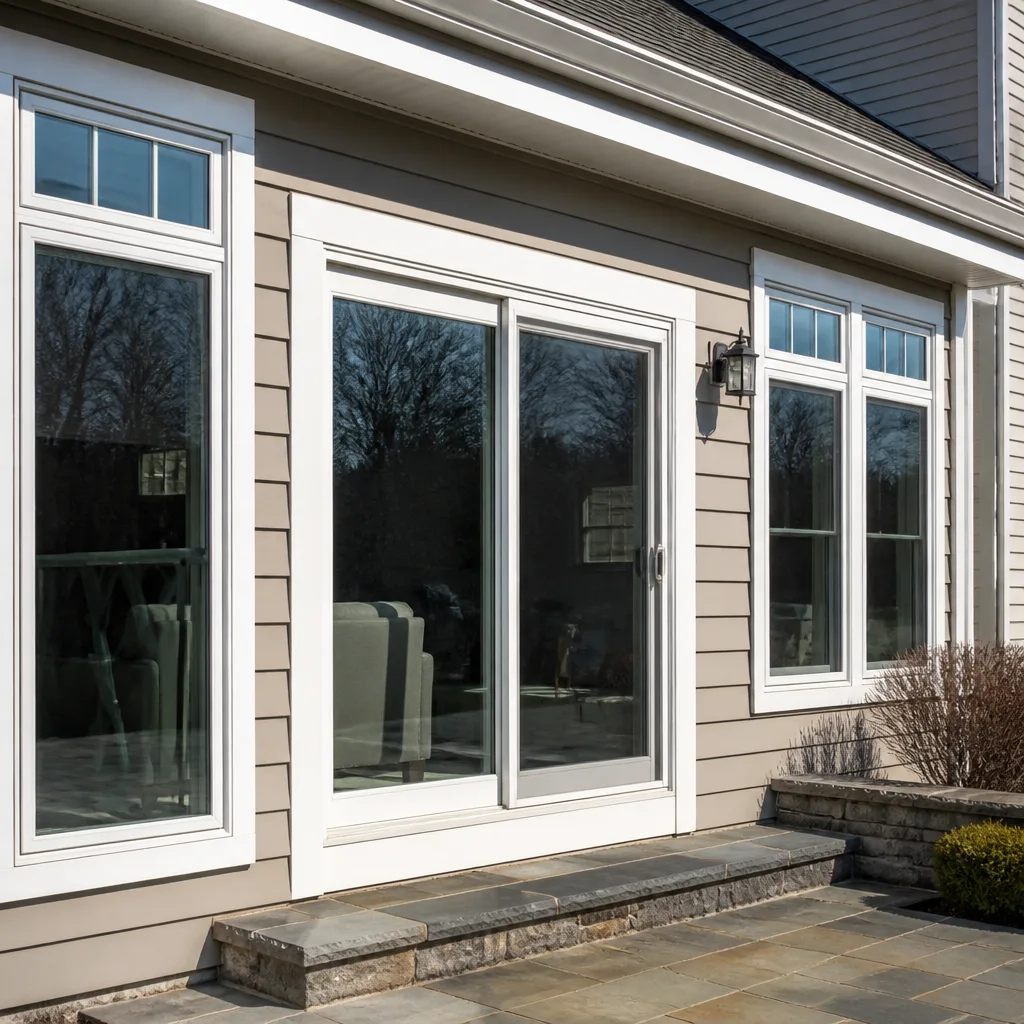 After
After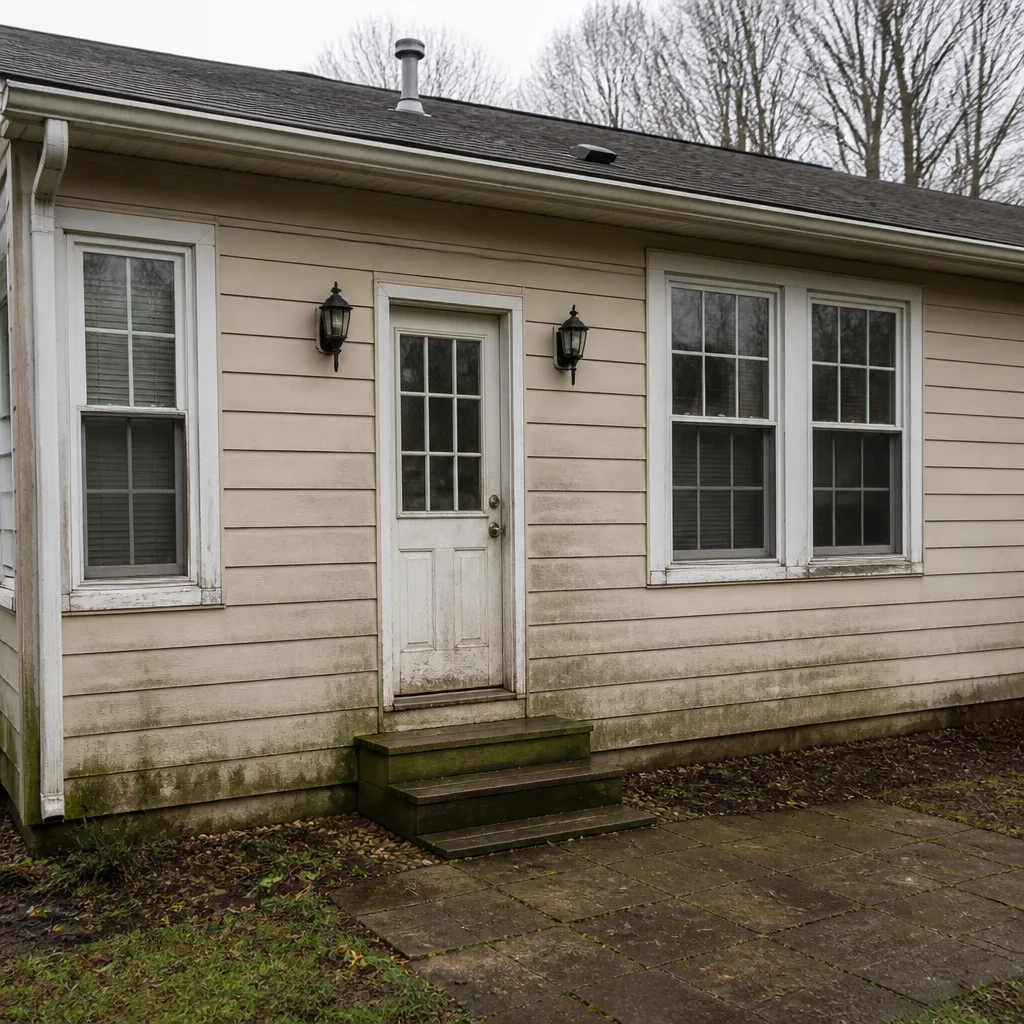 Before
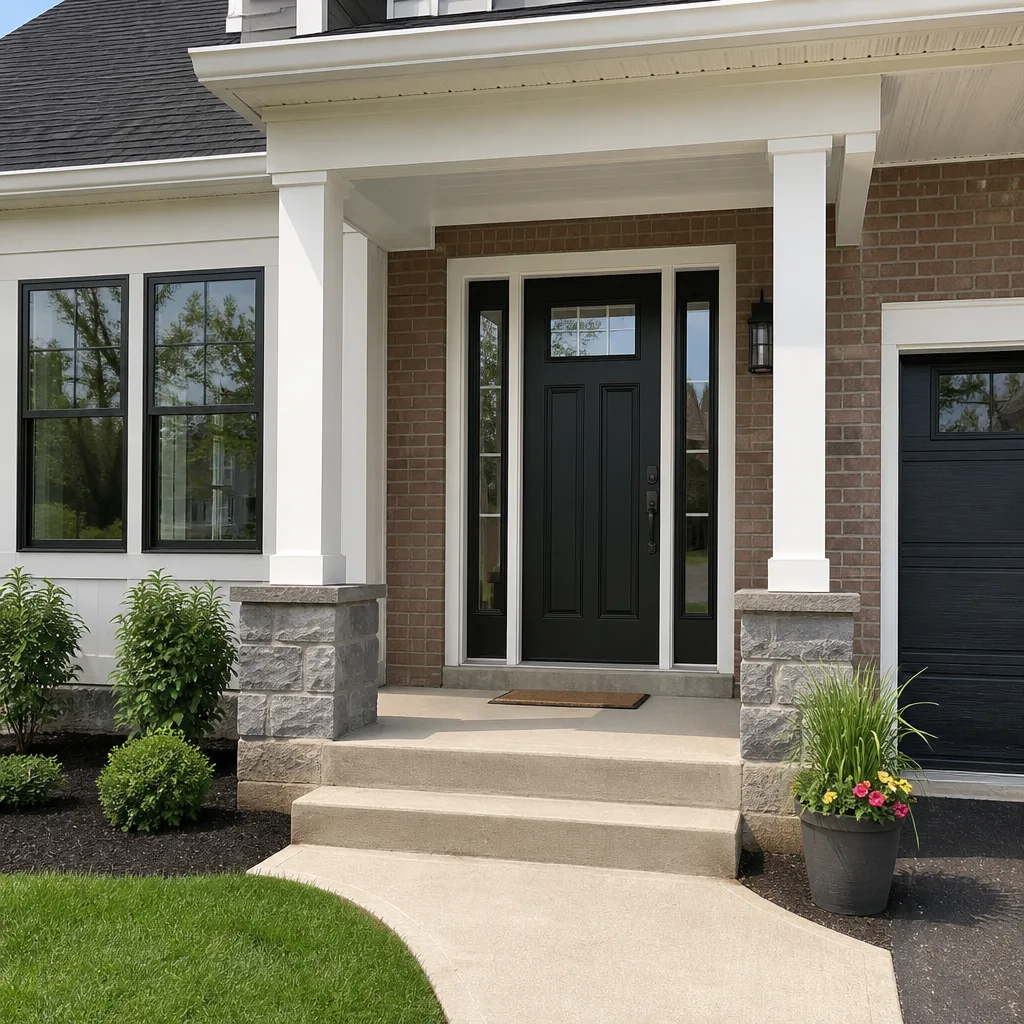 After
AfterDIY vs Professional Window Replacement: What’s Safe to Do Yourself
Most window manufacturer warranties contain a clause most homeowners never read until it’s too late: the warranty is valid only if the window was installed by a certified professional. A Columbus homeowner who saves $200 on labor by doing a full-frame replacement themselves may discover, two winters later, that the fogged glass and failed seal are theirs to pay for because the manufacturer considers the warranty void. This guide - and our broader resource on DIY vs Professional Windows & Doors: The Columbus Homeowner’s Decision Guide - walks through which window tasks a careful homeowner in Central Ohio can reasonably handle, which ones carry hidden structural risk, and how to tell the difference before the first screw comes out.
Quick Answer
Storm window installation, screen replacement, weatherstripping swaps, and hardware replacement are generally safe for a careful DIYer. Full-frame Window Replacement, retrofit inserts into damaged rough openings, and any job that involves removing the original window’s mounting flange or exterior flashing are better left to a certified installer, especially in Columbus where freeze-thaw cycles, humidity swings, and building code enforcement make mistakes expensive and hard to hide.
Table of Contents
- What Certified Installation Actually Means for Your Warranty
- What Is Genuinely Safe to DIY
- Why Full-Frame Replacement Is a Different Animal
- Permits and Inspections: The Chain of Liability in Ohio
- A Real Cost Comparison: DIY vs Professional
- The Tools and Skills a Full Replacement Actually Requires
- How to Verify a Contractor Meets the Warranty Standard
- Common Mistakes to Avoid
What Certified Installation Actually Means for Your Warranty
When a manufacturer says “certified installation,” they rarely mean a generic contractor’s license. They mean the installer has been trained and approved by that specific manufacturer to install that specific product line. Andersen, Pella, Marvin, and Milgard all operate installer certification programs, and each has its own set of rules about flashing methods, rough opening tolerances, shimming practices, and sealant types. A Columbus contractor who is certified by one manufacturer is not automatically certified by another.
Why does this matter for a DIYer? Because the warranty language is specific. A typical clause reads that the warranty is void if the unit “was not installed in accordance with the manufacturer’s written installation instructions and applicable building codes.” That sounds reasonable until you consider that a homeowner measuring an opening with a tape measure is not performing the same verification a certified installer performs with a laser level, a moisture meter, and a written record of the rough opening dimensions.
At TruePane Windows & Doors home, we register both manufacturer warranty layers in writing before the truck leaves the driveway. The durations are stated, the registration numbers are documented, and the homeowner receives a copy. That’s the difference between a warranty that exists on paper and one that can actually be claimed.
What Is Genuinely Safe to DIY
There are four window tasks we tell Columbus homeowners they can handle themselves without risking their warranty or their home’s weather envelope:
- Storm window installation: Seasonal storm windows that sit on the interior or exterior of existing sashes are designed for homeowner installation. They don’t alter the rough opening, don’t affect flashing, and can be removed without consequence.
- Screen replacement: Replacing a torn screen in a removable frame is a $15 job with a spline roller from the hardware store. It requires no structural changes and no interaction with the window’s water management system.
- Weatherstripping swap: Felt, foam, and V-strip weatherstripping on operable sashes wears out and is replaceable with basic tools. This is the highest-value DIY task per dollar spent, especially in Columbus where winter drafts show up as ice on the interior glass in older homes.
- Hardware replacement: Crank handles, locks, and sash lifts are mechanical parts that bolt on. If the window frame itself is sound, swapping hardware is safe and quick.
In our experience, these tasks account for perhaps 80% of what a homeowner perceives as “window repair.” What they don’t account for is water intrusion, which is where the real damage lives.
Why Full-Frame Replacement Is a Different Animal
A full-frame replacement removes the entire existing window: sash, frame, mounting flange, and all. What’s left is a hole in your house. The new window must be set into that hole and sealed in a way that manages water flowing down the wall. In Central Ohio, where every winter brings freeze-thaw cycles and every summer brings humidity that tests every seal, the margin for error is smaller than in drier climates.
The structural risks fall into three categories:
- The load path: Windows in load-bearing walls sit within a framed rough opening that transfers weight around the opening, not through the window. Adding or removing framing members changes that path. A homeowner who trims too much from a rough opening, or pads it incorrectly, has altered the structure of the wall.
- The flashing sequence: Flashing is installed in a specific order: sill pan, jamb flashing, head flashing, and exterior cladding integration. Each layer must overlap the one below it. If the sequence is wrong, water is directed into the wall instead of out of it. By the time the homeowner sees the stain, the framing has been rotting for months.
- The rough opening tolerance: Manufacturers specify a tolerance window for rough opening size relative to the unit. Too tight and the window binds; too loose and the shim gaps create thermal bridges that show up as condensation and ice. In older Columbus neighborhoods like Clintonville and Victorian Village, rough openings are rarely square, and the correction requires more than shims.
This is the work we do daily at Window Replacement in Parkway, and the difference between a window that closes smoothly in July and one that binds is usually decided in the first thirty minutes of measuring.
Permits and Inspections: The Chain of Liability in Ohio
Some Ohio jurisdictions require a permit for window replacement, particularly when the opening size changes or when the work is in a load-bearing wall. Columbus enforces building codes through its Department of Building and Zoning Services, and the rules change depending on whether the replacement is a like-for-like insert or a full-frame replacement that alters the opening.
Here’s what many homeowners don’t consider: when a homeowner pulls their own permit and the work fails inspection, the homeowner owns every consequence. They own the correction. They own the delay. They own the relationship with the inspector. When a licensed contractor pulls the permit and the work fails, the contractor owns it: the correction, the re-inspection, the cost. There’s a chain of liability, and the point of hiring a professional is partly to put your name somewhere other than on the permit.
A related point: unpermitted work discovered later, often during a home sale, creates a disclosure problem. In a Columbus housing market where buyers are paying close attention to window age and condition, a self-installed window replacement without a permit becomes a negotiation liability.
A Real Cost Comparison: DIY vs Professional
The honest cost of a full-frame replacement includes line items most DIY calculations miss entirely:
| Cost Category | DIY Estimate | Professional Install |
|---|---|---|
| Window unit (mid-range, single opening) | $250-$500 | $250-$500 (same unit, contractor pricing) |
| Tools: laser level, moisture meter, oscillating saw, shims, sealants, flashing materials | $150-$400 rental or purchase | Included |
| Disposal of old window | $25-$75 (transfer station fee) | Included |
| Labor (your hours × fair market rate) | 8-16 hours of your time | Included in install price |
| Warranty status | Voided by non-certified install | Both layers registered in writing |
| Permit and inspection | $75-$200, homeowner liability | $75-$200, contractor liability |
In Columbus, a professional insert replacement for a standard double-hung typically runs $600-$1,200 per opening, including the unit and labor. A full-frame replacement runs $1,200-$2,500 per opening. The DIY savings exist, but they shrink quickly when you factor tool cost, disposal, the value of your time, and the warranty you’re forfeiting. That last item is the one that costs the most and appears on no receipt.
The Tools and Skills a Full Replacement Actually Requires
A professional installation crew shows up with more than a caulking gun. Here’s what a full-frame replacement actually involves:
- Measurement verification: Two measurements of every rough opening, taken with a laser level and documented. The second measurement catches the mistake the first one misses.
- Rough opening correction: Removing drywall returns, adjusting framing where necessary, checking the sill for level and the jambs for plumb. This is structural work, not cosmetic work.
- Water management installation: Sill pan, flashing tape, and correct shim placement. The sequence matters and is different for every manufacturer line.
- Unit setting and squaring: The window must be shimmed so the sashes operate correctly and the frame doesn’t rack under load.
- Exterior cladding integration: The exterior face must tie into the existing siding or brick without creating a water trap. In Columbus brick houses, this often means working with masonry and sealants that behave differently in freezing temperatures.
- Interior trim and seal: Insulation in the gaps, trim replacement, and an interior seal that accounts for seasonal movement.
Most homeowners have the patience for step one. Few are prepared for step three, and step five is where we see the most expensive self-install failures, usually when the first Columbus winter arrives.
How to Verify a Contractor Meets the Warranty Standard
A homeowner in Columbus researching window contractors should ask three questions. The answers reveal more than any review count:
- “Are you a certified installer for this specific manufacturer?” The answer should name the manufacturer, not just the product category. Ask for the certification in writing.
- “Will you register the warranty in writing and provide the registration numbers before you leave?” If the answer is vague, walk away. At Window Installation in Parkway, every job includes both manufacturer warranty layers registered in writing, durations stated, before the truck leaves the driveway.
- “What does your own workmanship warranty cover, and for how long?” The manufacturer covers the product. The installer covers the installation. If the installer offers no written workmanship warranty, the homeowner is trusting the install to luck.
TruePane has been an Door Installation in Parkway contractor and window installer in Columbus since 2008, and our Done Right Promise means that if something isn’t done right, we make it right. No paperwork fights, no arguing, no fine print that covers neither. That promise is on paper, and it’s the baseline for every callback.
Common Mistakes to Avoid
- Assuming the warranty covers the install: Most cover the product only, and only when installed by a certified professional. A self-install voids both.
- Skipping the permit: Columbus and surrounding jurisdictions enforce permit requirements on window work. Unpermitted work creates problems at resale and at the first failed inspection.
- Using spray foam as a structural filler: The wrong foam expansion can bow the window frame and bind the sash. The right material, used at the right bead size, matters.
- Reusing old flashing: Flashing is not reusable. Once removed, it must be replaced with new material installed in the correct sequence. Reused flashing fails quietly.
- Assuming the rough opening is square: In Columbus neighborhoods with houses built before 1960, it rarely is. Correcting that without a professional leads to a window that operates well in one season and binds in another.
- Measuring once: The old carpenter’s rule exists because the second measurement is the one that catches the mistake. Professional installers measure every opening twice, on record.
- Buying the cheapest unit and expecting premium performance: A $180 window from a big-box store is built to a price point, not to a performance standard. It will fail sooner, and the DIY installer owns the replacement entirely.
When to Call a Professional
Call a professional if you’re removing the original window’s mounting flange. Call a professional if the rough opening is damaged, rotted, or out of square. Call a professional if the window sits in a load-bearing wall. Call a professional if the manufacturer requires certified installation for warranty validity, which most do. And call a professional if you’ve already attempted a fix and the window still fogs, binds, or leaks - our Door Installation Maintenance Schedule: What to Do and When offers similar guidance for entry systems. TruePane Windows & Doors offers free estimates in Columbus - call (888) 635-0804 and a live person will answer, 24 hours a day, 7 days a week.
Frequently Asked Questions
Yes, homeowners may perform their own window replacement in Columbus, but the work must still meet building code and pass inspection where a permit is required. Legal is not the same as advisable when the work involves structural openings or manufacturer warranty requirements.
Professional insert replacement in Columbus typically costs $600-$1,200 per standard opening, while full-frame replacement runs $1,200-$2,500 per opening depending on size, material, and condition of the rough opening. Call (888) 635-0804 for a written, line-item quote for your specific openings.
In most cases, yes. Major manufacturers like Andersen, Pella, and Marvin require certified installation as a condition of warranty validity, and a self-installed unit typically voids both the product warranty and any glass seal coverage.
Storm window installation, screen replacement, weatherstripping swaps, and hardware replacement are all safe for a careful homeowner because they don’t alter the rough opening, flashing, or load path. These tasks account for most routine window maintenance.
Most single-opening replacements are completed in one day. Full-home replacements may take two to four days depending on the number of openings and the condition of the existing frames.
Yes. TruePane offers free, no-hassle estimates with upfront pricing and written, side-by-side quotes from multiple manufacturer lines so you can see exactly what you’re buying. Call (888) 635-0804.
The Bottom Line
The question isn’t whether you can replace a window. It’s whether you can replace it so it holds through a Columbus winter, keeps its warranty, and doesn’t cost more to fix than it saved. Storm windows, screens, weatherstripping, and hardware? Do them this weekend. Full-frame replacement into a load-bearing wall with flashing and permits on the line? Call someone who does it every day and who will still be in town when you need them. The savings from a DIY install evaporate fast when the warranty is void and the first freeze finds the gap in your flashing. For additional help, see our more guides & resources.
Written by Dale Kessler, Owner at TruePane Windows & Doors, serving Columbus since 2008.