
Last updated August 27, 2026
Free in-home measure and quote - PGT, CGI and CWS impact lines compared on your actual openings, style by style
Sliding glass doors
Impact garage doorsPGTCGI
 Before
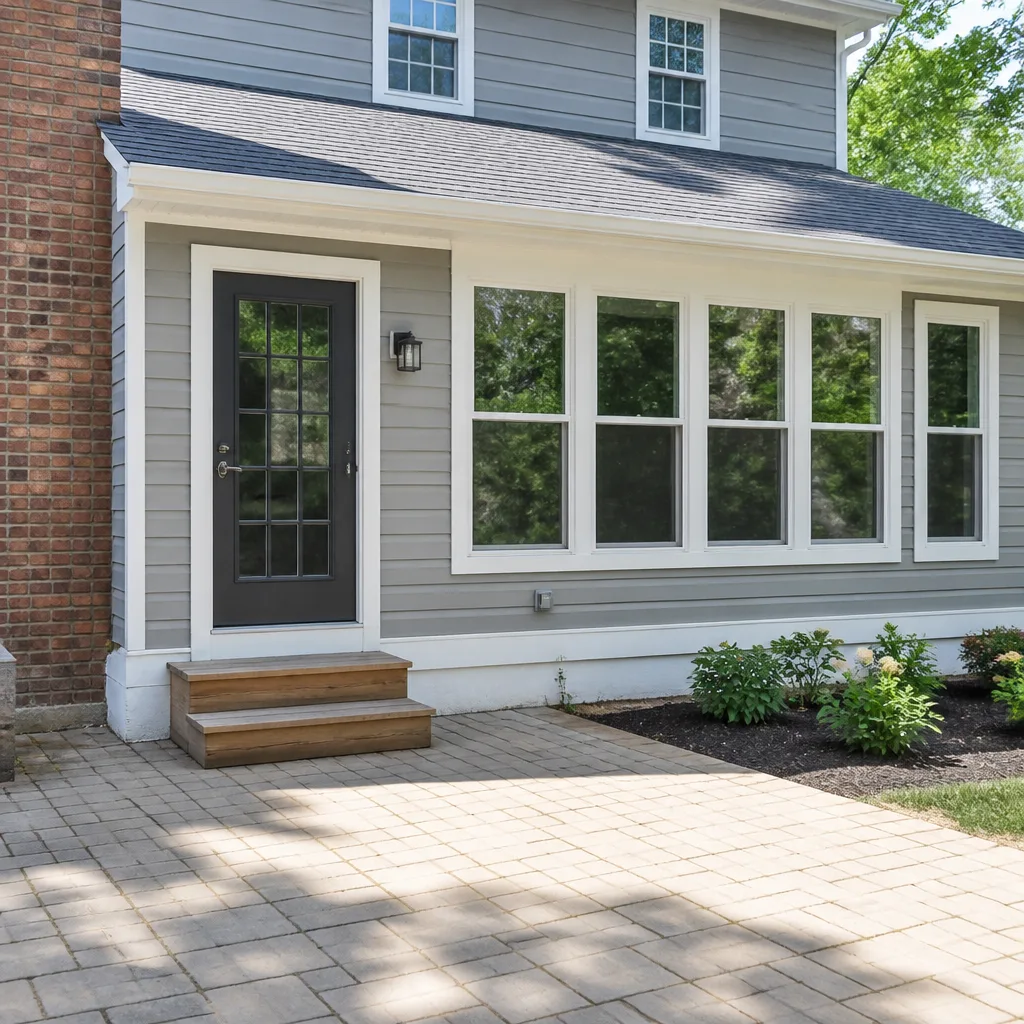 After
After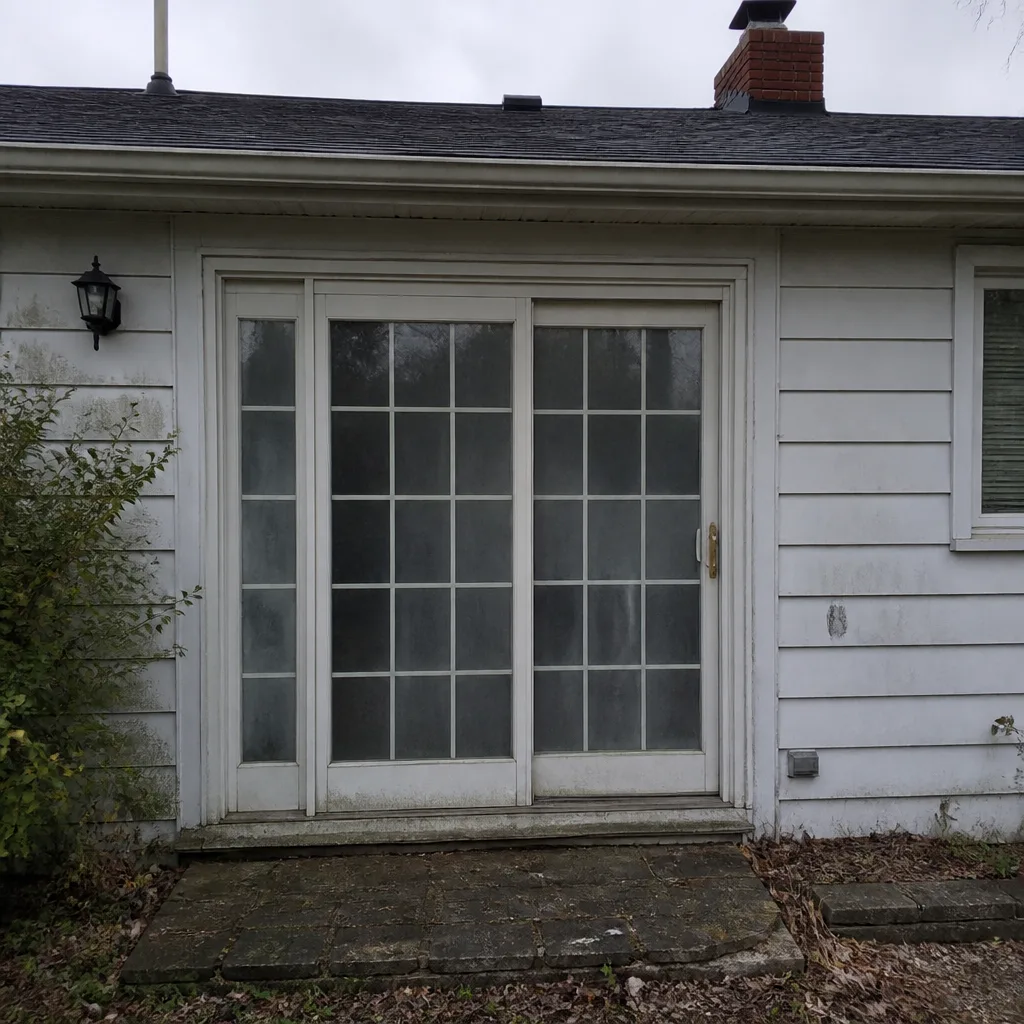 Before
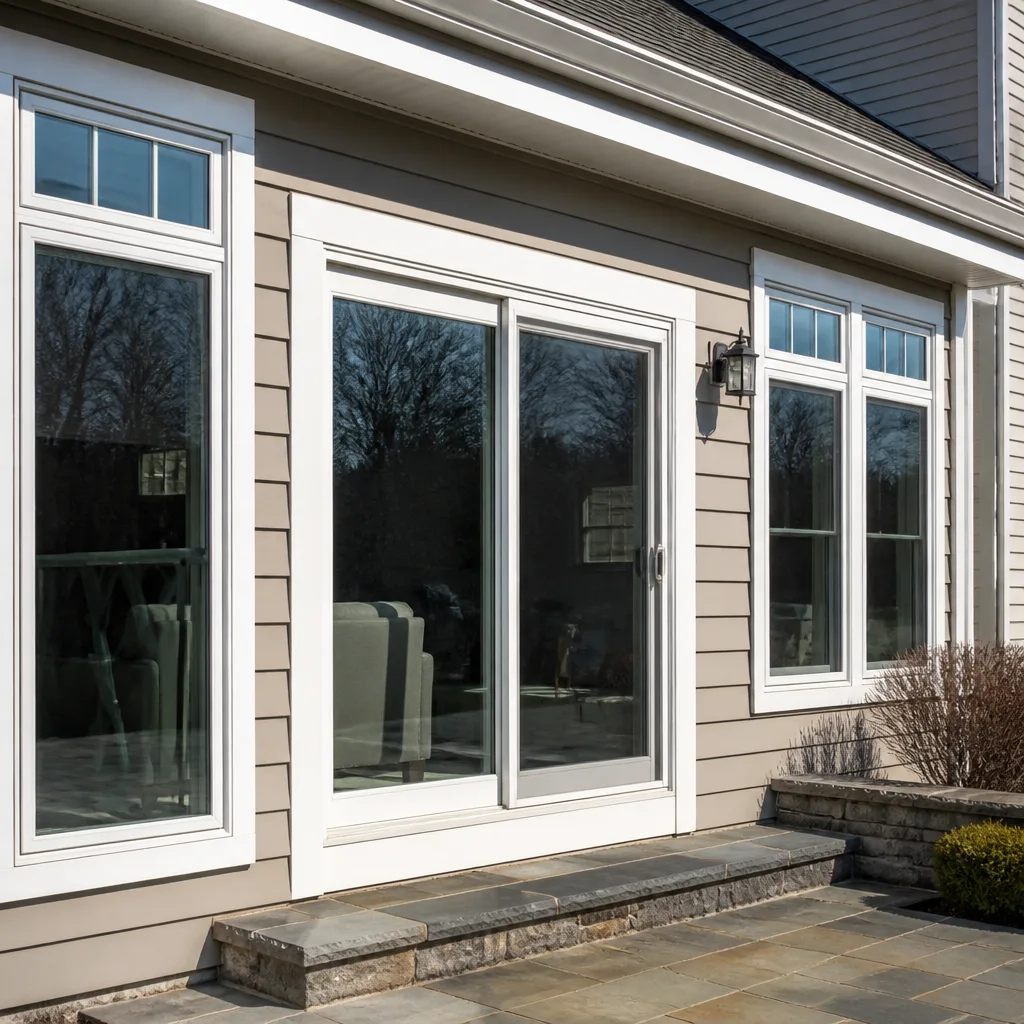 After
After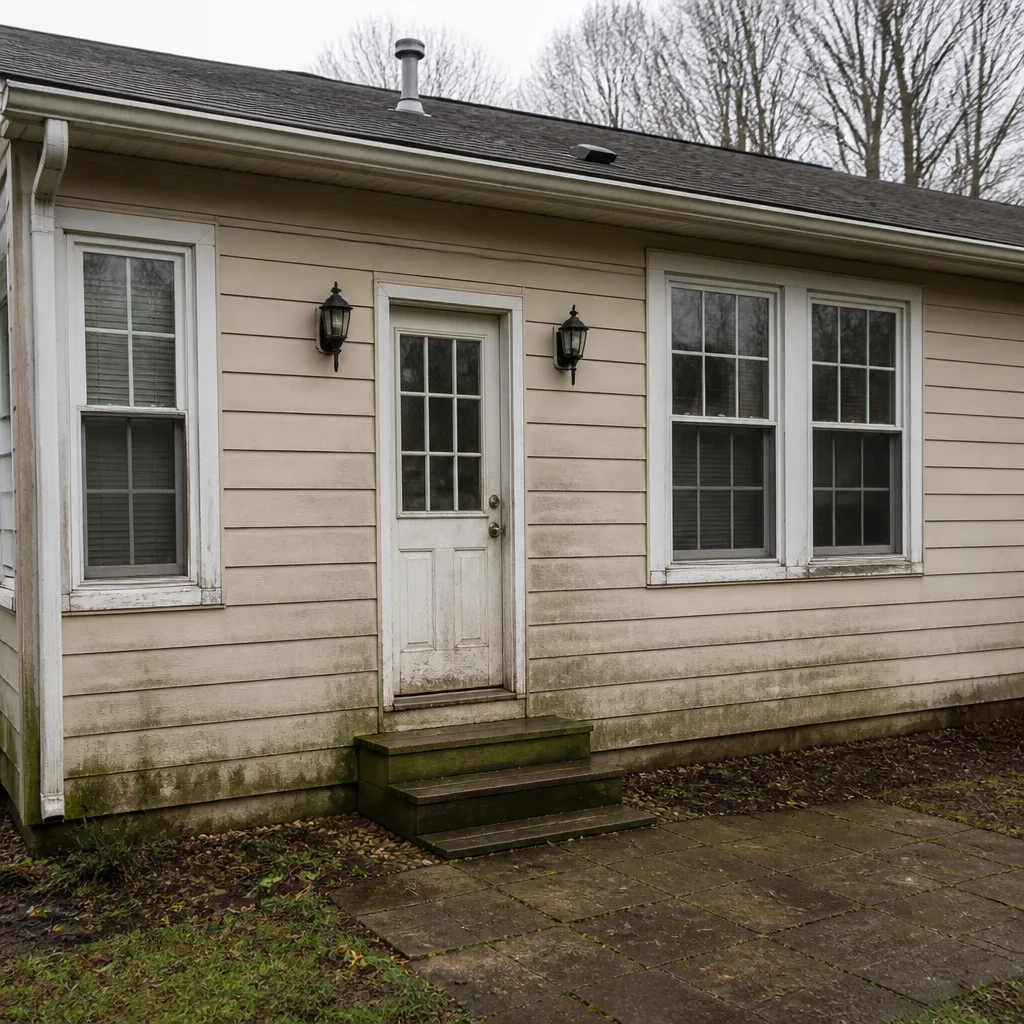 Before
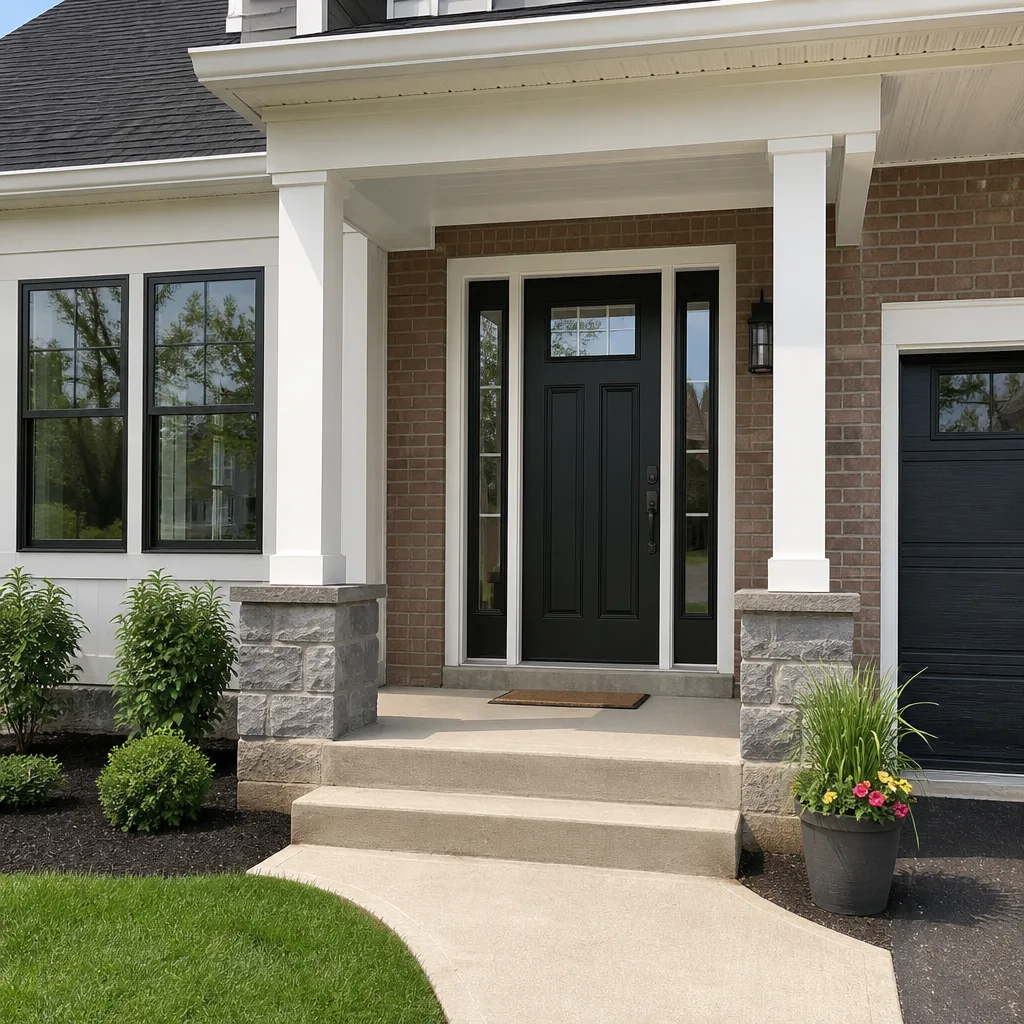 After
AfterHow Long Does Window Installation Take? Timelines and What to Expect
When a homeowner asks How Long Does Window Replacement Take? Timelines and What to Expect and gets the answer “a few hours per window,” they have been given accurate information about the least important part of the timeline. The part that determines whether you have a functioning, warrantied window in six weeks or fourteen starts with how the measurement appointment is handled. In Columbus, where freeze-thaw cycles punish a bad seal within a single season, homeowners who have lived in their houses for twenty or more years already know the difference between a crew that rushes and one that sets a pane true. This guide separates fabrication lead time from installation day from the cure and settling period that follows, because those are three different clocks, and only one of them runs while a crew is standing in your house.
Quick Answer
Window installation day in Columbus typically takes 45 to 90 minutes per window for a standard replacement, or several hours per window for full-frame tear-outs. But the full project timeline, from measurement to a fully cured and warrantied window, runs 4 to 10 weeks for most residential jobs. The single biggest variable is not the install crew. It is what happens at the measurement appointment.
Table of Contents
- The Real Timeline: From Measurement to Done
- Why the Measurement Appointment Controls the Whole Clock
- Fabrication Lead Time: The Waiting Game No One Warns You About
- Installation Day: What Actually Happens, Hour by Hour
- The Cure Period: When the Window Is Not Done Yet
- Legitimate Reasons the Timeline Extends
- How to Read a Contractor’s Per-Window Time Estimate
- When Is a Window Actually “Done”?
- Common Mistakes to Avoid
- When to Call a Professional
- Frequently Asked Questions
- The Bottom Line
The Real Timeline: From Measurement to Done
Most Columbus homeowners picture installation day when they ask about window timelines. The crew shows up, old window comes out, new window goes in, trim goes back on, and everyone leaves. That is a four-hour picture, and it is not wrong. It is just incomplete. We have installed and replaced windows in Columbus since 2008 through a heritage of craft and community commitment, and we have never had a homeowner call us upset because the Window Installation services day ran long. The calls come about the gap between signing the order and the date the unit actually arrives, because no one told them that custom windows are not sitting on a shelf in Columbus waiting for a truck.
Here is the honest sequence. A proper window project runs through five phases: measurement and order confirmation, fabrication at the manufacturer, delivery inspection at the local distributor or our shop, scheduling and installation day, and the sealant cure period. Each phase has a floor. None can be skipped without consequences that show up later as a fogged seal or a sash that binds in July.
Key Takeaways:
- Measurement to order confirmation: 1 to 3 days, assuming a thorough appointment
- Fabrication lead time: 2 to 8 weeks depending on the manufacturer line, frame material, and custom sizing
- Delivery inspection: 1 day before scheduling, sometimes longer if a unit needs to be reordered
- Installation day: 45 to 90 minutes per standard replacement window, 2 to 4 hours per full-frame unit
- Cure and settling period: 24 to 72 hours for sealant, plus a 5 to 10 day window before the unit should be tested under weather
If you are comparing quotes, ask the contractor to put the full sequence in writing with dates for each phase. We do that as a matter of course on every job for our Window Installation in Parkway neighbors and throughout the Columbus area. Most will not offer it unprompted.
Why the Measurement Appointment Controls the Whole Clock
A proper measurement on a standard double-hung takes 30 to 45 minutes per opening. A rushed measurement takes 10. The difference is not the 20 minutes you “save.” The difference is whether the window that comes back from the manufacturer fits the rough opening the first time. When it does not, the project does not get delayed by a day. It gets delayed by the full fabrication cycle for the reordered unit, which in Columbus can run six to eight weeks for mid-range lines at certain points in the year.
What a proper measurement captures that a rushed one misses:
- The rough opening width and height at three points, top, middle, and bottom, because studs are rarely square
- The depth of the jamb, which determines which replacement unit will sit flush without cutting into trim
- Out-of-square condition, especially in Columbus homes built in the 1950s through the 1980s where settling has moved every opening a fraction of an inch
- The interior and exterior trim profile, because full-frame replacement changes the trim plan
- Water damage around the existing frame, which often only shows up once a unit is pulled and which changes the scope
Dale Kessler founded TruePane in 2008 on a principle that out-of-true installs and voided warranties were problems worth fixing permanently. The measurement appointment is where that principle starts. Our technicians measure every opening twice and write the numbers on the order sheet in ink before they leave the driveway. That step is the rate-limiting step for the entire project, and it is the step most often skipped when a company is trying to get through a quote fast.
What extends this phase is not the measuring itself. It is what the measuring reveals. If the rough opening shows rot, the framing repair has to happen before the new unit can be ordered, because the new unit’s sizing depends on what the repaired opening will actually be. In Columbus, houses near the Scioto River corridors and older sections of Clintonville see more sill rot than newer construction on the north and east sides, and discovering it at the measurement appointment is the difference between ordering once and ordering twice.
Fabrication Lead Time: The Waiting Game No One Warns You About
Once the order is confirmed, the clock moves to the manufacturer’s plant, not to the installer’s van. This is the phase homeowners have the least visibility into and the most frustration about, because it looks like nothing is happening. In fact, your windows have not been built yet. They are in a production queue alongside orders from every other dealer in Ohio, Michigan, and the surrounding region, and the lead time depends on three things: frame material, unit complexity, and the manufacturer’s backlog.
Typical fabrication windows in our experience serving Columbus:
- Standard vinyl replacement windows from production builders: 2 to 4 weeks
- Wood-clad windows from Andersen or Marvin: 4 to 8 weeks
- Fiberglass and composite lines: 3 to 6 weeks
- Custom sizes, unusual shapes, or impact-rated units from PGT or CGI: 6 to 10 weeks
- Large sliding patio doors and multi-panel doors: 6 to 8 weeks, often longer if the door is custom width
We see homeowners in Columbus under-estimate this phase by half, every season. The salesperson who says “should be about three weeks” has not actually checked the production queue. The better contractor tells you the date the order was confirmed with the manufacturer, and then tells you the manufacturer’s current lead time as of that week, in writing. That is part of The Keystone Standard: both manufacturer warranty layers registered in writing, durations stated, and order confirmation documented before the truck leaves the driveway. If a company will not put the order date and the lead time on paper, the timeline is not real.
Authorized installer status matters here too. TruePane is an authorized installer for more than a dozen manufacturer lines including, and that changes the production scheduling conversation. Going direct through a manufacturer’s authorized channel puts your order in a different queue than going through a third-party broker who is buying at distributor pricing and does not control production dates. In practice, that means we can tell you in the first week whether your Pella units are on track for six weeks or nine, and we can call someone at the factory who will actually pick up the phone.
Installation Day: What Actually Happens, Hour by Hour
Installation day is the shortest phase of the project, and it is the phase most Columbus homeowners over-plan for. You do not need to take a week off work. For a standard replacement job of 6 to 8 windows, most crews will be in and out in a single day, and the pace is not the point. The quality of the install is the point.
What a standard replacement looks like on the day:
- Prep and floor protection, 15 to 30 minutes. Drop cloths go down. Furniture gets moved back from each opening. The crew confirms the order sheet against the labeled units on the truck and walks the house with you once.
- Removal of the existing sash and interior stops, 20 to 30 minutes per window. For an insert replacement, the existing frame stays in place. The old sashes, balance hardware, and stops come out.
- Rough opening inspection, 10 to 15 minutes per window. This is the moment where the measurement appointment earns its keep. If rot or moisture damage shows up under the stops, the crew stops and calls the lead. Better to address it now than to install a unit over a compromised frame and find the leak next spring.
- Insulation, shimming, and setting, 15 to 25 minutes per window. The unit goes into the opening, gets shimmed level and plumb, anchored, and sealed around the perimeter with low-expansion foam.
- Interior trim replacement and caulking, 15 to 20 minutes per window. Stops go back on, the interior gets a clean caulk line, and the exterior gets a weatherproof seal.
- Cleanup and the calibration walkthrough, 20 to 30 minutes total. Every opener gets opened and closed. Every lock gets tested. Hardware gets adjusted until the sash seats squarely.
That last step is the one most crews skip because they are already at the next job. We do not skip it. The founding rule at TruePane is if the pane is not true, the job is not done, and the calibration walkthrough is the moment we verify that rule against every opening in your house.
Full-frame replacement takes longer because the entire existing frame, including the exterior trim work, comes out and gets rebuilt. Expect 2 to 4 hours per unit, plus the time for exterior finish work if stucco or siding needs to be cut back and patched. For a Columbus house with brick veneer on the first floor, full-frame replacement also means matching the sill line to the existing mortar joints, which is slower and requires more care than a nail-fin install on a new construction wall.
The Cure Period: When the Window Is Not Done Yet
Here is the part of the timeline that almost no one tells Columbus homeowners. The day the crew leaves is not the day the window is done. Sealants used around the exterior perimeter and at the frame-to-opening joint have a cure window. Low-modulus silicone and urethane sealants used in residential window installation are typically tack-free within a few hours, but they do not reach full adhesion and water resistance for 24 to 72 hours depending on temperature and humidity. In Columbus, a November installation means the sealant cures slower than a July installation, because cure time is temperature-dependent.
What that means for you practically:
- Do not pressure-wash, hose down, or test a new window with a garden hose for 48 to 72 hours after installation
- Do not open and slam a new window repeatedly on day one. The hardware is set, but the unit is still settling into the shim points
- Wait for the first real rain to verify there is no weep or sill leak, then check the interior stool and the wall below for moisture
- If the window feels stiff to operate after a week, that is not normal settling. That is a sign the unit was over-shimmed or the jamb liner is pinching, and it should be called in immediately
From a glazier’s standpoint, “done” means the sealant has cured, the unit has been through its first weather event without compromise, and the hardware has been calibrated once more after settling. Most installers count done the moment the truck pulls out of the driveway. That is the difference between a warranty that lives in a drawer and a warranty that actually covers you when the seal fails in year three. We register both manufacturer warranty layers in writing before we leave, and we come back to verify the cure and calibration if anything does not feel right. That is our Done Right Promise, and it covers exactly this gap between “installed” and “done.”
Legitimate Reasons the Timeline Extends
Not every delay is a contractor failing you. Some conditions legitimately move a project out by days or weeks, and a straight-shooting company will tell you about them at the quote stage rather than after the order is placed. In Columbus, four conditions account for most legitimate timeline extensions:
- Stucco and exterior finish repair. Full-frame replacement on a stucco house means cutting back the stucco around the opening, which exposes the drainage plane and the flashing detail. That work gets patched and re-textured after the window is set, and stucco has its own cure time. In Columbus neighborhoods with 1970s stucco construction, this can add 2 to 4 days to the exterior portion of the job.
- Deteriorated framing discovered at removal. This is the one that no measurement can fully predict. The interior of the rough opening may look sound at the measurement appointment and reveal rot at the sill or jamb once the old unit is out. In houses near the Olentangy and Scioto, where humidity runs high and drainage has been poor, we see more of this in older single-hung openings than anywhere else. Remediation can add a half-day to a multi-day stop.
- Special-order unit production. Custom sizes, impact-rated glass, specific grid patterns, and unusual frame colors do not run on the standard production line. They are scheduled in smaller batches. If your Columbus house has a picture window from the 1960s that measures 83 inches by 59 inches, you are not buying a stock unit, and the factory lead time reflects that.
- Permit and inspection scheduling. Window replacement in Columbus does not always require a permit, but when it does, for structural work, egress changes, or exterior renovation on a historic property, the timeline includes the city or county inspection schedule. That is outside the contractor’s control, and any company that promises a specific date before the inspection is scheduled is guessing.
We tell our Columbus customers this at the quote stage, not when a delay is already five days old. That is what a square deal looks like. If a contractor cannot tell you which phase your project is in when you call, that is not a scheduling problem. That is a communication problem, and it will not improve once the deposit is paid.
How to Read a Contractor’s Per-Window Time Estimate
The single most useful question you can ask a Columbus window contractor is not “how long will the whole job take.” It is “how much time do you allocate per opening on installation day, and what happens if the opening needs repair.” The answer tells you more about their process than any review count does.
Here is how to interpret the number:
- Under 45 minutes per unit for a standard replacement: That number only works if every opening is square, every frame is dry, and every unit fits the first time. That is not a real house. That is a new construction house, and even then. In Columbus renovation work, especially in the 1940s and 1950s housing stock, under 45 minutes per unit means the crew is not doing the opening inspection or the sealant work properly.
- 45 to 90 minutes per unit for standard replacement: That is the honest range for insert replacement in an existing house. It covers removal, opening inspection, shimming, setting, sealing, and trim replacement. TruePane plans for this range on every Columbus job, and we finish most standard replacements in a single visit.
- 2 to 4 hours per unit for full-frame: That is realistic. Full-frame means rebuilding the opening, not just swapping the sash line. Anyone quoting full-frame at under 90 minutes per opening is not doing full-frame. They are doing insert and calling it something else.
- Over 4 hours per unit consistently: That is either a crew compensating for lack of experience, or a very difficult exterior condition, or both. Ask which. The answer will tell you whether you are paying for skill or paying for a learning curve.
There is a pattern in Columbus specifically. Houses in German Village and Victorian Village run into more structural surprises at the opening than houses in Grove City or Westerville, because the framing is older and the exteriors were built to different standards. A per-window estimate that does not account for the neighborhood is a generic number, not a plan.
A note on scope. The Door Installation in Parkway side of TruePane sees the same timeline principles apply to entry and patio doors. A door opening is a larger, load-bearing opening than a window opening, and the per-unit time reflects it. Sliding door and French door installations run 3 to 5 hours per unit even in ideal conditions, and full tear-outs extend further when the threshold shows rot. Do not let a contractor quote you a door timeline that is faster than a window timeline. If it sounds too quick, it is because steps are being skipped.
When Is a Window Actually “Done”?
Homeowners define done one way. The new window is in, the old window is gone, and the trim looks right. Glaziers define done another way. The sealant is cured, the unit has been through a weather event without compromise, the hardware is calibrated, and the warranty paperwork is registered. Both definitions matter, but only one protects you.
From a glazier’s standpoint, a window is done when:
- The sash seats squarely in the frame at all four corners, with no light gap and no binding
- The lock and balance hardware operates smoothly in both directions
- The exterior seal is continuous around the full perimeter, with no gaps, cracks, or voids
- The interior seal is clean and back-sealed to the jamb, not just caulked on the face
- The weep system drains correctly, and the drain holes are not blocked by shims or foam
- Both manufacturer warranty layers are registered in writing, with durations stated, and the registration confirmation is documented
Every one of those steps has a failure mode. We have been called to Columbus homes where a window installed by another company six months earlier had a sash that would not lock in January because the frame was never squared. The homeowner thought the window was done. The window was in. It was not done.
TruePane’s Done Right Promise exists for exactly this gap. If the window is not done right, we make it right, no paperwork, no arguing, no fine print that covers neither. The panel is true, the workmanship is guaranteed, and we will still be in Columbus in thirty years, answering the phone when you call.
If you are planning a Window Replacement in Parkway or anywhere in the Columbus area, the timeline question is worth asking precisely, and the per-phase answer is worth getting in writing. That is the difference between a window that fits and one that fights you every season.
Common Mistakes to Avoid
- Believing the installation-day estimate is the project timeline. A contractor who says “install takes about four hours per window” has given you the smallest number in the sequence, not the total. The fabrication lead time and the measurement appointment are where the real weeks live.
- Accepting a rushed measurement. Ten minutes per opening is not enough for a house that has been settling for fifty years. Ask the contractor how many points they measure per opening and whether they flag out-of-square on the sheet. If the answer is vague, the measurement is vague.
- Not asking about the production queue before signing. Lead times for Andersen, Pella, and Marvin fluctuate by season. A contractor should confirm the current lead time at the order date, in writing, not quote the number from six months ago. Columbus homeowners who order in the fall should expect longer lead times than those who order in the spring.
- Testing the window with a hose on day one. The sealant is not cured yet. A hose test on the first day can compromise the bond and create exactly the leak you are checking for. Wait 48 to 72 hours, then let the first real rain do the testing.
- Ignoring a stiff opener after the first week. A new window that binds after settling is not a nuisance. It is a sign of over-shimming or jamb pinch, and it will only get worse as the house moves through freeze-thaw cycles. Call it in during the first month while the workmanship warranty is actively on paper, not after the first hard winter.
- Not registering both warranty layers. Some installers hand you a warranty card and call it done. Registration is the step that matters. TruePane registers both manufacturer warranty layers in writing, with durations stated, before the truck leaves the driveway. If your installer cannot confirm this in writing, assume the warranty is not fully live.
- Choosing a bid over a plan. A timeline is not a number. It is a sequence with dates and dependencies. No-hassle upfront pricing and a written phase plan beat a verbal estimate every time, especially when the project runs long and you need to know exactly where things stand.
When to Call a Professional
Some timeline questions answer themselves. If you have a single cracked pane in a wooden sash from the 1970s, the repair is a one-visit job and the timeline is short. But if you are looking at multiple openings, a full-frame replacement on an older Columbus house, or any unit that must meet impact, code, or historic-district requirements, the project goes through every phase in this guide, and the phases need to be managed by someone who has managed them before. You should call a professional for a project plan, not just a quote, any time the scope includes more than two openings, any full-frame work, rot remediation at the sill, or warranty registration requirements you want documented. TruePane Windows & Doors offers free estimates in Columbus. Call (888) 635-0804 and ask for the phase-by-phase timeline in writing, not just the per-window number. A live person will answer.
Frequently Asked Questions
A standard replacement window in a Columbus home takes 45 to 90 minutes to install once the crew is on site, including removal of the old sash, opening inspection, setting, sealing, and trim replacement. Full-frame replacement runs 2 to 4 hours per unit. The installation day is the shortest phase of the project.
Plan for 4 to 10 weeks from the measurement appointment to a fully cured, registered, and warrantied window. The range depends on the manufacturer lead time, the frame material, whether the units are custom or stock, and what the installer finds when the old windows come out. Call (888) 635-0804 for an exact timeline on your project.
Custom windows are built to order after the measurements are confirmed, not pulled from inventory. Vinyl units run faster, while wood-clad lines from Andersen or Marvin and impact-rated lines from PGT or CGI take longer because of production scheduling and material sourcing. The manufacturer’s backlog at the time of order is the controlling factor, and it changes seasonally.
No. The exterior sealant needs 24 to 72 hours to cure, and testing it with a hose on day one can compromise the seal. Wait for the first real rain after three days, then check the interior stool and the wall below for any sign of moisture.
Standard insert replacement typically does not require a permit. Projects that involve structural changes, egress window alterations, or exterior work on historic properties may require city review, and the inspection schedule becomes part of the project timeline. A qualified installer will tell you at the quote stage whether permits apply to your job.
If the window is not done right, we make it right, no paperwork, no arguing. The promise covers workmanship for 90 days and is backed by The Keystone Standard: both manufacturer warranty layers registered in writing, with durations stated, before the truck leaves the driveway. Call (888) 635-0804 for a free estimate and a written timeline on your Columbus project.
The Bottom Line
The question “how long does window installation take” deserves a better answer than “a few hours per window.” The timeline that matters starts at the measurement appointment, runs through the manufacturer’s production queue, and ends after the sealant cures and the unit survives its first weather event. In Columbus, that is a 4 to 10 week sequence, and the companies that compress it are usually skipping the steps that keep a window true for twenty years. Get the phase-by-phase plan in writing, ask about the measurement process, and verify warranty registration before the crew leaves, or explore our more guides & resources for deeper insight. That is the difference between a window that is in and a window that is done.
Written by Dale Kessler, Owner at TruePane Windows & Doors, serving Columbus since 2008.
TruePane Windows & Doors home | Questions about your project? Call (888) 635-0804 for a free estimate.