
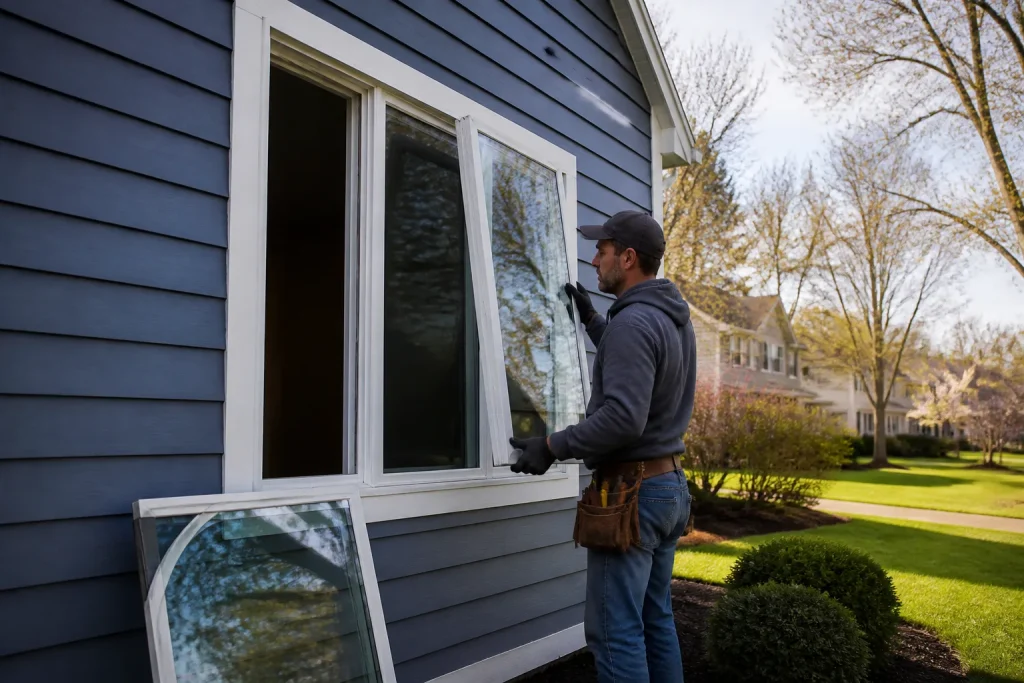
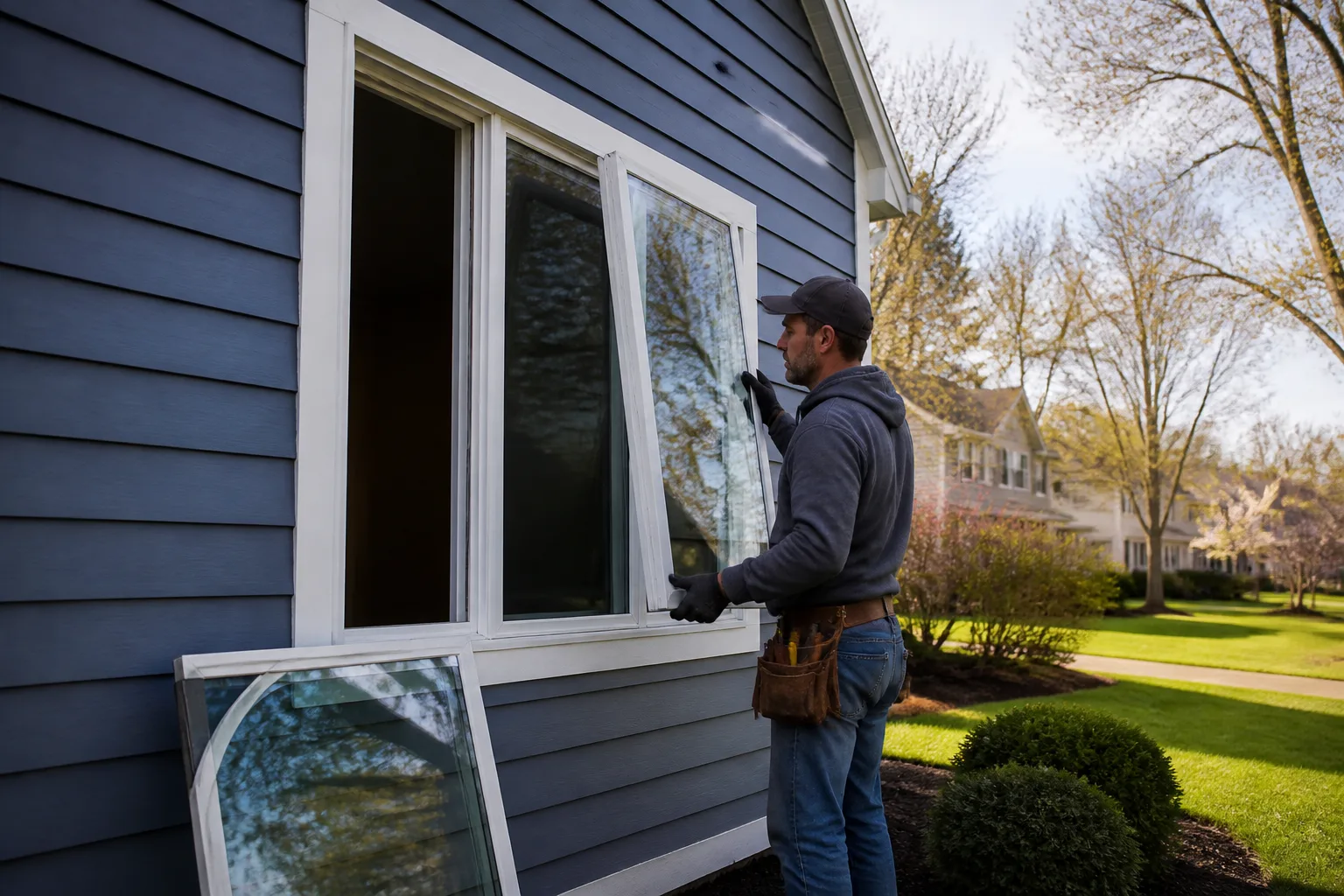
PGT Window Installation in Columbus: A Homeowner’s Guide
PGT windows are engineered to a Florida Product Approval standard, which means their fastener schedules and anchor requirements are more demanding than standard residential window installation. A crew that installs them the same way they’d install a builder-grade unit has missed the point of the product entirely. This guide walks through what PGT installation actually requires so you can ask the right questions before anyone touches your framing.
If you’d rather skip the research and talk to someone who sets these units week in and week out, call (888) 635-0804 for a free estimate.
What Makes PGT Different From a Standard Window
Most residential windows sold in Columbus are tested to basic air and water infiltration standards. PGT units, by contrast, are built and tested to withstand the structural loads of a hurricane. That means the frame is heavier, the glass is thicker, and the anchoring system is designed to keep the window attached to the house when wind pressure tries to rip it out.
Here’s the part most homeowner guides skip: the window is only as strong as the connection between the frame and the wall. PGT publishes a fastener schedule for every product line. It specifies how many screws or anchors go into each side of the frame, what size they need to be, and how far apart they must be spaced. This is not a suggestion. It is a structural specification.
In our experience, a lot of installers who claim to handle impact windows have never looked at a PGT installation manual. They treat the unit like any other vinyl window, drive in whatever screws are rolling around the truck, and call it done. The window looks fine on day one. The problem shows up years later, or the first time the wind hits it hard from the wrong direction.
When you’re comparing quotes in Columbus, ask the installer this question directly: “Can you show me the fastener schedule you follow for PGT units?” If you get a blank stare, keep looking.
Why Columbus Homeowners Choose PGT (Even Without Hurricanes)
Columbus doesn’t sit in a hurricane zone. We get thunderstorms, the occasional tornado warning, and winter winds that find every gap in an old window frame. So why would a homeowner in Columbus pay for impact-rated glass? There are three honest answers.
First, the structural strength. PGT’s impact units are built to take a 2×4 fired at 34 miles per hour without breaching. In Columbus terms, that translates to a window that shrugs off falling tree limbs, hail, and the kind of wind gusts that rattle builder-grade frames out of square. For a homeowner planning to stay in the house another twenty years, that durability is a real selling point.
Second, the sound reduction. Laminated glass, which PGT uses in its impact lines, cuts outside noise noticeably more than standard double-pane glass. If you live near a busy road on the north side of Columbus, or you’re tired of hearing every delivery truck on your street, that matters.
Third, security. A window that withstands a flying 2×4 is also a window that’s hard to break into with a crowbar. For homeowners in Columbus neighborhoods where break-ins are a concern, that’s a practical benefit, not a marketing bullet point.
That said, PGT is not always the right purchase. If you’re replacing windows in a rental property, or you’re planning to sell within a few years, you likely won’t recover the premium. In that case, a good vinyl line from Milgard or Jeld-Wen will serve you fine. The key is matching the product to the house and the plan, not buying the most expensive thing on the wall.
What the Florida Product Approval Rating Means for Fasteners
Here’s where the rubber meets the road, and where most Columbus installers get themselves into trouble. PGT’s Florida Product Approval, or FPA, is not a marketing badge. It is a legal certification that the specific unit, installed a specific way, passed a battery of wind load and impact tests. The installation instructions that carry that approval are part of the certification.
That means the fastener schedule is baked into the product. If a PGT WinGuard unit calls for #10 screws at six inches on center through the frame and into the rough opening, that’s what the approval covers. Change the screw size, skip every other anchor, or grab whatever’s convenient, and the installation no longer matches the approved spec. The window is not “impact-rated” once it’s installed wrong. It’s just a heavy window.
For homeowners, this creates a verification problem. How do you know the crew actually followed the spec? The answer is not pleasant, because the fasteners go in before the trim covers them up. Once the job is done, you can’t see most of the anchors.
What you can do is ask for the following before work begins:
- A written confirmation that the crew will install to PGT’s published fastener schedule for your specific product line
- The installation manual for your exact PGT unit, so you can compare the spec to what the installer says they’ll do
- Photo documentation of the anchoring pattern before trim goes on (we do this on every impact install; not every company will)
If a contractor won’t put those terms in writing, that tells you something about how they’ll handle the parts of the job you can’t see.
Substrate Requirements and What They Mean for Your Quote
PGT specifies what kind of structural material the anchors tie into. In most cases, that means the rough opening needs to be framed in wood or reinforced concrete that can hold the specified screw size and spacing. In older Columbus homes, especially bungalows and ranches built before the 1970s, the rough opening framing doesn’t always meet that bar.
We pulled a PGT single-hung out of a garage over in the South Linden area last year where the rough opening had been notched out decades ago for a plumbing chase. The original framing was sound enough for a standard window, but it wasn’t solid enough for the PGT anchor spec. The right fix was to sister in additional framing before setting the new unit. That added a few hundred dollars to the quote, and it was the correct call. A cheaper installer would have skipped the framing work, run shorter screws, and the homeowner would never have known until something failed.
This is why two Columbus quotes for the same PGT window can differ by a thousand dollars or more. One installer is pricing the window and a generic install. The other is pricing the window, the structural prep, and the labor to do it to the published spec. When you compare bids, ask what substrate work is included. If one quote doesn’t mention framing at all, that’s not savings. That’s a shortcut.
PGT Warranty Structure: Impact vs Non-Impact Lines
PGT’s warranty coverage is not one-size-fits-all. The impact lines, like WinGuard, carry a longer structural warranty and specific coverage for glass breakage under impact conditions. The non-impact lines, which PGT sells through its ClassicVue and SpectraGuard series, carry shorter coverage terms and do not include the impact glass provisions.
The practical upshot: if you’re paying for impact windows in Columbus, you want the warranty that goes with impact windows. That means verifying which product line is being quoted, and reading the coverage duration for that specific line before you sign. The words “PGT warranty” on a quote don’t tell you much if the model number belongs to a non-impact series.
There’s also the matter of registration. PGT requires warranty registration to be completed by the dealer or installer at the time of installation, in the homeowner’s name. Not in the installer’s name, not in the company’s name, and not “to be filed later.” We register both warranty layers in writing, with durations stated, before our truck leaves the driveway on every PGT install. It’s part of how we’ve operated since Dale Kessler started the company, and it’s the only way the warranty does what the homeowner assumes it does.
Ask any potential installer this: “Will you register the warranty in my name before you leave the job, and will you put the registration confirmation on paper?” A company that won’t commit to that is telling you how they’ll handle a warranty claim three years from now.
How to Verify Warranty Registration Before You Pay the Final Bill
The warranty registration is not a formality. It is the difference between a covered claim and a denial letter. Here’s the process we recommend for any Columbus homeowner installing PGT windows:
- Confirm the exact PGT product line and model number before installation starts
- Get the warranty duration for that specific line in writing
- Verify that the installer will register both manufacturer warranty layers in your name, not the company’s
- Ask for a copy of the registration confirmation before making final payment
- File the confirmation with your closing documents, not in the filing cabinet where it’ll never be found
We’ve seen homeowners in Columbus hand over a five-figure check for impact windows and never receive a single piece of paper proving the warranty exists. When the seal fails a few years later, they call the manufacturer and find out the units were never registered. The installer is long gone. The warranty is void. Don’t put yourself in that position.
This is part of what we mean by The Keystone Standard at TruePane Windows & Doors. Both warranty layers get registered in writing, durations stated, before we leave the driveway. No arguing, no “we’ll take care of it later,” no fine print that somehow covers neither. The work is done right and the paperwork backs it up.
When to Call a Pro
PGT installation is not a weekend project. The units are heavier than standard windows, the anchoring requirements are specific, and the consequences of getting it wrong are structural. We’ve answered calls from homeowners who bought PGT units at a supply house and tried to install them with a helper, only to find the rough opening out of plumb or the substrate too soft to hold the anchors. By the time we’re called, the window is nicked, the flashing’s been cut wrong, and the job costs more than it would have on day one.
If you’re considering PGT windows in Columbus and want the installation done to published spec, with warranty registration you can see in writing, call (888) 635-0804. We’ll walk you through the product lines that make sense for your house, quote the job honestly, and tell you if PGT is overkill for your situation. That’s part of the deal, too.
Related services in Columbus: Window Installation in Parkway and Window Replacement in Parkway. For door work, see Door Installation in Parkway. And if you’re just starting your research, our TruePane Windows & Doors home page gives you the full picture.
The Bottom Line
PGT windows deliver real structural and security benefits for Columbus homeowners, but only if they’re installed to the Florida Product Approval spec. That means the right fasteners, the right spacing, the right substrate, and warranty registration in your name before the job closes. A cheap install on a PGT unit is not a bargain. It’s a voided certification and a warranty that won’t answer when you call.
We’ve been setting windows and doors for over 42 years, and Dale Kessler started TruePane with one rule: if the pane is not true, the job is not done. That’s how we approach every PGT install in Columbus, and it’s why we put everything in writing before we leave the driveway. If you’re in Columbus and need honest guidance on PGT windows, TruePane Windows & Doors offers free estimates. Call (888) 635-0804 and we’ll go over your options.
Frequently Asked Questions
PGT impact window installation in Columbus typically runs from $1,200 to $2,800 per window, depending on the product line, window size, and whether the rough opening needs structural reinforcement to meet PGT’s anchoring requirements. Standard non-impact PGT lines run lower, usually between $600 and $1,200 per unit installed. Call (888) 635-0804 for a written quote on your specific openings.
Yes. PGT impact windows must be installed according to the fastener schedule and anchor specifications in the Florida Product Approval documentation for that specific unit. That typically means specific screw sizes, specific spacing, and rigid substrate in the rough opening. A standard vinyl window installation does not meet the spec. If you’re getting a quote, ask the installer to confirm in writing that they’ll follow the PGT published fastener schedule.
Most PGT window installations in Columbus take one to two days for a typical opening, depending on whether the rough opening needs structural prep before the unit is set. Multi-window projects usually run a day per four or five windows once the crew is on site. The schedule depends more on framing conditions than on the window itself. Call (888) 635-0804 and we’ll give you a straight timeline after seeing the openings.
For many Columbus homeowners, yes. PGT’s laminated impact glass cuts outside noise noticeably, holds up to severe thunderstorms and falling limbs, and makes forced entry significantly harder. If you plan to stay in your home long term, the durability justifies the premium. If you’re selling soon or replacing windows in a rental, you’re unlikely to recover the cost, and a good standard line from Milgard or Jeld-Wen may be the better spend. We’ll tell you honestly which way to go based on your house and your plans.
Written by Dale Kessler, Owner at TruePane Windows & Doors, serving Columbus since 2008.
Need Windows & Doors Help?
Call TruePane Windows & Doors - licensed & insured, here with fast after-hours help in Columbus.
(888) 635-0804