
Last updated August 27, 2026
Free in-home measure and quote - PGT, CGI and CWS impact lines compared on your actual openings, style by style
Sliding glass doors

Impact garage doorsPGTCGI
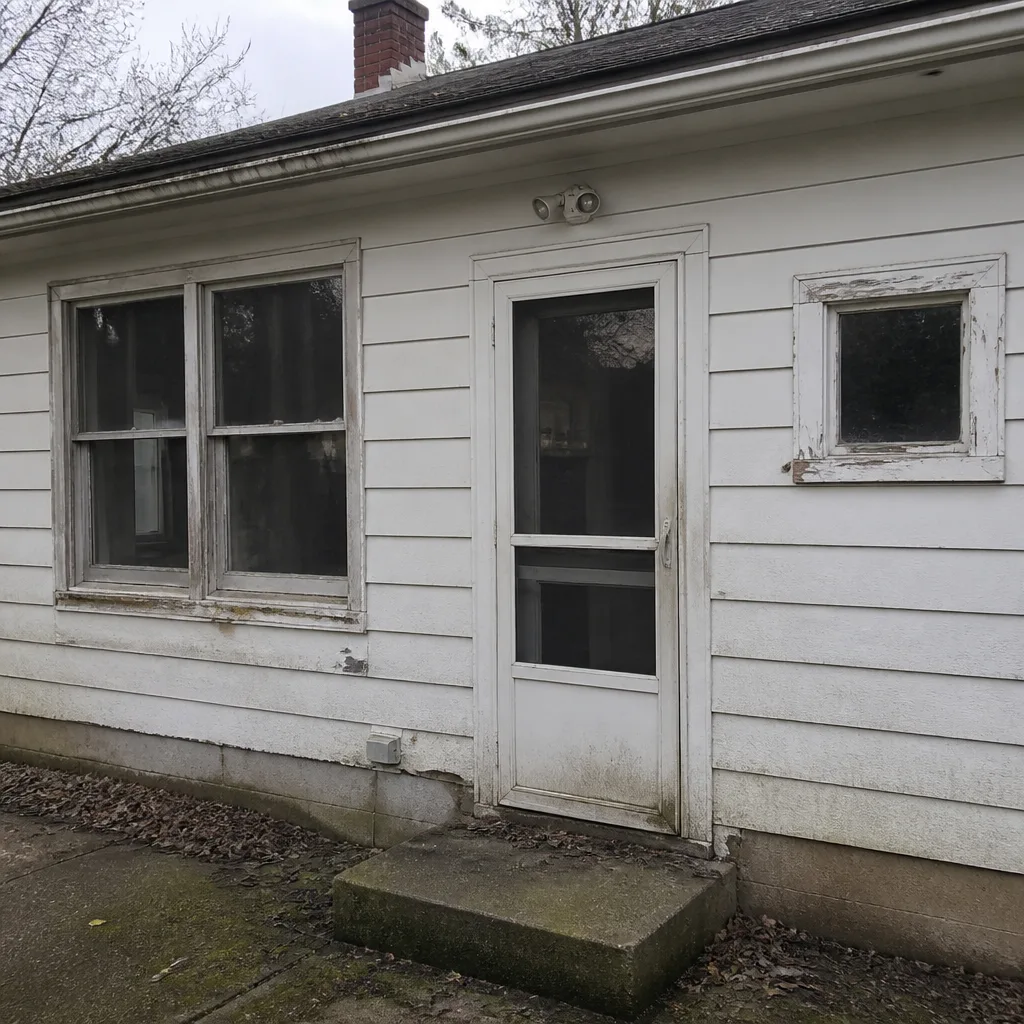 Before
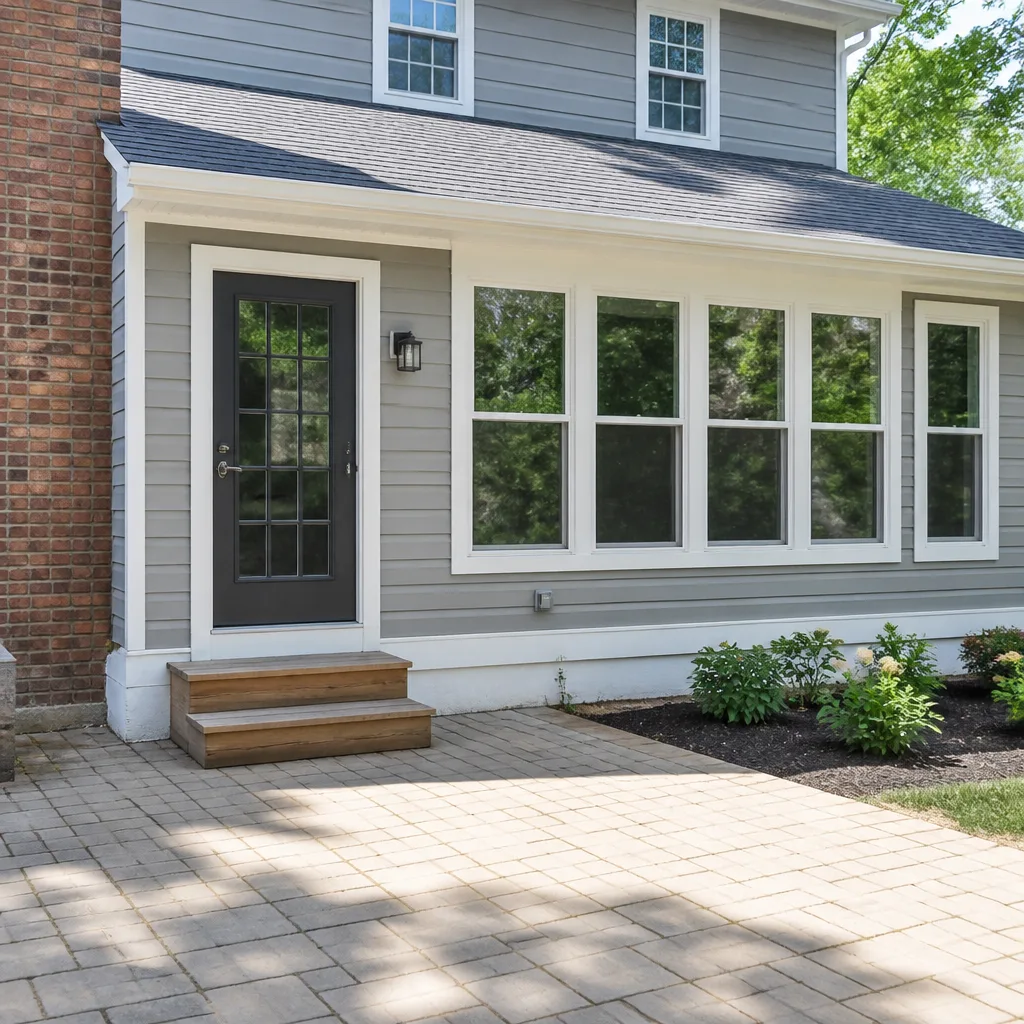 After
After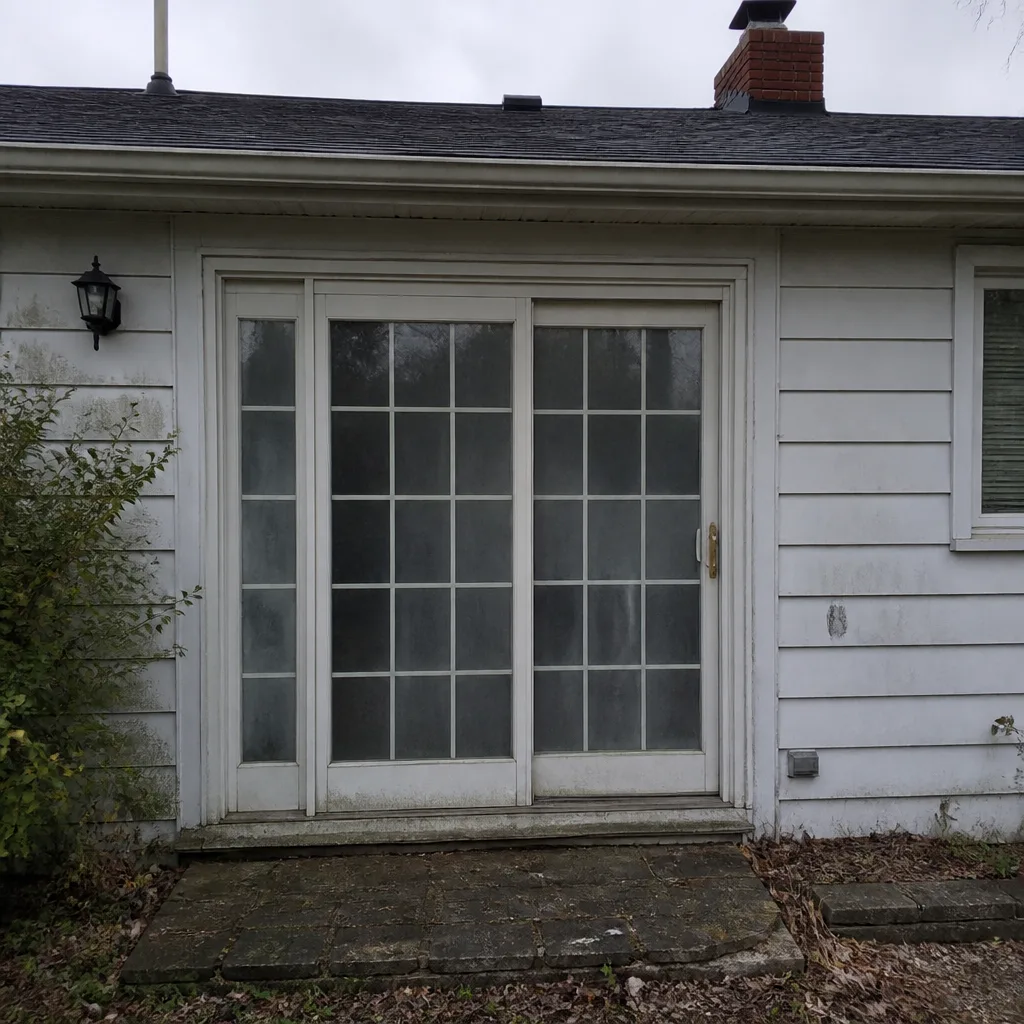 Before
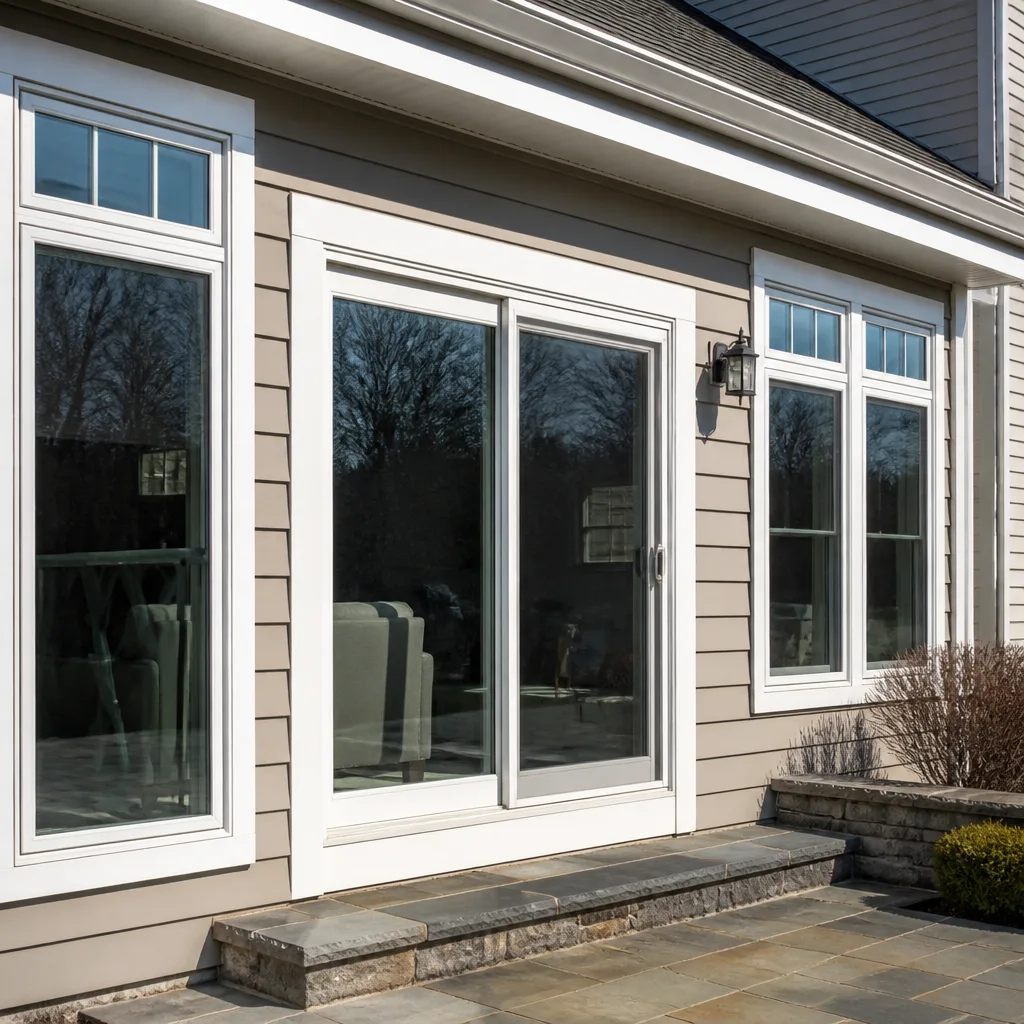 After
After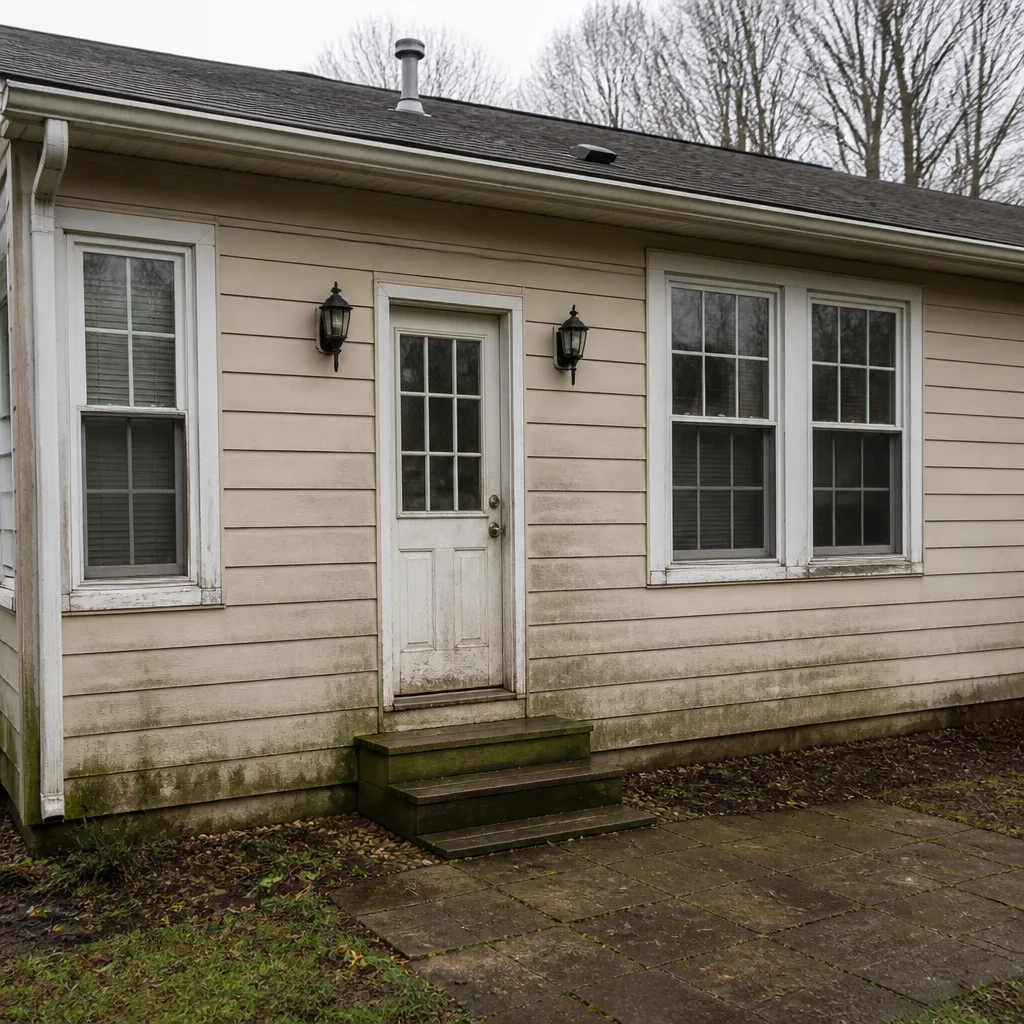 Before
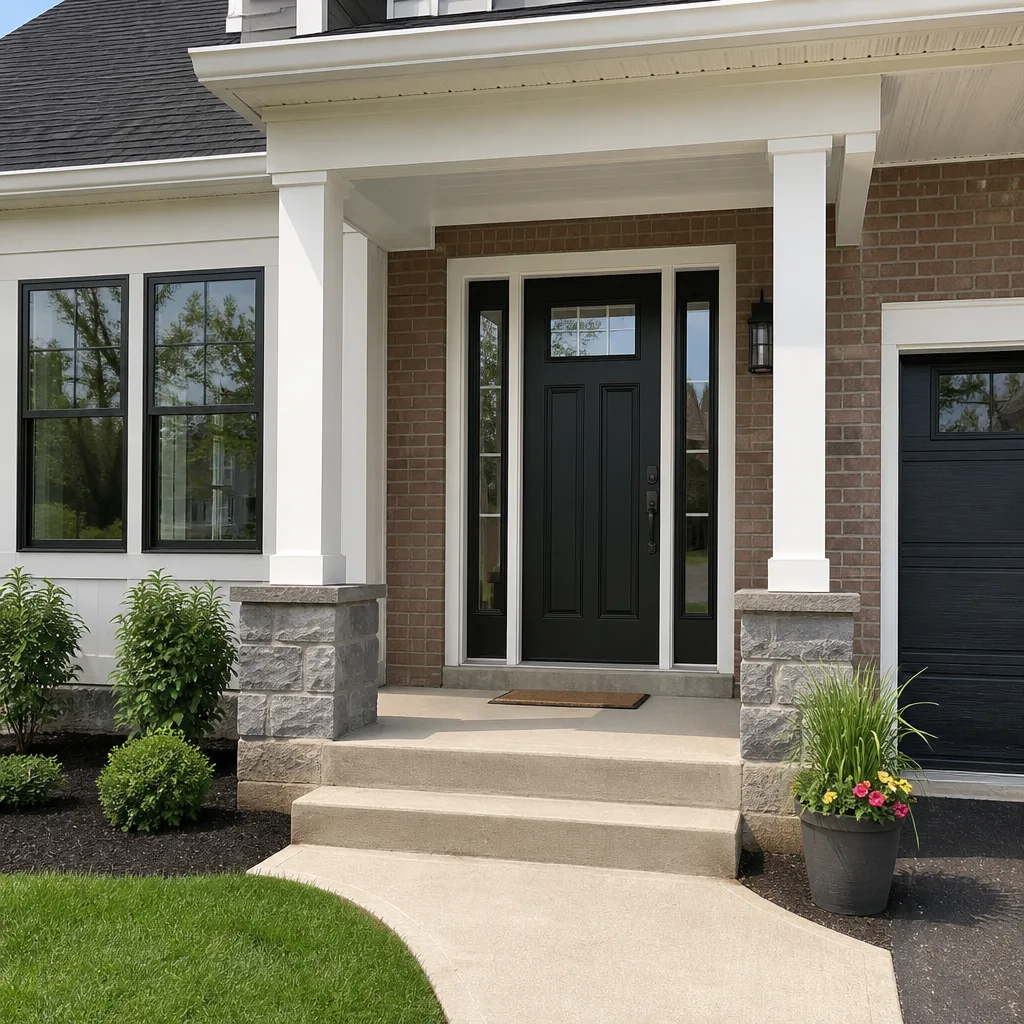 After
AfterSeasonal Windows & Doors Care for Columbus: Year-Round Homeowner’s Guide
The crack in a door’s bottom weatherstrip that is invisible in July becomes a measurable heating load in January and a water intrusion point in March. Catching it in September costs a $12 part and ten minutes. Ignoring it through all three seasons can mean a damaged subfloor, a mold colony, and a five-figure repair bill. Columbus sits in a climate band where windows and doors absorb four genuinely different stress loads across the year, and this guide maps the right task to the right month so your maintenance effort is not wasted and nothing critical gets missed.
Quick Answer
Seasonal window and door care in Columbus means doing four specific checks per year: a summer thermal and UV inspection, a fall drainage and weatherstrip audit, a winter condensation and seal assessment, and a spring caulk and glazing repair pass. Each season’s task targets the failure mode that Columbus’s climate actually produces during those months, and each one takes under an hour. A homeowner who follows this Window Installation Maintenance Schedule will catch most window and door failures in the $12-to-$80 repair range instead of the $800-to-$4,000 replacement range.
Table of Contents
- Why Columbus Windows Fail on a Calendar, Not Randomly
- The Columbus Seasonal Care Calendar: Month by Month
- Summer: The Thermal Performance Audit
- Fall: The Drainage and Weatherstrip Audit
- Winter: Reading Condensation and Seal Failure
- Spring: Re-Glazing, Caulk Chemistry, and Exterior Repairs
- Common Mistakes to Avoid
- When to Call a Professional
- Frequently Asked Questions
- The Bottom Line
Why Columbus Windows Fail on a Calendar, Not Randomly
Columbus does not have one climate. It has four, and they arrive on roughly the same schedule every year. Summer brings weeks of 85-degree-plus days with direct afternoon sun on west-facing glass. Fall swings between dry spells and soaking rains that pool against foundation walls. Winter cycles through freeze-thaw patterns that expand and contract every window frame and door jamb in the city. Spring arrives with humidity levels that climb past 60% for weeks at a time. Each of those conditions attacks a different component of a window or door assembly, and each attack leaves evidence a homeowner can read if they know what to look for.
In our experience across Columbus, a single annual checkup misses too much. The thermal issues that matter in July are invisible in January. The drainage problems that show up in March were set in motion in October. A homeowner who checks the same checklist four times a year is checking the wrong things three of those times. The calendar below assigns the right inspection to the right month, so the work you do actually addresses the failure that is trying to happen.
The companies that build windows understand this. Brands like Marvin and Milgard engineer their frames and seals around thermal cycling and UV exposure, which is why we quote those manufacturer lines side by side on paper for Columbus homeowners at TruePane Windows & Doors home. But even the best-engineered window needs a homeowner’s seasonal attention to reach its full service life.
The Columbus Seasonal Care Calendar: Month by Month
Here is the full year mapped to Columbus’s actual weather inflection points. Each task is matched to the month when it produces the most useful information with the least effort.
March to April: Spring Inspection and Caulk Repair
- Inspect all exterior caulk beads around window and door frames for cracking, pulling away, or chalking
- Check glazing putty on older wood windows for crumbling or gaps
- Clean out weep holes at the bottom of window tracks and sliding door frames
- Test every window and door for smooth operation after winter’s freeze-thaw cycles
- Verify that exterior grading still slopes away from the foundation at all door thresholds
June to July: Summer Thermal Check
- Run the IR thermometer test described below on all sun-exposed glass
- Check for fading on furniture, flooring, and window treatments near south and west windows
- Inspect weatherstripping on doors that will be opened hundreds of times during summer
- Confirm that window locks are engaging fully, not just catching
September to October: Fall Drainage Audit
- Clear all weep holes of debris, pollen, and insect nests before fall rains begin
- Replace any door bottom weatherstrip that has compressed, torn, or curled
- Check head flashing above windows and doors for gaps or lifted edges
- Verify downspout splash zones are directing water away from door thresholds
- Lubricate window tracks and door rollers with a silicone-based lubricant, never WD-40
December to January: Winter Condensation Reading
- Learn to distinguish interior humidity condensation from failed-seal condensation (explained below)
- Check for drafts at window perimeters and door edges on cold days
- Confirm that all windows are fully locking, since a locked sash compresses the weatherstrip
- Monitor any windows that repeatedly frost or fog between the glass panes
Summer: The Thermal Performance Audit
A Columbus summer afternoon is the most revealing diagnostic window you have all year. Direct sun on south and west-facing glass raises the surface temperature of a single-pane window to 120 degrees or more, while a double-pane unit with intact low-E coating will hold the interior surface close to room temperature. The difference is measurable with a $20 infrared thermometer, and the numbers tell you exactly where your cooling dollars are leaking.
Here is how to read the test:
- Wait for a sunny afternoon when the outdoor temperature is above 85 degrees
- Aim the IR thermometer at the center of the interior glass surface from about 6 inches away
- Take a reading on a north-facing window in the same room as a baseline
- Compare the sun-exposed window to the baseline
A difference of 15 degrees or more between a sun-exposed window and a shaded window in the same room means the exposed unit is transferring meaningful heat. A difference of less than 8 degrees usually means the low-E coating and insulating gas are doing their job. If you read 100 degrees or more on the interior glass of a double-pane window, the seal has likely failed and the insulating gas has escaped. That window is now a single-pane unit in a double-pane frame, and Columbus summers will tax your air conditioner for every degree it admits.
In our experience, homeowners who run this test every July catch seal failures two or three years before they would otherwise notice them. The fogged appearance that most people associate with a failed seal often does not show up until the window has been underperforming for several seasons. If you find a hot window and you are not ready to replace it, check the manufacturer’s warranty before you do anything else. Units from manufacturers like Jeld-Wen carry specific seal-failure coverage periods, and the warranty clock started on your install date, not the day you noticed the problem. Our Window Replacement in Parkway page explains how we register both manufacturer warranty layers in writing before the truck leaves the driveway, so Columbus homeowners never have to argue about coverage dates.
Fall: The Drainage and Weatherstrip Audit
September and October are the months when Columbus homeowners should treat water as the enemy that is already moving. The rains come, and every gap, clogged channel, and worn weatherstrip becomes a live water-intrusion test. The audit has three parts, and each one takes minutes.
Part one: the weep hole clearing. Weep holes are the small slots or notches at the bottom exterior edge of window frames and sliding door tracks. Their job is to drain water that gets past the outer seal. In Columbus, they fill with pollen in the spring, dust in the summer, and insect debris by early fall. A clogged weep hole turns the bottom track of a window or sliding door into a bathtub. Clear every weep hole you can find with a pipe cleaner or a blast of compressed air. If a weep hole fills with water after a rain and does not drain, the clog is deeper in the frame and needs professional attention.
Part two: the threshold splash zone check. Walk around the exterior of your house and look at every door threshold. The downspout near a door should discharge at least three feet from the foundation, and the splash block or extension should aim water away, not toward, the threshold. If a downspout dumps water that pools against a door’s bottom plate, the weatherstrip no longer matters. You have a drainage problem wearing a weatherstrip costume.
Part three: the head flashing drip edge verification. Head flashing is the metal or rigid strip that runs along the top of a window or door opening on the exterior. Its job is to catch water running down the wall above and direct it away from the opening. If the flashing is dented, lifted, or missing its drip edge, water will run behind it and travel down behind the siding into the window or door frame. In Columbus, where freeze-thaw cycles will then expand that trapped water into ice every winter, a missing drip edge does more damage here than in warmer climates. If you see daylight or a gap between the flashing and the wall, seal it with an exterior-rated sealant before November.
Fall is also the right time to replace door bottom weatherstrips. The rubber or vinyl strip at the bottom of an exterior door compresses over the summer as the door is opened and closed hundreds of times. A compressed strip leaves a gap you cannot see, but a $12 replacement strip will pay for itself in a single Columbus January. This is the exact maintenance item that our team checks on every Door Installation in Parkway job before we consider the work complete.
Winter: Reading Condensation and Seal Failure
Condensation on your windows in a Columbus winter is not automatically a sign that the window is failing. It is a sign about where the moisture is, and reading that sign correctly saves homeowners from replacing windows that are fine while catching the ones that genuinely are not.
The rule is simple: condensation on the interior surface of the glass, the side you can touch from inside your living room, is a humidity problem in your house. Condensation between the two panes of glass, where you cannot wipe it from either side, is a seal failure.
Interior condensation happens when warm, moist indoor air hits a cold glass surface. It is most visible in kitchens, bathrooms, and bedrooms where people sleep, and it usually appears on windows that face away from the afternoon sun. The fix is not a new window. The fix is reducing indoor humidity: run bathroom exhaust fans during and after showers, use vent hoods while cooking, and consider a dehumidifier in the basement if your Columbus home’s foundation allows moisture to migrate up. Interior condensation that persists on every window in the house, including the ones in rooms with no water source, may also point to a whole-house humidity issue worth checking.
Between-the-glass condensation is a different animal entirely. It appears as fog, frost, or water droplets inside the sealed space that you cannot reach. This means the seal around the insulated glass unit has broken and the desiccant that was supposed to absorb residual moisture is saturated. The window has lost its insulating gas, and no amount of interior humidity reduction will clear it. A unit in this condition should be replaced or have the glass unit swapped, and the manufacturer’s seal-failure warranty often covers the glass for a specific number of years. Simonton and Milgard, for example, publish their seal-failure coverage terms in the warranty documentation, and different Columbus window installers will handle the claim process differently. We register both manufacturer warranty layers in writing before the truck leaves the driveway precisely so that a seal-failure claim in year 8 does not turn into a paperwork fight in year 9.
One more winter check that matters in Columbus: on the coldest mornings, run your hand slowly around the interior perimeter of each window and door frame. A draft that you can feel is a weatherstrip or seal issue that costs under $50 to fix in most cases. A draft that has been there for years is a sign that the original install was out of true, and no seasonal maintenance will fully correct it. In our experience across Columbus, drafts that persist after weatherstrip replacement trace back to an installation error, not an aging part.
Spring: Re-Glazing, Caulk Chemistry, and Exterior Repairs
Spring in Columbus is when the damage from winter’s freeze-thaw cycles declares itself. Caulk beads crack. Glazing putty crumbles. Wood trim that absorbed water in December swells and splits in March. The spring pass is a repair pass, and the material you choose matters more than most homeowners realize.
The caulk chemistry question. Not every exterior caulk survives a Columbus summer. Cheap acrylic latex caulks chalk and fail in under three years when exposed to the UV load that this climate delivers. For exterior window and door perimeters, we specify a high-quality polyurethane or a hybrid polymer sealant. These products stay flexible through freeze-thaw cycles and hold their color through years of direct sun. If your current caulk rubs off on your finger as a chalky residue, it has already degraded past the point of protection. Remove it completely and replace it before spring rains find the gap.
Glazing putty on wood windows. Older Columbus homes, particularly in established neighborhoods with original wood windows, often have single-pane sashes set in glazing putty. Spring is the time to inspect that putty. Crumbling, cracked, or missing putty allows water to sit against the wood sash and the glass edge, and by fall that water becomes rot. Re-glazing is a skill that takes practice, and a badly glazed sash looks exactly like what it is. If you have more than a few sashes needing work, this is one of the spring tasks where hiring a glazier saves money in the long run. The work must seal completely against water and hold the glass firmly, and a second-generation glazier’s standard is different from a homeowner’s first attempt.
The operational test. After winter, every window and door should open and close with reasonable effort. A window that sticks in one corner of the track has a frame that shifted during freeze-thaw, and a door that binds at the top strike plate has done the same. These are not lubrication problems. They are frame-alignment problems, and they respond to shimming, planing, or resetting a door slab, not to silicone spray. A technician who measures every opening twice will find the out-of-true condition and correct it at the frame, which is the only fix that lasts.
This is also the right moment to schedule the Window Installation in Parkway team’s maintenance check if you would rather have a second set of eyes on the whole house. We check the weep holes, the weatherstrips, the caulk beads, and the operation of every unit, and we give you a written list of anything that needs attention before next winter.
Common Mistakes to Avoid
- Checking every window once a year in the same season. A July checklist looks for heat and UV issues. A January checklist looks for condensation and drafts. You miss half the failure modes if you always inspect in the same month, and Columbus produces all of them.
- Lubricating window tracks with WD-40. WD-40 is a penetrant, not a lubricant, and it leaves a residue that attracts dust and pollen. Within a season, a WD-40-treated track is stickier than it was before. Use a silicone-based lubricant labeled for window and door tracks.
- Caulking over old caulk. New caulk will not bond to a chalked, cracked bead. The old material has to come out completely, the joint has to be clean and dry, and then the new bead goes in. Caulk over caulk fails within a year and looks exactly like what it is.
- Painting over weep holes. A fresh coat of paint across the bottom of a window frame looks tidy, but if the painter covered the weep holes, the window can no longer drain. Every weep hole needs to be cleared after any exterior painting project in Columbus.
- Assuming a fogged window is just a cleaning issue. Condensation that will not wipe off from either side is always a failed seal. The longer it goes unaddressed, the more heat and cooling the window loses, and the more likely the frame begins to show water damage.
- Ignoring a draft because the window was installed recently. A draft in a new window is install error, not aging. The original installer should be called back, and if they are no longer answering the phone, the work needs to be evaluated by someone who will.
- Replacing weatherstrip in the wrong season. Weatherstrip installed in winter when the door is contracted will kink when summer heat expands the slab. The fall and spring are the right seasons for weatherstrip work in Columbus, when temperatures are moderate and the door sits at its average size.
When to Call a Professional
Some conditions in a Columbus home point to a job that troubleshooting common window installation problems will never fix. A seal failure between glass panes means the insulated unit has reached the end of its life and needs replacement glass or a new window. A door that binds in July after years of shifting means the frame is no longer in square and needs resetting. A window with water staining on the interior drywall below it has been leaking into the wall cavity, and the extent of the damage cannot be known until the trim comes off. A track that fills with water and does not drain has a clogged internal channel that is not accessible from the exterior. If you see any of these conditions, TruePane Windows & Doors offers free estimates in Columbus, and a live person answers the phone 24 hours a day. Call (888) 635-0804.
Frequently Asked Questions
Four times a year, each inspection focused on a different failure mode: summer for thermal performance, fall for drainage, winter for condensation and drafts, and spring for caulk and glazing. A single annual inspection in the same month every year misses the conditions that the other three seasons produce.
A high-quality polyurethane or hybrid polymer sealant holds up best against Columbus’s UV exposure and freeze-thaw cycles. Cheap acrylic latex caulks typically chalk, crack, and fail in under three years on south and west-facing exposures.
If condensation or fog appears between the two panes of glass and you cannot wipe it from either side, the insulated glass unit has lost its seal. Interior condensation that wipes away is a humidity issue, not a window failure. Call (888) 635-0804 for an exact assessment if you are unsure, and the estimate is free.
New windows have tighter air seals than old ones, which means indoor humidity has fewer places to escape. The fog on the interior surface is moisture from cooking, showers, and breathing condensing on cold glass. Run exhaust fans and reduce indoor humidity, and the fog will clear. Between-the-pane fog, however, is a seal failure and needs replacement glass.
When a project requires a permit under Columbus building code, we pull it, and the inspection is part of the job, not an optional extra. Permits protect the homeowner’s property value and the warranty, and we state the permit status clearly in your written quote before any work begins.
Standard double-hung vinyl replacement windows in Columbus typically run $450 to $900 per window installed, depending on size, glass package, and frame condition. Wood-clad units from manufacturers like Marvin start higher, and impact-rated glass adds cost accordingly. Call (888) 635-0804 for a written side-by-side quote on the manufacturer lines that fit your house and budget, and the estimate is free.
The Bottom Line
Columbus windows and doors do not fail on a random schedule, and the homeowner who acts on that fact gets twenty years out of units that a neglectful neighbor replaces in twelve. The summer thermal test catches seal failures before they fog. The fall drainage audit stops water before it reaches the frame. The winter condensation check separates humidity problems from glass failures. The spring caulk pass repairs winter damage before spring rains exploit it. None of these tasks requires special tools or more than an hour, and together they amount to the difference between a $12 weatherstrip and a $4,000 replacement, as detailed in our Window Installation Maintenance Checklist for Columbus Homeowners. If the pane is not true, the job is not done, and in Columbus, the job is never truly done.
Written by Dale Kessler, Owner at TruePane Windows & Doors, serving Columbus since 2008. Browse more guides & resources for window and door care.