
Free in-home measure and quote - PGT, CGI and CWS impact lines compared on your actual openings, style by style
Sliding glass doors
Impact garage doorsPGTCGI
 Before
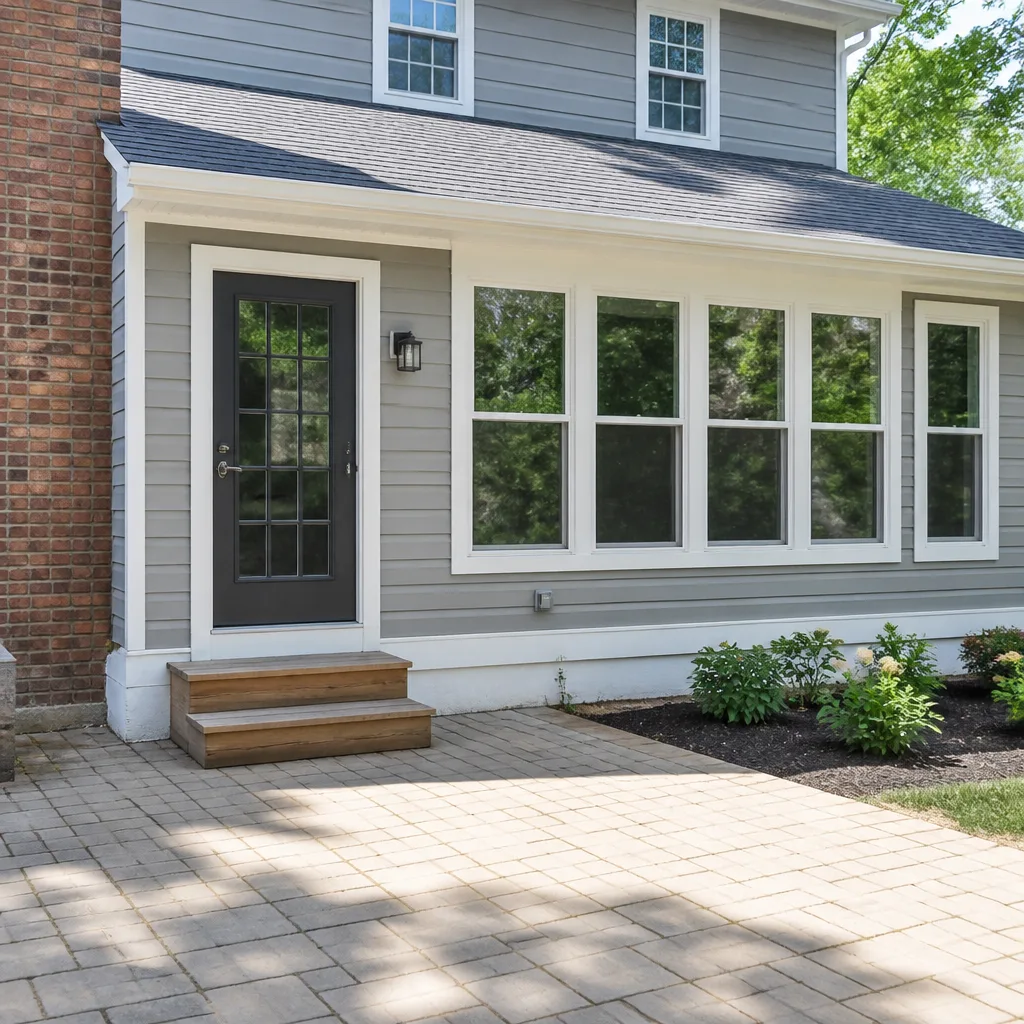 After
After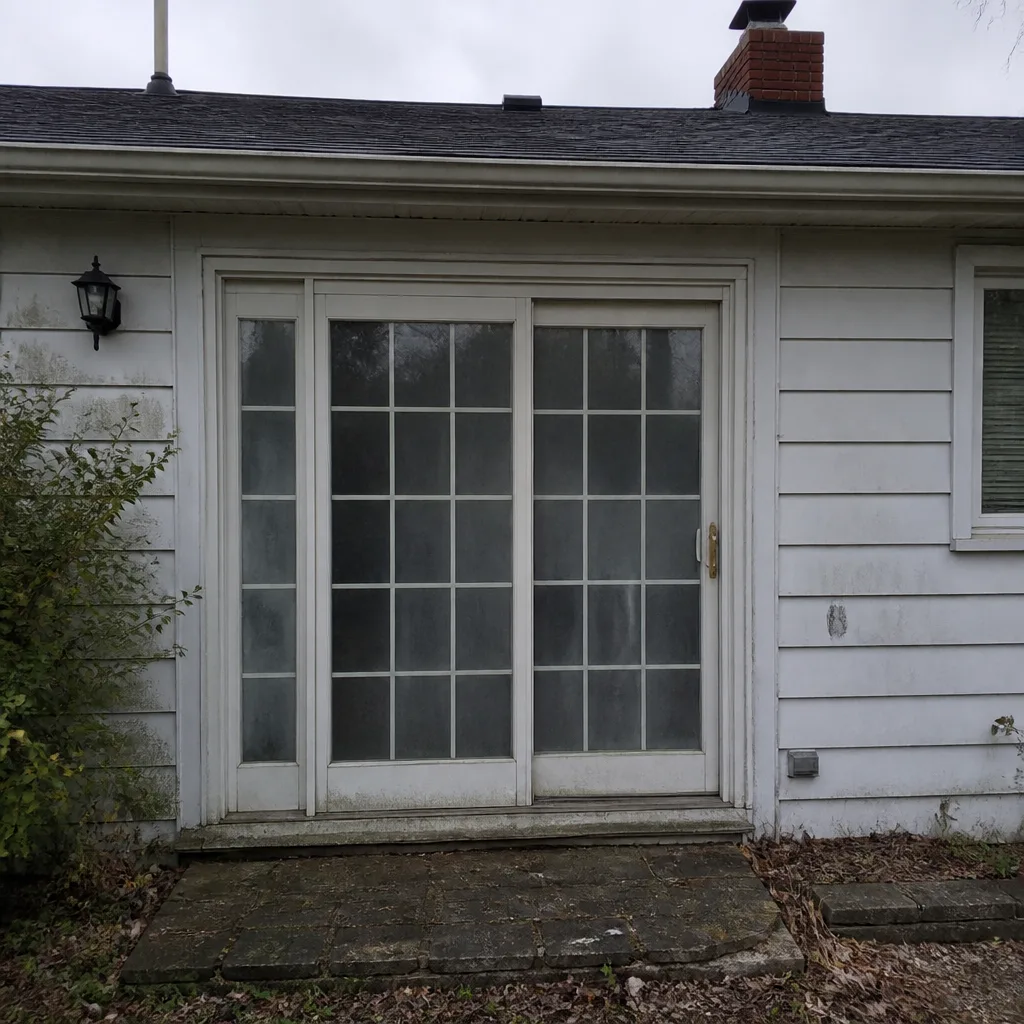 Before
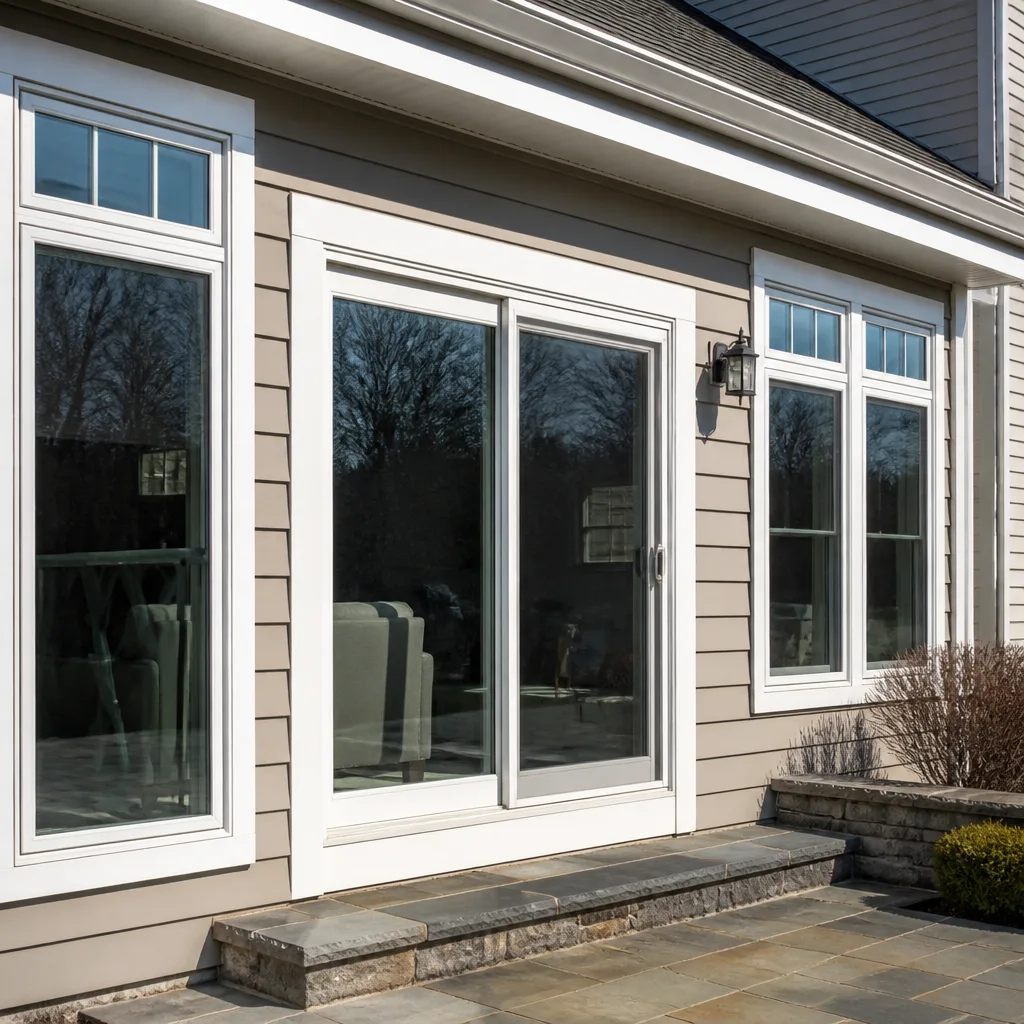 After
After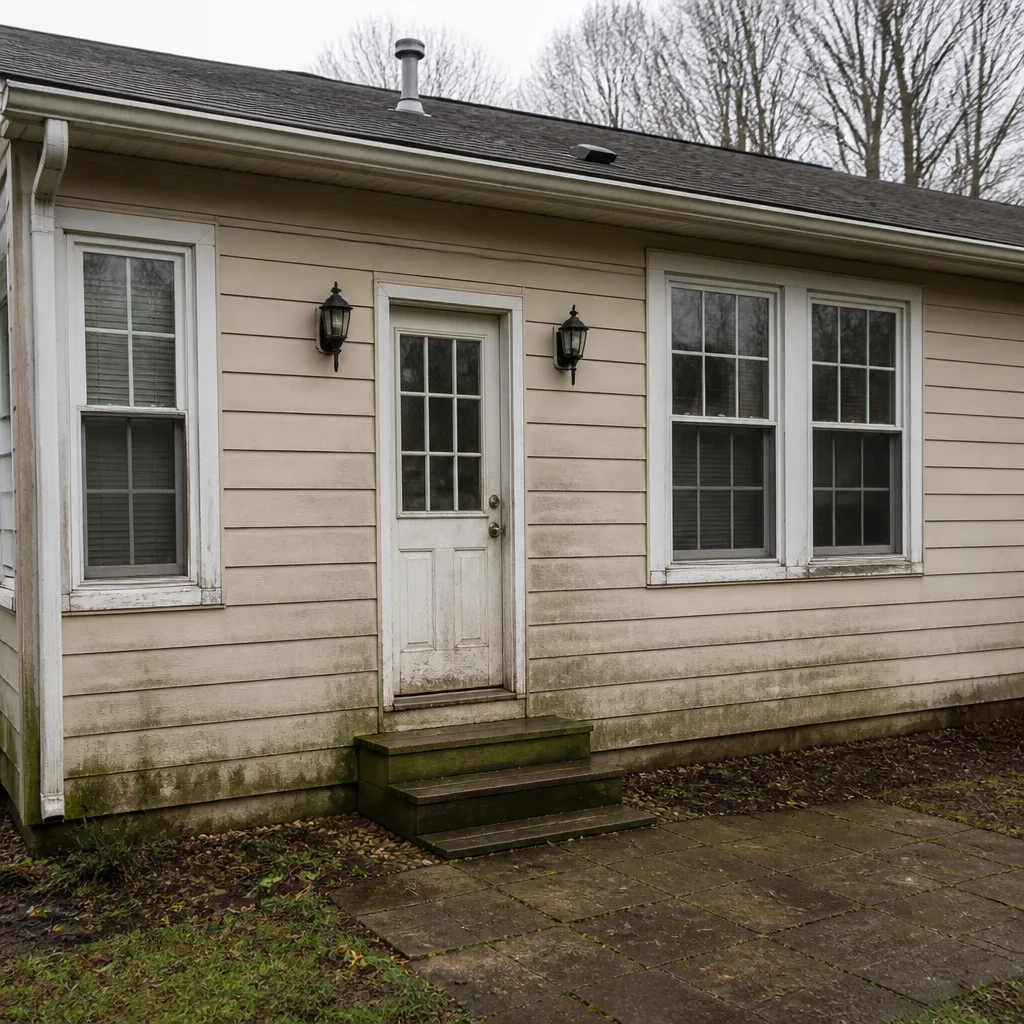 Before
 After
AfterYes, New Windows Save Energy in Columbus Homes - But the Savings Come From Two Places, and Only One Shows Up on the Sticker
Yes, new windows save energy in Columbus homes. A typical replacement window cuts heat loss through the glass itself by 25% to 40% compared to a 1990s builder-grade unit. But here’s what most energy-savings estimates miss: in central Ohio’s production-builder housing stock, the bigger energy win often comes from sealing the rough opening behind the old window, where air has been leaking for decades. The glass upgrade matters. The installation upgrade matters more. Call (888) 635-0804 if you’d like specifics for your house.
The Number on the Sticker Is Real. The Number on Your Heating Bill Is Bigger.
A window’s U-factor and Solar Heat Gain Coefficient are measured in a lab with the unit sealed into a controlled test chamber. That’s useful data. But it describes the glass and frame assembly, not the assembly embedded in your wall. Dale Kessler learned this distinction growing up in Clintonville, watching his father do glass work on pre-war homes where the storms let in half the weather. It’s the same lesson he’s carried through nearly three decades of setting windows across Columbus: the performance test that matters happens on the north side of your house in January, with the wind blowing across an open field in Dublin or Hilliard and finding every gap the original installer left behind.
Here’s the structural reality of Columbus’s post-1990 suburban boom. When Ohio State grew, the insurance economy expanded, and the city annexed aggressively, builders like M/I Homes and Pulte packed Dublin, Hilliard, Pickerington, Gahanna, and Lewis Center with tract colonials and ranches. Those homes got entry-level vinyl windows and Garden & Basement Windows that are now hitting the 25-to-30-year replacement threshold all at once. The frames are warping, the IGUs are fogging, and the rough openings were never air-sealed properly in the first place.
What does that mean on your utility bill? A 1998 Hilliard colonial with original vinyl windows and a half-inch air gap between the frame and the rough opening isn’t losing heat through the glass alone. It’s losing conditioned air through a perimeter path that’s been hidden behind interior trim for 27 years. You can replace the glass and improve the U-factor by a third. Or you can replace the glass and seal the rough opening correctly, and shut down an air leak that no window sticker was ever going to tell you about.
Columbus’s Temperature Swings Put Extra Stress on Window Seals and Rough Openings
Columbus sits in a humid continental climate with a 65-degree average annual swing: January lows near 18°F, July highs near 85°F, and persistent summer humidity that works its way into every micro-gap. That cycling does two things. First, it thermally stresses insulated glass unit seals, drawing moisture into the airspace and producing the fogged panes you see in neighborhoods built between 1985 and 2010. Second, it expands and contracts the framing at the rough-opening interface, slowly widening whatever gap was left on installation day.
This is why the Columbus climate makes installation quality a bigger energy factor than it would be in, say, Phoenix or San Diego. In a mild climate, a slightly sloppy rough opening doesn’t cost you much, because the indoor-outdoor temperature difference is small. In Columbus, a half-inch gap around a window frame means 18-degree air pushing against your weatherstripping in February and 85-degree humid air in July. That’s a meaningful heating and cooling load, and it’s entirely separate from the U-factor printed on the window label.
TruePane’s technicians assess the rough-opening air sealing condition on every installation. That’s not an add-on service, and it’s not an upsell. It’s the only way a window performs to the spec we put in writing when we register your manufacturer warranties and stand behind the job with our Window Installation workmanship guarantee. If the opening leaks, the window leaks. And if the opening wasn’t sealed right, the job wasn’t done right.
Which Windows Should You Replace First? In Columbus, Orientation Changes the Math
Not every window replacement pays back the same. Columbus’s flat terrain channels sustained northwest winds across the city, which means north- and west-facing windows take the brunt of winter infiltration pressure. If you’re trying to prioritize energy improvements on a budget, replacing and properly sealing those two elevations first delivers a disproportionately larger return than starting with the south-facing Fixed & Picture Windows that get full afternoon sun.
This is an orientation-based sequencing argument you won’t find in a generic energy-savings article. It’s also the kind of thing Dale tends to mention during an estimate, even when the customer assumed all windows were created equal. A window that fits right shouldn’t need caulk to do the work the frame was supposed to do. If we’re setting a window on the northwest corner of a Gahanna ranch, we’re setting it with flashing and air sealing built for the wind load that elevation actually sees.
Here’s a practical breakdown of where the energy savings actually come from when you replace a builder-grade window in Columbus:
- Glass and frame U-factor improvement: typically 25% to 40% less conductive heat loss through the unit itself, depending on whether you go with a standard Energy Star vinyl replacement or a higher-spec dual-pane low-E unit.
- Rough-opening air sealing: eliminates a continuous perimeter leak that a U-factor test never measured. In practice, this is often the larger and more immediate energy improvement on a 25-year-old production-build home.
- Weatherstripping and hardware alignment: a properly squared frame and functioning locks compress the weatherstripping the way it was designed, rather than leaving a 1/16-inch gap along the sash.
- Orientation-based prioritization: north- and west-facing windows return more on energy savings per dollar than south-facing replacements in the same house, due to Columbus’s prevailing northwest winds.
The German Village Exception: Replacement Isn’t Always the Highest-ROI Energy Move
If you own a brick house in German Village or Olde Towne East, the energy conversation changes. The German Village Commission routinely denies standard vinyl Double Hung vs Casement Windows in Columbus, OH, requiring wood or aluminum-clad wood units that match the original divided-light pattern and sash profile. That spec requirement catches out-of-market window companies off guard more often than you’d think, and it sends jobs back to local contractors who know to pull commission approval before ordering product.
Here’s the nuance most replacement companies won’t volunteer: in that housing stock, properly restored original wood double-hungs with added weatherstripping and a good storm window can often achieve energy performance competitive with a standard vinyl replacement. If your historic windows are structurally sound and you’re willing to invest in restoration, replacement isn’t always the highest-return energy decision. TruePane has been around long enough to tell you that even when it means a smaller job for us in the short term. We plan to be here in thirty years, and we’d rather give you the right answer than the profitable answer.
What Actually Shows Up on Your Heating and Cooling Bills After a Columbus Window Replacement
So what can you realistically expect? The U.S. Department of Energy estimates that heat gain and loss through windows accounts for 25% to 30% of residential heating and cooling energy use. For a Columbus home with 20-year-old builder-grade windows and unresolved rough-opening air leaks, replacing those windows and sealing the openings properly typically reduces overall heating and cooling costs by 10% to 20%, with the largest share of that benefit concentrated in January, February, July, and August. The exact number depends on your house’s orientation, the age and condition of the existing units, and whether the original rough openings were ever sealed. But the direction is consistent: new windows save energy, and properly installed new windows save more.
Andersen, Marvin, and Pella all publish U-factor and SHGC data for their lines, and we quote those side by side on paper so you see exactly what you’re buying. We also register both warranty layers in writing before the truck leaves the driveway, because a window warranty is only as good as the company that stands behind the install. That’s the Keystone Standard, and it applies to every job we do, including the home energy upgrades we handle across the Columbus metro.
FAQs
New windows typically reduce a home’s heating and cooling energy use by 10% to 20% when they replace aging builder-grade units and the rough openings are properly air sealed at installation. The glass upgrade alone accounts for part of that; sealing the perimeter leaks behind the old frames accounts for the rest.
In Columbus’s climate, with its 65-degree temperature swing and sustained northwest winds, replacement windows on north- and west-facing elevations usually pay back faster than average because those sides face the highest infiltration pressure. The payback period is shorter when rough-opening air sealing is included as part of the job, which is standard practice for TruePane, not an add-on.
Sometimes yes, if the frame is square and structurally sound, but glass-only replacement leaves the rough-opening air leaks untouched, and in Columbus, those leaks are often the larger energy problem. A full-frame replacement lets us seal the opening correctly, which is the only way the window performs to the spec we put in writing.
Yes. In Columbus, the prevailing northwest winds push the most air infiltration against north- and west-facing elevations, so replacing and properly sealing those windows first delivers a disproportionately higher energy return than starting with south-facing units that get passive solar gain. Call (888) 635-0804 for an exact quote on your house’s orientation and exposure.
If you’d rather have it looked at, TruePane Windows & Doors offers a no-pressure assessment in Columbus. We’ll measure the openings, check the rough-opening sealing condition, and give you straight answers about whether replacement or repair is the better energy move for your house. Call (888) 635-0804.
Written by Dale Kessler, Owner, TruePane Windows & Doors at TruePane Windows & Doors, serving Columbus, OH.