

Free in-home measure and quote - PGT, CGI and CWS impact lines compared on your actual openings, style by style
Sliding glass doors
Impact garage doorsPGTCGI
 Before
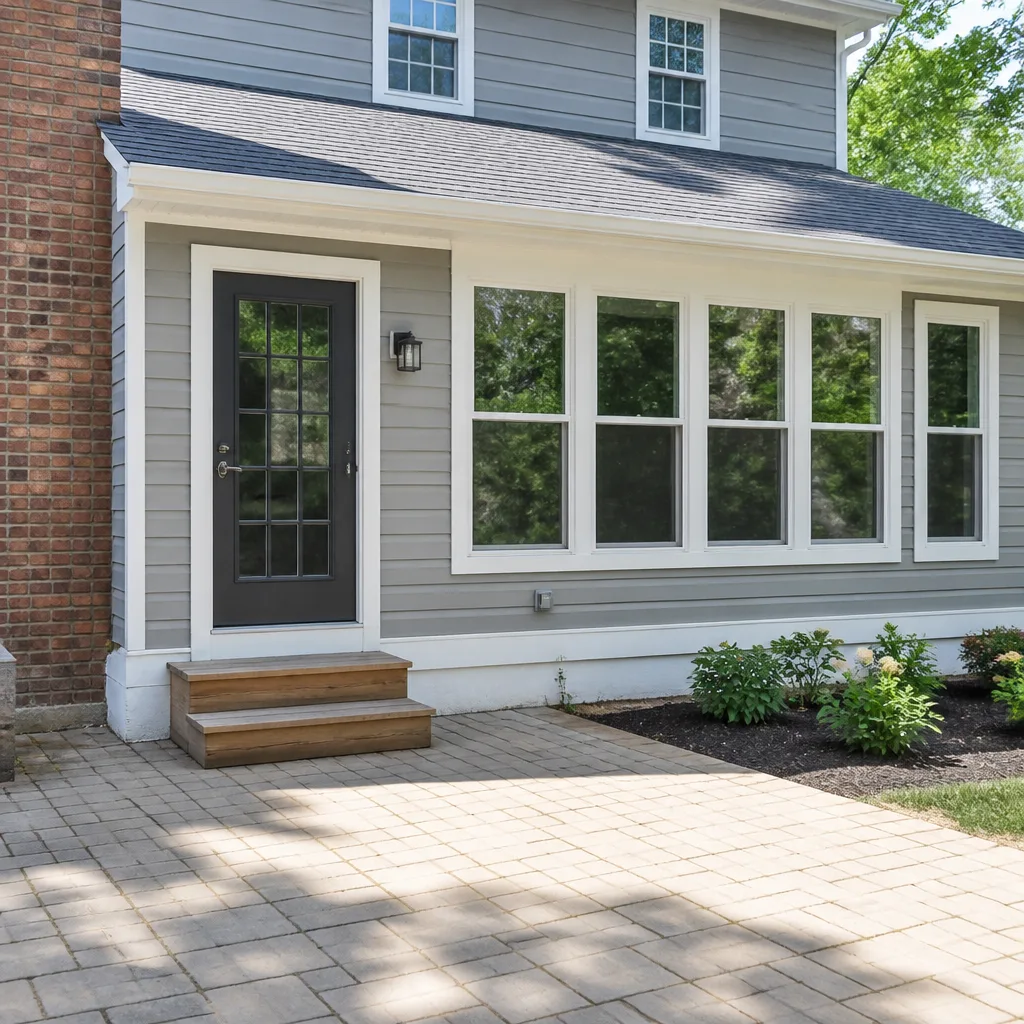 After
After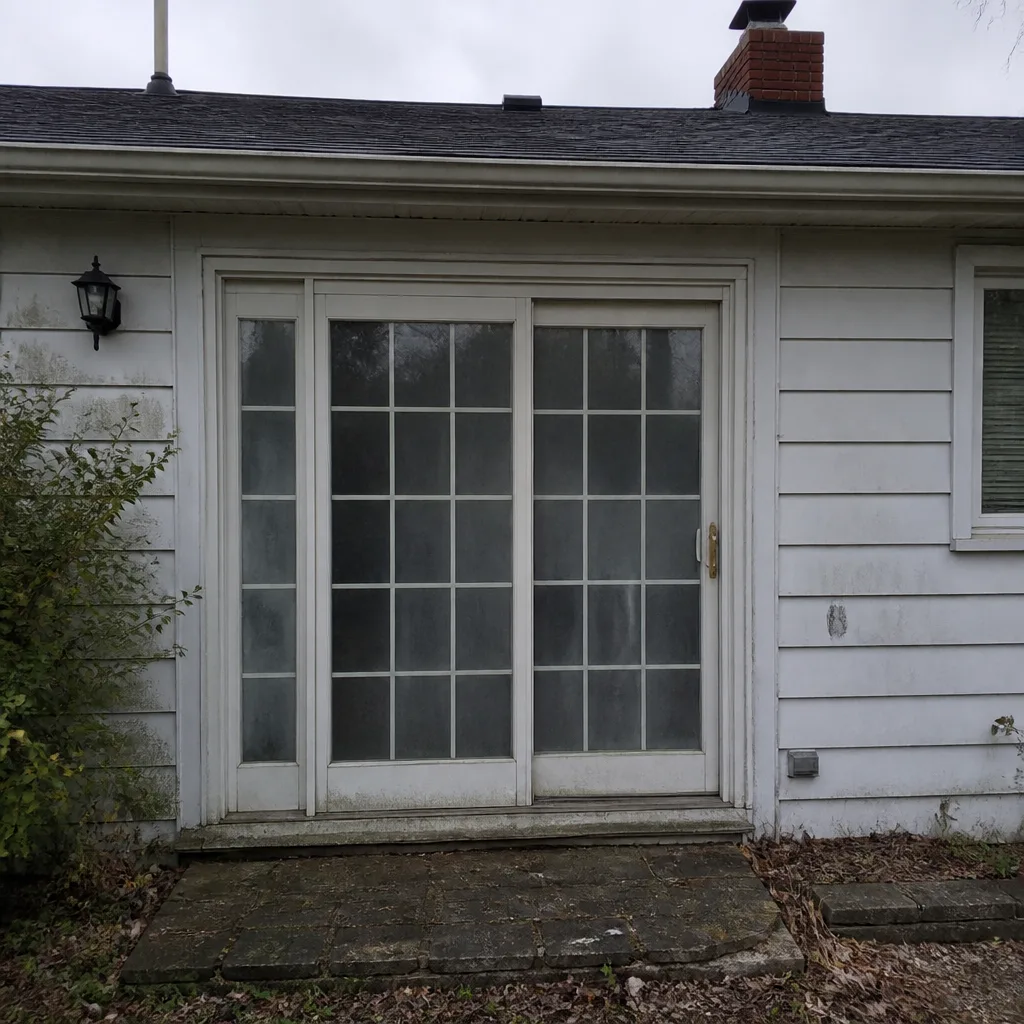 Before
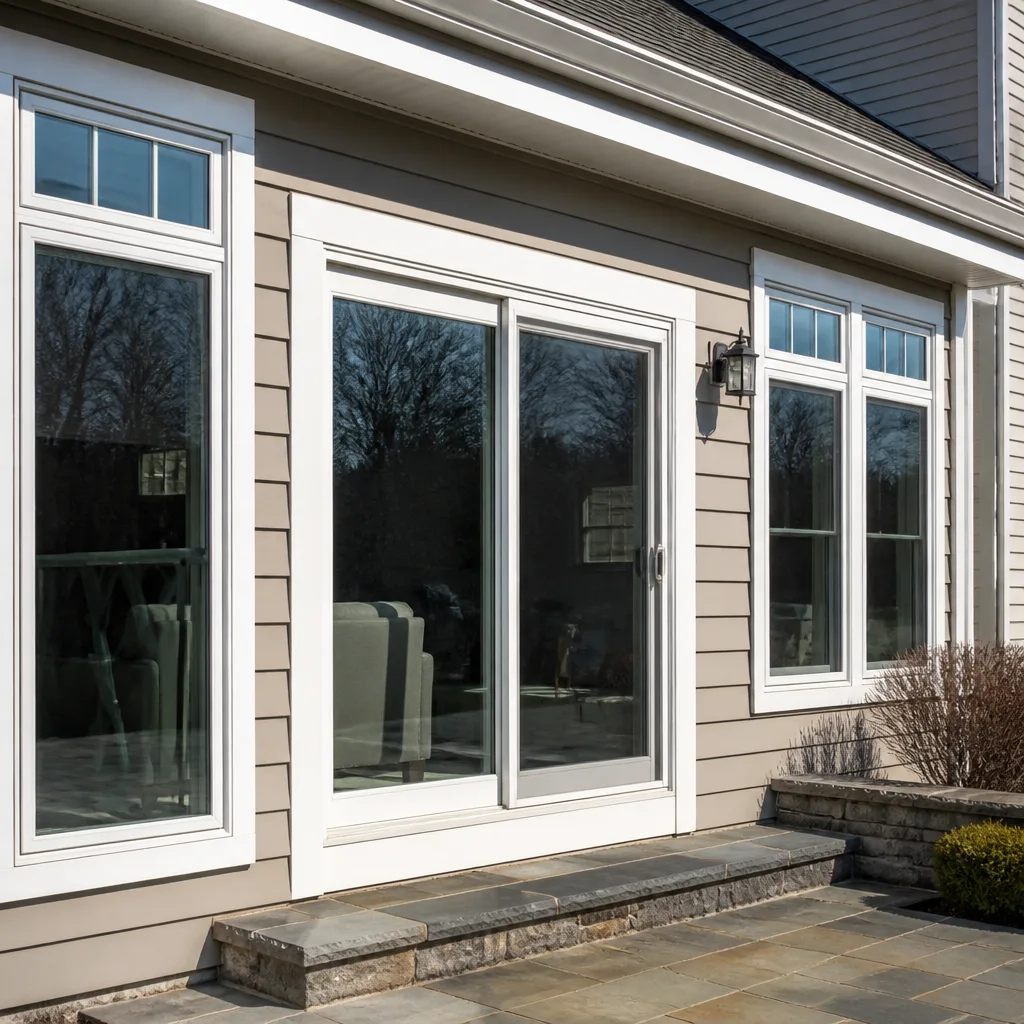 After
After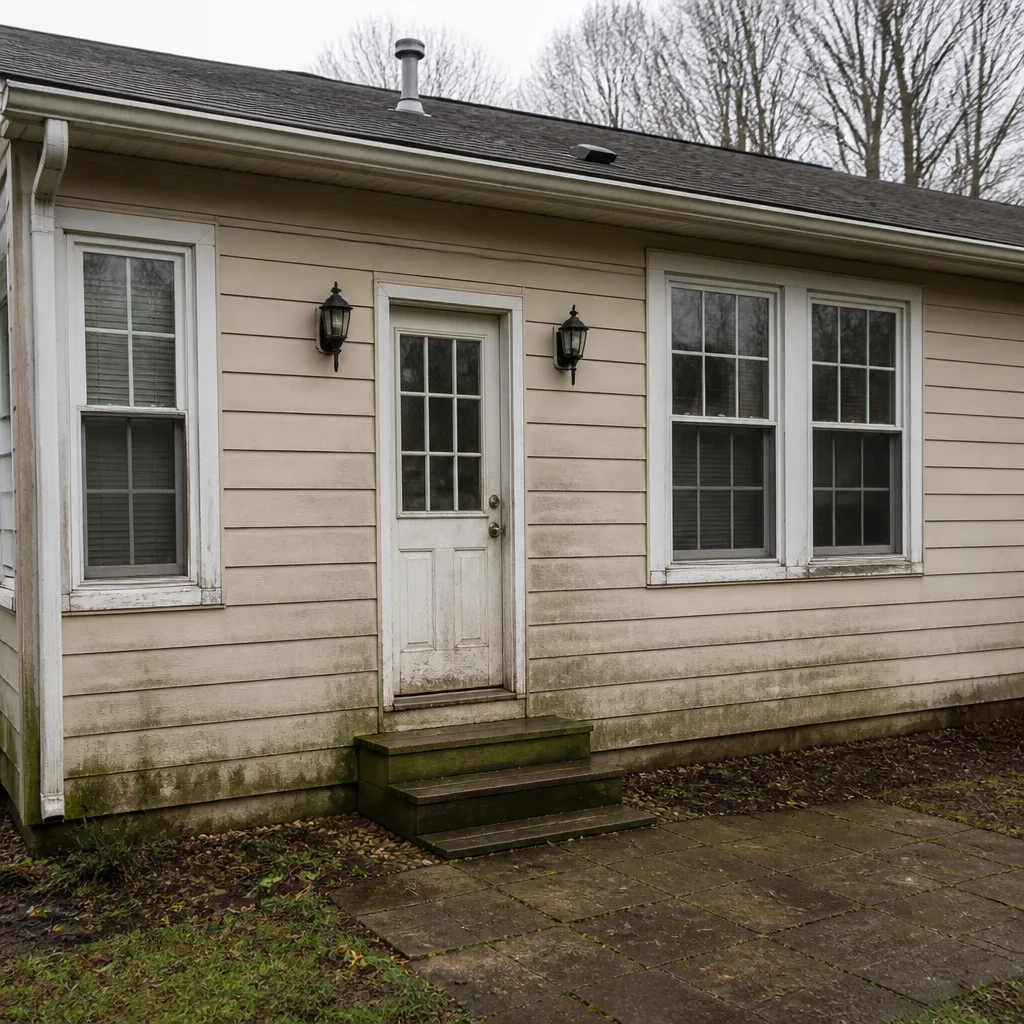 Before
 After
AfterDoor Installation Stopped Working
When a door that was installed – whether last month or fifteen years ago – stops working the way it should, the cause is almost always one of four things: the frame shifted, the hardware failed, the door itself moved, or the installation was never quite right to begin with. Any of these is fixable. None of them get better on their own.
A door that binds, won’t latch, drags on the floor, gaps at the top corner, or simply refuses to close smoothly has lost its relationship with the opening it lives in. That relationship is geometry – square, plumb, level – and when it breaks down, the door tells you. The latch stops catching. The weatherstrip stops sealing. You start lifting the handle just to get the bolt home. These are not nuisances. They are the door telling you something structural needs attention, and the sooner you understand what, the simpler the fix.
Why It Happens
1. Foundation or Frame Settlement
Houses move. Over years, the framing around a door opening shifts with seasonal moisture, soil movement, or simple settling, and the rough opening the door was installed into is no longer the shape it was. The sign: the door binds at the top corner on the latch side, or the gap around the door is suddenly uneven – wide at the top, pinched at the bottom, or vice versa. Run a finger along the gap and you’ll feel it. If the gap changes width as you move around the perimeter, the opening has moved.
2. Hinge Wear or Loose Hardware
Hinges carry the full weight of the door on three or four small screws per leaf, and those screws work loose over time – especially in wood frames where the grain compresses under load. A door that sags toward the floor on the latch side, or that you have to lift slightly before the bolt will engage, almost always has a hinge that’s pulling away from the frame. Check the top hinge first: if there’s visible daylight between the hinge plate and the jamb, or if the screws spin without biting, that’s your culprit.
3. Latch or Lockset Failure
The latch bolt, the strike plate, and the backset mechanism are mechanical parts that wear with use. When the bolt no longer aligns cleanly with the strike, the door either won’t latch at all or requires real effort to pull shut. Look at the strike plate: if there’s a wear mark significantly above or below center on the opening, the bolt and the plate are misaligned. Sometimes this is a hardware fix; sometimes it reflects the frame movement described above – and you need to know which before you start drilling new holes.
4. Original Installation Was Out of True
This is the one nobody likes to say, but it happens. A door hung slightly out of plumb will work fine for a while – springs are forgiving, and paint fills gaps – but over time the door settles into its hang and the problems that were hidden become obvious. If your door was never quite right from the beginning, or if problems appeared within the first two or three years, the install itself deserves a look. Dale Kessler started TruePane in 2008 specifically because out-of-true installs were the argument he kept inheriting from other crews. Measure twice, every time.
What to Do Right Now
- Stop forcing it. If the door is binding and you’re lifting the handle or shouldering the door to close it, stop. Every forced cycle stresses the hinge screws, the frame, and the strike plate more. Use a secondary entrance until a technician has a look.
- Check the gap around the perimeter. Open the door halfway and look at the gap between the door edge and the jamb all the way around. Photograph it with your phone. Uneven gaps tell the technician exactly where the opening has moved before they even put a level on it.
- Look at the hinges without touching them. Note whether any hinge plate is visibly pulling away from the jamb or whether screws are proud of the surface. Don’t try to tighten them yet – if the screw holes are stripped, tightening further can make the situation harder to repair cleanly.
- Check the threshold and floor at the door bottom. A door dragging on the floor can mean the door has dropped (hinge issue) or the floor has heaved. Either way, note whether the drag mark is consistent across the full sweep or only at one point – that detail matters for diagnosis.
- Do not adjust the strike plate yourself if the door has a deadbolt. Strike plate position is a security dimension, not just a convenience one. Moving it without confirming the bolt engagement depth can leave the lock less secure than it looks. Let a technician verify alignment and engagement before any hardware moves.
How We Fix It
When your local TruePane Windows & Doors team arrives, the first thing a technician does is put a level on the opening – both jambs, the header, the sill – before touching the door. That tells us whether the problem is in the door, the hardware, or the frame, and it determines everything that comes next.
Most binding and latching failures resolve with a combination of hinge realignment, long-screw reinforcement of the hinge blocks, and strike plate adjustment. If the frame has shifted enough that hardware adjustments won’t hold, the door may need to be rehung in the corrected position. Where the door or frame itself is damaged beyond adjustment, we’ll quote a full Door Installation so you know exactly what you’re looking at – in writing, before anything starts. No-hassle upfront pricing means no surprises on the bill.
Most repairs complete in a single visit. Every job is backed by our Done Right Promise and The Keystone Standard: both warranty layers registered before the truck leaves your driveway, workmanship guaranteed, no paperwork fights.
Frequently Asked Questions
Yes, it can be. A door that won’t latch fully or a deadbolt that doesn’t fully engage the strike leaves your home less secure than it appears from the outside. If you can’t get the door to latch reliably, don’t rely on that entry as a secure lock point until a technician has confirmed the bolt engagement is solid. Call us at (888) 635-0804 and we’ll get someone out to you.
It depends on which door. An exterior door that isn’t latching or sealing properly is both a security issue and an energy loss – air infiltration and a compromised lock are not problems worth putting off. An interior door that’s simply binding is lower urgency but still worth fixing before it gets harder to open or damages the frame further. For exterior doors, sooner is the right answer. Call (888) 635-0804 and describe what you’re seeing – a live person answers every call, any hour of the day.
Call us at (888) 635-0804 and a live person will pick up – not a voicemail, not a callback form. Your local TruePane team will tell you exactly when they can have a technician at your door and get you a free written estimate before any work begins. We won’t leave you hanging with a vague “we’ll call you back.”
No. TruePane operates on no-hassle upfront pricing: you get a written estimate that spells out the work before anything starts, and that’s the number on your bill. If the technician discovers something additional once the door is apart, they’ll tell you and ask before they proceed – never after. No surprises on the bill is not a slogan here; it’s how Dale Kessler set this company up from the beginning.
Get It Fixed
Call (888) 635-0804 right now – a live person answers every call, any time of day. Your local TruePane Windows & Doors team will schedule a visit, diagnose the problem, and give you a free written estimate before a single thing is touched. No pressure, no surprises. Just a square deal.
Written by Dale Kessler, Owner at TruePane Windows & Doors, proudly serving local communities since 2008.
What Our Customers Say
"Two entry doors. Showed up when they said, second day was a half day like they said, and the painter they recommended confirmed the frames were dead plumb. The financing was explained in actual dollars, not a brochure."
- Janet R."Impact windows on the whole house. They handled the permit, the inspection, and gave me a folder with every approval number for the insurance company. My windstorm premium dropped enough to notice."
- Bill T."Whole-house window replacement at 71 years old is not something you want to do twice. Dale walked the house himself for the quote. Crew was the same three men all four days, and the foreman knew every window by room."
- Pat and Ray L.