
Free in-home measure and quote - PGT, CGI and CWS impact lines compared on your actual openings, style by style
Sliding glass doors
Impact garage doorsPGTCGI
 Before
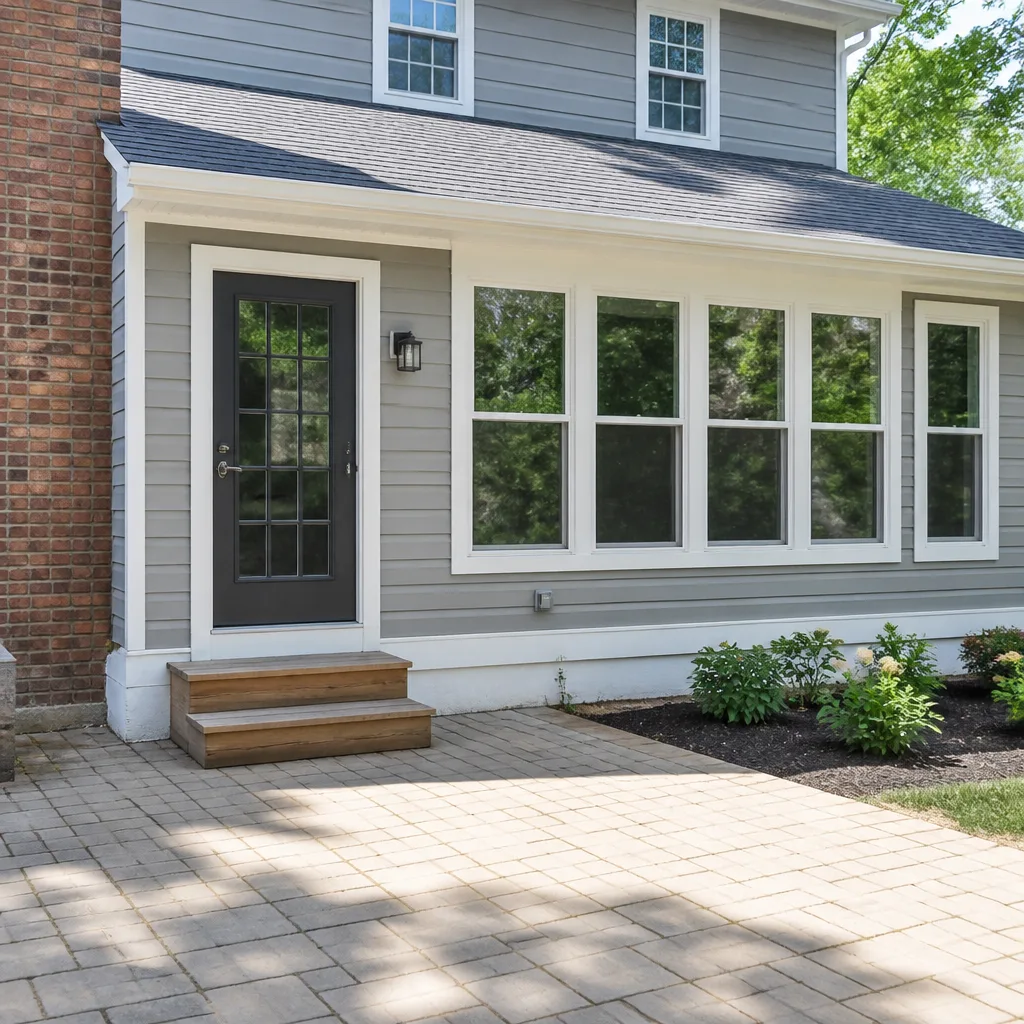 After
After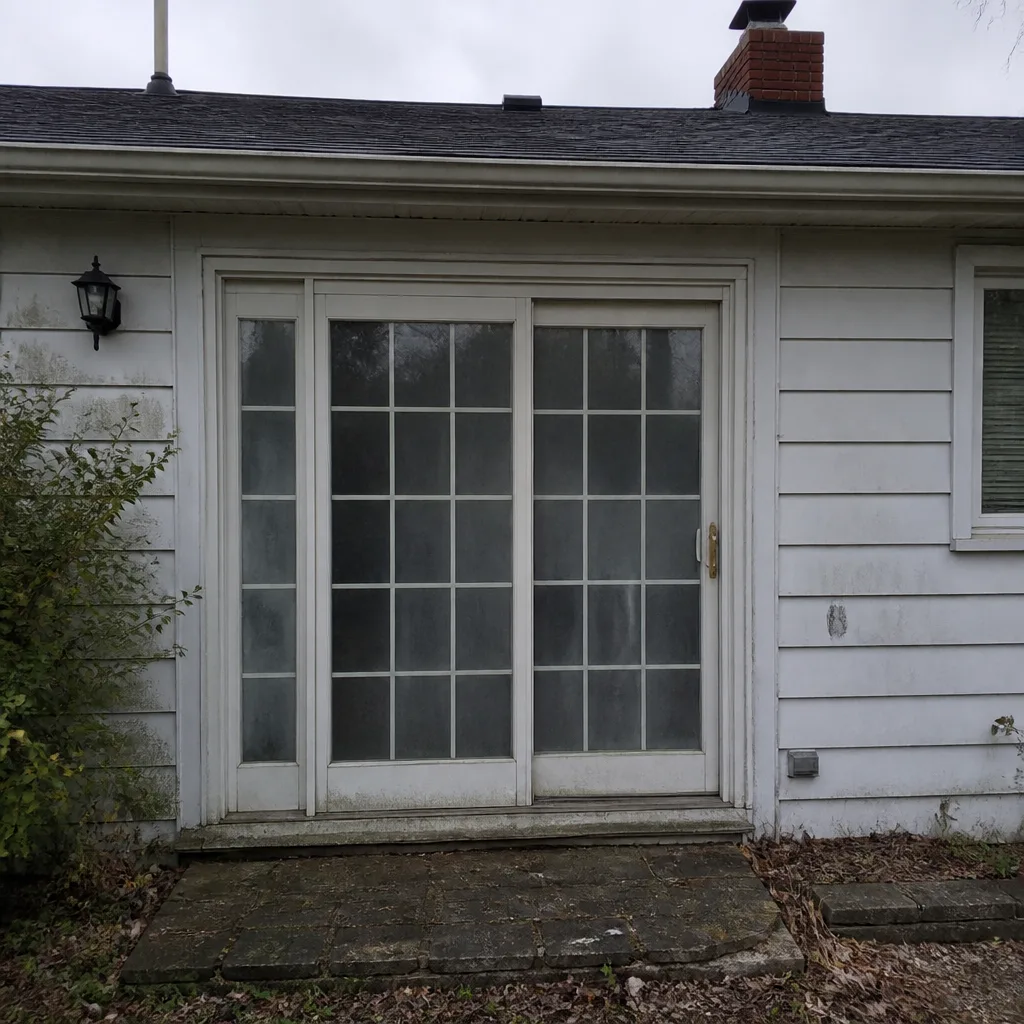 Before
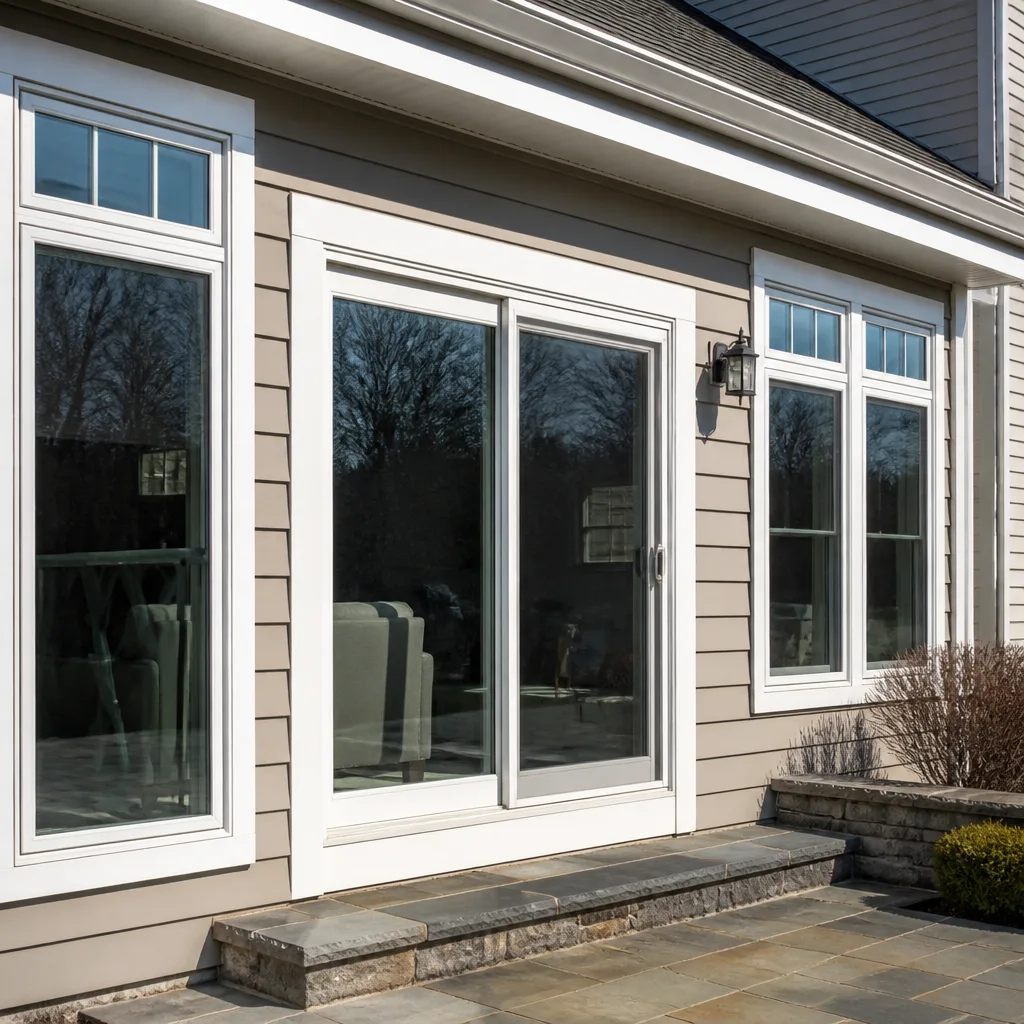 After
After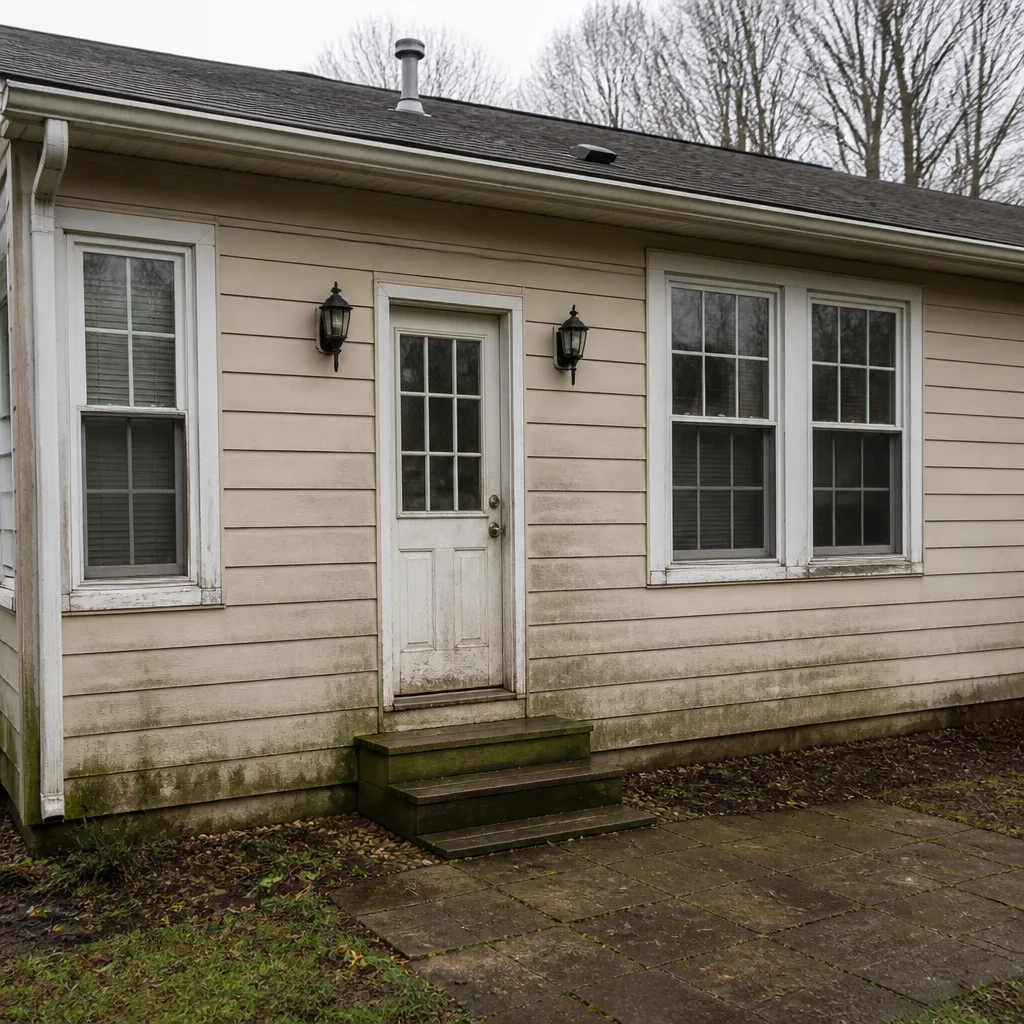 Before
 After
AfterDouble pane vs triple pane windows in Columbus: Choose double pane Low-E unless you have a north-facing or west-facing opening in a pre-WWII frame.
For most Columbus homes, a quality double-pane Low-E unit is the right call. Triple-pane earns its cost on specific walls in specific houses, not as a blanket upgrade. If you’re comparing the two, call TruePane Windows & Doors at (888) 635-0804 and we’ll walk through the orientation math for your specific openings before you spend a dollar more than you need to.
Dale Kessler grew up in Clintonville, where his father spent thirty years doing glass work on older homes with original wood frames and single-pane storms that let in half the weather. That’s where our perspective on this question comes from. We’ve measured and set windows in central Ohio for close to three decades now, and we can tell you the double-vs-triple decision is not about what’s “better.” It’s about what’s better on that wall, in that house, at that address.
Start with the wall, not the window
Columbus gets cold. January lows sit near 18°F, and sustained northwest winds from flat terrain push hard against north- and west-facing glass. But the same climate gives us real solar gain on south-facing openings when the sun drops low in winter. Those two facts pull in opposite directions, and they’re the whole decision.
Before you compare glass packages, ask yourself which wall the window is on:
- North-facing openings get almost no direct winter sun. Heat moves outward through the glass nearly all day, every day.
- West-facing openings catch afternoon sun in summer, but in winter the sun sets early and the prevailing northwest wind works that wall hard.
- South-facing openings collect free solar heat from roughly November through February, when the sun’s angle is low enough to reach deep into the room.
- East-facing openings get modest morning sun but give most of it back by noon in winter.
If you’re in a pre-WWII wood-frame or brick house in Clintonville, Olde Towne East, or Franklinton, you’re also dealing with uninsulated wall cavities and original rough openings. That’s where orientation matters most, because the window is doing a bigger share of the thermal work than it does in a 2005 production build with six inches of wall insulation behind the siding.
What we see on north and west walls in older Columbus homes
On a January night at 18°F outside and 70°F inside, the center-of-glass surface temperature on a standard double-pane clear unit runs roughly 48-52°F. A quality double-pane Low-E improves that to maybe 55-58°F. A triple-pane unit with two Low-E coatings sits closer to 63-67°F. That 8-12°F difference is the entire reason triple-pane exists. You’ll feel it as less radiant chill standing next to the window, and you’ll see less condensation forming along the bottom sash on cold mornings.
On a north-facing living room bay in Clintonville with original wood frames and no wall insulation, that difference is real. It changes how the room feels in February. On a south-facing kitchen window that catches full sun from 10 a.m. to 3 p.m. all winter, the same triple-pane unit is giving something back.
South-facing glass: where triple-pane can be the wrong answer
Every pane you add, and every Low-E coating you apply, reduces the solar heat gain coefficient of the unit. That’s the measurement of how much solar energy passes through the glass into your living space. A high-SHGC double-pane Low-E lets in roughly 20-30% more useful solar heat than a typical low-SHGC triple-pane on the same south-facing wall.
Columbus has a heating-dominated climate. You spend far more on heat than cooling. That means free solar gain in winter is worth real money, and the triple-pane unit trades some of it away for a marginal improvement in conductive loss. On a south-facing opening, you can end up spending 30-40% more per window to slightly reduce heat loss, while simultaneously reducing the free heat you were already getting. The net energy payback goes backward.
We show this math on paper at the quote stage, broken down by opening and orientation. Not as a blanket recommendation. As a line-item calculation.
The weight problem most out-of-market companies skip
Triple-pane units weigh 30-40% more than comparable double-pane units. In a ranch built in 2003 with standard rough openings, that’s usually fine. In a German Village brick house from 1890 with original wood sills, it is not automatically fine. The sash, the sill, the rough opening, the counterweights or spring balances all carry that extra glass, every day, for decades.
TruePane regularly specs windows in German Village and Franklinton, and we do a structural assessment of the sill and rough opening before recommending triple-pane in any pre-WWII frame. That step gets skipped by companies that sell from a catalog photo. It’s the difference between a window that operates for thirty years and one that binds in July because the frame is carrying more weight than it was built for.
And in German Village specifically, the home-level documentation matters because the German Village Commission requires replacements to match original wood sash profiles and divided-light patterns. Triple-pane in a wood sash that meets that spec is possible, but it narrows your manufacturer options and raises cost further. We pull commission approval before ordering product. That’s not a detail, it’s the sequence.
What the payback actually looks like in Columbus
Across a whole house, the premium for triple-pane over quality double-pane Low-E typically extends payback by 5-8 years in our climate zone. On north-facing and west-facing openings in older uninsulated homes, the payback is faster and the comfort improvement is obvious. On south-facing openings, the payback stretches out or disappears. The honest answer is that most Columbus homes do best with a mixed approach: double-pane Low-E on most openings, triple-pane selectively placed where the wall and the exposure justify it.
That’s not what you’ll hear from a company selling one product line. We install more than a dozen manufacturer lines, including Andersen, Pella, Marvin, Jeld-Wen, PGT, and ES Windows, and we quote them side by side on paper. You see the U-factor, the solar heat gain coefficient, the air infiltration number, and the price. Then you choose.
| Factor | Double-Pane Low-E | Triple-Pane Low-E |
|---|---|---|
| Typical U-factor | 0.27-0.30 | 0.18-0.22 |
| Typical SHGC | 0.32-0.42 (higher on south-spec glass) | 0.20-0.30 |
| Center-of-glass temp at 18°F outside | 55-58°F | 63-67°F |
| Weight vs double-pane | Baseline | 30-40% heavier |
| Payback premium (whole house) | Baseline | 5-8 additional years |
| Best placement in Columbus | South and east openings, production builds | North and west openings, pre-WWII walls |
Every option we sell comes with both manufacturer warranty layers registered in writing before the truck leaves your driveway. The glass seal duration is stated. The frame duration is stated. If it’s not done right, our Done Right Promise says we make it right, no paperwork fights and no arguing. That applies whether you choose double-pane or triple-pane.
What to look for in either spec
Don’t decide this question on the glass count alone. Here’s what actually separates a good unit from one that fails early in Columbus’s humid continental climate:
- Seal quality and spacer material. Persistent humidity and repeated thermal cycling are what kill IGU seals around here. Ask what spacer system the unit uses. Warm-edge spacers consistently outperform aluminum in our climate.
- Low-E coating placement. For south-facing glass, the coating spec and placement drive solar gain more than the number of panes does.
- Frame material and engineering. A triple-pane glass package in a cheap vinyl sash is still a cheap window. The frame carries the load and resists the wind. Simonton, Ply Gem, and PGT all make good mid-range vinyl, but the spec matters more than the name.
- Air infiltration rating. This number matters more than U-factor in real-world performance. We quote it alongside the thermal numbers so you can see how tight the unit actually is.
- Installation method. A perfect window set out of true will leak air and bind. The frame does its job only if it’s square, shimmed right, and flashed correctly. A window that fits right shouldn’t need caulk to do the work the frame was supposed to do.
If you’re replacing windows as part of a broader look at energy performance, our Energy-Efficient Windows in Columbus guide covers the full picture, including air sealing and frame selection. And if you want a step back to the Energy-Efficient Windows overview, that’s the page that explains our general approach.
Key takeaways
- Double-pane Low-E is the right default for most Columbus openings, especially south-facing glass.
- Triple-pane earns its premium on north-facing and west-facing walls in pre-WWII uninsulated houses.
- The added pane reduces solar gain by 20-30% on south-facing windows, which can offset the conductive loss improvement.
- Triple-pane weighs 30-40% more. Older wood frames need a structural assessment first.
- Whole-house payback for triple-pane over double-pane typically stretches 5-8 years longer in our climate.
- Both options at TruePane come with both warranty layers registered in writing, durations stated, and our Done Right Promise.
FAQs
In Columbus, triple-pane windows typically run 25-40% more than comparable double-pane Low-E units, depending on size, frame material, and manufacturer. The premium is smallest on mid-range vinyl lines like Ply Gem or Simonton and largest on wood or wood-clad units for historic districts. Call (888) 635-0804 for a side-by-side quote on paper at your exact opening dimensions.
Triple-pane is worth it in Ohio on north-facing and west-facing walls in older, uninsulated homes where you’ll notice an 8-12°F warmer interior glass surface and less condensation all winter. It’s usually not worth it on south-facing openings or in well-insulated production homes built after 1990, where double-pane Low-E performs nearly as well for significantly less money.
Yes, but only after a structural assessment of the sill and rough opening. Triple-pane units weigh 30-40% more than double-pane, and in German Village, Franklinton, or Clintonville frames from before 1940, that extra weight can cause sash sag and binding if the opening isn’t up to it. We check every opening before recommending the spec, and we pull commission approval in historic districts before ordering.
Triple-pane reduces noise modestly better than double-pane when the extra pane is paired with different glass thicknesses in the unit, but the improvement is smaller than most people expect. For real noise control, we spec laminated glass or mixed-thickness panes rather than simply adding a third lite. Call (888) 635-0804 and we’ll spec the right combination for the wall you’re glazing.
Both double-pane and triple-pane IGUs typically last 20-30 years in Columbus, with seal failure driven largely by humidity and thermal cycling rather than glass count. The bigger variable is installation quality. A unit set out of true or flashed incorrectly will stress the seal and shorten the life, which is why we register both warranty layers in writing and stand behind every install for 90 days.
If you’d rather have someone look at your actual openings, TruePane Windows & Doors offers a no-pressure assessment in Columbus. We’ll quote double-pane and triple-pane side by side, broken down by wall orientation, with both warranty layers in writing. Call (888) 635-0804.
Written by Dale Kessler, Owner, TruePane Windows & Doors at TruePane Windows & Doors, serving Columbus, OH.