
Free in-home measure and quote - PGT, CGI and CWS impact lines compared on your actual openings, style by style
Sliding glass doors
Impact garage doorsPGTCGI
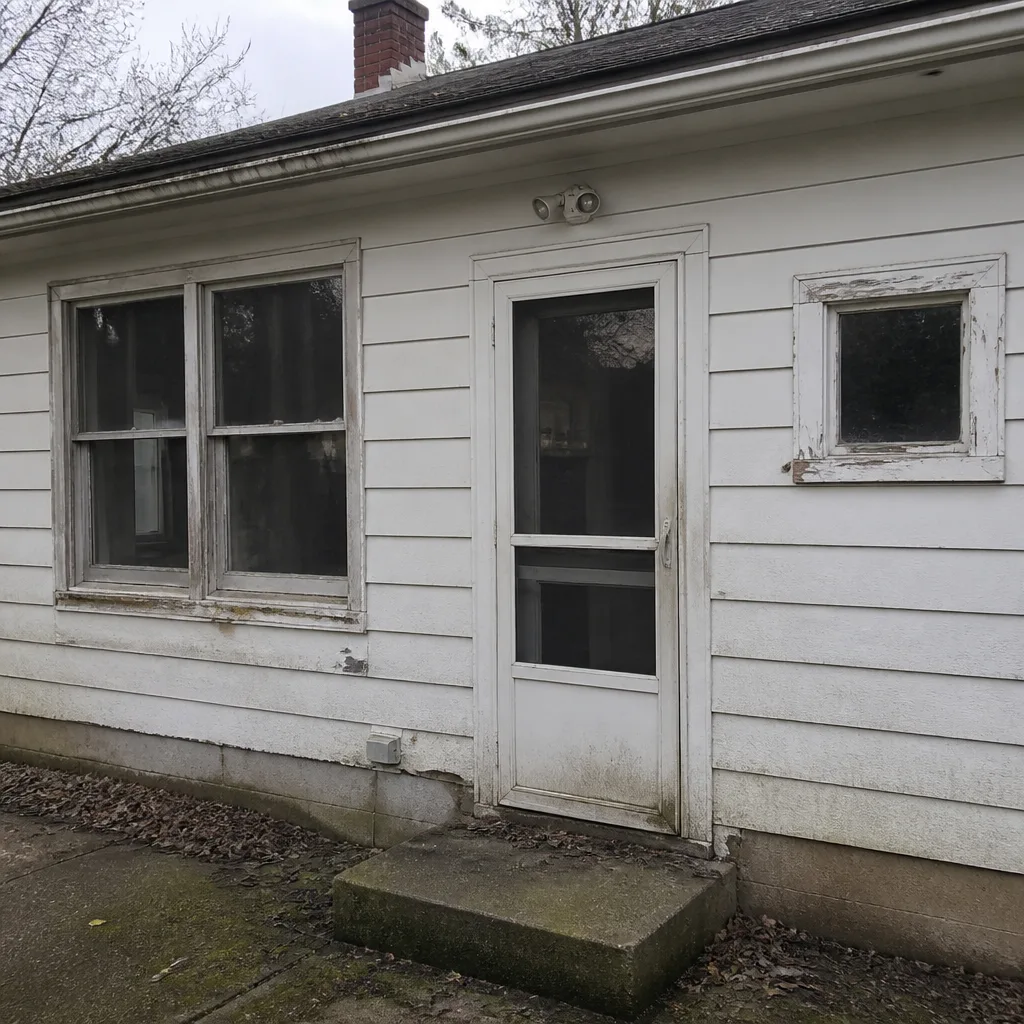 Before
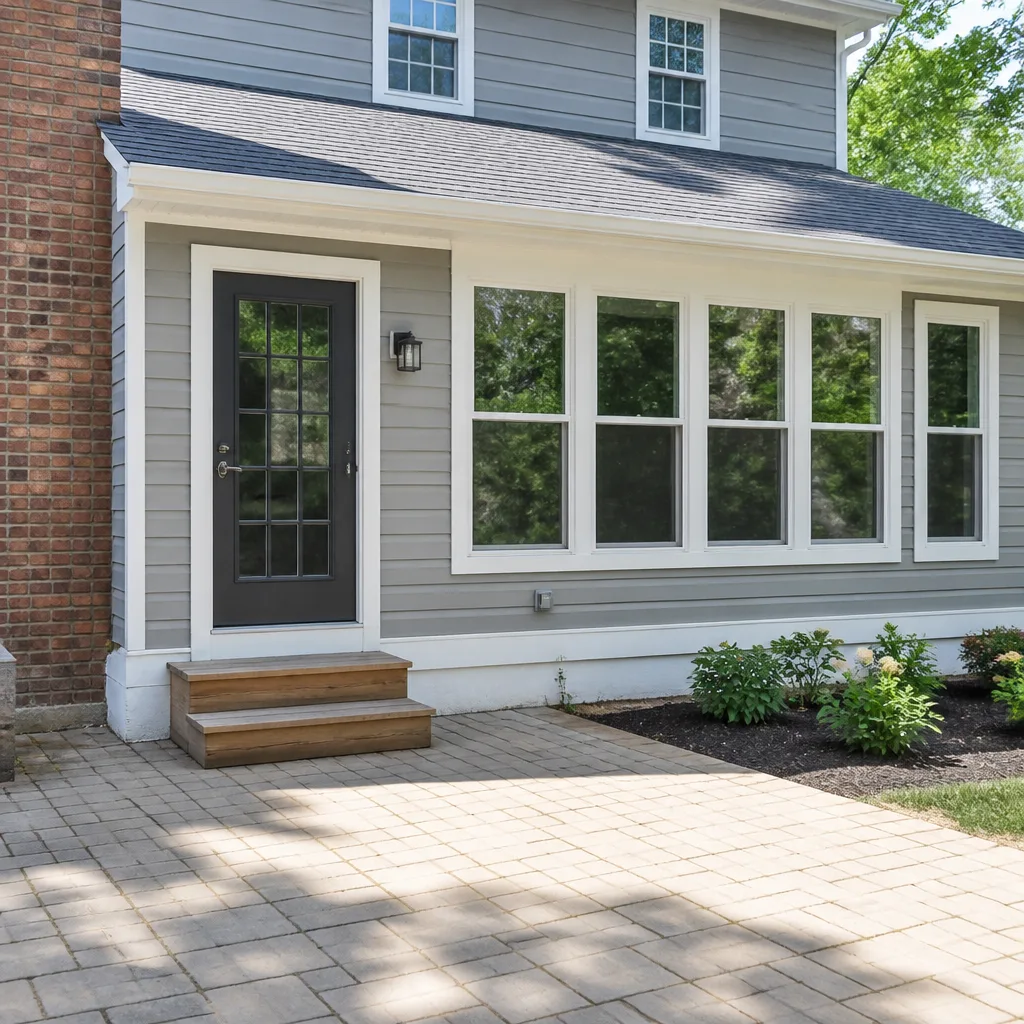 After
After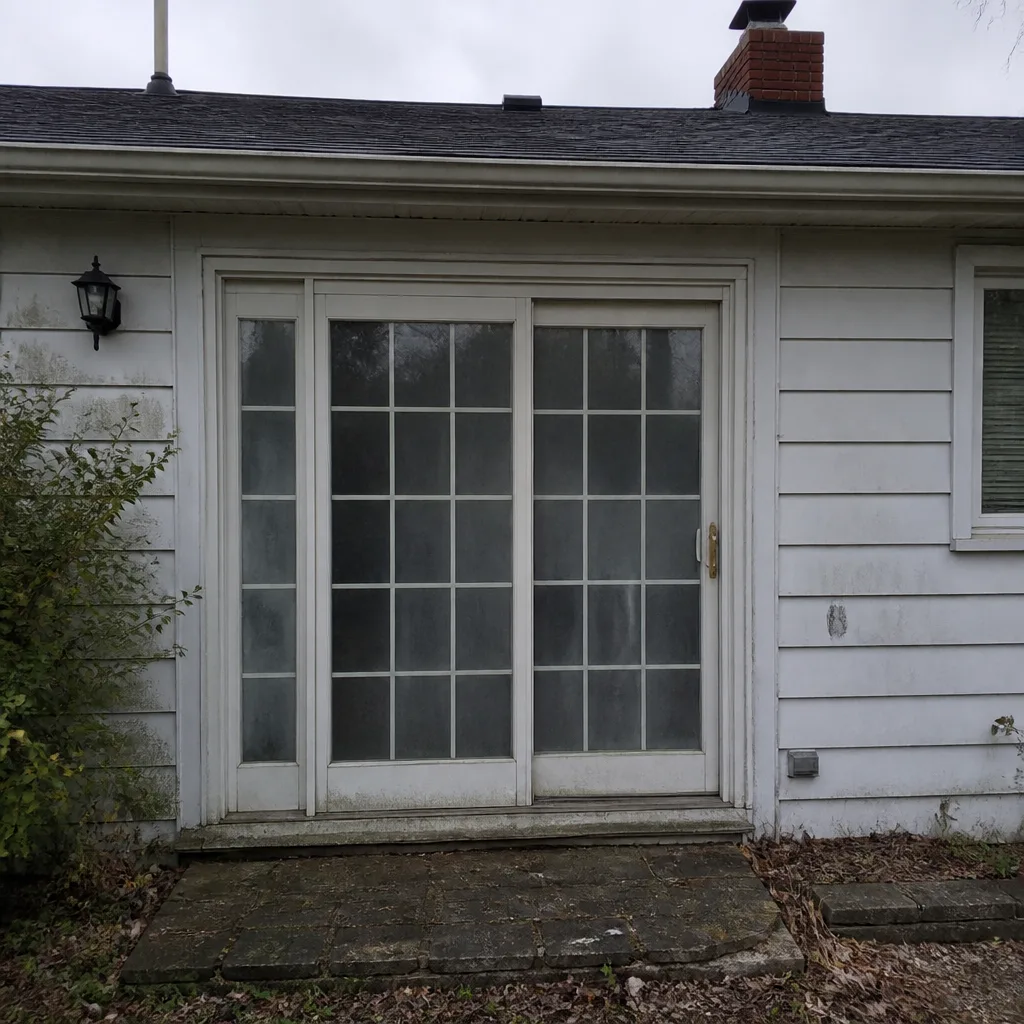 Before
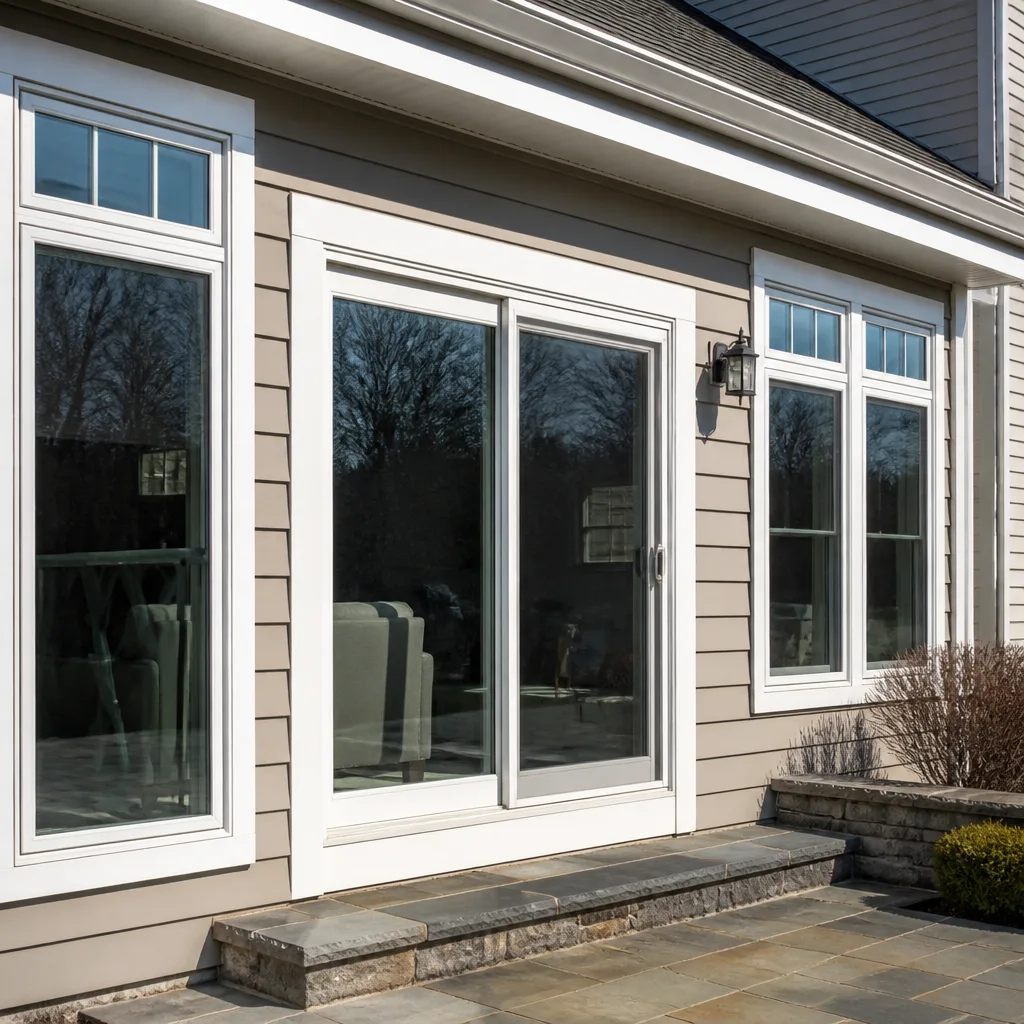 After
After Before
 After
AfterFast, Reliable Energy-Efficient Windows Across San Dimas
Energy-efficient window replacement in San Dimas typically runs $850-$1,900 per window installed, with full-frame retrofits on 1960s-1980s ranch homes landing between $1,400 and $2,600 per opening depending on fire-rated glazing requirements. We serve the entire 91773 zip code, from the flat valley tracts up into the hillside parcels off San Dimas Canyon Road. Our crews know what the Climate Zone 10 code triggers mean for your permit, and our office can tell you over the phone whether your parcel falls in a WUI overlay before you spend a dime on glass. Call (888) 635-0804 and you’ll get a live person, not a voicemail tree.
Key takeaways:
- San Dimas sits in CEC Climate Zone 10, which requires replacement windows to hit SHGC ≤ 0.22 under Title 24 – a stricter bar than coastal LA zones.
- Hillside homes near San Dimas Canyon Road can be mapped in California’s Wildland-Urban Interface zone, triggering fire-rated insulated glass requirements many homeowners never expect.
- Original aluminum single-pane frames on the city’s abundant 1960s-1980s ranch stock oxidize and warp under foothill thermal cycling, making full-frame replacement more common here than pocket retrofits.
- Every TruePane job comes with The Keystone Standard: both manufacturer warranty layers registered in writing, durations stated, before our truck leaves your driveway.
Energy-Efficient Windows in San Dimas: What the Code Actually Requires
Here’s what most window salespeople won’t tell you before you sign: the replacement windows you’re allowed to install in San Dimas are not the same as what your cousin in Long Beach can buy off the shelf. San Dimas sits at the eastern foothill edge of the San Gabriel Valley inside CEC Climate Zone 10, where summer temperatures routinely exceed 100°F and Santa Ana wind events drive intense thermal cycling. Under California Title 24, a replacement window in Climate Zone 10 has to meet a Solar Heat Gain Coefficient of 0.22 or lower. That’s a tighter threshold than coastal and mid-valley zones, and it narrows your product selection before you even start talking about frames or glass packages. The good news is we carry more than a dozen manufacturer lines – including Milgard, Andersen, Pella, Marvin, PGT, and CGI – and we’ll put the SHGC and U-factor ratings side by side on paper so you can see exactly what meets code and what doesn’t. This is the work our Energy-Efficient Windows team does every week across San Dimas, and there’s no guesswork left by the time we quote.
For hillside parcels above the valley floor, the permit conversation gets more serious. Properties along San Dimas Canyon Road and the upper foothill perimeter frequently fall within a State Responsibility Area or Wildland-Urban Interface overlay. That means a straightforward thermal upgrade can convert into a code-driven procurement of SFM-listed fire-rated insulated glass units. Flat-valley neighbors in Pomona or Walnut never see this trigger. In San Dimas, it’s common enough that we check the parcel map before we finalize any quote above the valley floor. If fire-rated glazing is required, lead times on compliant units stretch the calendar – sometimes two to four weeks beyond standard production. We flag that on the front end, in writing, so your schedule doesn’t surprise you later.
Why TruePane Windows & Doors Is the San Dimas Choice for Energy-Efficient Windows
We’ve worked San Dimas long enough to recognize the failure patterns before we step through the front door. Original aluminum single-pane sliders with warped sash tracks. Fogged insulated glass units on homes that see 30-40°F temperature swings between afternoon and midnight. West-facing picture windows that turn living rooms into ovens every summer. Our crews have pulled enough of these units out of 1960s tract ranches to know what’s behind the stucco and what the opening dimensions actually look like before we order. Dale Kessler founded this company on a rule that still governs every install: if the pane is not true, the job is not done. That means measuring every opening twice, quoting manufacturer lines side by side on paper, and registering both warranty layers in writing before the truck leaves your driveway.
We’re not a franchise playbook. TruePane has served local communities since 2008 through a craft tradition that started with second-generation glaziers who actually set glass. We hire local apprentices and train them into journeymen because we plan to be working San Dimas in thirty years. Every technician who walks onto your property is background-checked and uniformed, and they’ll treat your home the way they’d treat their own mother’s. If something isn’t done right, you don’t argue with a call center. Our Done Right Promise means we come back and make it right – no paperwork fights, no fine print that covers neither. And when you call (888) 635-0804, a live person answers. That’s been true since the day we opened, and it doesn’t change after hours or on weekends.
Our Energy-Efficient Windows Services in San Dimas
Window Energy Audits & Ratings
Before you commit to replacing glass, it’s worth knowing which windows are actually costing you money. We conduct window energy audits on San Dimas homes using thermal readings and visual inspection to identify failed seals, underperforming glazing, and openings that need full-frame replacement rather than pocket retrofit. The audit covers every window and door opening, and the written report includes the U-factor and SHGC ratings you’ll need to compare replacement options under Title 24. For a home in Climate Zone 10, the audit often reveals that west-facing and south-facing openings are where you’ll recover cost fastest. Most audits run $195-$350 depending on the number of openings, and that fee is credited toward your replacement order.
Low-E & Argon Gas Glass
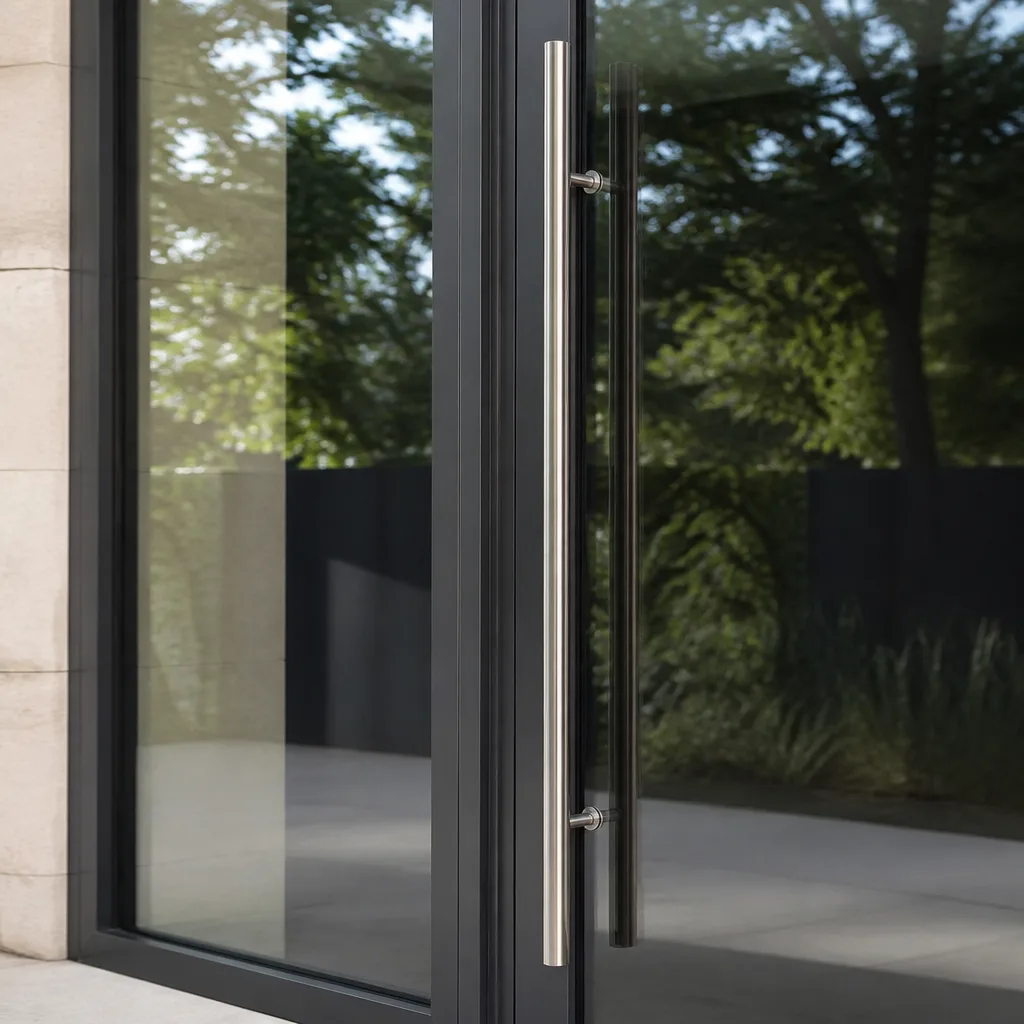
Low-E coatings and argon gas fill are the workhorses of energy-efficient glazing in San Dimas. The low-E coating reflects radiant heat back toward its source, which means summer afternoon sun stays outside and winter warmth stays in. Argon gas between the panes slows conductive heat transfer far better than plain air. In an inland valley climate with 100°F-plus summer days, the combination knocks down solar heat gain dramatically compared to the original clear single-pane glass on 1960s ranch homes. A typical low-E with argon upgrade in San Dimas runs $850-$1,400 per window installed, depending on frame material and whether the existing frame can accept a new insulated glass unit or needs full replacement.
ENERGY STAR Replacement Windows
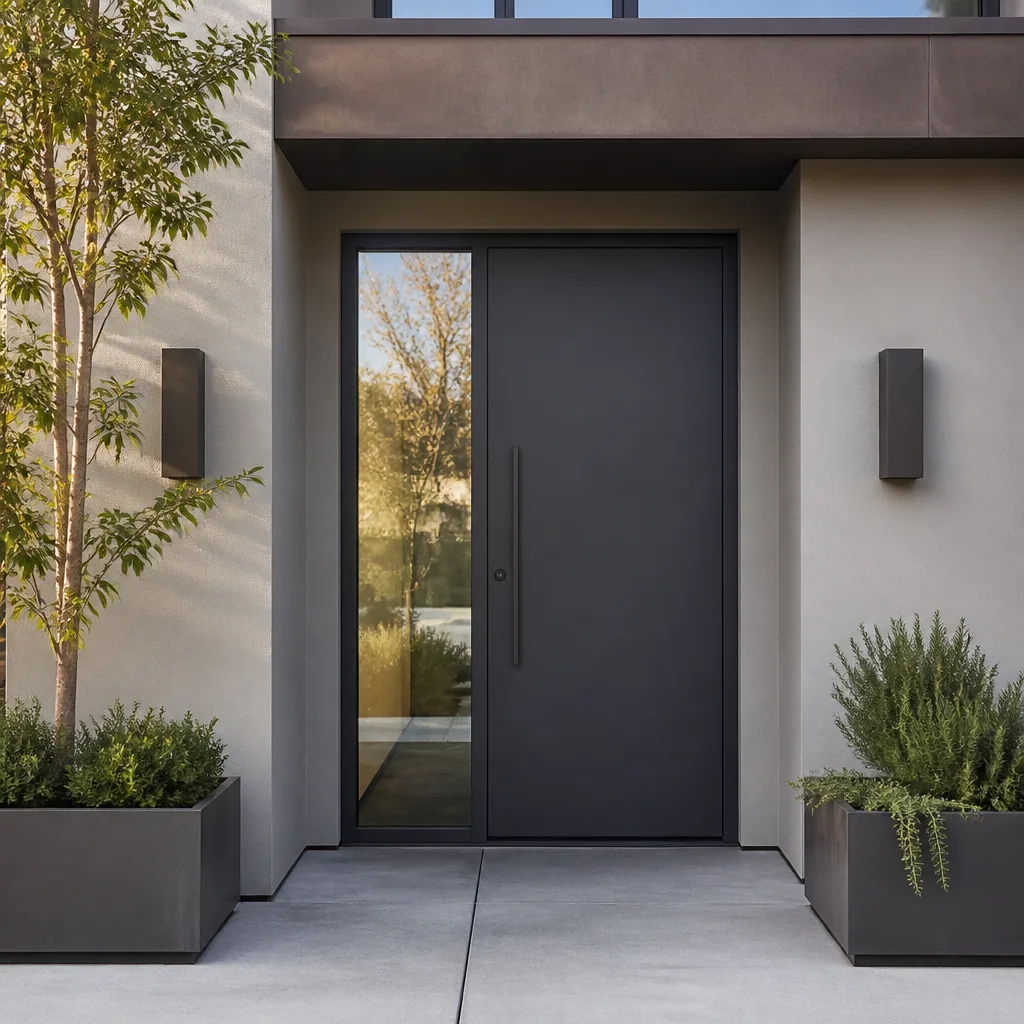
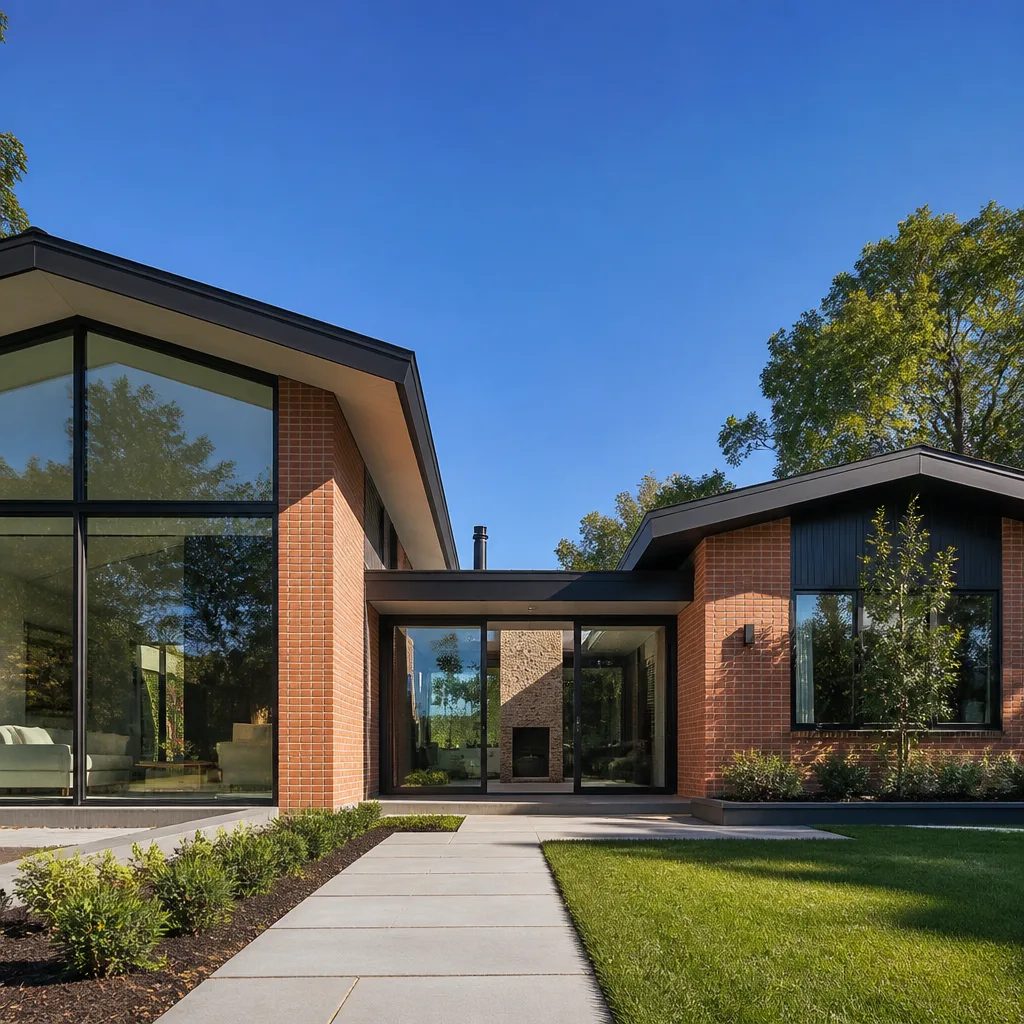
ENERGY STAR certification is a federal efficiency benchmark, but what matters more in San Dimas is whether the window meets the specific climate zone criteria for the Southern California inland valley. A window that earns the ENERGY STAR label for the Northern climate zone may not meet Title 24’s SHGC ≤ 0.22 requirement for Climate Zone 10. We quote ENERGY STAR replacement windows that actually satisfy San Dimas’s zone-specific thresholds, with the ratings printed on the quote so the building inspector sees the compliance path clearly. Expect $900-$1,900 per window for ENERGY STAR-rated units installed in standard openings; full-frame replacements on warped aluminum frames run higher.
Double & Triple Pane Windows
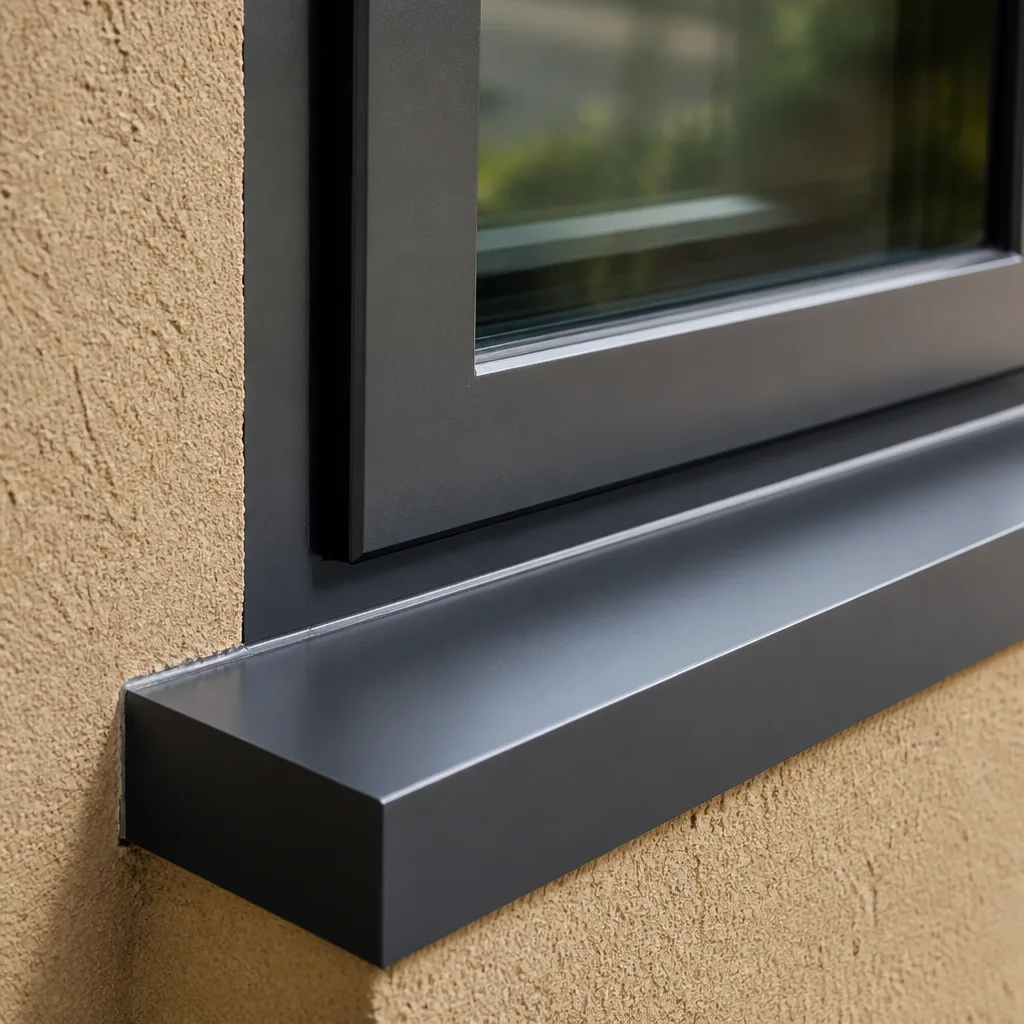
Double-pane units with low-E and argon are the baseline for San Dimas replacements. Triple-pane adds an additional glass layer and gas chamber, which cuts heat transfer further but also adds weight and cost. In Climate Zone 10, triple-pane makes the most sense on west-facing and south-facing elevations where the afternoon sun beats through glass for six or seven months a year, or on hillside homes where fire-rated assemblies are already required and the incremental cost is easier to justify. Double-pane replacement in San Dimas typically runs $850-$1,600 per window; triple-pane runs $1,200-$2,400 depending on size, frame, and whether fire-rated glass is triggered by WUI code. We’ll show you the U-factor and SHGC numbers for both options and let the math speak for itself.
UV-Blocking & Fade Protection
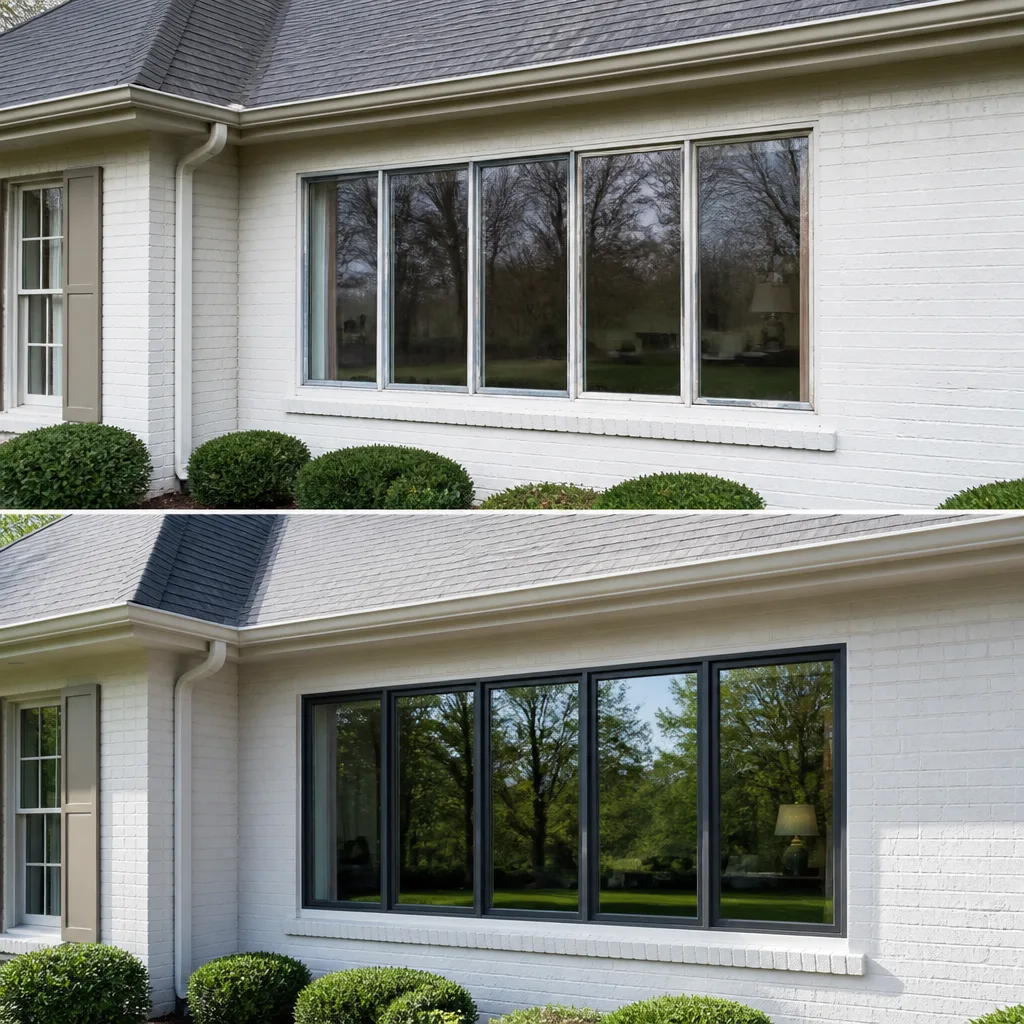
Triple-digit inland sun is hard on hardwood floors, upholstery, and fine furniture. San Dimas homes with original single-pane glass see significant UV damage on east and west exposures within a few years. Low-E coatings filter a meaningful share of UV radiation before it reaches your interior surfaces, and laminated glass options can block more than 99% of UV. For homeowners protecting heirloom furnishings or recently refinished floors, UV-blocking glazing is a practical addition alongside thermal performance. We’ll quote it as a line item on your estimate so you see exactly what the fade protection adds to the window cost, typically $150-$450 per opening.
What happens when you call
- 1
A real person answersNo phone trees - you reach a local pro.
- 2
You get an upfront price rangeHonest numbers before anyone is dispatched.
- 3
A background-checked tech heads outLicensed & insured, dispatched right away.
- 4
You approve before work beginsNothing starts until you say go.
Trusted Brands We Service in San Dimas
We’re an authorized installer for more than a dozen manufacturer lines, including, PGT, CGI, and ES Windows. We carry those lines because they hold up to what San Dimas’s climate throws at glass: sustained heat, thermal cycling, and WUI fire-rated requirements on hillside parcels. For San Dimas customers, we keep common replacement parts and hardware in local stock so we aren’t waiting on a warehouse in another state when a sash or balance fails. If you’ve already got a manufacturer preference, we’ll quote it. If you’re open to guidance, we’ll set two or three lines side by side on paper and show you where the price difference actually buys you anything.
Common Energy-Efficient Windows Problems We See in San Dimas Homes
- Oxidized aluminum frames on 1960s-1980s ranch homes. The original aluminum single-pane frames oxidize under repeated thermal expansion and warp the sash tracks, so operable units stick, rattle, or fail to seal. Full-frame replacement is often the only repair that actually fixes the problem.
- WUI fire-rated glazing discovered mid-permit. Hillside homes above the valley floor – particularly along San Dimas Canyon Road – frequently discover during permitting that SFM-listed fire-rated insulated glass is mandatory. That changes the product, the lead time, and the price, and it’s a surprise no homeowner should absorb at the permit counter.
- Premature seal failure on insulated glass units. San Dimas’s 30-40°F day-to-night swings stress edge seals, accelerating fogging and argon loss. We see units fail years earlier than identical glass in coastal zones, which makes replacement cycles shorter here than most homeowners expect.
- Title 24 SHGC compliance problems. Not every “energy-efficient” window on the shelf meets Climate Zone 10’s SHGC ≤ 0.22 requirement. Homeowners who buy glass before checking the code sometimes end up with a product the inspector won’t pass, and a second purchase they never budgeted for.
Pricing for Energy-Efficient Windows in San Dimas, CA
Straight numbers, the way we’d put them on paper. A standard double-pane, low-E, argon-filled replacement window in San Dimas runs $850-$1,600 installed. Full-frame replacement on a 1960s aluminum ranch home runs $1,400-$2,600 per opening because the old frame comes out, flashing goes in, and the opening gets a new window that actually seals. Triple-pane adds $350-$800 per window. WUI fire-rated glazing on hillside parcels adds $500-$1,100 per opening, driven by SFM-listed glass and the sourcing lead time. A window energy audit runs $195-$350 and is credited toward your order. Those are the numbers we quote, and the price is fixed in writing before we order anything – no change orders because a supplier moved a line item. Call (888) 635-0804 for a free, line-item estimate on your specific openings.
| Service | Typical San Dimas Price Range |
|---|---|
| Standard double-pane, low-E, argon replacement | $850 - $1,600 per window |
| Full-frame replacement (1960s-1980s aluminum ranch) | $1,400 - $2,600 per opening |
| Triple-pane upgrade | +$350 - $800 per window |
| WUI fire-rated insulated glass (hillside parcels) | +$500 - $1,100 per opening |
| Window energy audit | $195 - $350 (credited toward order) |
We Also Serve Cities Near San Dimas
Our crews work the entire eastern foothill corridor of the San Gabriel Valley. In addition to San Dimas, we regularly install energy-efficient windows in La Verne, Glendora, Covina, and Azusa – same live-answer phone line, same Done Right Promise, same Keystone Standard warranty registration before the truck leaves the driveway. If you’re in one of those nearby cities, call us at (888) 635-0804 and we’ll schedule a free estimate the same week.
Serving San Dimas, CA - Our Local Coverage Area
We’re based in the San Dimas area and know this community well. Use the map below to see our service coverage - if you’re nearby, we can almost certainly help.
FAQs – Energy-Efficient Windows in San Dimas
Replacement windows in San Dimas, which sits in CEC Climate Zone 10, must meet a Solar Heat Gain Coefficient of 0.22 or lower under California Title 24. That’s a stricter threshold than coastal and mid-valley zones, and it eliminates a meaningful share of off-the-shelf window products from your options. A window that earns an ENERGY STAR label in a cooler climate zone may still fail a San Dimas inspection. We verify the SHGC and U-factor ratings on every quote before we order, and we print them on the estimate so your permit review goes through without a code correction. Call (888) 635-0804 for a free estimate on windows that actually meet San Dimas code.
Yes. Hillside parcels in San Dimas that fall within a State Responsibility Area or Wildland-Urban Interface overlay are subject to fire-rated glazing requirements under California building codes, and that applies even when the project is a straightforward energy-efficiency upgrade. The glass assemblies must be SFM-listed, which means insulated glass units with the correct fire rating, U-factor, and SHGC specified together. This is not a condition anyone in Pomona or Walnut faces, and it commonly catches homeowners off guard at the permit counter. We check the parcel mapping before we finalize any hillside quote in San Dimas, and we price the fire-rated units into the estimate up front. Call (888) 635-0804 and we’ll check your parcel before you buy anything.
Fogging between the panes means the insulated glass unit’s edge seal has failed, allowing moisture to enter the airspace and reducing the argon fill’s insulating value. In San Dimas, the 30-40°F temperature swings between afternoon and midnight stress edge seals faster than coastal climates, which accelerates seal failure and shortens the replacement cycle. We see 10- to 15-year-old insulated glass units failing in San Dimas that would last noticeably longer in milder zones. Once the seal is gone, the window keeps functioning as a barrier but loses most of its thermal performance – and the repair is a new insulated glass unit, not a quick fix. For an exact diagnosis and a line-item replacement quote, call (888) 635-0804.
In most cases, yes. The original aluminum single-pane frames on San Dimas’s 1960s-1980s ranch homes oxidize and warp under repeated thermal cycling, which bends the sash tracks so operable windows stick, rattle, or fail to seal even with new glass. Pocket retrofits can’t fix a warped frame. Full-frame replacement removes the entire old unit – frame, sash, and all – and installs a new window that actually seals against the opening. It’s more work and a higher material cost, but it’s the repair that solves the problem instead of masking it. We’ll tell you honestly which openings can accept a pocket retrofit and which need full-frame, with the price difference printed on the estimate. Call (888) 635-0804 for a free assessment.
The honest answer depends on your current glass. For a 1960s San Dimas ranch with original aluminum single-pane windows, replacing west-facing and south-facing glass with low-E, argon-filled double-pane units typically cuts solar heat gain through those openings by 50-70%, and many homeowners see a 15-30% reduction in summer cooling costs on the affected rooms. The SHGC difference is what drives the savings: original clear single-pane glass runs an SHGC around 0.80, while a Climate Zone 10-compliant replacement must hit 0.22 or lower. That’s less heat entering the house before your air conditioner has to fight it. A window energy audit will show you exactly which openings are losing you money and what the payback math looks like for your specific home. Call (888) 635-0804 and ask about a free estimate paired with an audit.
Written by Dale Kessler, Owner at TruePane Windows & Doors, serving San Dimas and the San Gabriel Valley with energy-efficient window replacements, fire-rated glazing, and full-frame retrofits. If the pane is not true, the job is not done.