

Free in-home measure and quote - PGT, CGI and CWS impact lines compared on your actual openings, style by style
Sliding glass doors

Impact garage doorsPGTCGI
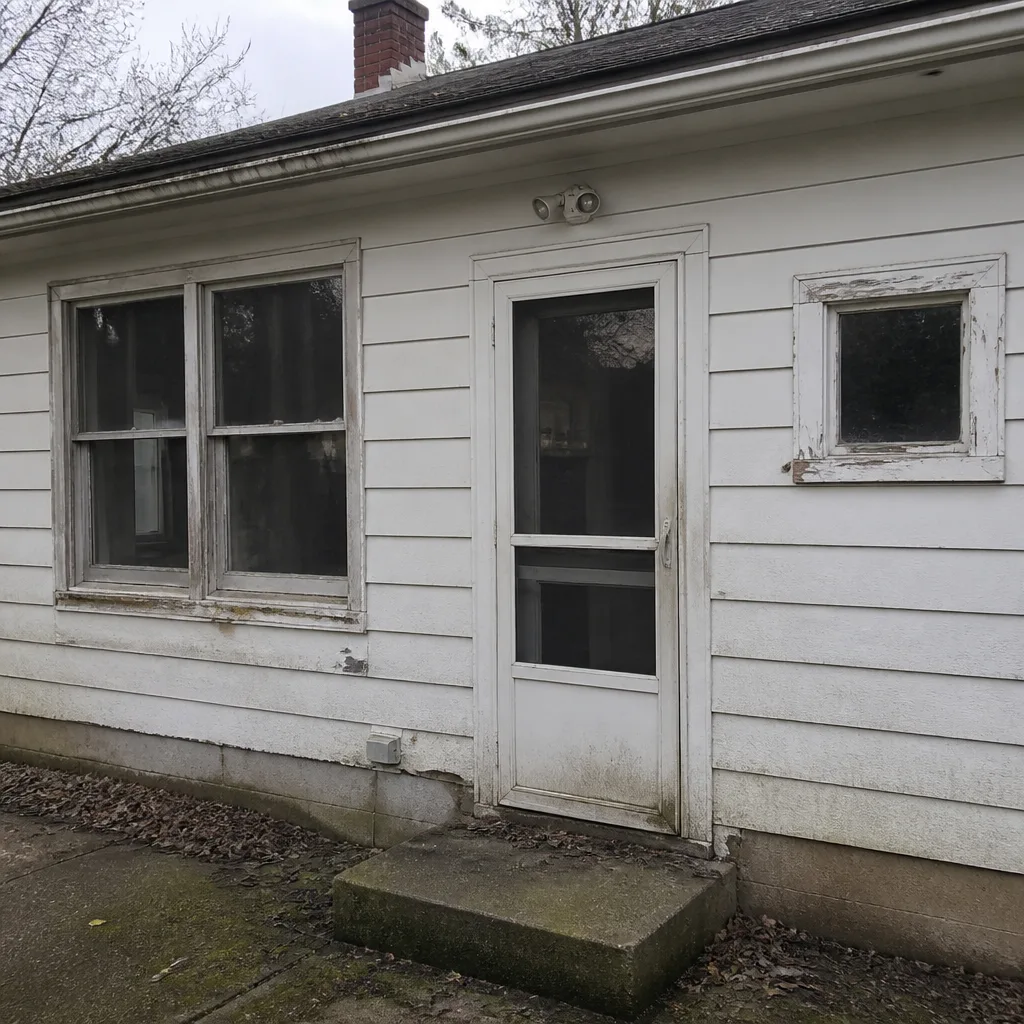 Before
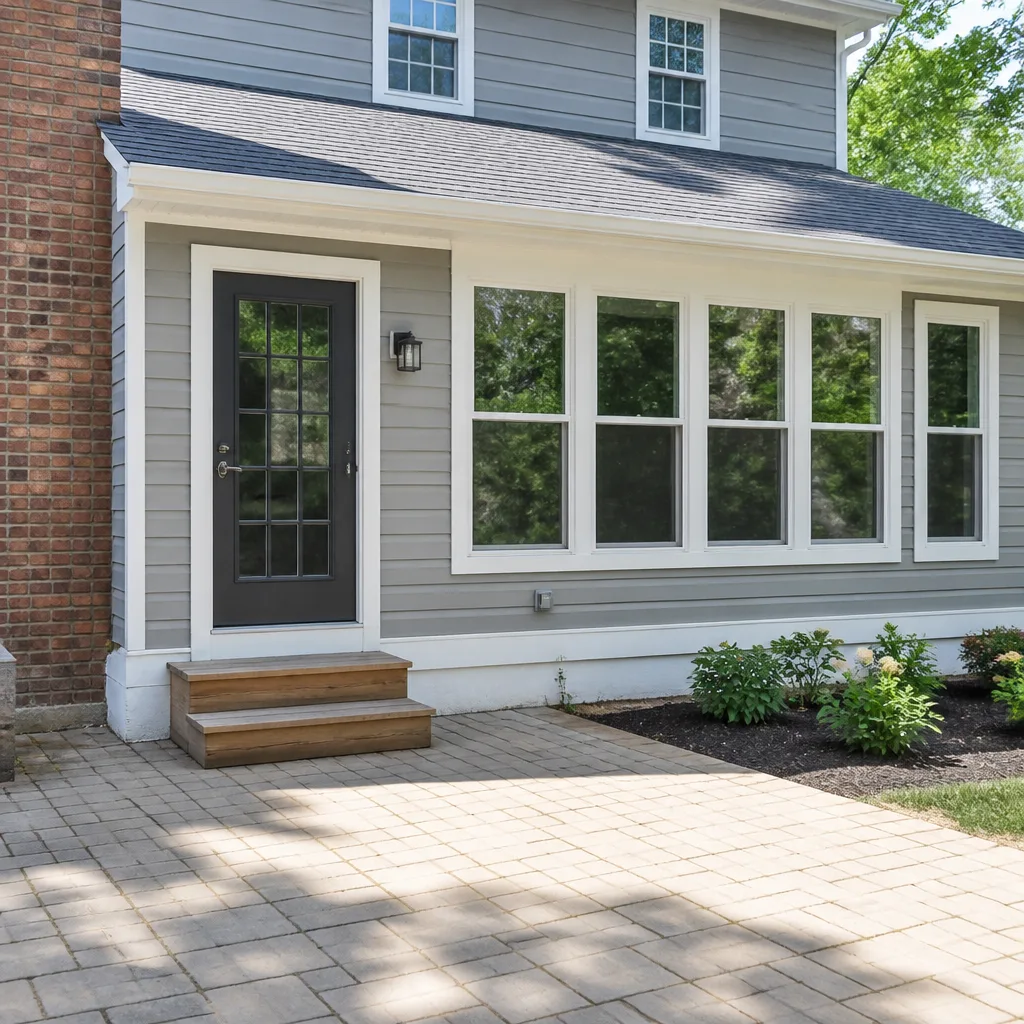 After
After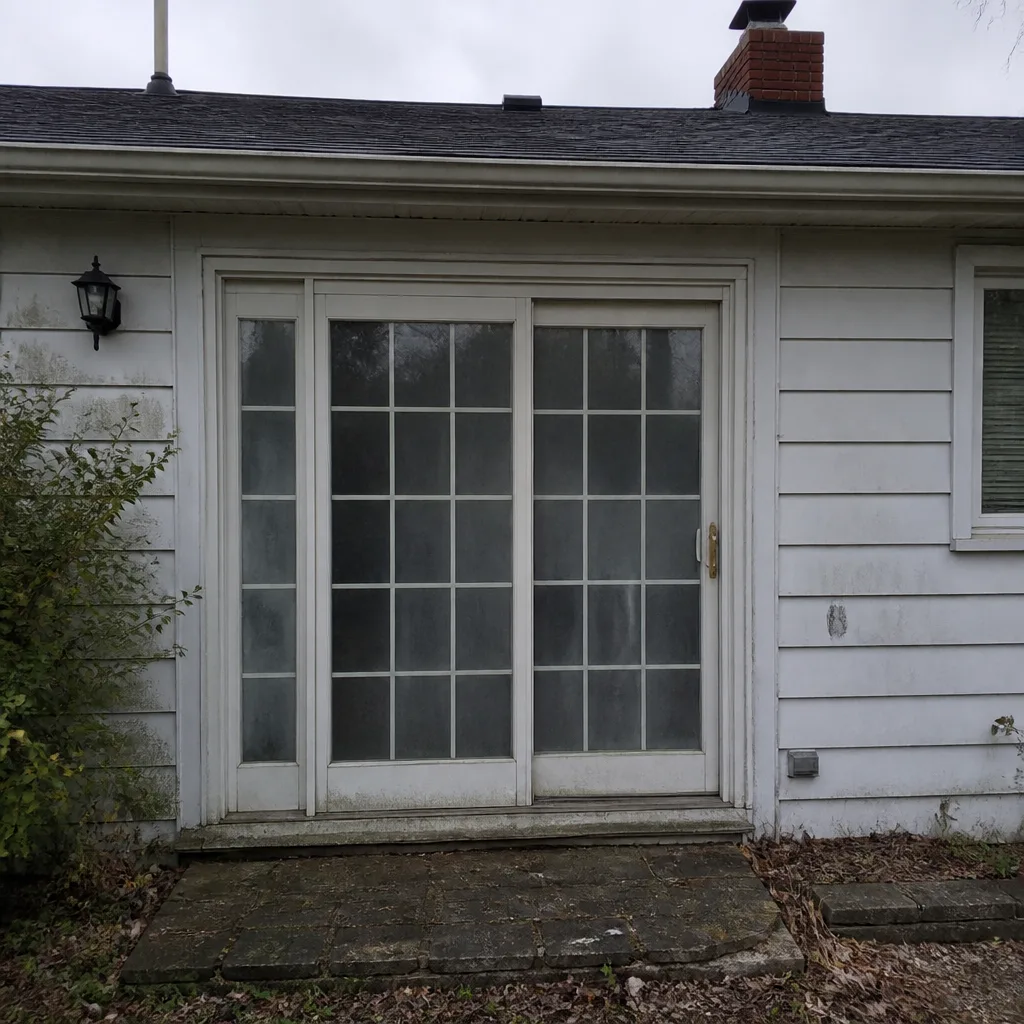 Before
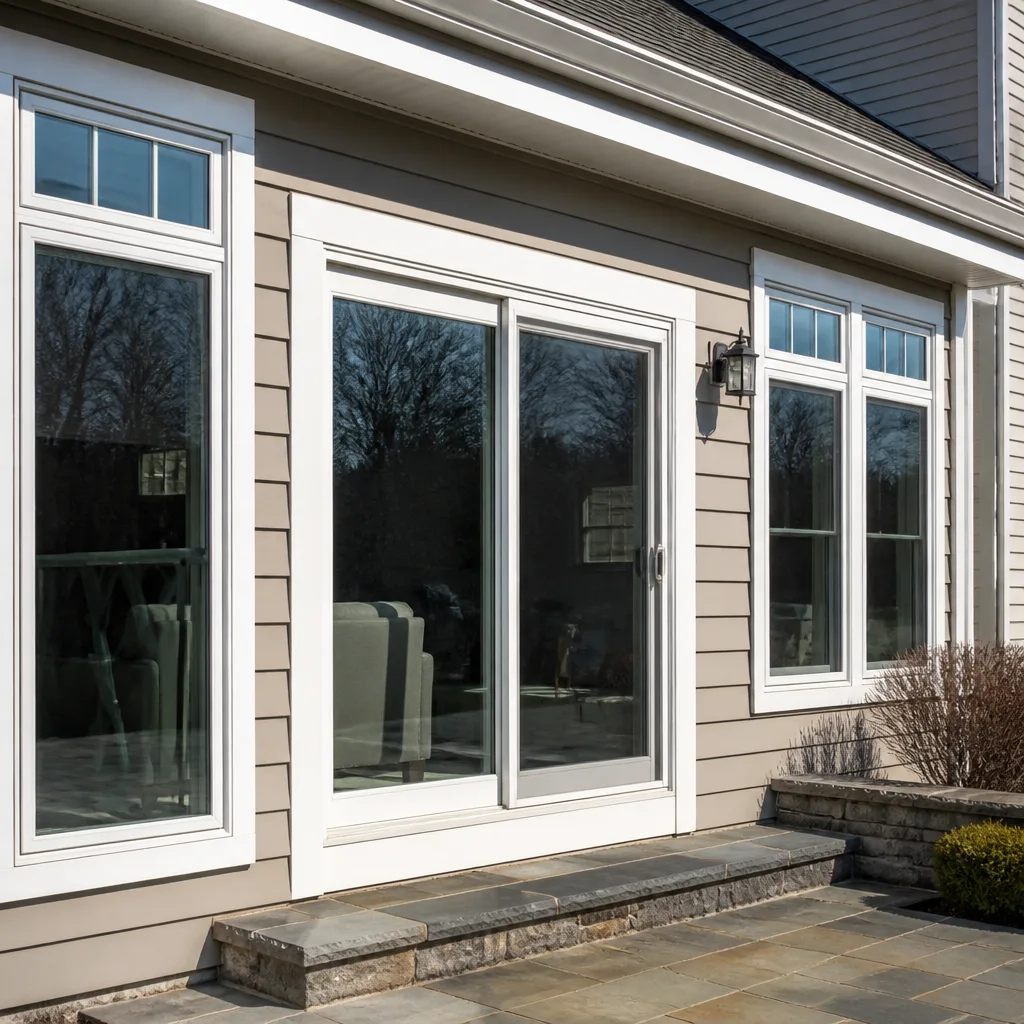 After
After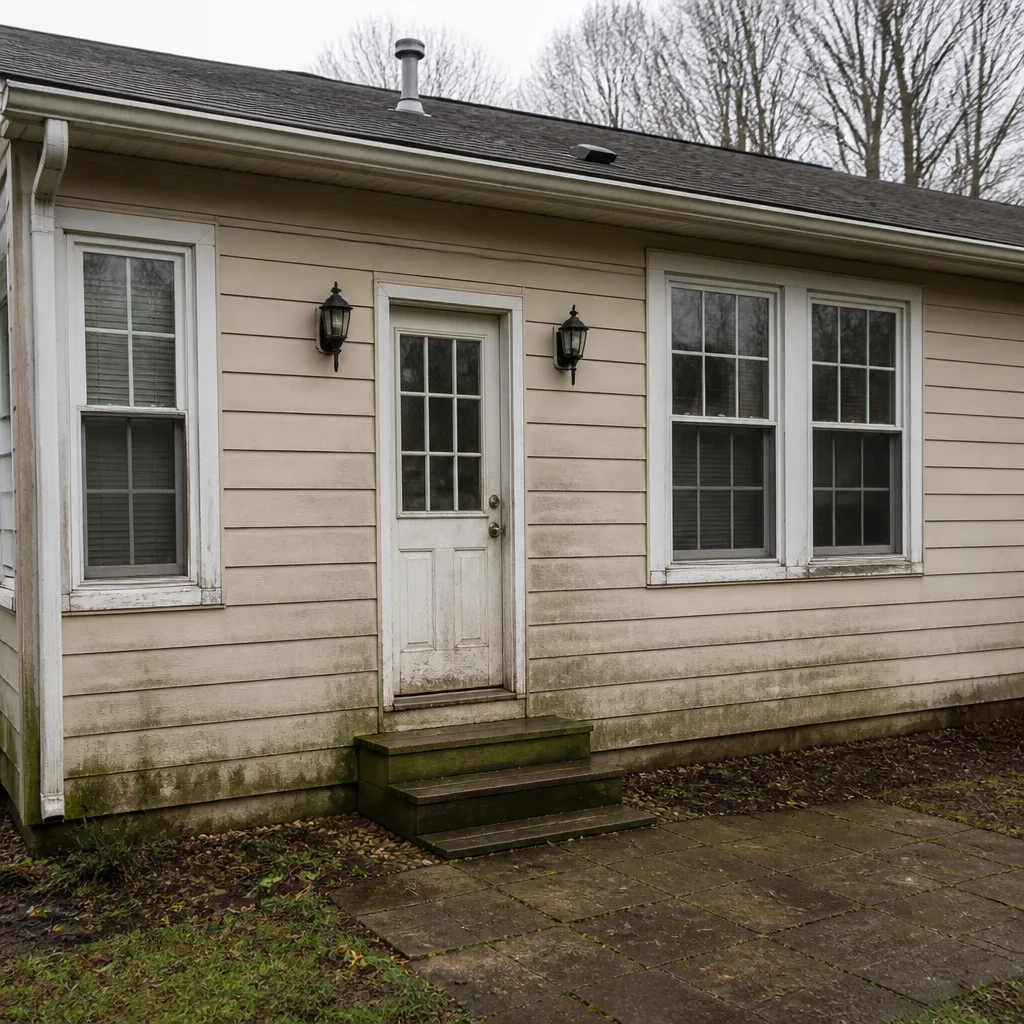 Before
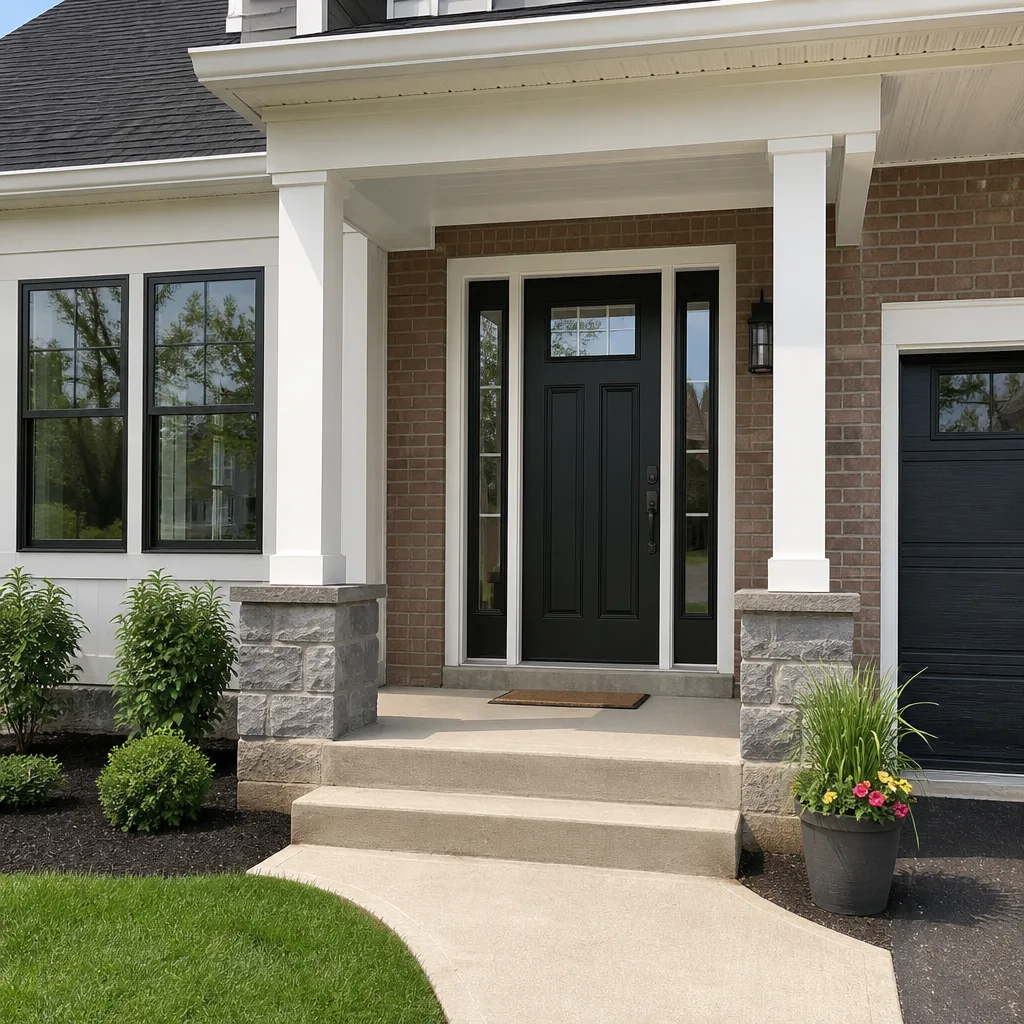 After
AfterFoggy or Condensation Between Panes
What’s Happening
Fog or condensation between window panes almost always means the sealed air space inside your insulated glass unit has been compromised – the hermetic seal around the edge of the glass has failed, and outside humidity is getting in where it was never meant to go. This is a glass failure, not a surface cleaning problem. No amount of wiping will fix it, because the moisture is trapped between two panes of glass you cannot reach from either side.
Insulated glass units – the kind used in most windows made since the mid-1980s – work by trapping a layer of still air or inert gas between two panes of glass. That trapped layer is what gives the window most of its insulating value. When the edge seal breaks down, that gas escapes, humidity seeps in, and you end up with the milky, streaky, or outright foggy look you’re looking at right now. The window is still in the frame, still opens and closes, still looks like a window – but it has quietly stopped doing the job it was built to do.
Why It Happens
Seal Failure from Thermal Cycling
Every window in your house expands and contracts every single day as temperatures rise and fall. Over years, that constant movement works the flexible sealant around the edge of the glass unit until it cracks or pulls away. This is the most common cause we see, and it’s not a sign that anything was done wrong necessarily – it’s just age catching up with the seal. You’ll recognize it because the fogging tends to show up first in corners or along the bottom edge, exactly where the seal is working hardest against gravity and temperature swings.
Manufacturer Defect in the Original Seal
Some units leave the factory with a weak or incomplete seal – a thin spot, a pinhole, or an adhesion failure that holds for a few years and then gives out. These failures tend to show up earlier than thermal cycling failures, often within the first three to eight years of the window’s life. If your windows are relatively young and already fogging, this is worth documenting carefully with photos, because it may still be covered under the original manufacturer warranty depending on the brand and what was registered at the time of your install.
Frame or Sash Damage That Stresses the Glass Unit
A window frame that has warped, settled, or been hit hard enough to shift can put uneven pressure on the glass unit sitting inside it. That pressure concentrates at one or two points on the edge seal and eventually breaks it. You may be able to spot this cause if the fogging is limited to one corner and the sash itself looks visibly bowed, cracked, or doesn’t close square the way it used to. A frame problem like this usually means the fix needs to address more than just the glass.
Desiccant Saturation
Inside the metal or foam spacer bar that runs around the perimeter of every insulated glass unit, there’s a small quantity of desiccant material – a moisture-absorbing compound that catches any trace humidity that manages to sneak past the seal during normal life. When that desiccant saturates completely, it can’t absorb any more, and visible fogging begins. This is why some units fog for years before anyone notices: the desiccant was quietly buying time. Once it’s saturated, the fogging will only worsen – there is no reversing it without replacing the glass unit.
What to Do Right Now
- Take clear photos of every affected window, right now. Get close-up shots of the foggy area and step back for a full-frame shot. Photos with a timestamp help document the scope and the date, which matters for any warranty conversation.
- Check your paperwork for any existing warranties. Look for original purchase receipts, any warranty cards, and the installer’s documentation. If you know the brand of your windows – Andersen, Pella, Milgard, or others – note it down. This saves time when we arrive.
- Stop cleaning the glass surface as though the fog is on it. Repeated scrubbing with harsh chemicals can damage the glass coating and won’t address the seal failure underneath. Clean the exterior surface normally if you like, but don’t treat this as a cleaning problem.
- Note whether the fogging changes throughout the day. Some seal failures cause fog that appears to clear slightly on warm afternoons and worsen on cool mornings – that fluctuation is actually useful diagnostic information for the technician who arrives.
- Do not attempt to drill into the glass or use any “defogging” kit that requires drilling holes in the pane. These products do not restore the seal, they do not restore the insulating gas layer, and they leave you with a permanent hole in your glass. They’re a cosmetic workaround that the window industry generally considers a non-repair.
How We Fix It
When your local TruePane Windows and Doors team arrives, the technician starts by measuring the opening and the glass unit precisely – we still measure every opening twice, because an insulated glass replacement that fits wrong is a problem you’ve already paid to fix once. In most cases, a failed insulated glass unit is resolved through Window Replacement of the glass unit itself, leaving the existing frame in place if the frame is square and sound.
If the frame has warped, settled badly, or is no longer structurally sound, the repair path becomes a full Window Installation – frame and all. The technician will tell you which applies after the on-site assessment and explain the reasoning plainly before anything is quoted.
Most single-unit glass replacements are completed in a single visit. You’ll receive a written estimate – the actual price for the specific job, in writing – before any work begins. No surprise line items when we’re done. Every job is backed by the Done Right Promise and The Keystone Standard: both warranty layers registered in writing, durations stated, before the truck leaves your driveway.
Frequently Asked Questions
A failed window seal isn’t a safety emergency, but it’s not something that holds steady either. Once the desiccant inside the spacer bar is saturated, the fogging almost always spreads and worsens over time, and every winter that passes, that window is losing heat you’re paying for. The longer a compromised unit sits, the more you’re spending on energy you’re not keeping. Waiting rarely saves money. If you’d like to know the scope and cost before committing to anything, call (888) 635-0804 – estimates are free and written.
Fogged insulated glass is not a structural safety hazard in the way a cracked load-bearing element would be. The glass itself is still intact. That said, a failed seal can allow moisture to accumulate in and around the frame over time, which in some window types and climates can contribute to wood rot or mold growth at the sill and jamb. If you’re seeing any soft spots in the wood around the window, that’s worth flagging when you call so the technician knows to look at the full assembly, not just the glass.
Call us at (888) 635-0804 and a live person will answer – not a voicemail, not a form, someone who can actually schedule your local TruePane team. We’ll tell you the earliest available appointment honestly, and if a faster option exists, we’ll say so. We’re not going to tell you what you want to hear and then leave you waiting – that’s the kind of thing Dale built this company to stop doing.
No. TruePane quotes upfront, in writing, before the job starts – that is the whole point of the estimate visit. The number on the written estimate is the number on the invoice. If the technician opens up the window and finds something unexpected that genuinely changes the scope, they stop and explain it to you before proceeding. You decide. Nothing happens to your home without your knowing the cost first. Call (888) 635-0804 to schedule your free written estimate.
Get It Fixed
Fogged glass doesn’t clear on its own, but it’s a straightforward fix when it’s caught and handled right. Call (888) 635-0804 – a live person answers around the clock – or book online to schedule your free written estimate. Your local TruePane Windows and Doors team will assess the window, quote it in writing, and get it done right.
Written by Dale Kessler, Owner at TruePane Windows and Doors, serving local communities since 2008.
What Our Customers Say
"French doors to the patio, custom size because this house was built in 1961 and nothing is standard. Measured twice, three weeks to fabricate like they warned, and the install day they laid runners over my floors without being asked."
- Marie S."Our bay window had rotted at the sill and two other outfits wanted to talk us into a flat picture window instead. TruePane rebuilt the opening and matched the original look. Neighbors have knocked on the door about it."
- Gene A."Two entry doors. Showed up when they said, second day was a half day like they said, and the painter they recommended confirmed the frames were dead plumb. The financing was explained in actual dollars, not a brochure."
- Janet R.