
Free in-home measure and quote - PGT, CGI and CWS impact lines compared on your actual openings, style by style
Sliding glass doors
Impact garage doorsPGTCGI
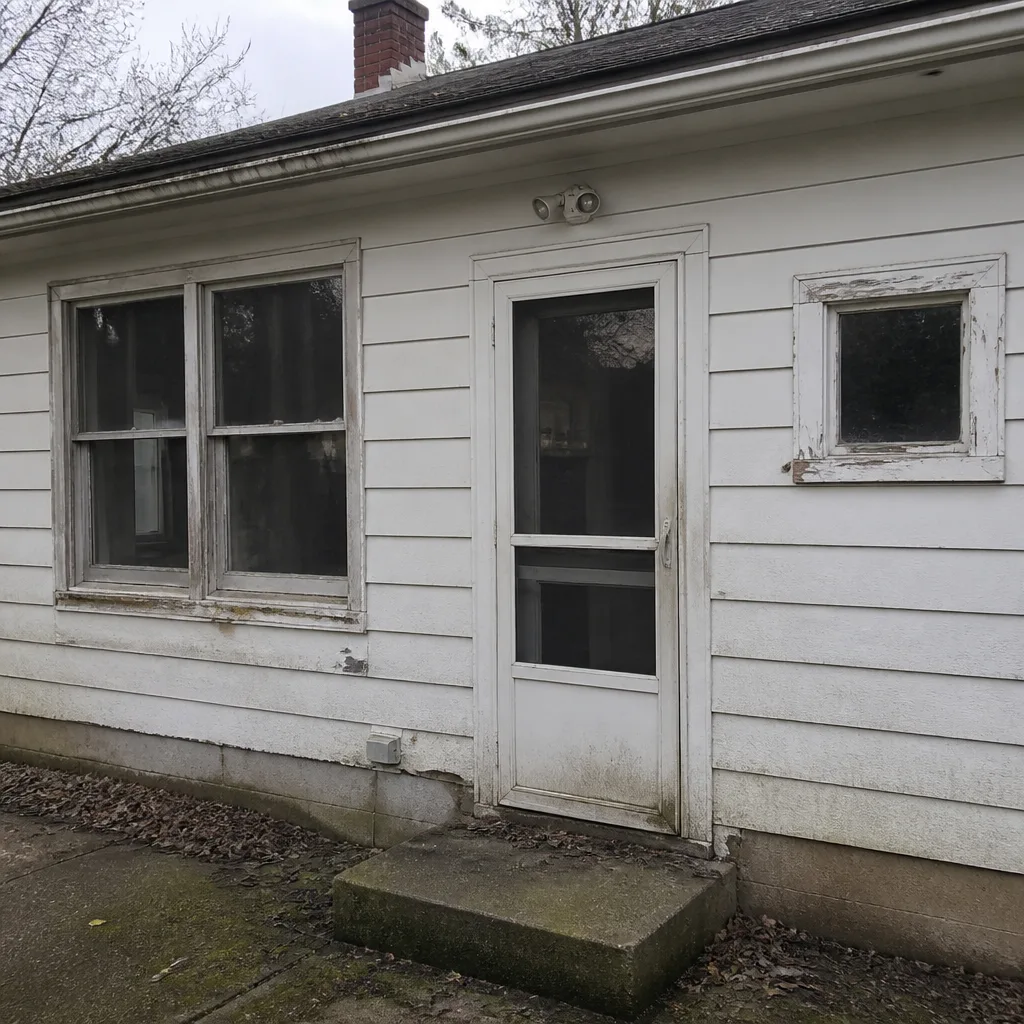 Before
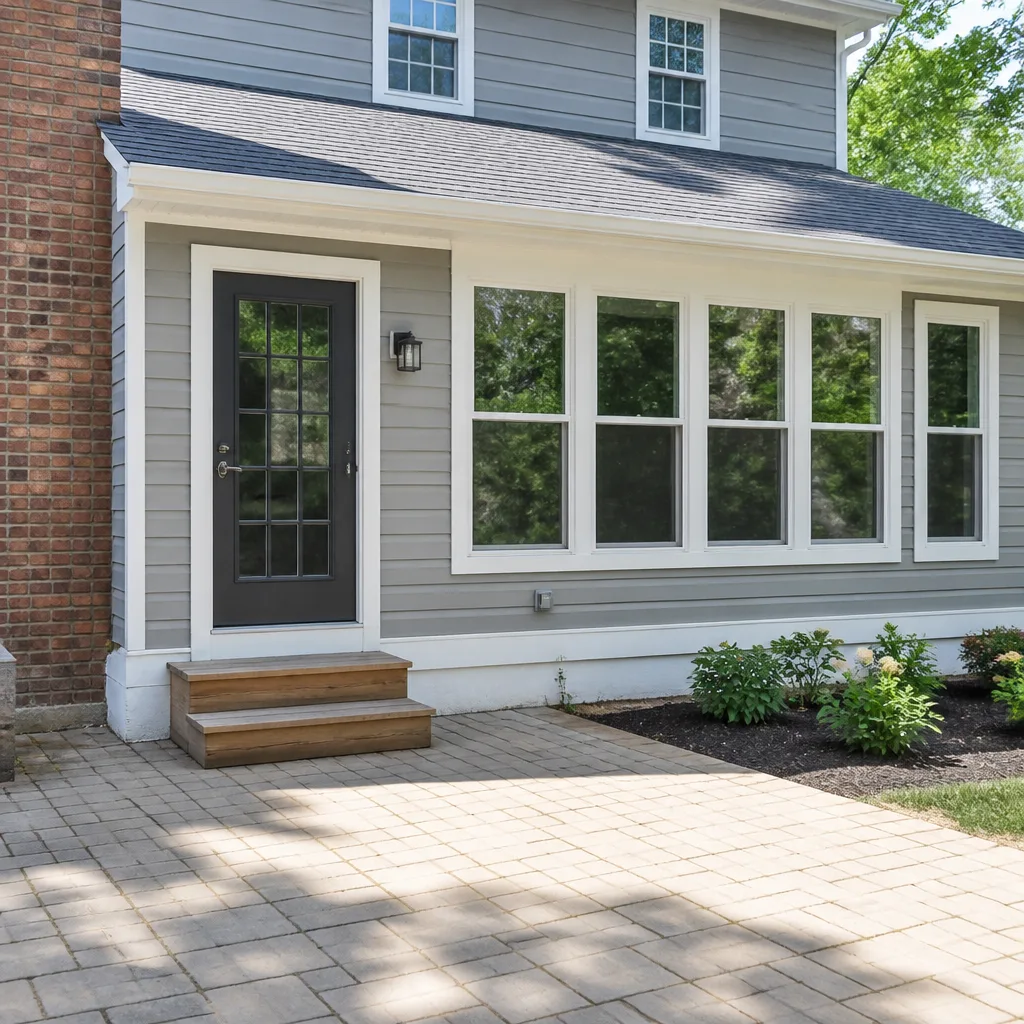 After
After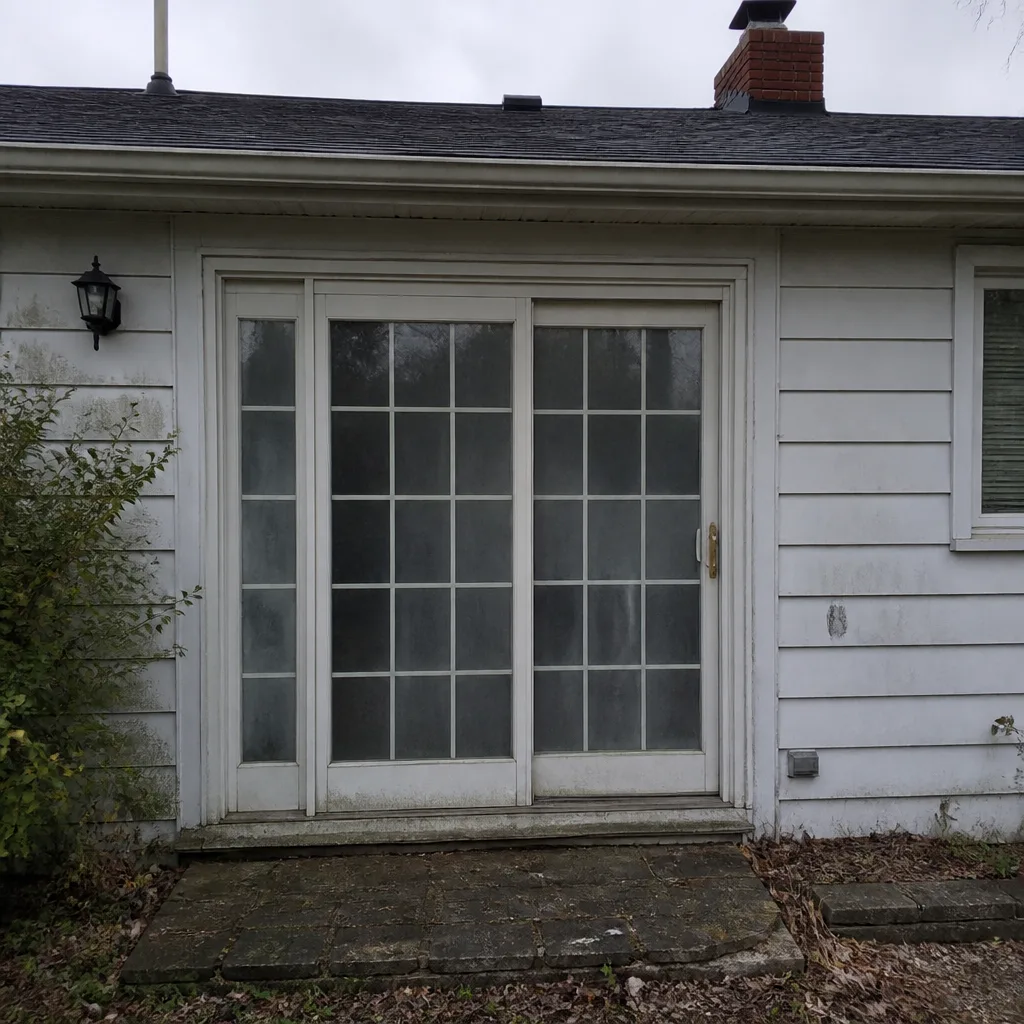 Before
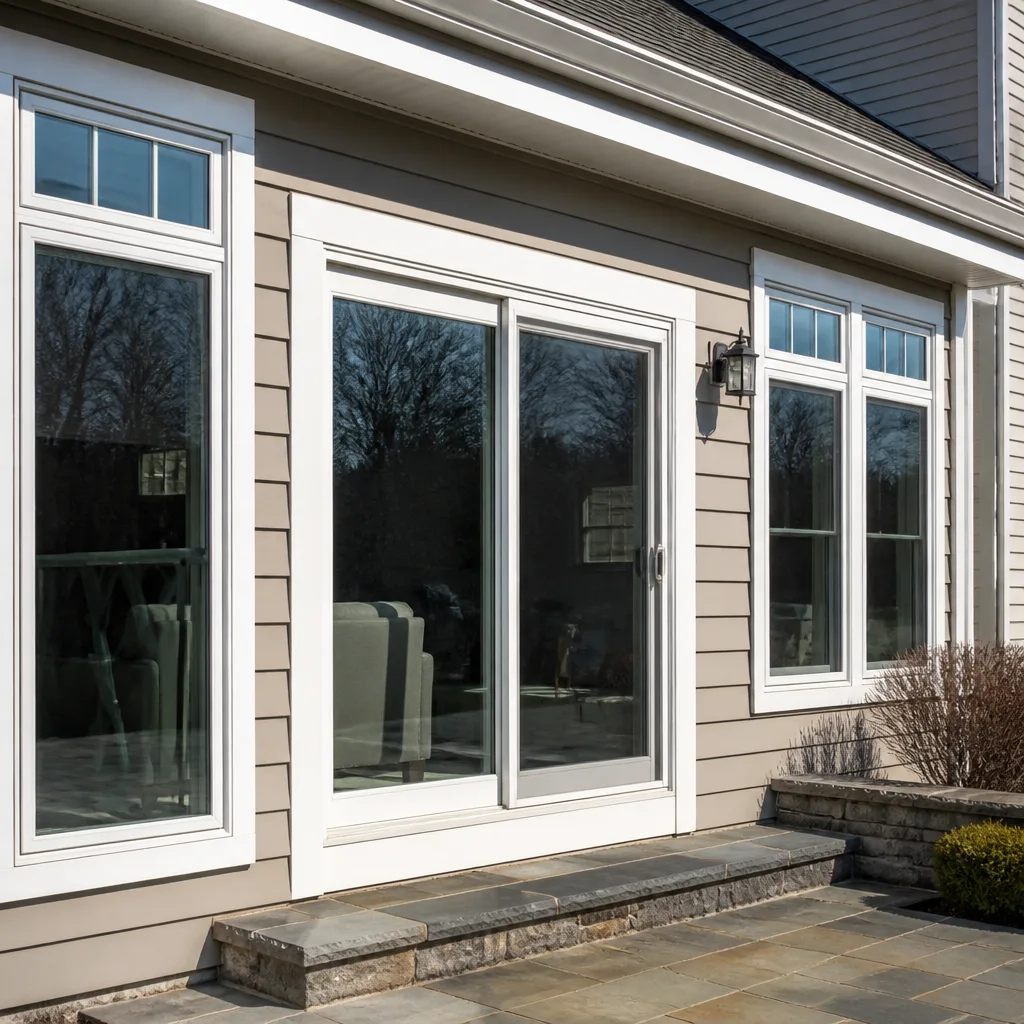 After
After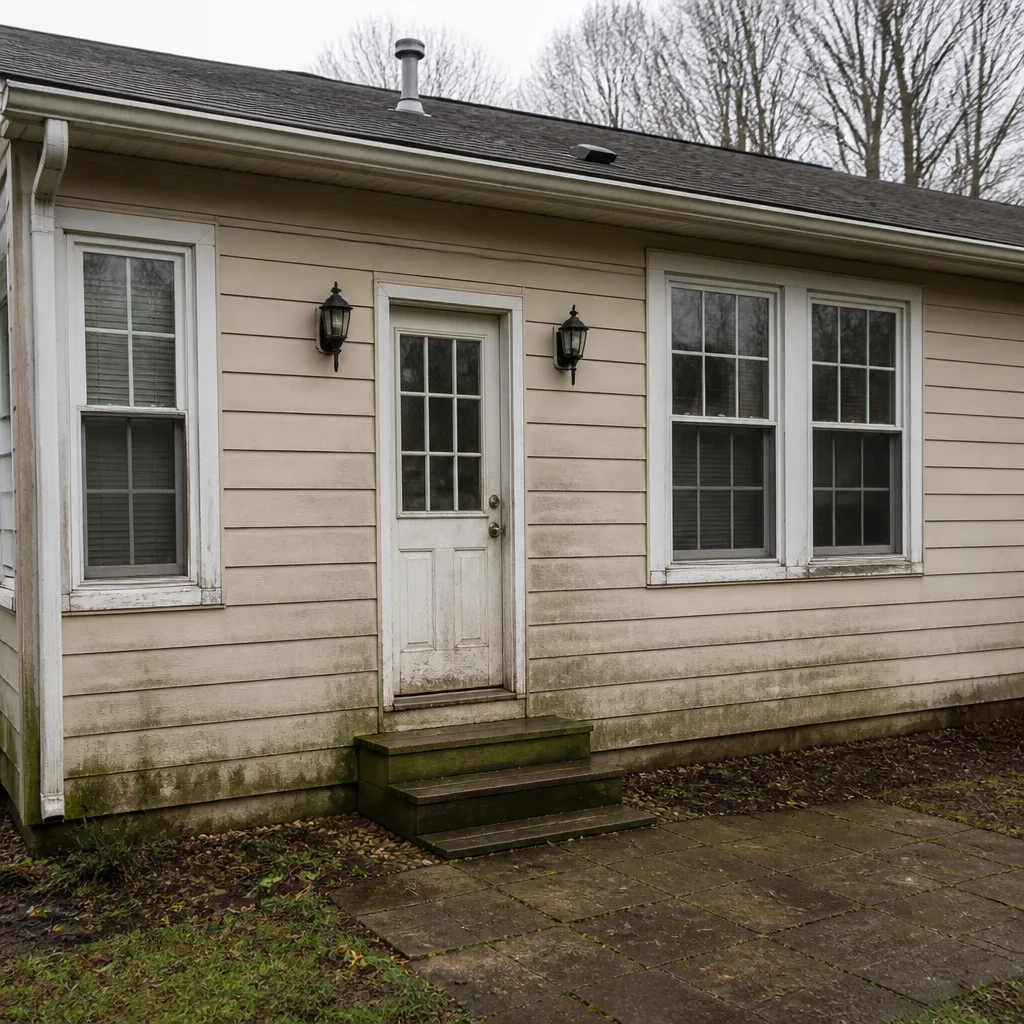 Before
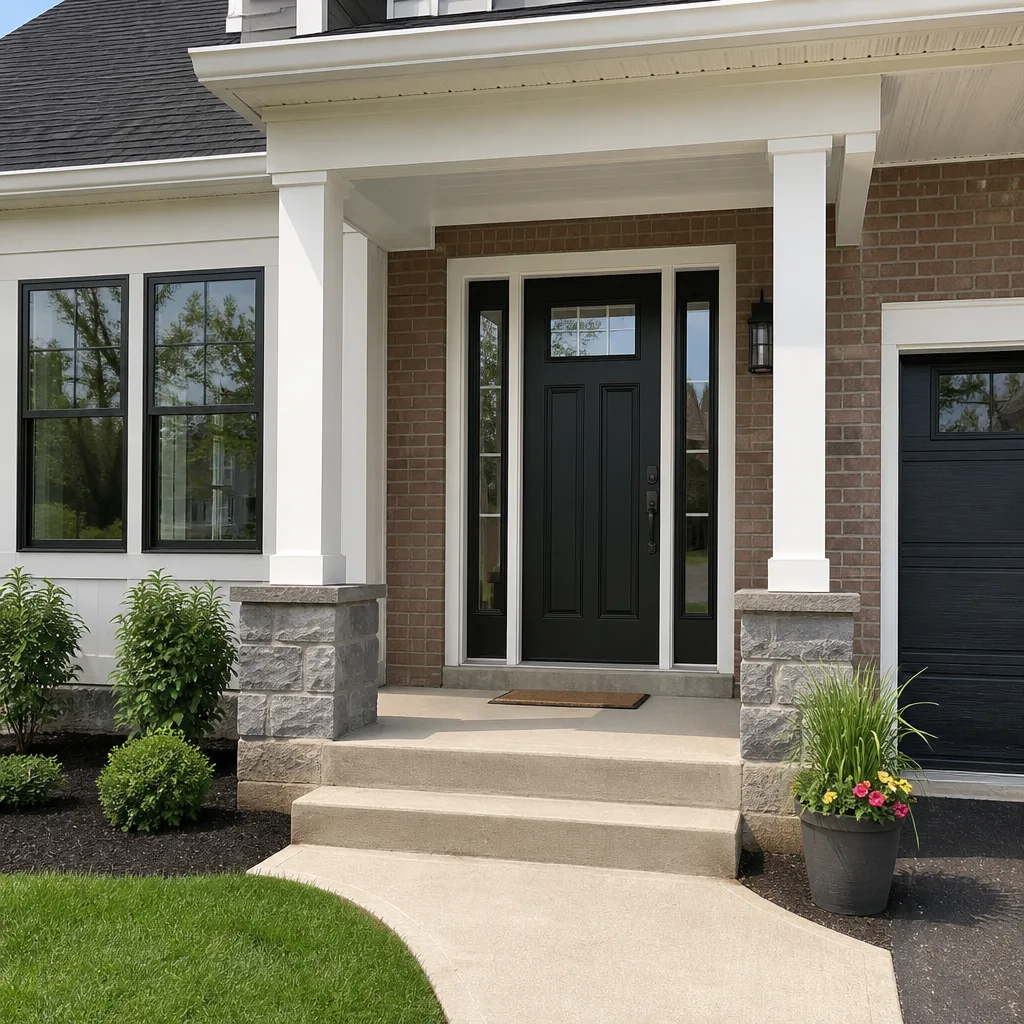 After
AfterFast, Reliable Glass Railing Systems Across San Antonio
Glass railing systems in San Antonio run $140 to $320 per linear foot installed, with most mid-range frameless jobs landing between $190 and $260 per foot. Our crews handle the full arc: interior glass railings, exterior deck railings, pool and spa glass fencing, and frameless glass rails built around what your house actually is, not what a catalog assumes. If you’re in King William, Monte Vista, Alamo Heights, or anywhere else across San Antonio, call (888) 635-0804 and a live person answers. That’s not a callback promise. That’s how we answer the phone.
Key Takeaways
- Glass railing systems in San Antonio typically cost $140-$320 per linear foot installed, with labor, glass spec, and base-shoe anchoring as the main cost drivers.
- In the 78201-78210 corridor, a Certificate of Appropriateness from the Office of Historic Preservation is routinely required before glass railing work can legally start on historic homes.
- Balcones Fault Zone clay heaves and settles seasonally, which means railing anchors and glass panel alignment must be engineered for movement, not just measured for squareness on install day.
- TruePane is led by Dale Kessler, a second-generation glazier who founded the company in 2008 on one rule: if the pane is not true, the job is not done.
- Every job carries the Done Right Promise and The Keystone Standard, which means both manufacturer warranty layers are registered in writing before our truck leaves your driveway.
Why TruePane Windows & Doors Is San Antonio’s Preferred Glass Railing Systems Company
We didn’t parachute into San Antonio with a franchise playbook. Dale Kessler grew up in the glazing trade and built TruePane Windows & Doors in 2008 around a craft commitment that predates the company itself: years of community service, carried forward by a team that hires locally, trains apprentices into journeymen, and acts like a company that plans to be in San Antonio thirty years from now. Homeowners in Alamo Heights, Terrell Hills, and the Dominion who’ve been burned once by a fogged seal or a railing that never sat right tend to find us after they’ve already paid for the cheaper lesson.
Our San Antonio customers see the same thing on every job: background-checked, uniformed technicians who measure every opening twice, quote manufacturer lines side by side on paper, and register both warranty layers before the truck leaves the driveway. That’s The Keystone Standard. And the Done Right Promise backs it with plain language: if it is not done right, we make it right. No paperwork fights. No arguing. A square deal, in writing.
We also sponsor county fairs and church roof funds here because we belong here. When you call (888) 635-0804, you reach a live person who knows the difference between a King William Spanish Colonial Revival parapet and a 2002 tract-home balcony rail. That local recognition matters more than most manufacturers admit.
Our Glass Railing Systems Services in San Antonio
Frameless Glass Rail
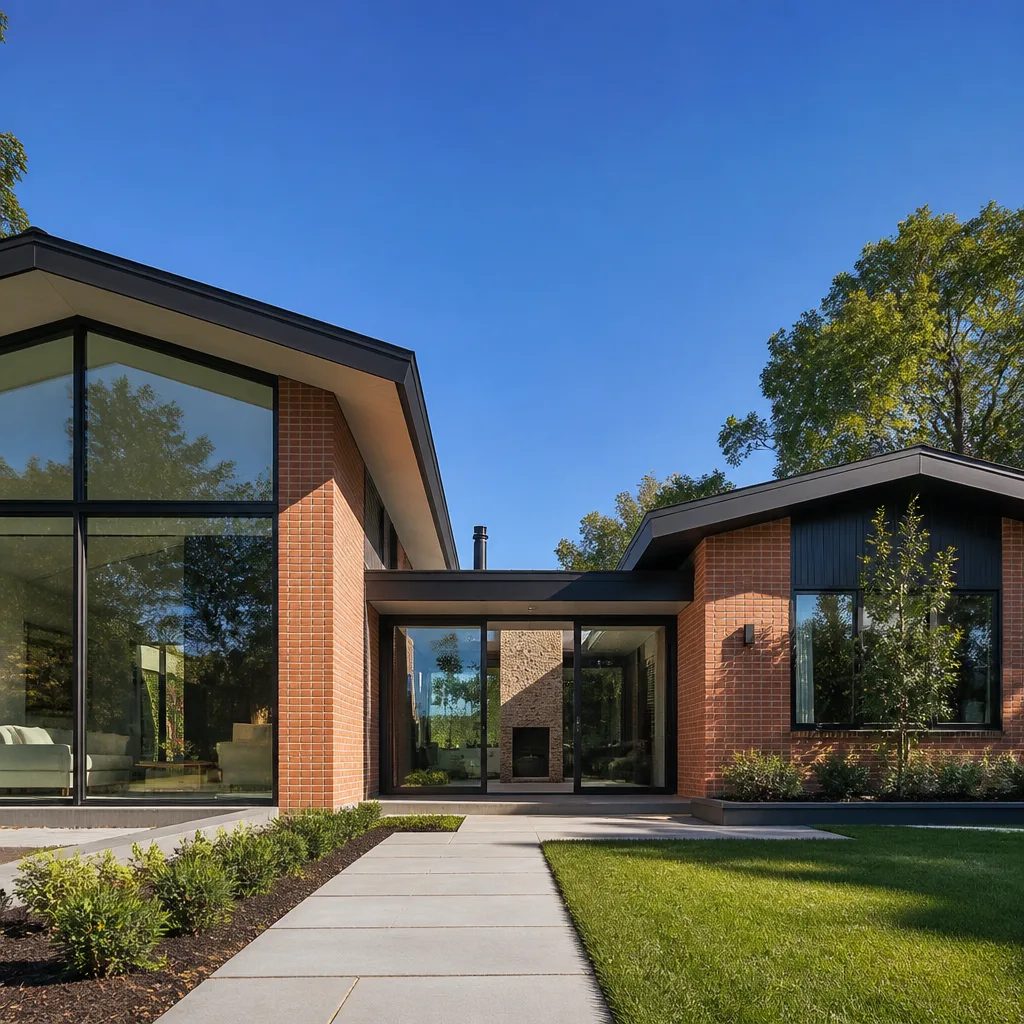
Frameless glass railings in San Antonio demand more than low-iron panels and polished edges. The Balcones Fault Zone under most of the 78201-78210 corridor means expansive black-gumbo clay shifts seasonally, and a railing that was perfectly plumb in March can be carrying 1/4 inch of drift by September. We engineer base shoes and spigot placements for that movement, then field-template every panel to the as-built condition, not the blueprint. On a King William Craftsman recently, the jamb had racked 5/16 inch out of square from clay movement. We templated the glass to the actual sill, worked with the stucco contractor to run flashing tape behind the new base shoe, and the city’s historic reviewer signed off without a punch-list item.
Interior Glass Railing
Interior glass railings inside San Antonio’s pre-1950 homes usually mean working around millwork, stair stringers, and transom-lit doorways that were never framed to modern standard openings. Our crews have installed interior glass rails in Lavaca, Government Hill, and Monte Vista homes where the stair framing predates engineered lumber by half a century. We measure the as-built run, not the nominal one, and we order glass cut to the actual chase dimensions. That’s the difference between a rail that looks like it belongs in the house and one that looks like it was dropped in from a catalog.
Pool & Spa Glass Fencing
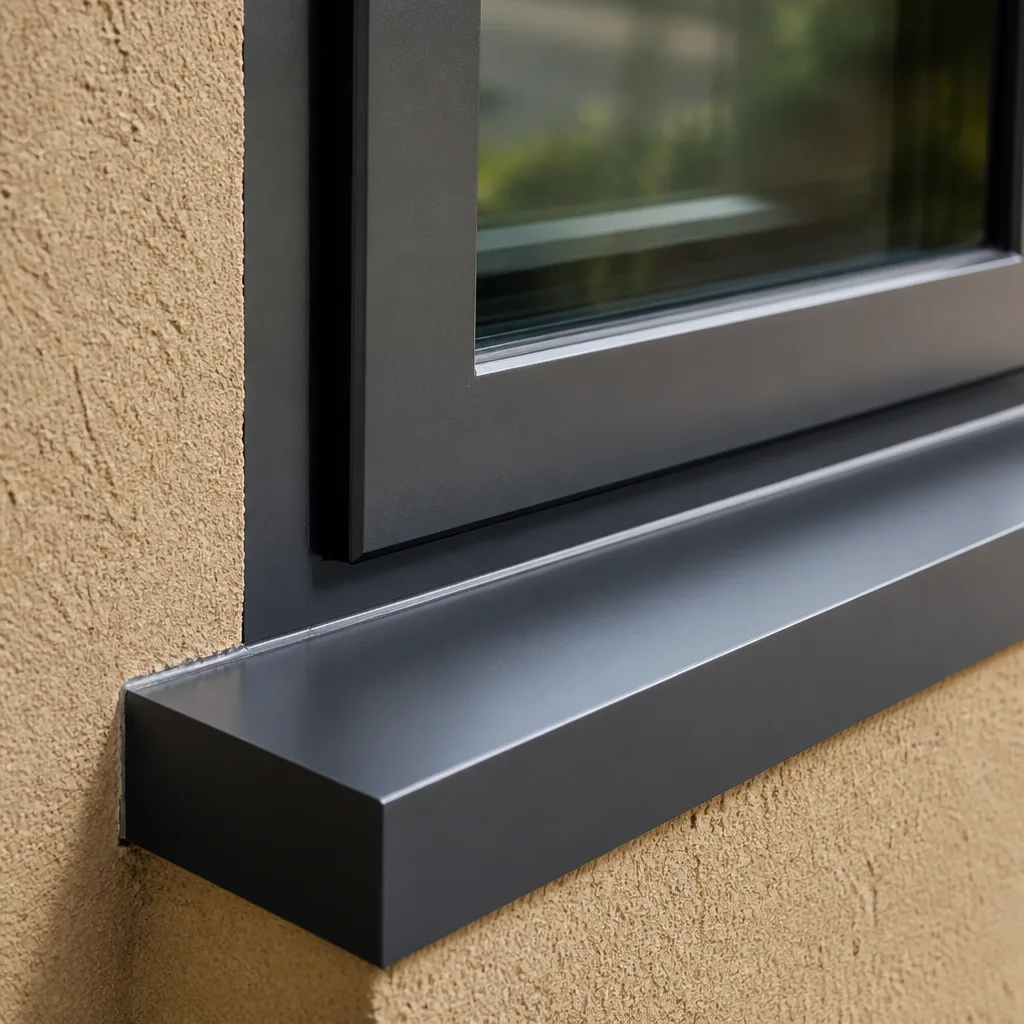
Pool and spa glass fencing in San Antonio has to clear two bars at once: the city’s barrier code and your eye. San Antonio’s summer heat cycles expand aluminum channels against stucco and brick coping, which is why undersized base-shoe bolts are the failure we see most often on Spanish Colonial Revival homes built before ledger blocking was standard practice. We size anchors for the substrate we’re actually drilling into, and we specify low-iron glass with UV-stable interlayers so your pool fence doesn’t cloud over after three Rio Grande summers.
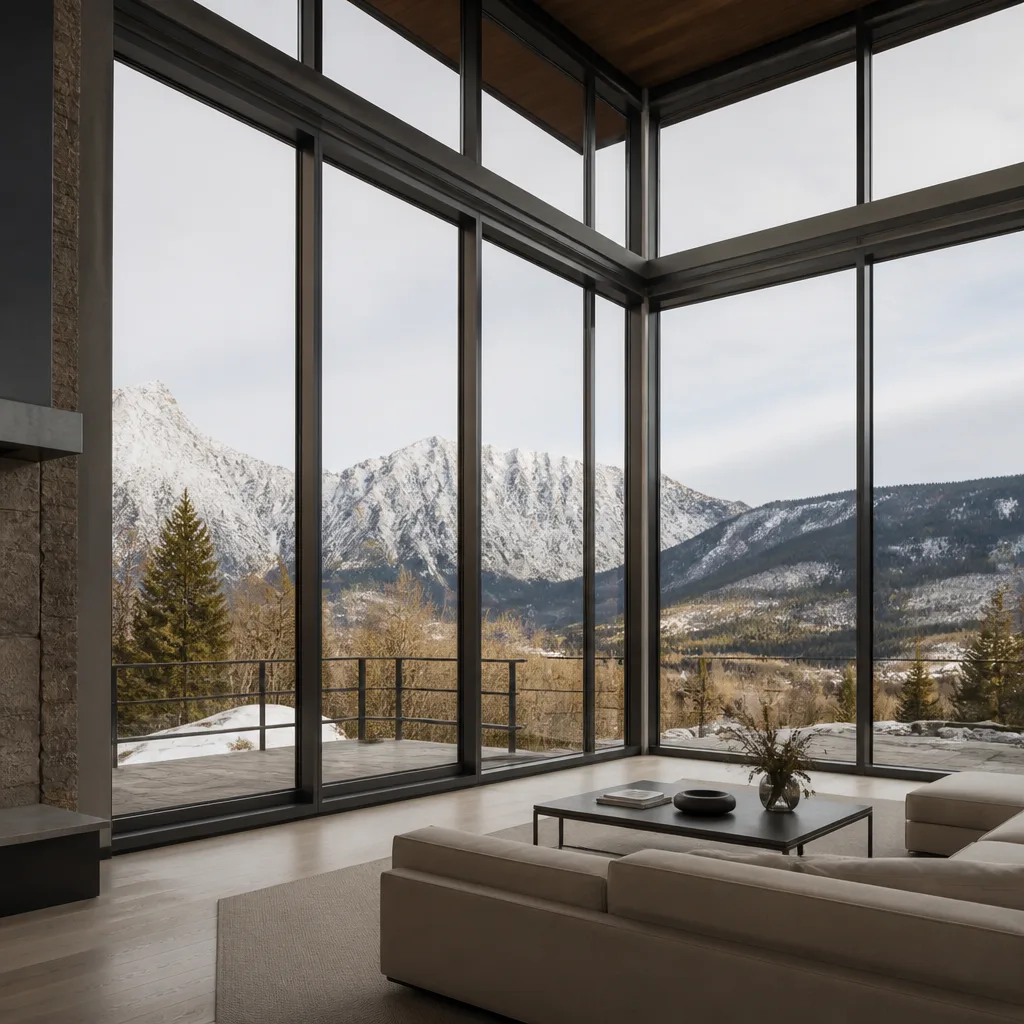
Interior Glass Railing for Designer and Architect Coordination
A meaningful share of our San Antonio work comes through architects and interior designers who need a glazing contractor that reads drawings carefully and pushes back when a detail won’t hold. Long-lead items set the calendar on this tier: specialty low-iron glass, custom fabricated base shoes, powder-coated spigots in a specific RAL color. Lead times, not labor, drive the schedule. We fix the price in writing before we order anything, so the designer knows the number before the glass leaves the tempering furnace.
What happens when you call
- 1
A real person answersNo phone trees - you reach a local pro.
- 2
You get an upfront price rangeHonest numbers before anyone is dispatched.
- 3
A background-checked tech heads outLicensed & insured, dispatched right away.
- 4
You approve before work beginsNothing starts until you say go.
Trusted Brands We Service in San Antonio
TruePane is an authorized installer for more than a dozen manufacturer lines, including, PGT, CGI, and ES Windows. On glass railing work specifically, we work regularly with Glass Railing Systems from CGI and CWS for engineered base-shoe components, and we specify ES Windows glass for projects where clarity and UV performance are the client’s top priority. We don’t push a single line. We quote side by side on paper so you see exactly what you’re buying, and we register the warranty in your name before the truck leaves.
Common Glass Railing Systems Problems We See in San Antonio Homes
- Fogged or cloudy panels after two or three winters. Low-iron glass railings in full Texas UV exposure can show visible seal failure at the laminated interlayer within five years. Once the interlayer starts to cloud, the panel can’t be cleaned back to clear. The customer chose low-iron for clarity, and now the panel is the one thing blocking the view.
- Edge chips at the top rail or spigot line. Frameless panels anchored to balconies on expansive clay heave and settle seasonally. When the glass meets a top rail that has moved 3/8 inch, the edge chips. We specify enough clearance for the soil’s annual cycle, not just the measurement on install day.
- Base-shoe bolts pulling out of pre-1950 brick and stucco parapets. San Antonio’s heat cycles expand aluminum channels against brick and stucco. If the original ledger blocking isn’t there, the bolts lose purchase and the base shoe walks. On historic homes in 78204 and 78201, that fix usually means removing the old anchor, installing a proper backer, and re-coordinating with the Office of Historic Preservation if the facade is part of a certified district.
- Railings that bind, drag, or swing open on their own. In King William and Monte Vista, door frames installed perfectly plumb routinely rack 1/4 to 3/8 inch out of square within a few years due to the underlying black-gumbo clay heaving and settling. Railing posts tied to those frames move with them. An experienced San Antonio contractor quotes trim-back and re-shimming as an expected service call, not a warranty defect.
Pricing for Glass Railing Systems in San Antonio, TX
Here are the numbers we give San Antonio homeowners on the first call.
| Service | Typical San Antonio Range |
|---|---|
| Frameless glass rail, mid-grade low-iron | $190 - $260 per linear foot |
| Interior glass railing, custom chase | $150 - $220 per linear foot |
| Pool & spa glass fencing | $170 - $280 per linear foot |
| Exterior deck railing, engineered base shoe | $180 - $300 per linear foot |
| High-end custom designer railing, long-lead glass | $260 - $320+ per linear foot |
What moves the number: glass spec (standard clear vs. low-iron vs. low-E), panel height and thickness, base-shoe material and anchoring conditions, and whether the opening is on a certified historic property that requires archival detailing for the Certificate of Appropriateness. Lead times on specialty glass set the schedule more than labor does. The price is fixed in writing before we order. Call (888) 635-0804 for a free estimate on your specific railing.
San Antonio’s Historic Districts and Glass Railing Permits
Here’s what no other San Antonio glass railing page will tell you. The 78201-78210 corridor holds several of the densest certified historic districts in Texas: King William (78204), Monte Vista (78201), Government Hill (78208), and Lavaca (78210). In those districts, any exterior alteration visible from the public right-of-way, including a new glass railing on a porch or balcony, typically requires a Certificate of Appropriateness from San Antonio’s Office of Historic Preservation before the work can legally proceed. That approval layer is routine here but nearly nonexistent in Austin or Houston at this geographic concentration. Most railing contractors never face it. We do, regularly. We prepare drawings and archival detailing that meet the historic reviewer’s standard, and we coordinate with the stucco or masonry contractor so the base shoe flashing doesn’t create a moisture problem behind the hard coat. The process adds two to six weeks to the schedule, and we tell you that on the first call. No surprises.
At the same time, the Balcones Fault Zone’s expansive black-clay soils beneath those same neighborhoods are continuously racking door frames and binding window sashes. A glass railing tied to a porch or balcony on that soil will move with the house. We engineer for the movement instead of pretending it won’t happen.
We Also Serve Cities Near San Antonio
Beyond our San Antonio service area, we run crews to nearby communities including Lackland A F B, Kelly Usa, Converse, and Adkins. If you’re on the edge of Bexar County and wondering whether a glass railing job is worth the drive for us, call (888) 635-0804. We’ll tell you straight what we can do and when we can be there.
Serving San Antonio, TX - Our Local Coverage Area
We’re based in the San Antonio area and know this community well. Use the map below to see our service coverage - if you’re nearby, we can almost certainly help.
FAQs - Glass Railing Systems in San Antonio
In nearly every case, yes. King William (78204) is a certified historic district, and any exterior alteration visible from the public right-of-way, including a new glass railing on a porch or balcony, requires approval from the Office of Historic Preservation before work begins. We prepare the drawings, detailing, and material specifications the reviewer expects, and we factor the approval timeline into the schedule from the first estimate. Call (888) 635-0804 for a free assessment of what your specific porch will require.
The clay beneath San Antonio’s 78201-78210 corridor heaves when wet and shrinks when dry, which means balcony decks and the railings anchored to them move seasonally by a quarter to three-eighths of an inch. A frameless glass panel with insufficient clearance can chip at the top rail or spigot line when that movement happens. We size anchors and glass clearances for the soil’s annual cycle, not just the measurement on install day. That’s why our field measurements always account for the as-built condition of the deck and the house it’s attached to.
The fog is likely seal failure at the laminated interlayer of low-iron glass. San Antonio’s UV intensity degrades the interlayer, and the panel clouds from the inside out. It can’t be polished clear, and the fix is panel replacement. We specify UV-stable interlayers for full-exposure San Antonio installations, and we register the manufacturer’s warranty in writing so the replacement doesn’t come out of your pocket. Call (888) 635-0804 if your panels are clouding.
Yes. A Monte Vista pool fence has to clear two bars: San Antonio’s pool barrier code and the Office of Historic Preservation’s review if the fence is visible from the street. We specify low-iron glass with minimal framing so the fence reads as nearly invisible from the house, and we anchor it with engineered details that satisfy the code reviewer without a heavy frame. The historic reviewer cares about massing and materials. We show them drawings that respect both.
Low-E in a railing is a coating tuned primarily for solar control on a panel you’re not looking through the same way you look through a window. In a double-hung, low-E is part of an insulated glass unit that also manages thermal transfer and condensation. In a railing panel, the coating sits on a laminated sheet inside the glass, and its job is to cut UV and heat gain without fogging the view. We specify the right low-E spec for each application, because a railing panel in full San Antonio sun needs a different coating than a north-facing window.
Call TruePane Windows & Doors for Glass Railing Systems in San Antonio
If you’re still reading, you probably have a railing in mind and a question about whether it’ll hold. Call (888) 635-0804. A live person answers, and we’ll give you a straight read on your project, your historic district requirements, your soil conditions, and your price. The estimate is free. The price is fixed in writing before we order anything. And if the pane is not true, the job is not done.
Written by Dale Kessler, Owner at TruePane Windows & Doors, serving San Antonio with years of glazing craft and community commitment.