
Free in-home measure and quote - PGT, CGI and CWS impact lines compared on your actual openings, style by style
Sliding glass doors
Impact garage doorsPGTCGI
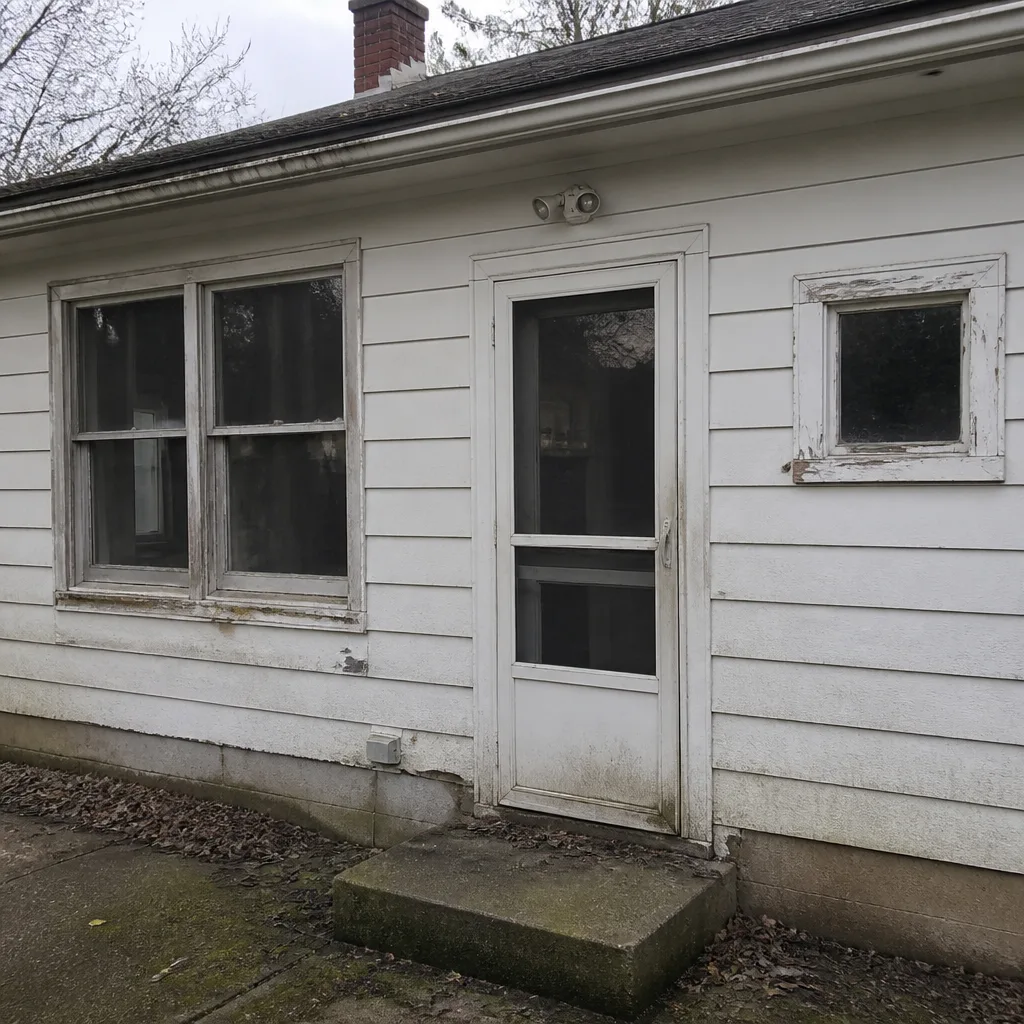 Before
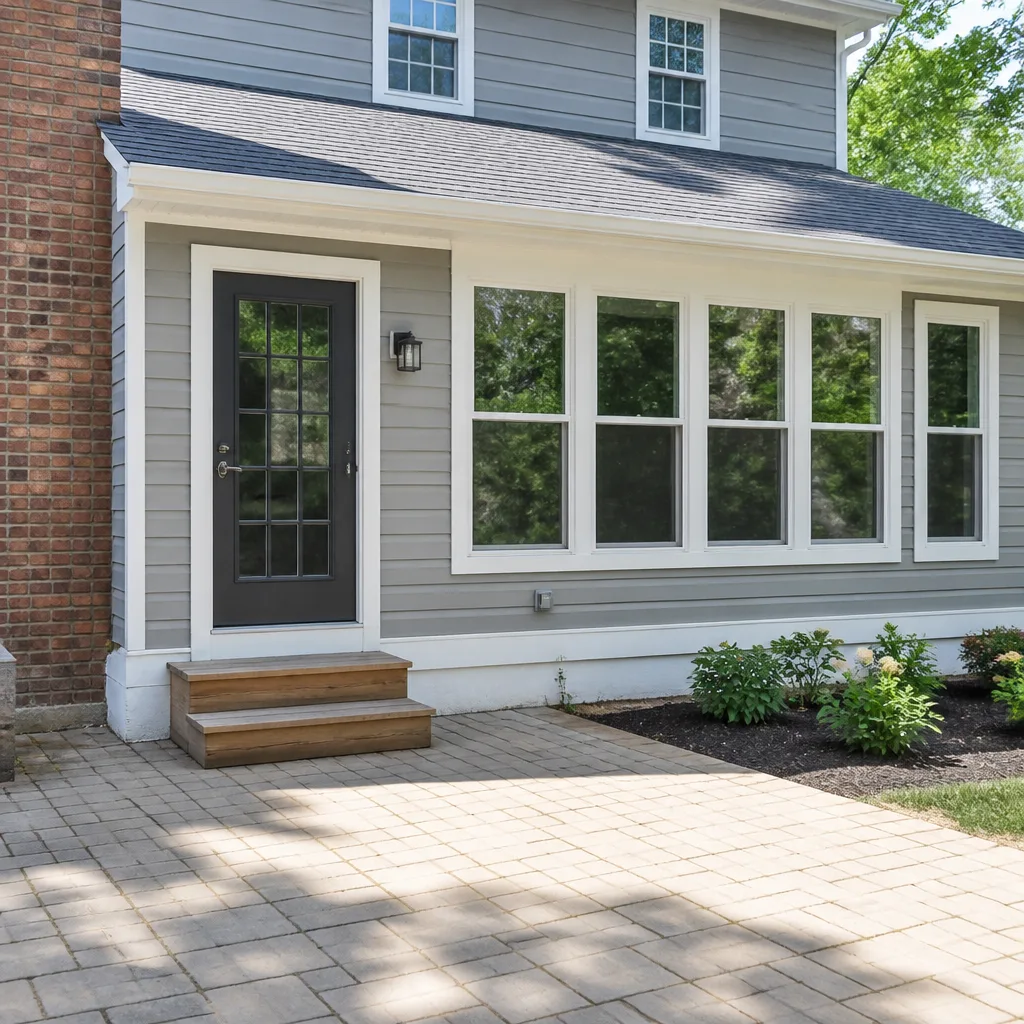 After
After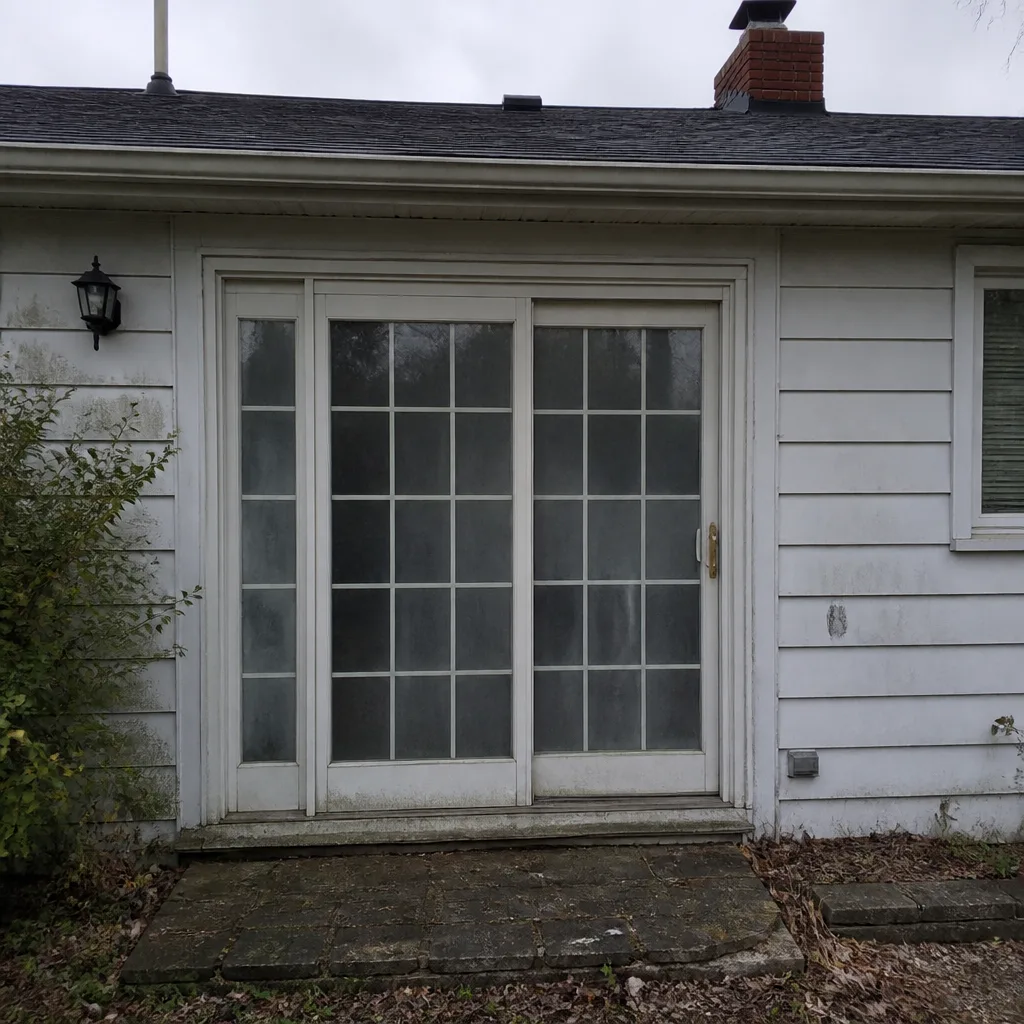 Before
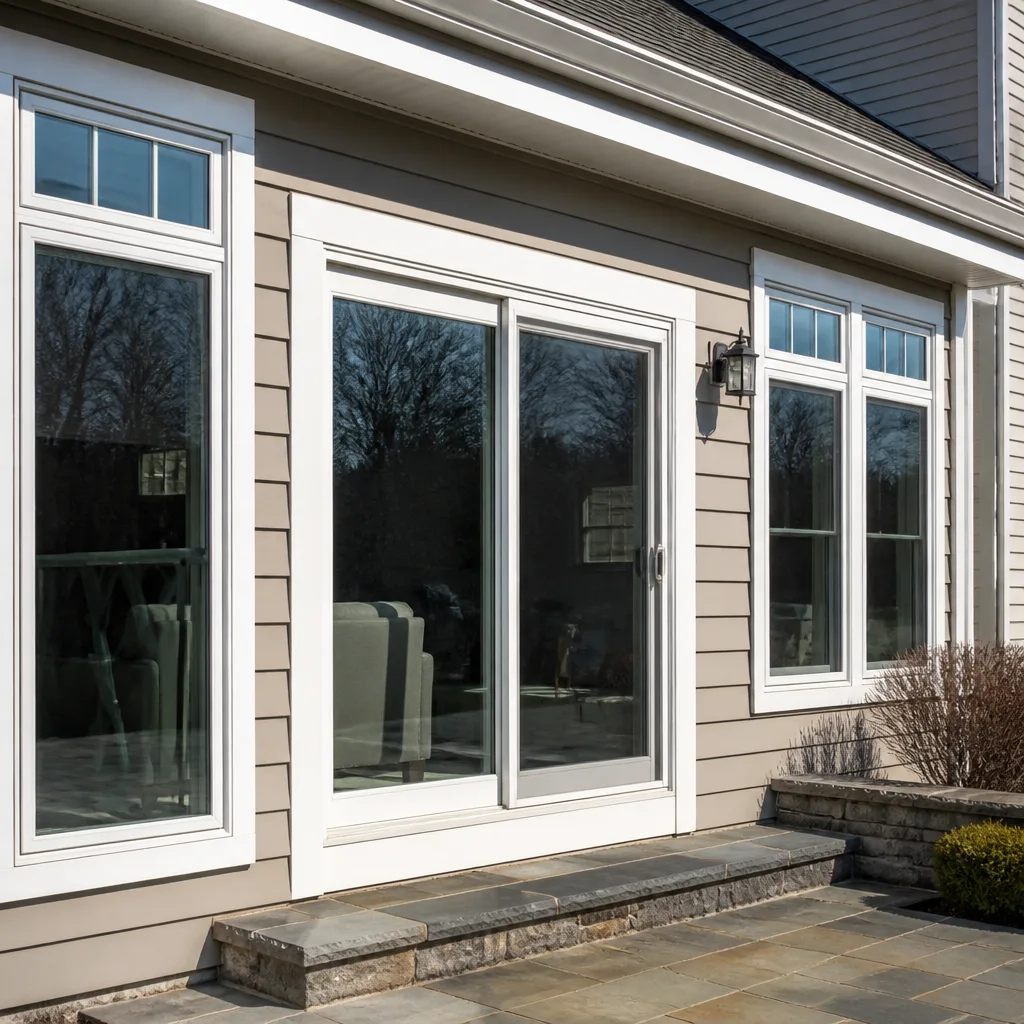 After
After Before
 After
AfterFast, Reliable Glass Railing Systems Across Stanford
Glass railing systems in Stanford, CA run $180 to $340 per linear foot for frameless glass, with exterior deck installations on ground-lease homes typically landing between $4,500 and $12,000 depending on panel count and anchoring method. Stanford’s 94305 ZIP sits in unincorporated Santa Clara County, which means the approval path here is different from Palo Alto or Menlo Park. You’ll need both a County permit and written sign-off from Stanford Land & Buildings before any exterior railing goes in. We know that process cold. If you’re pricing a glass railing on a faculty or staff home near the foothills, call (888) 635-0804 and we’ll walk you through what the job actually requires.
We keep this page honest about Stanford’s specific conditions because the wrong hardware fails here in ways it doesn’t fail three miles east. The marine-layer fog that rolls off the Bay every morning doesn’t just fog your glass. It corrodes your posts. More on that below.
Why TruePane Windows & Doors Is Stanford’s Preferred Glass Railing Systems Company
Dale Kessler founded TruePane in 2008 after spending his first career watching out-of-true installs void warranties and leave homeowners arguing with call centers. That’s not how we work. Our Glass Railing Systems crews come to Stanford with the dual-permit process already mapped out. We coordinate with Santa Clara County’s unincorporated permit portal and Stanford’s Capital Planning office before we touch a post hole. Skipping either step halts a job mid-installation when university property managers do their routine leased-home inspections. We don’t skip steps.
The Done Right Promise backs every railing we install. If it’s not done right, we make it right. No paperwork fight, no arguing, no fine print that covers neither. Both manufacturer warranty layers get registered in writing before the truck leaves your driveway. That’s The Keystone Standard. It’s the same standard Dale keeps on his whiteboard: if the pane is not true, the job is not done.
We’re a second-generation glazier’s shop, not a franchise. Our technicians are background-checked, uniformed, and trained as apprentices into journeymen. A live person answers the phone 24/7 at (888) 635-0804. Not a voicemail tree. Not a regional call center. Someone who knows what a 316 stainless standoff clamp is.
Our Glass Railing Systems Services in Stanford
Exterior Deck Railing
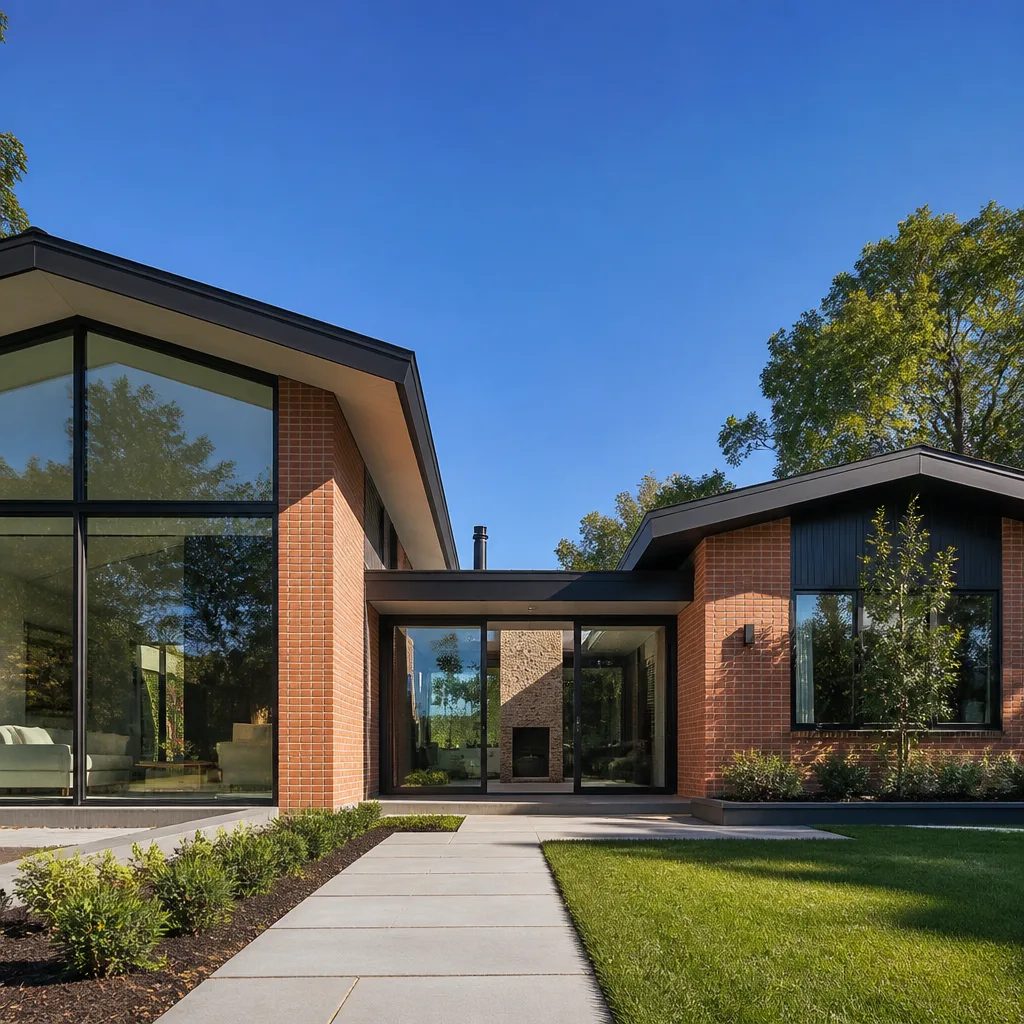
Stanford’s older redwood and composite decks wick salt air from the Bay and hold fog-driven moisture right where the railing post meets the deck surface. That’s exactly where powder-coated aluminum fails here. We specify hot-dip galvanized steel anchors and seal every drilled hole with structural epoxy before setting the post. On mid-century modern ground-lease homes, we keep the low horizontal profile those houses were designed for. On newer faculty infill housing, we work within Stanford’s architectural design guidelines on materials and profiles.
Frameless Glass Rail
Frameless glass gives you the view from the Stanford foothills without a metal cage in front of it. But the marine layer here creates a specific problem: condensation gets trapped against the silicone gasket along the bottom edge of the panel, and over time that edge develops a permanent haze. We use laminated, impact-rated glass with sealed bottom channels designed to drain rather than trap moisture. The hardware matters too. 316 stainless standoff clamps hold up in salt air. 304 does not. We’ll show you both on paper and let you decide.
Pool & Spa Glass Fencing
If you have a pool on a ground-lease home in 94305, the railing has to meet County code for pool barriers in addition to Stanford Land & Buildings approval. That’s two sets of requirements, and they don’t always line up cleanly. We measure the opening twice, quote manufacturer lines side by side, and submit the paperwork correctly the first time. Glass pool fencing in Stanford runs $200 to $320 per linear foot for frameless panels that meet barrier code.
Interior Glass Railing
Interior railings don’t need the exterior permit path, but Stanford’s older homes have their own quirks. Post-WWII ranch houses from the 1940s and 1950s often have dimensional lumber framing that’s not perfectly square. Setting a glass channel on that requires shimming and leveling that most installers skip. We don’t. The result is a railing that doesn’t rattle when you walk past it and doesn’t bind when the house settles.
What happens when you call
- 1
A real person answersNo phone trees - you reach a local pro.
- 2
You get an upfront price rangeHonest numbers before anyone is dispatched.
- 3
A background-checked tech heads outLicensed & insured, dispatched right away.
- 4
You approve before work beginsNothing starts until you say go.
Trusted Brands We Service in Stanford
We’re an authorized installer for more than a dozen manufacturer lines, and for Stanford’s fog-and-salt conditions we specify glass and hardware from CGI, CWS, and ES Windows most often. These manufacturers offer laminated and impact-rated glass panels with edge treatments that resist the bottom-edge haze common here. We stock the seals, standoff clamps, and stainless fasteners these systems need, so a worn gasket on a Stanford deck doesn’t mean waiting weeks for parts. We service what we install, and we install glass that’s actually rated for this climate. Not hardware that’s fine in Los Altos Hills and corrodes in Stanford.
Common Glass Railing Systems Problems We See in Stanford Homes
- Base corrosion on powder-coated aluminum posts. The morning marine layer pools against the deck surface, and the powder coat traps moisture at the post base instead of shedding it. Within five to eight years, you’ll see bubbling and white oxidation. We replace these with hot-dip galvanized or 316 stainless posts and seal the base properly.
- Fogged or hazed panel bottoms. That milky band along the bottom edge of a frameless panel isn’t a cleaning problem. It’s condensation trapped against the silicone gasket, and it’s permanent. The fix is panel replacement with a drainage-channel design that lets moisture escape instead of sitting.
- Loose or wobbly railings after minor tremors. Proximity to the San Andreas Fault means seismic anchoring isn’t a checkbox. Surface-mounted brackets with lag screws loosen under lateral load. We anchor to framing with structural epoxy and through-bolts rated for seismic movement.
- Non-compliant glass specs. Some installers use monolithic tempered glass where Stanford’s proximity to tree hazards and wind exposure calls for laminated, impact-rated panels. If the glass isn’t rated for the location, you’ll find out at inspection. We specify the right panel class from the start.
Pricing for Glass Railing Systems in Stanford, CA
Exterior frameless glass deck railing in Stanford runs $220 to $340 per linear foot. Interior glass railing runs $180 to $260 per linear foot. Pool and spa glass fencing runs $200 to $320 per linear foot. Coastal-spec hardware, meaning 316 stainless clamps, hot-dip galvanized anchors, and laminated impact-rated panels, adds roughly 15 to 20 percent over an inland-spec bid. That inland-spec bid will be cheaper on paper. Within a decade, the corrosion and panel haze will eat the difference and then some. We’ll put both numbers in writing side by side so you can see exactly what you’re choosing. The estimate is free. Call (888) 635-0804.
We Also Serve Cities Near Stanford
Our crews work throughout Stanford and the surrounding communities. We serve Palo Alto, Menlo Park, Atherton, and Los Altos with the same coastal-spec hardware standards and the same two-layer warranty registration. If you’re in a neighboring city and dealing with fog-driven hardware corrosion or a dual-permit problem, call (888) 635-0804 and we’ll sort out what your local jurisdiction actually requires.
Serving Stanford, CA - Our Local Coverage Area
We’re based in the Stanford area and know this community well. Use the map below to see our service coverage - if you’re nearby, we can almost certainly help.
FAQs - Glass Railing Systems in Stanford
Yes. Stanford’s 94305 ZIP is almost entirely university-owned ground-lease land in unincorporated Santa Clara County, so an exterior glass railing needs both a Santa Clara County building permit and written approval from Stanford Land & Buildings before installation. Skipping either step can halt a job mid-installation. We coordinate with Stanford’s Capital Planning office before pulling the County permit, so the job doesn’t stall. Call (888) 635-0804 for help navigating the process.
That haze is condensation from the morning marine layer getting trapped against the silicone gasket along the panel’s bottom edge, and once it’s there, it’s permanent. The fix is panel replacement with a drainage-channel design. If your panels are hazing, call (888) 635-0804 and we’ll assess whether the seals or the panels themselves need replacement.
Technically yes, but the corrosion rate in Stanford is noticeably worse because the fog pools against decks differently than in Palo Alto’s flatter, drier in-town lots. Powder-coated aluminum posts that hold up fine in Palo Alto corrode at the base within five to eight years in Stanford’s foothill fog belt. We specify 316 stainless and hot-dip galvanized anchors for Stanford jobs, and we’ll show you the cost difference on paper. Call (888) 635-0804 for a written quote.
Coastal-spec means 316 stainless standoff clamps, hot-dip galvanized steel anchors, laminated impact-rated glass, and sealed drilled holes with structural epoxy. Inland-spec uses 304 stainless or powder-coated aluminum and monolithic tempered glass. The coastal-spec runs 15 to 20 percent more upfront. The inland-spec corrodes and hazes within a decade, and replacement costs more than the original gap. Call (888) 635-0804 for exact numbers on your deck.
If the home falls under Stanford’s architectural design guidelines for ground-lease properties, yes, the materials and profiles must be consistent with the original character. Frameless glass with minimal hardware usually fits mid-century modern lines better than bulky aluminum posts. We’re familiar with the university’s review criteria and can prepare a submittal that clears review the first time. Call (888) 635-0804 to discuss your project.
We installed a frameless glass deck railing on a mid-century modern ground-lease home near the Stanford foothills using 316 stainless standoff clamps and laminated, impact-rated glass panels. The original contractor skipped the Stanford Land & Buildings approval, so our first step was coordinating with the university’s Capital Planning office before pulling the County permit. The marine-layer fog had already caused surface corrosion on the old powder-coated aluminum posts, so we specified hot-dip galvanized steel anchors and sealed all drilled holes with structural epoxy to prevent moisture intrusion into the redwood deck framing.
If you’re ready to price a glass railing in Stanford with hardware that survives the fog, permits that clear both approval steps, and a warranty registered in writing before we leave the driveway, call (888) 635-0804 for a free estimate. We’ll come out, measure twice, and put the numbers on paper. No surprises on the bill. Done right.
Written by Dale Kessler, Owner at TruePane Windows & Doors, serving Stanford and the surrounding Bay Area communities.