
Free in-home measure and quote - PGT, CGI and CWS impact lines compared on your actual openings, style by style
Sliding glass doors
Impact garage doorsPGTCGI
 Before
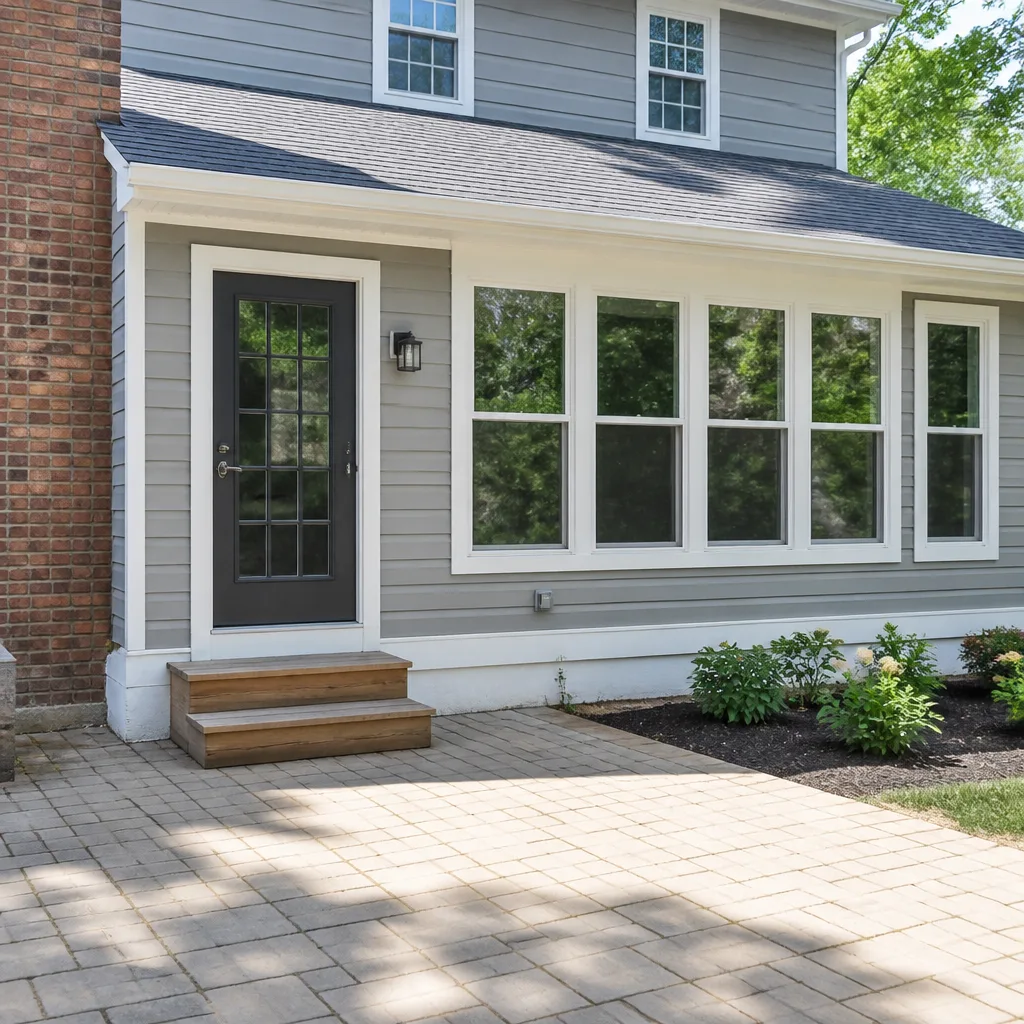 After
After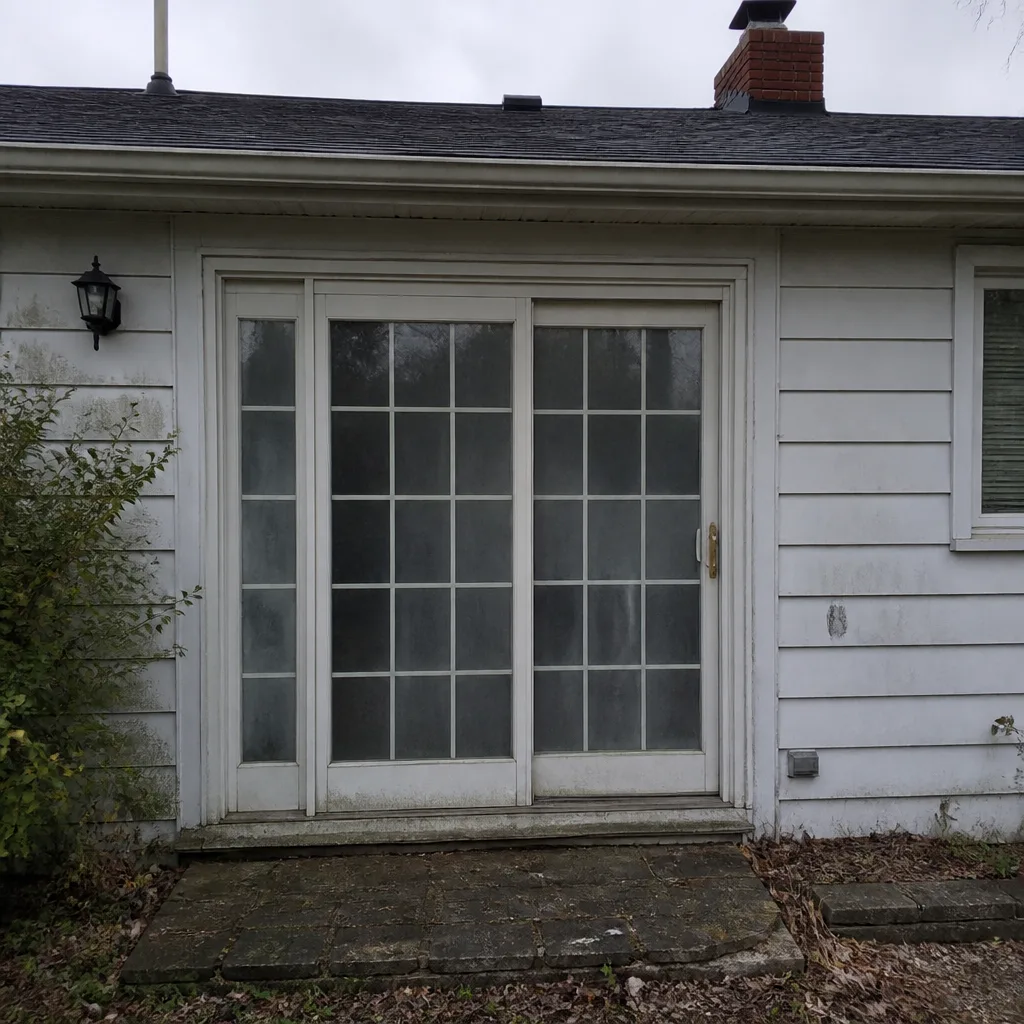 Before
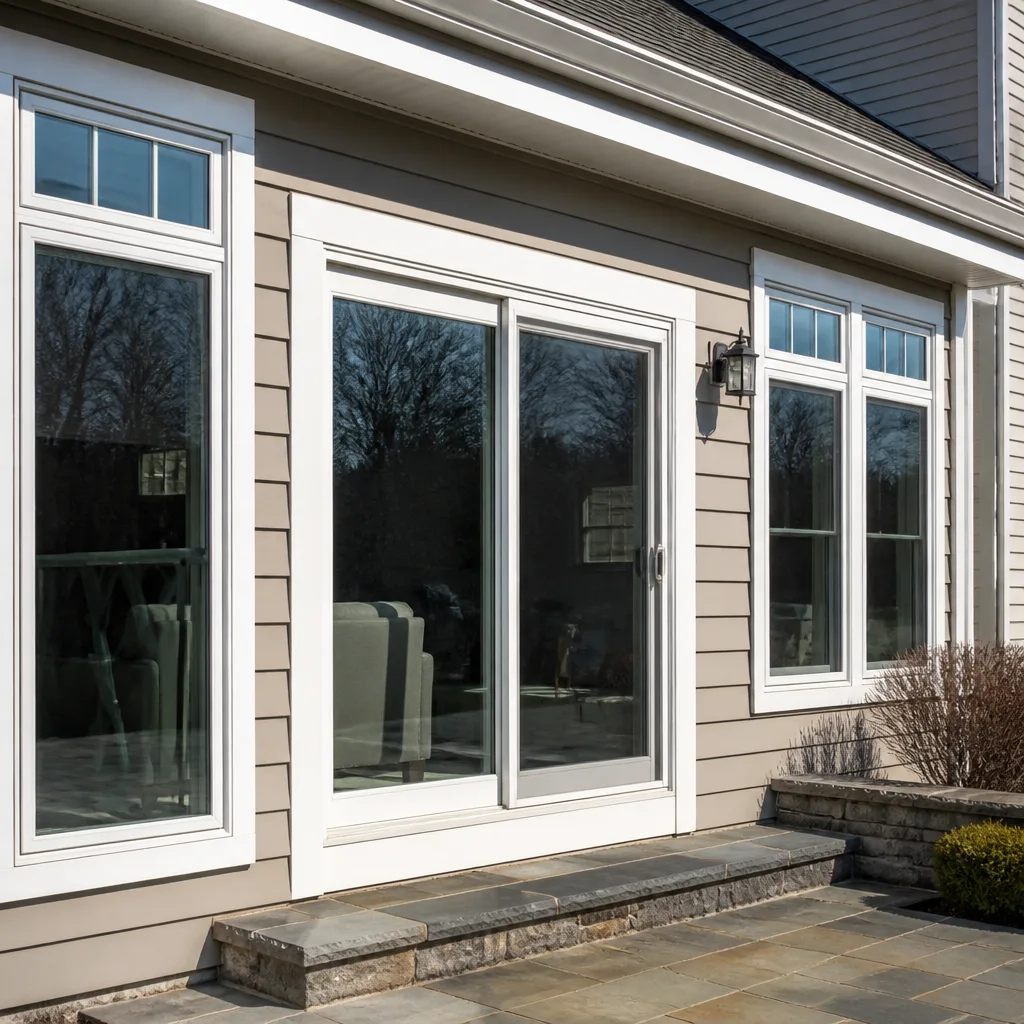 After
After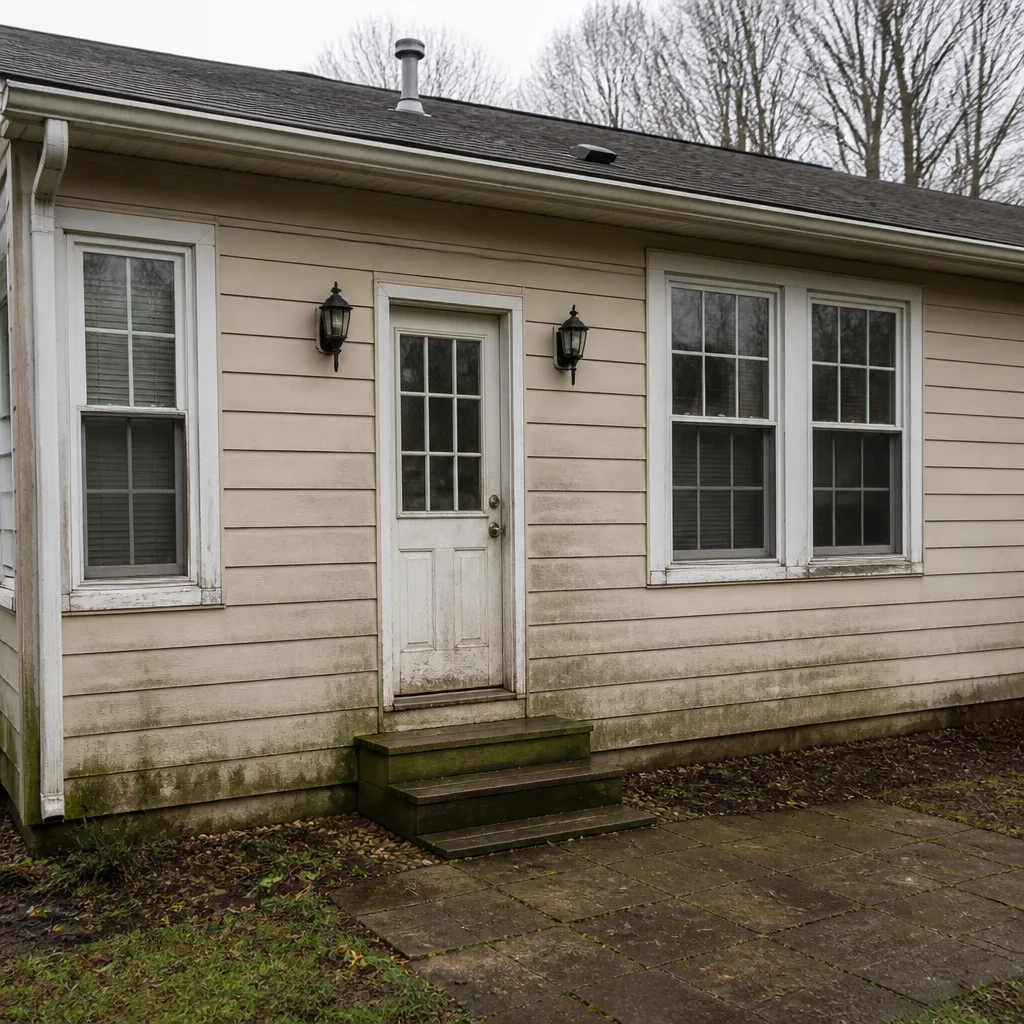 Before
 After
AfterImpact vs Non Impact Windows in Columbus: Choose Laminated Glass If Your Seals Keep Failing
For most Columbus homeowners, our Impact Windows & Doors services are worth the added cost not because of storm risk, but because laminated windows outlast standard double-pane units by reducing the flex that destroys IGU seals during our freeze-thaw cycles. Expect to pay roughly $90 to $180 more per opening for laminated glass over a comparable non-impact unit. If your house sits near a busy arterial or takes sustained northwest wind, that gap closes further. Call (888) 635-0804 and we’ll price both options side by side on paper, so you can see exactly what you’re buying.
Ohio’s Climate Puts a Steady Load on Every IGU You Own
Columbus windows live through a documented annual range from near 18°F in January to 85°F in July. That’s a 65-degree swing every year, and it doesn’t stop there. Spring and fall add daily oscillations: nights in the 30s, afternoons in the 60s, humidity rising and falling with each front that crosses Franklin County.
Every insulated glass unit handles this by allowing slight movement. The two panes expand and contract at the edges. The spacer bar and the perimeter sealant absorb that motion. In a standard builder-grade unit, the glass is thinner and the sealant has a fixed fatigue limit. Micro-flexing eventually cracks the seal, the desiccant inside the spacer saturates, and the window fogs. That’s the moment most people call.
In the production-builder tracts that ring the city - Dublin, Hilliard, Pickerington, Gahanna - the original windows were minimum-spec IGUs chosen to meet a price point, not a service life. Those houses, built from the early 1990s through the 2000s, are now hitting that 25-30 year mark together. We replace a lot of failed originals in those neighborhoods.
Dale Kessler grew up in Clintonville, where his father spent thirty years doing glass work on older homes with original wood frames and single-pane storms that let in half the weather. What Dale learned early, and what we still apply on every bid, is that the frame carries half the load and the glass carries the other half. A window that fits right shouldn’t need caulk to do the work the frame was supposed to do.
Why Laminated Glass Holds a Seal Longer Than Tempered or Annealed Glass
Laminated glass bonds two lites to a PVB interlayer under heat and pressure. That bonded unit is structurally stiffer than a single lite of tempered glass at the same nominal thickness. Stiffer glass flexes less at the perimeter when temperatures change, which means the seal flexes less, which means it lasts longer. That is not a selling point we invented. It’s mechanics.
Standard double-pane non-impact windows use two lites of annealed or tempered glass with an air or argon gap between them, held apart by a spacer. Each lite moves independently at the edges. Under repeated thermal cycling, that independent movement cracks the butyl or silicone seal. We see it most often on north and west-facing units in Columbus, which take sustained prevailing winds on top of the temperature load. The wind adds deflection to the thermal flex, and the seals fail sooner.
When we replace an opening, we document the orientation. A south-facing window in German Village sees a different life than a west-facing window on Sawmill Road. We talk about those differences during the estimate, because they dictate whether laminated glass makes real economic sense for you or whether a premium non-laminated unit will serve.
Noise: The Difference You’ll Notice the Week After Install
Homeowners near the Hamilton Road, Polaris Parkway, or Sawmill Road corridors often call us back a month after install and mention the quiet before they mention anything else. Laminated interlayers attenuate certain frequencies differently than an air gap alone can. The PVB layer dampens mid-range sound - the band where road traffic, brake squeal, and lawn equipment live.
A standard double-pane unit with a wide air gap does a good job on some high frequencies. But the laminated assembly adds a damping layer that changes how sound transmits through the glass itself, not just through the gap. If your bedroom or living room faces a busy suburban arterial, this may be the single most noticeable upgrade on day one, before you’ve even thought about the seal longevity argument.
We work with manufacturer lines including Impact Windows & Doors in Columbus from brands like ES Windows, CWS, and others, and we can quote laminated and non-laminated versions of the same line side by side. That comparison, on paper, is the only way to make an honest decision.
Cost Comparison: Laminated vs Standard Glass in Columbus
Here’s a realistic Impact Windows Cost in Columbus, OH range for a typical replacement window opening, installed by a licensed contractor. These are not manufacturer list prices - they reflect what we see in the field across Dublin, Hilliard, and the older neighborhoods inside the Outerbelt.
| Window Type | Typical Installed Cost Range (per opening) | Notes |
|---|---|---|
| Standard vinyl double-hung, builder-grade IGU | $450 - $700 | Minimum-spec sealant; shorter expected seal life under thermal cycling |
| Premium vinyl double-hung, premium IGU | $700 - $950 | Better spacer, higher-quality sealant; longer life but still single-lite flex |
| Laminated (impact-rated) vinyl double-hung | $800 - $1,100 | Stiffer glass assembly; better noise damping; longest seal life in our experience |
| Wood or aluminum-clad wood with laminated glass | $1,100 - $1,800+ | Required in some historic districts; matches original sash profile |
The deciding number is usually the gap between a premium non-laminated unit and a laminated unit. When we run the quote, that gap is often closer than homeowners expect - sometimes under $100 per opening once the frame, hardware, and labor are accounted for. The glass is a component, not the whole price.
When Non-Impact Windows Are the Right Call
We’re not going to sell laminated glass everywhere. The honest answer is that a south-facing window on a sheltered street in Westerville, in a house that doesn’t sit near a noisy corridor, may never justify the added cost. The thermal cycling argument applies most strongly to orientations that already see extra stress: north and west elevations, windows that take wind, and units that have failed once before.
If your current windows are fogged, failed, or drawing air, and you plan to stay in the house for another twenty years, laminated glass is worth a hard look. If you’re selling soon or the windows face a protected courtyard, a premium non-laminated unit from a good manufacturer line may be the square deal.
We’ll lay out both options on paper, register both warranty layers in writing before the truck leaves the driveway, and stand behind the work for 90 days under the Done Right Promise. That’s what we mean by home - a company that’s been doing this work in Columbus since 2008 and plans to be here in thirty more.
What We Check on Every Estimate
- Orientation. North and west elevations get a different glass recommendation than south and east.
- Seal condition. We inspect the perimeter of every existing IGU with the frame in place.
- Frame material and condition. A laminated unit in a failing frame is money wasted.
- Noise exposure. Distance from arterials, prevailing wind direction, and window proximity to living areas.
- Historic district constraints. German Village Commission approval may mandate wood or aluminum-clad wood with matched divided lights.
FAQs
Impact Windows Near Me in Columbus, OH use laminated glass with a PVB interlayer bonded between two lites, while non-impact windows typically use two separate panes of glass with an air or gas gap and no interlayer. The laminated assembly is stiffer, reduces noise transfer, and holds its perimeter seal longer under temperature cycling - which matters in Columbus even though hurricanes don’t. Call (888) 635-0804 for a side-by-side quote on both options.
In the Columbus market, laminated impact-rated windows typically run $90 to $180 more per opening than a comparable premium non-laminated unit. The gap can shrink when frame, hardware, and labor are accounted for across the whole project. Call (888) 635-0804 and we’ll quote both on paper, including warranty terms, before you commit.
Yes. The PVB interlayer in laminated glass dampens mid-range sound frequencies - road traffic, engine noise, brake squeal - more effectively than an air gap alone in a standard double-pane unit. Homeowners near Hamilton Road, Polaris Parkway, or Sawmill Road often report the noise reduction as the change they notice most. Call (888) 635-0804 to discuss your specific exposure.
For many Columbus homeowners they are, because the mechanical argument for laminated glass is seal longevity, not storm protection. The city’s 65-degree annual temperature swing plus sustained northwest winds stresses IGU seals repeatedly; stiffer laminated glass flexes less and keeps its seal longer. If you’re planning to stay in your home for 20 more years, the math often favors laminated. Call (888) 635-0804 for a straight answer on your specific openings.
Get a Straight Answer, Not a Sales Pitch
If you’d rather have it looked at, TruePane Windows & Doors offers Impact Windows & Doors Near Me in Columbus, OH with a no-pressure assessment. We’ll measure, document the orientation of each opening, and put both laminated and non-laminated quotes in front of you on paper - with every warranty stated in writing. Call (888) 635-0804.
Written by Dale Kessler, Owner, TruePane Windows & Doors at TruePane Windows & Doors, serving Columbus, OH.