
Free in-home measure and quote - PGT, CGI and CWS impact lines compared on your actual openings, style by style
Sliding glass doors
Impact garage doorsPGTCGI
 Before
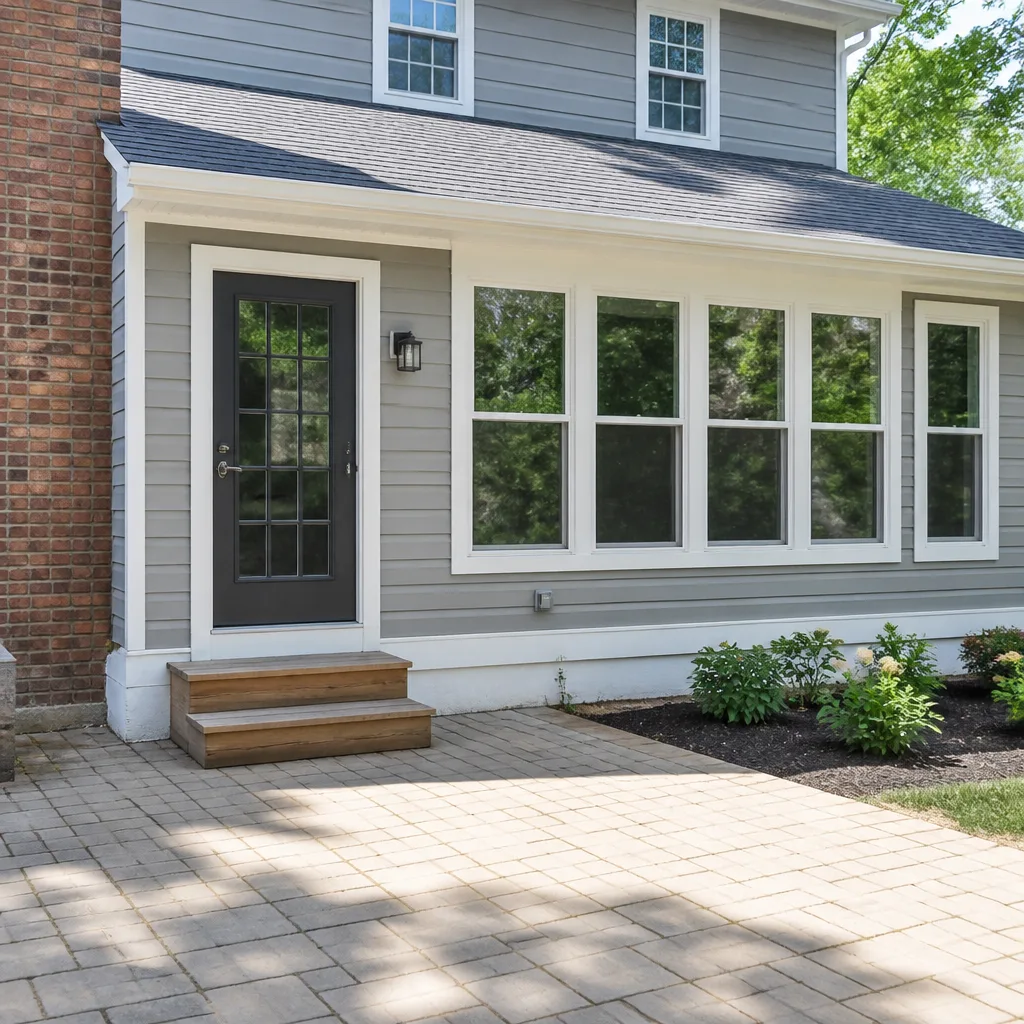 After
After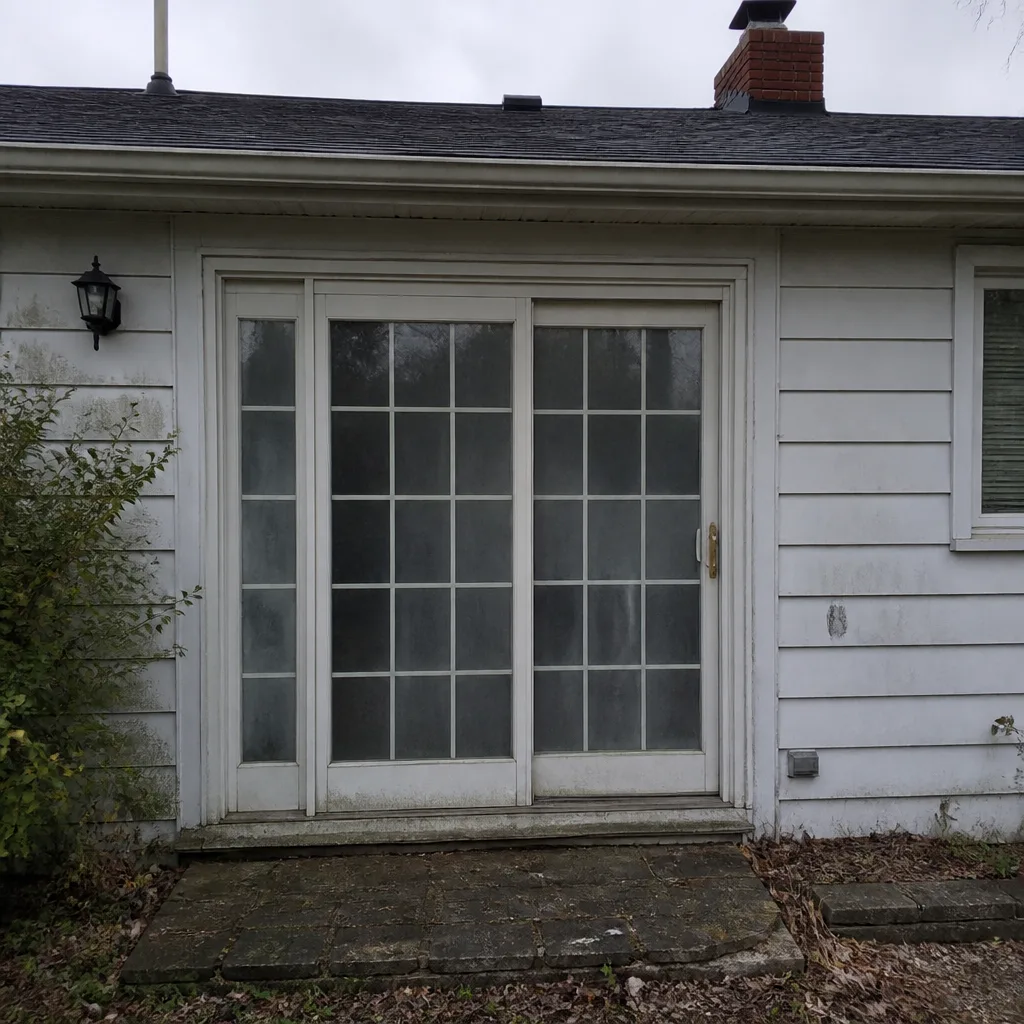 Before
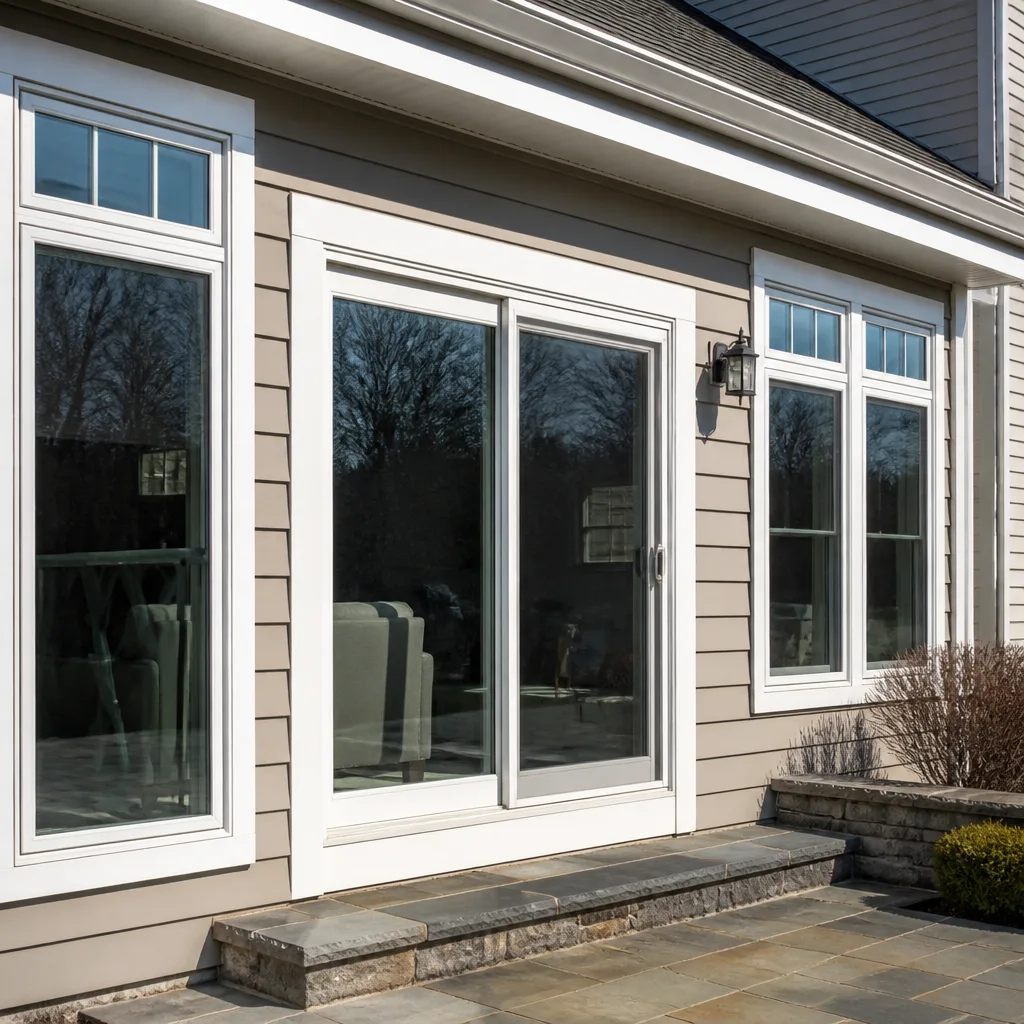 After
After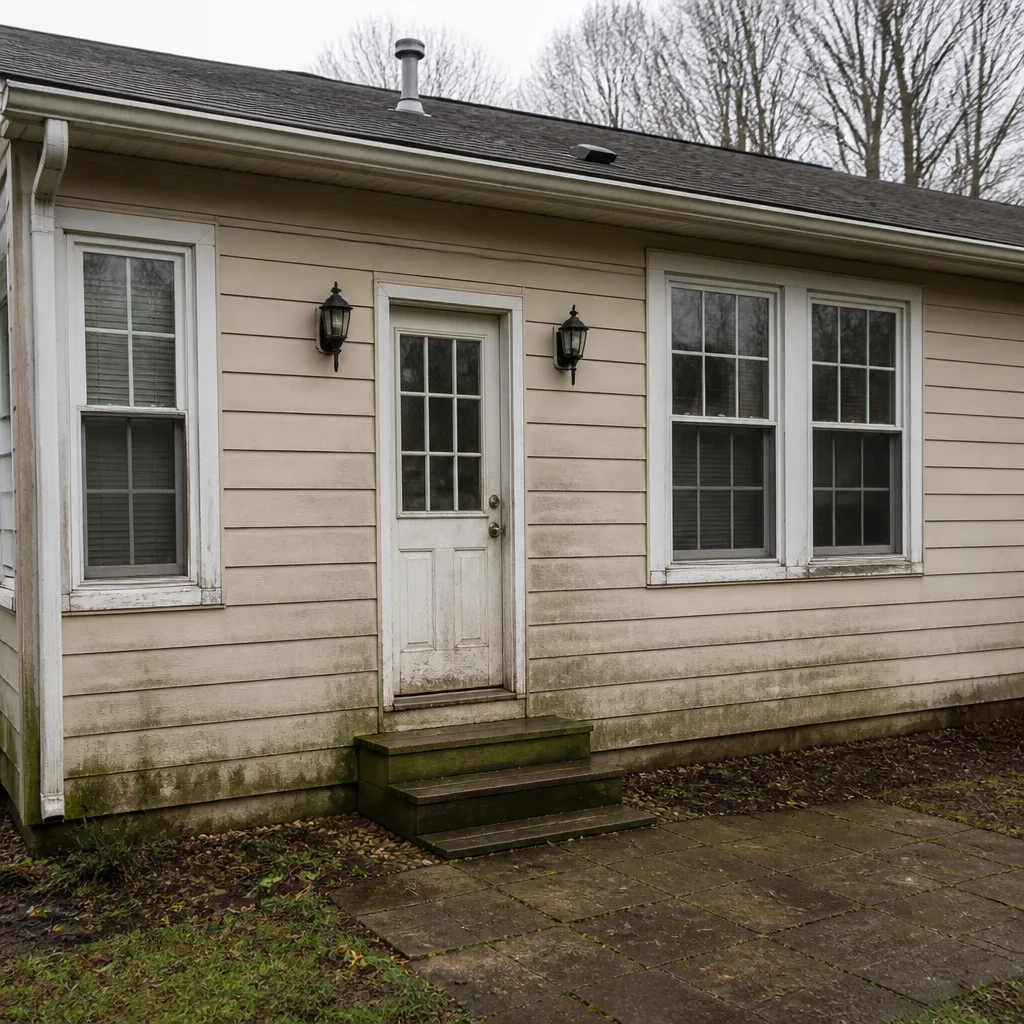 Before
 After
AfterChoose a sliding door in Columbus unless the opening faces west or north. Choose a French door if it does.
For most patios in Columbus, a sliding & patio door is the practical choice: it preserves interior floor space, costs less installed, and when the elevation faces south or east, it seals fine for years. The exception is a west- or north-facing rear wall, where sustained northwest winds press against a sliding panel’s pile weatherstrip and wear it faster than a French door’s compression seal would ever wear. That single orientation fact matters more than brand, price, or appearance. If you’re weighing sliding door vs french door for a Columbus home, start by walking outside and looking at which way the opening faces. TruePane Windows & Doors has measured and set both door types across central Ohio for close to three decades, so call (888) 635-0804 when you’re ready to compare real units side by side, not categories.
The air-seal difference nobody puts on a brochure
A sliding panel works by pressing a pile weatherstrip against a fixed frame. Pile is short, dense bristle, like a brush. It seals adequately when new. But every time you open and close a sliding door, the panel’s horizontal track motion drags the pile across the frame. Over years, that bristle compresses and flattens. The door still works; it just stops sealing perfectly. On a south- or east-facing Columbus patio, that slow wear takes a decade or more to become noticeable because the prevailing wind rarely pushes against the panel.
Now consider the same sliding door on a west-facing wall in Hilliard or Dublin. Central Ohio is flat. There are no ridges or hills between the plains and your back wall to knock down a sustained northwest wind. The wind loads directly against the sliding panel’s vertical meeting rail. The pile weatherstrip is the only thing keeping that wind-driven air, and in winter the cold that comes with it, outside the house. At year five or six, that pile has compressed enough that you can feel a draft with your hand on a cold evening. At year ten, the homeowner is usually convinced the door itself is failing.
A French door seals differently. The active panel swings on hinges and closes against either the fixed panel or the threshold with a foam or fin seal that compresses every time the door latches. There’s no horizontal drag, no pile wearing flat from use, and the closed position applies positive compression to the seal. Under sustained lateral wind, that seal holds more consistently than a worn pile ever can. The mechanical difference exists whether the door costs $800 or $4,000.
So the honest framing is this: orientation determines which door type works better for you. It is not purely style preference. Columbus homes in Dublin, Hilliard, Lewis Center, and the northwest suburban ring routinely show disproportionate weatherstrip wear on sliding panels installed on west and north rear elevations. Those same doors on south and east walls often have years of service life left. Our field crews see this pattern repeated across hundreds of homes built during the post-1990 production-builder boom, when M/I Homes and Pulte put builder-grade sliding units in as original equipment.
What a 25-year-old builder door is actually telling you
If your house is one of those 1990s colonials in Pickerington, Gahanna, or the northwest corridor, the sliding patio door likely came from the builder’s supply order, rated to minimum code at construction. Twenty-five or thirty years later, the symptoms homeowners report sound severe: the door is hard to open, it drafts, the panel rattles in wind, the lock does not line up. The automatic assumption is that the frame has failed and the whole unit needs replacing.
Frequently, Dale Kessler has found otherwise. The rollers under the panel wear out. They are a $12 to $40 part, and when they flatten or seize, the door drags, the panel drops slightly, the interlock no longer meets, and the weatherstrip gap opens. What presents as a failed door is sometimes a worn roller and a degraded interlock seal. A service call that replaces the rollers, adjusts the panel height, and refits the weatherstrip can extend the life of that door by three to five years. That is not always the answer, but it is the answer often enough that we check first before we quote a replacement.
This is exactly where a careful diagnostic matters. A sliding glass door that binds in July and lets a draft through in January is not necessarily a replacement job. If the frame is square and the glass is intact, a roller-and-seal service may be all it needs. If the frame is racked, or the glass package has lost its seal, replacement is the honest call. We spend the time to tell you which.
The space argument that French-doors marketing skips
Sliding doors do not require swing clearance. The panel travels inside its own track. That is a real functional advantage in an open-plan kitchen where the table sits four feet from the wall, or on a small patio where a French door would swing into the dining area and block a chair. No amount of upgraded hardware changes geometry. If floor space matters, the sliding door wins.
French doors demand swing clearance, and they demand a level threshold. On older Columbus homes with original concrete slabs that have settled, the slab is rarely level across a six-foot door opening. A French door installation may require grinding down a high corner or building up a low one before the threshold sits flat. That is a field fact most brochures skip because it adds labor cost and sometimes changes the install price by several hundred dollars. A sliding door is more forgiving of slab irregularities because the track spans the opening and can be shimmed true at the ends.
That does not make French doors a bad choice. It makes them a different engineering problem. On a wide patio with deck space to spare and a north elevation that takes wind, a quality French door with good compression weatherstripping and a properly set threshold will seal better for longer than any sliding panel we know. For a small rear patio where space matters or an east-facing wall that never sees the brunt of Columbus’s winter wind, a sliding door is the sensible, lower-cost answer. Both can be good; the lot and the elevation decide.
Side-by-side comparison for Columbus conditions
| Factor | Sliding Glass Door | French Door |
|---|---|---|
| Seal type | Pile weatherstrip on horizontal track, wears over time | Compression foam or fin seal, re-seals on every latch |
| Wind resistance on W/N elevations | Moderate; pile degrades faster under sustained lateral load | Better; seal compresses positively with each close |
| Swing clearance required | None | Yes; needs open floor space in front of the unit |
| Slab tolerance | High; track can be shimmed | Lower; threshold needs a level substrate, may require grinding or build-up |
| Typical installed cost range, Columbus | $1,100-$2,800 for a quality vinyl unit; wood-clad and impact packages run higher | $2,000-$4,500 depending on material, glass, and hardware spec |
| Best Columbus application | S/E-facing patios, tight kitchens, small patios, budget-sensitive replacements | W/N-facing elevations, wide patios with room to swing, historic-district properties |
These are field numbers, not brochure prices. Actual cost depends on the opening size, the manufacturer line, the glass package, and what we find when we measure. We quote manufacturer product lines side by side on paper, and we have installed more than a dozen including Sliding & Patio Doors from Jeld-Wen, Simonton, and Ply Gem. That is the only fair way to compare.
What we do differently when you ask us to quote both
TruePane is not the cheapest bid in Columbus, and we are not trying to be. We are the last call a homeowner should need to make. When you ask us to compare a sliding door against a French door, we do it on paper. We give you two written quotes that name the manufacturer, the product line, the glass package, the hardware spec, and the installation scope. You see exactly what you are buying before you write a check. Both manufacturer warranty layers get registered in writing before our truck leaves your driveway. The Done Right Promise covers workmanship on every job with no paperwork fights and no arguing.
We have been serving Columbus-area homes since 2008 through a craft tradition founded by second-generation glazier Dale Kessler, who grew up in Clintonville and learned enough about old wood frames to know that a window that fits right should not need caulk to do the work the frame was supposed to do. That principle governs every door and window we set. We hire local, train apprentices into journeymen, and answer the phone with a live person 24 hours a day, seven days a week. We plan on being in town in thirty years, so we act like it.
Can you fix my sliding door instead of replacing it?
Often, yes. If the frame is square, the glass is sound, and the failure is in the rollers or weatherstrip, a service call that replaces the rollers, adjusts the panel, and refits the interlock seal can extend the door’s service life by three to five years. That is a repair in the $200 to $450 range for most Columbus homes, versus $1,100 or more for a quality replacement. We check the frame before we quote anything. If it is racked or the glass has failed, we tell you straight and quote the replacement.
Is a French door worth the extra cost on a north-facing patio?
In most Columbus cases, yes. A north-facing rear elevation takes sustained winter wind that a sliding panel’s pile weatherstrip will wear down faster than a French door’s compression seal. The seal design is the reason, not the aesthetics. If the patio is wide enough to accommodate the swing and the slab can be leveled reasonably, the French door is the smarter long-term investment on that wall. If the patio is tight or the slab is badly out of level, a well-specified sliding door with upgraded weatherstrip may be the better fit. Call us at (888) 635-0804 and we will measure it and tell you honestly.
How much does a new patio door cost in Columbus?
Expect to pay roughly $1,100 to $2,800 for sliding glass door replacement cost in Columbus, OH, and $2,000 to $4,500 for a French door depending on material, glass, and hardware. Impact-rated and wood-clad packages run higher. The cost difference comes from the hardware set, the more complex threshold and jamb work, and the additional labor to set a swinging unit square. We give you the exact number in writing before you commit, and the price we quote is the price you pay. No surprise line items.
FAQs
A sliding door is better for south- and east-facing patios, tight kitchens, and budgets; a French door is better for west- and north-facing elevations where sustained wind calls for a compression seal instead of a pile weatherstrip. In Columbus, orientation matters more than style preference. We measure both options and show you real quotes side by side so you decide on facts, not categories.
A quality sliding door on a protected elevation in Columbus can last 20 to 30 years, while a builder-grade unit on a west- or north-facing wall often shows meaningful weatherstrip and roller wear by year 10 to 12. The climate, with its humid continental swings and flat-terrain northwest winds, accelerates seal degradation. We can often service rollers and weatherstrip for far less than replacement. Call (888) 635-0804 and describe what you’re seeing; we will tell you what it likely is.
Usually yes, but the existing slab must be level enough for a proper threshold set, and you need swing clearance inside. Older Columbus concrete slabs often need grinding or build-up. We measure the opening twice, check the slab with a level, and tell you whether a French door will set square before we order anything.
Typically, the rollers under the panel have worn or the pile weatherstrip has compressed, letting the panel drop and the interlock gap. It is a repairable condition in most cases, not a frame failure. We replace the rollers, adjust the panel height, and refit the seal for a fraction of replacement cost when the frame is sound. Call us for a no-pressure look at it.
Yes. We quote both door types on paper with the manufacturer line, glass package, hardware spec, and installation scope stated. No vague categories. If you are deciding between a sliding door and a French door, you deserve to see two written bids and decide on the real numbers. Our home page shows the range of window and door work we do across Columbus.
If you have a patio door that binds, drafts, or just does not look right to you anymore, call TruePane Windows & Doors at (888) 635-0804. We will measure the opening, check the elevation, and give you an honest recommendation for your Columbus home. No pressure, no price games, no upsell. Just a square deal and a door that works.
Written by Dale Kessler, Owner, TruePane Windows & Doors at TruePane Windows & Doors, serving Columbus, OH.