
Free in-home measure and quote - PGT, CGI and CWS impact lines compared on your actual openings, style by style
Sliding glass doors
Impact garage doorsPGTCGI
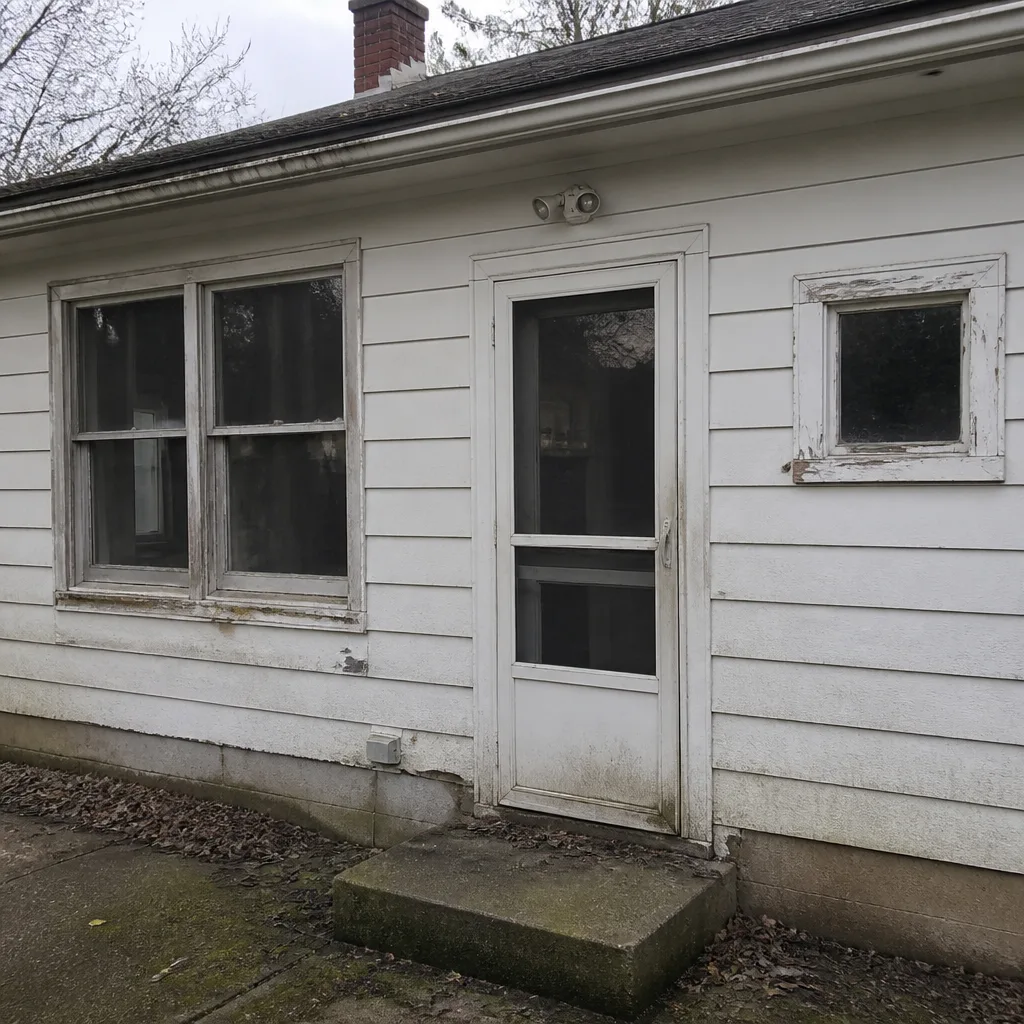 Before
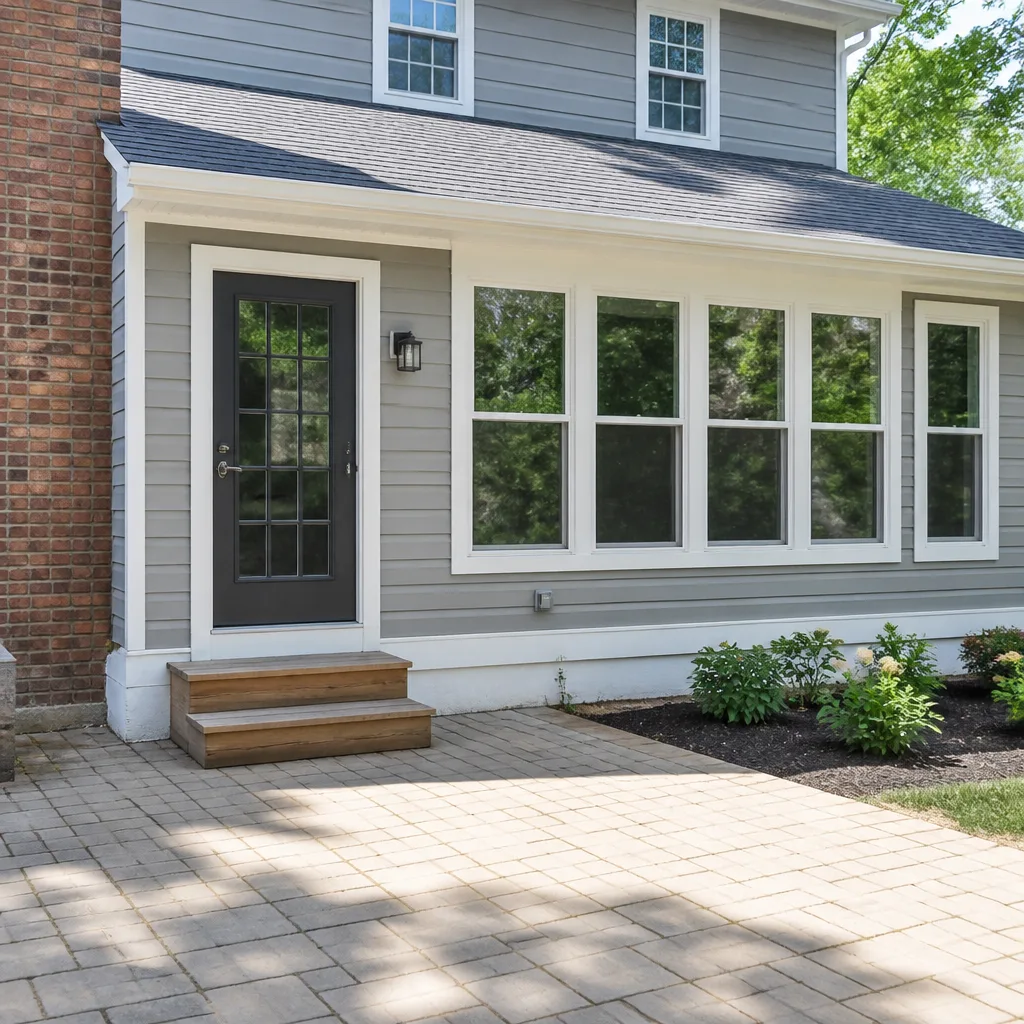 After
After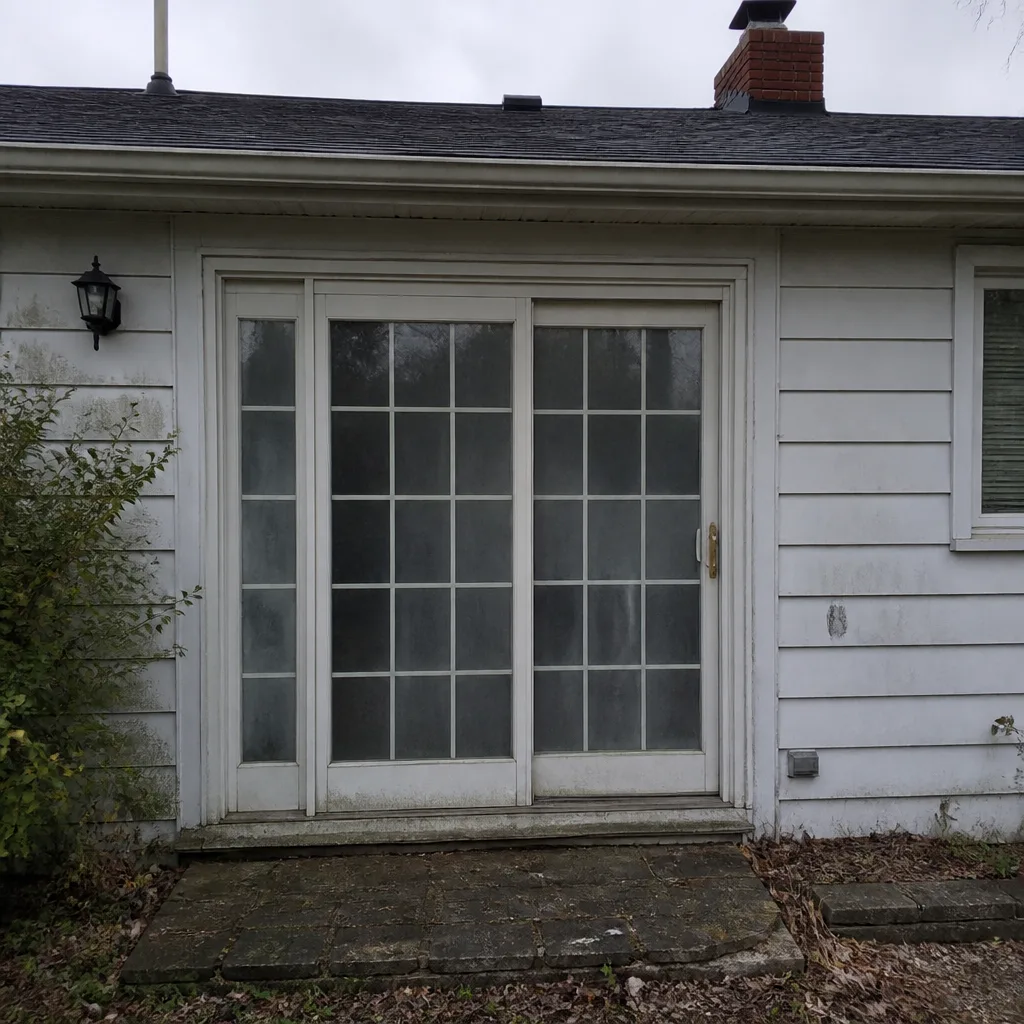 Before
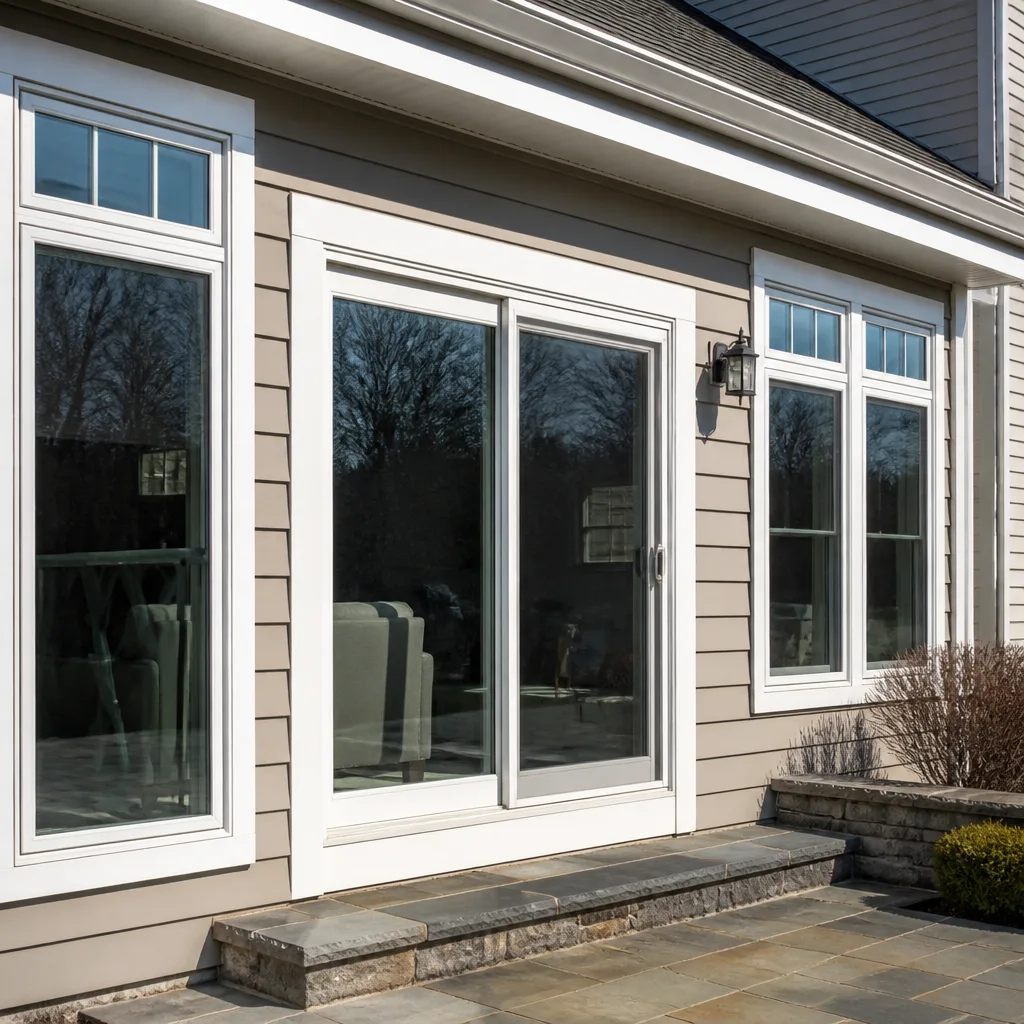 After
After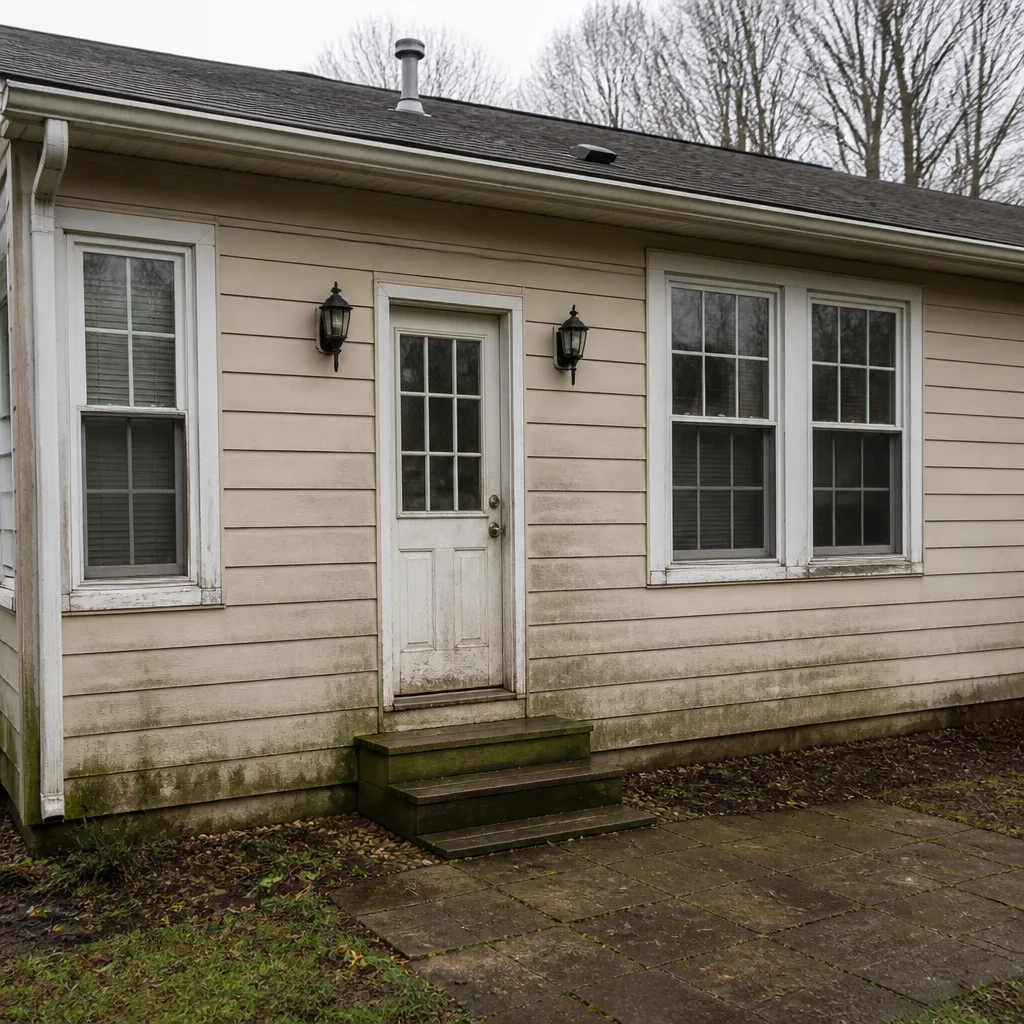 Before
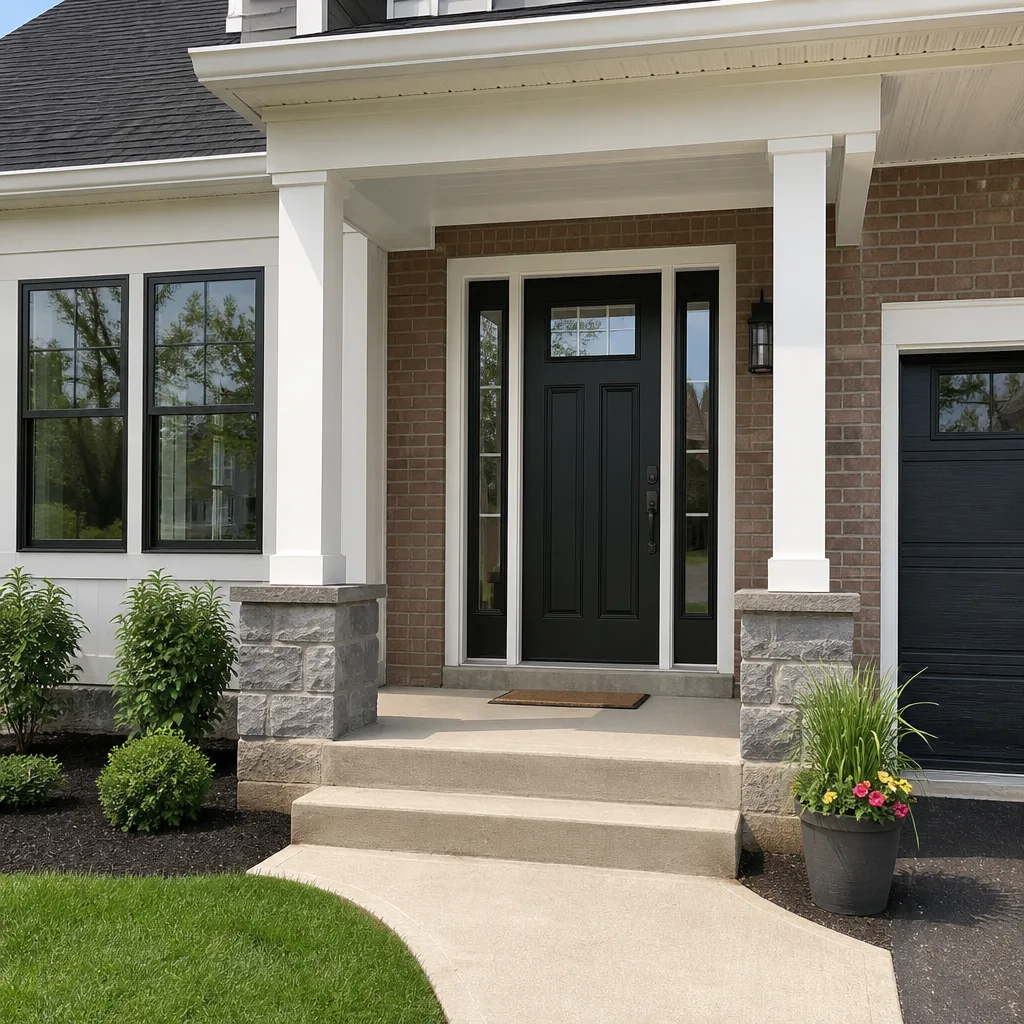 After
AfterUV-Blocking & Fade Protection in Columbus, OH
UV-blocking windows use low-emissivity (low-e) coatings and laminated or tinted glass to filter out the ultraviolet and near-infrared wavelengths that bleach furniture, warp hardwood floors, and fade artwork. In Columbus, where summer sun angles are high and west-facing rooms can bake from late afternoon into early evening, the right glass package can block up to 99% of UV rays without noticeably darkening your view. Most homeowners see a meaningful difference in fabric and flooring color within the first two to three years after upgrading from standard double-pane units.
At TruePane Windows & Doors, Dale Kessler has been specifying and installing fade-protective glazing since the early days of the company – long before manufacturers started printing “UV protection” on every spec sheet. If you want to talk through what your south- or west-facing rooms actually need, a live person answers our phone at (888) 635-0804 around the clock. We’re part of our Energy-Efficient Windows in Columbus service, and UV protection is one of the places where comfort, savings, and real preservation of your home’s interior come together in a single glass decision.
Why Columbus Homes Are Especially Vulnerable to UV Damage
Columbus gets roughly 185 sunny days a year – not quite Florida, but enough that a south-facing living room or a west-facing dining area takes a cumulative UV load that adds up fast. The Central Ohio summer sun arc sits high overhead from May through September, and homes in neighborhoods like Clintonville, Upper Arlington, and German Village that were built between the 1940s and 1980s almost universally have single-pane or early double-pane windows with no meaningful UV coating. Those windows transmit anywhere from 60% to 75% of ultraviolet light directly into the room.
The damage is slow and invisible until it isn’t. A wool rug fades on one side. The finish on a hardwood floor near the bay window turns chalky. The upholstery on a chair that sat in the same spot for ten years looks a shade lighter than the rest of the set. None of this shows up on an energy bill, which is why homeowners often don’t connect the cause to the windows until a contractor points it out.
There’s also the heat component. In Bexley and Worthington, where original wood-framed windows are common, the solar heat gain through uncoated glass raises surface temperatures on floors and furniture. That heat accelerates the photochemical fading process the UV started. Addressing both – UV transmittance and solar heat gain coefficient – at the same time is the approach that actually protects your interior long-term.
When You Need UV-Blocking & Fade Protection
- Visible fading on floors, rugs, or upholstery near windows. If the discoloration lines up with where sunlight falls during the day, the glass is letting through more UV than it should. Standard double-pane units without a low-e coating block almost no ultraviolet light.
- West- or south-facing rooms that overheat in the afternoon. Columbus west-facing rooms can see interior surface temperatures climb 15 to 20 degrees above the rest of the house by 4 p.m. in July. That heat signature is a reliable indicator that solar control glazing is missing.
- Artwork, photographs, or antique furniture you are not willing to replace. UV light degrades organic dyes and pigments irreversibly. If the piece has sentimental or monetary value, the cost of protective glazing is a fraction of the cost of restoration or replacement.
- Windows more than 15 years old in a home built before 1995. Early double-pane units used clear glass with no low-e layer. The argon fill – if it was ever there – has likely leaked from seals that were not built to last. Columbus homes in Whitehall, Hilliard, and Gahanna often still have these original units in place.
- A sunroom or three-season room that gets unusable in summer. Rooms with large glazed areas and no solar control are the clearest case for a high-solar-gain-rejection glass package. The room becomes livable again and the HVAC system in the main house stops working overtime to compensate.
- You’ve noticed your utility bills rising without an obvious cause. Uncoated glass contributes to cooling load. If your Columbus home’s summer electricity bills have crept upward, solar heat gain through older windows is a common and correctable factor.
Our UV-Blocking & Fade Protection Process
We do not sell glass coatings out of a brochure. The process starts with the room and works backward to the glass specification – not the other way around.
- In-home solar assessment. Dale Kessler or one of our trained journeymen visits the home and evaluates each affected window’s orientation, the existing glass makeup (we can usually identify the coating generation by the color of the reflection), and what’s being protected inside the room. We note which windows face south or west, measure the room depth, and identify any existing window treatments that are compensating for bad glass. This assessment is the foundation of the specification – skipping it is how homeowners end up with the wrong coating for their exposure.
- Glass package recommendation, side by side on paper. We quote at least two manufacturer lines with the specific glass options relevant to your situation. For UV blocking and fade protection, the key numbers are visible light transmittance (VLT), ultraviolet rejection percentage, solar heat gain coefficient (SHGC), and low-e coating generation. We use brands like PGT and CGI where the factory glass options align with Columbus’s solar conditions, and we put the performance specs on paper next to the price so you’re not comparing vague marketing claims. Every quote is upfront – no surprise line items on the bill.
- Measurement and order confirmation. Every opening is measured twice. We document the rough opening, account for the frame tolerance, and confirm the glass package before the order goes in. A measurement error found before manufacturing costs nothing. One found after the unit ships adds weeks to the job and costs real money – which is why we measure twice, every time.
- Installation by background-checked, uniformed technicians. On installation day, the crew arrives when we say they will, in uniform, with the correct unit for the opening. The installation follows manufacturer specification for the frame type – wood, vinyl, fiberglass, or aluminum – because the low-e coating’s performance depends on a properly sealed, square install. If the pane is not true, the job is not done.
- Warranty registration before the truck leaves. Both manufacturer warranty layers – the glass unit warranty and the product warranty – are registered in writing, with durations stated, before we leave the driveway. This is The Keystone Standard, and it’s the reason homeowners in Columbus don’t have to fight with a manufacturer three years later about whether the warranty was ever filed. We handle it at the job site, on the day of install.
- Done Right walkthrough. We follow up to confirm the installation is performing as specified – no edge seal issues, no color shift in the coating, no condensation pattern that indicates a seal failure. Our Done Right Promise means that if anything is off within 90 days of installation, we make it right with no paperwork fight and no argument about coverage.
UV-Blocking & Fade Protection Pricing in Columbus
UV-protective glazing is not a flat-rate product. What you pay depends on the glass package you choose, the window size and count, the frame material, and whether you’re replacing just the glass unit or the entire window assembly. The ranges below reflect current Columbus-area pricing for residential jobs. They are honest estimates, not minimums designed to get a foot in the door.
| Scope of Work | Typical Columbus Range |
|---|---|
| Insulated glass unit (IGU) replacement, standard double-hung, low-e coating upgrade | $280 – $520 per unit |
| Full window replacement, double-hung, mid-grade low-e with UV & solar control package | $650 – $1,100 per window installed |
| Full window replacement, casement or picture, high-performance UV/solar control glazing | $800 – $1,400 per window installed |
| Sunroom or three-season room reglaze, solar control glass package | $3,500 – $9,500 depending on square footage and frame system |
| Add-on UV window film (applied to existing glass, not a replacement) | $8 – $18 per square foot installed |
A few factors that move the price up or down in Columbus:
- Glass coating generation: a third-generation low-e coating with a solar heat gain coefficient below 0.25 costs more than a standard low-e coating, and it performs meaningfully better in high-sun exposures.
- Frame condition: if the existing frame has wood rot, out-of-square corners, or deteriorated sills – common in Columbus homes built before 1970 – the frame work is quoted separately before the glass goes in.
- Story height: second-floor or above installs require additional staging and take longer, which affects labor cost.
- Manufacturer lead times: some CGI and PGT glass configurations carry a longer factory lead time than stocked units, which affects scheduling but not the installation price.
Senior and veteran homeowners receive a permanent 5% discount on every job. Any repair over $250 qualifies for $50 off. Estimates are free and upfront – call (888) 635-0804 and a live person will set up your visit.
FAQs – UV-Blocking & Fade Protection
How much UV light do low-e windows actually block in Columbus homes?
Quality low-e coated windows block between 84% and 99% of ultraviolet light, depending on the glass package and coating generation. Standard clear double-pane glass with no coating blocks almost none of the UV spectrum – typically less than 25%. For Columbus homeowners with south- or west-facing rooms, the difference between an uncoated unit and a high-performance low-e unit is the difference between fabric that fades in five years and fabric that holds color for twenty. Call (888) 635-0804 and we can tell you exactly what your current windows are transmitting based on what we see during the assessment.
Is window film a reasonable alternative to replacing the glass?
Window film is a legitimate short-term option when full replacement isn’t in the budget, and it does block UV meaningfully. Applied film typically provides 95% to 99% UV rejection. The trade-off is durability: quality film lasts eight to twelve years before it begins to peel or discolor, whereas a factory low-e coating is bonded to the glass and covered by the manufacturer’s unit warranty for typically 20 years. For Columbus homeowners planning to stay in their homes long-term, the math usually favors the glass replacement – especially when you factor in the energy savings from the improved SHGC that film alone can’t match. We quote both options and let you decide.
Will UV-blocking glass make my Columbus home’s rooms look darker?
No, not with a properly specified glass package. Modern low-e coatings are spectrally selective – they block ultraviolet and infrared wavelengths while transmitting visible light at 60% to 72% VLT, which is essentially what you see through a clear pane. Earlier low-e coatings from the 1990s had a noticeable blue or green tint, and some homeowners still associate low-e glass with that look. Current products from manufacturers like PGT and Ply Gem are optically neutral. Your room stays bright. The wavelengths doing the damage stop coming through.
How do I know if my existing Columbus windows already have a low-e coating?
The quickest field test is to hold a flame or a lit lighter near the glass surface and look at the reflections. A single-pane or uncoated double-pane shows two identical reflections; a low-e coated unit shows one reflection with a slightly different color – often a faint blue, green, or gold tint – because the coating changes how the surface reflects light. A more reliable method is to let one of our technicians check during the free assessment visit. We can also identify the coating generation from the reflection color, which tells us how it’s likely performing compared to current standards. Call (888) 635-0804 to set up a visit – there’s no charge for the assessment.
What Sets TruePane Apart on UV Protection Work
Any window company can quote you a low-e unit. The difference is in the specification and the installation, and both matter more than the brochure suggests.
Dale Kessler has been specifying glass for Columbus homes since 2008, and the pattern he has seen repeatedly is this: homeowners get a window with a low-e label, the installer puts it in, and three years later the interior is still fading because the glass package was chosen for the price point, not the solar exposure. A south-facing sunroom in Bexley has a completely different UV and solar load than a north-facing bedroom in Worthington, and the glass specification should reflect that. We do the solar assessment first because the right answer depends on the room, not just the catalog page.
We’re authorized installers for more than a dozen manufacturer lines – including PGT, CGI, and Ply Gem – which means we can put competing options on paper side by side and explain the actual performance difference, not just the marketing summary. That’s a square deal, and it’s the standard on every TruePane estimate.
Every job is backed by The Keystone Standard: both manufacturer warranty layers registered in writing, durations stated, before we leave your driveway. And the Done Right Promise covers the installation itself – if anything is off, we come back and fix it without an argument about whose responsibility it is.
Columbus homeowners who want to explore the full picture of glass performance upgrades can read more about our Energy-Efficient Windows in Columbus work, where UV protection sits alongside insulation value, condensation resistance, and long-term comfort as a coordinated glass decision, not a single isolated upgrade.
Key Takeaways
- Low-e coated glass blocks 84% to 99% of UV rays – standard double-pane with no coating blocks almost none.
- Columbus’s summer sun angles and the number of west- and south-facing rooms in Central Ohio’s older housing stock make UV protection one of the highest-value glass upgrades for local homeowners.
- The right glass package depends on room orientation, what’s being protected inside, and the frame condition – not just the lowest price on the spec sheet.
- Window film is a credible short-term alternative, but factory low-e coatings outperform it on durability and SHGC over a 20-year horizon.
- TruePane registers both warranty layers in writing at the job site, on the day of install, before the truck leaves.
- Seniors and veterans receive a permanent 5% discount; any repair over $250 qualifies for $50 off.
- A live person answers (888) 635-0804 around the clock – call today for a free, upfront estimate.
Get a Free UV-Blocking Window Estimate in Columbus
If your floors, rugs, or furniture are showing it, the glass is already behind the problem. The good news is that UV-protective glazing is one of the more straightforward window upgrades we do, and most jobs are completed in a single visit. Call TruePane Windows & Doors at (888) 635-0804 – a live person will pick up, we’ll schedule your free in-home assessment, and you’ll have a written, upfront estimate with the performance specs on paper before you make any decision. Done right, the first time, backed in writing.
Written by Dale Kessler, Owner at TruePane Windows & Doors, serving Columbus.