
Free in-home measure and quote - PGT, CGI and CWS impact lines compared on your actual openings, style by style
Sliding glass doors
Impact garage doorsPGTCGI
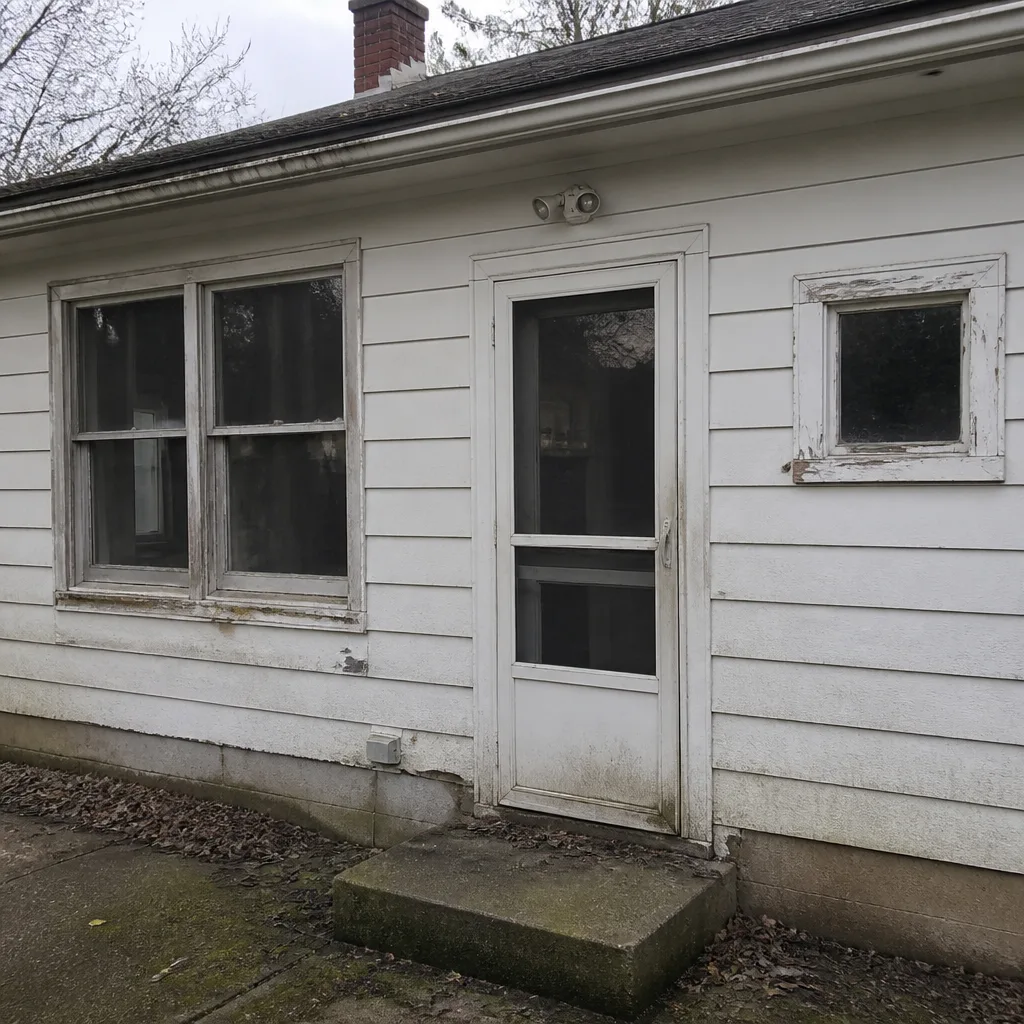 Before
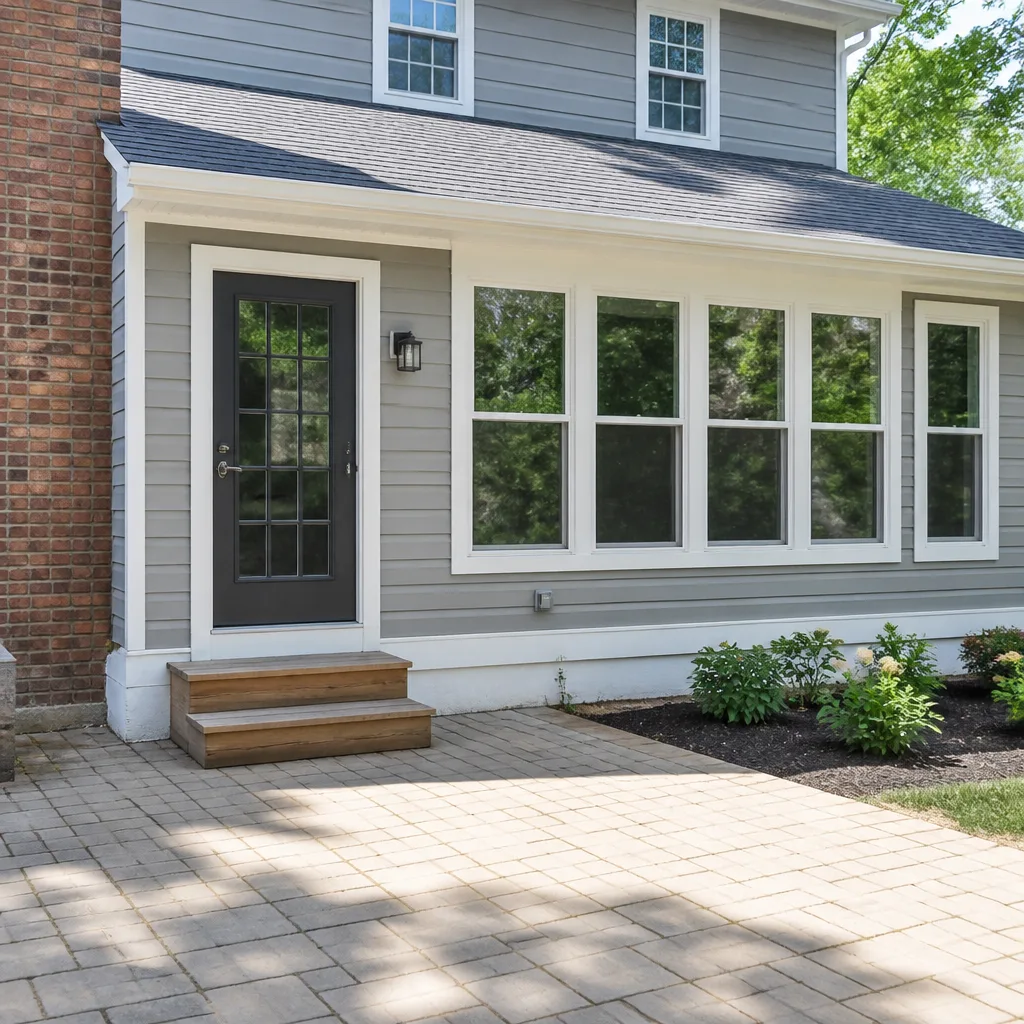 After
After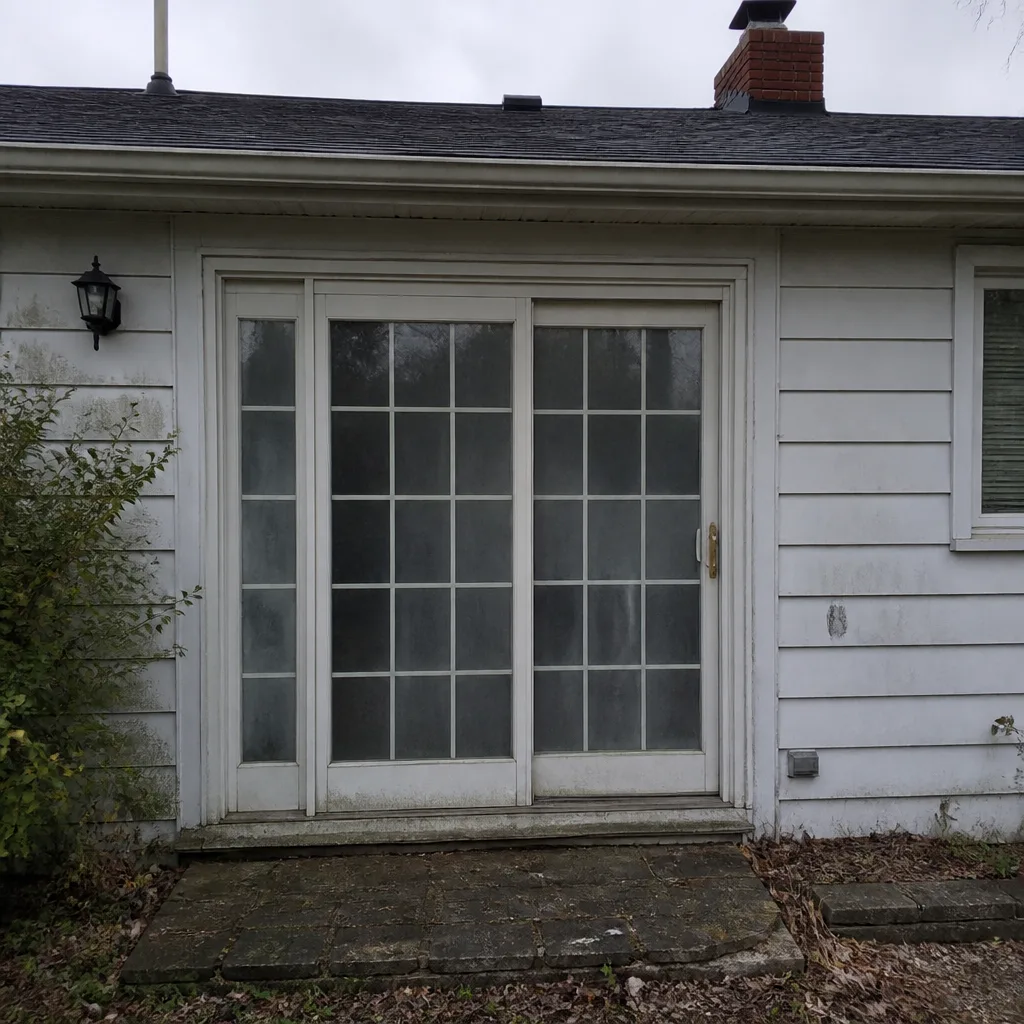 Before
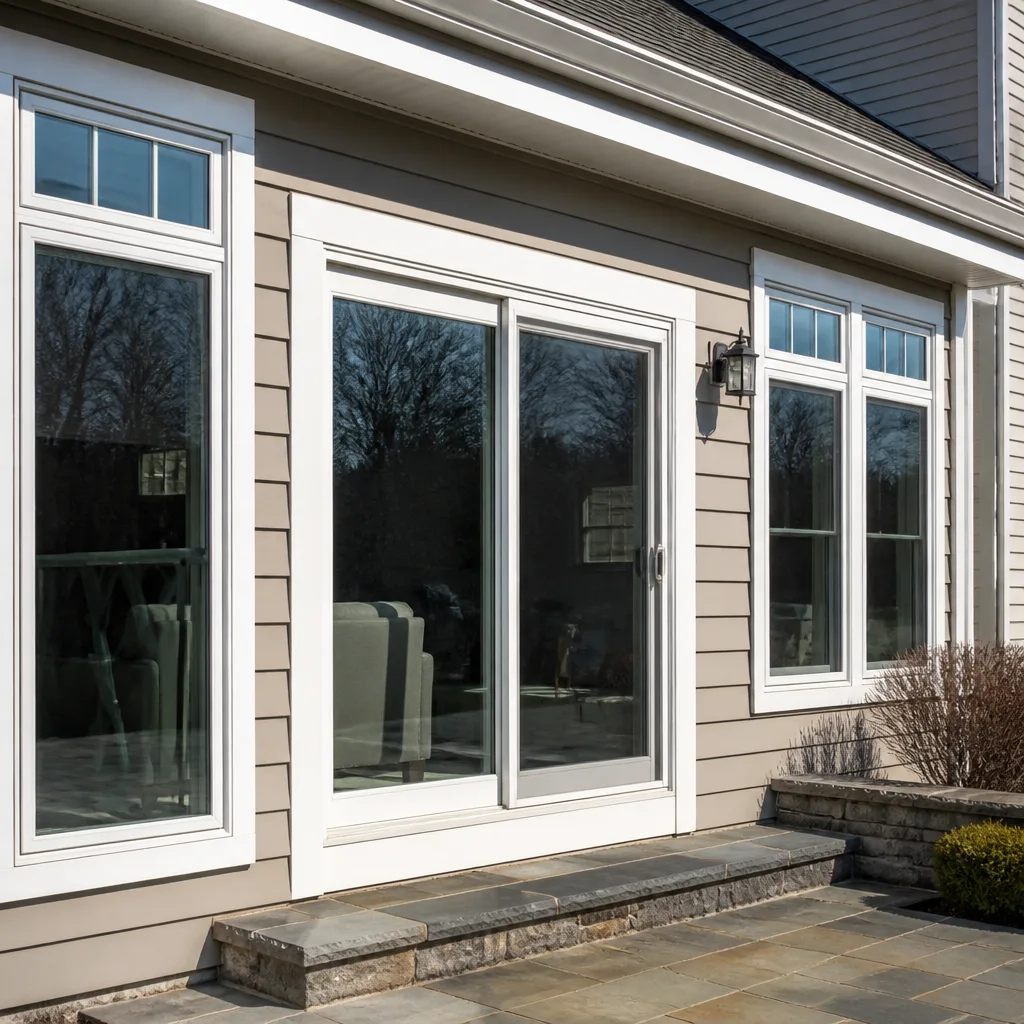 After
After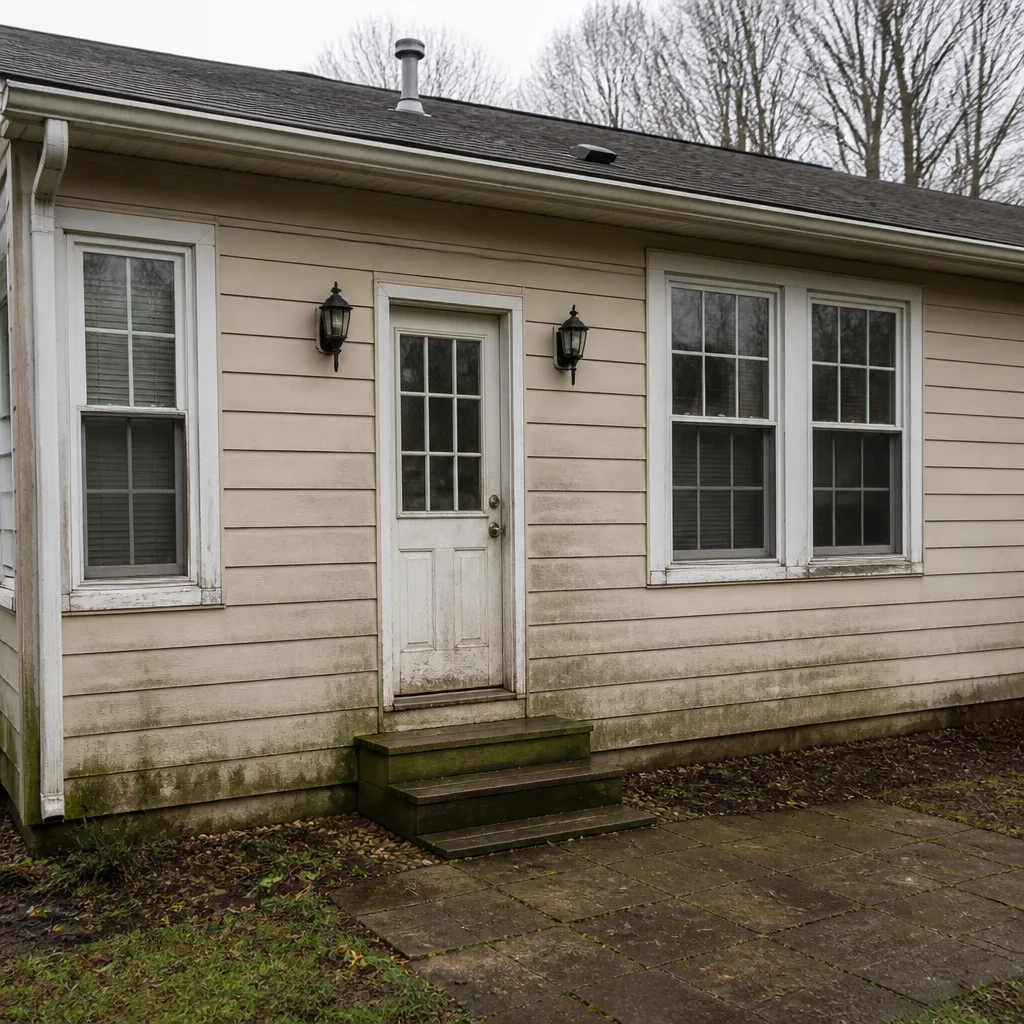 Before
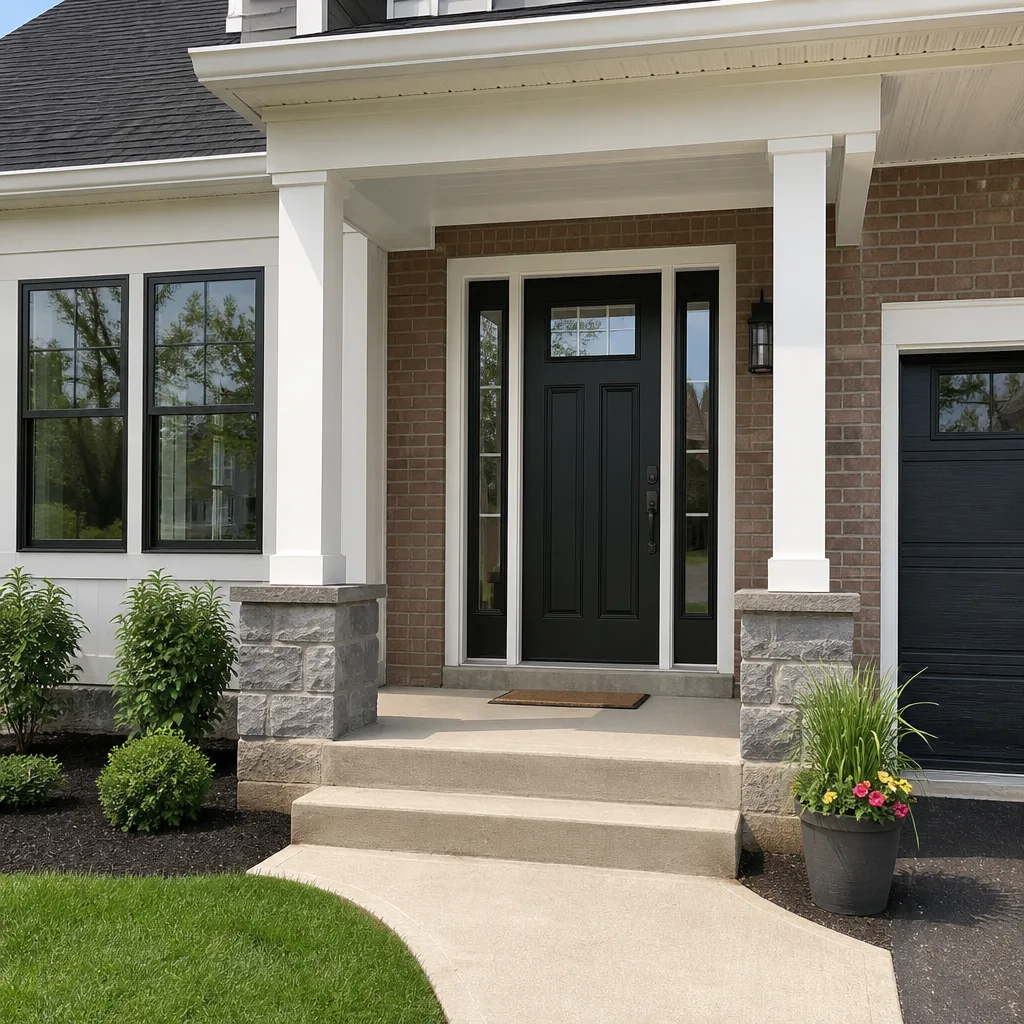 After
AfterWhen to Repair vs. Replace Windows
Most windows that are drafty, foggy, or difficult to operate can be repaired – but a window with a failed seal, a rotted frame, or glass that no longer meets current safety standards almost always needs to be replaced. The honest answer depends on what is actually wrong, and a free written estimate from a trained glazier is the only way to know for certain before spending a dime.
Here is what Dale Kessler and the TruePane team see in the field: most homeowners come to this question after one bad experience – a contractor who patched something that needed replacing, or one who replaced something that only needed a $60 part. Neither answer serves you. What serves you is a proper diagnosis. The sections below walk through the most common causes, what each one looks like from where you are standing, and which path actually fixes it.
What’s Happening
When a window starts giving you trouble – condensation between the panes, a draft you can feel with your hand, a sash that sticks or won’t lock – it is almost always one of four things: a failed insulating seal, a worn or broken hardware component, a frame that has shifted or deteriorated, or glass that has reached the end of its serviceable life. The first two are usually repairable. The second two usually are not.
The fog you see between double- or triple-pane glass is not condensation you can wipe away – it is a sign the inert gas fill has escaped and the seal between the panes has broken down permanently. A draft coming through a unit that looks intact often means a weatherstrip has compressed and torn, a balance shoe has worn out, or the sash has dropped out of square. Frame rot, on the other hand, is a structural issue. Once wood or composite framing has deteriorated past the surface, no amount of caulk or paint holds it. And hardware – locks, balances, hinges, operators – wears out on a predictable schedule and is almost always replaceable without touching the glass at all.
Why It Happens
Failed Insulating Seal
Every double- or triple-pane window is built around a hermetically sealed unit filled with argon or krypton gas. Over time – typically ten to twenty years, sometimes sooner with poor original installation – the seal fails, the gas escapes, and humid air gets in. You will see it as a hazy, milky, or streaked appearance between the panes that does not clear when you clean the glass. Once the seal is gone, that glass unit needs to be replaced; the existing frame may be salvageable if it is still square and solid.
Worn or Broken Hardware
Balance shoes, tilt latches, casement operators, locks, and hinges all have service lives. When a double-hung sash falls on its own or refuses to stay up, a balance has likely failed. When a casement will not crank fully open or close flush, the operator arm or hinge track is usually the problem. Hardware failures are almost always repairable in a single visit – the mechanism is replaced, the sash is re-adjusted, and the window operates the way it should. The frame and glass are untouched.
Frame Deterioration
Wood frames that have been exposed to standing water – from a window left open in rain, a failed exterior caulk joint, or chronic interior condensation – can rot from the inside out. Run your fingertip along the bottom rail and corners. If the material feels spongy, gives under light pressure, or shows dark staining that goes below the surface, the frame has deteriorated structurally. Painting over it or caulking around it delays the problem by one season at most. At that stage, full window replacement is the correct answer, and delaying it allows water to reach the rough opening and the surrounding wall.
Glass Damage or Code Changes
Cracked, chipped, or broken glass is an obvious repair candidate – the glass unit can often be replaced without disturbing the frame. But there are cases where replacement of the entire window is the better call: when the existing glass is single-pane in a climate that demands better thermal performance, when the unit was never tempered or laminated in a location that current code requires safety glazing, or when an upgrade to impact-rated glass makes sense for the home’s location and exposure. Your local TruePane team can tell you which applies in your situation during the estimate visit.
What to Do Right Now
- Photograph what you see. Get close-up photos of the fogging, the crack, the gap at the frame, or wherever the problem is visible. Good documentation helps the technician understand the issue before arrival and speeds up the estimate.
- Do not force a sash or casement that is binding. Forcing a window that is stuck – especially a casement or awning unit under spring pressure – can snap the operator arm or crack the glass. Leave it in the position it is comfortable in and note whether it is locked or unlocked.
- Check for water at the sill. Run your hand along the interior sill and the bottom corners of the frame. Any dampness, soft material, or paint bubbling tells the technician the problem may have gone past the glass unit into the frame or rough opening.
- Tape a piece of tissue paper near the frame edge on a windy day. If it moves, you have confirmed air infiltration at the weatherstrip or frame joint. Note where exactly – top, sides, or sill – and tell the technician.
- If the glass is broken, do not attempt to remove shards yourself. Plate glass, tempered glass, and laminated safety glass behave differently when they break, and handling broken panes without the right tools and training causes serious cuts. Cover the opening loosely with tape or cardboard for weather protection and call your local TruePane team at (888) 635-0804. Let a trained glazier handle the glass.
How We Fix It
When your local TruePane technician arrives, the first thing on the schedule is a full diagnostic – not a sales presentation. The technician measures the opening, checks the frame for square and plumb (a level stays in the truck door for a reason), and identifies whether the problem is the glass unit, the hardware, the frame, or some combination. From there, the estimate is written out line by line, in plain language, before any work begins. No surprises on the bill.
If it is a hardware failure or a blown seal in an otherwise sound frame, the technician carries the most common replacement components and can often complete the repair the same visit. If the diagnosis points toward full window replacement – rotted frame, obsolete single-pane glass, or a unit that has simply reached the end of its useful life – your local team will walk you through the manufacturer lines we carry, including Andersen, Pella, Marvin, Milgard, and others, quoted side by side on paper so you can see exactly what each option costs and covers. Both warranty layers are registered in writing before the truck leaves your driveway. That is The Keystone Standard, and it applies to every job, repair or replacement. Our Done Right Promise covers the workmanship: if it is not right, we come back. No paperwork, no arguing.
Frequently Asked Questions
Sometimes, but not always. Fogging between the panes is a clear signal the glass unit has failed and needs to be replaced. A sash that sticks or hardware that has stopped working is almost always a repair. Frame condition is harder to judge from a glance – soft or discolored material at the corners and sill usually means deterioration that goes deeper than it looks. The definitive answer comes from a hands-on diagnostic, which your local TruePane team provides at no charge, with the written estimate in hand before anything is opened up.
It is a real performance problem, not just cosmetic. A failed seal means the insulating gas that kept the pane thermally efficient has escaped. The window is now, in practical terms, a single-pane unit with a gap in the middle – it transfers heat and cold far more readily, which you will feel near the glass and see on your energy bills over time. The fogging itself is permanent and will not clear. Replacing the glass unit restores the thermal performance. Call (888) 635-0804 to get a written estimate on your options.
It depends entirely on the nature of the problem. A failed seal with no frame damage and no water intrusion can wait – it is a performance and comfort issue, not a structural emergency. A cracked pane, a window that will not lock, or any sign of water getting into the frame or rough opening is not something to put off. Water damage compounds quickly and quietly: what looks like a soft spot on the sill can become a rotted rough opening by the following season, and that changes a window replacement into a framing repair job as well. If you are not sure which category you are in, call (888) 635-0804 – a live person answers around the clock – and describe what you are seeing.
Your local TruePane team schedules estimate appointments around your availability, and a live person is available to book your visit any time you call – days, evenings, weekends. We will tell you when we are coming and we will be there when we say. Call (888) 635-0804 to get on the schedule.
Get It Fixed
Call (888) 635-0804 – a live person answers around the clock – or book online to schedule your free written estimate. Your local TruePane Windows & Doors team will diagnose the problem, show you your options on paper, and stand behind the work. No surprises, no arguing.
Written by Dale Kessler, Owner at TruePane Windows & Doors, serving local communities since 2008.
What Our Customers Say
"A casement crank had stripped and the sash was swollen shut. The technician, Ray, fixed the crank on the spot and only then talked about replacement for the three windows that were genuinely done. That is why the whole street uses them now."
- Eleanor G."French doors to the patio, custom size because this house was built in 1961 and nothing is standard. Measured twice, three weeks to fabricate like they warned, and the install day they laid runners over my floors without being asked."
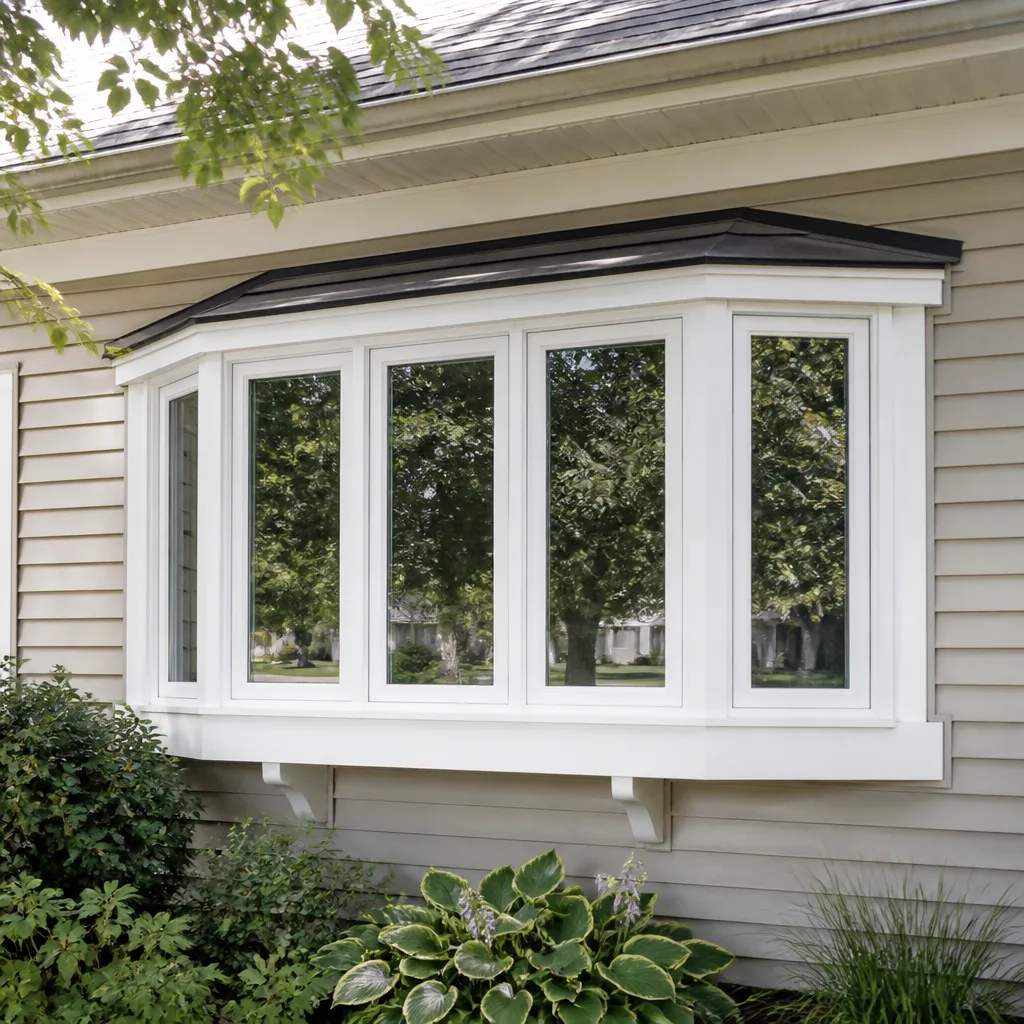
- Marie S."Our bay window had rotted at the sill and two other outfits wanted to talk us into a flat picture window instead. TruePane rebuilt the opening and matched the original look. Neighbors have knocked on the door about it."
- Gene A.