
Last updated August 27, 2026
Free in-home measure and quote - PGT, CGI and CWS impact lines compared on your actual openings, style by style
Sliding glass doors

Impact garage doorsPGTCGI
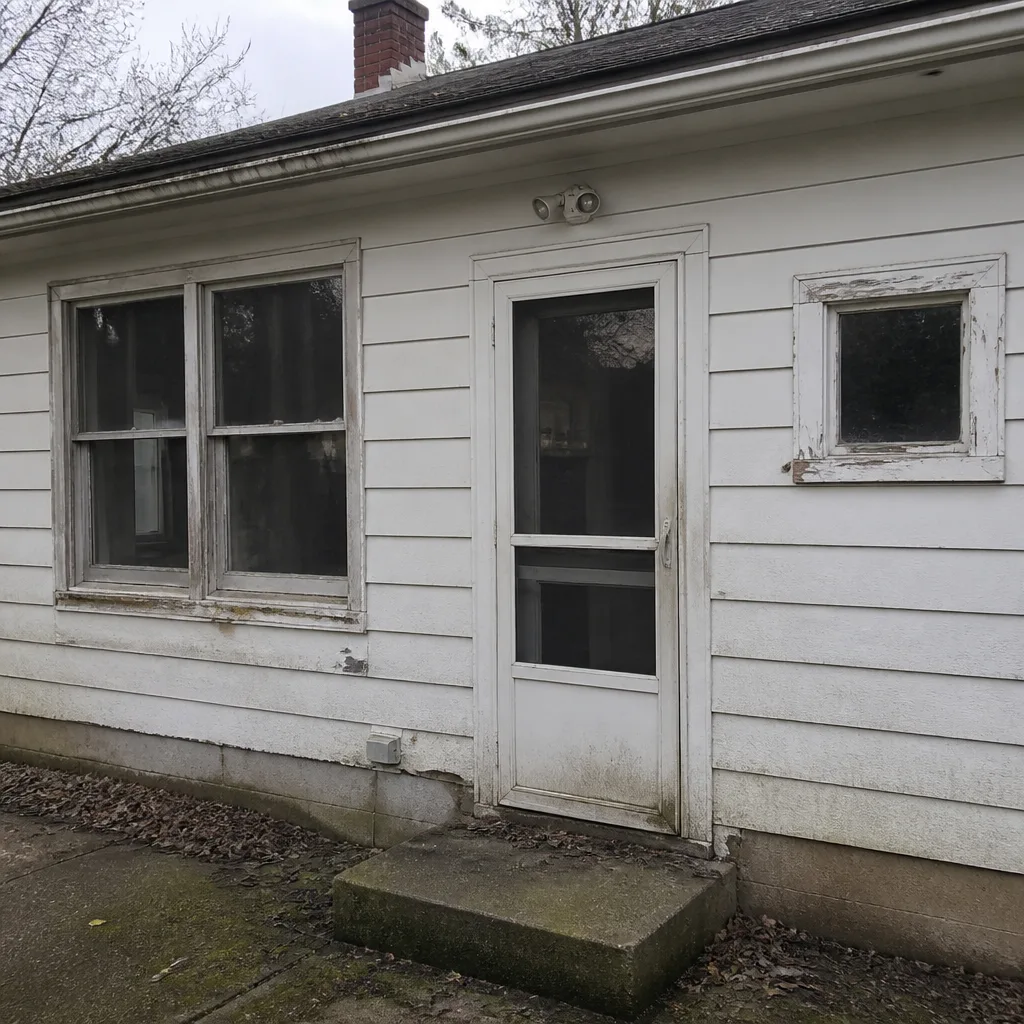 Before
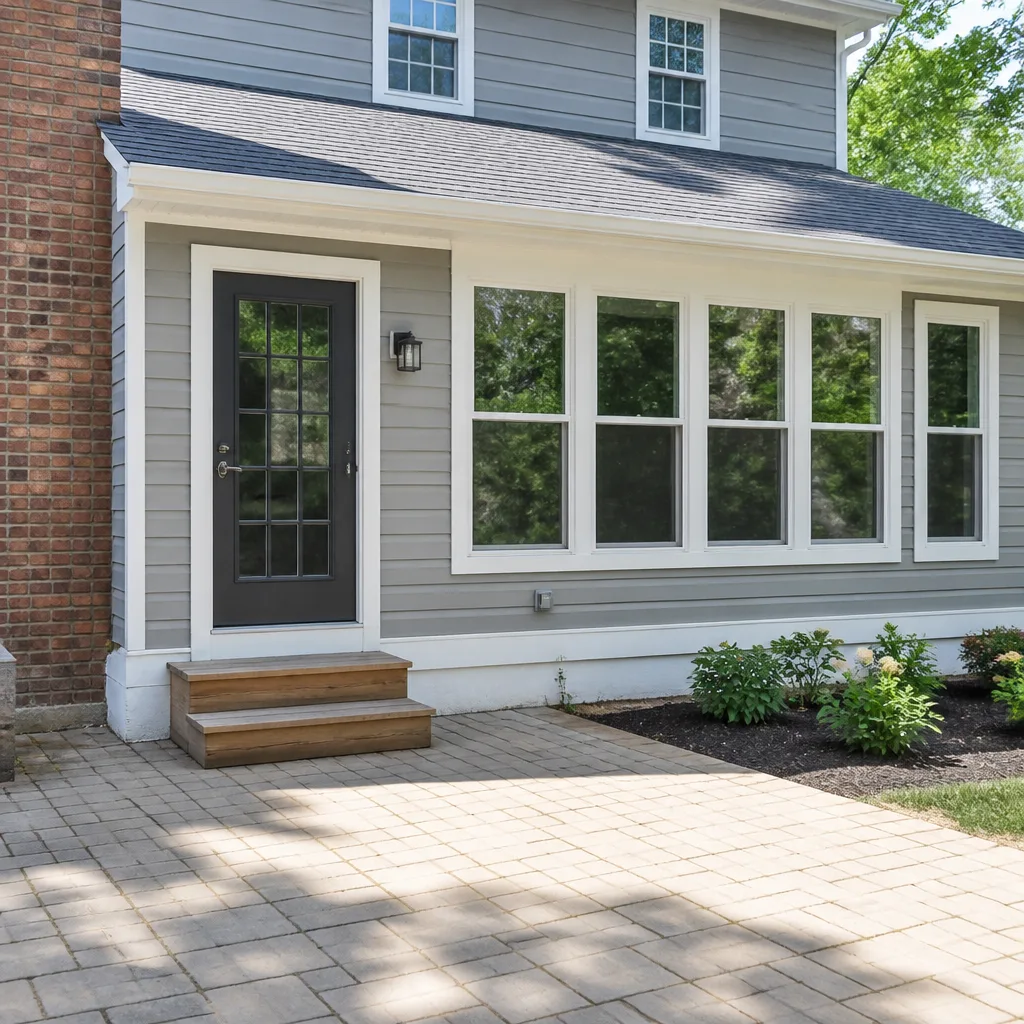 After
After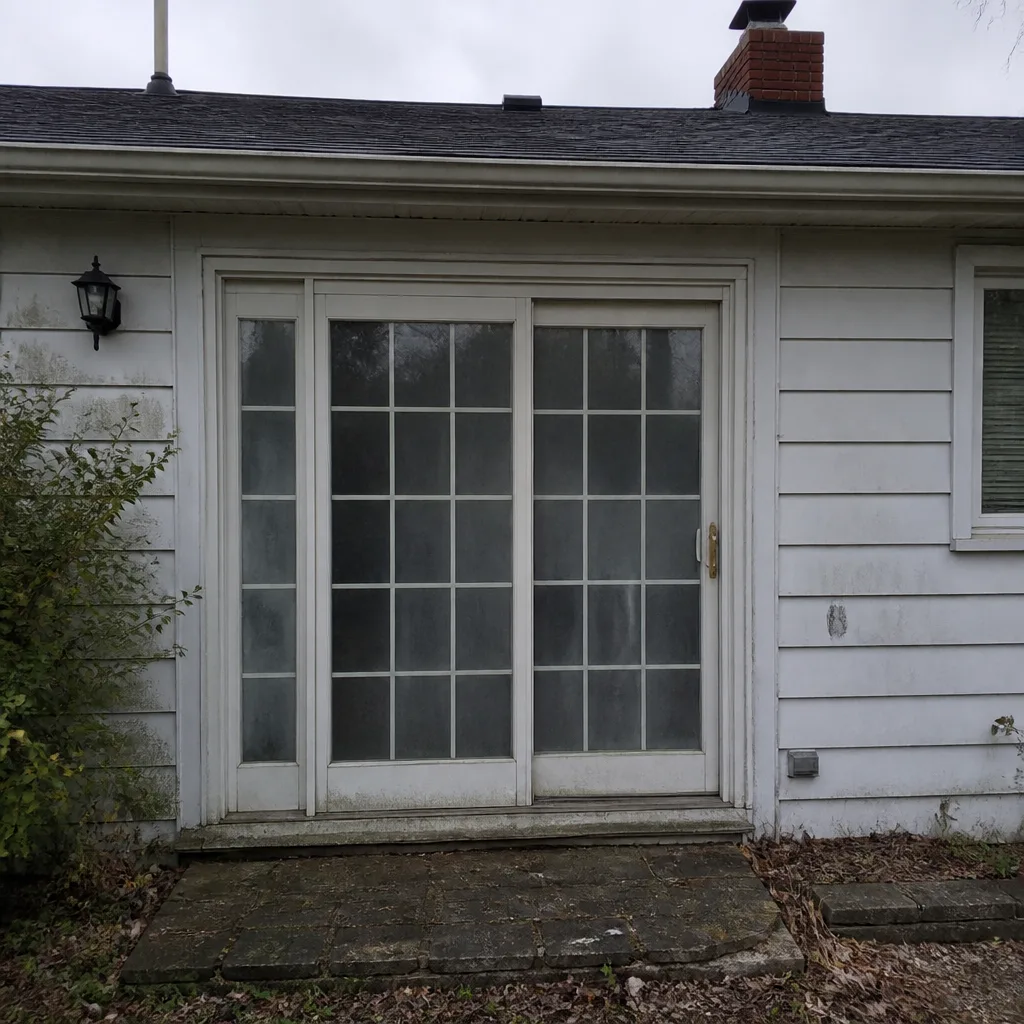 Before
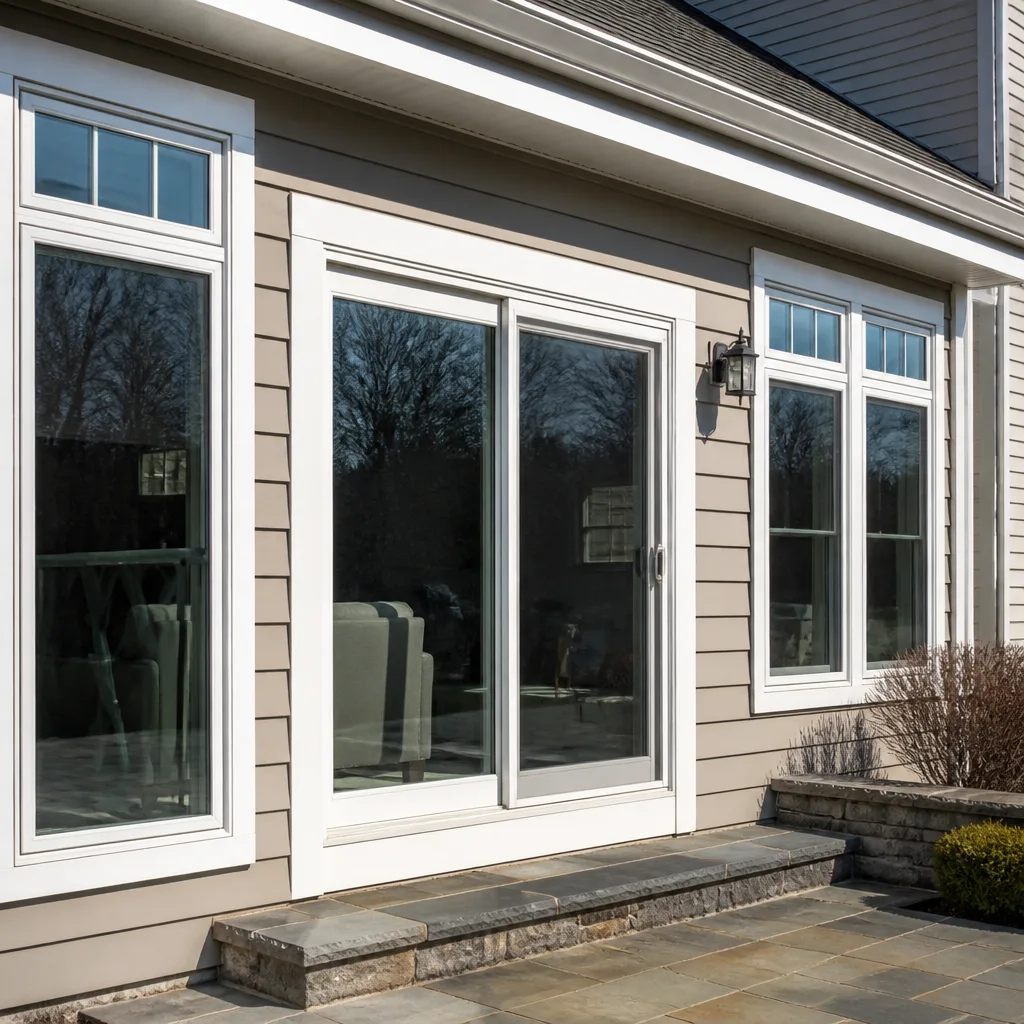 After
After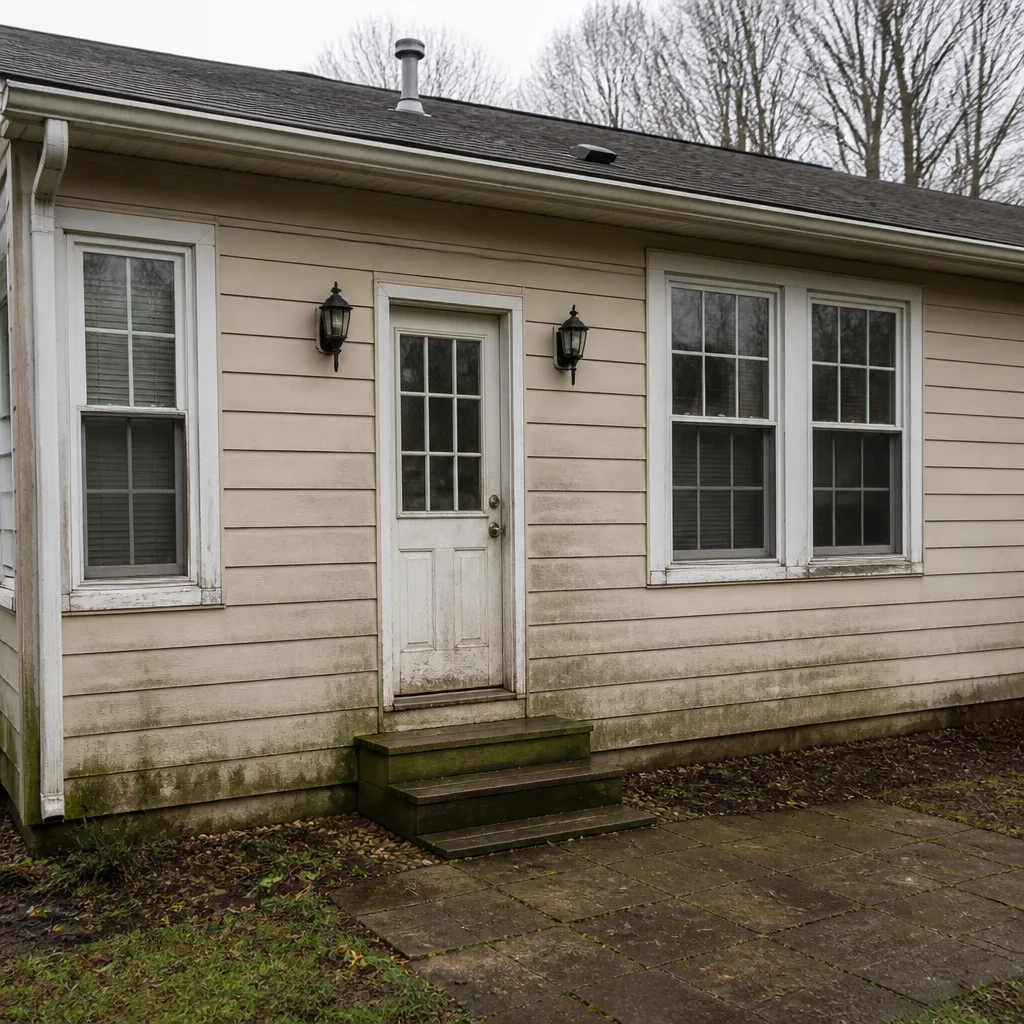 Before
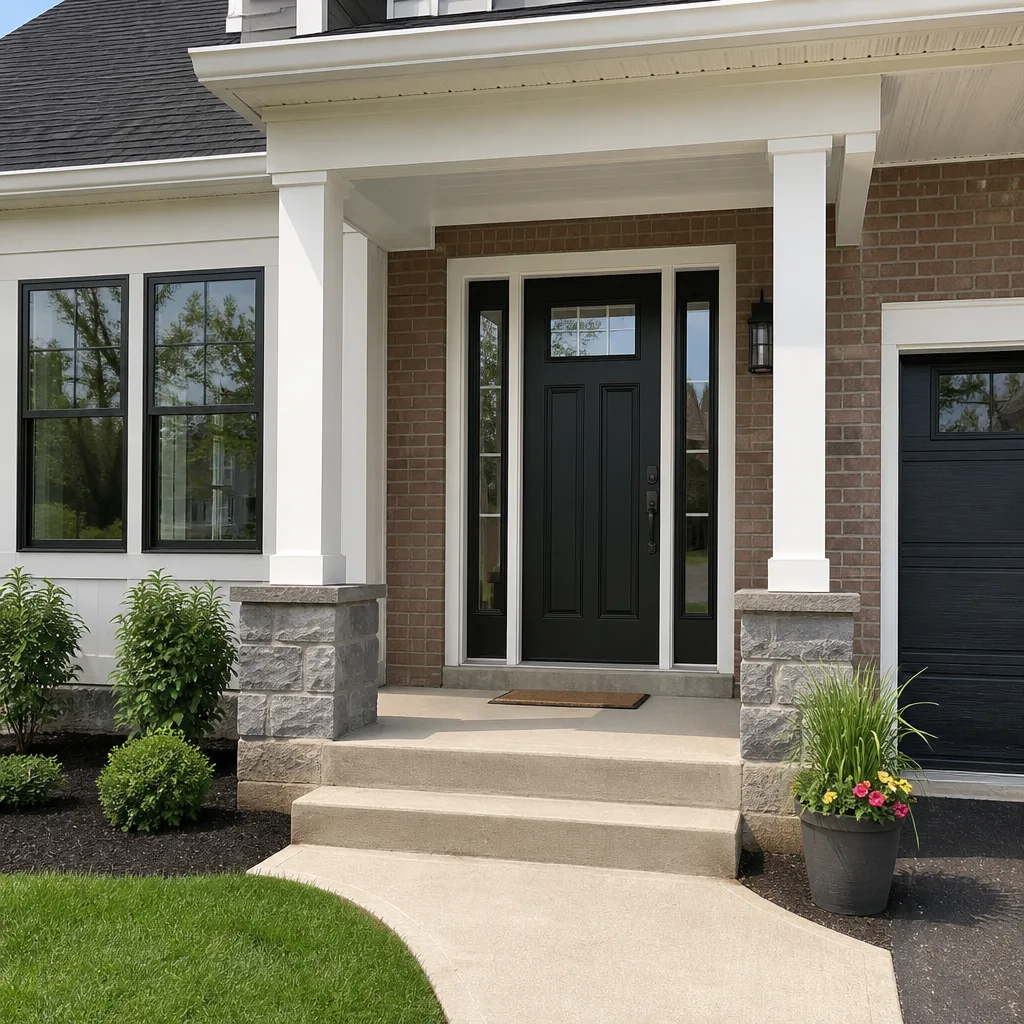 After
AfterHow to Hire a Windows & Doors Contractor in Columbus: A Step-by-Step Guide
The most common contractor dispute in residential window work is not about the product. It is about who is responsible when an installation defect voids a manufacturer’s warranty. That liability gap disappears only when both warranty layers are registered in the homeowner’s name before the crew packs up. In Columbus, where temperature swings routinely exceed 60 degrees between January and July, a window that is set out of true will show itself within a single season. This guide explains which documents to request, which answers disqualify a bidder immediately, and why the lowest number on a quote is usually a sign of what was left out.
Quick Answer
To hire a windows and doors contractor in Columbus, request five documents before signing anything: a current Ohio contractor license, a liability insurance certificate naming you as the certificate holder, manufacturer dealer authorization for the brands being quoted, a sample warranty registration form, and a written scope of work with SKU-level product specs. Then ask one disqualifying question: “Who is the lead installer on my job and how long have they been with you?” A contractor who cannot answer that question on the spot is a sales organization, not an installation company.
Table of Contents
- The Five Documents Every Bidder Should Produce Before You Commit
- How to Read a Contractor’s License Lookup in Ohio and What Mismatched Names Mean
- The Interview Question That Separates Installation Companies From Sales Companies
- Why Two Warranty Layers Matter More Than One
- What a Legitimate Post-Installation Punch List Looks Like
- How to Read a Window and Door Quote in Columbus Without Getting Burned
- How Long a Proper Window or Door Installation Should Take
- Common Mistakes to Avoid
- When to Call a Professional
- Frequently Asked Questions
- The Bottom Line
The Five Documents Every Bidder Should Produce Before You Commit
We have walked into too many Columbus homes where the homeowner signed a two-page proposal and never saw a single supporting document. That is how disputes start. A legitimate contractor expects to produce paperwork. A contractor who resists is telling you something about how the back end of their business runs.
Here is the complete list. If a bidder cannot produce all five within two business days of your request, walk away.
- The license. In Ohio, window and door installation falls under general contracting or home improvement contracting depending on the scope. Ask for the license number in writing, then verify it yourself. Do not accept a photocopy as proof. A photocopy is a claim, not a verification.
- The liability insurance certificate. Ask to be named as the certificate holder. This means the insurance company sends you a copy directly, not through the contractor. It should show general liability coverage current within the last 30 days. If a contractor hesitates to have their insurer mail you a certificate, that is a red flag. We have never met a legitimate installer in Columbus who objected to it.
- Manufacturer dealer authorization. If the quote names specific brands, the contractor should be able to show a current authorization letter from each manufacturer. Installation errors are the leading cause of window warranty denials, and manufacturers will not honor a warranty on product installed by an unauthorized dealer. This matters in Columbus specifically because our humidity and freeze-thaw cycles punish bad installs faster than milder climates do.
- A sample warranty registration form. This is the document the contractor will file with the manufacturer after installation. Ask to see a blank copy. It should have fields for the homeowner’s name and address, product serial numbers, and installation date. If the contractor does not have a process for registering warranties in your name, the warranty may never be activated. Some manufacturers require registration within 60 to 90 days of installation. Miss that window and the warranty is void no matter how good the install was.
- A written scope of work with SKU-level product specs. Not just “double-hung window, approximately 36 by 48.” The scope should list the manufacturer’s SKU, glass package, frame material, hardware finish, and installation method. In Columbus, where many homes in Clintonville, German Village, and Victorian Village predate 1940, the installation method matters as much as the glass package. An old brick opening requires different flashing details than a 1990s vinyl-sided frame in Hilliard or Dublin. If the scope does not specify the method, the quote is not complete.
At TruePane Windows & Doors, we register both warranty layers before the truck leaves the driveway. That is not marketing language. It is our standard practice, and we put it in writing on every proposal. The Keystone Standard exists because Dale Kessler spent enough years in this trade to watch manufacturers deny claims over missing paperwork, not bad product.
How to Read a Contractor’s License Lookup in Ohio and What Mismatched Names Mean
Ohio does not have a single statewide contractor licensing board for all residential work. Some trades are licensed at the state level through the Ohio Construction Industry Licensing Board (OCILB), while many residential window and door contractors operate under local municipal registration or the Ohio Secretary of State’s business filings. This creates a specific problem in Columbus: a contractor can have a valid business registration but no trade qualification behind it.
Here is how we tell homeowners to check, step by step.
- Verify the legal business name. Look up the company on the Ohio Secretary of State’s business search. Note the exact entity name and the date it was formed. A company that has been in business under the same name for 15 years has a track record. A company that reincorporated under a new name 18 months ago may have a reason for doing so.
- Check OCILB if the contractor claims a state license. If the contractor says they hold an Ohio contractor’s license, verify it on the OCILB database. Not every window installer needs one, but if they claim it, they should be able to produce the number and have it match their business name. A license number that comes back to a different entity name than the one on the truck or the proposal is a problem. It can mean the license is borrowed, expired, or held by a related company that does not actually perform the work.
- Check Franklin County and City of Columbus requirements. Some home improvement work in Columbus requires local permits. Ask the contractor who pulls the permit: them or you. If they say “permits are not needed,” verify that with the city yourself. For window replacements that do not change the structural opening, a permit may not be required. For door openings that are widened or relocated, it is. A contractor who dismisses the question is not the one you want cutting into your exterior wall.
- Look for judgments and liens. Search the Franklin County Clerk of Courts for the company name and the owner’s name. Mechanic’s liens from subcontractors or suppliers are public record. If a company has a pattern of liens filed against their jobs, that tells you how they treat the people who work for them, and that will eventually reach you.
The name mismatch point deserves emphasis. We have seen Columbus homeowners sign a proposal from a company whose truck carried a different name than the entity on the contract. When a problem arose, the homeowner had no idea who they had actually hired. The contract should name one legal entity, the license (if required) should match that entity, and the insurance certificate should match that entity. If any of those three do not line up, ask for an explanation in writing. A good company will have one. A bad company will get defensive.
The Interview Question That Separates Installation Companies From Sales Companies
The window and door industry in Columbus is split between two kinds of companies. Some are installation companies that happen to sell product. Others are sales organizations that subcontract the installation to whoever is available that week. The distinction is everything, and one question exposes it.
Ask: “Who is the lead installer on my job and how long have they been with you?”
Here is what the answers tell you.
- “I will be” or “Mike will be, he has been with us nine years.” This is an installation company. The person quoting the job knows the person doing the job. The installer has a track record with the company, which means the company has a standard. This is what you want.
- “We use a crew of our own installers.” This is vague but not disqualifying. Follow up: how many crews, are they W-2 employees or independent subcontractors, and will the same crew be on-site every day of the job. If they are subcontractors, ask who carries the workmanship responsibility if the sub does not come back.
- “We have several crews, it depends on scheduling.” The installer is interchangeable to them. That means installation quality is also interchangeable. The company’s real product is the sale, not the set. In Columbus, where we have a short installation season before winter sets in, companies that rotate crews often rush the fall schedule. A rushed install in October shows up as a fogged seal in February.
We hire local and train apprentices into journeymen. Our technicians are background-checked, uniformed, and measure every opening twice. We can tell you who will be on your job before you sign because we have their name on the work order. That is not a special accommodation. It is how a craft business operates.
Dale Kessler keeps a rule on the whiteboard at the shop: if the pane is not true, the job is not done. A company that can name its installer is a company where that rule means something. A company that cannot name its installer does not have a rule worth the whiteboard it is written on.
Why Two Warranty Layers Matter More Than One
Most homeowners think of a window warranty as one thing. It is actually two, and they work differently.
- The manufacturer’s product warranty. This covers defects in the window itself: a failed seal, a warped sash, a hardware defect. These warranties typically run 10 years to lifetime depending on the manufacturer and product line. PGT and CGI, for example, offer strong product warranties on their impact-rated lines, while Ply Gem and CWS have solid mid-range coverage. The catch: manufacturers void the product warranty if the installation was done incorrectly, by an unauthorized dealer, or if the warranty was never registered in the homeowner’s name.
- The installer’s workmanship warranty. This covers the labor: the flashing, the shimming, the leveling, the caulking, the trim. It is the contractor’s own promise that their work will hold up. This is where the industry varies wildly. Some contractors offer 30 days. Some offer none at all in writing. A 90-day workmanship promise in writing is the minimum acceptable standard, and you should verify it is enforceable by getting it in the contract, not in a verbal assurance.
Here is the gap that starts disputes: a window fails because of an installation error. The manufacturer inspects and denies the claim because the product was fine, the set was wrong. The installer says the window was defective and the manufacturer should cover it. The homeowner is stuck between two parties pointing at each other. That gap disappears when both warranty layers are registered in writing before the work is finished, and when the installer carries a workmanship promise that covers the labor for a reasonable window of time after completion. For more on spotting trouble early, see our Impact Windows & Doors Warning Signs Every Homeowner Should Know.
At TruePane Windows & Doors, this is The Keystone Standard. Both warranty layers are registered in writing, durations stated, before the truck leaves the driveway. Our Done Right Promise covers the workmanship. If it is not done right, we make it right. No paperwork fights, no arguing. The promise is in writing because a one-company promise that only exists verbally is not a promise, it is a hope.
For homeowners in Columbus, this matters more than in drier climates. Our summer humidity is brutal on a bad seal. Our freeze-thaw cycles flex flashing and caulk joints until they fail if they were not done right. A window installed correctly in Columbus will last 20 years or more. A window installed slightly wrong will show it within two seasons.
What a Legitimate Post-Installation Punch List Looks Like
A punch list is the walkthrough at the end of a job where any remaining items are documented. A contractor who considers the job done when the glass is in is not a contractor you want back. A contractor who hands you a written punch list before you have to ask is operating at a different level.
Here is what a legitimate punch list includes after a window or door installation in Columbus:
- Interior trim and casing alignment. Each piece should be checked for flush joints, proper nailing, and no visible gaps. This is where rushed work shows first.
- Exterior caulking and flashing. Every seam should be continuous, tooled smooth, and painted or sealed where exposed. This is the moisture barrier. In Columbus rain and snow cycles, a missed caulk joint is a rot problem waiting to happen.
- Hardware operation. Every lock, latch, crank, and slide should be tested with the manufacturer’s spec in hand. A window that operates but is stiff against the frame is a window that will bind in July.
- Insulation and air sealing. The gap between the rough opening and the window frame should be insulated or foam-sealed, not left as dead space. You can feel this with your hand on a cold day.
- Debris removal and old unit haul-away. Old windows should not be left leaning against the garage. The work area should be broom-clean at the end of each day.
- Warranty registration confirmation. You should receive copies of the completed registration forms with your name, the product serial numbers, and the installation date. Not a promise that they will file them later. The filed copies.
We complete most jobs in a single visit, but we do not leave until the punch list is walked through and signed. The Done Right standard is not a phrase at TruePane, it is a checkout procedure. If a contractor does not have a written punch-list process, assume their post-installation service matches what they showed you on the bid: nothing in writing.
How to Read a Window and Door Quote in Columbus Without Getting Burned
The lowest number on a quote is usually a sign of what was left out. That is the single most important sentence in this section. A window replacement in Columbus is not a product purchase, it is a system: product, flashing, insulation, trim, labor, warranty registration, and post-installation service. When one bid comes in dramatically lower than the others, one of those line items is missing.
Here is how to read the quote line by line.
- Product SKU. Is it a real SKU from a real manufacturer, or a description like “premium double-hung”? If there is no SKU, you cannot compare the quote to anything. Ask for it.
- Glass package. Low-E? Argon fill? Double or triple pane? In Columbus, a double-pane Low-E unit with argon fill is the standard for thermal performance. If the quote says “standard glass” without specifying, ask what standard means. It usually means the builder-grade unit that meets code minimum and nothing more.
- Frame material. Vinyl, wood, fiberglass, or aluminum. Each has a different price point, lifespan, and maintenance profile. The quote should state it explicitly.
- Installation method. Full-frame replacement or insert? Full-frame costs more and is the only correct choice when the existing frame is rotted, out of square, or not insulated properly. An insert is cheaper and fine when the frame is sound. A quote that does not specify which one you are getting is incomplete.
- Labor and fastener details. Does the quote specify shimming, leveling, flashing tape, and foam sealing? If the quote is one line for “installation,” the contractor is betting you will not ask what it includes.
- Warranty registration. Is it listed as a line item or mentioned in the terms? If it is not listed, it is not guaranteed.
- Permits and disposal. Are they included or extra? In Columbus, if the job requires a permit, the cost should be on the quote. Haul-away of old units should be on the quote. Any surprise line item on the bill at the end is a sign the quote was not thorough.
TruePane writes quotes side by side on paper so the homeowner sees exactly what they are buying. We quote manufacturer lines like Andersen, Pella, Marvin, Milgard, PGT, and CGI next to each other with the specs stated. No surprise line items, no change orders after the fact. A square deal, in writing.
How Long a Proper Window or Door Installation Should Take
A single standard-size window replacement, when the rough opening is sound and the access is straightforward, should take a two-person crew between two and four hours including interior trim and exterior capping. A patio door replacement runs four to eight hours. A full house of 12 to 15 windows is typically two to three working days for an experienced crew.
These are guideposts, not promises. In Columbus, specific factors change the timeline.
- Age of the home. Victorian Village and German Village homes with original 1890s framing often hide surprises behind the trim. Expect extra time for shimming, custom trim work, or repairs to the rough opening. A contractor who quotes a flat timeline without seeing the house is guessing.
- Season. Winter installs are slower. Cold materials are harder to work with, caulk and foam cure more slowly, and safety is more deliberate on ice. A December window replacement in Columbus takes longer than the same job in May. A good contractor schedules accordingly and tells you why.
- Scope discovered mid-job. Rotted sills, carpenter ant damage, or out-of-square rough openings appear once the old window comes out. This is normal in older Columbus stock. The difference between a good contractor and a bad one is what happens when it is found. A good contractor stops, shows you the problem, and writes a change order for the additional work before touching it. A bad contractor either hides it or fixes it with shims and spray foam and never tells you.
We measure every opening twice and complete most jobs in a single visit. When a job runs longer, you will know why and you will have seen the reason yourself. That is the standard.
Common Mistakes to Avoid
- Hiring solely on price. The lowest bid almost always omits something: the warranty registration, the flashing, the haul-away, the permit. In Columbus, where seasonal demand spikes every spring, the low bidder is usually low because they are running too many crews too fast to pay attention to any single job.
- Not verifying the insurance certificate yourself. Asking for insurance is not enough. Have the insurer send you the certificate directly, and check that the policy is current and the coverage is adequate. A contractor who carries no insurance leaves you exposed for injuries on your property.
- Accepting a quote without SKU-level specs. “Premium window” is not a spec. You cannot compare quotes, verify product quality, or hold anyone to a vague description. Get SKUs in writing.
- Not asking who pulls the permit. If the job needs a permit in Columbus, the contractor should pull it. If they ask you to pull it, they are asking you to assume legal responsibility for their work. Do not.
- Ignoring the entity name mismatch. If the name on the proposal, the license, and the insurance certificate do not match, you do not actually know who you are hiring. This is a classic setup for disputes in the Columbus market.
- Skipping the installer question. The company that cannot tell you who will be on-site is a company that does not train, does not retain, and does not stand behind the work. This one question saves more homeowners from bad installs than any other single step in the process.
- Not confirming warranty registration in writing. A verbal promise to register the warranty is worthless. Get the filed registration forms with your name on them before the contractor leaves the driveway. If they will not produce them, the warranty does not exist.
When to Call a Professional
Some window and door issues are not DIY projects, and the line is not about skill. It is about liability. A homeowner should call a professional when the rough opening is rotted or out of square, when the old frame was improperly flashed, when the opening size needs to change, or when the product involves impact-rated glass and load-bearing lintels. These are not weekend fixes. A window set out of level in Columbus will bind, leak, and fail within a season. TruePane Windows & Doors offers free estimates in Columbus. Call (888) 635-0804 and a live person will answer. We have served Columbus homeowners since 2008, and Dale Kessler’s standard has not changed: if the pane is not true, the job is not done.
Frequently Asked Questions
A standard double-hung replacement window in Columbus typically runs $600 to $1,200 per window installed, depending on frame material, glass package, and the condition of the rough opening. A patio door replacement runs $1,800 to $4,500. These are guideposts, not quotes. For an exact written quote with SKU-level specs, call TruePane at (888) 635-0804 for a free estimate.
Check the business filing with the Ohio Secretary of State, verify any trade license with OCILB, request a liability insurance certificate naming you as the certificate holder, and ask for manufacturer dealer authorizations for the brands being quoted. If the names on the contract, license, and insurance do not match, ask for an explanation in writing.
It depends on the scope. Window replacements that keep the same rough opening size usually do not require a permit in Columbus. Door openings that are widened or relocated do. Ask the contractor who pulls the permit and get it in writing. A contractor who dismisses the question is not one you want cutting into your wall.
Two layers: the manufacturer’s product warranty and the installer’s workmanship warranty. The product warranty should be registered in your name with serial numbers and installation date on file before the crew leaves. The workmanship warranty should be in writing and cover at least 90 days. Word-of-mouth warranties are not enforceable.
A single standard window takes a two-person crew two to four hours including trim and capping. A patio door runs four to eight hours. A full house of 12 to 15 windows is typically two to three working days. Older Columbus homes in neighborhoods like Victorian Village or German Village often take longer due to framing conditions hidden behind the trim.
Because the low bidder is typically omitting something: warranty registration, flashing, insulation, permits, or haul-away. The product is only part of the cost. The installation method, the flashing quality, and the post-installation service are where the price difference lives. A written quote with SKU-level specs is the only way to compare bids fairly. Call (888) 635-0804 and we will walk you through a quote line by line.
The Bottom Line
Hiring a window and door contractor in Columbus is less about spreadsheets and more about paperwork. The company worth hiring is the one that produces a license, an insurance certificate in your name, manufacturer dealer authorizations, a sample warranty registration form, and a written scope with SKU-level specs before you commit. Ask who the lead installer is. Demand both warranty layers in writing. And when the job is done, hold them to a punch list that includes the filed warranty registrations. TruePane Windows & Doors has served Columbus since 2008, registers both warranty layers before the truck leaves, and stands behind the work with a Done Right Promise. For more guides & resources, visit our blog, or call (888) 635-0804 for a free estimate. A live person answers, 24/7.
Written by Dale Kessler, Owner at TruePane Windows & Doors, serving Columbus since 2008.