
Last updated August 27, 2026
Free in-home measure and quote - PGT, CGI and CWS impact lines compared on your actual openings, style by style
Sliding glass doors

Impact garage doorsPGTCGI
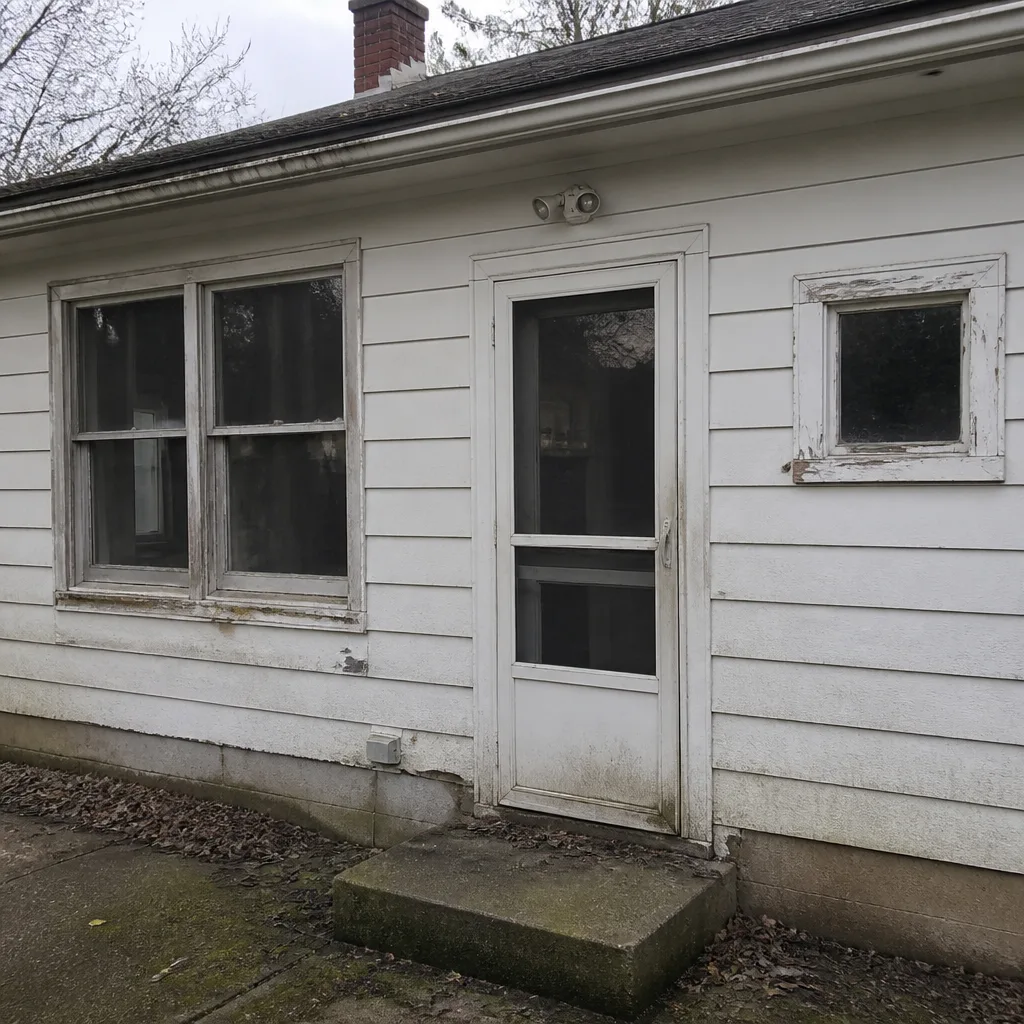 Before
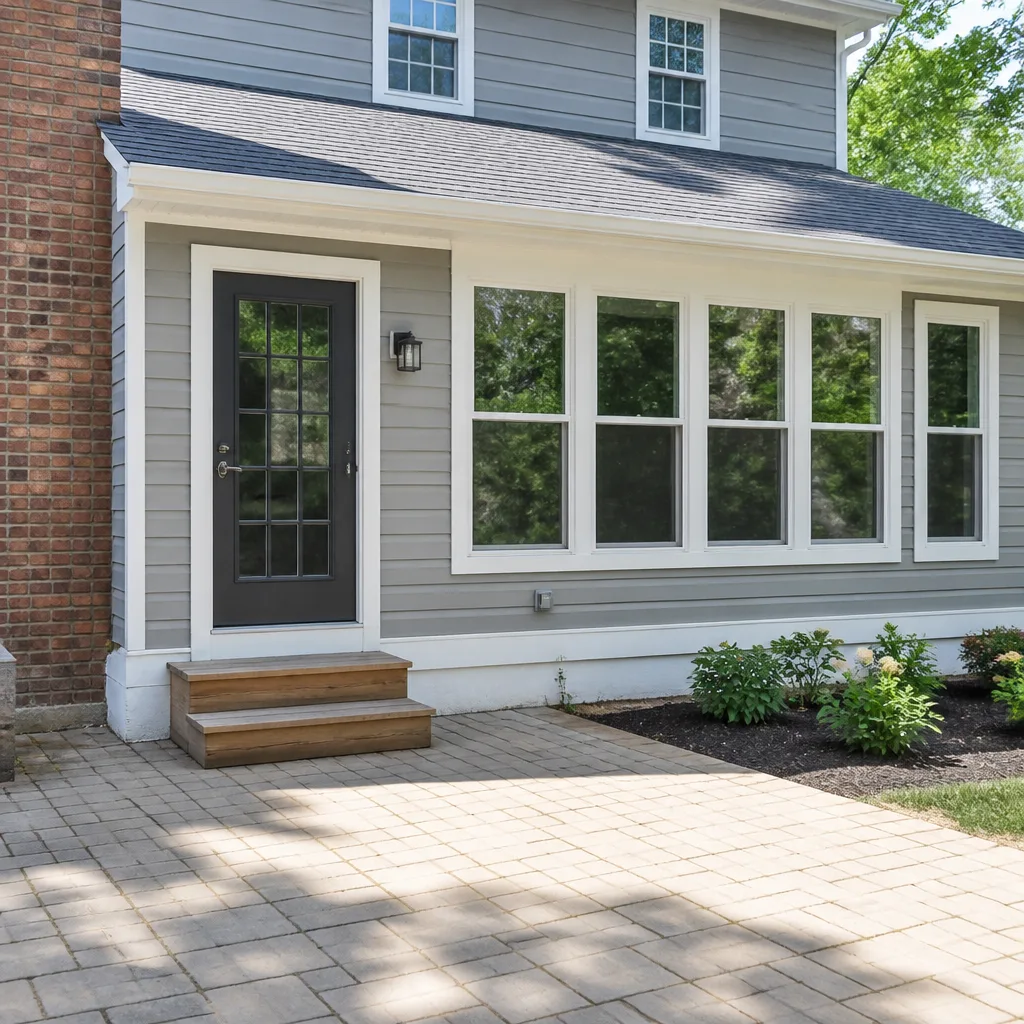 After
After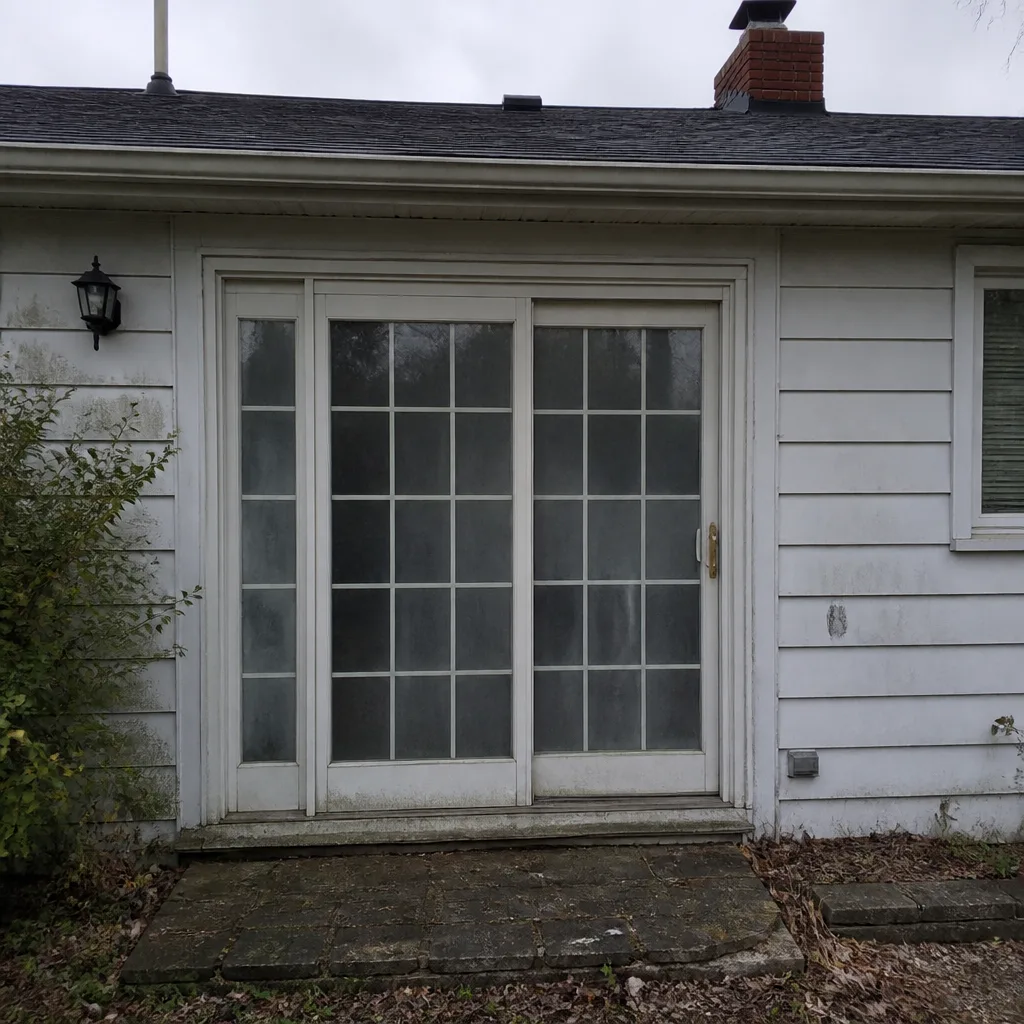 Before
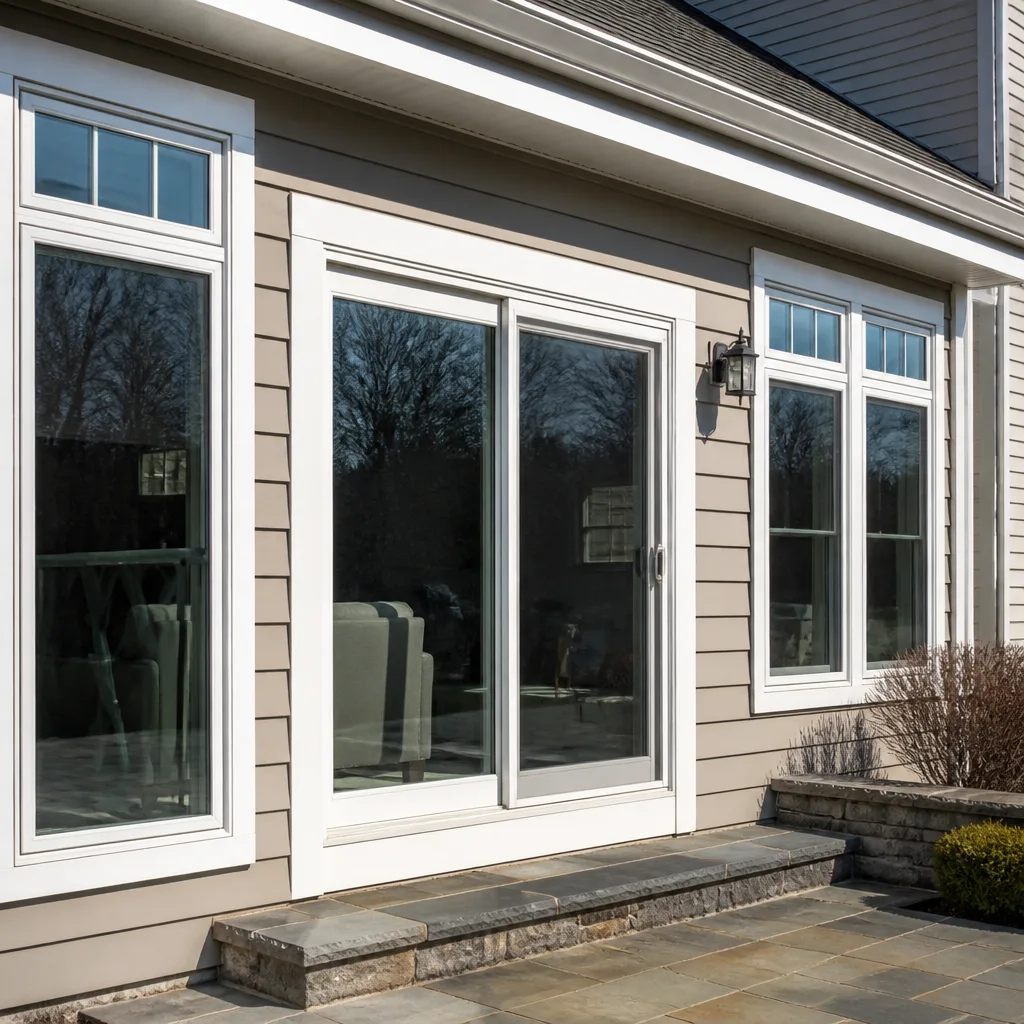 After
After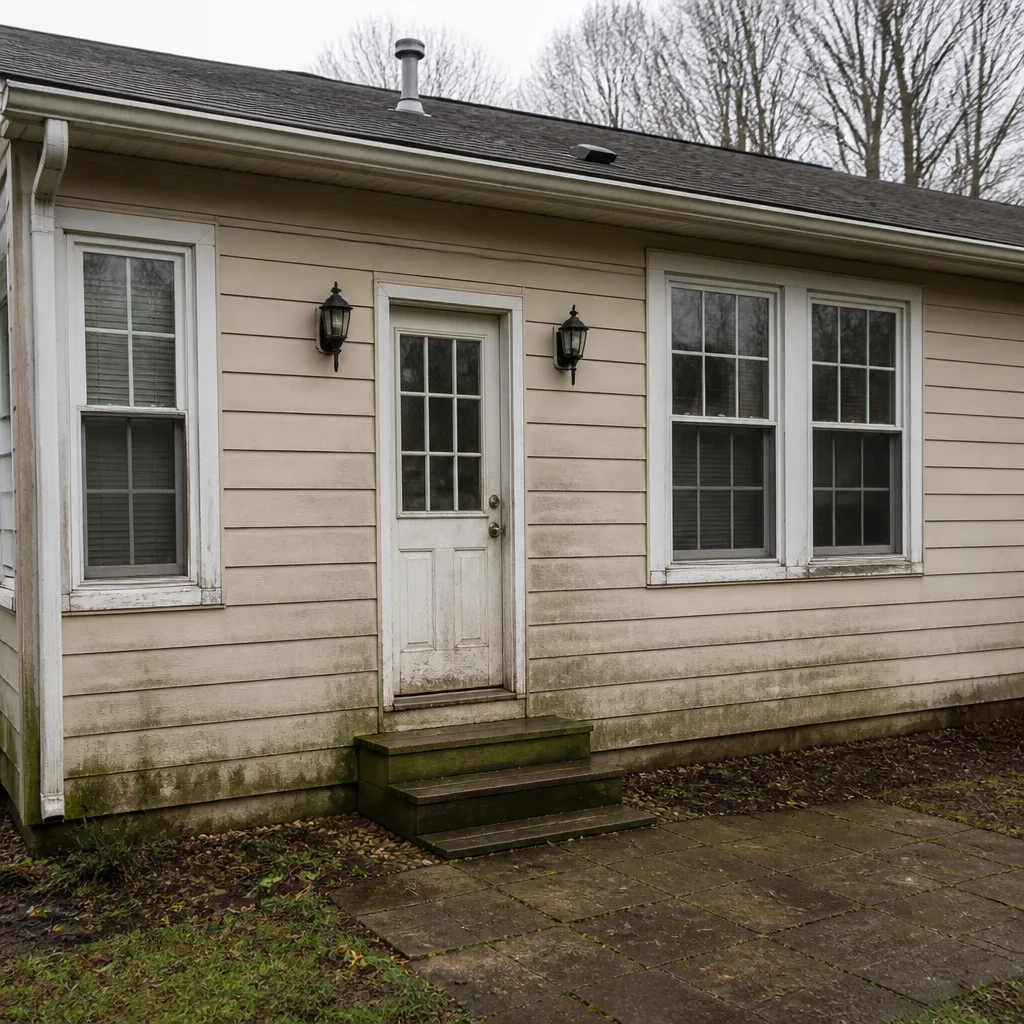 Before
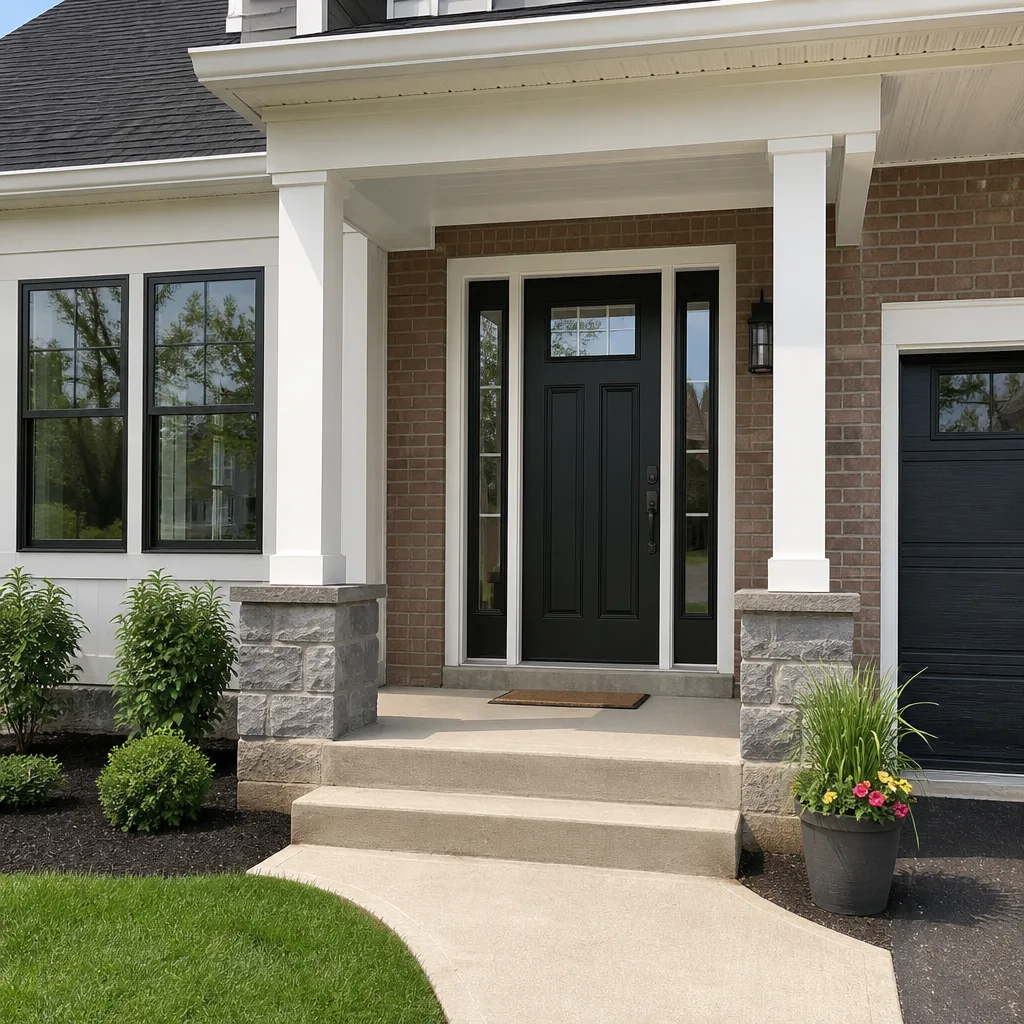 After
AfterImpact Windows & Doors Troubleshooting: Common Problems and How to Fix Them
Most homeowners assume a cracked impact window is a failed impact window, and that assumption costs them money every year in Columbus. The truth is more layered, literally. A chip in the outer glass layer of a PGT or CGI impact unit does not automatically void its storm protection rating, but it does start a clock on water intrusion and laminate degradation that standard window advice will not catch. This guide walks through the failure modes unique to impact-rated glazing so you can identify what is actually wrong, what it costs, and whether the fix is a service call or a replacement.
Quick Answer
Impact window and door problems fall into three categories: glass-layer damage (chips, cracks, delamination, fogging), hardware stress (heavy-sash hinges, rollers, multipoint locks), and seal failure (weatherstripping and glazing gaskets). Most glass damage does not immediately compromise impact protection, but all of it requires assessment because water migration into the laminate can ruin the unit from the inside out. Call a glazier who works with impact-rated products, not a general handyman, and call before you caulk anything. If you need professional help, our Impact Windows & Doors services cover everything from assessment to repair.
Table of Contents
- Understanding the Layered Construction of Impact Glass
- Glass Damage: Chips, Cracks, Delamination, and Fogging
- Hardware Stress Points on Impact Doors
- What to Do Immediately After Impact Damage
- Why Standard Weatherstripping Fails on Impact Units
- Warranty Boundaries: Manufacturer, Installer, and Homeowner
- Columbus Climate Factors That Stress Impact Units
Understanding the Layered Construction of Impact Glass
Impact glazing is not a thicker version of standard window glass. It is a sandwich: two panes of annealed or heat-strengthened glass bonded to a polyvinyl butyral (PVB) or SentryGlas interlayer, with that laminate then set into a frame engineered to hold it under load. The outer layer takes the hit. The interlayer stretches and holds the broken shards. The inner layer stays intact so your home is not open to weather or entry after an impact. Each layer can fail independently, and the symptom you see tells you which layer is involved.
In our experience across Columbus, most misdiagnoses happen when homeowners treat a crack the way they would treat a crack in a car windshield. An impact unit that shows a crack spreading from the edge is often a stress crack from a frame that was shimmed out of square, not an impact. That is an installation issue, not a glass defect, and it changes who pays for the repair.
The Three Layers and Their Symptoms
- Outer lite damage: chips, pitting, or a crack that does not go through. You can feel the damage from outside but the inside surface is smooth. Impact rating is generally preserved, but the unit needs sealing attention before moisture reaches the interlayer.
- Interlayer delamination: a milky haze, silver graying at the edges, or visible separation between the glass layers. This is the interlayer failing. It does not always fog immediately, and it is the failure mode standard guides never mention.
- Inner lite fogging: condensation between the glass that you cannot wipe away. This is seal failure at the insulated glass unit (IGU) level, and it is the same failure you would see on any double-pane window. It does not mean the impact rating failed, but it means the unit is no longer energy-efficient.
Glass Damage: Chips, Cracks, Delamination, and Fogging
A chip in the outer layer of a CGI or ES Windows impact unit does not mean the window has lost its impact rating. The interlayer is what maintains protection. But it does mean water can migrate into the laminate and eventually compromise the seal, which is a different problem that needs to be addressed on its own timeline. The smart move is to have the chip evaluated and sealed, not to replace the entire sash because the glass has a nick.
Here is the practical breakdown in Columbus terms. A chip smaller than a dime, with no radiating cracks, is usually repairable with a resin fill that keeps water out and slows crack propagation. A crack longer than a few inches, or any crack that runs edge to edge, means the outer lite has lost structural continuity. The unit should be scheduled for replacement, but it does not need to be boarded up tonight unless the inner lite is also broken.
Delamination is the failure mode that separates impact units from standard windows, and it is the one most often missed. When the PVB interlayer begins to pull away from the glass, you see a cloudy band around the perimeter, often starting at the corners. This comes from prolonged water exposure at the edge, from inferior interlayer material, or from a unit that was stored improperly before installation. A delaminating unit will not shatter dangerously, but its impact rating is degrading because the interlayer can no longer do its job under load. Once delamination is visible from a few feet away, the window is a candidate for replacement, not repair.
Steps to Assess Glass Damage
- Run a fingertip over both surfaces. If only one side is rough, you are dealing with outer or inner lite damage, not a through-crack.
- Look at the edges of the glass from inside. A milky band or silver sheen at the perimeter means delamination is starting.
- Press gently on the glass from inside. A secure unit should not flex or move in the sash. Movement means the glazing gasket or setting blocks have failed.
- Check for moisture between the panes after a temperature swing. Fog that comes and goes with weather is early IGU seal failure.
- Mark the ends of any crack with a grease pencil and check it in two weeks. Growth means the unit is under stress and needs a glazier’s attention.
Hardware Stress Points on Impact Doors
Impact doors weigh significantly more than standard doors because both the glass and the reinforcing frame mass more. That weight changes how the hardware wears. In Columbus, where freeze-thaw cycles and summer humidity put expansion and contraction into the door slab every year, homeowners see hinge sag, roller flattening, and multipoint lock misalignment much sooner than they would on a standard patio door.
Most hardware problems on impact doors are not broken hardware. They are misaligned hardware. A door that binds at the top corner has usually sagged on its hinges or settled in its opening. A door that drags on the track needs roller adjustment or replacement. A multipoint lock that will not engage fully has lock bars that are no longer lining up with the keepers in the frame. All three are fixable, but they require someone who understands the weight differences. A standard hollow-core door hinge replacement will not hold an impact slab for a year.
The Specific Failure Points
- Hinges: impact door hinges carry more weight and more torque because the slab is heavier and the glass is thicker. Look for loosened screws, elongated screw holes, and hinge leaf separation. A hinge that has pulled from the jamb is a structural issue, not a hardware issue.
- Rollers: sliding impact doors wear rollers flat on one side because the weight is constant. A door that slides fine halfway then drags has a flat-spotted roller. Adjusting the height only works until the roller is completely flat; then it must be replaced.
- Multipoint locks: these systems engage at three or more points along the door edge. When the door settles even a sixteenth of an inch out of plane, the points bind and the handle will not throw. Forcing the handle is how homeowners strip the gearbox, which turns a simple adjustment into a hardware replacement.
The Keystone Standard applies to hardware work the same way it applies to new installs. Both manufacturer warranty layers get registered in writing, and the duration is stated on the paperwork. A homeowner should never wonder whether a replacement roller or hinge is covered. With TruePane, the answer is on the page before the work starts.
What to Do Immediately After Impact Damage
The hour after a branch, storm, or flying debris hits an impact window is when Columbus homeowners make the most expensive mistakes. The instinct is to either ignore a small crack or attempt a temporary fix with tape and plastic sheeting. Neither is right. Here is what to do, in order.
First, assess the inner lite. If you can run your hand across the inside surface and it is smooth, the impact barrier has done its job. If the inner lite is cracked or broken, the unit has failed and the opening is no longer weather or security rated. Cover the opening from the inside with plywood only if you cannot secure the home another way, and call a glazier immediately. Do not remove the broken glass yourself. Impact glass breaks into small pieces held by the interlayer, and the laminate is extremely heavy. A sheet of laminated glass coming loose from a sash can take a hand or a wall with it.
Second, if the damage is limited to the outer lite, document it and schedule an assessment. The impact rating is likely intact, but the outer damage is now a water pathway. In Columbus, with freeze-thaw cycles from November through March, water that gets into a crack will freeze, expand, and propagate the crack. What is a repair in September can become a replacement in February if it is not addressed.
Third, do not caulk the crack. Silicone caulk does not structurally repair glass, and it prevents a glazier from doing a proper resin fill or laminate stabilization. If you must protect the opening, use a temporary film applied from the inside, but do not seal the exterior.
Immediate Steps After Impact Damage
- Check the inner lite with a flat hand. Smooth inside equals intact barrier. Cracked or broken inside equals failed unit.
- Close off the room if glass fragments are present and keep children and pets out until a glazier arrives.
- Photograph the damage from inside and outside, close enough to show the crack pattern and the surrounding frame.
- Write down the date, time, and cause of the damage. This matters for insurance claims and warranty determination.
- Call a glazier who carries impact-rated product lines like PGT or CGI, not a general contractor who will sub it out.
TruePane Windows & Doors has been answering calls from Columbus homeowners in exactly these situations for years, and a live person picks up the phone 24 hours a day, 7 days a week. No voicemail tree, no callback form. When impact damage happens, you get a person, and that person gets a truck rolling.
Why Standard Weatherstripping Fails on Impact Units
Impact frames are not beefier versions of standard frames; they are different extrusions with different weatherstripping profiles, and the profiles are matched to the glazing and the reinforcing. When a homeowner or a handyman replaces worn weatherstripping on a PGT or ES Windows impact unit with a generic bulb seal from the hardware store, the strip rarely fits the kerf correctly. It either falls out, binds the sash, or lets air through from day one.
In Columbus, where winter winds come down the Scioto River corridor and summer storms drive rain sideways against west-facing units, weatherstripping is not cosmetic. A poorly sealed impact window loses its energy rating, lets water penetrate the rough opening, and shortens the life of the IGU. The weatherstripping also plays a role in impact performance: the gaskets and seals hold the glass in the correct plane under load. Substituting a different profile changes how the unit responds to pressure.
Signs Your Weatherstripping Needs Attention
- Light visible around the sash edge from inside when the window is closed and locked
- Condensation forming along the inside edges of the frame, not between the glass
- Drafts that persist after adjusting the sash locks or hinge screws
- Weatherstripping that has flattened and stays compressed instead of rebounding
- Water in the track after a normal rain, not a storm, which points to a failed drain path or missing seal
The fix is almost always OEM or matching-profile weatherstripping, not what is on the rack at the home center. TruePane carries the weatherstripping profiles that match the manufacturer lines we install, including CGI and ES Windows, and a technician can often replace weatherstripping on a standard-sized sash in a single visit. Most jobs are done in one appointment, which matters when the weather is already turning.
Warranty Boundaries: Manufacturer, Installer, and Homeowner
Impact products carry warranties that standard windows do not, and Columbus homeowners often learn the boundaries of those warranties at the worst possible time: after a failure. The boundary lines are different for impact glazing than for standard units, and knowing which failure falls into which bucket saves money and time on the next call.
Manufacturer warranties on impact windows and doors typically cover the glass unit against seal failure and delamination for a set term, often ten years or longer on the IGU and longer on the laminated glass. They also cover the frame against cracking, warping, and corrosion. What they do not cover is installation-related damage: stress cracks from an out-of-square frame, hardware failure from improper adjustment, water intrusion from a poorly flashed rough opening. Those are installer problems, and they are exactly what the Done Right Promise at TruePane is built to catch before the warranty period expires.
Homeowner negligence is the third bucket. A window left with a chip that grows into a crack, a track that is never cleaned and eventually corrodes the rollers, a door that is forced against a misaligned lock until the gearbox strips: those are maintenance failures, and no manufacturer or installer will pay for them.
How the Warranty Layers Break Down
- Manufacturer layer one: the glass and frame against defects in materials and fabrication. Registered in writing the day the unit is installed.
- Manufacturer layer two: the laminated glass impact rating for a stated period, typically tied to proper installation and absence of owner modification.
- Installer workmanship: the labor and installation quality. TruePane covers this for 90 days with no paperwork fights, and The Keystone Standard means both manufacturer layers are registered before the truck leaves the driveway.
- Homeowner responsibility: cleaning tracks twice a year, reporting chips and cracks promptly, and never forcing hardware. This is the maintenance reality of living in a home with impact-rated openings.
If you are unsure which bucket your problem falls into, call and ask. A live person answers, and you will get a straight answer, even if the answer is that the manufacturer is on the hook and TruePane is not the one billing you.
Columbus Climate Factors That Stress Impact Units
Columbus is not Miami. That sounds obvious, but it matters for impact window and door maintenance. Impact products were originally designed for coastal hurricane zones with salt air, high humidity, and relentless UV. Columbus gives you freeze-thaw cycles, heavy clay soil that moves slab foundations, seasonal pollen that clogs weep holes and tracks, and an average of 22 inches of snow a year according to National Weather Service data. These conditions stress the same units differently.
Clay soil is the one most homeowners never connect to their windows and doors. Central Ohio’s glacial till is expansive. It shrinks in summer drought and swells in spring and fall rains. A slab home in Westerville or Grove City moves just enough to shift a door frame a fraction of an inch. A standard door forgives that movement. An impact door with a multipoint lock does not. The lock binds, the homeowner forces it, and a $5,000 door loses its gearbox over an eighth of an inch of settlement.
Humidity is the second factor. Columbus summers run 70 to 85 percent relative humidity, and that vapor pressure works its way into any compromised seal. A tiny edge delamination that would stay stable in a dry climate expands in an Ohio July because the interlayer is hygroscopic and the edge of the laminate is the vulnerability point. Catching delamination early in Columbus is not just about impact rating; it is about preventing a failed unit from becoming a mold host in the wall cavity.
The practical takeaway for anyone in a Columbus-area home with impact windows and doors built ten or more years ago: schedule an inspection of the seals and hardware before the freeze-thaw cycle sets in each fall. TruePane’s maintenance check covers the basics, and it has caught more delamination and track corrosion than we can count. For year-round guidance, see our Seasonal Windows & Doors Care for Columbus: Year-Round Homeowner’s Guide.
Common Mistakes to Avoid
- Using generic weatherstripping on an impact frame. The profile mismatches and the unit loses its seal integrity within months. Use OEM or matched replacement material.
- Forcing a multipoint lock. If the handle will not throw, the door is out of alignment, and forcing it strips the gearbox. Back off and call a technician.
- Caulking a crack in outer lite glass. Caulk masks the damage and prevents proper resin fill or unit replacement. It also traps water against the laminate edge.
- Assuming a chip means the impact rating is gone. The interlayer is the protection. A chip is a water pathway, not necessarily a barrier failure, but it needs attention.
- Ignoring a dragging sliding door. A dragging impact door is telling you the rollers are failing under the heavier sash weight. Adjust or replace now, or the track gets scored and the repair gets expensive.
- Waiting on delamination because it “is not that bad yet.” Delamination never improves, and in Columbus humidity it accelerates. Early replacement is cheaper than a wall repair later.
- Hiring a general handyman for impact hardware. Impact doors need hardware rated for the weight and adjusted with an understanding of the frame tolerances. The wrong hinge or roller will fail quickly and repeatedly.
When to Call a Professional
Call a glazier when the inner lite of an impact unit is cracked, when delamination is visible at the edges of the glass, when a multipoint lock will not engage after you have checked for debris, or when water is getting past the frame and into the wall cavity. These are not weekend projects. Impact units are heavy, the glass is laminated under tension, and the frame extrusions are not forgiving of improvised repairs. TruePane Windows & Doors offers free estimates in Columbus, and a live person answers the phone 24/7 at (888) 635-0804. One call gets you a straight answer, and if the job does not need doing, we will tell you that.
Frequently Asked Questions
Impact glass replacement in Columbus typically runs $600 to $1,400 per sash depending on the manufacturer, the size, and whether the frame can be reused. A full-frame replacement runs higher because the rough opening must be re-flashed and re-sealed. Call (888) 635-0804 for an exact quote on your unit; estimates are free, and TruePane quotes manufacturer lines side by side on paper so you see exactly what you are buying.
No. A crack or chip in the outer lite does not automatically void the impact rating because the PVB or SentryGlas interlayer is what holds the window together under load. The crack does create a water pathway that can compromise the laminate over time, so it should be assessed and sealed promptly.
Delamination cannot be repaired. Once the interlayer has begun pulling away from the glass, no field process will rebond it. The unit should be replaced before the delamination spreads far enough to compromise the impact rating or admit water into the frame. Inspection is free; the decision after inspection is yours.
The rollers in an impact sliding door carry far more weight than standard door rollers, and they flatten over time under the constant load. What starts as a subtle drag turns into scored track and a door that will not seal. Replacing the rollers before the track is damaged is a straightforward repair, and TruePane’s maintenance check catches this before it becomes a bigger job.
A properly installed impact window in Columbus should serve 20 to 30 years, with the IGU seal typically warrantied for 10 to 20 years depending on the manufacturer. The laminated glass itself can last longer than the IGU, but Columbus freeze-thaw cycles and summer humidity shorten the seal life compared to a dry climate. Regular track cleaning and prompt attention to chips does more for longevity than anything else.
Yes. The Keystone Standard means both manufacturer warranty layers are registered in writing, with durations stated, before the truck leaves the driveway. That applies to new installs and to glass or hardware replacements big enough to trigger warranty coverage. No paperwork fights, no arguing.
Dale Kessler has been a glazier long enough to know that impact units fail in predictable ways, and that homeowners who understand those patterns waste less money. If the pane is not true, the job is not done. That rule governs every install and every service call.
The Bottom Line
Impact windows and doors are different animals from standard units, and troubleshooting them without understanding the layered glass construction, the heavier hardware, and the weatherstripping profiles leads to wrong fixes and repeated failures. The outer lite can crack without the impact rating failing. The interlayer can delaminate without fogging. The hardware can bind from slab movement that has nothing to do with the hardware itself. When you cannot tell which problem you have, call someone who can, and explore more guides & resources to stay informed. TruePane Windows & Doors serves Columbus with free estimates and a live person on every call at (888) 635-0804. We have been at this since 2008, and we stand behind the work in writing.
Written by Dale Kessler, Owner at TruePane Windows & Doors, serving Columbus since 2008.