
Last updated August 27, 2026
Free in-home measure and quote - PGT, CGI and CWS impact lines compared on your actual openings, style by style
Sliding glass doors

Impact garage doorsPGTCGI
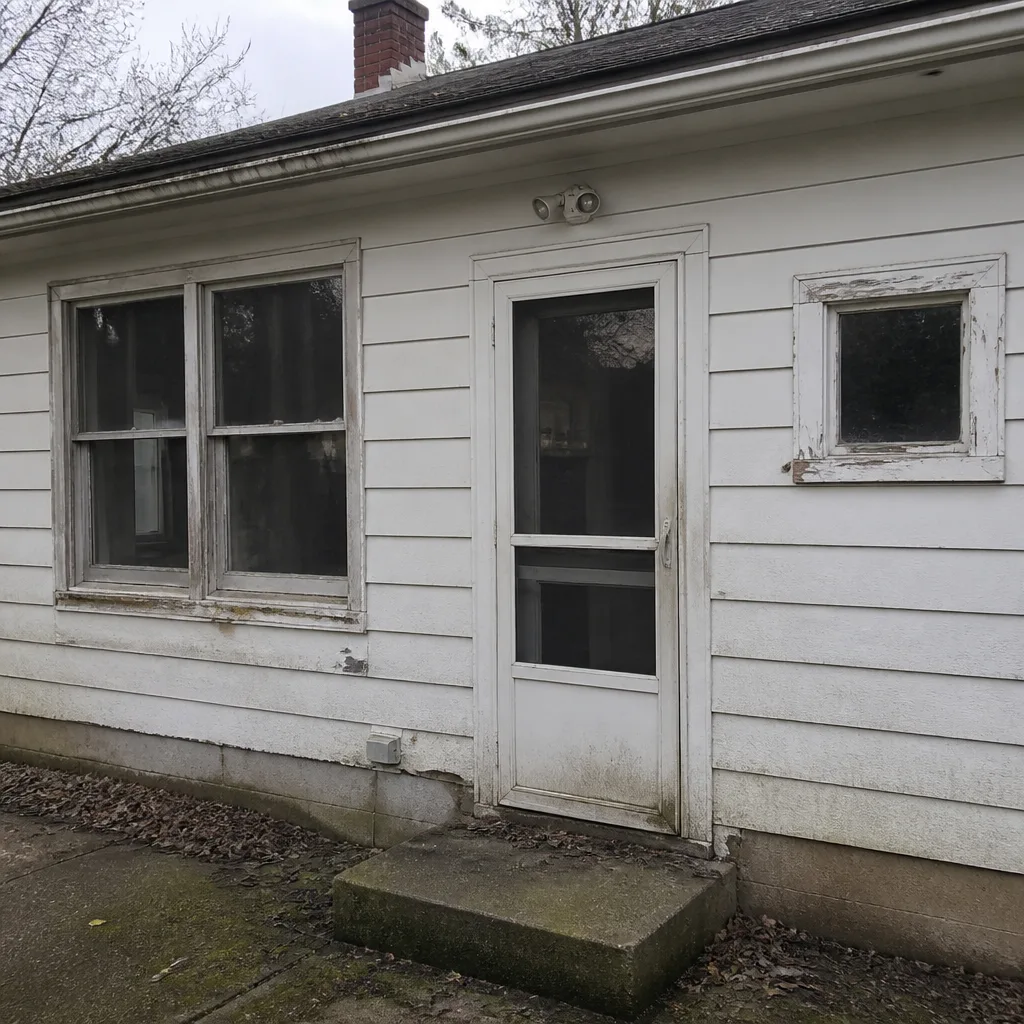 Before
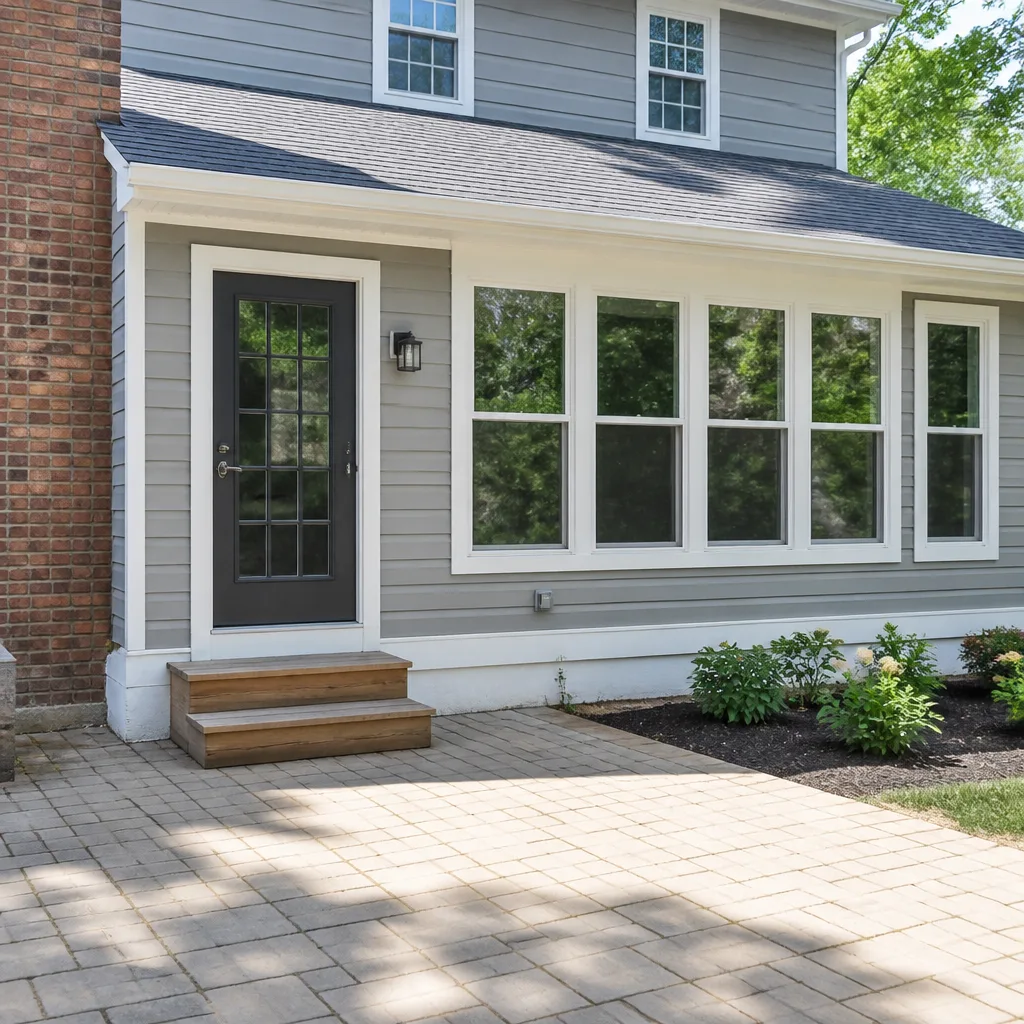 After
After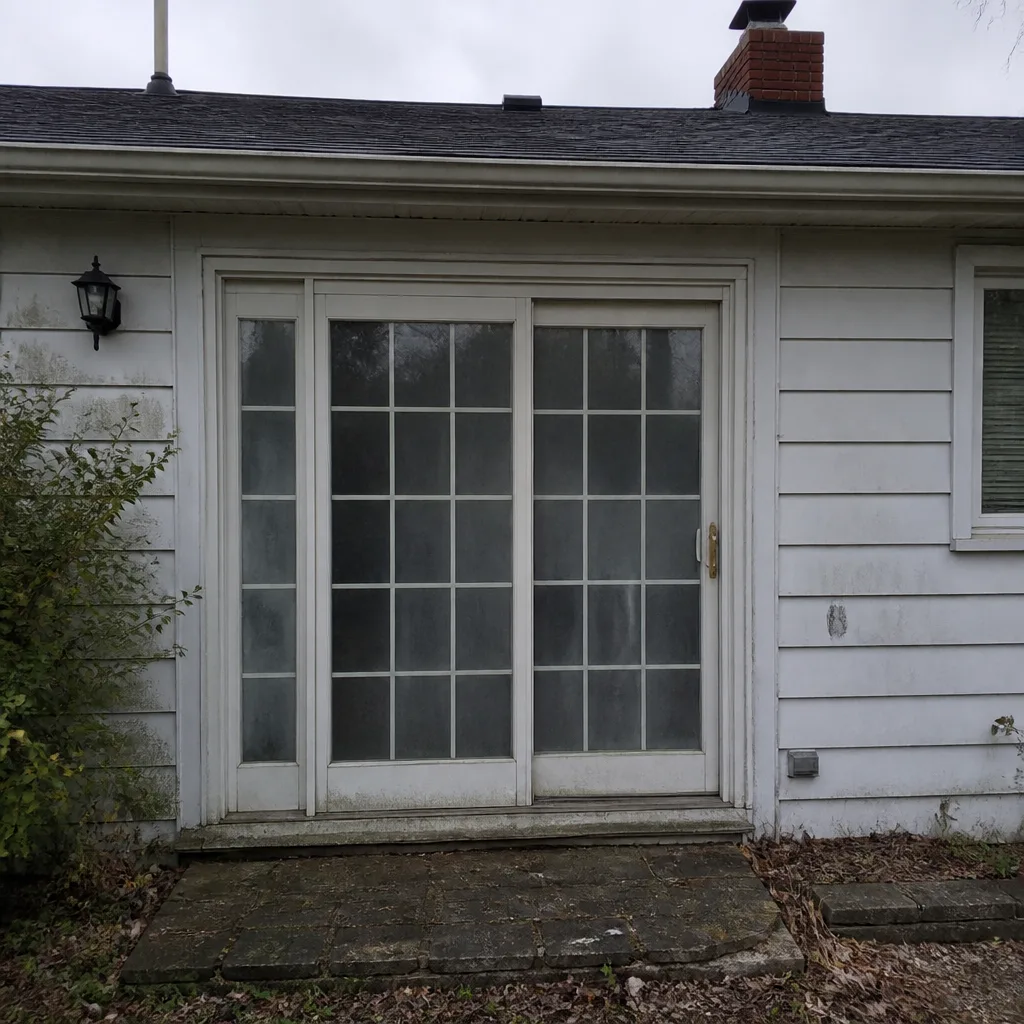 Before
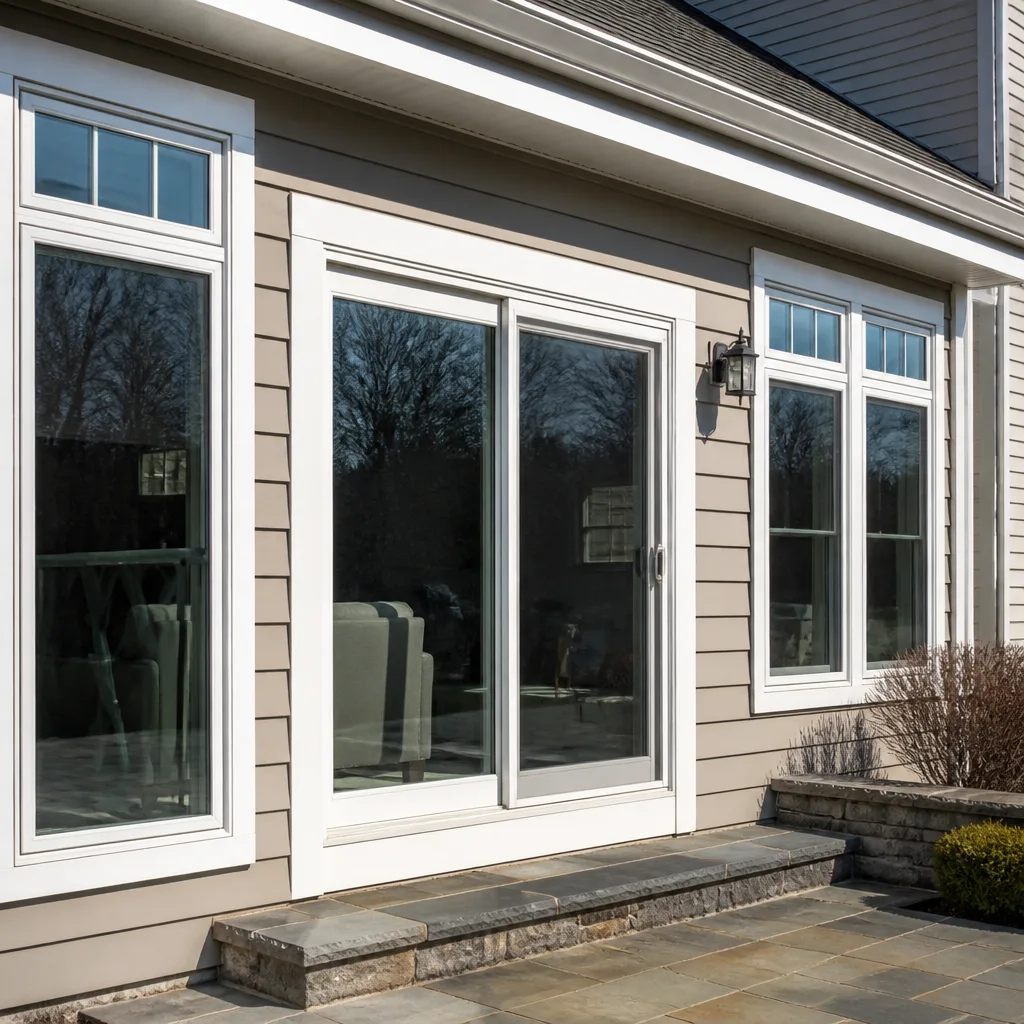 After
After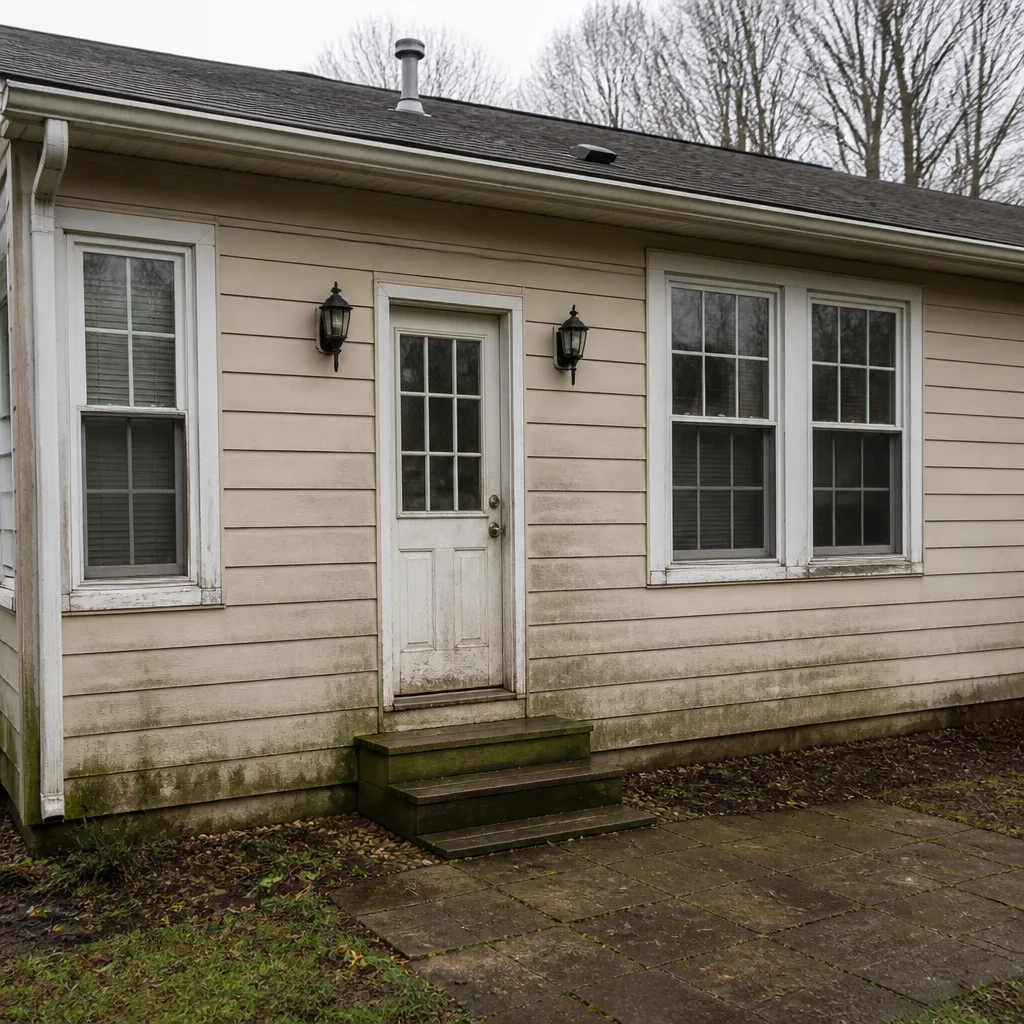 Before
 After
AfterWindow Installation Troubleshooting: Common Problems and How to Fix Them
A condensation stripe between the two panes of glass and a condensation streak running down the interior surface of the same window look nearly identical to an untrained eye. One means the sealed unit has failed and the manufacturer owes you new glass. The other means the installer left a gap in the interior air seal, and the manufacturer owes you nothing. In Columbus, where winter temperatures routinely drop below freezing and summer humidity hangs thick for months, homeowners misdiagnose these two problems every day, often paying for a full replacement when a $40 tube of sealant and thirty minutes of work would have solved it. This guide teaches you to trace the symptom back to its actual source before anyone spends a dollar, and before you call the wrong company.
Quick Answer
Most window problems fall into two buckets: the unit itself failed, or the installation failed. The fix starts with identifying which bucket you’re in. Drafts, sticking sashes, interior condensation, rattling glass, and water stains each have telltale signs that point to either a manufacturing defect (warranty claim) or an installation error (installer callback). A systematic check of the air seal, the frame’s set, and the flashing details tells you who to call and what to say.
Table of Contents
- The Symptom-to-Cause Decision Tree
- Drafts: Air Seal Failure vs. Unit Failure
- Condensation: Seal Failure vs. Installation Gap
- Sticking Sash: Frame Racking vs. Hardware Tolerance
- Water Intrusion: Flashing Failure vs. Glass Seal Failure
- What to Say When You Call the Warranty Department
- The 90-Day Window: What to Document and Why
- Common Mistakes to Avoid
- When to Call a Professional
- Frequently Asked Questions
- The Bottom Line
The Symptom-to-Cause Decision Tree
Before you touch anything, pin down exactly what you’re seeing. Each symptom splits cleanly into a unit problem or an installation problem. Here’s the decision path we walk with homeowners throughout Columbus, from German Village to Worthington to the far north side.
- Draft or cold air near the frame: Check whether the air is entering at the glass (unit failure) or at the joint between the frame and the wall (installation failure). Run your hand around the perimeter on a windy day.
- Condensation or fog: Determine whether the moisture is between the glass panes (sealed unit failed, manufacturer) or on the room-side surface of the glass (humidity issue or interior air seal gap, installer or ventilation).
- Sash won’t open, close, or lock: Inspect whether the frame itself is racked – out of square – or whether the hardware is simply misaligned. One is installation, one is the unit.
- Water staining above the window: Almost never a glass seal problem. Look at the flashing and the head trim. This is installation or siding, not the manufacturer.
- Rattling or loose glass: Determine whether the glazing bead or stops were never set tight (installation) or whether the unit has lost its gas fill and the panes are flexing (unit, but rare).
Start with the simplest, least invasive check. Most Columbus homeowners can diagnose the source in under ten minutes with a dollar bill, a level, and a flashlight.
Drafts: Air Seal Failure vs. Unit Failure
When a homeowner says a window is drafty, the first question is always the same: where exactly do you feel the air? In Columbus winters, a draft around a window is rarely the glass unit itself. Glass does not leak air unless the seal has failed catastrophically, and even then, the failure is between panes, not from inside to outside. The draft is almost always at the perimeter.
How to Test a Draft
- Close and lock the window.
- Run a damp hand around the entire interior perimeter on a cold, windy day.
- If you feel cold air at the joint between the frame and the wall, the installer’s perimeter air seal is incomplete.
- If you feel cold air where the sash meets the frame, the weatherstripping is compressed, missing, or the sash was never properly adjusted into the frame.
A dollar bill is the old-school test. Close the window on a dollar bill at several points around the sash. If the bill slides out easily, the compression seal is not doing its job. That means the window was either set out of plane, the sashes were not shimmed correctly, or the weatherstripping is shot. None of these are manufacturer defects. All land on the installer.
We’ve repaired dozens of windows in Columbus where the original installer left voids in the spray foam or fiberglass batting behind the casing. The window itself was fine. The job around the window was not. This is exactly the kind of failure our TruePane Windows & Doors home team goes looking for on every service call, because a draft complaint with a “fine” window is an installation problem, not a replacement problem.
Condensation: Seal Failure vs. Installation Gap
The single most expensive misdiagnosis in residential windows is condensation. The two types look different only upon close inspection, and the difference determines whether a manufacturer pays for new glass or you pay for a repair that should have been caught on day one.
Between the Panes (Unit Failure)
If the moisture is trapped between the two panes of glass and cannot be wiped away from either side, the sealed unit has failed. The dessicant inside the spacer has become saturated, the inert gas fill – argon or krypton – has leaked out, and the insulating performance is gone. This is a manufacturer issue. The evidence is visible, inescapable, and permanent. You cannot clean it. You cannot dry it. The unit comes out and a new one goes in.
On the Room-Side Surface (Installation or Ventilation)
If the condensation is on the interior surface of the glass, where you can blot it with a paper towel, the glass is not failed. What you have is either high interior humidity hitting cold glass, or warm, moist interior air leaking around the window’s interior perimeter seal and condensing on the coldest available surface. The second scenario is an installation problem. The installer left a gap between the interior jamb extension and the rough opening, allowing interior air to reach the cold frame. The fix is an air seal, not a new window.
Columbus summers run 70 to 90 percent humidity. That moisture pushes into wall cavities through any interior seal gap. The fix is straightforward. We trace the leak with a smoke pencil or a simple stick of incense, find the void, and seal it with low-expansion foam or acoustical sealant. In our experience across the Columbus market, about two-thirds of the “fogged window” calls we get turn out to be interior air seal failures, not failed glass. The homeowner was one phone call away from buying a replacement they did not need.
Sticking Sash: Frame Racking vs. Hardware Tolerance
A window that will not lock is a safety issue and an air leakage issue. The question is whether the frame itself is out of square – racked during installation – or whether the lock hardware is simply out of tolerance. The answer determines who pays for the fix.
The Racking Test
- Measure the diagonals of the window frame from corner to corner, both directions.
- If the two measurements differ by more than 1/8 inch on a window under 48 inches wide, the frame is racked.
- If the diagonals are equal but the sash still will not meet the frame cleanly, the issue is likely hardware or sash adjustment.
A racked frame is an installation failure. The rough opening was not square, and the installer did not shim the frame to correct it. Instead of setting the window true, the installer pulled it into the out-of-square opening, twisting the frame and the tracks. The window will never close correctly, and the lock will never engage without force. Force leads to broken hardware, and broken hardware gets blamed on the unit. It is not the unit.
A hardware tolerance problem is simpler. On a vinyl or fiberglass window, the lock may have been installed a fraction off, or the keep – the part the lock hooks into – is mislocated. You can usually field-adjust this without removing the window. On a wood window, a coat of paint may have sealed the sash to the frame. Run a utility knife around the perimeter and the window usually lets go.
For Columbus homeowners living in older neighborhoods like Clintonville or Bexley, where houses were built before modern framing tolerances, racked windows are more common than most people think. The rough opening in a 1940s house may be a full 3/8 inch out of square, and the installer has to correct it with shims, not force.
Water Intrusion: Flashing Failure vs. Glass Seal Failure
Water staining above a window almost never has anything to do with the glass seal. The glass is not leaking water into your wall. The roof is, or the flashing is. Here is the test without removing trim.
First, look at the stain pattern. If the staining is at the top of the window, above the head trim, the water is coming from above. The head flashing – the metal or membrane that directs water away from the top of the window – was either never installed, installed backwards, or installed without a proper drainage plane behind the siding or stucco.
Second, inspect the exterior. Is the head flashing visible? Does it extend past the window on both sides? Is there a gap between the top of the window and the siding above it? In Columbus, homes built through the 1970s and 1980s often lack modern head flashing. The original window was simply caulked into place, and caulk is not flashing.
Third, follow the water. Remove the interior trim if you are comfortable doing so, and look at the framing above the window. If the lumber is water-stained where it meets the sheathing, the leak is from the wall assembly, not the window. If the wall cavity is dry but the window frame is wet, the window pan itself may have been installed incorrectly inside the rough opening.
This matters for your warranty conversation. A failed glass seal never causes water staining above a window. Never. If a contractor tells you that, find a different contractor.
What to Say When You Call the Warranty Department
The words you use on the phone determine whose job it is to fix the problem. Say the wrong thing and the manufacturer will redirect you to the installer. Say it a different way and the installer will tell you to file a claim with the manufacturer. Here is the language that gets the right response.
If You Suspect a Unit Failure
Say this: “I have condensation between the glass panes that I cannot wipe clean from either side. The window is [manufacturer, model, year of install]. Can you tell me the procedure for a warranty glass replacement?”
Do not say “the window is foggy” without specifying which side of the glass. Do not say “the installer put it in wrong” unless you have evidence of installation failure. State the symptom precisely. “Between the panes” is the phrase that triggers the manufacturer’s sealed unit warranty.
If You Suspect an Installation Failure
Say this: “I have a draft at the perimeter of the frame, not at the glass. The window is square, but air is entering where the frame meets the wall. Can you send a technician to inspect the air seal?”
The word “perimeter” is important. It tells the installer this is their scope, not a factory defect. The word “square” tells them you have already ruled out frame racking, which shows you know what you are looking at. Installers respond differently to homeowners who have done the basic checks.
If You Are Not Sure
Say this: “I do not know whether this is a unit problem or an installation problem. I would like an inspection before I spend money. Do you offer diagnostic visits, and what do they cost?”
A reputable installer will offer a diagnostic visit. TruePane Windows & Doors offers free estimates in Columbus, and our technicians diagnose the problem before quoting the fix. We would rather tell you it is a manufacturer claim and walk away than sell you a window you do not need. That is not a sales tactic. It is what a second-generation glazier does.
The 90-Day Window: What to Document and Why
Most installation failures reveal themselves within the first 90 days. That is not a coincidence. The seasonal temperature swing in central Ohio, combined with the settling that happens after the original window is disturbed, exposes gaps that were invisible on installation day. Here is what to keep.
- Photographs of every window, interior and exterior, on the day of installation. You are not documenting the new window. You are documenting the condition of the surrounding wall so that a future water stain can be dated.
- The installer’s written contract with itemized scope. If flashing, sealing, or insulation is not in writing, it may not have been done. “We always wrap windows” is not as useful as “Install head flashing and Z-channel on every window.”
- Any warranty registration paperwork. The manufacturer’s warranty often has a registration deadline, typically 30 to 60 days. If the installer said they would register it, get proof in writing.
- A log of any symptom you notice, with date and weather conditions. “Master bedroom draft, January 15, 28 degrees, northwest wind” is infinitely more useful to a technician than “it’s been drafty for a while.”
In Columbus, the first hard freeze usually comes in late October or early November. The first 90-degree week lands in June. Both stress a new installation in different ways. If a window is going to rack, it will rack in the first freeze. If a flashing detail is wrong, the first heavy spring rain will find it. Watch those two windows on the calendar, and document what you see.
This is why The Keystone Standard matters. Both manufacturer warranty layers get registered in writing, with durations stated, before the truck leaves the driveway. The homeowner knows exactly what is covered, for how long, and who to call. That is not marketing language. It is the difference between a five-minute claim and a two-week argument.
Common Mistakes to Avoid
- Replacing a window before diagnosing the problem. A draft at the perimeter does not require a new window. It requires a new air seal. Replace the window and you will have the same draft with a lighter wallet.
- Using a hardware store “fog kit” on a failed sealed unit. These kits drill a hole and attempt to dry the interior. They void the manufacturer warranty and rarely work for more than a season. The correct fix is a new sealed unit.
- Caulking the exterior of a leaking window from the inside. Interior caulk does not stop exterior water. It traps it in the wall cavity, where it rots framing you cannot see.
- Ignoring a window that will not lock because “it is not that drafty.” An unlocked window is an unsealed window in January, and it is also a security issue. The lock not engaging means the sash is not in its designed compression.
- Assuming the installer registered the warranty. Some do. Some do not. Get the registration confirmation in writing, or register it yourself.
- Calling the manufacturer before the installer, or vice versa, without a diagnosis. Know which bucket your problem is in first. Ten minutes of basic checking saves an hour on the phone and a denied claim.
When to Call a Professional
Call a professional when the problem involves water, gas-filled glass, or a tempered unit that needs replacement. Water intrusion is never a DIY fix. If you see staining, call before the framing rots. If a sealed unit has failed and you have a manufacturer warranty, a trained technician knows how to process the claim without voiding it. If a window is racked, correcting it requires pulling the trim, re-shimming, and resetting the window – not a caulk gun job.
TruePane Windows & Doors offers free estimates in Columbus. Call (888) 635-0804 and a live person answers – not a voicemail tree, not a regional call center. That is how we have done it since 2008 of community service, through Dale Kessler’s founding of TruePane in 2008 and the two generations of glaziers who came before.
For window installation in Parkway or anywhere in the Columbus area, we run the diagnostic first and quote the fix second. The same goes for door installation in Parkway, where sticking slabs and failed weatherstripping have their own set of install-versus-unit fingerprints.
Frequently Asked Questions
A diagnostic inspection from TruePane Windows & Doors is free. We come out, identify whether the problem is the unit or the installation, and give you a written recommendation. You are not obligated to hire us for the repair. Most Columbus homeowners save money with a diagnosis before a replacement, because many “failed windows” turn out to be installation issues that cost far less to correct.
Most installation failures show up within the first 90 days, and almost always within the first full year. That is why we include a Done Right Promise on every install. If it is not done right, we make it right. No paperwork, no arguing, no fine print. For a full year, we still stand behind the workmanship.
No. A failed seal between glass panes causes fogging and loss of insulating gas, but it does not leak water into your wall. Water staining above or around a window is a flashing or exterior seal problem, not a glass seal problem. If someone tells you otherwise, get a second opinion before paying for a replacement.
Late spring and early fall are ideal, when temperatures are moderate and the sealant cures properly. However, TruePane installs year-round in Columbus. Our technicians know how to handle winter installs where low-temperature seals require heated application, and summer installs where expansion gaps have to be calculated carefully. The important thing is not the season; it is the installer’s process.
Yes. Many of our Columbus service calls are on windows installed by other companies, some of which are no longer in business. We diagnose the problem, tell you if it is a manufacturer claim, and repair or replace as needed. We work on Andersen, Pella, Marvin, Milgard, ES Windows, and most other major brands.
Check the registration paperwork. If the installer said they registered it, ask for written confirmation of the registration date and duration. Some manufacturer warranties are 10 years, some are 20, and some are lifetime and transferable. The key detail is whether the registration happened within the manufacturer’s deadline. If it did not, the warranty may be void, and that is an installer problem. The Keystone Standard exists precisely so this never happens to a TruePane customer. We register both manufacturer warranty layers in writing before the truck leaves the driveway. Call (888) 635-0804 and we will check your paperwork with you.
The Bottom Line
Most window problems are not what they first appear. A draft is not a failed window; it is a failed air seal. Condensation on the room side is not a failed seal; it is an installation gap or a humidity problem. A sticking sash is not defective hardware; it is a racked frame. Water staining is not the glass; it is the flashing. Learning to tell the difference saves money, preserves warranties, and points the finger in the right direction. In Columbus, where the climate punishes bad installations within a season, this skill pays for itself. For more guides & resources, or if you are not sure, call (888) 635-0804. The diagnostic is free, and a live person answers the phone.
Written by Dale Kessler, Owner at TruePane Windows & Doors, serving Columbus since 2008.