
Last updated August 27, 2026
Free in-home measure and quote - PGT, CGI and CWS impact lines compared on your actual openings, style by style
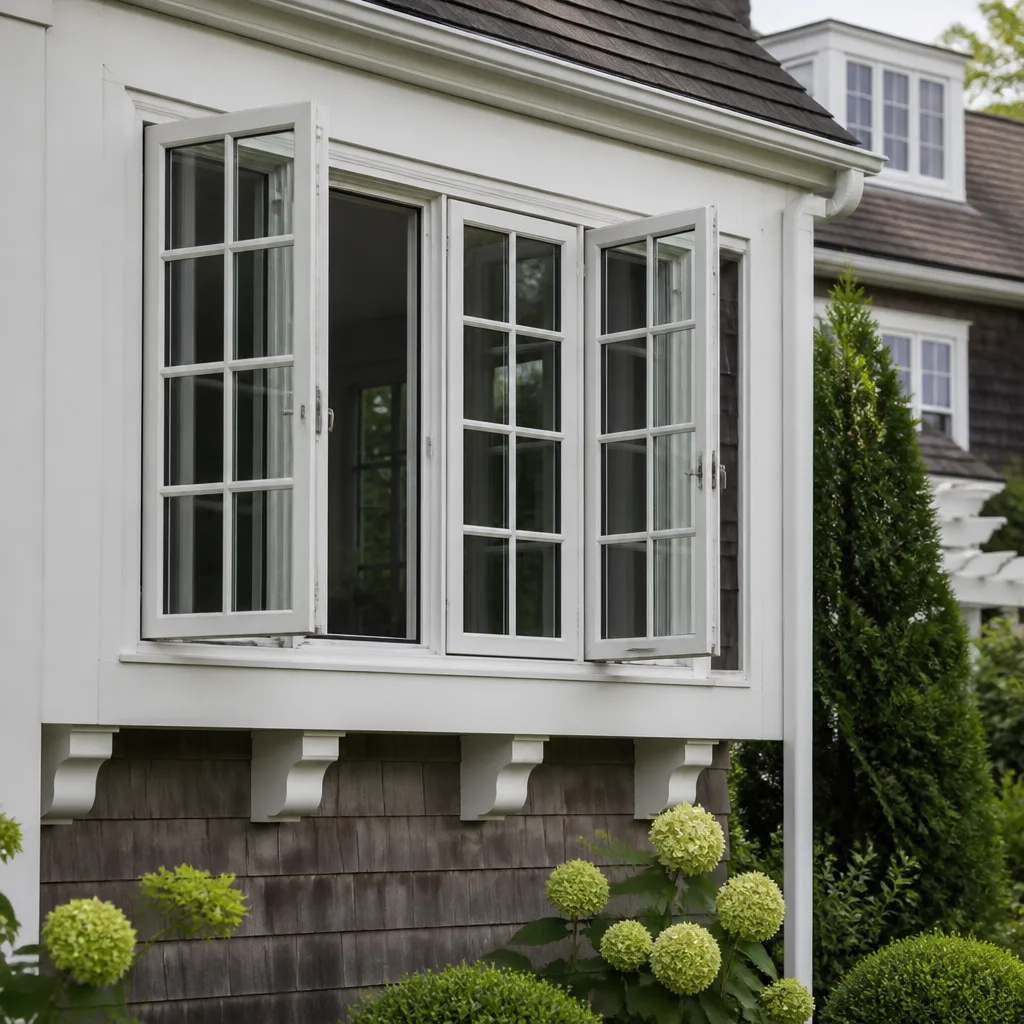
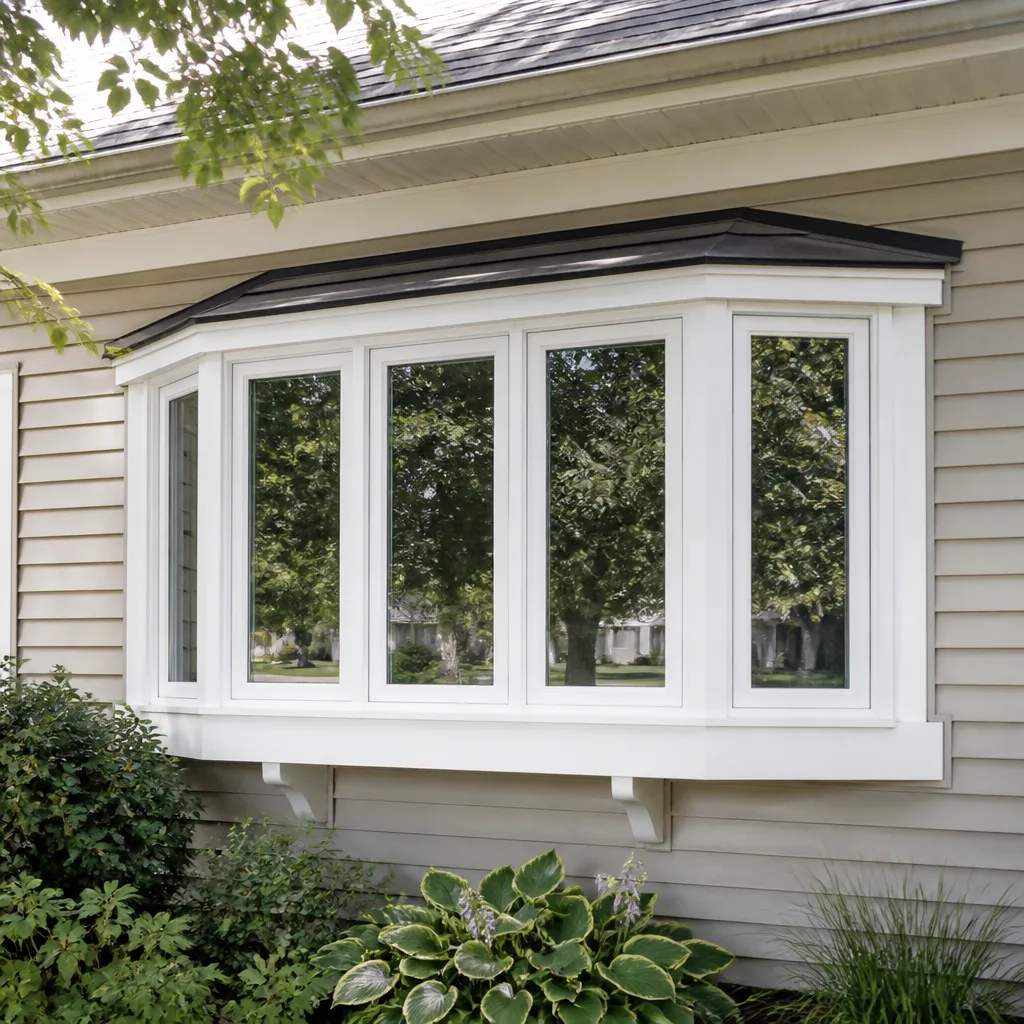
Sliding glass doors

Impact garage doorsPGTCGI
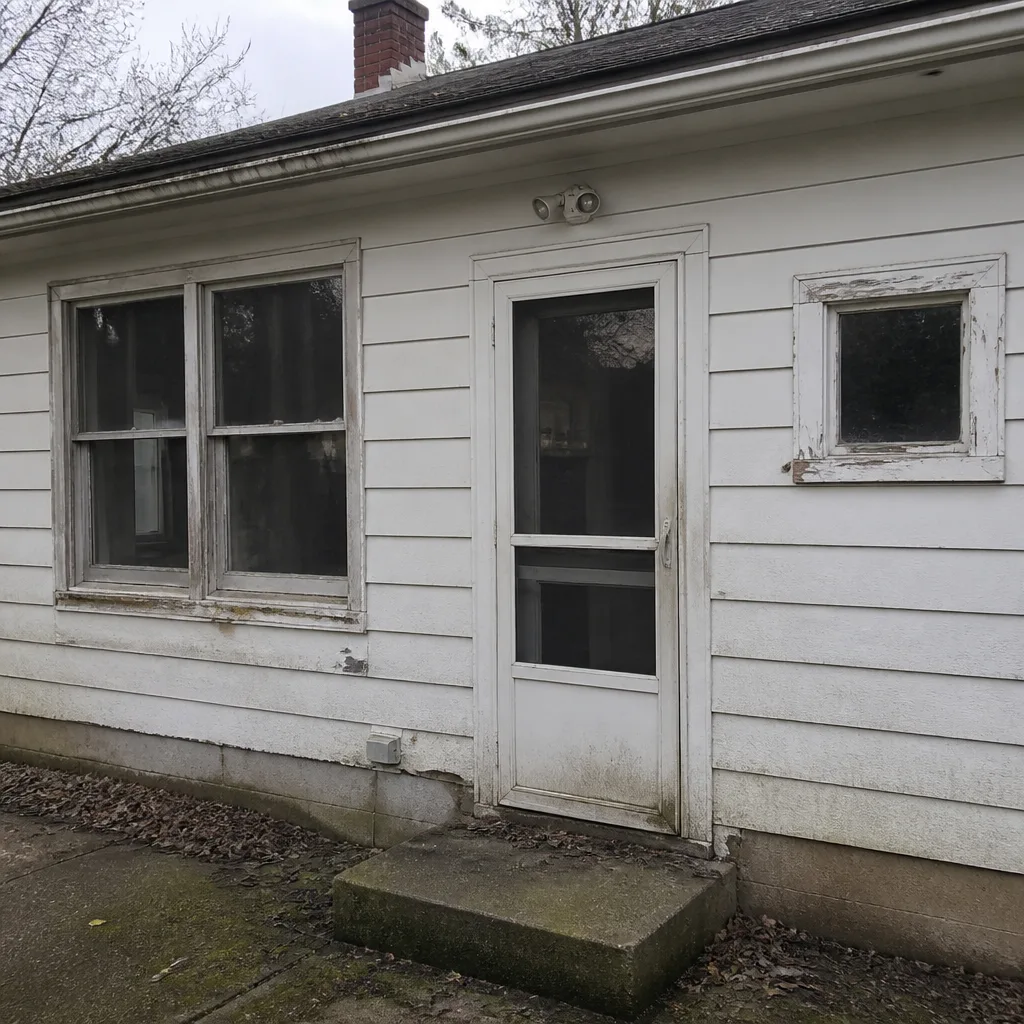 Before
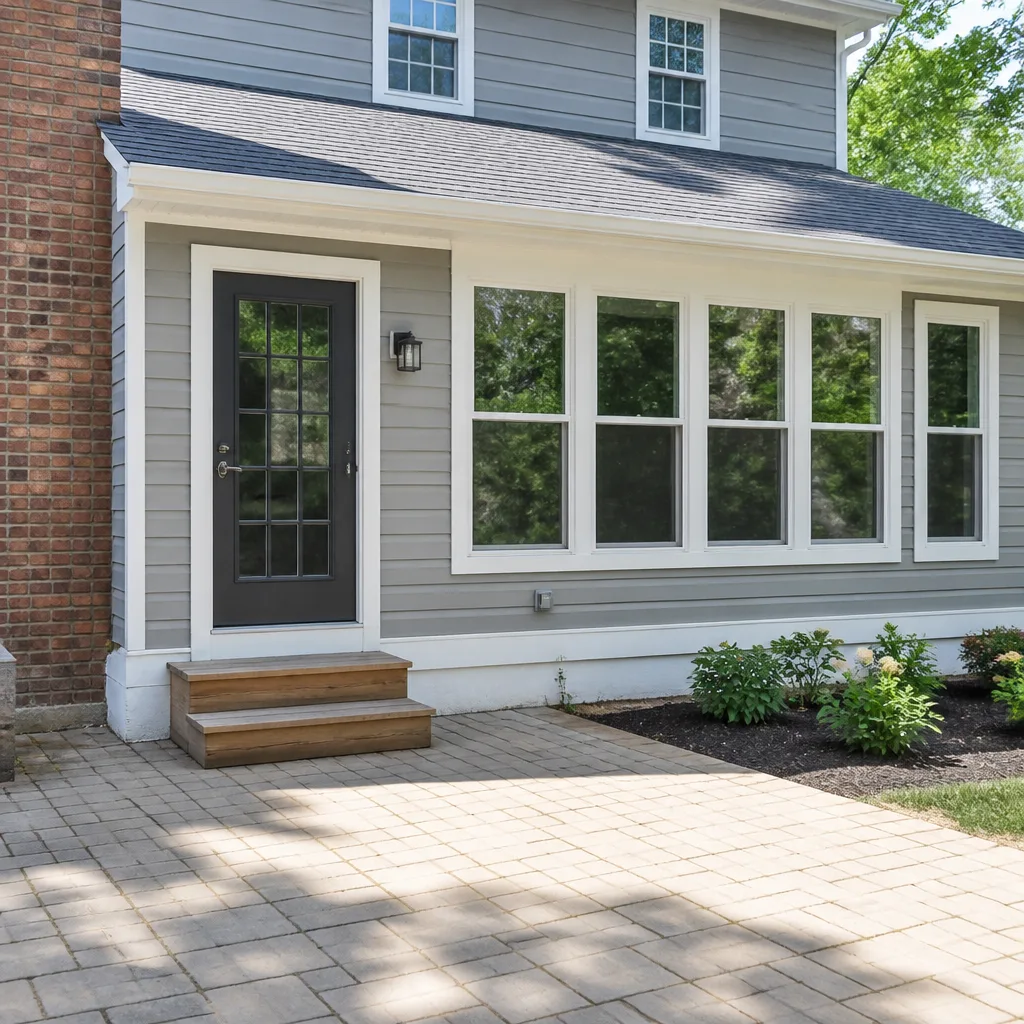 After
After Before
 After
After Before
 After
AfterWindow Installation Maintenance Schedule: What to Do and When
The maintenance schedule that came with your windows was written to satisfy a legal team, not to keep the windows functioning. It will tell you to clean the frames. It will not tell you that inspecting the exterior sealant joint in October, before the first heavy fog rolls into Columbus, is the single task most likely to prevent a water intrusion claim the following spring. A window’s 20- or 30-year lifespan is not automatic. It is the result of about 90 minutes of maintenance per year done at the right times, and skipping specific tasks in specific seasons is how warranties quietly get voided. This guide is organized around what Columbus weather actually does to windows, not what a generic product manual assumes.
Quick Answer
A window installation maintenance schedule after installation breaks into four seasonal tasks: spring sealant inspection before summer heat, summer track and weep hole clearing, October weatherstripping and exterior caulk inspection before fog season, and January hardware lubrication when cold makes moving parts stiffest. Done consistently, this is about 90 minutes of work per year and it protects both the window’s function and its warranty. Miss the October exterior sealant check two years running and you are inviting a water intrusion claim the manufacturer will likely deny.
Table of Contents
- Why the Manual Is Not Enough
- Spring Inspections: Before the Heat Arrives
- Summer Maintenance: Tracks, Weep Holes, and Screens
- October Sealant Inspection: The Task That Prevents Water Claims
- January Hardware: Lubrication When Cold Makes Things Stiff
- How to Test Weatherstripping Compression Without Tools
- How to Log Maintenance So It Holds Up If You Sell
- Which Skipped Tasks Can Void a Warranty
- Common Mistakes to Avoid
- When to Call a Professional
- Frequently Asked Questions
- The Bottom Line
Why the Manual Is Not Enough
Most window manuals are written for a national audience. They describe a climate that does not exist in any particular place. Columbus has a specific weather pattern: hot, humid summers that push 90 degrees for weeks at a time, cold snaps in January and February that make vinyl and aluminum contract, and a fog season that starts in October when warm days meet cooling nights. That combination is hard on windows in ways a generic manual will not address.
At TruePane Windows & Doors, we have spent years watching what Columbus weather does to window installations. The pattern is consistent. Sealant fails first on the west and south exposures where afternoon sun beats on the same joints day after day. Weatherstripping compresses fastest on windows that get opened and closed daily during spring and fall. Hardware stiffens in January when homeowners yank on a cold crank or a stiff sliding panel. None of this is in the manual that came in the box.
A window is not a set-it-and-forget-it appliance. It is a moving assembly with gaskets, sealant joints, drainage channels, and mechanical hardware. Each of those components has a service life shorter than the glass itself. The maintenance schedule below is built around extending those component lives so they match the glass, not fail years before it.
Spring Inspections: Before the Heat Arrives
In Columbus, spring is the season when winter damage shows up and summer problems get seeded. The ground thaws. Frames shift slightly. Sealant that cracked during January’s freeze-thaw cycles becomes visible. This is the time to find those problems, because a 75-degree spring day is far easier to do repairs in than a 92-degree July afternoon when sealant gets soft and uncooperative.
Here is the spring inspection sequence we recommend, and it takes about 30 minutes for a typical Columbus home with 12 to 15 windows:
- Check interior frame corners and sills for moisture staining. Winter condensation often leaves a faint waterline on the sill or a darkened corner on the drywall adjacent to the frame. If you see it, the window is either leaking or the interior humidity is too high for the glass package. Either way, it needs attention before summer humidity arrives.
- Inspect exterior caulk and sealant joints. Walk the perimeter of the house and look at every window joint. Hairline cracks in the sealant, especially on south and west facing windows, are the earliest sign that water will find a way in. This is also when you spot separation between the frame and the brick or siding.
- Open every window and check the operation. After a winter of being closed, sashes can stick, balances can lose tension, and crank mechanisms can feel stiff. Open each window halfway and listen. A grinding sound means the track is dirty. A sudden drop means a balance is failing.
- Clean the tracks and check the weep holes. Weep holes are the small drainage openings at the bottom of the exterior frame. If they are clogged with dirt or insect debris, water pools inside the track and eventually finds its way into the wall cavity. A bent paperclip or a can of compressed air clears them.
- Check and clean screens. Torn screens do not affect window function, but they do affect ventilation. Columbus summers mean open windows at night. A screen with a quarter-sized hole lets in mosquitoes and moths. Repair kits cost less than $15, or you can have them re-screened at a local hardware shop.
Spring is also the time to schedule any window replacement in Parkway if you have found damage that is beyond repair. Getting on a schedule early means the work is done before the peak summer heat, when living without a functioning window for even a day is uncomfortable.
Summer Maintenance: Tracks, Weep Holes, and Screens
Columbus summers test windows in ways the other seasons do not. Heat causes frames to expand. Humidity makes wood swell and encourages mold in damp tracks. Dust and pollen from spring settle into the tracks and mix with condensation to form a gritty paste that grinds against rollers and slides. The maintenance tasks for summer are less about finding damage and more about keeping things moving freely when the windows are in heavy use.
A monthly summer check takes about ten minutes and follows this order:
- Vacuum the tracks on every window that opens. Use a soft brush attachment. Get into the corners where dirt accumulates. For sliding windows and patio doors, pay extra attention to the roller track at the bottom, since a single grain of sand there can score the roller and cause the panel to drag.
- Wipe down weatherstripping with a damp cloth. Do not use solvents or abrasive cleaners. Weatherstripping is a rubber or foam gasket and harsh chemicals accelerate its breakdown. A damp cloth is enough.
- Check weep holes after every heavy rain. Columbus gets summer thunderstorms, and a downpour can wash debris into the weep holes within hours. If you see standing water in the track after a rain, the weep holes are blocked. Clear them immediately.
- Inspect screens for holes and tears. Summer is when screens do their real work. Repair or replace any screen with damage larger than a pencil eraser. If the frame itself is bent or the spline is pulling out, a full re-screen is more cost-effective than a patch.
- Lubricate moving parts sparingly. A dry silicone spray on hinges, cranks, and sliding tracks once at the start of summer keeps everything moving without attracting dust. Do not use WD-40 or oil-based lubricants, which gum up in heat and collect dirt.
If you have impact windows, summer is also the time to check the laminated glass for any delamination starting at the edges. A faint white haze along the glass edge is the earliest sign. Here in Columbus, the humidity accelerates delamination in lower-quality laminates. If you see it, have it evaluated before the next hurricane season hardens a small problem into a full glass replacement.
October Sealant Inspection: The Task That Prevents Water Claims
Of all the maintenance tasks in this schedule, none matters more in Columbus than the October sealant inspection. This is the single task most likely to prevent a water intrusion claim the following spring. Here is why: Columbus fog season starts in October. Warm days and cooling nights produce heavy morning fog that settles on every exterior surface for hours at a time. That fog finds every crack, every separation, every pinhole in the sealant around your windows.
Fog is not like rain. Rain hits the window and runs off. Fog condenses on the surface and sits there, and capillary action draws the moisture into any gap it can find, no matter how small. A sealant joint that has begun to crack or separate becomes a wick, not a dam.
The October inspection is simple. Walk the exterior of the house with a flashlight, even in daylight, because the low angle of October sun creates shadows that make cracks easier to see. Look at the sealant joint where the window frame meets the house. Here is what three different conditions mean:
- Hairline cracking in the sealant surface but no separation from the frame or siding. This is cosmetic aging. You have six to twelve months to schedule a re-seal. Do not ignore it, but do not panic.
- Separation where the sealant has pulled away from one surface. This is a functional failure. Water can get behind the sealant and sit against the frame. You need to address it within 30 days, before winter freeze-thaw cycles force the gap wider.
- Discoloration or black staining on or around the sealant. This is mold or mildew, and it means moisture is already accumulating in the joint. The sealant has failed, and the joint needs to be cut out, cleaned, dried, and re-sealed within 30 days.
One of the reasons we include this in every window installation in Parkway is that we see the same failure pattern year after year: a homeowner skipped the October check, water worked its way behind the frame over the winter, and by April there is soft drywall and a warranty claim the manufacturer denies because the sealant joint was not maintained. Thirty minutes in October prevents that.
January Hardware: Lubrication When Cold Makes Things Stiff
Columbus January temperatures regularly drop into the teens. Metal contracts. Lubricants thicken. Rubber and vinyl get stiff. This is the month when homeowners force a crank that will not turn, yank a sliding panel that will not glide, and slam a sash that will not close. The result, every winter, is a call to us about broken hardware that was perfectly functional in November.
Cold weather does not break window hardware. Force breaks it. The prevention is a short January maintenance routine.
- Do not force anything. If a crank, lock, or sliding panel will not move with normal pressure, stop. Forcing it is how handles snap, worm gears strip, and rollers crack.
- Apply a dry silicone lubricant to all moving hardware. Hinges, crank mechanisms, locking points, and sliding tracks. Dry silicone stays effective at low temperatures and does not attract dust. Hold a rag behind the mechanism to catch overspray.
- Check that multi-point locks engage in sequence. On casement windows and some patio doors, the lock has multiple points that engage one after another. In the cold, the metal parts contract slightly, and a lock that engaged smoothly in August can hang up in January. Operate it slowly and listen. If one point is hanging, the window may need a minor adjustment.
- Check the weatherstripping for frost or ice adhesion. If the seal is freezing to the frame, do not break the window open. That rips the gasket. Instead, run a hair dryer on low along the joint for a minute or two to release it. Then apply a thin coat of silicone grease to the gasket to prevent it sticking again.
If hardware is still stiff after lubrication, or if something has already broken, that is a repair call, not a maintenance task. And manufacturers like Andersen, Pella, and Marvin all cover hardware defects under their warranties, but only if the failure was not caused by forcing the mechanism. When in doubt, call before you pull harder.
How to Test Weatherstripping Compression Without Tools
Weatherstripping is the rubber, foam, or brush seal that runs around the operable edges of a window. It is what keeps conditioned air in and outside air out. It is also the component that wears fastest, because every open and close cycle compresses it. When it loses its compression, the window is no longer sealing, and you are paying to heat or cool air that leaks out around the edges.
The test takes thirty seconds and requires no tools.
- Close and lock the window. It must be fully closed and locked for the test to be valid.
- Hold a single dollar bill between the sash and the frame where the weatherstripping sits. Position it so about two inches of the bill is inside the room and the rest is outside.
- Try to slide the bill along the seal. If it moves freely, the weatherstripping is not compressing enough and the window is leaking air at that point. If it resists strongly and you cannot move it without tearing, the seal is still holding.
- Repeat at three points on each operable edge: top, middle, and bottom. Weatherstripping often wears unevenly, so a seal that holds at the top can be completely dead at the bottom corner.
What the result tells you: a bill that slides freely at any point means the weatherstripping has lost its compression, and the fix is either a new gasket or an adjustment to the sash. Most manufacturer gaskets are replaceable, and the part is usually inexpensive. The labor is what costs money, because the sash has to come out to replace the seal properly. This is a common request on older Columbus homes where original windows have seen fifteen or twenty years of Ohio weather.
Weatherstripping replacement is also one of the highest-return maintenance items for energy cost. A window with a dead seal leaks air 24 hours a day. Replacing a gasket that costs less than $20 often pays for itself within the first season’s heating or cooling bills.
How to Log Maintenance So It Holds Up If You Sell
A documented maintenance record affects buyer confidence during a home sale. In the Columbus market, homes with windows that have a maintenance history sell differently than homes where the windows are a mystery. Buyers do not know if a 25-year-old window was cared for or neglected, and real estate professionals notice when a homeowner can produce records.
The log does not need to be elaborate. A simple notebook, a spreadsheet, or a note on your phone works. What matters is that it exists and contains specific information. For each maintenance event, record:
- The date of the inspection or maintenance.
- Which windows were inspected or serviced, by location if you have a large home.
- What you did: cleaned tracks, lubricated hardware, inspected sealant, replaced weatherstripping, cleared weep holes.
- What you found: even if the answer is “no issues,” write that down. A record of consistent clean inspections is evidence of care.
- Any repairs made and who performed them.
- Any parts replaced and the manufacturer part number if you have it.
This log matters enormously if you ever need to file a warranty claim. Manufacturers like Milgard and Pella may ask for evidence that the window was maintained per their guidelines. A dated log that shows seasonal inspections and timely repairs is exactly the evidence that supports a claim. Without it, the manufacturer has grounds to argue that neglect caused the failure.
The log also matters if you sell the home. When a buyer sees a folder with ten years of window maintenance records, they stop asking questions about the windows. They can see that the property was cared for by someone who paid attention. In negotiations, that shortens the back-and-forth and reduces the chance of a repair credit demand. You have done the work. The log proves it.
Which Skipped Tasks Can Void a Warranty
Window warranties are not unconditional. They are contracts with maintenance requirements buried in the fine print, and manufacturers do deny claims when a homeowner has skipped required upkeep. Here is the section most people have never read.
The tasks that matter most for warranty protection:
- Exterior sealant maintenance. Most window warranties include language stating that the homeowner is responsible for maintaining the sealant joint between the window and the structure. If water damage occurs because the sealant cracked and was not repaired, the manufacturer will point to that clause. The window defect is no longer the issue; the failed maintenance is.
- Weep hole clearing. Weep holes are part of the window’s drainage system. If they are clogged and water backs up into the frame or the wall, that is an installation or maintenance failure, not a manufacturing defect. Keep them clear, and document that you do.
- Hardware lubrication. Some manufacturers specify that moving hardware must be lubricated periodically. A broken crank or stripped operator resulting from an unlubricated mechanism can be denied as neglect.
- Condensation management. Interior condensation is usually a humidity issue, not a window defect. If you have persistent condensation on the interior of the glass and do nothing about it, and the damage spreads to the frames or sills, the warranty will not cover the resulting damage because the cause was environmental.
- Glass cleaning. Some warranties require that glass be cleaned periodically to prevent hard water staining, mineral deposits, or seal degradation from standing moisture. It sounds minor, but a documented pattern of never cleaning the glass can be cited in a seal failure claim.
This is not paranoia. We have seen manufacturers deny legitimate claims because the homeowner could not show that the weep holes were ever cleared. The Done Right Promise that TruePane stands behind covers our workmanship on every job, and door installation in Parkway carries the same standard, but your long-term warranty protection depends on what you do after we leave. The schedule above, done consistently and logged, is what keeps a warranty enforceable.
Common Mistakes to Avoid
- Skipping the October sealant inspection because it looks fine from the street. You cannot see a failing sealant joint from ten feet away. You need to be close enough to touch it. A joint that looked fine in August can hairline-crack by late October after the first temperature swings.
- Using the wrong lubricant. WD-40 and other oil-based sprays are not window lubricants. They attract dust, gum up in cold weather, and can degrade some rubber compounds. Use dry silicone only.
- Painting over window components. Paint seals weep holes shut, glues weatherstripping to the frame, and voids warranties. If you paint window frames, mask the moving parts and the drainage openings.
- Forcing frozen or stiff windows. Every winter in Columbus, someone breaks a crank or rips a gasket by forcing a window that was frozen shut. Cold does not break hardware. Force does.
- Ignoring condensation. Routine condensation on cold mornings is normal. Condensation that persists through the day, runs down the glass, or pools on the sill is a warning sign. It can indicate a seal failure, a humidity problem, or poor ventilation, and ignoring it for a season leads to mold and frame damage.
- Keeping no written record. A maintenance log costs nothing and takes two minutes to update. Without it, you have no evidence of care when a warranty claim or a home sale requires it.
- Treating all sealant cracks the same. A surface hairline crack and a separation from the frame are different problems with different timelines. Treating both as “I’ll get to it someday” is how a small re-seal becomes a water damage repair.
When to Call a Professional
Most of the maintenance in this schedule is simple and safe to do yourself; see our Window Installation Troubleshooting: Common Problems and How to Fix Them for more detail. Some situations warrant a professional. Call a glazier if you see water staining on interior drywall around a window, because the leak is already inside the wall cavity and the window needs to be pulled to assess the damage. Call if a sash is cracked, warped, or no longer sits square in the frame, or if fog has developed between the panes of a double-glazed unit, which means the seal has failed and the glass package needs replacement. Call if hardware is broken rather than stiff, since forcing a repair on damaged hardware usually makes it worse. TruePane Windows & Doors offers free estimates in Columbus. Call (888) 635-0804 and we will tell you what you are looking at, in plain terms, with the repair cost written down before we touch anything.
Frequently Asked Questions
Four times a year: a full inspection in spring, monthly track and weep hole checks through summer, a sealant inspection in October before fog season, and hardware lubrication in January. Each session except the spring inspection takes ten to thirty minutes. Total time commitment is about 90 minutes per year for a typical Columbus home.
Skipping the October sealant inspection. Fog season in Columbus puts moisture against every exterior window joint for hours at a time, and a small sealant separation becomes a water intrusion problem over the winter. The fix in October is usually a re-seal. The fix in April is drywall repair and a complicated warranty conversation. Call (888) 635-0804 for a free estimate if your sealant shows separation.
Yes. Most manufacturer warranties require the homeowner to maintain exterior sealant, clear weep holes, and keep hardware lubricated. If a failure is traced to neglected maintenance, the claim can be denied even when the window itself had a defect. A dated maintenance log is your best protection in that situation.
Close and lock the window, then try to slide a dollar bill between the sash and frame along the weatherstripping. If the bill moves freely, the seal is not compressing and the weatherstripping needs replacement. A bill that resists strongly means the seal is still working. Test at multiple points, since seals wear unevenly.
Dry silicone spray. It works in cold temperatures, does not attract dust, and is safe for rubber and vinyl components. Avoid WD-40 and oil-based lubricants, which collect dirt and thicken in January.
Yes. We service, repair, and tune up windows and doors from any manufacturer and any original installer. We are authorized installers for more than a dozen lines including, and we will tell you honestly whether a window is worth repairing or should be replaced. Call (888) 635-0804 to schedule a free estimate.
The Bottom Line
A window’s lifespan is a maintenance result, not a manufacturer promise; for more guides & resources, visit our blog. About 90 minutes of work per year, done at the right times, keeps sealant joints watertight, hardware moving, and weep holes draining. The October sealant inspection is the highest-leverage task in Columbus, because it prevents the water intrusion that becomes next spring’s claim. The January lubrication pass prevents the broken hardware that comes from forcing cold mechanisms. Log everything. A maintenance record protects your warranty, supports a claim, and gives a future buyer confidence. And when a task is beyond a homeowner’s comfort level, calling (888) 635-0804 gets you a straight answer and a written estimate, not a sales pitch.
Written by Dale Kessler, Owner at TruePane Windows & Doors, serving Columbus since 2008.