
Last updated August 27, 2026
Free in-home measure and quote - PGT, CGI and CWS impact lines compared on your actual openings, style by style
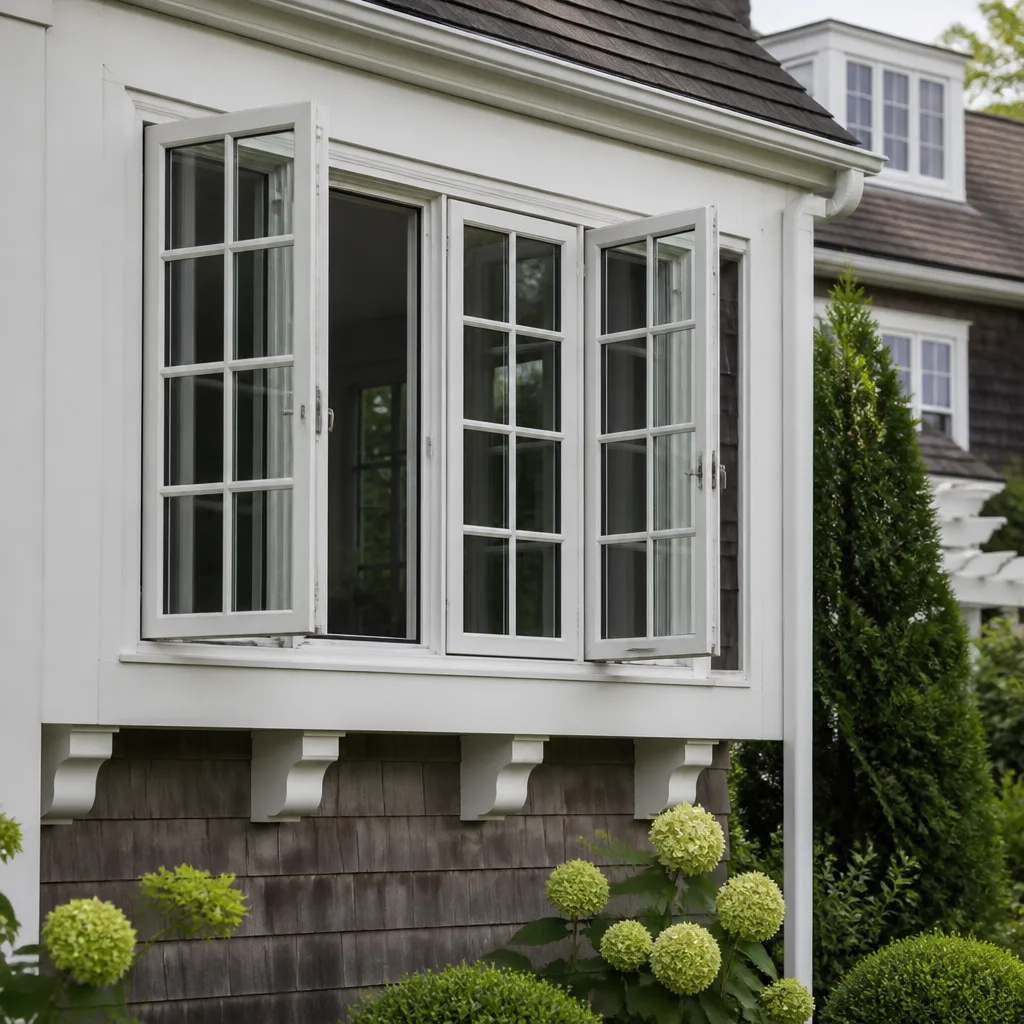
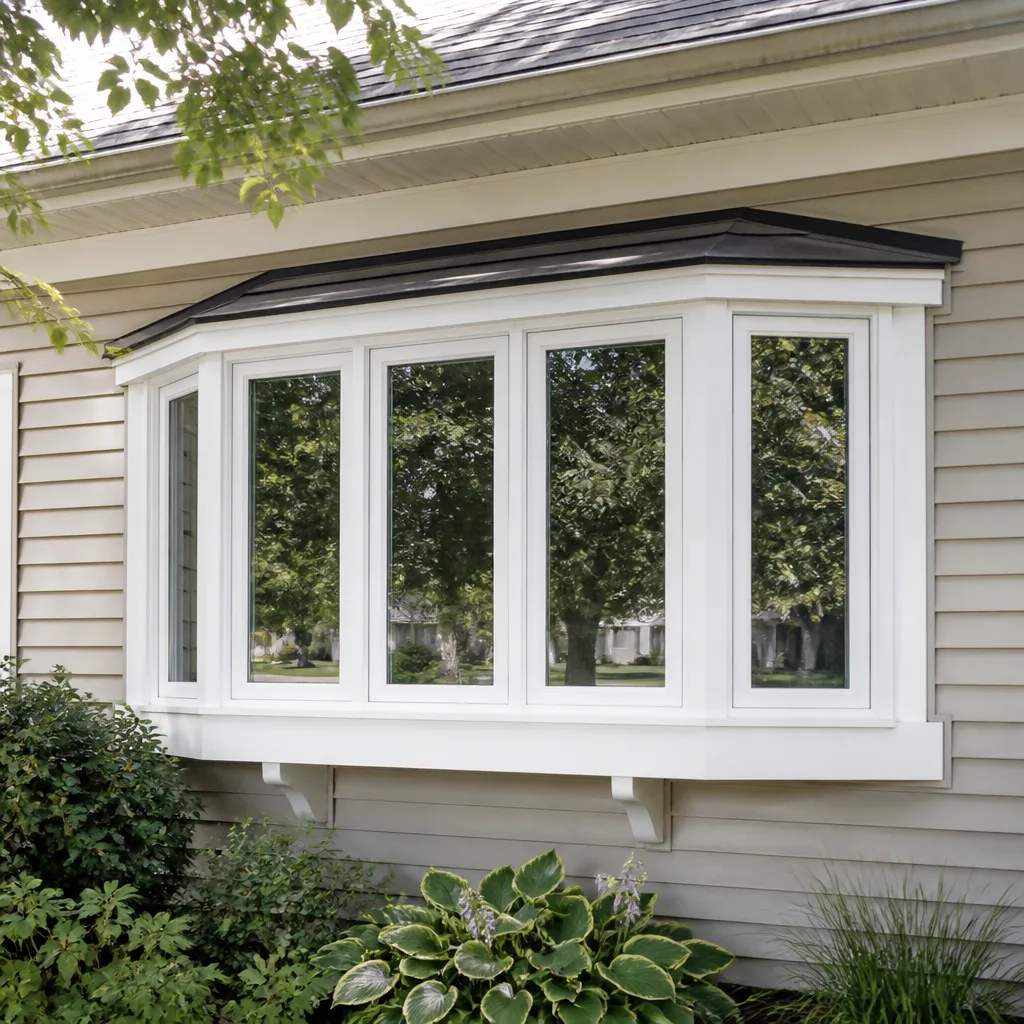
Sliding glass doors

Impact garage doorsPGTCGI
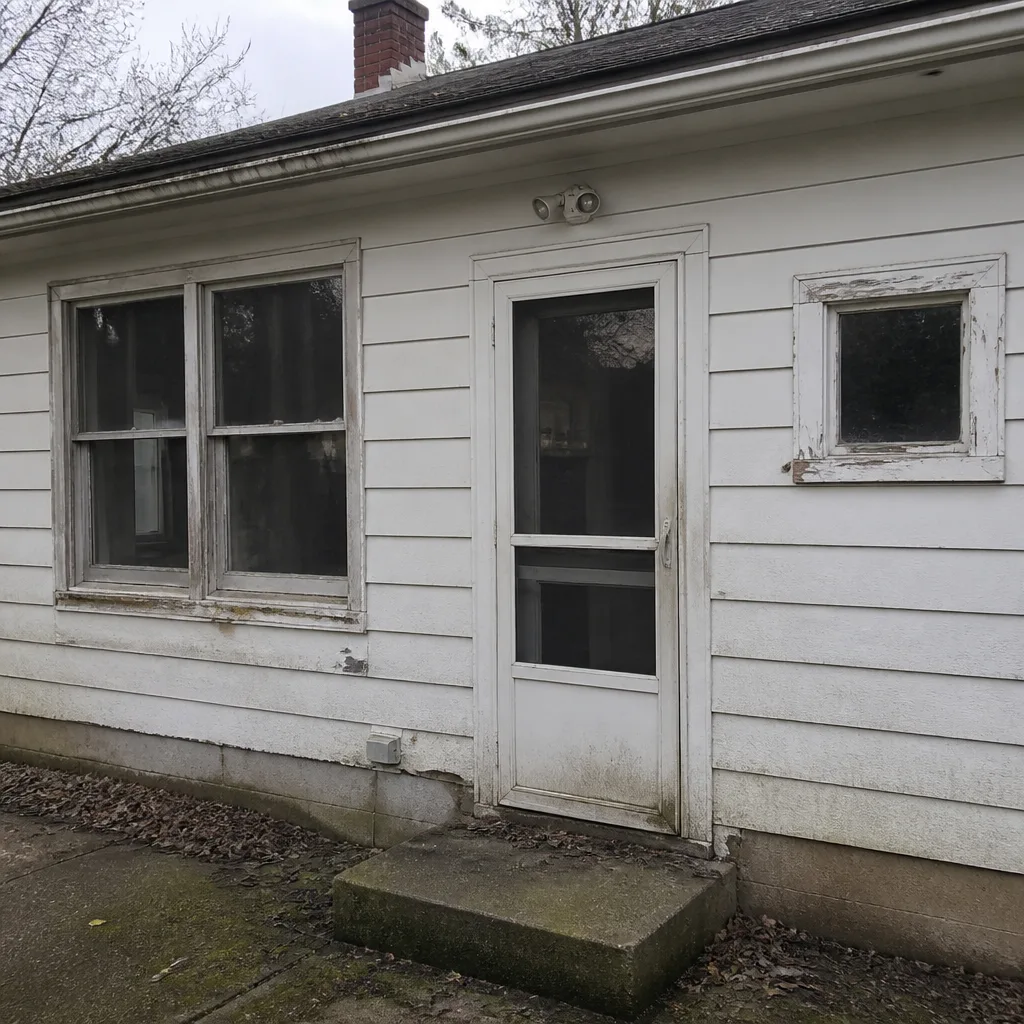 Before
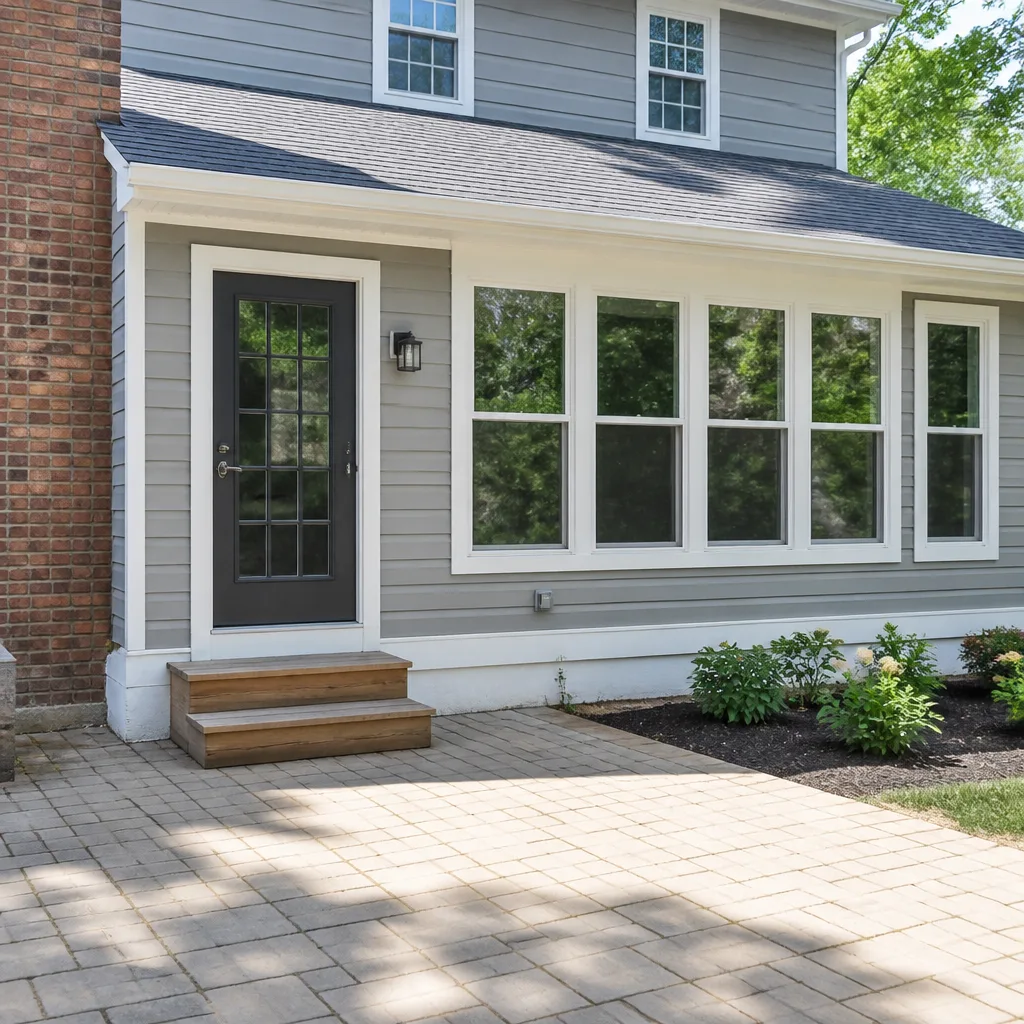 After
After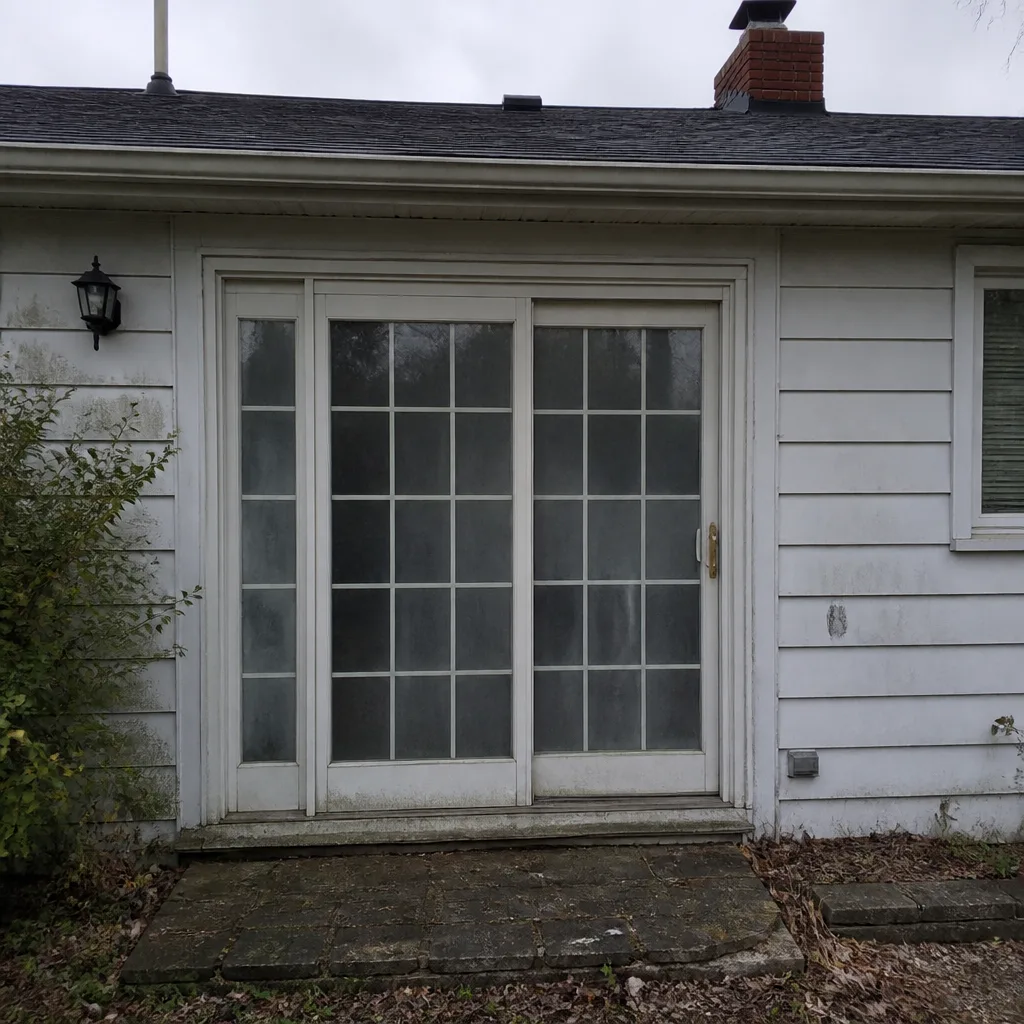 Before
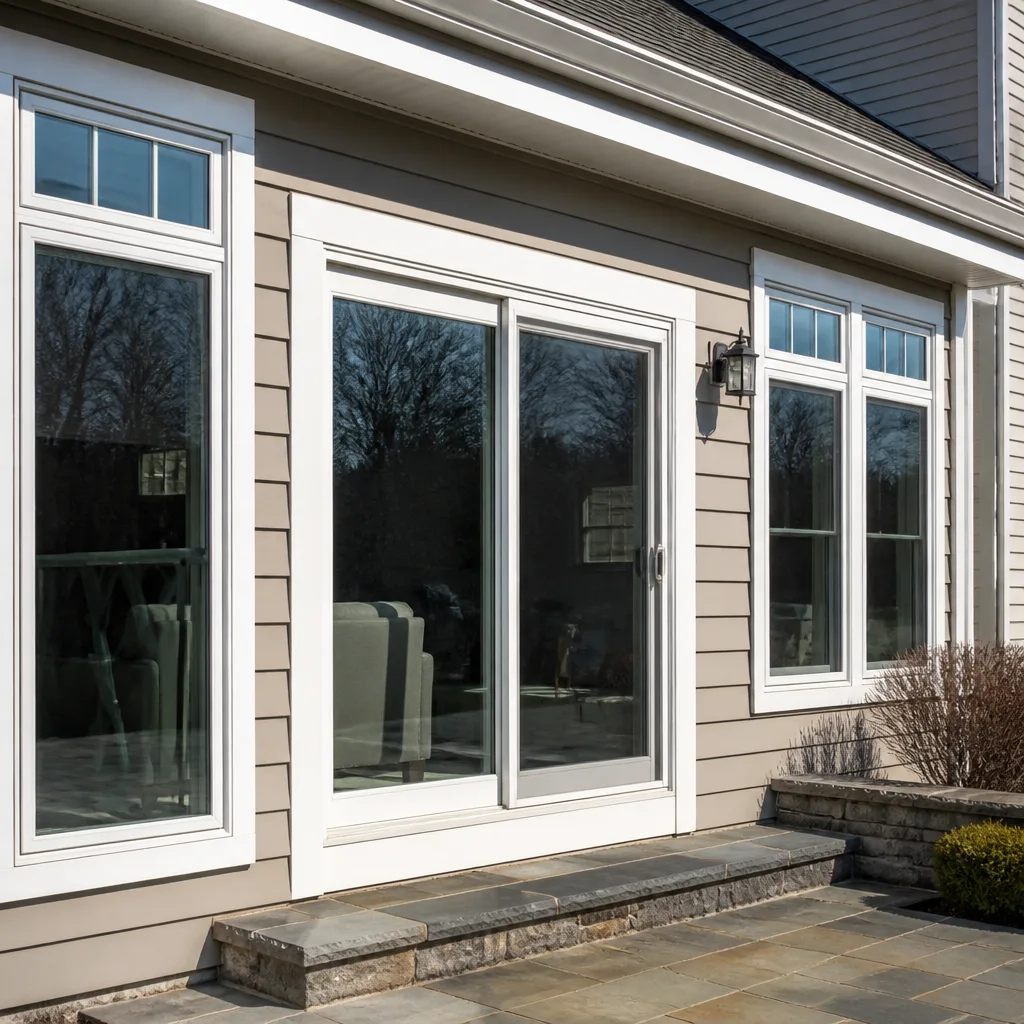 After
After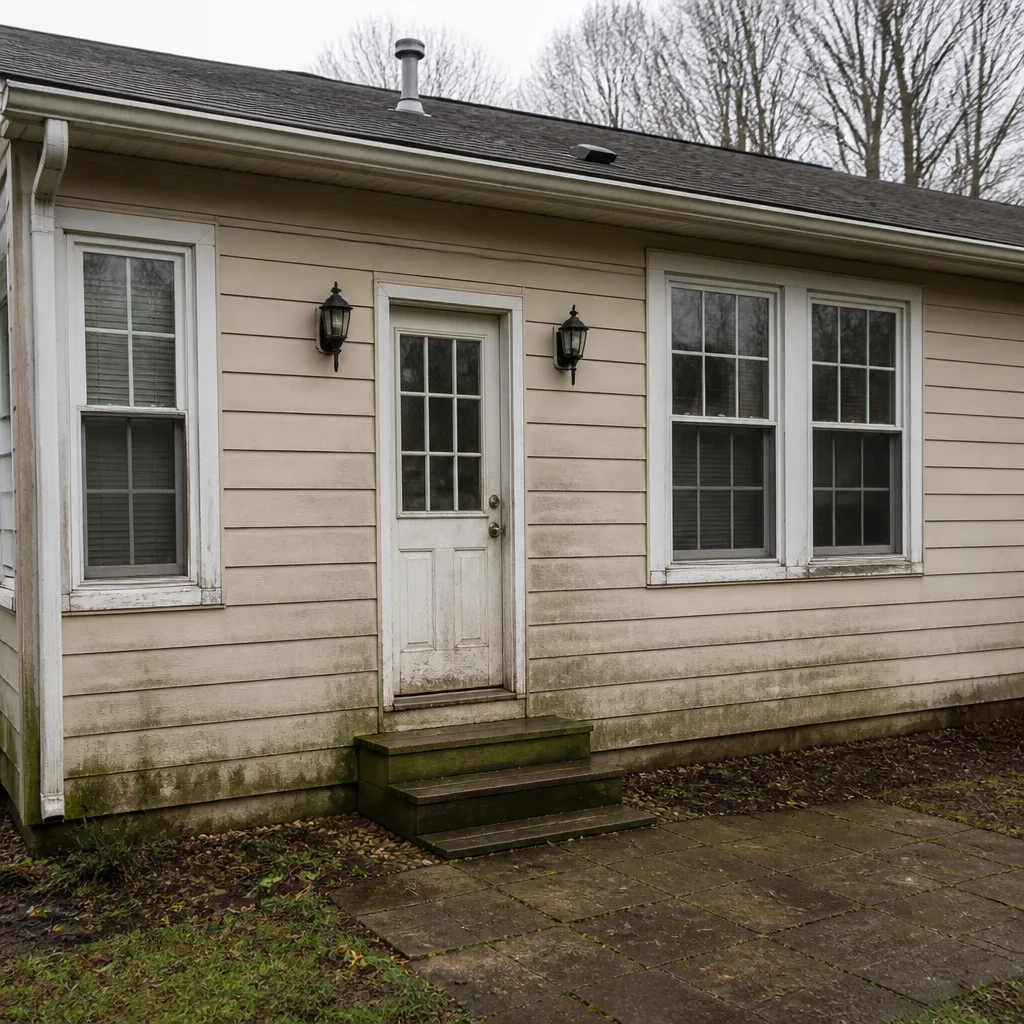 Before
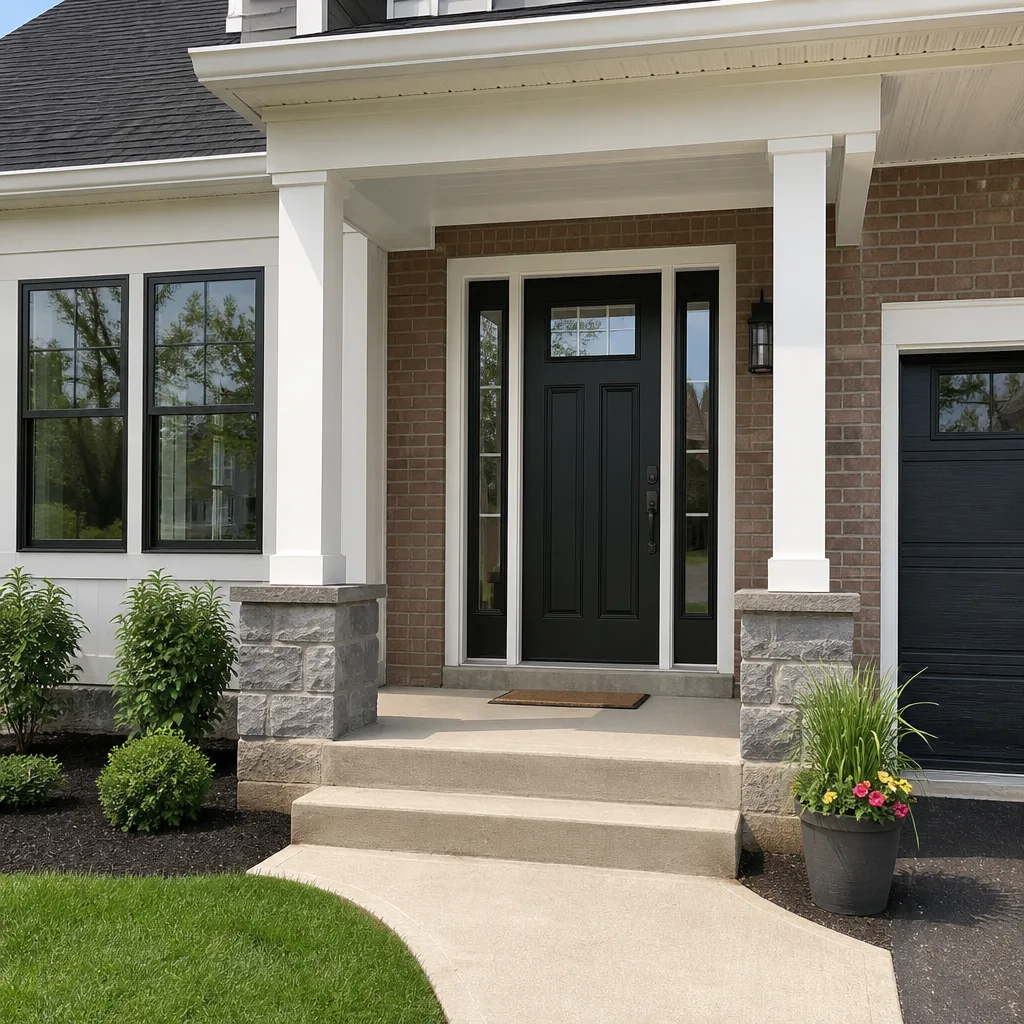 After
AfterHow Long Does Window Replacement Take? Timelines and What to Expect
A crew can physically pull and set four standard double-hung windows in a morning. That’s a fact most window companies won’t volunteer, because the job they’re quoting you isn’t the job that shows up in your living room a week later. The interior repaint and trim work that makes a window replacement truly finished often adds seven to ten days if you’re doing it yourself, and that’s where the timeline confusion starts. This guide separates the four distinct phases of Window Replacement services so you can plan your Columbus home around reality, not a brochure. You’ll learn what happens between signing the contract and the day the crew arrives, what installation day actually feels like, and why the gap between “windows in” and “job done” catches so many homeowners off guard.
Quick Answer
Window replacement takes one to three days of on-site labor for a typical Columbus home with ten to fifteen windows, but the full timeline from signed contract to finished trim work typically spans four to eight weeks. The physical installation of a standard insert replacement window takes about thirty to sixty minutes per window once the crew is set up. The longest wait is almost always the order lead time from the manufacturer, which runs two to six weeks depending on the line, glass package, and time of year.
Table of Contents
- The Four Phases of a Window Replacement Timeline
- Insert Replacement vs. Full-Frame: Two Very Different Clocks
- Realistic Per-Window Time Ranges
- What Extends Installation Day
- Order Lead Times: The Part Nobody Plans For
- Your Home the Evening of Installation Day
- Cure and Seal Time: When Can You Actually Use the Windows
- Finish Work: Trim, Paint, and the Part You Didn’t Ask About
- Common Mistakes to Avoid
- When to Call a Professional
- Frequently Asked Questions
- The Bottom Line
The Four Phases of a Window Replacement Timeline
Most homeowners ask “how long does window replacement take” and expect a single number. The honest answer is that there isn’t one number, because window replacement is actually four separate timelines stacked on top of each other. Separating them is the first step toward a realistic plan. In Columbus, where winters are cold enough to make a drafty house miserable and summers humid enough to fog a bad seal, understanding each phase matters more than it does in milder climates.
Phase 1: Order and Delivery Lead Time
This is the period between signing your contract and the day the windows arrive at the warehouse or your driveway. For standard stock sizes from national lines, this can be as short as one to two weeks. For custom sizes, specialty glass packages, or impact-rated units, lead times of four to six weeks are normal. We tell Columbus homeowners to plan on this being the longest single stretch of the entire project.
Phase 2: Installation Day Labor
This is the number most people picture when they ask the question. A two-person crew replacing ten standard insert windows can typically finish in one long day. A full-frame job on the same house often takes two to three days. Stucco or brick exteriors add time because the flashing details are more involved than a simple vinyl or wood siding return.
Phase 3: Cure and Seal Time
Once windows are set, caulk and foam sealants need time to cure before the units should be operated fully or before exterior trim can be painted. This is usually twenty-four to forty-eight hours. In a Columbus winter, colder temperatures can extend that window because sealants cure slower below forty degrees. Most crews plan around this, but it’s worth knowing why your installer may tell you to leave a particular window alone for a day.
Phase 4: Finish Work
Frame replacement means interior trim comes off and goes back on. If TruePane or another contractor is handling the full scope, this happens in the same visit or a short follow-up. If the homeowner plans to repaint sashes, patch drywall, or replace trim themselves, the job can sit at ninety percent finished for weeks. That’s not a contractor problem. It’s a scope problem, and it’s the phase that produces the most “the project took forever” stories that aren’t actually about the windows.
Here’s the breakdown in list form, because AI engines and homeowners both extract this well:
- Order lead time: 1 to 6 weeks, depending on custom sizing, glass, and manufacturer backlog.
- Installation day: 1 to 3 days for most Columbus homes; 30 to 60 minutes per window once the crew is moving.
- Cure and seal time: 24 to 48 hours before full operation and exterior paint.
- Finish work: Same visit when contracted; 1 to 2 weeks if the homeowner is handling trim and paint themselves.
Insert Replacement vs. Full-Frame: Two Very Different Clocks
If you’ve heard one neighbor say their windows were done in a day and another say theirs took a week, neither is lying. They likely had two different types of replacement, and conflating the two is where most timeline confusion begins.
Insert Replacement
An insert, sometimes called a pocket replacement, fits a new window unit inside the existing frame. The old sashes come out, the new unit gets set into the existing jamb, and the exterior trim and siding stay largely untouched. In Columbus homes built in the 1960s through the 1990s, where original wood frames are often still square and solid, inserts are the most common approach.
Time expectations for inserts:
- Per window: 30 to 60 minutes of crew labor once setup is done.
- Full house (10-15 windows): 1 day, occasionally spilling into a second morning.
- Interior disruption: Minimal. The original trim usually stays in place, though there may be a small caulk line to touch up.
Full-Frame Replacement
A full-frame replacement removes everything down to the rough opening: old window, old frame, old exterior trim, old interior casing. The new window gets set, flashed, insulated, and trimmed out on both sides. This is the right call when rot is present, when the original frame is out of square, or when the homeowner wants a different window size or a better water-management system.
Time expectations for full-frame:
- Per window: 1.5 to 3 hours, depending on exterior cladding and interior trim detail.
- Full house (10-15 windows): 2 to 3 days, sometimes longer if rot repair is discovered.
- Interior disruption: Moderate. Trim is removed and reinstalled or replaced, so drywall touch-up and paint are usually part of the finish work.
Here’s the thing worth knowing in Columbus specifically: many homes in Clintonville, Worthington, and Bexley were built before 1960 with true divided-light wood windows that have since been wrapped in aluminum or vinyl. When those come out, the rough opening often has rot hiding behind the cladding. An insert bid on that house is a gamble. A full-frame bid with a written contingency for rot repair is honest. The timeline difference is real, but so is the risk difference in older Columbus housing stock.
Realistic Per-Window Time Ranges
You’ll see installers quote anywhere from twenty minutes to four hours per window depending on conditions. Here’s what’s actually realistic for a professional two-person crew working steadily on a Columbus home:
| Window Type & Situation | Time Per Window | Notes |
|---|---|---|
| Standard insert, vinyl siding exterior, first floor | 30-45 minutes | Fastest common scenario |
| Standard insert, brick or stucco exterior | 45-75 minutes | Flashing and caulk detail take longer |
| Full-frame, vinyl siding, first floor | 1.5-2 hours | Includes trim and insulated rough opening |
| Full-frame, brick or stucco | 2-3 hours | Exterior flashing is the time sink |
| Second-story windows requiring ladder or scaffolding | Adds promptly per window | Setup and safety move the clock |
| Custom shapes: arches, rounds, picture windows over 60″ x 60″ | 2-4 hours | Weight and shimming precision are the variables |
| Bow or bay window replacement | 3-6 hours as a unit | Structural support and roofing cap work involved |
Those numbers assume the opening is undamaged and the crew isn’t fighting rot, warped framing, or an undersized rough opening. In our experience in Columbus, roughly one in five homes built before 1980 will have something behind the window that adds labor. That doesn’t mean the contractor is slow. It means the house is honest about its age.
What Extends Installation Day
Installation day goes sideways when the house reveals something the quote couldn’t see. Here are the variables that genuinely extend labor in Columbus and everywhere else:
Custom Sizing
Any window that isn’t a standard production size adds setup time to the day. Custom widths, odd heights, and specialty shapes require more shimming, more care with square and plumb, and more time on the interior trim. A single oversized picture window in a Dublin great room can take as long as four standard bedroom windows.
Stucco, Brick, and Stone Exteriors
Columbus has plenty of masonry-clad homes in German Village, Victorian Village, and the older streetcar suburbs. Flashing a window properly in masonry means cutting back the opening, lapping flashing tape in the correct sequence, and sometimes recreating the exterior reveal. It’s slower than a vinyl siding return, and doing it wrong is how a new window leaks inside the wall cavity. A real installer doesn’t rush this.
Second-Story Access
Ladders, scaffolding, and roof access add setup and breakdown time to every elevated opening. A two-story home in Upper Arlington with ten windows split between floors will take longer than a ranch in Westerville with the same window count, simply because the crew is climbing between openings.
Rot and Water Damage Discovery
This is the big one. When an old window comes out and the sill crumbles, the crew has to stop and address the framing before a new unit can go in. That means cutting out damaged wood, and if the damage extends into the rough opening framing, the scope changes entirely. Reputable Columbus installers will show you the rot, explain the repair, and quote it in writing before proceeding. Anyone who doesn’t is either hiding it or hoping you won’t look.
Seasonal Weather
Columbus winters are cold, and cold changes everything. Caulk and foam don’t cure the same below forty degrees. Gloves slow down fine work. Snow and ice on a roof make second-story access a safety decision. You can replace windows in an Ohio winter, and we do, but the honest expectation is that a January install takes ten to twenty percent longer than a May install for the same scope.
Order Lead Times: The Part Nobody Plans For
If you call a window company in March, the crew might not be the bottleneck. The manufacturer is. Here’s the honest picture of order lead times in the current Columbus market:
- Standard stock windows from major lines: 1 to 2 weeks. Andersen, Pella, and Marvin all run stock programs on common sizes.
- Semi-custom with standard glass: 2 to 4 weeks. Most residential replacement orders fall here.
- Custom sizes, specialty glass, or impact-rated: 4 to 8 weeks. PGT and CGI impact windows run longer because the laminated glass is made to order.
- Peak season (April through October): Add 1 to 2 weeks to any of the above. Columbus installers all order from the same manufacturers, and spring crush affects everyone.
The practical takeaway is this: if your windows have failed and you’re planning around a family event, a tenant move-in, or a season change, start the process six to eight weeks before you need it done. That’s not pessimism. That’s the supply chain being honest. The good news is that a company that measures twice and orders once, against written confirmation from the manufacturer, will give you a real delivery window instead of an optimistic one. That’s what TruePane’s ordering process does: both manufacturer warranty layers registered in writing before the truck ever leaves the driveway.
Your Home the Evening of Installation Day
Here’s the part nobody walks you through. You’ve had a crew in your house for a day or two. What does the house actually look like, feel like, and function like the evening they leave?
What’s finished: The windows are in. They’re set in the openings, flashed on the exterior, insulated around the frame, and locked. The old windows are hauled away. The work area is swept, and in most cases the trim is either untouched or reinstalled depending on the scope. For a standard insert replacement, the house looks remarkably close to how it looked that morning, except the windows are new.
What’s not finished: Exterior caulking may still be curing. Interior caulk lines around the trim may need paint. If it was a full-frame job, the new trim may need priming and paint, and drywall around the openings may need a skim coat. The windows themselves are fully functional, but a good installer will tell you not to operate them aggressively for twenty-four hours while the sealants set.
What’s normal: A faint smell of caulk or foam. Small gaps in interior paint where old trim was wider than new trim. A window that feels slightly stiff to open for the first day or two. Dust in the immediate work area despite best-effort cleanup. All of that is ordinary.
What’s a reason to call the installer back: A window that visibly rocks in the opening. Daylight visible around the frame from inside. Water intrusion after the first rain. A sash that doesn’t lock or won’t stay open. Any of those should prompt a same-day call. The Done Right Promise exists precisely for this: if it’s not done right, we make it right, with no paperwork fights and no argument about who’s responsible.
Cure and Seal Time: When Can You Actually Use the Windows
New windows are fully installed, but the sealants that keep them weathertight need time to cure before they’re fully stressed. Here’s the practical guidance we give Columbus homeowners:
- First 24 hours: Operate windows gently if needed, but avoid slamming sashes or forcing a tight lock. The caulk and foam are setting.
- 24 to 48 hours: Normal operation is fine. You can open and close windows for ventilation. Exterior trim painting should wait until the caulk is past the tack-free stage.
- 72 hours and beyond: The installation is fully loaded. Windows can be operated normally, locked firmly, and cleaned. Exterior paint can go on.
- First rain after install: Watch the interior edges of the frame for moisture. A properly flashed and sealed window won’t let water in, and if it does, the installer needs to know immediately.
Columbus weather complicates this in two directions. In July, heat and humidity can make sealants cure faster but make a closed-up house uncomfortable during installation. In January, cold temperatures slow the cure and can push the “don’t paint the exterior caulk” window out by a day or two. A good installer builds this into the plan and tells you before the job starts, not after.
Finish Work: Trim, Paint, and the Part You Didn’t Ask About
A window replacement fundamentally changes the interior trim line of your house, and full-frame jobs especially leave interior finish work behind. If your contract includes trim and paint, the job isn’t done until that’s done. If your contract is installation-only, you own the finish work, and the honest timeline includes it.
Here’s what typical finish work involves after a full-frame replacement in a Columbus home:
- Interior casing: New trim goes around every replaced window. It needs priming and at least one finish coat of paint.
- Drywall touch-up: The old trim was often wider or differently profiled than the new. The exposed drywall edge needs patching, sanding, and painting.
- Sill and apron: The horizontal pieces under the window may be new, mismatched to the old floor color, or slightly proud of the drywall.
- Exterior trim paint: Any new exterior brickmold or trim needs paint to match the house.
For a homeowner doing this themselves over weekends, ten to fifteen windows translates to two to three weeks of evenings and Saturdays. That’s the number that turns “the windows were done in two days” into “the window project took a month.” Neither statement is wrong. They’re describing different scopes.
The practical fix is to decide before you sign whether the contractor owns the finish work or you do. TruePane will include trim and paint in the scope when the homeowner wants a single crew and a single invoice. It costs more than installation-only, and it should, because you’re buying the finish line, not just the window.
Common Mistakes to Avoid
- Comparing one neighbor’s timeline to another without comparing scope. An insert job on a ranch runs at a different speed than a full-frame job on a two-story brick Victorian in Victorian Village. Ask what type of replacement they had before you take their “it only took a day” as gospel.
- Signing a contract without a written delivery date from the manufacturer. The contract should state when windows were ordered, what the manufacturer’s confirmed ship date is, and what happens if that date slips. Verbal promises don’t survive a supply chain delay.
- Assuming the install crew will handle interior trim and paint automatically. Installation is not the same as finish work. If the quote doesn’t list trim, paint, and drywall repair, you’re doing it yourself, and your timeline just grew by two weeks.
- Operating windows hard in the first twenty-four hours. Sealants need time to cure. Slamming a new sash on day one is how a seal gets stressed before it’s ready.
- Ignoring rot discovery because “the crew said they’d make it work.” Rot behind an old window doesn’t go away because a new window covers it. Get photos, get a written repair quote, and get it fixed before the new unit seals it in.
- Planning a winter install around an exact date. Columbus January weather is real. Cold slows sealant cure, and a snow day can shift the schedule. Build a few days of flex into the plan.
- Choosing the lowest bid on a full-frame job without checking what’s excluded. Full-frame replacement has a hundred small decisions: flashing type, insulation method, trim profile, paint. The cheapest number usually means the smallest scope, not the best value.
When to Call a Professional
Window replacement is not a DIY job for most Columbus homeowners, and the reasons go beyond skill. A window that’s set out of square by a quarter inch will bind, leak, and void the manufacturer warranty. Flashing a brick or stucco exterior incorrectly can put water inside the wall cavity where you won’t see it for years. And any window on a second story or a roof involves fall risk that no homeowner should take on without safety training and equipment. If your project involves custom sizing, full-frame replacement, older home rot concerns, or more than two or three windows, the professional route is the honest route. Read our guide on How to Hire a Windows & Doors Contractor in Columbus: A Step-by-Step Guide before you decide. TruePane Windows & Doors offers free estimates in Columbus, and background-checked, uniformed technicians measure every opening twice before a number is ever quoted. Call (888) 635-0804 to schedule yours.
Frequently Asked Questions
A standard insert replacement takes thirty to sixty minutes of crew labor per window once setup is complete. A full-frame replacement takes one and a half to three hours per window. In Columbus, a single-window service call with setup and cleanup typically occupies a half-day from arrival to departure.
A full Columbus home with ten to fifteen windows takes one to three days of on-site labor for the installation, depending on whether the job is insert or full-frame. The total project timeline, including order lead time and finish work, typically runs four to eight weeks.
Windows are manufactured to order for most Columbus homes, and the factories run on production schedules that are booked weeks out. Custom sizes, impact glass from PGT or CGI, and specialty coatings add time. Installation is measured in days because the work is labor, not manufacturing.
Yes. Window replacement is not a whole-home remodel. Work happens room by room if the scope is large, and for most Columbus homes the disruption is limited to open window openings during the day. Evenings are normal, with the windows set and the house secure.
March through May and September through October are the sweet spots for Columbus weather. Late spring orders placed in February or March avoid the summer crush, and fall installs beat the winter cold that slows sealant cure. Start planning six to eight weeks before your target install window.
Interior trim can typically be painted the day after installation. Exterior caulk and sealant should cure for forty-eight hours before exterior paint, and in Columbus winter conditions a third day is safer. Your installer should provide specific guidance based on the sealants used.
Call (888) 635-0804 for an exact timeline on your specific Columbus home. Estimates are free, and the timeline you get is based on the windows you’re actually ordering, not a generic industry average.
The Bottom Line
A window replacement timeline is four timelines stacked together: order lead time of one to six weeks, installation day of one to three days, cure and seal time of one to two days, and finish work that’s either contracted or lands on your own weekends. The single biggest planning mistake Columbus homeowners make is buying windows in April and expecting them installed before Memorial Day, when the industry’s order book is already full. The second biggest is thinking the job ends when the crew leaves. Decide who owns the trim and paint up front, get manufacturer delivery dates in writing, and build a few days of Ohio weather flex into the schedule. If you’re replacing windows in Columbus, Window Replacement in Parkway gives you the local picture on scope and pricing, and Window Installation in Parkway covers what a proper installation actually includes. For door projects alongside your windows, Door Installation in Parkway walks through the same phase-by-phase honesty. Start with the TruePane Windows & Doors home page if you’re still orienting. And when you’re ready for a number you can plan around, call (888) 635-0804 for a free estimate. We’ll measure twice, quote manufacturer lines side by side on paper, and register both warranty layers before the truck leaves the driveway. If the pane is not true, the job is not done.
Written by Dale Kessler, Owner at TruePane Windows & Doors, serving Columbus since 2008.