
Last updated August 15, 2026
Free in-home measure and quote - PGT, CGI and CWS impact lines compared on your actual openings, style by style
Sliding glass doors
Impact garage doorsPGTCGI
 Before
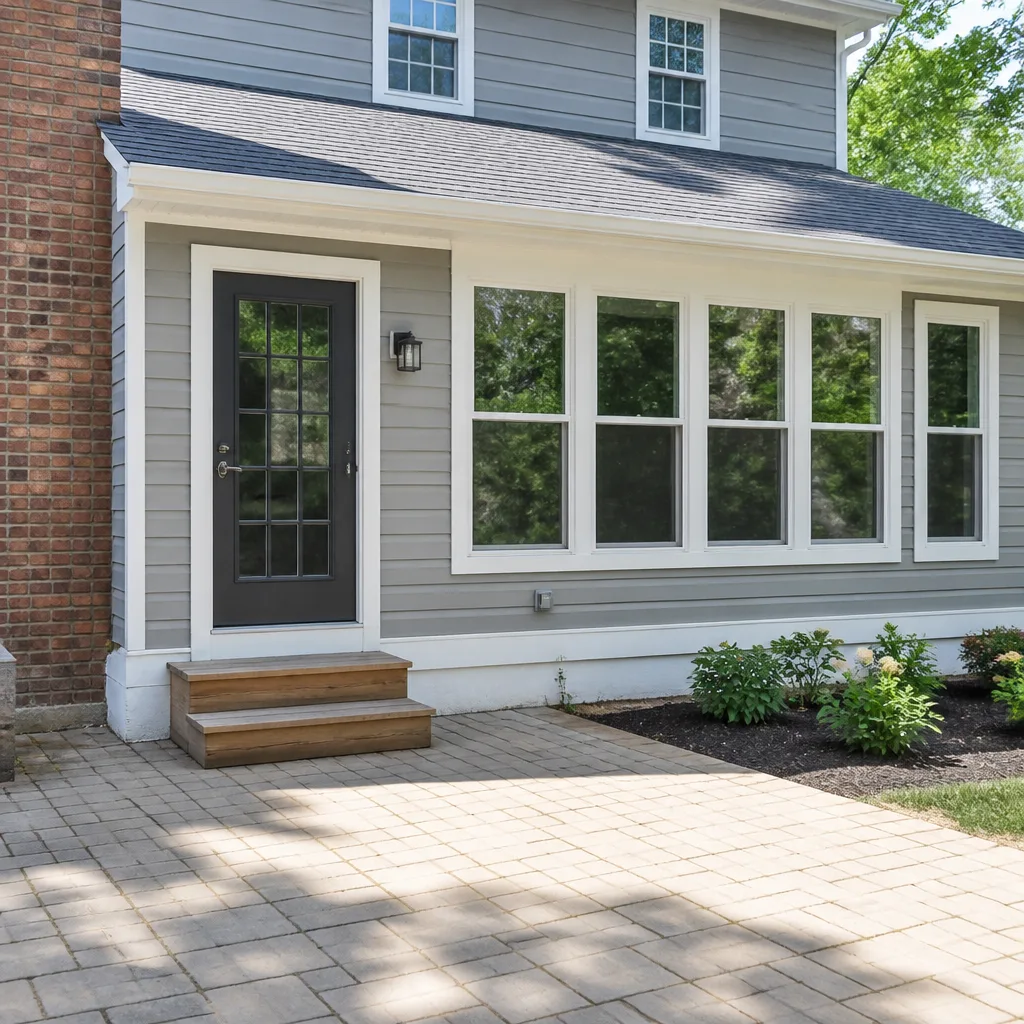 After
After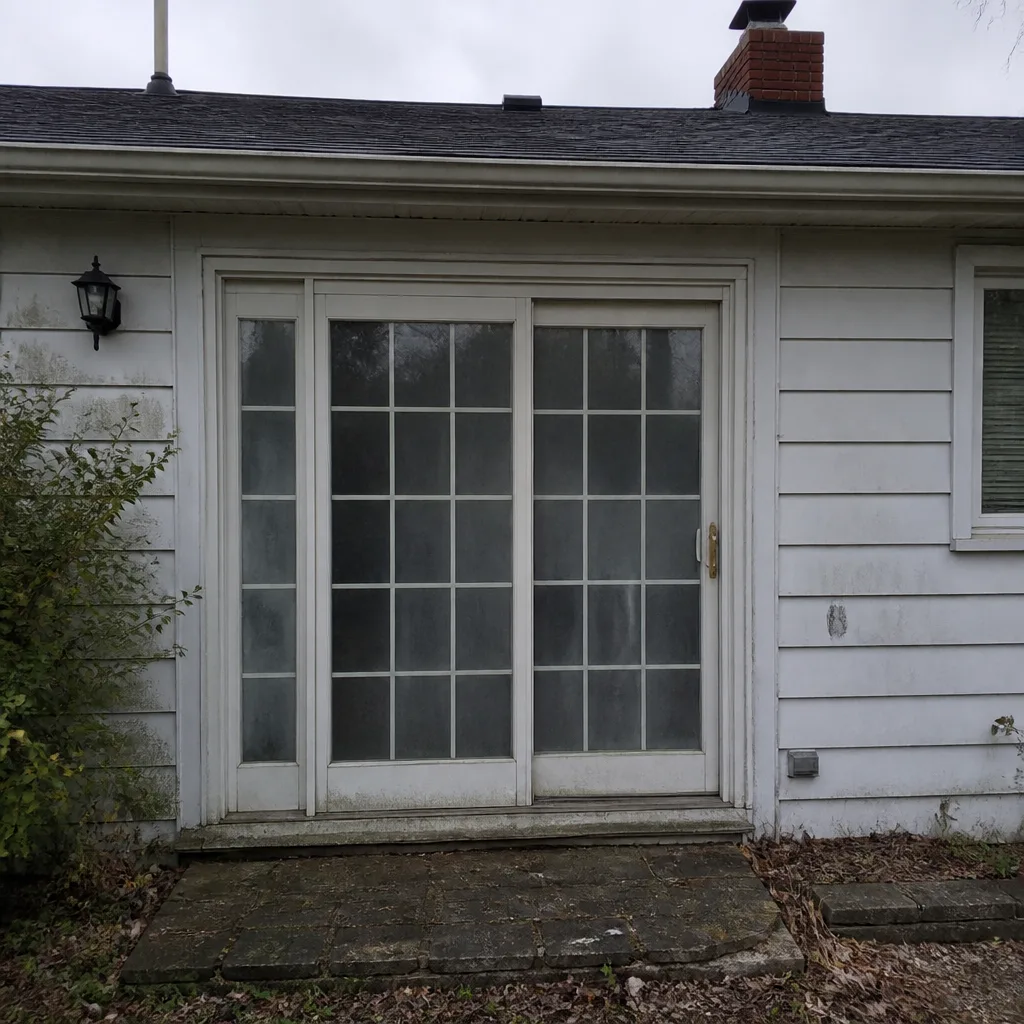 Before
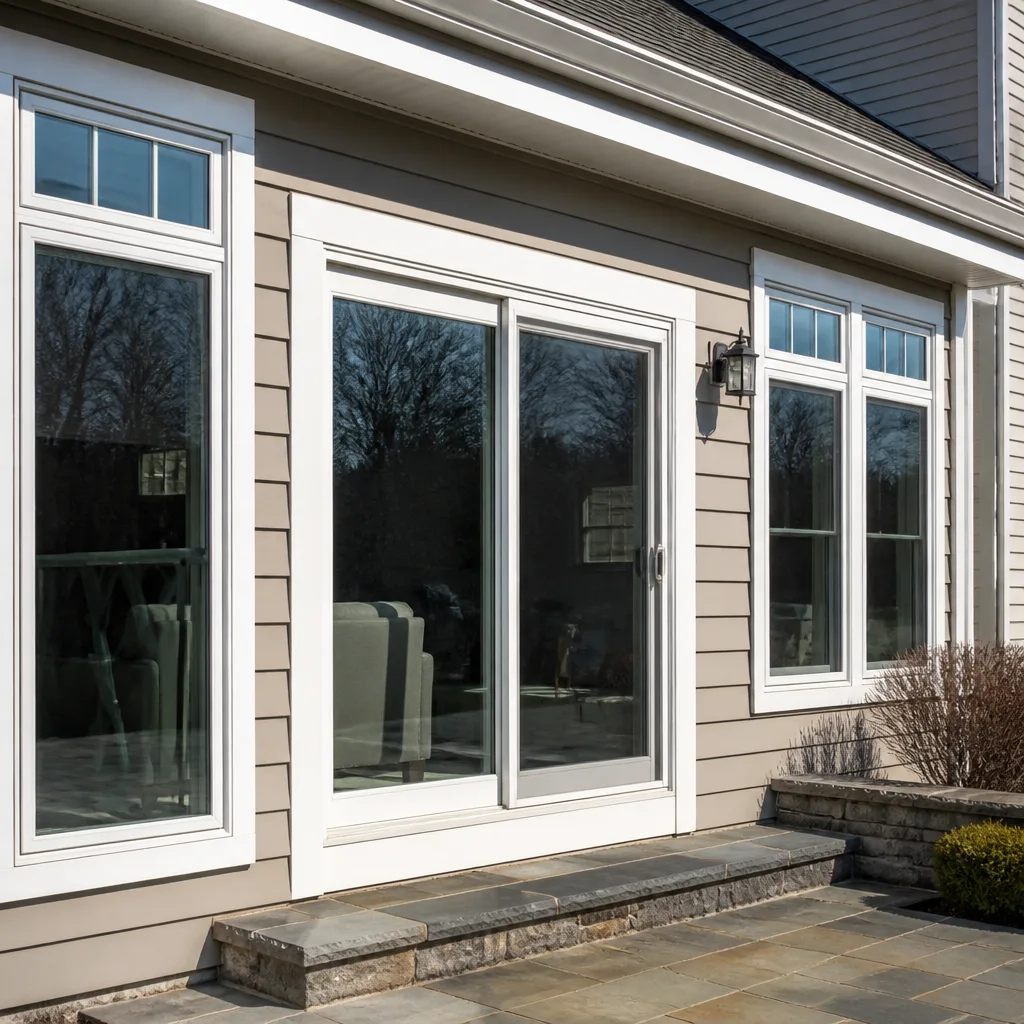 After
After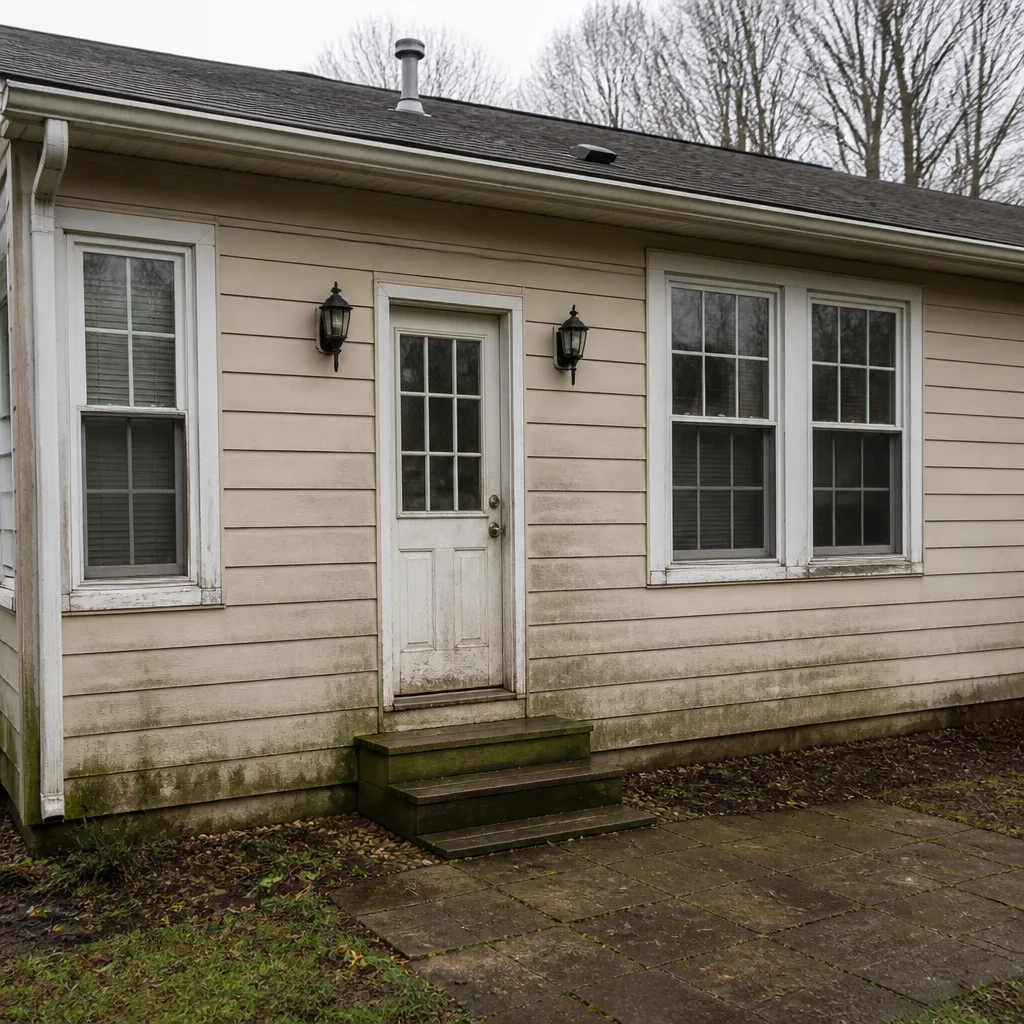 Before
 After
AfterDIY vs Professional Impact Windows & Doors: What’s Safe to Do Yourself
Most homeowners who attempt impact window work do not fail because they lack skill. They fail because they do not know that impact-rated windows and doors are certified as complete assemblies, not individual parts. When the anchoring, sealant, or frame preparation does not match the manufacturer’s tested configuration, the rating is void even if the glass is still intact. Here in Columbus, where we see everything from January ice storms to July microbursts, a window that lost its rating is just an expensive piece of glass. This guide walks through the honest line between what a careful homeowner can safely maintain and what must stay in professional hands, and why that line matters at claim time. For related reading, see our guide on DIY vs Professional Window Installation: What’s Safe to Do Yourself.
Quick Answer
Safe DIY work on impact windows and doors is limited to surface-level maintenance: cleaning tracks and glass, lubricating rollers and hinges, touching up interior trim, and checking existing seals for visible gaps. Installation, replacement, re-anchoring, glazing, and any work involving sealants or fasteners should be done by a certified professional because impact performance depends on an engineered system, not a well-installed pane. In Columbus, a single wrong sealant substitution can strip the Miami-Dade or ASTM rating from a PGT or CGI window before the next storm ever tests it.
Table of Contents
- What “Impact Rated” Actually Means Legally
- What an Owner Can Safely Do: Maintenance That Preserves the Rating
- The Certification Boundary: Where DIY Ends and Professional Work Begins
- Anchor Bolt Torque Specs: Why Feel Is Not a Tool
- Sealant Product Numbers and Why Substitution Matters at Claim Time
- How to Verify a Prior DIY Install Before the Next Storm Season
- What Columbus Climate and Code Mean for Impact Window Work
- Common Mistakes to Avoid
- When to Call a Professional
- Frequently Asked Questions
What “Impact Rated” Actually Means Legally
An impact window or door is not a pane of laminated glass bolted into any available frame. It is a system rating: the glass, the frame material and profile, the anchoring pattern, the sealant bead, and the installation method were all tested together under a specific protocol, usually Miami-Dade County TAS 201, TAS 202, and TAS 203, or the ASTM E1886 and E1996 standards. When a manufacturer stamps a window “PGT WinGuard” or “CGI Sentinel,” that stamp applies to the tested assembly, not the glass alone.
This matters for a simple reason. The insurance discount a homeowner receives for impact protection in Columbus and elsewhere is contingent on the dwelling actually having the rated system. A window that left the factory rated but was installed without the specified anchor spacing, with a substituted sealant, or into a frame that was not flashed per the manufacturer’s written instructions is no longer the window the rating agency tested. Legally and actuarially, it is unrated glass in a frame. In our experience, adjusters know the difference. Homeowners often do not, until the claim is filed.
What an Owner Can Safely Do: Maintenance That Preserves the Rating
There is honest, worthwhile maintenance that a homeowner can perform on impact windows and doors without touching the certified system. These tasks sit entirely outside the anchoring, glazing, and structural sealant work that defines the rating, and they keep the window operating correctly between professional inspections.
- Track and sill cleaning. Debris in the lower track of a sliding impact door forces the rollers to work harder and can etch the frame over time. Vacuum the track, wipe it with a damp cloth, and dry it. Do not use abrasive pads on anodized or powder-coated frames.
- Hardware lubrication. A dry hinge or roller causes wear that a lubricant can prevent. Use a lightweight, non-petroleum lubricant on moving hardware. Wipe excess immediately so it does not attract grit.
- Glass surface cleaning. Impact glass is laminated, and the interlayer is sealed inside the glass unit. Clean the exterior and interior surfaces with a standard glass cleaner and a soft cloth. Never use a razor blade on the glass surface; a scratch on impact glass is not repairable the way a scratch on annealed glass sometimes is.
- Interior trim inspection. Interior casing and trim around an impact window are cosmetic. If a piece is loose or needs a touch of paint, an owner can handle that. What an owner must not touch is anything behind that trim that is part of the window’s structural attachment to the opening.
- Visual gap and seal check. Look for daylight visible around the frame, gaps in the exterior sealant bead, or a torn corner gasket. Seeing a problem is not the same as fixing it, but catching one early and calling before it becomes a bigger issue is genuinely useful work.
These tasks are owner-safe because they do not alter the certified assembly. The glass, frame, anchors, and approved sealant are all untouched. That is the entire principle: maintenance, yes. Modification, no.
The Certification Boundary: Where DIY Ends and Professional Work Begins
The boundary between safe DIY and professional work on impact windows is not about skill or effort. It is about certification. Here is the practical test: if the task requires moving, fastening, sealing, or glazing any part of the window or door that was part of the tested assembly, it is professional work. If the task is surface cleaning or cosmetic trim on the interior side, it is owner work.
Why is the boundary this strict? Because the tested assembly includes details that are invisible to a homeowner. The number of anchor bolts and their spacing. The exact sealant bead profile at the frame-to-opening interface. The flashing sequence behind the exterior finish. A homeowner can execute all of these steps carefully and still produce an installation that would fail the manufacturer’s inspection, because the manufacturer requires calibrated torque on anchors and documented product numbers on sealant. The rating is a written promise from a manufacturer that a specific configuration will perform. When the configuration changes, the promise ends, whether or not the window looks beautiful in the wall.
This is also where a company like TruePane Windows & Doors home operates: measuring each opening twice, quoting manufacturer lines side by side on paper, and registering both warranty layers before the truck leaves the driveway. The certification boundary is not a marketing line. It is a legal and warranty line, and a homeowner who understands that line is already ahead of most.
Anchor Bolt Torque Specs: Why Feel Is Not a Tool
Anchor bolts hold an impact window frame to the structural opening. In a storm event, the window system is not only holding the glass; the frame itself is being pushed inward by wind pressure, and the anchors are the load path. If those anchors are under-torqued, the frame moves under load, the sealant bond breaks, and the window that passed visual inspection starts letting water and air through precisely when it should not.
Here is what under-torqued anchors look like from outside, and this is a pattern we’ve seen repeated across Columbus homes: the exterior sealant bead develops hairline cracks at the frame corners within the first year, the frame shows slight outward bowing at the anchor points, and the window makes a faint popping sound when the temperature changes. None of those symptoms are dramatic. All of them point to the same root cause.
The manufacturer’s anchoring specifications are exact for a reason. A PGT or CGI installation manual lists a torque value for each anchor type and requires a calibrated torque wrench for installation. “Feels tight” means nothing because human hands cannot distinguish between the low and high end of an acceptable torque range. A homeowner tightening an anchor by feel is guessing, and on a window engineered to a specific load path, guessing is how ratings get voided. Under-torqued anchors are the most common hidden failure we find in prior DIY impact installs around Columbus.
Sealant Product Numbers and Why Substitution Matters at Claim Time
The difference between an impact-rated window and an unrated one can come down to a single sealant product number. Impact-rated assemblies are tested with specific sealant products from specific manufacturers. Those products are listed in the installation manual by name and number. When a homeowner or a generalist contractor substitutes a “comparable” sealant from a different manufacturer, the claim that it performs the same is exactly that: a claim. It has not been tested in the assembly, and it is not on the approved list.
At claim time, this matters. An adjuster reviewing a post-storm loss in Columbus will look at the documentation for the window, including the installation records. If the sealant on the frame does not match the approved product number for that window’s impact certification, the window is no longer the rated system the insurance discount was based on. The adjuster’s position will be straightforward: the rated system included that specific sealant, the installation changed the system, and the coverage question follows.
This is why TruePane registers both manufacturer warranty layers in writing. The Keystone Standard includes stating warranty durations and confirming that the installed sealant, anchors, and flashing match the tested assembly. It is paperwork, but it is the paperwork that protects the homeowner when the claim comes.
How to Verify a Prior DIY Install Before the Next Storm Season
If a homeowner in Columbus purchased a house with impact windows already installed, or hired a non-specialist for the install years ago, there is a way to check whether the work was done correctly before the next storm season. This is a documentation and visual check, and it is the most valuable pre-season task a homeowner can perform.
- Find the manufacturer label. Impact windows carry a permanent label, usually in the frame corner or on the edge of the glass, listing the manufacturer, product line, and the standard the window meets. If the label is missing, the window’s rating history is already incomplete. Write down everything on the label.
- Request the installation records. The manufacturer’s certification for the window lists the approved sealant products and anchor specifications. Compare those to what is actually on the window. If the prior homeowner kept the invoice or the manufacturer’s warranty registration, check that it names the correct window and was filed.
- Inspect the exterior sealant bead. Look for the pattern we described earlier: hairline cracks at corners, gaps in the bead, or sealant that has pulled away from the frame or the wall. These are signs that the frame is moving and the sealant bond has already failed.
- Check the anchor points. From the interior, remove the interior casing if possible and observe the anchor pattern. Count the anchors and measure their spacing. Compare to the manufacturer’s spec. If anchors are missing or spacing is wrong, the window is not installed to the tested configuration.
- Call a professional for an assessment. Window replacement in Parkway and surrounding Columbus neighborhoods often reveals prior DIY installs that looked fine until someone looked at the anchor pattern. An honest assessment from a trained technician is inexpensive compared to a voided warranty discovered at claim time.
This pre-season check is not intended to be an encouragement to fix problems yourself. It is a way to find problems before the storm does.
What Columbus Climate and Code Mean for Impact Window Work
Columbus sits in an interesting position when it comes to impact windows. The city does not sit in a hurricane zone, and Ohio building code does not mandate impact-rated glazing the way coastal Florida does. But Columbus does experience straight-line winds, severe thunderstorms, and the occasional ice storm that can send tree branches through windows. The same Impact Windows & Doors that a Miami homeowner buys for hurricane protection is bought by a Columbus homeowner for storm debris, forced-entry resistance, and noise reduction. The market is growing, and so is the number of non-specialist contractors installing these windows.
That is the problem. Because Columbus code does not force a specific impact installation protocol, a generalist contractor can install an impact window and never mention that the manufacturer’s rating was conditional on specific anchoring and sealant. The homeowner receives a window that looks like an impact window and costs like one, but may not be the tested system. That is a Columbus-specific regulatory gap, and it means homeowners here need to be more careful about who installs impact products, not less.
We have also seen specific Columbus climate interactions. Freeze-thaw cycles in central Ohio expand and contract frame materials; if the sealant bead was not applied to the manufacturer’s profile, the first winter opens a crack, and the next spring brings water in. The interaction between impact windows and Ohio weather is not theoretical. It is visible in frames across the city, from Clintonville to German Village to the newer subdivisions in the north.
Common Mistakes to Avoid
- Substituting a sealant based on aisle placement. A silicone tube is not a silicone tube. Impact-rated assemblies list specific sealant product numbers. Substituting one “similar” product voids the tested configuration and can surface at claim time as a non-compliant install.
- Tightening anchor bolts by feel. Anchor torque specs are calibrated numbers, not a hand feel. Under-torqued anchors are the most common hidden failure in prior DIY installs around Columbus because the window looks fine from the living room.
- Assuming the glass is the rating. Homeowners focus on the glass because it is the visible part. The rating lives in the frame profile, anchor pattern, sealant, and flashing. A laminated pane in an unrated frame is just expensive glass.
- Removing the manufacturer label. The label is the permanent record of the window’s rating. Removing it or painting over it destroys the documentation trail that an adjuster will want after a loss event.
- Using a razor blade on impact glass. A scratch on the outer pane of impact glass cannot be buffed out the way a scratch on annealed glass sometimes can. The repair is a new sash, and the cost is yours.
- Treating impact doors like standard doors. An impact-rated slider or French door has a threshold, frame, and locking system tested as a unit. Adjusting the alignment or replacing a roller without knowing the tested configuration changes how the door seals and how the rating performs.
When to Call a Professional
Call a professional when the work touches the certified assembly. That means installation, replacement, re-anchoring, re-glazing, sealant repair, flashing work, or any adjustment to how the frame sits in the opening. It also means any time a homeowner sees the warning signs of a failing prior install: corner cracks in the sealant, a frame that has moved, a door that binds after a storm. In Columbus, window installation in Parkway and across the metro should always include a check of the existing anchors and sealant before new glass goes in. TruePane Windows & Doors offers free estimates in Columbus; call (888) 635-0804 to have a technician assess what you have before you touch it.
Frequently Asked Questions
You can physically install them, but you cannot preserve the impact rating unless you follow the manufacturer’s tested configuration exactly, including specified sealant products and calibrated anchor torque. See also DIY vs Professional Window Replacement: What’s Safe to Do Yourself. Most DIY installers compromise the rating invisibly, and the window looks correct from the street while performing as a standard window at claim time.
Professional impact window installation in Columbus typically runs between $900 and $2,400 per opening depending on size, product line, and the condition of the existing frame. Impact-rated doors run higher due to threshold and locking system complexity. TruePane provides written line-item quotes so the homeowner sees exactly what they are paying for.
If you file a claim for storm damage or a break-in and the adjuster reviews the installation, the documentation is what matters. An impact window without the manufacturer’s installed system documentation, or with visible deviations from the tested configuration, gives the adjuster grounds to treat the window as unrated. That affects the claim value.
Under-torqued anchors. The frame moves under wind load, the sealant bond fails, and the home begins taking water and air at the worst possible time. The failure is invisible until the damage starts, and the window has no early warning sign other than hairline cracks at the corners.
Replacing sealant around an impact window is a modification to the tested assembly. If you do not use the exact product listed in the manufacturer’s installation manual and apply it to the specified bead profile, the rating is compromised. This is one of the most common silent voiding events we see in Columbus.
Surface maintenance is the same: cleaning tracks, lubricating hardware, wiping glass. The difference is structural. Impact windows have a certification that standard windows do not, and any task that touches the structural connection between frame and opening is a different category of work. Door installation in Parkway and across Columbus follows the same principle: maintenance preserves, installation certifies.
The Bottom Line
An impact window is a promise, not a product. The promise says that glass, frame, anchors, and sealant were tested together and will perform together under a specific load. Homeowners can safely clean, lubricate, and inspect their impact windows. They cannot safely install, re-anchor, re-glaze, or re-seal them, because those tasks touch the tested configuration and the documentation that proves it. If the pane is not true, the job is not done; if the paperwork is not true, the rating does not exist. Both stay in professional hands. Call (888) 635-0804 for a free estimate and an honest assessment before the next storm finds the weak point. Explore more guides & resources for protecting your home.
Written by Dale Kessler, Owner at TruePane Windows & Doors, serving Columbus since 2008.