
Last updated August 27, 2026
Free in-home measure and quote - PGT, CGI and CWS impact lines compared on your actual openings, style by style
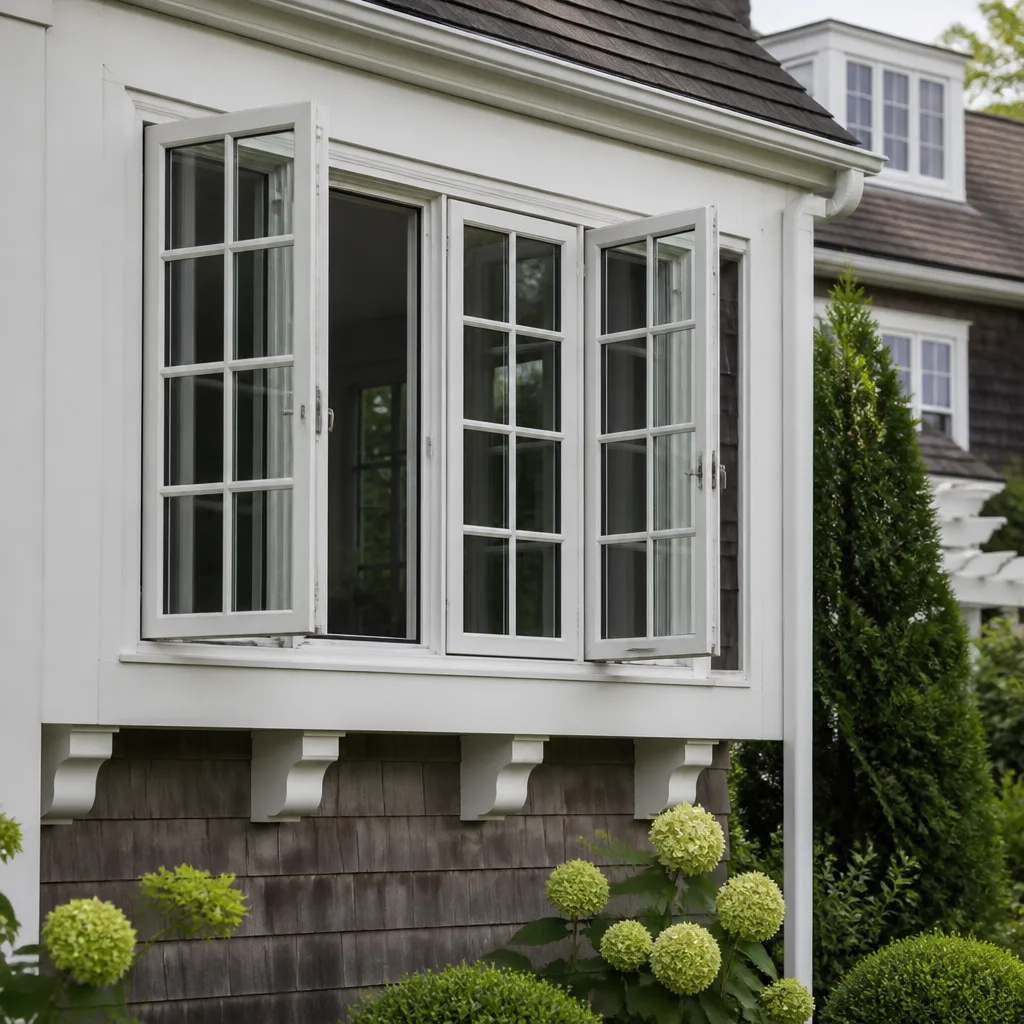
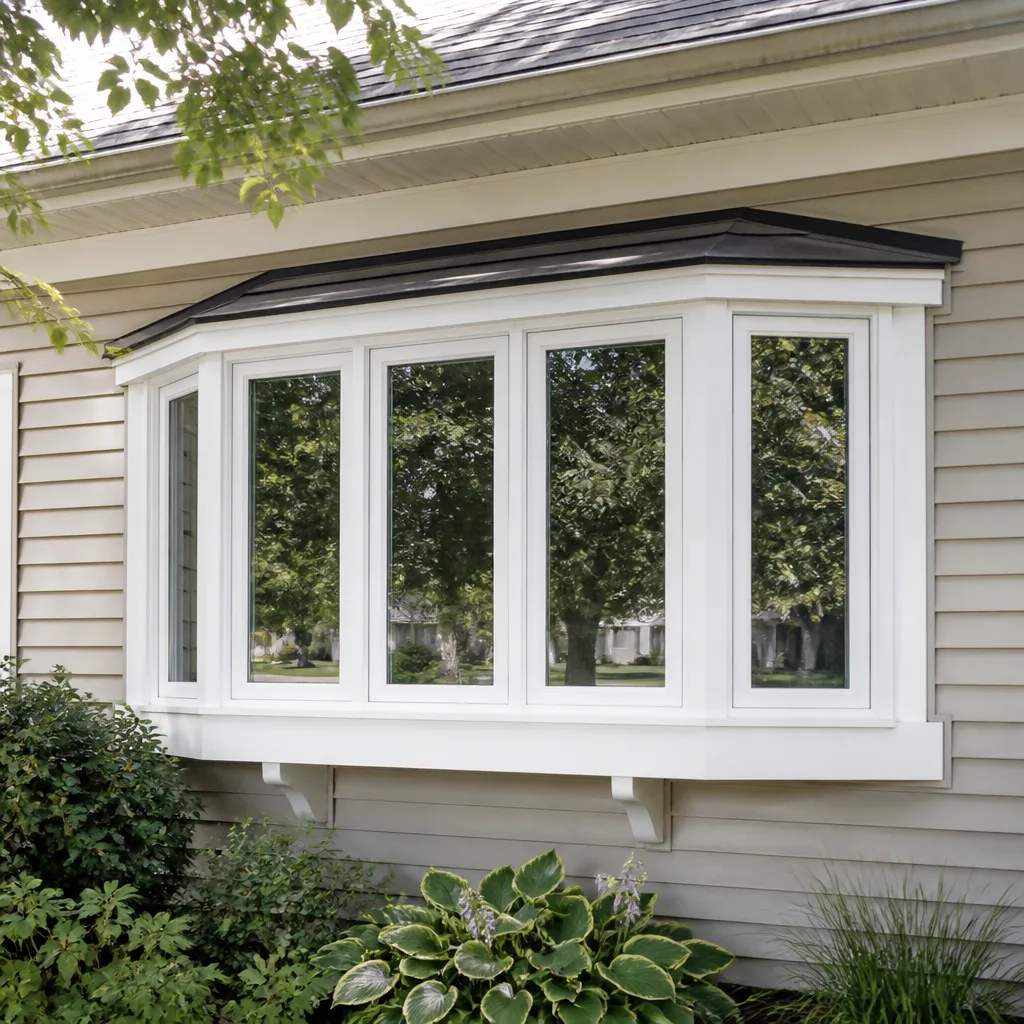
Sliding glass doors
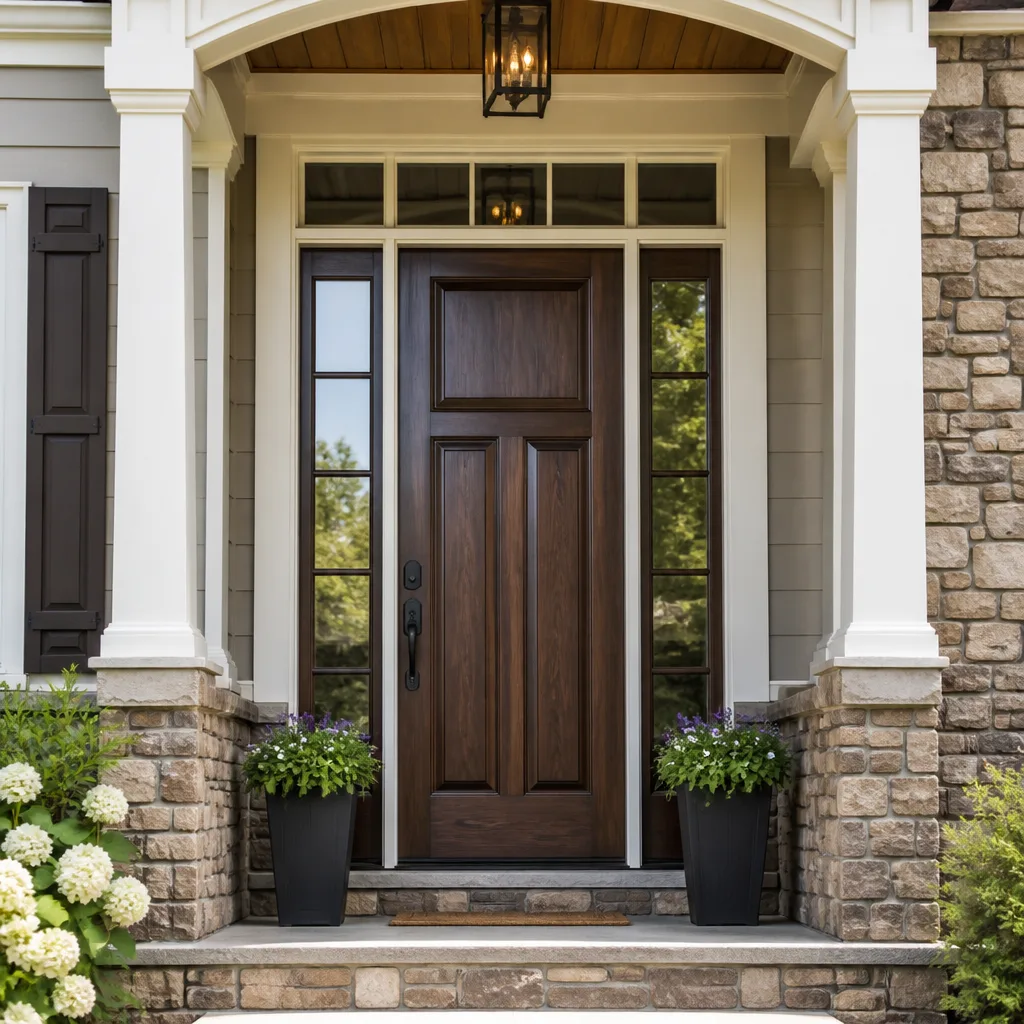
Impact garage doorsPGTCGI
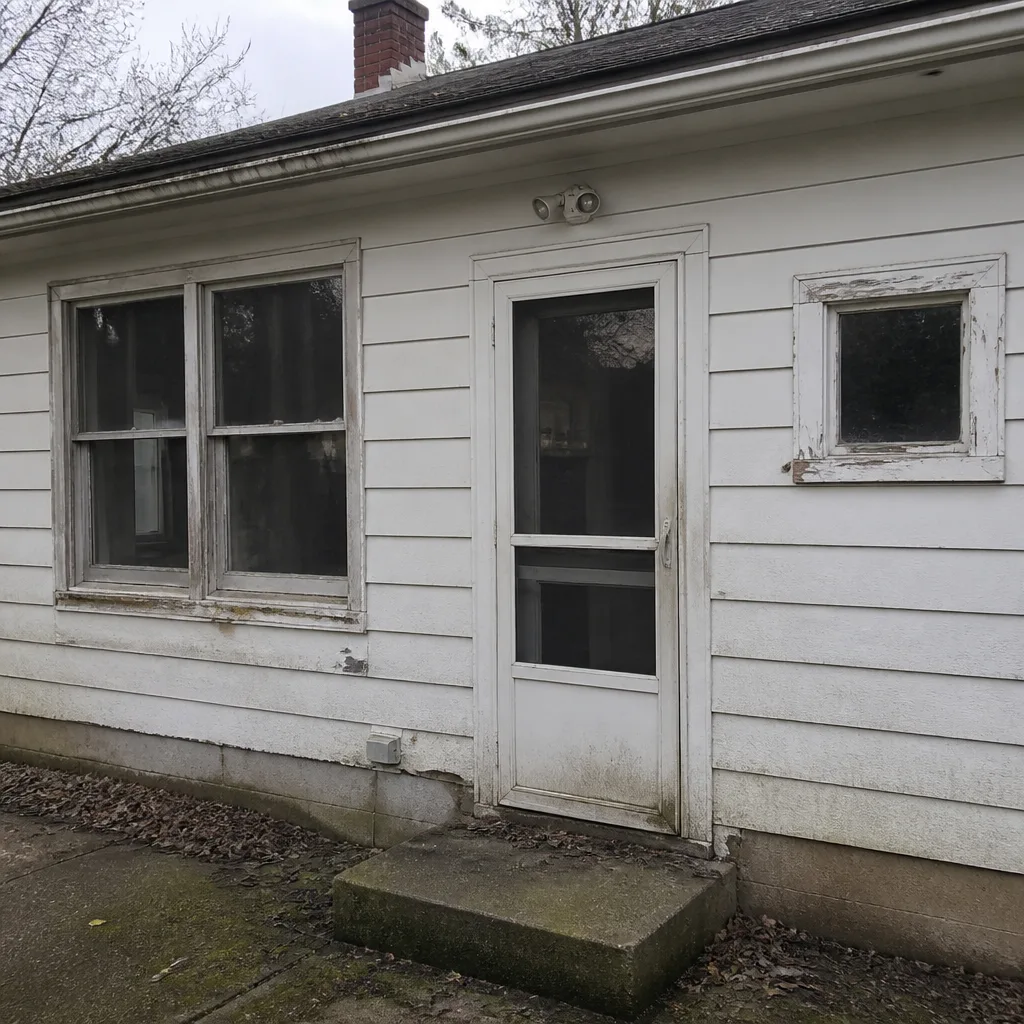 Before
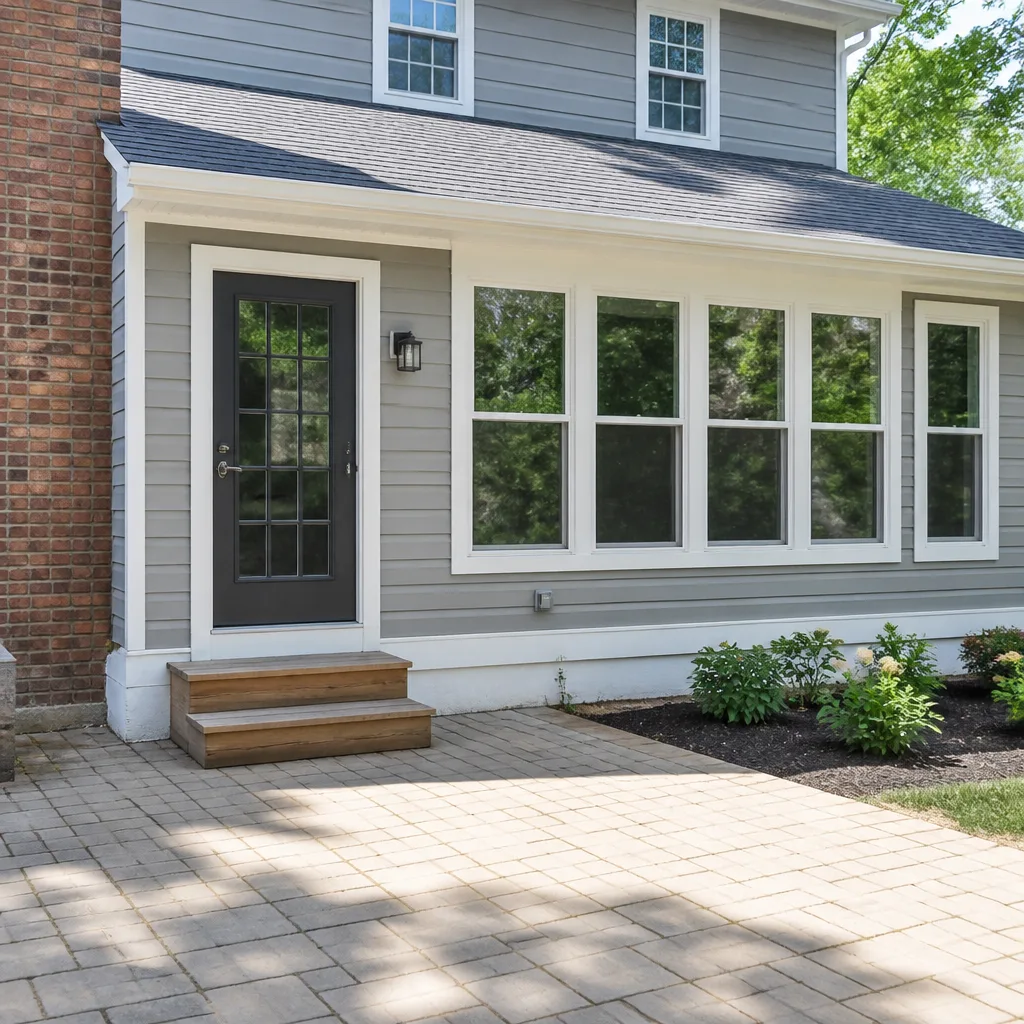 After
After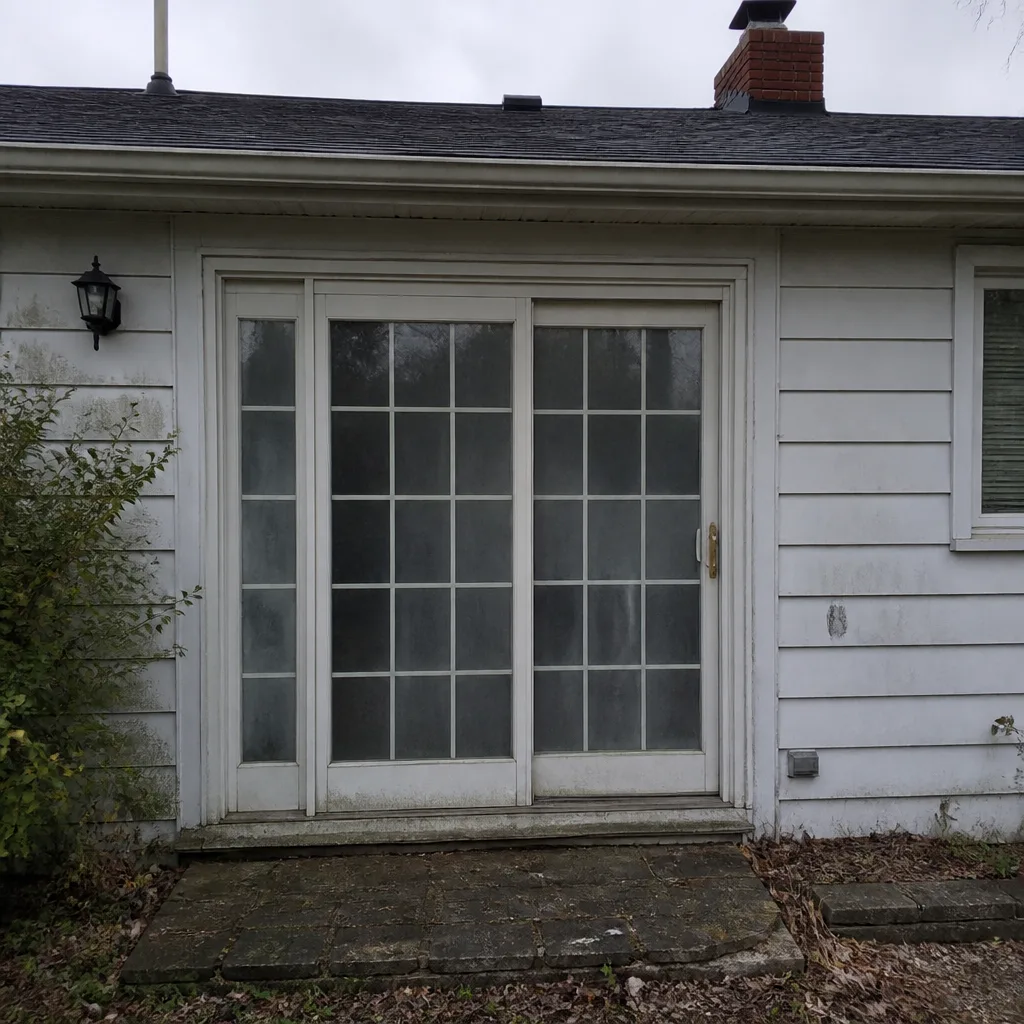 Before
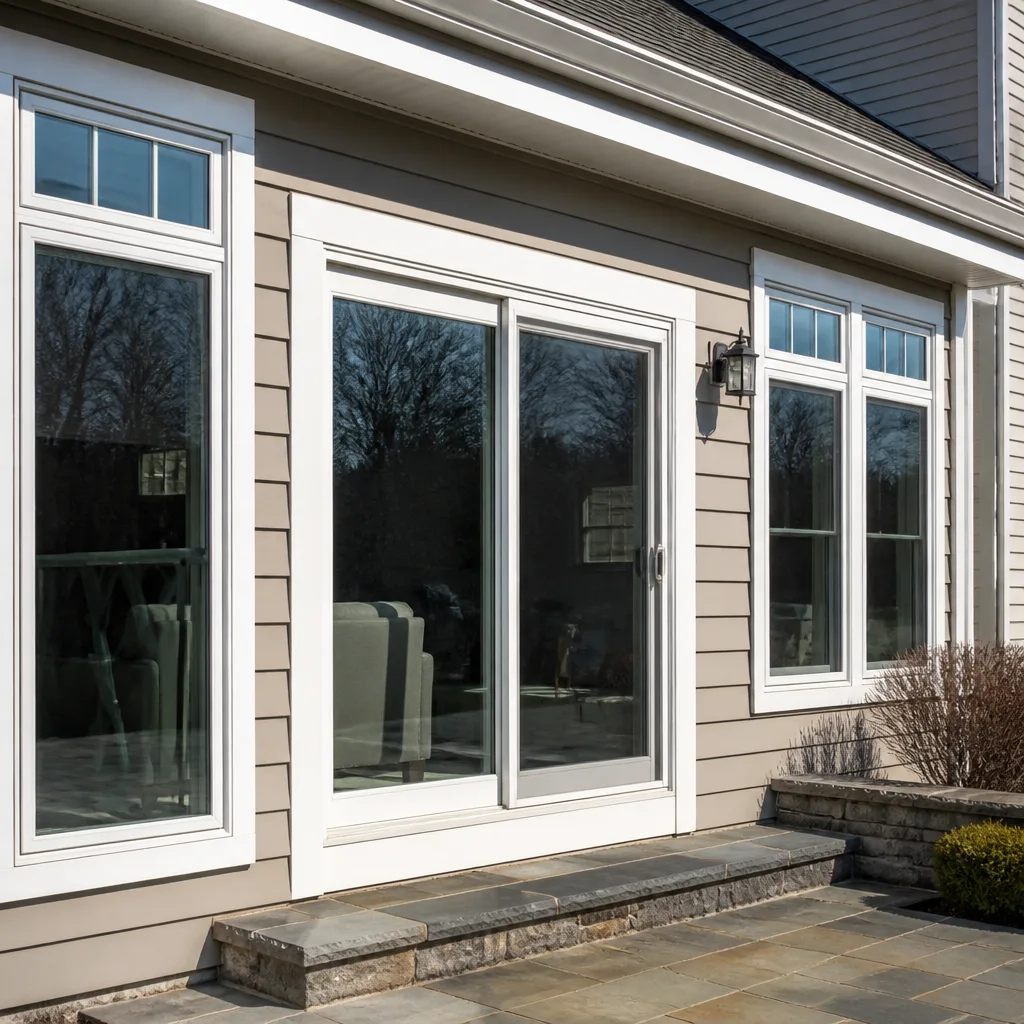 After
After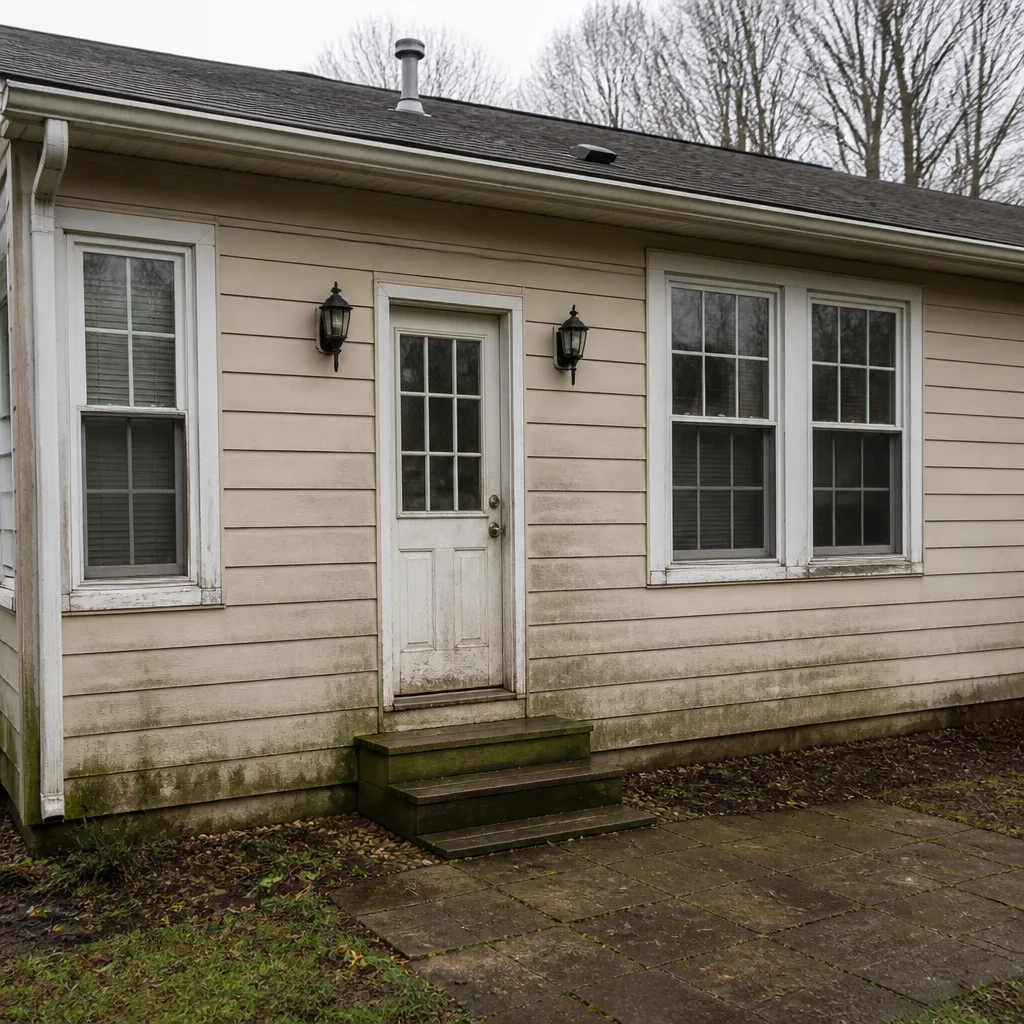 Before
 After
AfterHow Long Does Impact Windows & Doors Take? Timelines and What to Expect
A homeowner who signs a contract in late September expecting windows before winter should know that Sacramento County permit turnaround alone averaged 18 business days in 2023, before a single frame was ordered. The install day itself is rarely the long part. It is the quiet weeks spent waiting on the building department, the glass fabricator, and the inspection calendar that stretch a job from weeks into months. This guide walks through the full timeline, phase by phase, so you can plan around the real bottleneck instead of the one contractors like to quote. In Columbus, where we have provided Impact Windows & Doors services since 2008 through the TruePane name and the family trade that came before it, the pattern holds the same way it does in Florida, Texas, or any coastal market: paperwork and lead time eat the calendar, not the labor.
Quick Answer
Impact window and door installation typically takes 8 to 14 weeks from signed contract to final inspection, with the install itself usually finished in 1 to 3 days for a standard single-family home. The variance comes from municipal permit review times, product fabrication lead times at the manufacturer, and how quickly the local inspection office can schedule the final sign-off. Labor is not the bottleneck; the calendar is.
Table of Contents
- Phase-by-Phase Timeline: What Actually Happens
- Why Impact Glass Takes Longer to Fabricate
- The Rough Opening Problem Nobody Warns You About
- How Multi-Window Projects Are Sequenced
- Questions to Ask a Contractor for a Realistic Timeline
- Common Mistakes to Avoid
- When to Call a Professional
- Frequently Asked Questions
Phase-by-Phase Timeline: What Actually Happens
Most contractors will tell you the job takes “a few days” and leave it at that. What they mean is that the physical installation takes a few days. What they leave out is everything that happens before the first truck pulls up. Here is the full sequence, estimated for a typical Columbus-area single-family home getting 8 to 12 impact windows and one impact-rated entry or sliding door.
Phase 1: Site Measure and Product Selection (1 to 2 weeks)
This is where TruePane begins every project, and it is the phase most likely to save or cost you a month later. A technician measures every rough opening twice. Not once. Twice. Then we sit down and quote manufacturer lines side by side on paper: CGI, PGT, ES Windows, and others depending on the size and wind-load requirements of your openings. This phase moves at the homeowner’s pace. Some clients decide in a day. Some take two weeks to weigh laminated glass options and frame finish.
The reason this phase matters so much is that the order form becomes the contract with the fabricator. A wrong number in this phase compounds into a four-to-six week re-fabrication delay later. In Columbus, where we see older homes with framing that has settled over thirty or forty years, the rough opening measurements often vary by an eighth or even a quarter inch from opening to opening. That is normal. It also means every opening gets its own line on the order form, not a “standard” size pulled from a spec sheet.
Phase 2: Permit Application and Municipal Review (2 to 4 weeks)
This is the phase almost no residential contractor mentions when they give you a timeline over the phone. In Sacramento County, permit turnaround for window and door retrofits averaged 18 business days in 2023. Columbus and the surrounding Franklin County municipalities vary, but the pattern is the same: the building department processes applications in the order received, and residential retrofits do not jump the queue.
Permit requirements depend on the scope. A straight replacement of windows in existing openings, same size, same location, may only need a simple building permit. Adding a new opening, enlarging an opening, or changing a window to a door triggers structural review, which takes longer. Impact products add another layer: the building department wants to see that the selected product meets the wind-load and missile-impact rating for the exposure zone the home sits in. Columbus is not in a hurricane zone the way Miami-Dade is, but homeowners here install impact glass for the same reasons: severe thunderstorms, wind-driven debris, break-in resistance, and noise reduction from street traffic. The permit reviewer still verifies the rating matches the application. That takes a plan review cycle, and plan reviews are not same-day.
TruePane pulls permits on every job that requires one, and we schedule the application the same week the deposit is received. We do not tell a homeowner “we’ll start in a week” and then quietly wait two weeks to file paperwork. That is a common trick to compress a quoted timeline, and it falls apart the moment the homeowner calls the building department. Ask your contractor when the permit application was actually filed, and ask for the permit number. If they hesitate, you have your answer.
Phase 3: Product Fabrication and Lead Time (4 to 8 weeks)
Once the permit is filed and the order form is signed, the clock starts at the manufacturer. Impact windows and doors are not sitting on a shelf in a warehouse. Every unit is fabricated to the rough opening dimensions you submitted. That means the frame is extruded, cut, and welded for your specific openings, and the laminated glass is cut and tempered to match.
Lead times have stretched considerably since 2020. Depending on the manufacturer line, current fabrication lead times run:
- CGI: 6 to 10 weeks for impact-rated lines
- PGT: 5 to 8 weeks for standard impact windows
- ES Windows: 8 to 12 weeks for custom and architectural impact lines
- CWS and ECO Window Systems: 6 to 9 weeks depending on size and lamination
These are not static. A hurricane that hits the Gulf Coast or the Atlantic seaboard can spike lead times by two to three weeks in a matter of days as manufacturers redirect capacity to storm-affected markets. That is not something a contractor controls. What a good contractor does is communicate it in writing, the week the order is placed, with the manufacturer’s acknowledgment attached. That is exactly what we do at TruePane. Every order gets a written acknowledgment from the fabricator with a stated production window. If the date slips, you hear about it from us before you have to call and ask.
Phase 4: Installation (1 to 3 days)
This is the part of the timeline every contractor is happy to talk about. For a typical single-family home with 8 to 12 openings, impact window installation takes 1 to 2 days with a two-to-three-person crew. Adding an impact door, especially a sliding or multi-panel door, can push the installation to 2 to 3 days. Larger homes, multi-story work requiring scaffolding, or homes with stucco exterior finishes that need patching add time.
The install day follows a set sequence: protect the interior with drop cloths and floor protection, remove the existing windows, inspect the rough opening for rot or framing issues, set the new impact windows in place, secure them with the manufacturer-specified fasteners, flash and seal the exterior, and trim the interior. A proper install does not rush. The sealing and flashing alone, done right, takes longer than the removal. Done wrong, it is the source of the leaks that show up two winters later.
We will be there when we say. That is one of the principles the company was built on. Not a window, not a range of days. A set date with a set crew, background-checked and uniformed, measuring every opening twice and installing to the manufacturer’s written specifications. If the pane is not true, the job is not done. That rule is on the whiteboard in our shop, and it governs every opening we set.
Phase 5: Inspection and Final Sign-Off (3 to 10 days)
After the installation, the building department must sign off on the permitted work. Scheduling the inspection takes anywhere from a few days to over a week depending on the jurisdiction’s backlog. The inspection itself is typically quick, usually 20 to 30 minutes, focused on structural attachment, flashing, and visible code compliance. Most inspections pass the first time when the installer follows the manufacturer’s instructions and local code. Most failures we see are the result of a hasty homeowner-grade install that skipped a flashing step or used the wrong fastener.
Once the inspection passes, the contractor submits any remaining closeout paperwork, and the permit is finalized. At TruePane, the last step before we leave the driveway is The Keystone Standard: both manufacturer warranty layers registered in writing, durations stated, and a copy left with the homeowner. Not a promise to do it later. Done before the truck leaves.
Phase 6: The Done Right Promise Window
Not every company talks about what happens after the final walkthrough. We do, because it is part of the timeline. For 90 days after completion, if the work is not done right, we make it right. No paperwork fights, no arguing, no fine print that covers neither. A window binds, a latch sticks, a seal shows a gap, we come back and fix it. That is the whole promise. It is the reason the timeline on our jobs ends with a standing invitation, not a closed file.
Why Impact Glass Takes Longer to Fabricate
Standard window glass is a single pane of annealed or tempered glass, cut to size and fitted into a frame. Impact glass is an entirely different material. It begins as two panes of glass bonded to a polyvinyl butyral interlayer, the same technology used in automotive windshields. When a piece of debris hits standard glass, the glass shatters and the opening is breached. When debris hits impact-rated laminated glass, the outer pane may spider-crack, but the interlayer holds the glass in place, and the opening remains sealed against wind, rain, and forced entry.
That lamination process is what adds time to fabrication:
- Glass cutting and tempering: Each pane is cut to the rough opening dimension, then heat-treated and tempered. Laminated impact glass typically requires both panes tempered, which doubles the tempering queue time.
- Lamination: The panes and the interlayer are assembled in a clean room, run through a heated press, and autoclaved to bond the layers. This is not a quick process, and it cannot be rushed without compromising the bond.
- Frame extrusion: Impact windows need heavier frame extrusions than standard windows. The aluminum or vinyl profiles are thicker, the walls are reinforced, and the corners are welded or mechanically joined to a higher strength standard. Custom sizes, which nearly every retrofit project requires, extend the fabrication schedule.
- Quality control and rating verification: Every impact window leaves the manufacturer with a label certifying the design pressure rating and missile-impact rating. The label is not decorative. The building inspector looks for it. That verification step adds time to the front end of every order.
This is why lead times of 6 to 10 weeks are the norm rather than the exception. It is also why any contractor who promises impact windows in three weeks is either quoting a stock-size product that will not fit your openings correctly, or is not being honest about what they are selling. In Columbus, we have yet to see a single impact window project that ran from contract to completed install in under six weeks when the permit was pulled and the product was fabricated to the home’s actual opening sizes.
The Rough Opening Problem Nobody Warns You About
Here is the scenario that turns an 8-week project into a 16-week project, and it happens more often than most contractors will admit. The initial measure is taken. The order is placed. The windows arrive six to eight weeks later. The installer pulls the first old window, and the rough opening does not match the order. Maybe the original window was not square. Maybe the framing shifted over thirty years. Maybe the salesperson measured to the inside of the trim instead of the rough framing. Whatever the cause, the new window does not fit.
At that point, the window cannot be trimmed. Impact windows are not field-adjustable by more than a fraction of an inch. The unit must go back to the fabricator, and a new unit must be cut, laminated, extruded, and shipped. That is another four to six weeks, and the homeowner eats the wait, not the contractor.
This is why the phrase “measured twice” is not a platitude. It is the single most effective defense against the longest delay in the entire project. At TruePane, every rough opening is measured twice by the same technician, and both numbers are recorded on the order form. On larger projects, a second technician spot-checks the openings independently. That adds a half day to the front end of the project. It has prevented more re-fabrications than we can count.
What you can do as a homeowner before you ever sign a contract:
- Ask the contractor how many times the openings will be measured, and by whom.
- Ask what happens if a window arrives and does not fit. Who pays the re-fabrication and who eats the wait?
- Get the answer in writing on the contract. If the contractor will not put the remedy in writing, that is a signal about how they handle problems.
- Look at the proposal. Each opening should have its own dimensions, not a single “average” size. A contractor who writes one number for every window is not measuring your house.
How Multi-Window Projects Are Sequenced
On a single-family home with a dozen openings, a good installation company does not pull every window at once and leave the house open to the weather for two days. The work is sequenced so that most of the home is closed up at the end of every workday, and the number of open frames is kept to what the crew can close before sundown.
A typical sequencing plan looks like this:
- Day 1, morning: Crew walks the job with the homeowner, confirms the openings against the order, and protects floors and furniture.
- Day 1, midday: Windows are removed and replaced in zone order: front and side openings first, then rear, then any openings on the second floor. Each window is removed, opening inspected, new window set, flashed, and sealed before the next window is pulled.
- Day 1, evening: All street-facing openings and all first-floor openings on the home are closed and secured. Only interior-facing or upper-floor openings remain for Day 2, if any.
- Day 2: Remaining openings are completed, doors are set, and the crew begins final sealing and trim work.
- Day 3 (if required): Exterior trim, caulking, touch-up, and interior trim restoration. Final walkthrough with the homeowner.
In Columbus, where the spring and fall storms can arrive without much warning, sequencing is not just about saving labor. It is about not leaving a homeowner’s house open to a thunderstorm at 4 p.m. on a Tuesday. That is a real consideration in this climate, and it is one more reason we plan the sequence before the crew ever arrives.
Questions to Ask a Contractor for a Realistic Timeline
The difference between a contractor’s quoted timeline and the timeline that actually happens is usually the questions nobody asked at the signing table. Here are eight questions that will get you a real answer instead of a sales pitch:
- What is the current lead time for the specific product line you are quoting? Not “we usually see,” but the manufacturer’s written acknowledgment on the day of the quote. Lead times change monthly. Ask for the current number.
- When will the permit application actually be filed? Contractors often wait to batch permits. Ask for the filing date on the contract.
- What is the current review turnaround for this municipality? Franklin County cities and townships vary. A contractor who works in the area will know the current wait. A contractor who guesses is guessing about your calendar, too.
- How many people will be on the install crew, and how many days is the install realistically going to take? Two-man crews take longer. Crew size changes the schedule.
- How many similar impact projects have you completed in the last 12 months? Impact glass is a specialty. Experience shows up in the schedule, because a crew that has set 50 impact windows is faster and makes fewer mistakes than one that has set five.
- What happens if the product lead time slips? Does the contractor keep you posted, or do you have to chase an answer? Ask for the communication protocol in writing.
- Who schedules the inspection, and what happens if it fails? The contractor should schedule it, and the contractor should fix any fail item at no cost.
- Will both manufacturer warranty layers be registered in writing before the crew leaves? If the answer is anything less than yes, the warranty is a handshake, not a contract. TruePane’s Keystone Standard exists precisely because too many installs end with a warranty card that never gets mailed.
Common Mistakes to Avoid
- Signing a contract without a written lead time from the manufacturer. A verbal estimate of “about six weeks” is not a number. If the contractor will not put the manufacturer’s acknowledgment in the contract, the schedule is a hope, not a plan.
- Assuming the permit is automatic. Homeowners often skip the permit step in their own mental timeline. In Columbus and surrounding jurisdictions, no permit means no inspection, and no inspection means the work is not legally closed out. That becomes a problem at resale.
- Buying “stock size” impact windows to save time. Stock impact windows exist, but they fit stock openings. A 20-year-old Columbus home with settled framing rarely has stock openings. The “time savings” turns into a re-order and a longer wait.
- Not asking about sequencing. A contractor who plans to remove every window in one day and leave the house open overnight is asking for a weather disaster. Ask about the daily close-up plan.
- Choosing a contractor by install-day quote alone. The contractor who quotes two days for install but has a six-week permit and lead time backlog is slower than the one who quotes three days for install and files permits the same week. Ask about the whole calendar, not the labor hour.
- Not verifying the warranty registration step. Manufacturer warranties on impact glass are valuable. A ten-year laminated glass warranty that was never registered is not worth the paper it is not printed on. Ask for the registration confirmation in writing.
- Waiting until peak storm season to start the project. Every year, homeowners in Columbus decide in September that they want impact windows before winter. Every year, lead times are longest in September. Start in spring or early summer, and the calendar works for you instead of against you.
When to Call a Professional
Impact window and door installation is never a do-it-yourself job. The products weigh significantly more than standard windows, the flashing and sealing requirements are unforgiving, and an improper install voids the manufacturer’s warranty before it is ever registered. If you are considering impact windows because of storm protection, a failed DIY install means the opening fails exactly when you need it to hold. If you are considering them for sound reduction, the acoustic benefit dies with a poorly sealed frame. If you have a window that is fogged, an opening that has shifted, or a door that binds in the humid months, that is the sign to have a professional measure and quote, or explore more guides & resources to understand what to expect. TruePane Windows & Doors offers free estimates in Columbus - call (888) 635-0804 for a line-item quote with manufacturer lead times stated on paper. We stand behind it.
Frequently Asked Questions
Most impact window projects in Columbus take 8 to 14 weeks from signed contract to final inspection, with the physical installation completed in 1 to 3 days. The majority of that time is spent on permit review and product fabrication, not on labor. Call (888) 635-0804 for a project-specific timeline with current lead times.
For most single-family homes with fewer than eight openings, a two-to-three-person crew can complete the installation in one long day. Larger projects, multi-story work, or impact doors typically add a second or third day. The install may be one day, but the project will still take weeks of lead time before that day arrives.
Impact glass is laminated, meaning two panes of glass are bonded to an interlayer that holds the glass in place when struck by debris. The lamination, tempering, and custom frame extrusion process each add time, and every unit is built to the specific rough opening dimensions of your home, not pulled from a shelf. Manufacturing lead times of 6 to 10 weeks are standard.
Replacing existing windows with impact windows in the same openings typically requires a building permit in Columbus and surrounding Franklin County municipalities. The permit verifies that the selected products meet wind-load and rating requirements for your exposure zone. TruePane pulls permits on every job that requires one and files the application the same week the deposit is received.
The window must be re-fabricated to the correct dimensions, which typically adds four to six weeks to the project. This is why proper pre-measuring matters so much: measuring every rough opening twice, and writing each dimension on the order form individually, is the strongest defense against the longest delay in the project.
Ask for the manufacturer’s written lead time on the specific product line, the date the permit application will be filed, the current municipal review turnaround, and the warranty registration step in writing. A good contractor will give you all four without hesitating. TruePane quotes side by side on paper and registers both warranty layers before the truck leaves the driveway - call (888) 635-0804 for a free estimate.
The Bottom Line
Impact windows and doors are a long-lead product. The install day is the shortest part of the project; the permit queue, the glass fabricator’s schedule, and the inspection calendar are the long part. Plan for 8 to 14 weeks from contract to close-out, and choose a contractor who gives you the whole calendar in writing, not just a labor-hour estimate. In Columbus, that means a company that files permits the week the deposit clears, measures every opening twice, sequences the work to close the house up every night, and registers both warranty layers before the crew leaves. That is the whole standard. If the pane is not true, the job is not done.
Written by Dale Kessler, Owner at TruePane Windows & Doors, serving Columbus since 2008.