
Last updated August 15, 2026
Free in-home measure and quote - PGT, CGI and CWS impact lines compared on your actual openings, style by style
Sliding glass doors

Impact garage doorsPGTCGI
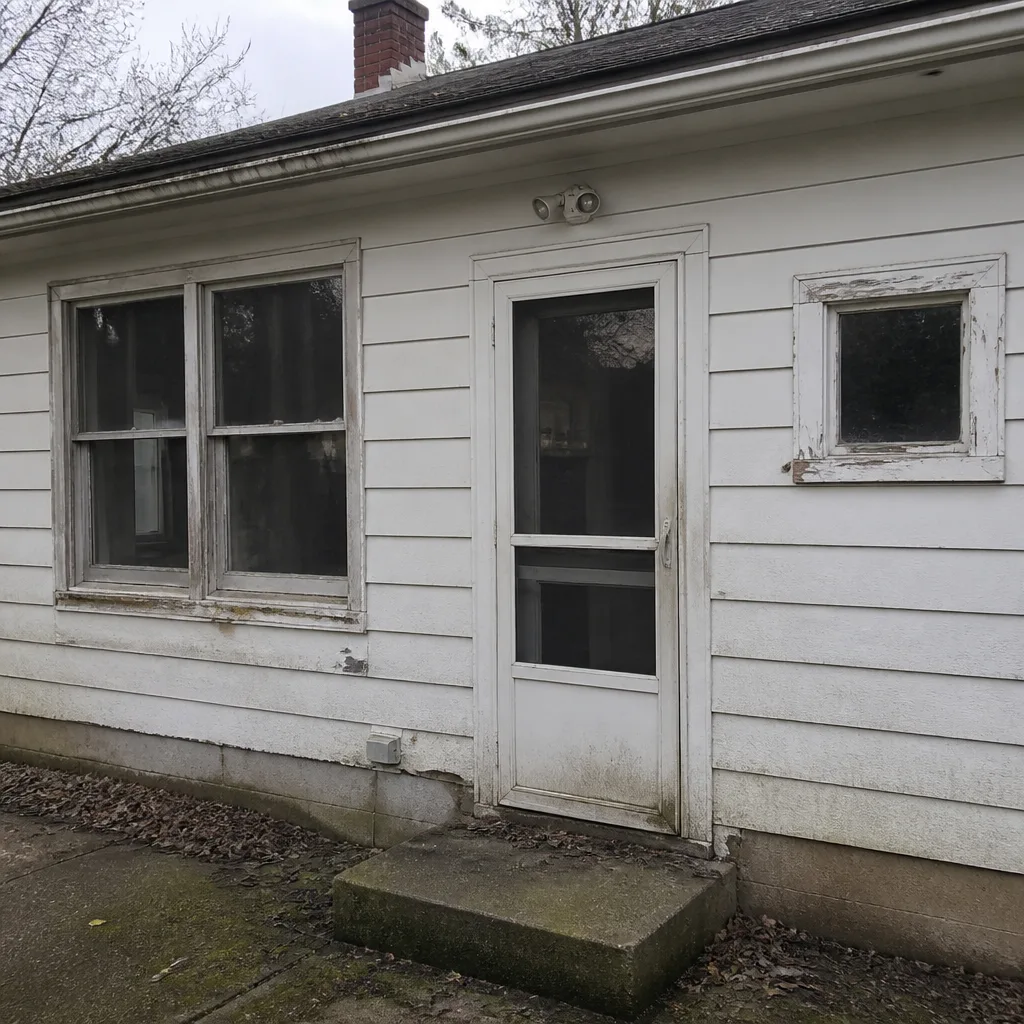 Before
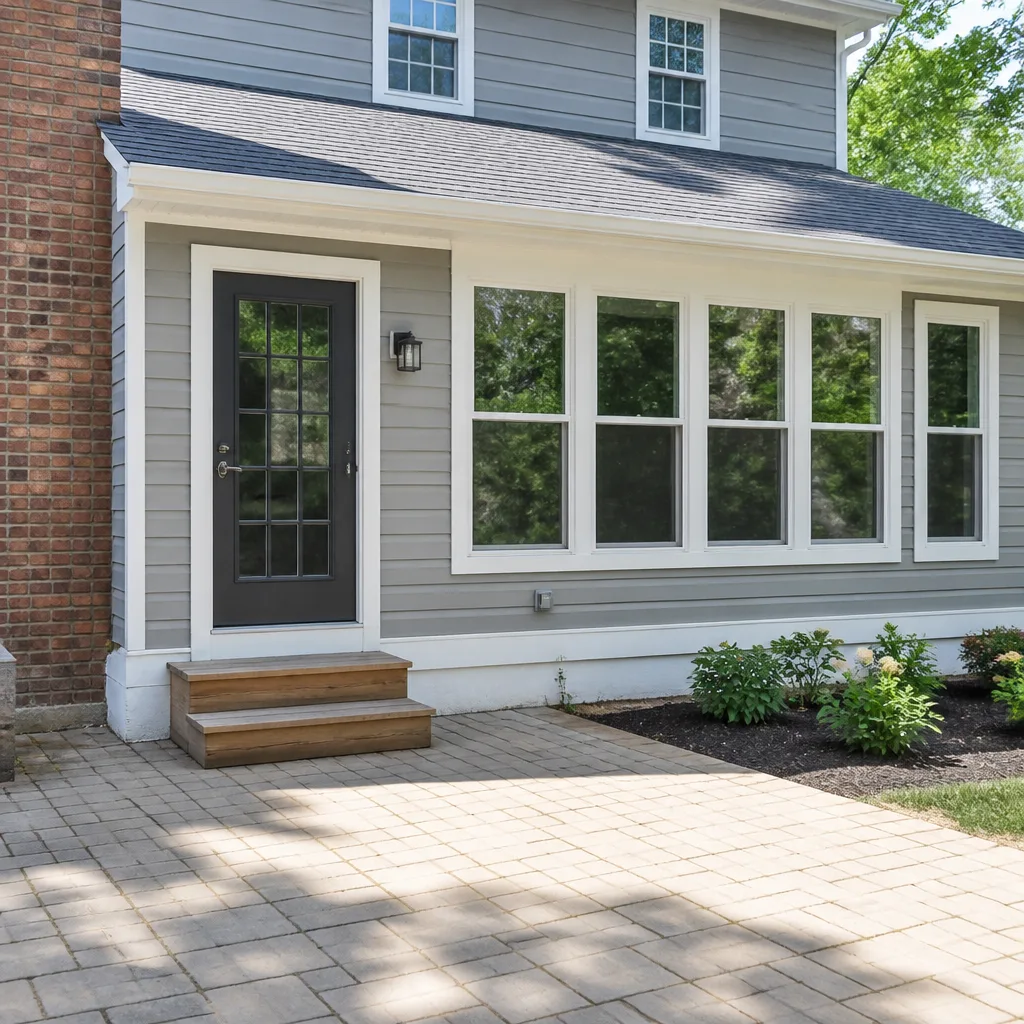 After
After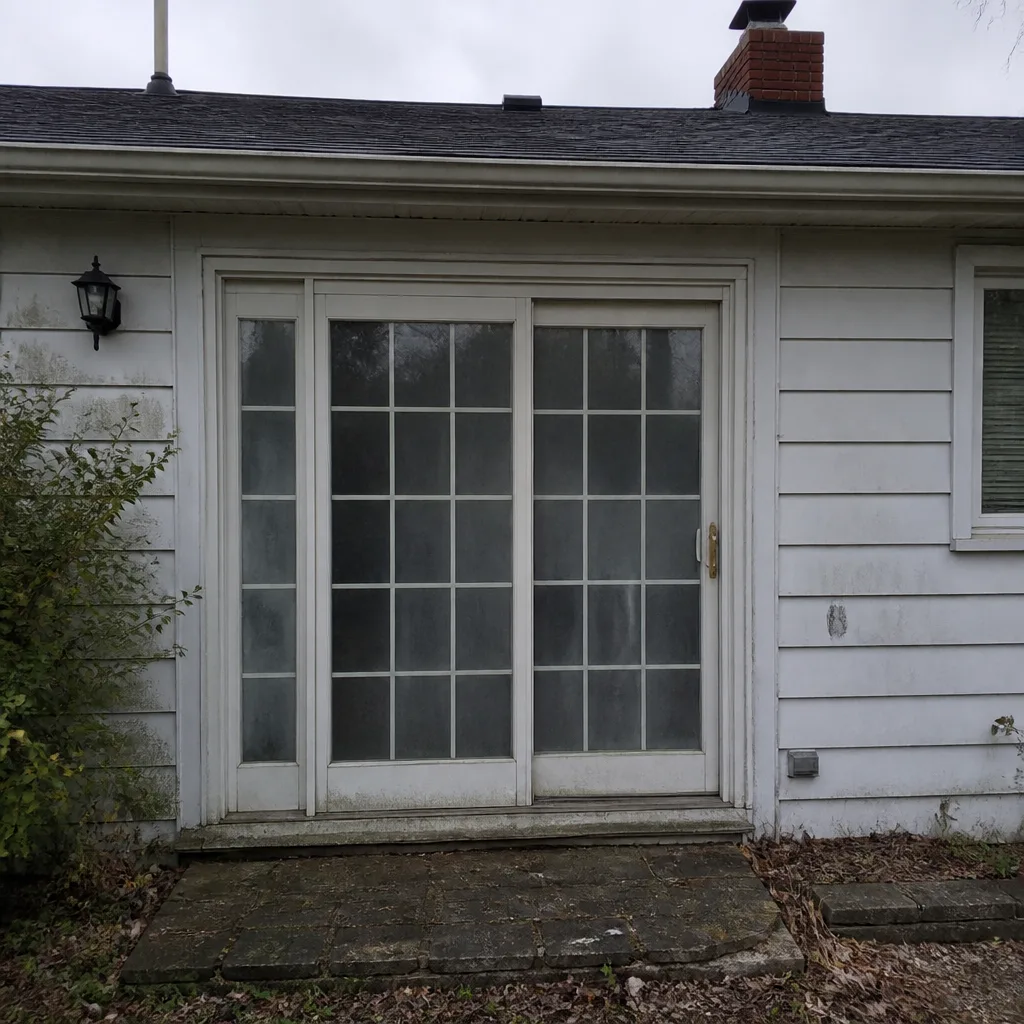 Before
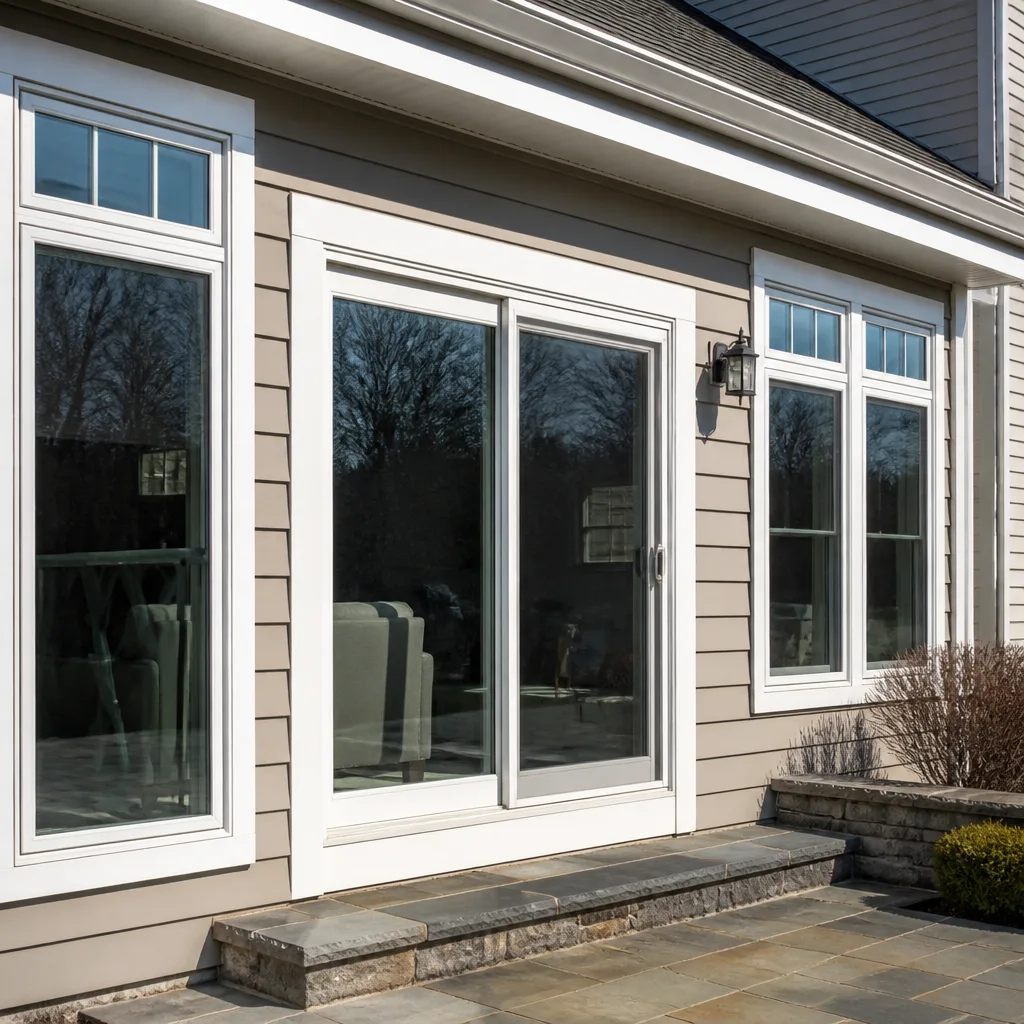 After
After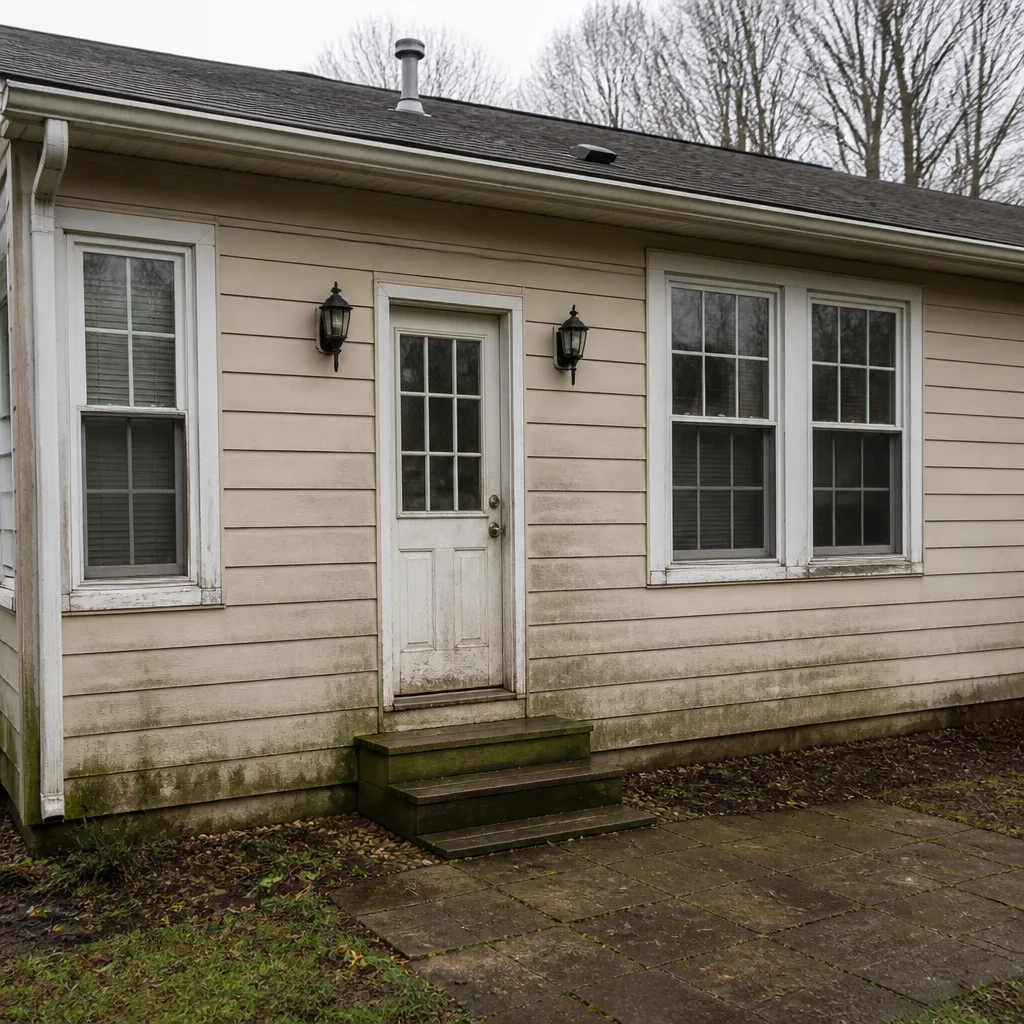 Before
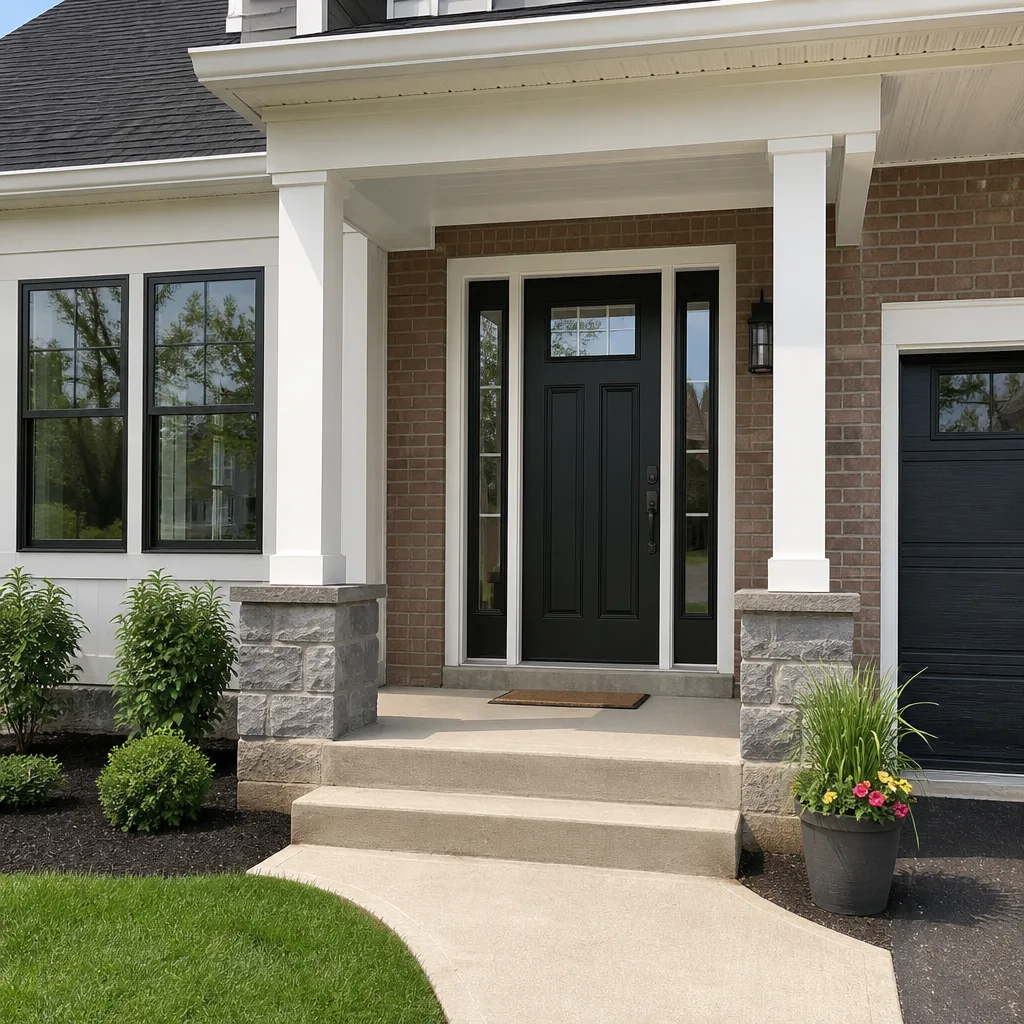 After
AfterImpact Windows & Doors Warning Signs Every Homeowner Should Know
Impact windows are engineered to fail quietly. The same polyvinyl butyral interlayer that keeps shattered glass from spraying across your living room during a storm also masks the slow degradation happening inside the pane. In Columbus, where freeze-thaw cycles stress seals from November through March and summer humidity tests every gasket, that hidden damage accumulates faster than homeowners expect. By the time a problem is visible from the couch, the window has usually been compromised for months. This guide walks through the specific warning signs that matter, the ones that separate a cosmetic issue from a structural failure, and how to document what you find before you call anyone for our Impact Windows & Doors services.
Quick Answer
Impact window damage first appears as edge haze, a yellow tint between the glass plies, or a spider-web pattern in the interlayer that you can feel but not wipe off. A door that suddenly needs extra force to latch, or a window that starts binding in one corner, is a frame problem stressing the impact glazing. Surface scratches are cosmetic; delamination, interlayer fractures, and frame racking are structural and require professional replacement or realignment.
Table of Contents
- Edge Delamination: The Sign Most Homeowners Miss
- Seal Failure vs. Surface Scratch: What Each One Means
- Spider Cracks in the Interlayer: Structural Red Flags
- Frame Racking: How Your Door Hinges Tell the Story
- Hardware Warning Signs: When a Latch Is a Frame Problem
- How to Document Damage Before Calling a Contractor
- Why Columbus Weather Accelerates Impact Window Wear
- Common Mistakes to Avoid
- When to Call a Professional
- Frequently Asked Questions
- The Bottom Line
Edge Delamination: The Sign Most Homeowners Miss
Delamination between the glass plies of an impact window starts as a faint haze or yellow tint at the edge, a sign most homeowners mistake for condensation or a dirty seal. By the time it is obvious, the structural integrity of that pane is already compromised. In our experience serving Columbus homeowners, delamination is the single most common impact window failure we find on homes built 12 to 18 years ago, and it is almost always reported as “the window looks cloudy” or “there’s moisture I can’t wipe off.”
Here is what is actually happening. Impact glass is laminated: two or more panes bonded to a polymer interlayer. When that bond begins to separate at the edges, air and moisture work their way inward. The visual signature is a milky or yellowish border creeping in from the frame line, often in a half-moon pattern. Unlike condensation, which appears on the room-side surface and wipes away, delamination is between the glass. You cannot touch it. You cannot clean it.
Why it matters: the interlayer is what stops the glass from becoming shrapnel. A delaminated edge means the lamination is failing at its most vulnerable point. The window may still look intact from across the room, but its impact rating is degrading. Manufacturers warranty delamination, but the claim process depends on documentation and registered warranty layers, which is covered in our Window Installation Maintenance Checklist for Columbus Homeowners.
What to check:
- Look along the glass edge at a low angle, not straight on. Haze reads better in glancing light.
- Compare the corners. Delamination often starts at one corner and spreads unevenly.
- Press gently with a fingertip at the edge. Delaminated glass may give slightly under pressure where the bond has released.
If you see edge haze in a Columbus home, do not assume it is a cleaning issue. Bring in a glazier who can tell you whether the pane is a warranty candidate or a replacement.
Seal Failure vs. Surface Scratch: What Each One Means
An impact window has two separate seals worth knowing about: the structural laminate bond we described above, and the insulated glass unit seal around the airspace between panes. Homeowners routinely confuse the two. So do some contractors, which is why it pays to know the difference before anyone gives you a quote.
Insulated glass seal failure shows up as fogging or condensation inside the window, between the two panes of an insulated unit. It means the desiccant in the spacer has become saturated and the airspace is no longer dry. Your energy efficiency drops, and in Columbus winters you will notice the window sweating internally. This is a seal issue, not an impact-rating issue. It can often be addressed by replacing the insulated unit without replacing the entire impact window.
Surface scratches are on the exposed glass. They can happen from lawn equipment, pets, or a bad screen install. A surface scratch does not compromise the interlayer and usually does not require a new window. The only exception is a deep gouge that penetrates the lamination, which is rare and usually obvious.
Laminate delamination is the third category and the only one of the three that demands immediate replacement. The edge haze, yellowing, or separation in the laminate is structural. When we find it on an impact window in Columbus, we recommend replacement even if the homeowner says the window “still works.” It is no longer doing the job it was engineered for.
Quick reference:
- Fog between panes = seal failure. Energy issue, repairable.
- Scratch on the surface = cosmetic. Usually repairable or tolerable.
- Cloudy edge, yellow tint, or separation within the glass = delamination. Replace.
Spider Cracks in the Interlayer: Structural Red Flags
A spider crack pattern in an impact window is exactly what it sounds like: a small impact point with fine cracks radiating outward in all directions. What matters is where those cracks live. If they are on the outer glass surface and you can catch a fingernail on them, the damage is confined to one layer. If the pattern appears to float inside the pane, or if you see it on both sides of the glass but nothing on the surface, the fracture traveled into the interlayer.
Here is the structural distinction. Surface-only spider cracks mean the outer ply took a hit. The interlayer may still be intact, and the window may continue to perform for years, though the crack can propagate through temperature cycles. Interlayer spider cracks mean the polymer itself tore. That is the layer engineered to hold the glass together. A torn interlayer cannot do its job. In a storm, that window will not perform to its impact rating.
One way to check at home: shine a flashlight at a 45-degree angle across the damage. A surface crack casts a shadow. An interlayer crack diffuses light and looks like a cloudy web beneath the glass. If you are not certain, err on the side of a professional assessment. In Columbus, we see interlayer fractures most often on sliding glass doors that take repeated door-edge impacts from furniture or from children and pets hitting the lower rail area.
The rule we use on every inspection: if the crack is in the interlayer, the door or window is no longer impact-rated and should be replaced before the next severe weather season. If the crack is surface-only, monitor it and budget for replacement, but it is not urgent.
Frame Racking: How Your Door Hinges Tell the Story
Impact glazing depends on a stable frame. The frame is what holds the laminated glass in position and transfers impact load to the structure. When a frame racks, meaning it twists or settles out of square, the glazing takes stress it was never designed to absorb. Even a perfectly intact impact window will fail early in a racked frame.
The easiest diagnostic is on a hinged door, not the glass. Impact-rated doors are heavy. Their hinges bear significant load, and they will show misalignment before the glass does. Here is how to check door hinge alignment as a proxy for frame racking:
- Stand back and look at the gap line. The reveal around the door should be consistent. If it is tight at the top latch side and wide at the bottom latch side, or vice versa, the frame is out of square.
- Examine the hinge screws. Loose or stripped hinge screws are the first symptom of a door pulling away under its own weight. On an impact door, that weight is substantial.
- Look for hinge leaf separation. If the door-side and frame-side leaves of the hinge no longer sit flush when the door is half open, the hinge itself is bending. That is a frame load problem, not a hinge problem.
- Watch the door swing. Close the door slowly and watch the top edge. If it dips or rises as it passes through the frame, the frame has moved, or the hinges have worn unevenly.
In Columbus neighborhoods with older slab foundations, like Clintonville or parts of Westerville, soil movement through wet-dry seasonal cycles gradually racks door frames. The homeowner notices the door is “sticky in summer” or “has a draft in winter.” What is actually happening is the frame transferring movement stress into the impact glazing. A door tune-up early costs a fraction of replacing a stress-fractured panel later.
Hardware Warning Signs: When a Latch Is a Frame Problem
A door that needs extra force to latch is sending you a clear message. Impact doors are heavy enough that a well-aligned latch should engage with modest pressure. When you have to push the door hard, lift the handle, or shoulder the door to get the latch to click, the frame or the door slab has moved. The latch is merely the first point where that movement becomes noticeable.
Hardware warning signs worth taking seriously:
- Deadbolt misalignment. If the deadbolt throw scrapes the strike plate or requires the handle to be lifted to line up, the door edge has dropped.
- Worn strike plate edges. A strike plate that shows bright metal where the latch bolt strikes it means the bolt is hitting in the wrong place repeatedly.
- Handle sets that loosen monthly. On an impact door, repeated retightening is a symptom of frame flex, not poor hardware.
- Multi-point lock systems binding. Impact doors often have three-point locking. If the top or bottom shoot bolts drag against the keeper, the frame has twisted.
Why this matters for security: an impact door is a security asset. But a door that does not latch cleanly is a security liability regardless of how impact-rated the glass is. In our work across Columbus, we have seen forced-entry attempts succeed not through the glass but through a door that was never properly latched because the homeowner stopped fighting it years ago. The fix often involves re-hanging the slab or shimming the frame, not new hardware. But that work needs to happen before the frame stress transmits to the glazing.
How to Document Damage Before Calling a Contractor
When impact window damage appears, the instinct is to call someone immediately. Do that. But before the phone call, take twenty minutes to document what you are seeing. A well-documented damage report changes the entire warranty and insurance conversation.
What an adjuster or warranty claim actually needs:
- A date-stamped photo of the full window or door from the inside and outside. Show the entire unit in frame first. Context matters.
- A close-up of the damage at an angle. Straight-on photos hide delamination and haze. Angle shots reveal depth.
- A photo of the manufacturer’s label or etching. Impact glass carries a label in the corner or along the edge with the manufacturer name, product code, and safety rating. This label is the first thing a warranty department asks for.
- A measurement reference in the photo. A coin or a tape measure beside the damage gives scale. Without scale, adjusters argue about severity.
- Written notes with dates. When did you first notice it? Has it changed since? Temperature and weather context help, especially in Columbus where seasonal shifts are part of the damage story.
- Receipts or installation records if you have them. If the windows were installed by a previous owner, check the breaker panel, utility closet, or garage for a folder. Manufacturer warranty transfer depends on original documentation.
One more thing: do not clean the window before photographing. Dirt and water spots are irrelevant, but wiping the glass can obscure the very haze or edge separation you are trying to document. Leave it as is until the assessor sees it.
Why Columbus Weather Accelerates Impact Window Wear
Impact windows are tested against hurricane-force winds and projectile impacts, but the real enemy in central Ohio is not a single storm. It is the cumulative effect of temperature cycling, humidity, and UV exposure over years of ordinary weather.
Columbus sits in a climate zone that swings from sub-zero winter nights to 90-plus-degree summer afternoons. Glass expands and contracts through every cycle. The interlayer expands and contracts at a different rate. Sealants harden in winter, soften in summer. After enough cycles, the bond between glass and interlayer begins to shear. That is why delamination often appears first at the corners and edges, where thermal stress concentrates and where the laminate bond is thinnest.
Humidity is the second factor. Columbus summers are humid. If an edge seal has even a micro-breach, that humidity works into the laminate over months. The interlayer absorbs moisture and begins to cloud. By winter, freeze-thaw cycles expand that trapped moisture and the delamination accelerates.
Andersen, Pella, and Marvin all engineer their impact lines for these conditions, but no manufacturer can defeat physics entirely. A window installed in a house on the northwest side of Columbus, where winter winds drive rain against the glass, will show edge wear sooner than the same window on a sheltered south exposure. That is not a defect. It is the environment. The practical takeaway: an annual visual check of your impact windows, especially in spring after freeze-thaw season, catches edge haze early enough to act while the warranty language still favors you, as detailed in our Seasonal Windows & Doors Care for Columbus: Year-Round Homeowner’s Guide.
Common Mistakes to Avoid
- Assuming fog means the window is ruined. Fog between panes usually means seal failure, not laminate failure. The impact rating may still be intact. Get an assessment before you replace the whole unit.
- Ignoring a door that sticks. A binding door is a frame problem signaling stress on the impact glazing. Treating it as an annoyance rather than a structural symptom invites a bigger repair later.
- Wiping the glass before taking photos. Cleaning can remove the visual evidence of delamination. Document first, clean later.
- Replacing only the broken pane on a laminated unit. Impact windows are engineered as complete units. A partial repair may restore the look but not the rating.
- Waiting until storm season to inspect. In Columbus, late winter and early spring are when freeze-thaw damage shows. Checking in April gives you months to act before severe weather arrives.
- Assuming a warranty claim is automatic. Manufacturer warranties require documented installation, registered layers, and specific claim procedures. Unregistered or improperly installed windows routinely see valid claims denied.
- Calling a general handyman for an impact glazing assessment. Impact windows are a specialty product with specific structural requirements. Evaluations should come from a glazier who works with the manufacturer lines daily.
When to Call a Professional
Some problems are obvious enough to document and monitor. Others demand a professional assessment. If you see edge delamination, interlayer fractures, or frame racking symptoms, call a glazier. If you are not sure whether a crack is surface-only or interlayer, call. If a door that used to latch cleanly now needs shoulder pressure, call. If you are contemplating an insurance claim or a warranty claim, call before you do anything that might alter the evidence.
TruePane Windows & Doors offers free estimates in Columbus. We will tell you what the window needs, whether that is a repair, a warranty claim, or a full replacement, and we will put it in writing. Call (888) 635-0804.
Frequently Asked Questions
Impact window replacement in Columbus typically runs between $900 and $2,400 per opening depending on size, manufacturer line, and frame condition, with full-home projects scaling accordingly. The range is wide because a standard bedroom window costs far less than a large sliding door or a custom arch. Call (888) 635-0804 for an exact quote on your specific openings, estimates are free.
Delaminated impact windows need replacement, not repair. The laminate bond between glass and interlayer cannot be restored once it has separated, and a re-bonded edge would not meet the original impact rating. Replacement is the only option that restores full protection.
Warranty status depends on the manufacturer, the installation date, and whether the warranty layers were registered in writing at installation. Check the manufacturer’s label on the glass edge for the product code, then contact the manufacturer with that code and your address. Manufacturer warranties commonly run 10 years to lifetime on the glass, but only when registered properly.
No. Columbus building codes do not require impact glass on standard residential construction. Impact windows are a homeowner choice driven by storm protection, security, noise reduction, and insurance considerations. Some insurance carriers offer premium discounts for impact-rated openings, worth checking with your provider.
Impact windows use laminated glass with a polymer interlayer that holds shattered pieces together, while tempered glass breaks into small granular pieces to reduce laceration risk. Tempered glass is a safety product; laminated impact glass is a structural product engineered to resist penetration from windborne debris and forced entry.
Impact windows in Ohio should be visually inspected once a year in spring, after the freeze-thaw cycle finishes. Look for edge haze, new cracks, seal fogging, and any change in how doors and windows operate. A professional assessment every few years is reasonable for a home with many impact openings.
The Bottom Line
Impact windows protect your home by failing slowly. The signs of that failure are subtle: edge delamination, yellowing between the plies, spider cracks in the interlayer, a door that needs extra force to latch, hinges that will not stay tight. Each one is a message about what is happening inside the window or the frame around it. In Columbus, where weather cycles stress every seal and joint, annual inspection and prompt attention to what you find is the cheapest insurance you will ever buy. For more guides & resources, visit our blog, and when it is time for an assessment or a quote, TruePane Windows & Doors is here. Call (888) 635-0804 and we will come out, look honestly, and tell you what needs doing and what does not.
Written by Dale Kessler, Owner at TruePane Windows & Doors, serving Columbus since 2008.