
Last updated August 27, 2026
Free in-home measure and quote - PGT, CGI and CWS impact lines compared on your actual openings, style by style
Sliding glass doors
Impact garage doorsPGTCGI
 Before
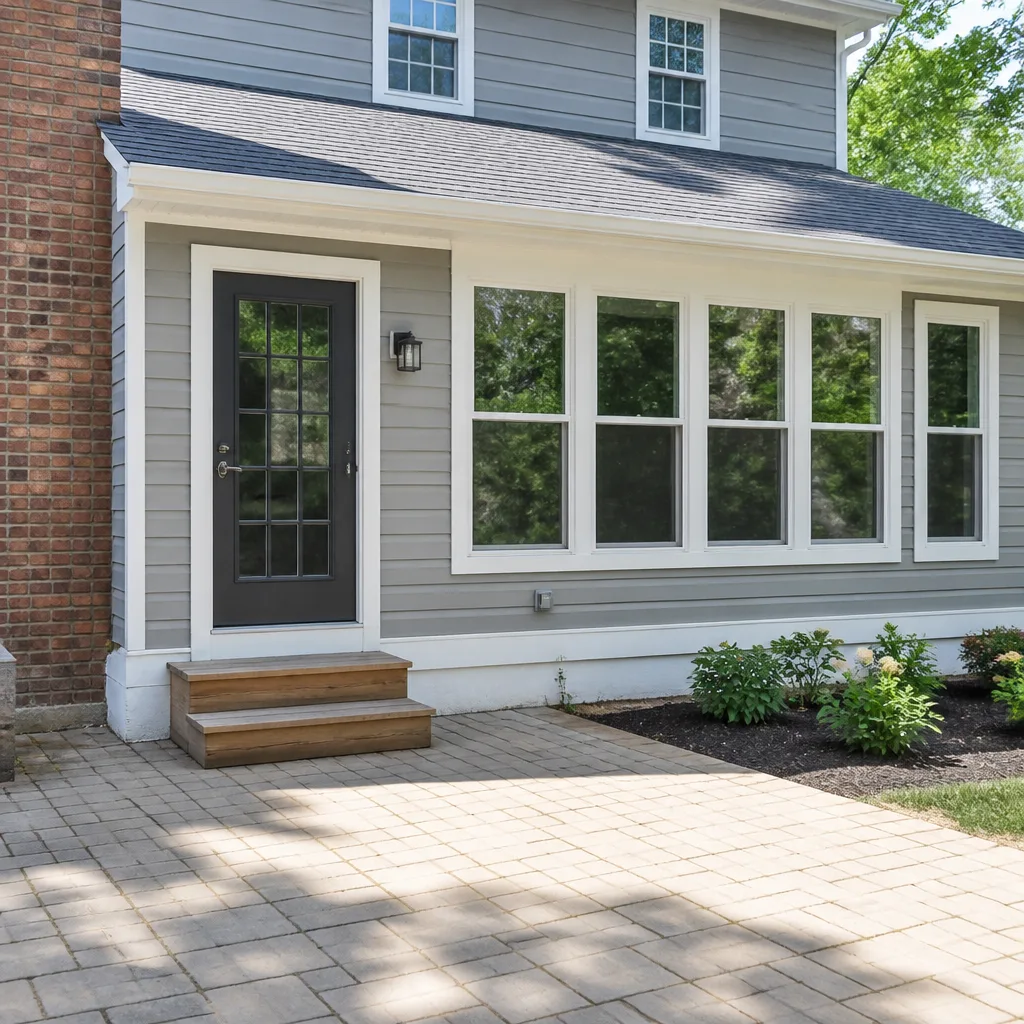 After
After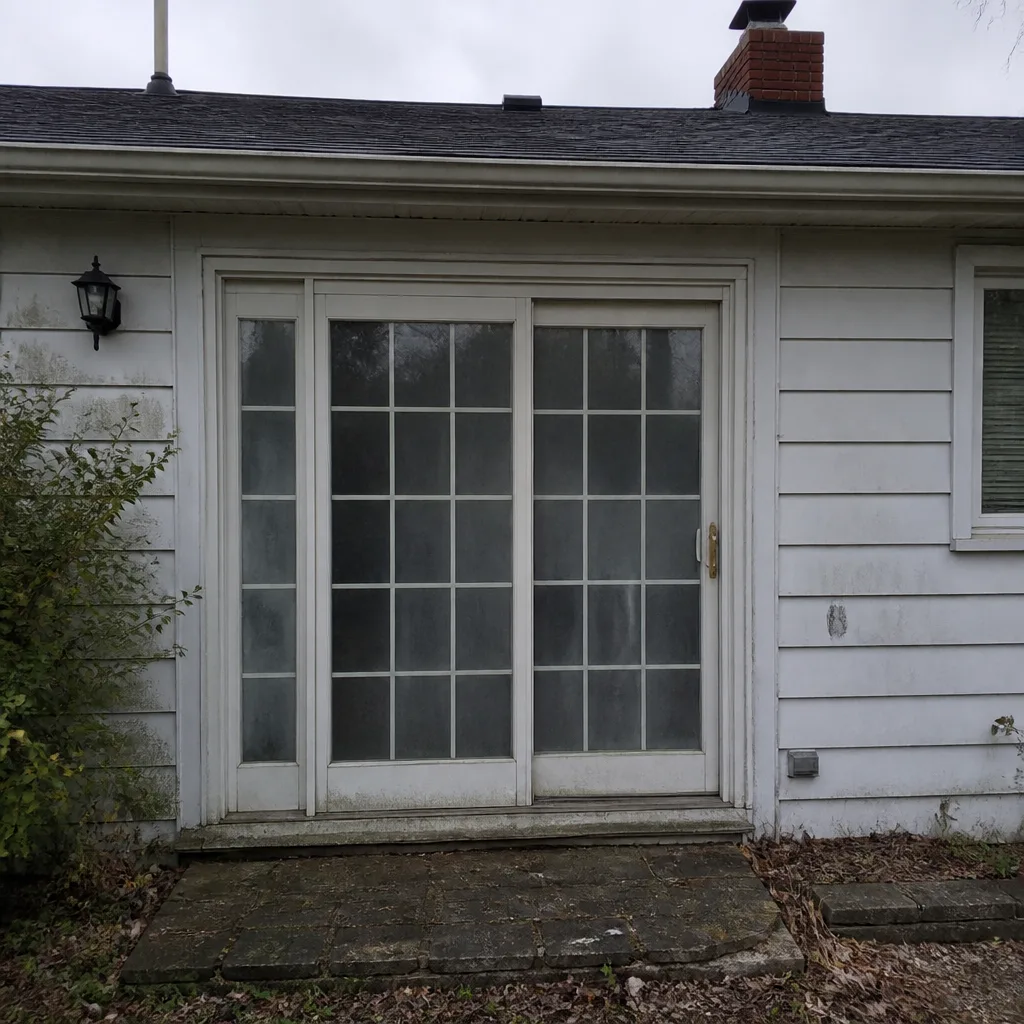 Before
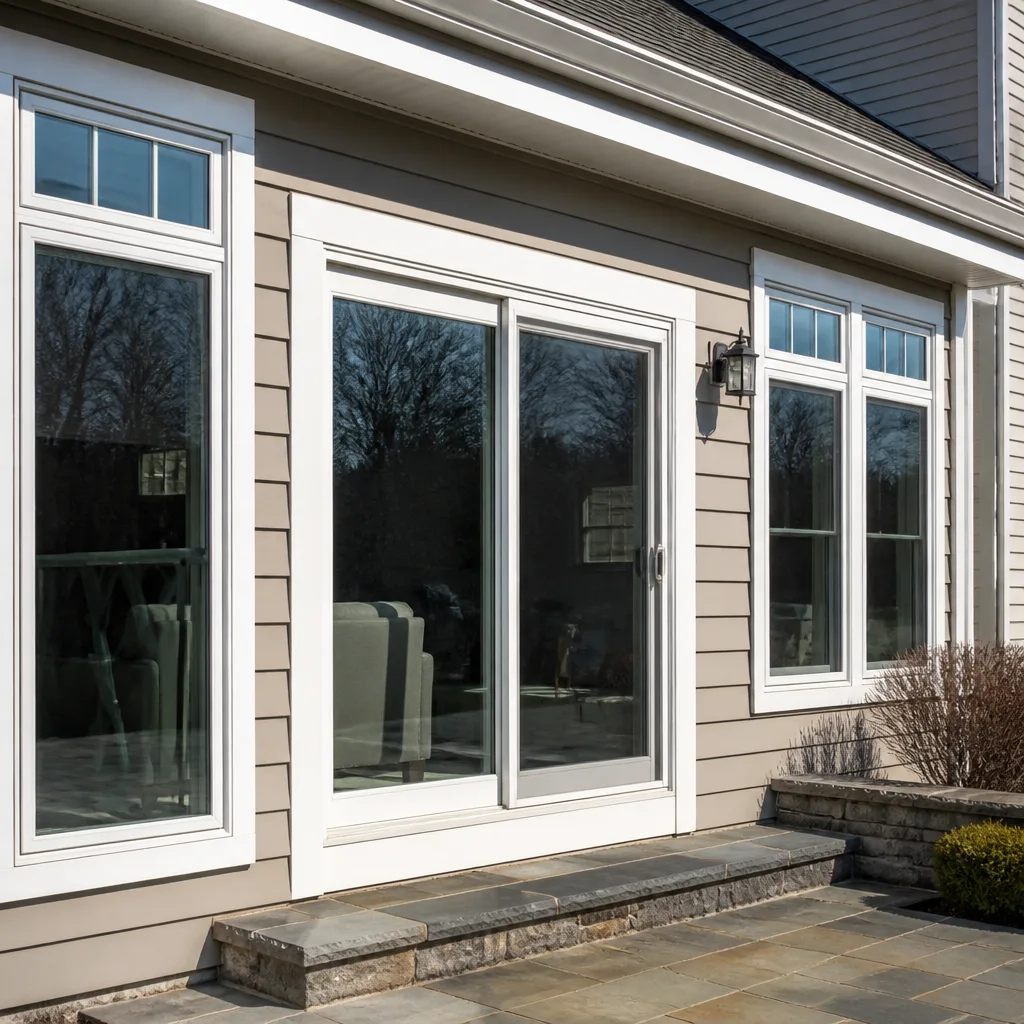 After
After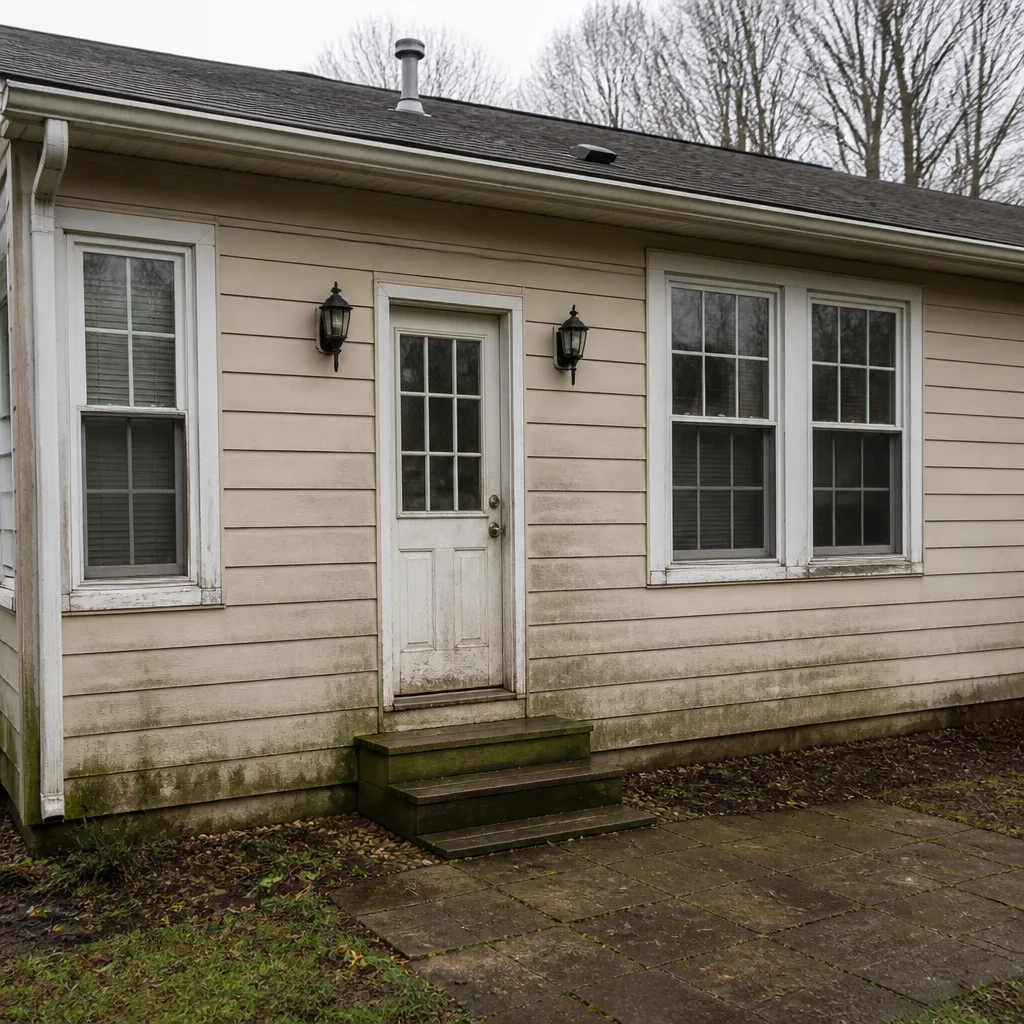 Before
 After
AfterThe Complete Window Replacement Guide for Columbus Homeowners
A low-E coating specified for a Minneapolis winter can quietly drive up your cooling bill in a Columbus July. That’s the detail most salespeople skip, and it’s the reason we wrote this guide. Columbus sits in a mixed-humid climate zone where windows have to manage sub-zero February nights and 90-degree August afternoons with equal composure. What you’ll learn here comes from four decades of watching how different glass packages, frame materials, and installation methods actually perform through Central Ohio freeze-thaw cycles and humid summers, not from a showroom brochure.
Quick Answer
Our Window Replacement services in Columbus typically cost between $600 and $1,400 per window installed, depending on frame material, glass package, and whether you need full-frame or insert replacement. For a mixed-humid climate like Central Ohio, the right specification is usually a U-factor of 0.27 or lower paired with a Solar Heat Gain Coefficient (SHGC) between 0.25 and 0.35, but the exact numbers shift based on which direction each window faces. Installation method and warranty registration matter as much as the glass itself, and a window specified for the wrong climate zone will underperform no matter how carefully it’s set.
Table of Contents
- Why Central Ohio Climate Changes the Spec
- U-Factor vs. SHGC: The Numbers That Matter in Columbus
- Frame Materials and the Freeze-Thaw Reality
- Full-Frame vs. Insert Replacement for Older Columbus Homes
- Ohio Permits and Code: What Columbus Homeowners Need to Know
- Dual Warranty Registration: Why Unregistered Means Unprotected
- What Window Replacement Costs in Columbus in 2026
- The Replacement Process: What Happens on Install Day
Why Central Ohio Climate Changes the Spec
Columbus doesn’t get the deep sustained cold of the Upper Midwest, and it doesn’t get the relentless heat of the Southwest. What it gets is both, in alternating seasons, with humidity layered on top. Windows here face an average winter low around 22°F, an average summer high near 85°F, and swings of 40 degrees or more within a single week during spring and fall. That’s a genuine mixed-climate profile, and it changes what belongs in your walls.
The freeze-thaw cycle is the quiet destroyer. Water gets into small gaps around the glazing or the frame, freezes at night, expands by roughly 9 percent, and widens whatever crack it found. The next rain finds that wider gap. Repeat for ten winters and a window that looked fine at installation starts letting air through the sash corners. We see this most often on the north and east elevations of older Columbus homes, where morning sun hits frozen frames and starts the expansion before the afternoon thaw. The window itself didn’t fail; the specification ignored how water behaves when it freezes, thaws, and freezes again.
Humidity adds a second layer. Columbus averages morning relative humidity above 80 percent from June through September. Windows that don’t seal properly against that humidity allow condensation inside the frame cavities, which feeds rot in wood frames and corrosion in cheap hardware. If you’re comparing quotes, ask how each window handles condensation drainage. It’s a question that separates windows designed for mixed-humid climates from windows designed for a national average that doesn’t exist anywhere.
U-Factor vs. SHGC: The Numbers That Matter in Columbus
Two ratings determine whether a window will save you money or cost you money, and most Columbus homeowners never hear them explained in plain terms. U-factor measures how well the window resists heat transfer. Lower is better for keeping heat inside in winter. SHGC, or Solar Heat Gain Coefficient, measures how much solar heat the glass lets in. Higher means more free heat from the sun in winter, but also more unwanted heat in summer. The tension between these two numbers is where Central Ohio window specs get interesting.
For Columbus, we recommend a U-factor of 0.27 or lower across the whole house. That’s the threshold where you feel a real difference in winter comfort and see it on your heating bill. But SHGC needs to be directional, because a south-facing window and a north-facing window have completely different jobs here.
- South-facing windows: SHGC of 0.30 to 0.40. You want to capture winter solar gain, but Columbus summers are too humid to accept the 0.50+ SHGC that cold-climate specs allow. In July, that high-gain glass turns your living room into a solar oven and your air conditioner runs harder.
- North-facing windows: SHGC of 0.25 to 0.35. These get almost no direct winter sun, so solar gain doesn’t help. You want the lowest U-factor you can afford and a mid-range SHGC that keeps heat out without making the room dim.
- East and west-facing windows: SHGC of 0.25 or lower. Morning and evening sun in Columbus is low-angle and intense, especially in summer. High SHGC on a west-facing window is the most common cause of “my new windows made my house hotter” complaints we hear.
The low-E coating is where this gets real. A low-E coating is a microscopic metallic layer that reflects specific wavelengths of light. Coatings optimized for heating-dominated climates let more solar heat through. Coatings optimized for cooling-dominated climates block more. Columbus needs the middle ground, and most box-store windows default to one extreme. Always ask for the actual U-factor and SHGC of the window as built, not the “up to” number on the display model. Glass packages from manufacturer lines like Marvin, Andersen, and PGT each carry three or four coating options, and the difference between the right one and the wrong one is measurable on your utility bill within two seasons.
Frame Materials and the Freeze-Thaw Reality
Frame material determines how a window survives a Columbus winter, not just how it looks. Each material expands and contracts at a different rate when temperatures swing from 10°F to 90°F, and the joint between frame and glass is where failures begin. Here’s what we’ve learned years of watching these materials through Central Ohio seasons.
Vinyl expands and contracts more than any other common frame material. A vinyl sash that fits perfectly in July will be slightly smaller in January, and that seasonal movement can create hairline gaps at the miter joints. Quality vinyl windows are engineered with welded corners and internal chambers that accommodate this movement, but budget vinyl units often show corner cracks within five to eight Columbus winters. Vinyl is the most affordable option and performs well when the window is sized correctly and the wall opening is properly sealed, but the specification needs to account for thermal movement.
Wood is the traditional choice and the one most Columbus homeowners over 60 grew up with. Wood is naturally insulating and moves very little with temperature change, but it moves significantly with moisture. Central Ohio’s humid summers can swell wood frames that weren’t properly sealed at the factory, and freeze-thaw cycles punish any exposed end grain. Wood windows require exterior cladding, typically aluminum or fiberglass, to survive here. An unclad wood window in a Columbus exterior wall is a maintenance problem in waiting. Marvin and Andersen both build wood windows with engineered exterior cladding systems that handle our humidity well, but the interior wood still needs to be finished and maintained.
Fiberglass expands and contracts at nearly the same rate as glass itself, which makes it the most dimensionally stable option for a freeze-thaw climate. The glass and the frame move together, so the seal between them stays intact longer. Fiberglass frames cost more than vinyl but less than premium wood, and they don’t rot or absorb moisture. For Columbus homeowners who intend to stay in the house for another twenty years, fiberglass is often the most sensible material choice on the cold sides of the house.
Composite frames blend wood fiber and plastic resin, and they sit between wood and vinyl in terms of thermal movement. Composite handles moisture better than wood but not quite as well as fiberglass, and it’s typically painted at the factory. The performance varies substantially by manufacturer, because “composite” covers a wide range of formulations. If you’re considering composite, ask the installer which specific manufacturer line they recommend and why, and don’t accept “it’s just a good window” as the answer.
Full-Frame vs. Insert Replacement for Older Columbus Homes
Columbus housing stock presents a specific set of conditions. Big swaths of the city, from Clintonville to Berwick, were built between 1920 and 1970, and the window openings in those homes were framed for different products than what’s sold today. Understanding the difference between full-frame and insert replacement determines whether your new windows will perform or just look new, a topic we covered in our guide to DIY vs Professional Door Installation: What’s Safe to Do Yourself.
Insert replacement, also called pocket replacement, fits a new window unit inside the existing frame. The old sashes and hardware come out, but the original frame stays in place. This is typically the lower-cost option, and it’s entirely appropriate when the existing frame is square, structurally sound, and free of rot. Inserts preserve interior trim and minimize disruption, which matters in older Columbus homes with plaster walls and woodwork worth keeping.
Full-frame replacement removes everything down to the rough opening, including the old frame, exterior trim, and often part of the interior trim. This is the right call when the original frame has water damage, when the rough opening itself has shifted out of square, or when you want to change the window size. In Columbus homes from the mid-century era, we regularly find original frames that have rotted at the bottom corners, hidden behind trim. An insert installed over that rot simply hides the problem, and within a few years the new window starts binding and leaking. Full-frame replacement costs more but addresses the structure, not just the symptom.
How to decide, in order:
- Have the existing frames inspected for rot, squareness, and water damage before you get quotes. This is a 20-minute check we do on every Columbus estimate.
- If the frame is sound and square, insert replacement usually gives you 90 percent of the energy performance at 60 to 70 percent of the cost.
- If the frame shows any rot, movement, or previous water staining, specify full-frame and don’t let anyone talk you into covering it up.
- If you’re changing window size or style, you need full-frame, full stop.
Older Columbus homes also have structural considerations. Many pre-1950 houses here use rough openings that are not standard dimensions, and some have brick exterior walls where the window is set directly into masonry. Those installations need flashing details that differ from wood-frame walls, and a Window Replacement in Parkway specialist who understands masonry openings will specify a different sealant and sill pan than a contractor who only does suburban vinyl retrofits.
Ohio Permits and Code: What Columbus Homeowners Need to Know
Window replacement in Columbus usually does not require a building permit when the opening size stays the same and no structural work is involved. That’s the common case for insert replacement. But the moment you change the size of the opening, add a new window where none existed, or modify any structural framing around the window, you need a permit from the City of Columbus Building and Zoning Services. This distinction trips up homeowners every year, and unpermitted structural work becomes a problem at sale time when the title search flags it.
Ohio’s building code references energy performance standards for replacement windows, and Columbus enforces those standards through its residential inspection process when a permit is pulled. The relevant benchmark for our climate zone is a maximum U-factor of 0.32 for replacement windows, though any modern quality window will beat that number comfortably. The more important code issue in Columbus is egress. Any window in a bedroom, or any window you’re changing the size of, must meet minimum egress dimensions, which the code sets at a clear opening of at least 5.7 square feet. This isn’t bureaucratic trivia. An egress window is the difference between a bedroom and a room that can’t legally be called a bedroom.
A few Columbus-specific notes. Homes in historic districts, including parts of German Village, Victorian Village, and Old Towne East, may require design review approval before any exterior window change. If your home is in a designated historic area, check with the Historic Resources Commission before you sign a contract. Some Columbus zoning districts also have specific requirements for tempered glass in windows near doors or in hazardous locations, and your installer should know these details. This is where a Window Installation in Parkway contractor with real local experience reads the difference between a straightforward retro and a job that needs an architect’s stamp. We pull permits when the job requires them and we don’t pretend a permit isn’t needed to make a bid look cheaper.
Dual Warranty Registration: Why Unregistered Means Unprotected
Here’s a truth most window sales conversations never reach. When you buy a replacement window, you’re actually buying two separate warranties. The manufacturer warranties the window itself, typically covering the glass seal, the frame, and the hardware for periods ranging from 10 years to lifetime, depending on the line. The installer warranties the labor, covering the workmanship of the installation. Both layers matter, and both need to be registered in writing.
What happens when a manufacturer warranty isn’t registered? Nothing good. The manufacturer has no record of your purchase, which means a glass seal failure five years later becomes your word against a warranty department that can’t find your window in its system. We’ve helped Columbus homeowners recover from this exact situation. They bought quality windows, the seal failed, and the manufacturer said they had no valid registration on file. The homeowner’s installer had never submitted the paperwork. That’s the reality behind the phrase “unregistered warranty is no warranty.”
The truth about installer warranties is similar. An installer warranty is only worth the company’s ability and willingness to honor it. When the installer is a subcontracted crew working under someone else’s license, the “lifetime labor warranty” dissolves the moment the general contractor closes the job. In contrast, our Done Right Promise is stated in writing before the first window is ordered, and every job carries The Keystone Standard: both manufacturer warranty layers registered in writing, with durations stated, before our truck leaves your driveway. That means you receive the actual registration documents, not a promise that “we’ll take care of it.”
It’s worth stating plainly because Columbus has seen an influx of storm-chasing window companies in recent years. If an installer won’t tell you which manufacturer lines they’re authorized to install, won’t put warranty durations in the contract, and won’t hand you the registration paperwork, keep looking. You should also ask about manufacturer lines you already know, and we’re proud to be an authorized installer for more than a dozen, including, PGT, CGI, and ES Windows. The TruePane Windows & Doors home team can walk you through which line fits your house and your budget, on paper, side by side.
What Window Replacement Costs in Columbus in 2026
Columbus window prices in 2026 reflect a few years of material cost pressure, and the range is wider than most national guides suggest. A basic vinyl insert replacement starts around $600 to $850 per window installed. A mid-range vinyl or composite window runs $850 to $1,100. Premium wood or fiberglass full-frame replacements land between $1,200 and $1,800 per window, and custom sizes or historic-profile windows push higher. These are installed prices for standard double-hung windows, and they assume a typical Columbus home with accessible openings.
Here’s the breakdown in table form, because you should see the line items the way we write them on paper:
- Vinyl insert, standard size: $600-$850 per window
- Vinyl full-frame, standard size: $850-$1,200 per window
- Composite or fiberglass insert: $900-$1,300 per window
- Wood (clad) full-frame: $1,200-$1,800 per window
- Custom or historic-profile: $1,500+ per window
What drives the price difference in Columbus specifically? Labor rates here are moderate compared to coastal markets, but our freeze-thaw climate means proper flashing, sill pan installation, and air sealing take longer than they do in mild climates. A crew that skips those steps can offer a lower bid and deliver a window that leaks air at the first real cold snap. We’ve also been serving Central Ohio since 2008, and the pricing we quote is the pricing you pay, no change orders for “unforeseen conditions” that a competent inspection should have found during the estimate. For seniors and veterans, we maintain a permanent 5 percent discount, and our standard offers include a free written repair estimate and a maintenance check. Call (888) 635-0804 for a line-item estimate in writing.
The Replacement Process: What Happens on Install Day
Understanding the sequence of a proper replacement helps you evaluate whether an installer is doing the job correctly. Here’s what a standard full-frame replacement looks like in a Columbus home, step by step:
- Protection and removal. The crew covers the interior floor and furniture, removes the old window down to the rough opening, and disposes of the old unit. On insert jobs, the old sashes and hardware come out but the frame stays.
- Opening inspection. Before the new window goes in, the rough opening gets checked for rot, square, and moisture. Any damage found here is addressed before the new unit is set, whether that means minor repair or a larger structural fix.
- Sill pan and flashing installation. In our climate, a proper sill pan kicks water outward and away from the wall cavity. This is the step that prevents the freeze-thaw damage described earlier. Flashing tape goes over the sill pan and up the sides of the opening.
- Window setting and shimming. The new unit is set into the opening, shimmed until it’s level and plumb at every corner, and screwed into the framing. A window installed even slightly out of true will bind at the sash within a season or two. The rule in our shop is simple: if the pane is not true, the job is not done.
- Air sealing and insulation. Low-expansion foam fills the gap between the window and the rough opening, followed by interior and exterior sealant. In Columbus winters, this seal is the difference between a window that drafts and one that doesn’t.
- Trim and finish. Interior trim gets reinstalled or replaced, exterior trim and capping go back on, and the work area is cleaned. On full-frame jobs, interior touch-up painting is typically left to the homeowner or arranged separately.
- Operation check and warranty registration. Every new window gets cycled open, closed, locked, and checked for smooth operation. The crew explains the operation and care, hands over the warranty paperwork, and confirms the manufacturer registration is complete before leaving.
Most standard insert replacements take less than an hour per window. Full-frame jobs run longer, especially on the older Columbus homes where trim work and flashing details get complicated. We schedule most single-home projects to be completed in a single visit, with a second appointment left hanging only when a custom-order window hasn’t arrived yet. A live person answers our phone 24 hours a day, 7 days a week, so you’ll never chase a voicemail tree to get an update on your project.
Common Mistakes to Avoid
- Specifying the wrong SHGC for west-facing windows. We see this most often on the west sides of Upper Arlington and Dublin homes. A high-gain coating that looked “energy efficient” on the display turns the afternoon sun into an oven and the AC runs all summer.
- Buying a window product without confirming the actual glass package. The display unit might be triple-pane, but the one shipped to your Columbus address might have cheaper glazing. Get the U-factor and SHGC of the actual order in writing.
- Replacing windows without checking the rough opening for rot. In older Columbus neighborhoods like Clintonville and Linden, years of gutter overflow leave hidden frame rot. Covering it with an insert just moves the problem inside the wall.
- Not registering the warranty. We’ve already covered this, but it bears repeating after years of watching customers lose valid claims because paperwork was never submitted.
- Choosing a frame material without accounting for freeze-thaw movement. Any window can be made to look good on install day. It’s the fifteenth Columbus winter that tells you whether the material and sealant were right.
- Skipping egress compliance in bedrooms. If a bedroom window doesn’t meet the 5.7 square foot opening requirement, you may have trouble selling the home later. A competent installer flags this during the estimate.
- Hiring a crew without checking local authorization. Manufacturer authorization matters because it determines whether the warranty is valid. We install more than a dozen lines and provide the paperwork to prove it.
When to Call a Professional
Some window issues are maintenance items you can handle, and some need a trained eye before they get worse. Call a professional when you see condensation between the glass panes, which means the seal has failed and the insulating gas is gone. Call when a window won’t open or close without forcing, especially if the frame is twisting or binding at the corners. Call when you find soft wood, visible rot, or water stains around any window opening, because freeze-thaw damage in Columbus spreads fast once it starts. Call when your heating bill rises noticeably in a winter that isn’t unusually cold, which often means air is leaking through window seals that have quietly failed. And if a bedroom window doesn’t meet egress code, don’t wait to address it. TruePane Windows & Doors offers free estimates in Columbus, call (888) 635-0804 and we’ll send a uniformed, background-checked technician to measure every opening twice and walk you through the options on paper.
For readers in the Parkway area, our Door Installation in Parkway team handles the same standard for entry systems and patio doors, because the same freeze-thaw physics applies to every opening in the wall.
Frequently Asked Questions
Window replacement in Columbus generally costs between $600 and $1,400 per window installed, with basic vinyl inserts at the low end and full-frame wood or fiberglass at the high end. The final price depends on frame material, glass package, window size, and whether your home needs insert or full-frame work. Call (888) 635-0804 for a line-item quote in writing, estimates are free.
In Columbus, you typically don’t need a permit for insert replacement when the opening size stays the same, but you do need a permit if you’re changing the size of the opening, adding a new window, or modifying structural framing. Historic district homes may require additional design review. If you’re unsure, have a local installer check during the estimate.
U-factor measures how well a window resists heat transfer, with lower numbers meaning better insulation. SHGC measures how much solar heat the glass lets through, and the right number depends on window direction and your local climate. In Columbus, we recommend a U-factor of 0.27 or lower and a direction-specific SHGC between 0.25 and 0.40.
Replacing all windows at once usually costs less per window because the crew, equipment, and logistics are already on site. Phased replacement is workable if you replace one elevation at a time, but be aware that window prices typically rise over time and a future crew may not match the current installation details. For most Columbus homeowners, the full-house replacement is the better long-term value.
Quality replacement windows in Central Ohio typically last 20 to 30 years, assuming proper installation and annual maintenance of seals and hardware. Vinyl windows on harsh west-facing walls may show wear sooner, while fiberglass and clad wood units often exceed 30 years with the right care. Freeze-thaw cycles shorten the life of any window installed with poor flashing or sealant, which is why installation quality matters as much as the product.
Warranty registration means your purchase is recorded with the manufacturer so a future glass seal or frame failure can be processed under the warranty terms. Without registration, the manufacturer has no record of your window and can deny the claim. An installer who registers both the manufacturer and labor warranty layers in writing, and hands you the paperwork, is giving you a warranty you can actually use.
The Bottom Line
Window replacement in Columbus is a climate-specific decision. The right window for a Phoenix house is the wrong window here, and the difference shows up in your utility bill and your comfort within two seasons. Focus on the actual numbers: U-factor of 0.27 or lower, direction-specific SHGC, and a frame material that can handle Central Ohio freeze-thaw cycles for twenty winters or more. Choose full-frame replacement when your older Columbus home has rot or out-of-square openings, and verify that both warranty layers are registered in writing before the installer leaves. Then call us at (888) 635-0804 for a free estimate from a company that’s been serving Central Ohio since 2008 and plans to be here for forty more, or browse more guides & resources to keep learning.
Written by Dale Kessler, Owner at TruePane Windows & Doors, serving Columbus since 2008.