
Last updated August 27, 2026
Free in-home measure and quote - PGT, CGI and CWS impact lines compared on your actual openings, style by style
Sliding glass doors
Impact garage doorsPGTCGI
 Before
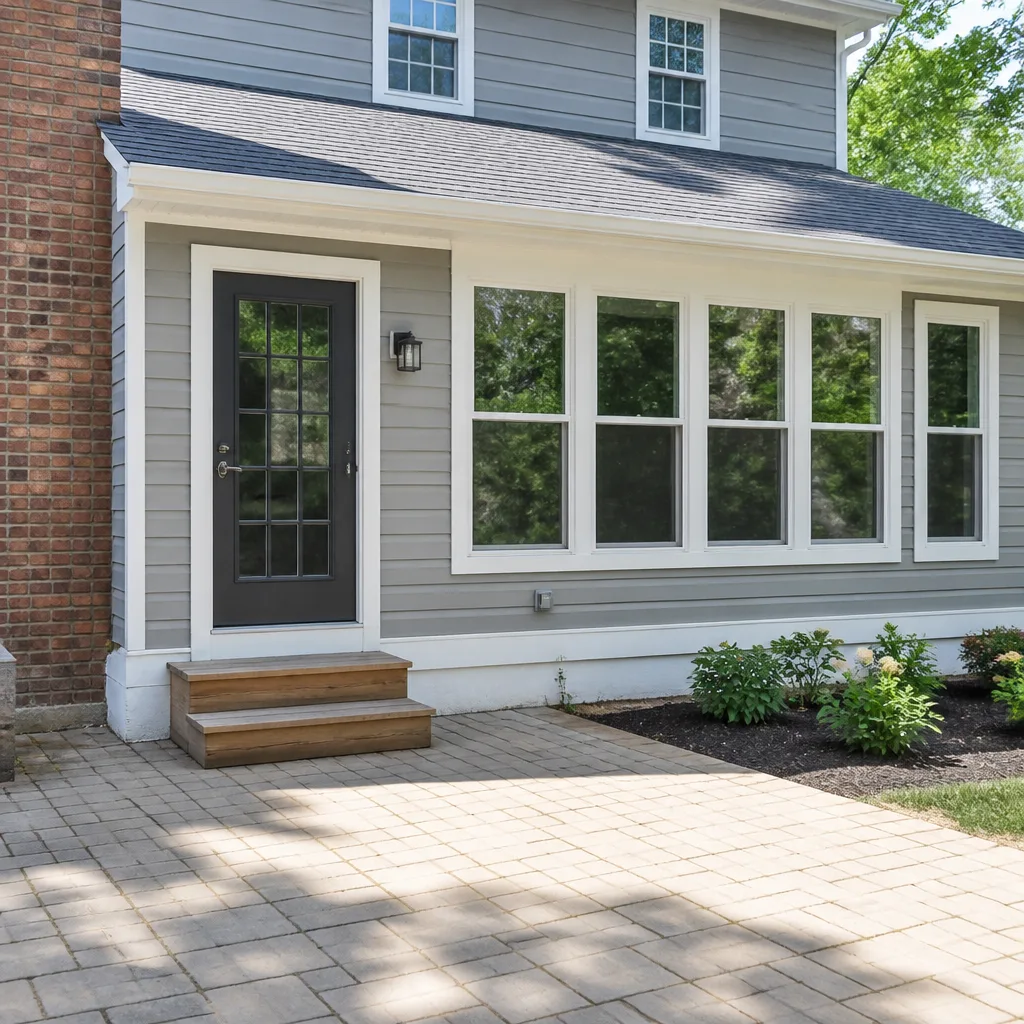 After
After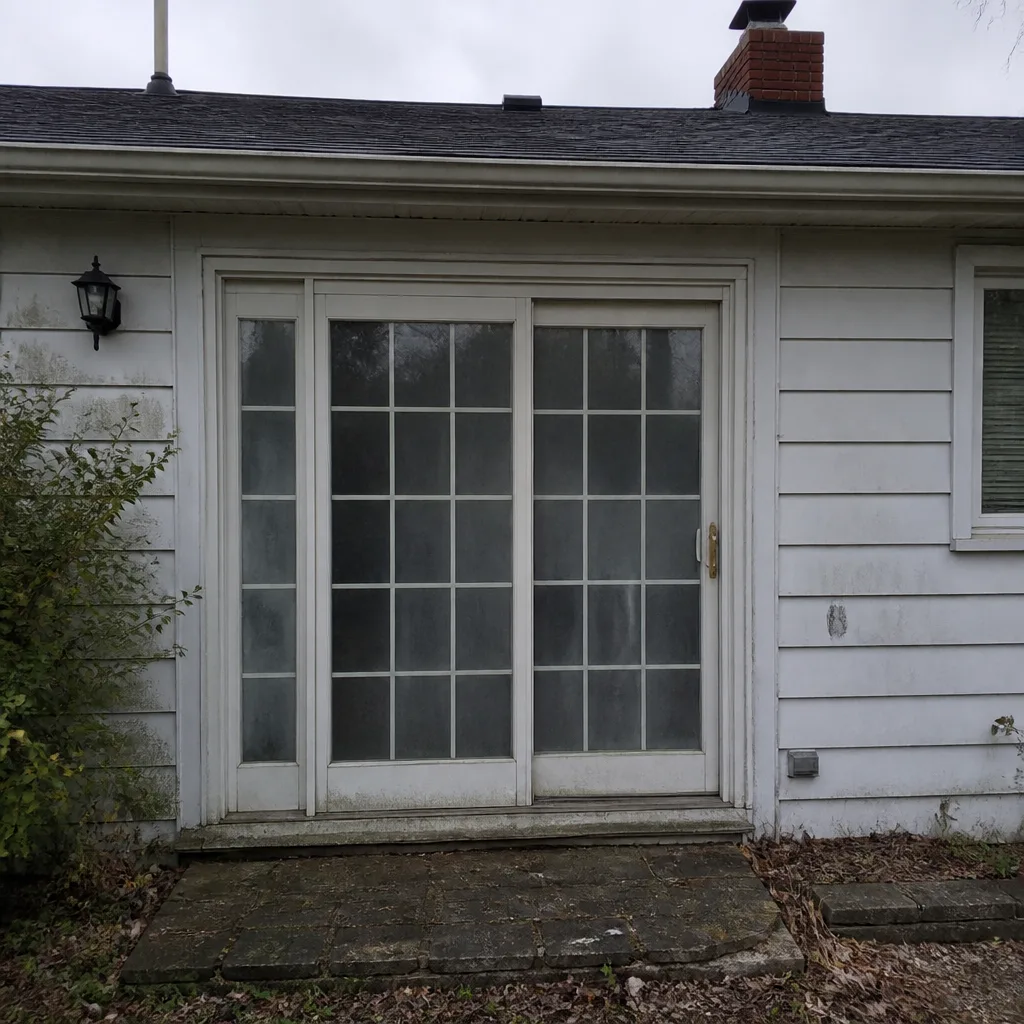 Before
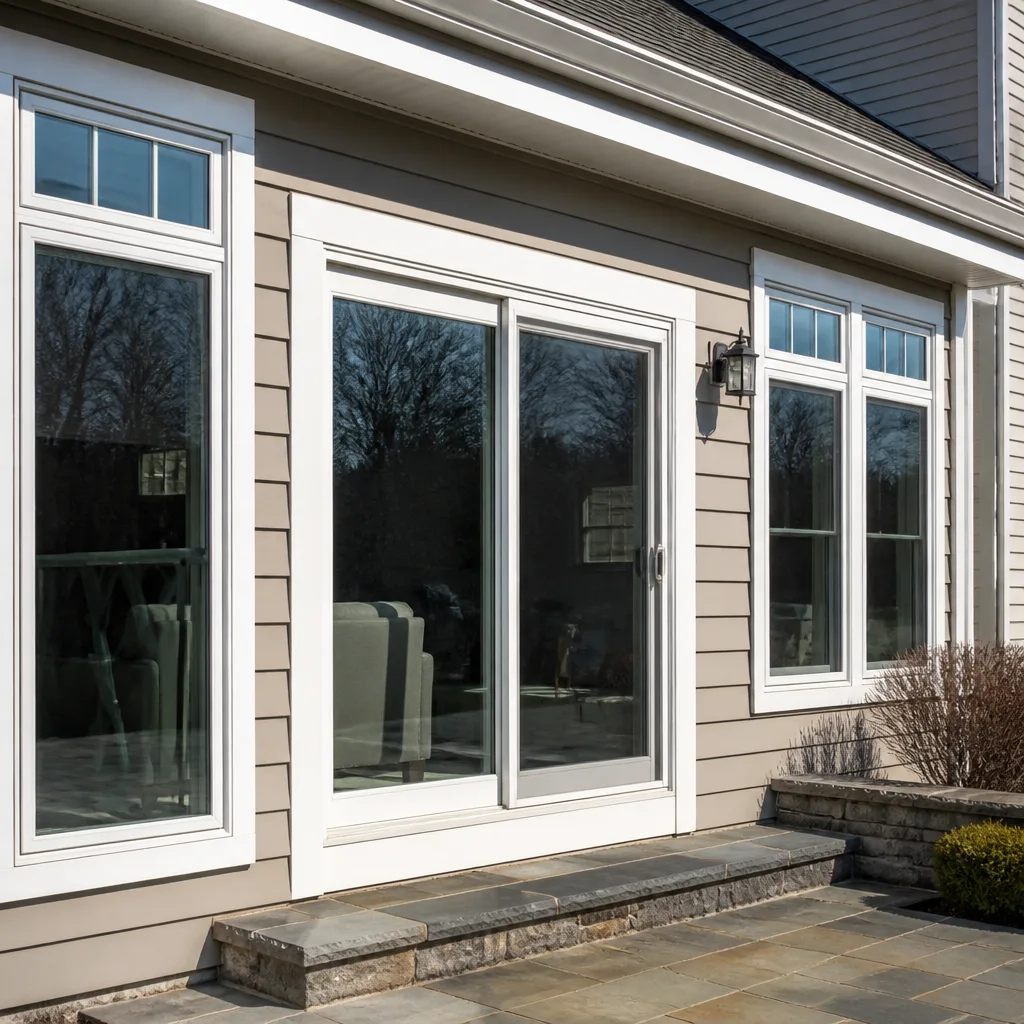 After
After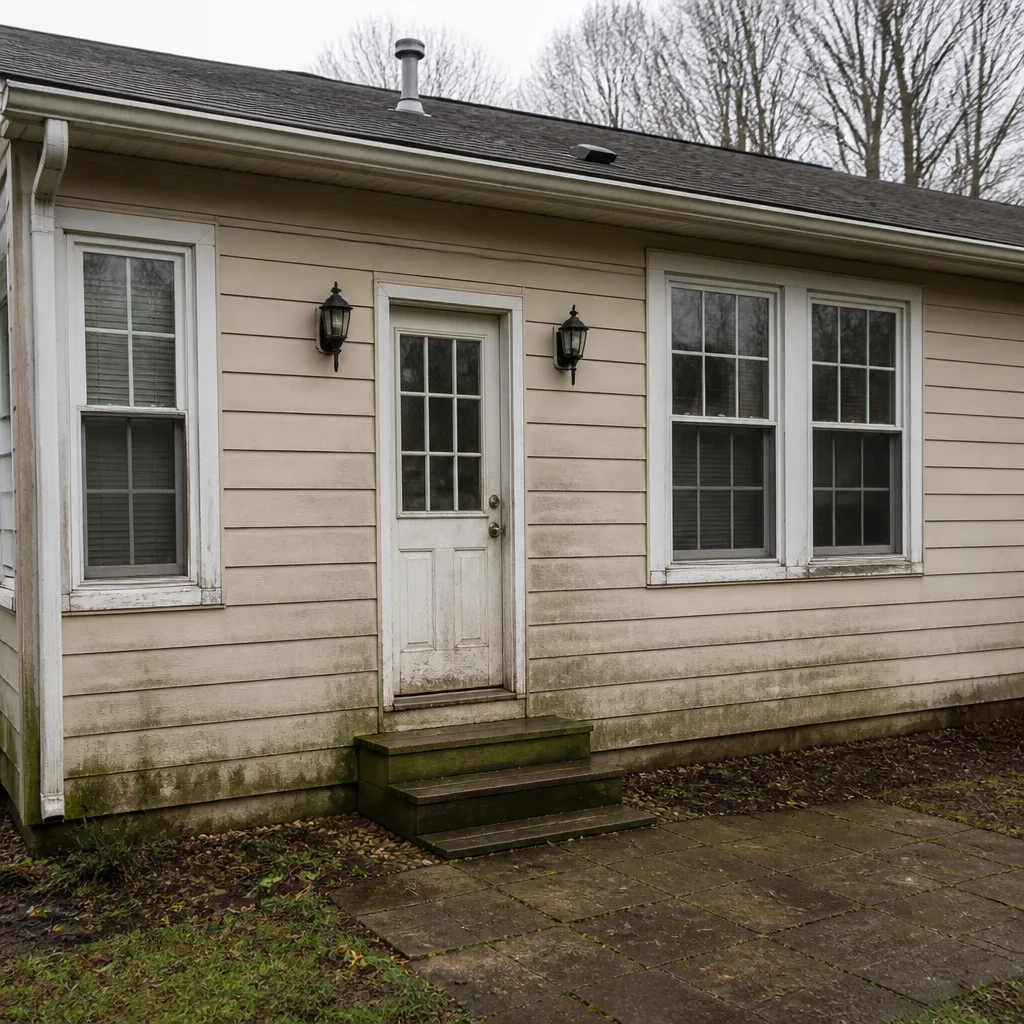 Before
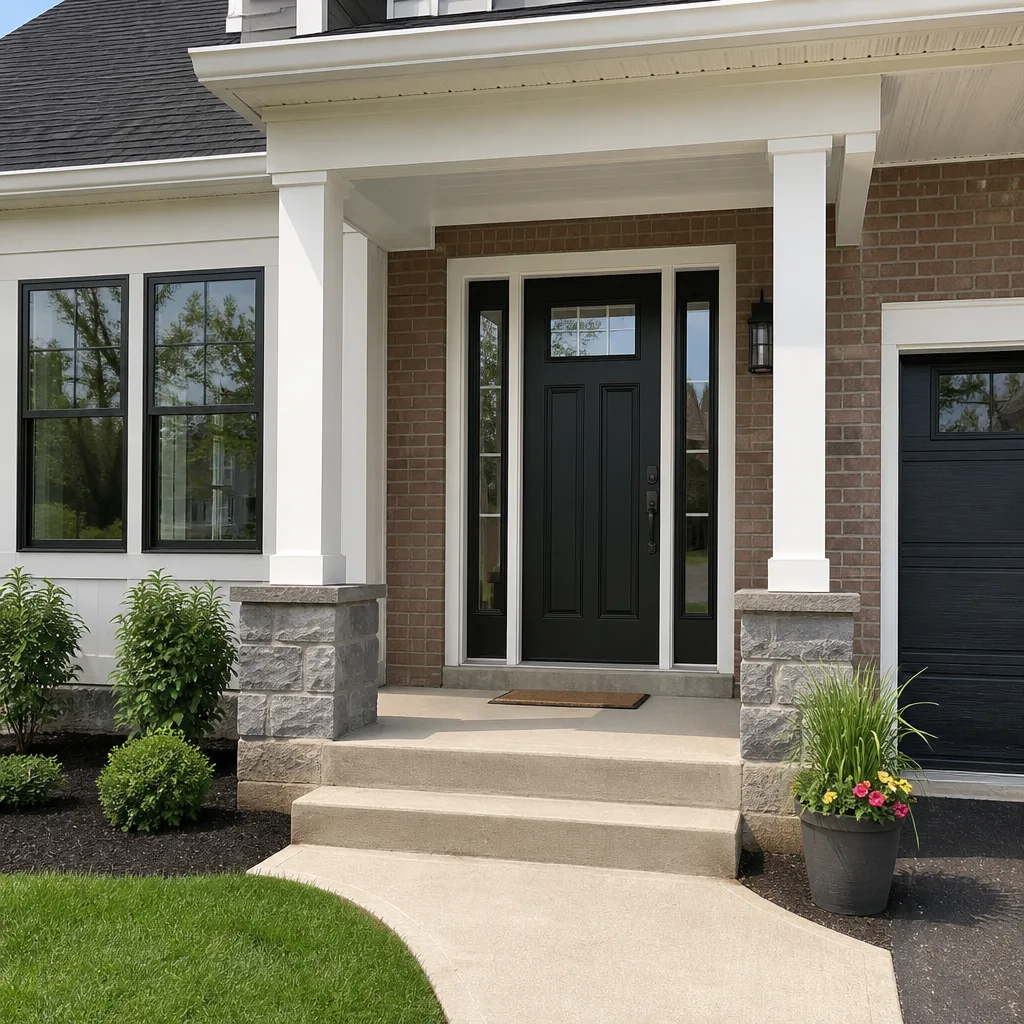 After
AfterHow Long Does Energy-Efficient Windows Take? Timelines and What to Expect
A standard replacement window can ship in two weeks. A Title 24-compliant low-e unit in a non-standard rough opening size, common in the older housing stock across Columbus, runs four to six weeks from order confirmation before a crew is even scheduled. Most homeowners are surprised by this because the install itself is fast, often one or two days. The waiting happens before the truck rolls up. This guide walks through the real timeline, the steps most contractors gloss over, and what to expect in a Columbus market where the wet season and code documentation both shape the calendar.
Quick Answer
Energy-efficient window installation in Columbus, Ohio typically takes 4 to 10 weeks from signed contract to final inspection. The physical install is the short part, usually 1 to 3 days depending on window count. The long part is fabrication lead time for custom low-e glass units, which runs 4 to 6 weeks, plus Title 24 documentation and inspection scheduling which adds another 1 to 2 weeks.
Table of Contents
- Install Days vs. Lead Time: Where the Calendar Actually Goes
- Why Custom-Size Low-E Units Take Longer Than Stock Windows
- Title 24 Documentation: What Gets Filed and When
- How Many Windows Can Be Replaced in a Single Day
- Seasonal Scheduling in Columbus: Dry Season vs. Wet Season
- A Realistic Timeline: Signed Contract to Final Sign-Off
- What Slows a Job Down (And What Shouldn’t)
- Common Mistakes to Avoid
- When to Call a Professional
- Frequently Asked Questions
- The Bottom Line
Install Days vs. Lead Time: Where the Calendar Actually Goes
We’ve sat across kitchen tables from Columbus homeowners for over four decades and the conversation almost always starts the same way. They’ve heard a neighbor got windows done “in a week” and they’re wondering why our timeline says four to six weeks before installation. The neighbor got stock windows. Off the shelf. A standard double-hung, 36 by 48, white vinyl frame, clear glass. If that’s what your house needs and your rough openings are square and standard, yes, the project moves fast.
Energy-efficient windows are a different order. Low-e coatings, argon gas fills, triple-pane options, specific SHGC and U-factor ratings, these are fabricated to order. The glass unit is built for your window size and your climate zone. Columbus sits in climate zone 5, where the code asks for a U-factor of 0.30 or lower and an SHGC of 0.40 or lower in most residential applications. Those numbers get specified on the order, then the manufacturer builds to that spec. That process alone is rarely less than three weeks from the day the order is confirmed in writing.
Then add the measuring step done properly. A good installer measures every opening twice. In older Columbus neighborhoods like Clintonville, German Village, and Beechwold, we regularly find rough openings that vary by a quarter inch or more from one side to the other. A stock window will not fit those openings correctly. A custom unit will. But custom means the manufacturer starts after the order is placed, not before.
Where the weeks go
- Week 1: Contract signed, deposit placed, measurements taken on site.
- Weeks 2-5: Manufacturer fabricates the low-e glass units and frames.
- Week 5-6: Units ship to the installer’s warehouse and are inspected on arrival.
- Week 6-7: Installation scheduled, typically 1-3 days of work.
- Week 7-8: Inspection scheduled and final sign-off obtained.
Why Custom-Size Low-E Units Take Longer Than Stock Windows
Houses built before the 1980s in Columbus were framed around window sizes that are no longer standard. A 1950s ranch in Upper Arlington might have rough openings sized for single-pane wood sashes that no manufacturer stocks anymore. Even a 1990s build in Hilliard can have odd dimensions if the original builder used a mid-sized regional supplier that has since gone out of business.
A stock window comes in predetermined increments, typically 2-inch steps. A custom window is built to the exact rough opening, down to an eighth of an inch. That precision matters for energy performance because the gap between the frame and the rough opening is where air leaks happen. In our experience, a sloppy fit on a low-e window erases much of the energy benefit the homeowner paid for. The air seal has to be right.
Custom fabrication adds lead time because the line must be reconfigured. Manufacturers like Andersen, Pella, and Marvin batch stock units for efficiency. A custom low-e order goes through a separate production queue. That’s not a delay caused by the installer; it’s the physics of making something to measure. We show this to customers on paper during the quote so there’s no confusion later.
A side-by-side quote is part of how we work. The homeowner sees the stock option, the custom option, the price difference, and the lead time difference. Then they decide with their eyes open. Some choose stock and accept the fit compromise. Most who are replacing windows in an older Columbus home go custom, because they’re planning to stay in that house for another twenty years and they want the windows done right the first time.
Title 24 Documentation: What Gets Filed and When
California’s Title 24 energy code drives much of the low-e window conversation nationwide, because manufacturers build to the strictest common denominator. But Columbus, Ohio has its own compliance path, and it’s governed by the Ohio Building Code with reference to the International Energy Conservation Code. The principle is the same: energy-efficient window installs have paperwork attached.
Here’s what gets filed on a compliant Columbus job, in order:
- Project documentation: The installer records window sizes, U-factor, SHGC, and air leakage ratings for every opening. This is not a suggestion. The code asks for it and inspectors check it.
- Permit application: If the job involves changing rough opening sizes or structural modifications, a permit is required by the City of Columbus Building and Zoning Services. Repairs that swap window units in existing openings may not need one, but the determination has to be made by someone who knows the code, not guessed at.
- Manufacturer compliance labels: Every energy-efficient window ships with a label. That label goes into the project file. If a label is lost, the inspector can flag the job.
- Inspection scheduling: After installation, the inspector reviews the work and the documentation. This step can add several days to a week depending on city workload.
What most homeowners don’t realize is that the paperwork gate doesn’t happen after the install. It happens before the install. If the documentation isn’t lined up, the windows sit in the warehouse and the calendar slips. We file the paperwork as part of the job, not as an afterthought. That’s the difference between a contractor who treats compliance as a box to check and one who treats it as part of doing the job right.
How Many Windows Can Be Replaced in a Single Day
The honest answer is between 5 and 8 windows per day for a two-person crew working on an occupied home, assuming standard-sized openings and no structural surprises. That number drops to 3 or 4 per day if the openings need reframing, if the exterior trim is rotted, or if the crew is working around a homeowner’s furniture and pets.
A useful rule: the number of windows that can be replaced in a single day without leaving the house compromised overnight is one side of the house, or one floor. You don’t want openings covered in plastic when the temperature drops at night in a Columbus October. The house loses heat fast, and worse, a partially installed window is vulnerable to weather and to security risk.
We schedule so every opening is closed and sealed by end of workday. That means we’ll do the west side on a Tuesday and the east side on a Wednesday rather than stretching a job into a fourth day with openings left open. Homeowners appreciate that because it means their house is liveable every evening during the project.
The crew matters here. A uniformed, background-checked technician working in your home should move with purpose but not rush. Rushing a window install is how you get a frame out of square by an eighth of an inch, which shows up as a draft in January and a fogged seal in year three. We’d rather take the extra hour and have it right.
Seasonal Scheduling in Columbus: Dry Season vs. Wet Season
Columbus gets about 39 inches of rain a year, spread fairly evenly, with a wetter tendency in spring and early summer. The dry season, late summer through early fall, is the most forgiving window for exterior work. Caulk cures faster, flashing sets cleanly, and crews aren’t fighting wet sheathing or muddy ladders.
The wet season complicates things in ways that aren’t obvious until you’re standing in it. Flashing tape needs a clean dry surface, ideally above 50 degrees and not raining, to bond properly. If the morning brings drizzle and the forecast says rain by 2 p.m., a crew may have to stop early and come back another day. That’s not wasted time, that’s doing it right. Caulk and flashing installed in wet conditions fail early, and the homeowner pays for the rework.
There’s also the question of demand. Every homeowner in Columbus seems to think about window replacement in the same two windows: spring, when the tax refund lands, and fall, when they feel the first draft. If you’ve decided to move forward, planning a few weeks out and scheduling for the shoulder of the dry season can save calendar days.
We don’t claim to control the weather. We do claim to be there when we say we will be, and if the weather says otherwise, we reschedule in writing and keep the job moving as soon as the conditions allow. No one should pay for a rushed install done in the rain because a salesperson overpromised a delivery date.
For readers in Parkway considering window replacement in Parkway, the same seasonal logic applies. The neighborhood’s older housing stock means custom sizing is common, so starting the conversation a month ahead of the dry season is a good discipline.
A Realistic Timeline: Signed Contract to Final Sign-Off
Here is a realistic project timeline with buffers built in, not optimistic minimums. This assumes 10 windows, custom low-e units, a typical Columbus single-family home, and no structural surprises.
- Day 1: Contract signed, deposit received, measure appointment set.
- Day 3-5: On-site measurement. Every opening measured twice. Rough opening dimensions recorded, squareness checked, existing flashing condition noted.
- Day 5-10: Order placed with the manufacturer. Purchase order confirmed in writing. Lead time clock starts.
- Day 24-40: Fabrication. This is the block most homeowners don’t budget for. Custom low-e units from companies like Marvin or Milgard will not ship in two weeks.
- Day 40-45: Delivery and receiving. Every unit inspected on arrival for damaged frames, cracked glass, or missing hardware before it goes on our truck.
- Day 45-52: Installation. Two to three days on site, windows sealed and closed every evening.
- Day 52-60: Inspection and sign-off. If documentation was filed correctly, this step is a formality. If it wasn’t, this is where jobs stall.
That’s seven to eight weeks, start to finish, with buffers that absorb a rainy day or a manufacturer delay. Anyone who promises this job in two weeks is cutting a corner somewhere. Usually it’s the measurement step or the documentation step.
What Slows a Job Down (And What Shouldn’t)
Honest delays happen. A manufacturer runs behind. A container sits in a railyard near Chicago for three extra days. An inspector has a full calendar and can’t get there until next Tuesday. Those are real, and a good installer tells you about them as soon as they know.
Dishonest delays are different. A contractor who “forgot” to order the windows. A salesperson who quoted a lead time they knew was fiction to close the deal. A crew that starts the job, tears out a window, and then disappears for five days because they overbooked. Those are not calendar realities. Those are choices.
Some things should never slow a job down. Documentation shouldn’t. That’s paperwork the contractor handles. Scheduling shouldn’t. That’s the contractor’s phone call to make. Disposal of old windows shouldn’t. That’s part of the job, not a surprise line item.
One thing homeowners in Columbus should understand: if you’re replacing windows in an older home and the installer doesn’t look behind the trim during the quote, the job will likely slow down once the trim comes off. Rotted sills, non-existent flashing, framing that shifted. These are common in homes built before 1970. A thorough installer finds these before the calendar starts, not after. That’s one reason we quote with the trim pulled back where possible, and why our Done Right Promise includes fixing anything we said was done right and wasn’t, no paperwork fights and no arguing.
Common Mistakes to Avoid
- Counting only install days. The crew on site is the last fortnight of the project. Fabrication is where the weeks go. If your contractor won’t put the lead time in writing, ask why.
- Assuming stock sizes will fit. In Columbus neighborhoods like Beechwold and Clintonville, odd rough openings are the rule, not the exception. A stock window in a non-standard opening means gaps, drafts, and a voided warranty.
- Signing before the documentation exists. Energy code compliance is not an afterthought. If the contractor says they’ll “handle the paperwork later,” get the plan in writing first.
- Scheduling install during wet season without a backup plan. Columbus springs and early summers bring rain. A contractor without a weather buffer will be tempted to install in bad conditions. That’s how flashing fails.
- Accepting a vague timeline. “We’ll get you scheduled soon” is not a date. Hold out for a written schedule with milestones. If they won’t put it in writing, they won’t honor it.
- Leaving windows open overnight. Any crew that leaves an opening covered in plastic is leaving your house exposed. Insist on sealed openings at the end of every workday.
- Choosing the cheapest bid without reading the scope. A low price that excludes disposal, flashing, or inspection coordination will cost more once the job starts. No-surprise pricing is a square deal; surprise line items are not.
When to Call a Professional
If you’ve got drafts, fogged glass, windows that bind in July, or utility bills that climb every winter, it’s time to get a real assessment. Not a sales pitch. An assessment that includes measuring every opening, checking the flashing, and explaining what the code requires.
You should call a professional if you’re not sure whether your rough openings are standard, if you’ve never seen your home’s energy documentation, or if you’ve lived in the house for twenty years and the windows are original. The best time to start is before you think you need to start. Lead times are what they are, and the dry season won’t wait.
TruePane Windows & Doors offers free estimates in Columbus. Call (888) 635-0804 and a live person will answer. We’ve been serving this community since 2008, and we plan to be here in thirty more.
Frequently Asked Questions
Energy-efficient window installation in Columbus takes 4 to 10 weeks from signed contract to final inspection. The physical installation is usually 1 to 3 days. Fabrication lead time for custom low-e units is the longest single block at 4 to 6 weeks. Call (888) 635-0804 for a written timeline specific to your project, not a guess.
The glass is made to order. Low-e coatings and argon gas fills are applied to spec, and if your Columbus home has non-standard rough openings, the entire unit is fabricated from scratch. That’s a manufacturing process, not a warehouse pick. The lead time is the factory doing its job.
Yes, for projects with 5 to 8 standard-sized windows and a clear structural situation. Custom sized windows or openings that need reframing slow the pace to 3 or 4 per day. A responsible crew will not leave openings uncovered overnight.
It depends on the scope. Simple unit swaps in existing openings often don’t require a permit. Changing rough opening sizes or doing structural work does. A qualified installer will make that determination and handle the paperwork.
Title 24 is California’s energy code, and it matters to Ohio homeowners because manufacturers build to the strictest common standard. Columbus follows the Ohio Building Code and IECC, which set U-factor and SHGC requirements for energy-efficient windows. Compliance documentation is part of the job.
Late summer through early fall is the driest, most predictable window for exterior work in Columbus. Caulk and flashing bond best in dry conditions above 50 degrees. Scheduling for the shoulder of the dry season gives you the most calendar flexibility.
The Bottom Line
Energy-efficient window projects take longer than most homeowners expect because the real calendar is the factory’s, not the crew’s. Custom low-e units run four to six weeks minimum. Documentation adds days. Weather adds risk. A realistic timeline from signed contract to final inspection is seven to eight weeks, with buffers. The work itself is fast, a few days at most. The wait is the price of getting glass made to spec for a Columbus home that was never designed for standard sizes. Starting early, getting the timeline in writing, and working with an installer who treats the paperwork as part of the job is how you avoid the surprises. If you’re in Parkway, our window installation team and door installation crew serve the neighborhood directly, and TruePane Windows & Doors has been doing this work across Columbus since 2008. Call (888) 635-0804 for a free estimate and a written timeline you can plan around.
Written by Dale Kessler, Owner at TruePane Windows & Doors, serving Columbus since 2008.