
Last updated August 27, 2026
Free in-home measure and quote - PGT, CGI and CWS impact lines compared on your actual openings, style by style
Sliding glass doors

Impact garage doorsPGTCGI
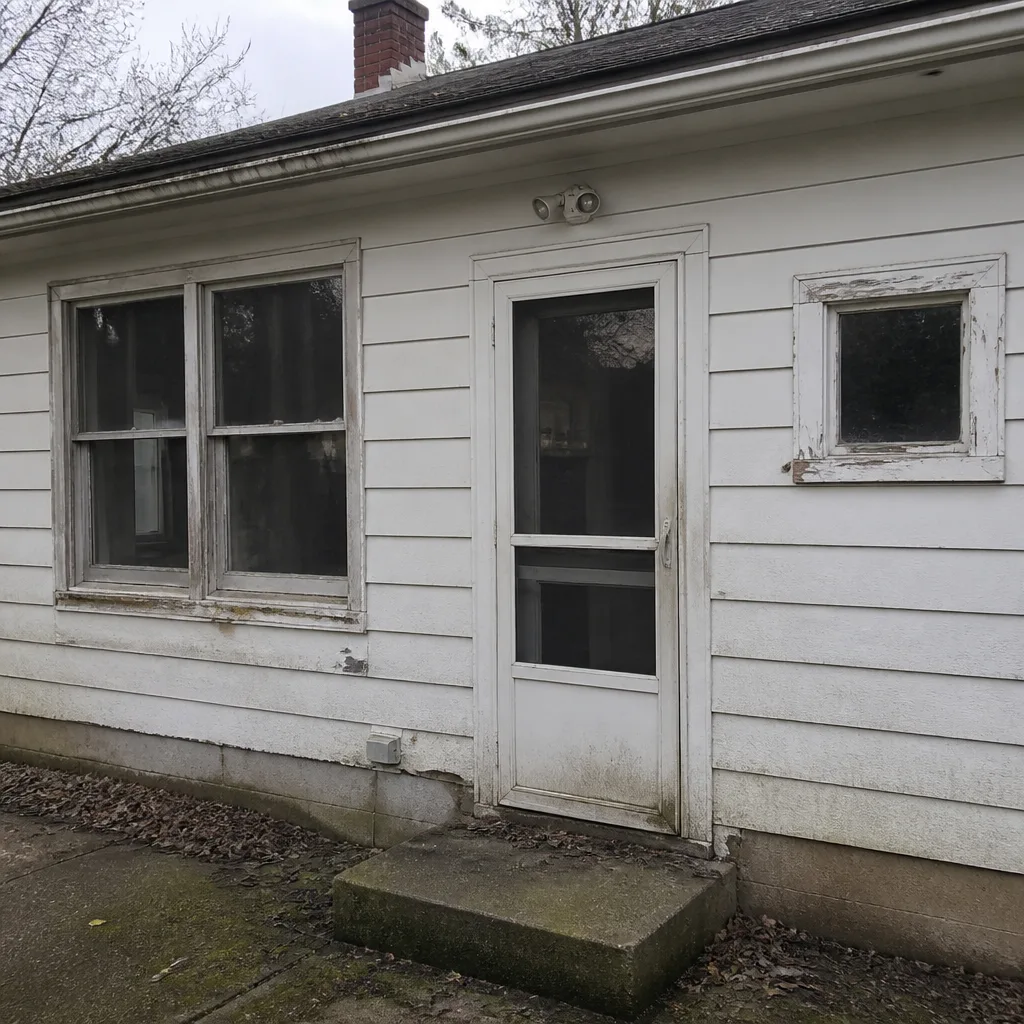 Before
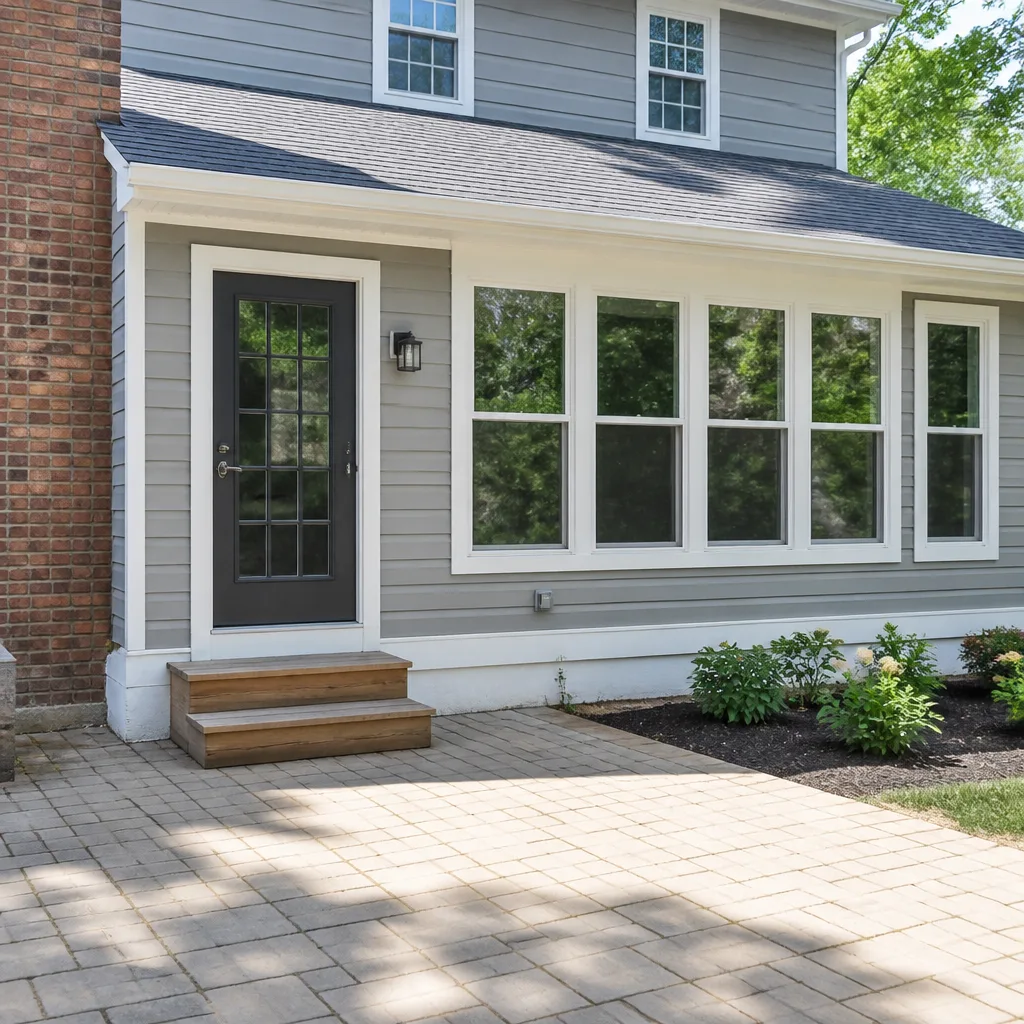 After
After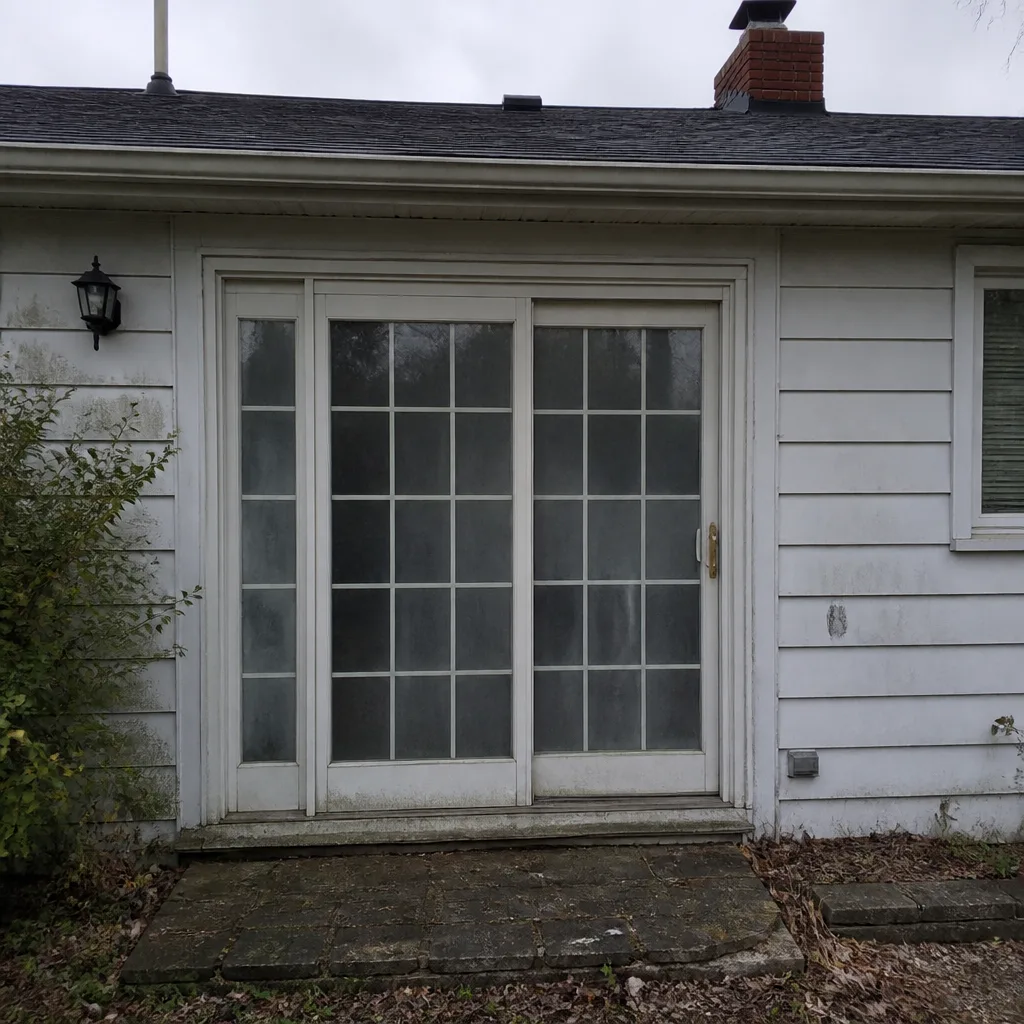 Before
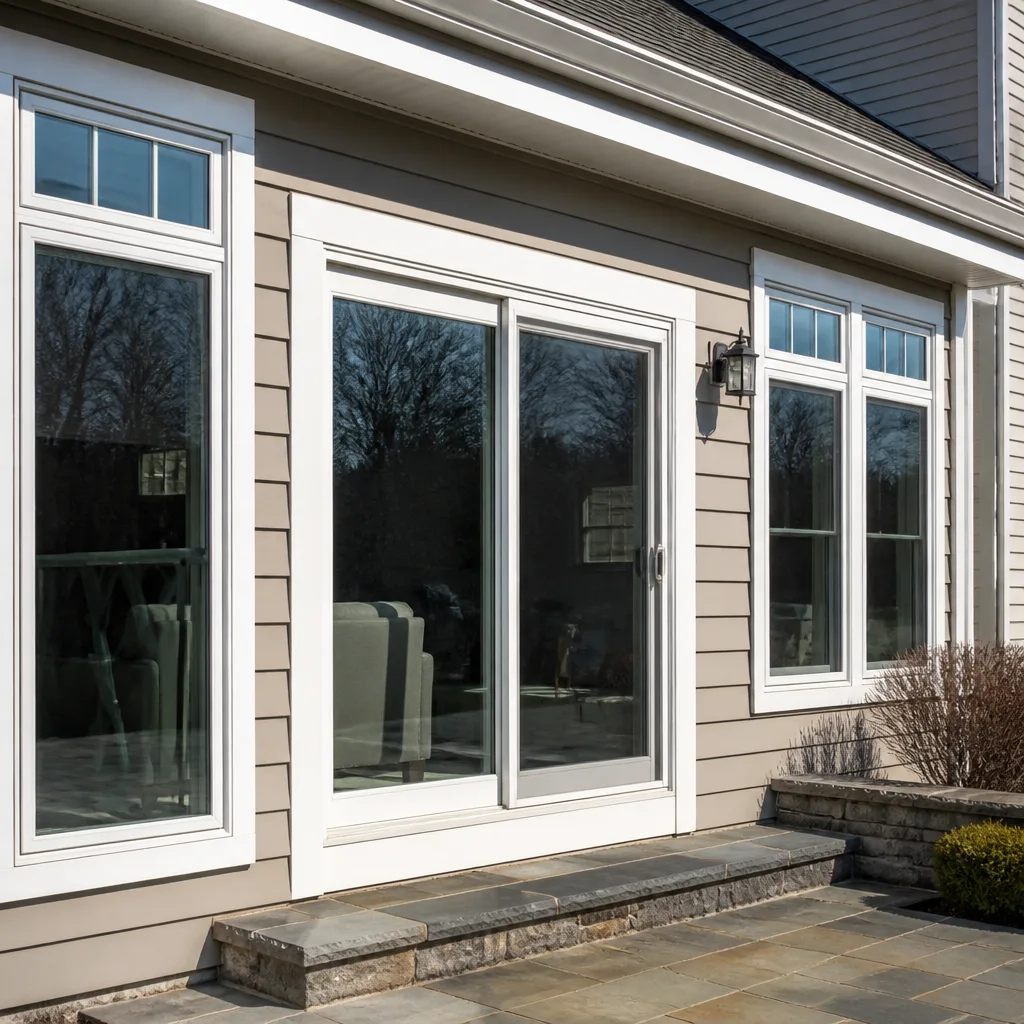 After
After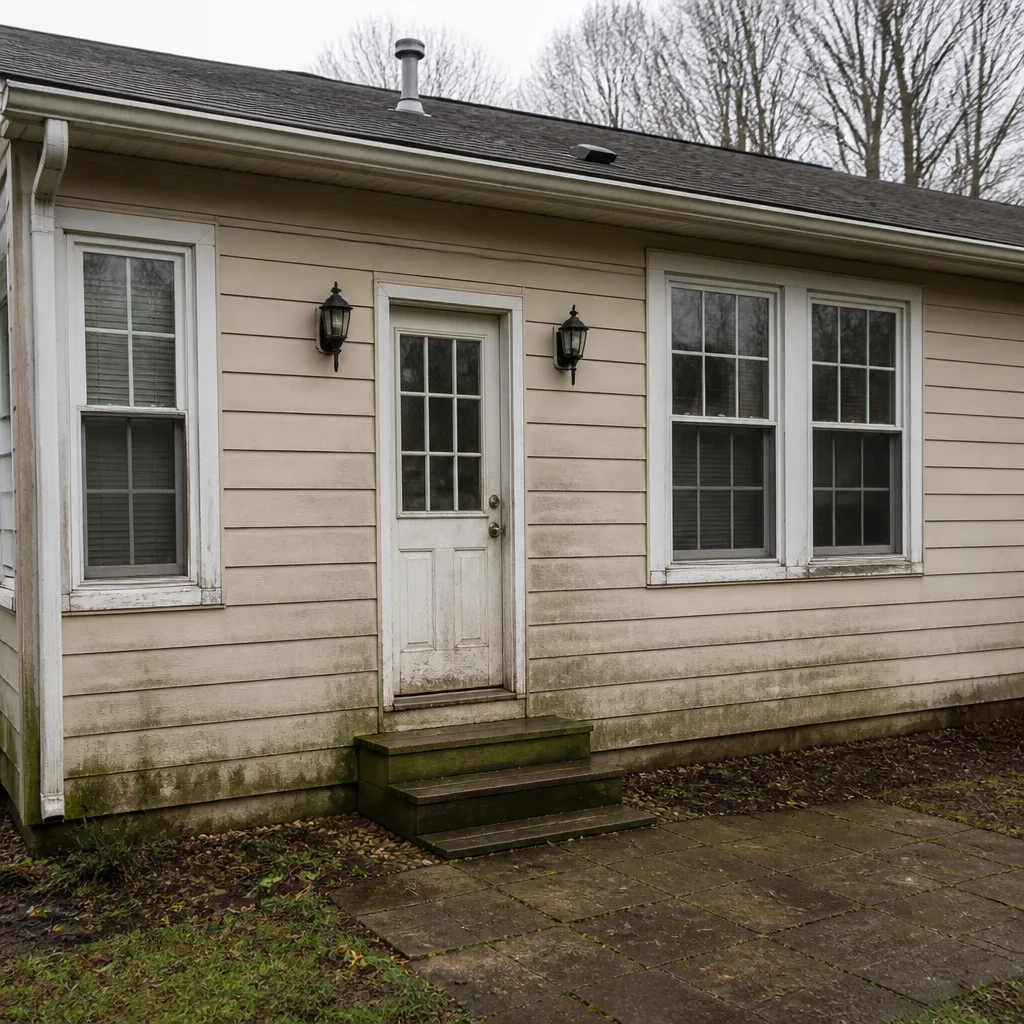 Before
 After
AfterWindow Replacement Troubleshooting: Common Problems and How to Fix Them
Most window troubleshooting guides fail homeowners in one specific way: they treat every symptom as a reason to pick up the phone and write a check, even when Window Replacement Warning Signs Every Homeowner Should Know could clarify what’s truly urgent. That is not how a second-generation glazier looks at a window. After years in the trade, we can tell you that roughly a third of window complaints in Columbus are maintenance issues a homeowner can correct in an afternoon, another third are warranty claims that should never cost you a dime, and the remaining third are installation errors that tell you something about the crew that set the window, not the window itself. This guide sorts the problems into those three buckets so you know whether you are reaching for a screwdriver, a warranty document, or the installer’s phone number.
Quick Answer
Window replacement problems fall into three categories: issues you can fix yourself (dirty tracks, loose weatherstripping, caulk gaps), issues covered under manufacturer or installer warranty (fogged glass, seal failure, hardware defects), and issues caused by improper installation (out-of-square frames, binding sashes, persistent drafts). The first step in troubleshooting is identifying which category your problem belongs to, because the fix and the responsible party are completely different for each one.
Table of Contents
- Condensation Between the Panes: Seal Failure, Not a Cleaning Problem
- Drafty Windows: The Four-Point Diagnostic Sequence
- Fogged or Hazy Glass That Comes and Goes: Condensation vs. Seal Failure
- New Window Harder to Operate Than the Old One: Hardware or Alignment?
- The Homeowner-Serviceable Bucket: What You Can Fix Yourself
- The Warranty-Claim Bucket: What Should Not Cost You a Dime
- The Installer-Error Bucket: When the Window Was Never Right From Day One
- Questions to Ask Before Accepting ‘Normal Settling’ as an Answer
Condensation Between the Panes: Seal Failure, Not a Cleaning Problem
Condensation between the panes is not a cleaning problem and it cannot be fixed with a better squeegee. It means the insulated glass unit has failed and the seal is gone, and that is a warranty claim, not a maintenance task. We say this first because it is the single most common misconception we hear from Columbus homeowners, and the one that costs them the most time. They scrub the glass from both sides, they try dehumidifiers, they wait for summer. None of it works.
An insulated glass unit, what the trade calls an IGU, is two or three panes of glass sealed together with a spacer around the edge. The space between the panes is filled with air or an inert gas like argon. The seal keeps moisture out and the gas in. When that seal fails, moist outdoor air gets pulled into the space between the panes, and when the temperature drops, that moisture condenses on the inside surface where you cannot reach it. The window is not dirty. The window is broken, and it will not get better.
In Columbus, where winter temperatures routinely swing from single digits to the forties in the same week, the thermal stress on window seals is significant. That cycle of freeze and thaw puts mechanical stress on the sealant at the edge of the glass. A window that has been through twenty Ohio winters has earned its keep. A window that fails within five years of installation is usually either a manufacturing defect or a sign that the unit was mishandled during installation, which we will get to in the installer-error section.
The fix for seal failure is glass replacement, not our Window Replacement services, in most cases. The sash or frame stays, the IGU gets swapped. If the window is under manufacturer warranty, which most quality lines from Ply Gem, PGT, and CGI carry for ten to twenty years on the glass, the replacement unit is covered. What is often not covered is the labor to remove and reinstall, and that is where the installer’s workmanship warranty matters. At TruePane Windows & Doors, The Keystone Standard means we register both manufacturer warranty layers in writing before our truck leaves the driveway, so there is no arguing later about who covers what. That is the difference between a warranty that exists on paper and a warranty that actually gets honored.
Drafty Windows: The Four-Point Diagnostic Sequence
A drafty window in Columbus is not always a window problem. Sometimes it is a window problem. Sometimes it is a wall problem, a trim problem, or a problem with the way the window was flashed. Before you spend money replacing a window that might not be the source of the draft, run through this sequence. It takes about twenty minutes and it tells you exactly what you are dealing with.
- Check the weatherstripping first. Open the sash and run your finger along the weatherstripping on all four sides. Is it compressed flat? Torn? Missing in sections? Weatherstripping is a wear item. It is designed to be replaced. On a double-hung window, the meeting rail where the two sashes meet is the most common failure point. In Columbus, where we run heat from October through April, weatherstripping takes a beating. Replacement weatherstripping is under twenty dollars for most windows and takes an hour to install. This is the homeowner-serviceable bucket.
- Check the sash fit. Close and lock the window. Then try to wiggle the sash with your hands. If it rattles, the sash is not seating properly against the frame. On an older window, the balance system may be worn. On a newer window, the sash may have been installed incorrectly or the frame may have shifted. Lock the window and check again. If locking eliminates the draft, the lock itself is part of the problem. A lock that does not pull the sashes together is a hardware issue, and on most quality windows it is covered under warranty.
- Check the exterior caulk. Walk outside and inspect the caulk line where the window frame meets the siding or brick. Look for cracking, separation, or gaps. Columbus sees enough freeze-thaw in a single winter to pull caulk beads loose, especially on south-facing walls that get the afternoon sun. If the caulk is failing, the draft you feel is air moving through the rough opening, not through the window itself. Re-caulking is a homeowner-serviceable task if you are comfortable on a ladder and you use a quality exterior-grade sealant.
- Check the glass seal. If the weatherstripping is intact, the sash fits snug, and the caulk is solid, the next suspect is the glass unit itself. A failed seal does not always produce visible fog. Sometimes the gas leaks out and the window loses its insulating value, which you feel as a cold spot near the glass even when there is no visible condensation. If the glass feels noticeably colder than the surrounding wall on a winter day, that is a sign the IGU has lost its charge. That is a warranty-claim bucket situation.
The point of the sequence is simple: do not replace a window for a weatherstripping problem. And do not re-caulk a window that needs a new IGU. Diagnose first, spend second.
Fogged or Hazy Glass That Comes and Goes: Condensation vs. Seal Failure
A window that fogs up on the inside surface, the side you can touch from your living room, and clears when you wipe it with a cloth is not failing. That is condensation, and it is a humidity problem, not a glass problem. A window that fogs up between the panes, where you cannot touch the moisture, and stays fogged regardless of what you do is seal failure. The distinction matters because one costs nothing to address and the other involves a warranty claim.
Interior condensation happens when warm, moist indoor air hits a cold glass surface. It is most visible in the morning after a cold Columbus night, especially on bedroom windows where people have been breathing all night. It clears as the day warms up. The fix is not a new window, though a new double or triple-pane window with a low-E coating will raise the interior glass temperature and reduce condensation; for pricing context, see our Windows & Doors Cost Breakdown: The Columbus Homeowner’s Reference for 2026. The cheaper fixes are using the bath fan when showering, running the kitchen exhaust when cooking, and keeping the humidity in the house below 40 percent during winter months.
Between-the-panes fog behaves differently. It comes and goes with temperature swings, but it never fully clears. You can see a haze, a film, or a mineral deposit left behind when the moisture evaporates. That residue is the giveaway. Condensation wipes clean. Seal failure leaves a permanent stain. Once you see that haze, the IGU is done. It will not reseal itself. No amount of painting over the outside edge, drilling holes, or applying aftermarket sealant kits will fix it. The only permanent repair is replacing the glass unit, and it should be done by a company that will register the new unit’s warranty the same way the original should have been.
New Window Harder to Operate Than the Old One: Hardware or Alignment?
A newly replaced window that is harder to operate than the drafty old one it replaced is a red flag. New windows are supposed to glide. If you are fighting the sash, something is wrong. The question is whether it is a hardware issue or a frame alignment issue, and the difference tells you who is responsible for fixing it.
Hardware issues are the simpler of the two. A misaligned lock, a loose operator on a casement window, a balance that was set too tight. These are adjustments and parts, and they are usually covered under the manufacturer’s hardware warranty. Most quality windows from PGT or Ply Gem carry a hardware warranty of ten years or more. If the window was installed within warranty and the hardware is failing, the part is covered. The labor to come out and replace it is where the installer’s workmanship warranty matters.
Frame alignment issues are a different animal. If the rough opening was not square, or the installer shimmed the window incorrectly, or the frame was racked during installation, the window binds because the frame itself is being pulled out of shape. You can often see this: gaps that are wider on one side than the other, a sash that meets the jambs at an angle, or a window that operates fine in some weather and sticks in others. In Columbus, where summer humidity can swell wood frames and winter dry air contracts them, a binding window that only sticks in July is a telltale sign of an installation issue, not a hardware defect.
The test is simple: operate the window slowly and watch where it binds. If it binds at the lock or the hinge, that is hardware. If it binds along the jamb or the sill, that is alignment. Alignment problems are not a manufacturer’s defect. They are the installer’s responsibility, and they should be corrected under the installer’s workmanship warranty, not at your expense.
The Homeowner-Serviceable Bucket: What You Can Fix Yourself
Not every window problem requires a service call. Some things a homeowner in Columbus can handle with basic tools and an afternoon, and doing them yourself is not a compromise in quality. It is simply maintenance. Here are the problems we see most often that fall into the homeowner-serviceable bucket.
- Dirty or clogged tracks. Sliding windows and patio doors collect dust, pet hair, and debris in the track. This causes the sash to drag or stick. Cleaning the track with a vacuum, a stiff brush, and a light silicone lubricant solves most drag issues. Avoid oil-based lubricants. They attract dirt and make the problem worse.
- Loose or misaligned weatherstripping. If the weatherstripping has come out of its groove, press it back in. If it is torn or compressed, order a replacement strip from the manufacturer and install it. This is under twenty dollars and takes under an hour.
- Exterior caulk cracks. Hairline cracks in the caulk around the exterior frame are normal, especially after a Columbus winter. Remove the old caulk, clean the surface, and apply a quality exterior-grade sealant. This is a ladder-and-caulk-gun job, nothing more.
- Loose window hardware. Screws on locks, handles, and hinges loosen over time, especially on windows that get daily use. Tightening them with a screwdriver takes minutes. If the screw holes are stripped, insert a toothpick coated in wood glue, let it dry, and re-set the screw.
- Sticking double-hung sashes. Sometimes the sash sticks because of paint buildup along the jamb, not because of the window itself. A light sanding of the painted surface, followed by a wax or silicone application, frees it up. If the window is vinyl or fiberglass and still sticks after the tracks are clean, that is a different issue, and it belongs in the installer-error bucket.
None of these fixes requires special tools or a permit. They are the equivalent of changing your furnace filter: regular maintenance that keeps the window functioning. The key is knowing when a problem stops being maintenance and starts being a defect. If you clean the track, tighten the hardware, and replace the weatherstripping, and the window still does not operate correctly, you have moved out of the homeowner-serviceable bucket.
The Warranty-Claim Bucket: What Should Not Cost You a Dime
Some window problems are not yours to fix at all. They are warranty claims, and they should be handled by the manufacturer, the installer, or both. The key is knowing what you are entitled to before you call, because a homeowner who knows their warranty language does not get talked into paying for what was never their responsibility.
The most important document you have is the written warranty. Not the sales brochure, not what the salesperson told you, but the actual warranty document with the terms in black and white. If you hired TruePane Windows & Doors or another company that follows our lead on The Keystone Standard, you received both manufacturer warranty layers in writing, with durations stated, before the installation was complete. That document is your leverage.
Here is what belongs in the warranty-claim bucket:
- Fogging or condensation between the panes on a window under the manufacturer’s glass warranty. Most quality manufacturers cover the glass unit for ten to twenty years. The unit is replaced. The labor may or may not be covered, depending on the installer’s workmanship warranty.
- Hardware failure on a window under the manufacturer’s hardware warranty. Locks, balances, hinges, cranks, and operators are typically covered for ten years or longer. The parts are free. Labor, again, depends on the installer.
- Warping, cracking, or material failure of the frame, sash, or cladding. Vinyl and fiberglass frames carry long warranties against manufacturing defects. If a sash warps within the warranty period, the manufacturer replaces it.
- Any defect that appears within the installer’s workmanship warranty period. TruePane Windows & Doors covers workmanship for 90 days through the Done Right Promise, with no paperwork fights and no arguing. What that means in practice is if we set a window incorrectly and the problem shows up within 90 days, we make it right on our dime. That is what a workmanship warranty is for.
The mistake homeowners make is waiting too long to file the claim. If you see fog between the panes in March, do not wait until November to call. File the claim when you see it. The clock on your warranty is running, and in Columbus, where the winter is hard on seals, waiting a season can mean the difference between a covered claim and a denied one.
The Installer-Error Bucket: When the Window Was Never Right From Day One
The hardest bucket to diagnose is the installer-error bucket, because it requires accepting that the problem is not the window, it is the way the window was put in. We see this in Columbus more often than most homeowners would believe. A window replacement is only as good as the rough opening it sits in and the hand that set it.
Signs of installer error include:
- A window that was never square. You can check this with a level. Place a level on the sill, on the jambs, and on the header. If the sill is not level or the jambs are not plumb, the window was set in an out-of-square hole or shimmed incorrectly. A window forced into an out-of-square opening will bind, leak, and fail prematurely.
- Gaps that are wider on one side than the other. Walk around the interior and exterior of the window and look at the reveal, the gap between the sash and the frame. Is it even on all sides? If not, the window was not centered in the opening or the frame is racked.
- Water staining or rot around the interior trim. This means the window was not flashed correctly and water is getting in around the frame. In Columbus, with our freeze-thaw cycles and spring rains, a flashing error shows up fast. Staining near the corners of the window is a classic sign.
- A window that operates differently in different seasons. If the window slides fine in January and sticks in July, and it is a wood or wood-clad window, the frame is absorbing moisture because it was not sealed properly. That is an installation error.
- Drafts that disappear when you cover the trim, not the glass. If you feel cold air coming from around the window casing, not through the window itself, the rough opening was not insulated. The installer left a void, and Columbus winters find every void.
These problems do not resolve themselves. A window that is out of square or improperly flashed will continue to degrade, and the damage it does to the surrounding wall framing gets more expensive every year it goes uncorrected. The fix is reinstallation: remove the window, correct the rough opening, and set the window properly. This should be done by a company that stands behind the work, because it is the installer’s error, and the installer should bear the cost. A company serious about its craft says so in writing. Ours is the Done Right Promise, and while that is our specific guarantee, the principle applies across the trade: if the installer made the mistake, the installer fixes the mistake.
Questions to Ask Before Accepting ‘Normal Settling’ as an Answer
When a homeowner reports a problem with a newly replaced window and the response is that the window is ‘settling’ or that the behavior is ‘within spec,’ the homeowner needs to ask specific questions. Vague answers are a red flag. A glazier who knows his trade can explain exactly what is happening and why. Here are the questions we tell Columbus homeowners to ask, because we have been called out too many times to re-set windows that another installer swore were fine.
- Ask for the specific tolerance in the installation specification. Window manufacturers publish installation tolerances. An installer who claims the window is within spec should be able to tell you the exact number, in inches or degrees, that the window is allowed to be out of square or out of level. If they cannot produce that number, they are guessing.
- Ask which component is causing the problem. Is it the sash, the balance, the hinge, the track, the frame, or the glass unit? An installer who cannot identify the specific component does not actually understand the problem. ‘It is just settling’ is not a component identification.
- Ask for the fix in writing. If the installer says the problem is normal and will go away, ask them to put that in writing with a timeline. If they are right, no problem. If they are wrong, you have documentation. If they refuse to put it in writing, that tells you something too.
- Ask if the problem is covered under the manufacturer’s warranty or the installer’s workmanship warranty. This forces the installer to categorize the problem, which is what you need to know. If they say it is not covered, ask why, in writing, with reference to the specific warranty language that excludes it.
- Ask to see the window tested, not just inspected. A visual inspection catches some problems. A water test catches flashing errors. An air-infiltration test catches draft problems. An installer who will not test the window is an installer who does not want to find the problem.
These questions are not rude. They are the questions a competent professional expects, because a competent professional asks them of himself before the truck pulls away. The founding rule at TruePane Windows & Doors is on the whiteboard in our shop: if the pane is not true, the job is not done. ‘True’ means square, level, plumb, and sealed. It is a standard we hold every one of our installs to, and it is the standard any Columbus homeowner should hold their installer to.
Common Mistakes to Avoid
- Trying to fix a failed seal with a hair dryer. We have seen Columbus homeowners try this. It does not work. The moisture is inside a sealed unit, and heating the glass from the outside does not remove it. The unit is failed. Replace it under warranty.
- Replacing a window for a weatherstripping problem. When a fifty-dollar weatherstripping replacement would solve the draft, spending eight hundred dollars on a new window is not a square deal. Diagnose first, spend second.
- Waiting until after the warranty expires to file a claim. If you see fog between the panes or a hardware failure on a newer window, document it and file the claim immediately. In Columbus, winter problems that get ignored until summer can run out the clock on the coverage.
- Accepting ‘that is just how new windows are’ as an explanation. New windows are not harder to operate than old ones. New windows are not drafty. New windows are not supposed to fog. If an installer tells you otherwise, you are being handled.
- Caulking the weep holes. Every window and sliding door has small openings along the exterior bottom edge called weep holes. They let water drain. If you caulk over them because you think they are a draft source, you trap water inside the frame, and in Columbus freeze-thaw cycles, that water freezes, expands, and destroys the frame from the inside.
- Using the cheapest bidder to correct the first cheap bidder’s mistakes. A window that was installed incorrectly needs a craftsman to correct it, not a discount crew. The second repair is always more expensive than the first install done right. In our experience of years serving homeowners, the cost of correcting an installer’s error is routinely double what it would have cost to hire a proper glazier the first time.
- Assuming a warranty exists just because the salesperson mentioned it. If you do not have the warranty in writing, with durations stated, you do not have a warranty. Get it on paper before the work starts. That is what The Keystone Standard demands, and it is what every Columbus homeowner should demand.
When to Call a Professional
Call a professional when the problem is in the warranty-claim bucket or the installer-error bucket, and you want someone who can document the problem correctly the first time. Call when there is water staining around the interior trim, because that is a flashing failure and the wall is being damaged. Call when the window binds against the jamb, because that is an alignment problem that will not correct itself. Call when you see fog between the panes on a window that should still be under warranty, and you want the claim filed correctly. And call when you have had one crew already tell you the problem is ‘normal’ and you want a second set of eyes from a company that has been setting windows in Columbus since 2008. TruePane Windows & Doors offers free estimates in Columbus – call (888) 635-0804 and a live person answers, 24 hours a day, 7 days a week.
Frequently Asked Questions
Most troubleshooting calls in Columbus range from $89 for a maintenance visit, which includes inspecting all windows, adjusting hardware, and lubricating tracks, to $250 or more for an advanced diagnostic when the problem is elusive. At TruePane Windows & Doors, our standing offer is a free written repair estimate, and the diagnostic fee is applied toward the repair if we do the work. Call (888) 635-0804 for an exact quote – estimates are free.
It should not. If you hired a company on a fixed-price agreement, the price on the contract is the price on the bill. No surprise line items, no change orders for work that was foreseeable. We quote no-hassle upfront pricing and most jobs are completed in a single visit, which means most repairs are done in one trip. If a second visit is needed, you should not pay for it if the first visit failed to diagnose the problem.
Full window replacement typically does not require a building permit in Columbus when the existing opening is not being modified, but structural changes to the rough opening, new construction, and certain historic-district work do require permits. The installer should know the difference and handle the paperwork correctly. A professional company tells you up front whether a permit is required and pulls it if it is. That is part of the job, not an extra fee.
Most single-window repairs, including glass replacement, hardware replacement, and weatherstripping, take between one and two hours. A full reinstallation of an improperly set window takes four to eight hours depending on the condition of the rough opening. Most jobs are completed in a single visit, which is the standard we hold ourselves to. Call (888) 635-0804 for a timeline on your specific project, and you will get a straight answer.
Yes. In most cases, the fix for a foggy window is replacing the insulated glass unit, not the entire window. The frame and sash remain in place, the failed IGU is removed, and a new sealed unit is installed. This is significantly less expensive than full window replacement, and when the original window is under warranty, the glass itself is often covered by the manufacturer. The labor is where the installer’s workmanship warranty matters, which is why we register both warranty layers in writing before the truck leaves.
In our experience across Columbus and the surrounding communities, the most common problem we see is seal failure in insulated glass units, particularly on windows that are ten to twenty years old and have been through many Ohio winters. The second most common is weatherstripping wear on double-hung windows at the meeting rail. The first is a warranty claim. The second is a homeowner-serviceable fix under twenty dollars. Knowing the difference before you pick up the phone can save you hundreds.
The Bottom Line
Window replacement troubleshooting comes down to honest diagnosis. Figure out whether the problem is yours to fix, the manufacturer’s to cover, or the installer’s to correct, and you will spend the right amount of money on the right repair. Homeowner-serviceable issues like dirty tracks and worn weatherstripping belong to you and cost very little to address. Warranty-claim issues like fogged glass and failed hardware belong to the manufacturer and the installer, and they should not cost you a dime. Installer-error issues like out-of-square frames and failed flashing belong to the company that set the window, and they should be corrected at that company’s expense. If you are not sure which bucket your problem falls into, explore more guides & resources or call a glazier who will tell you the truth. At TruePane Windows & Doors, a live person answers 24/7 at (888) 635-0804, and we have been setting windows square in Columbus since 2008 and serving local communities through a craft heritage of many years. If the pane is not true, the job is not done, and we are not done until it is.
Written by Dale Kessler, Owner at TruePane Windows & Doors, serving Columbus since 2008.