
Last updated August 15, 2026
Free in-home measure and quote - PGT, CGI and CWS impact lines compared on your actual openings, style by style
Sliding glass doors

Impact garage doorsPGTCGI
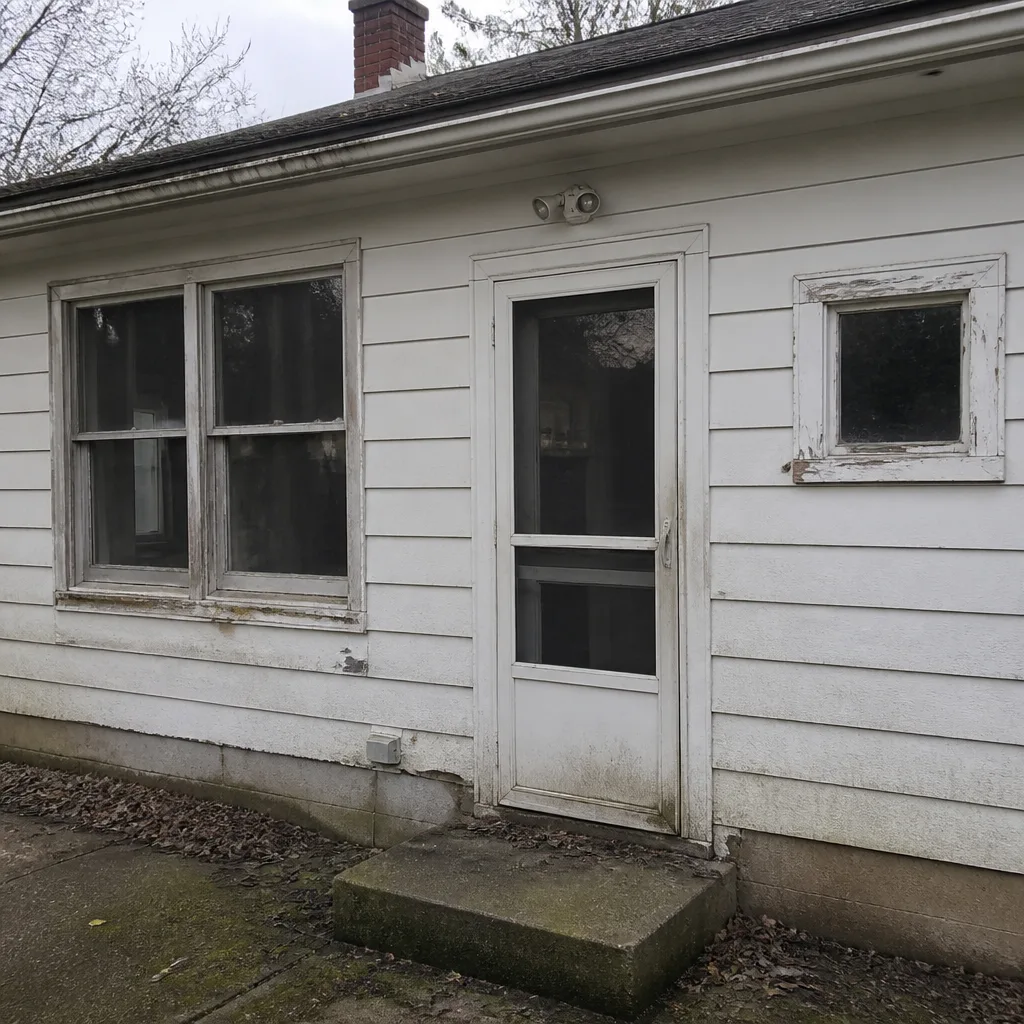 Before
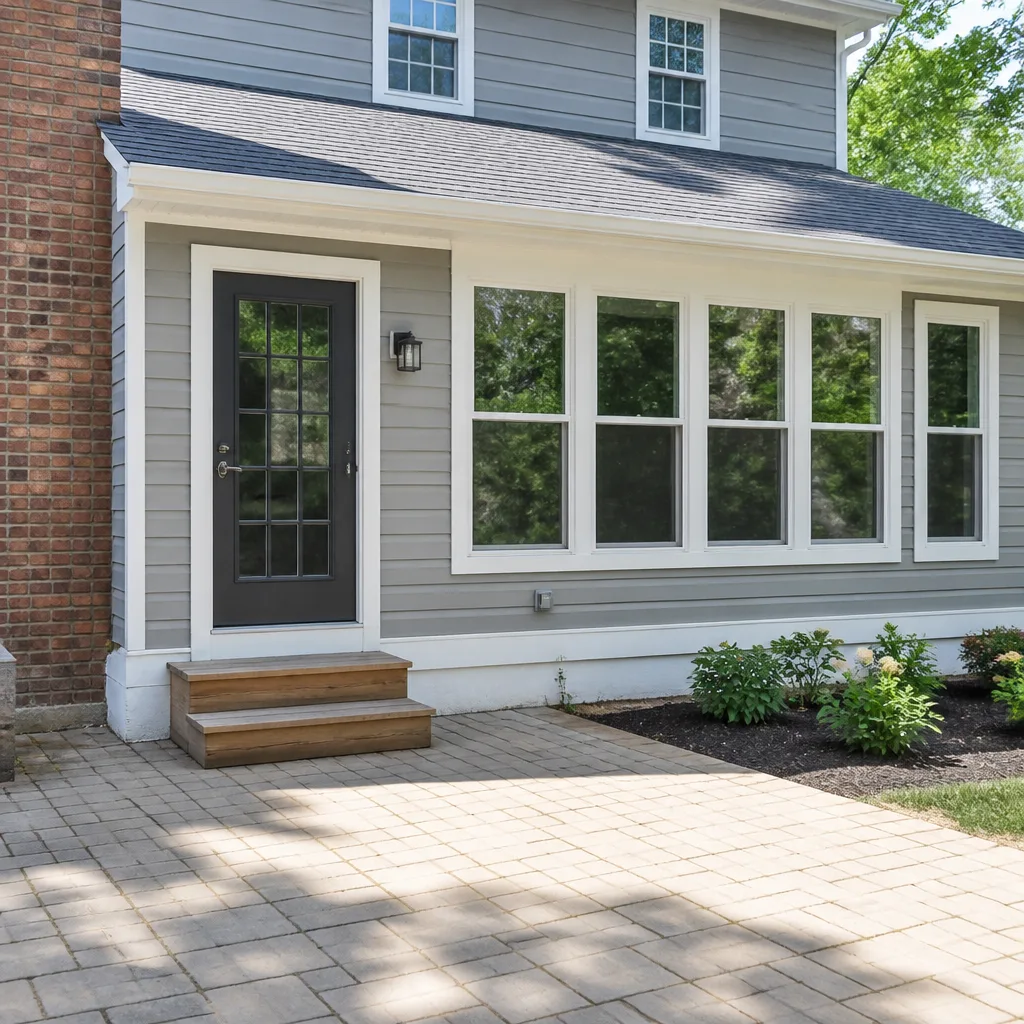 After
After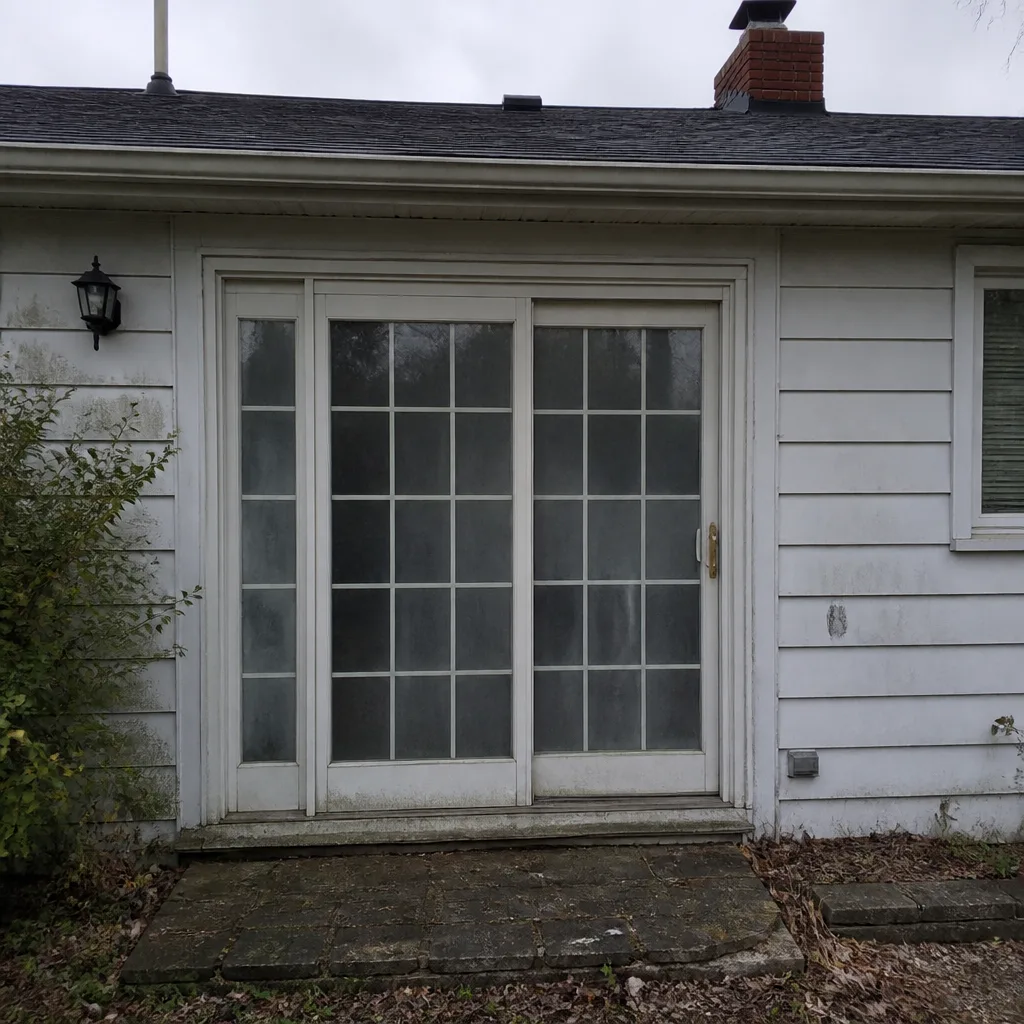 Before
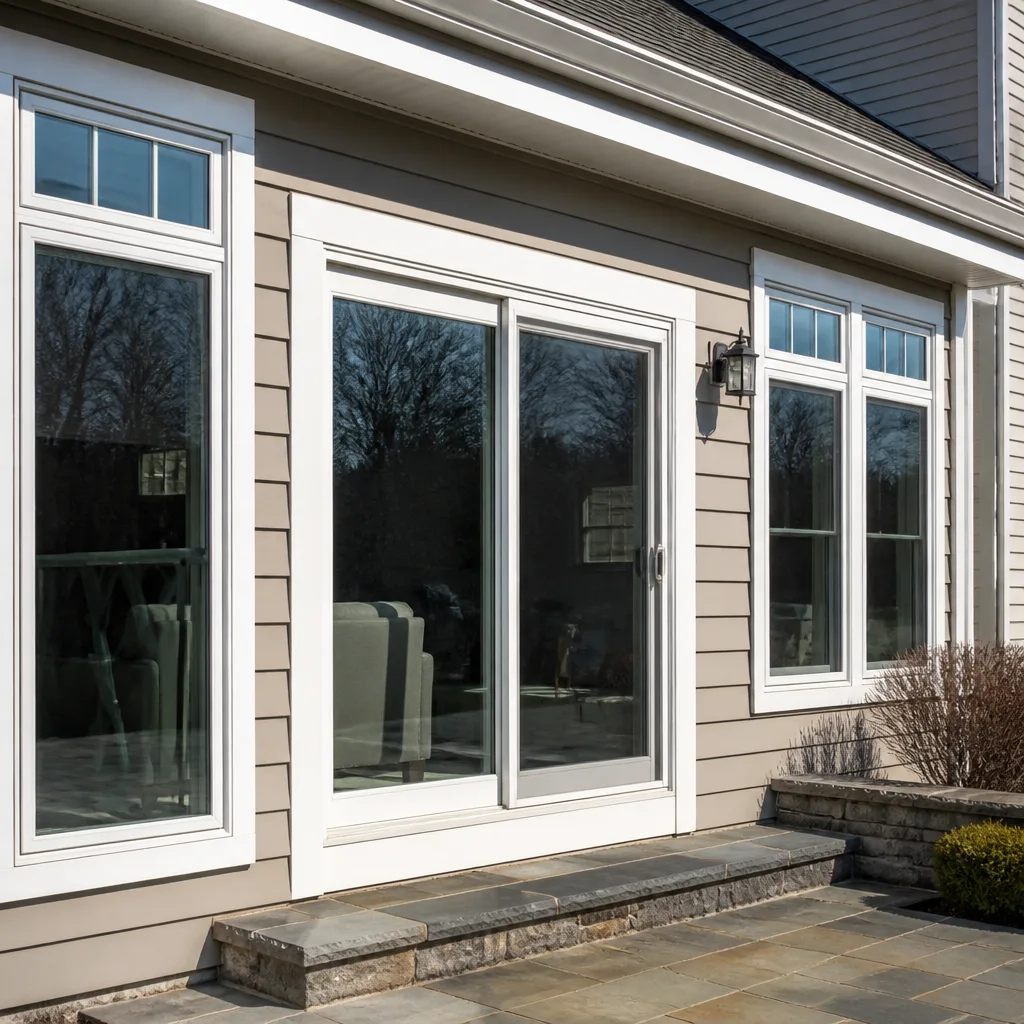 After
After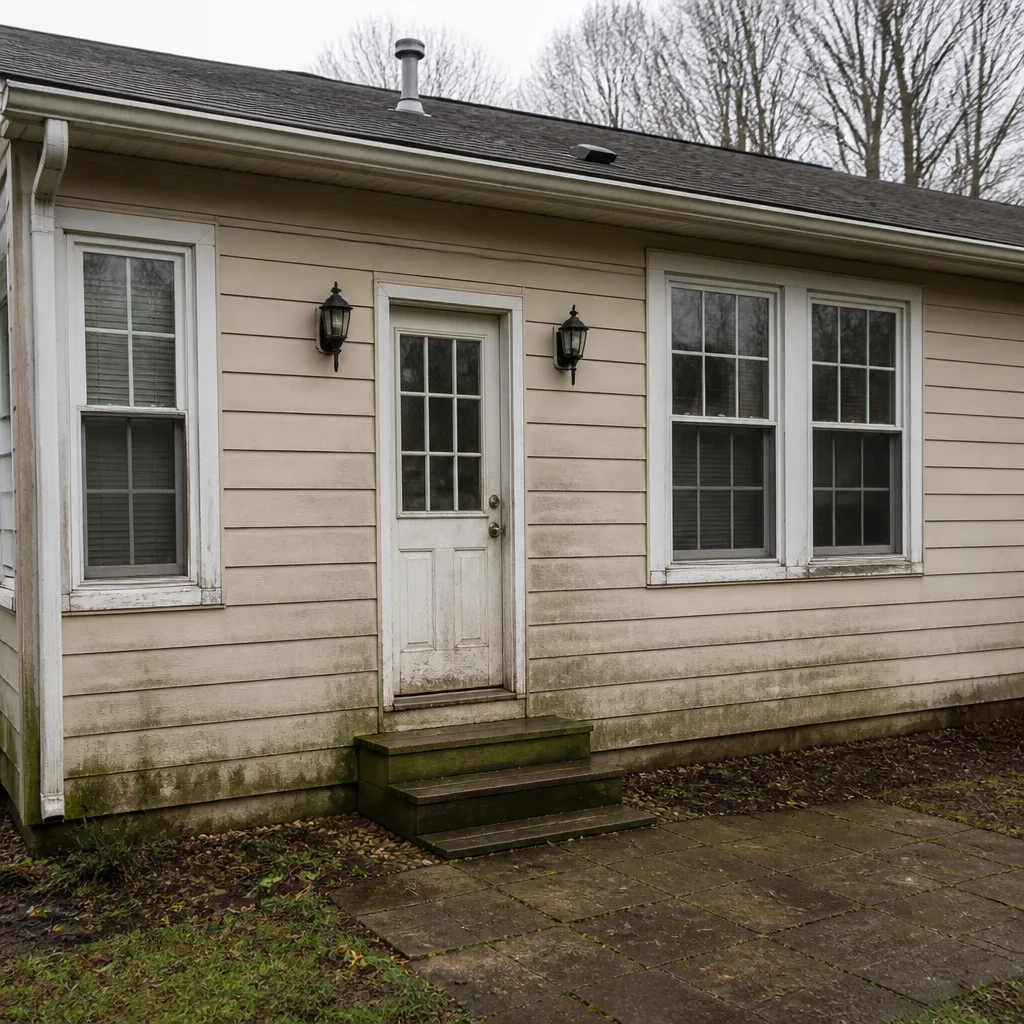 Before
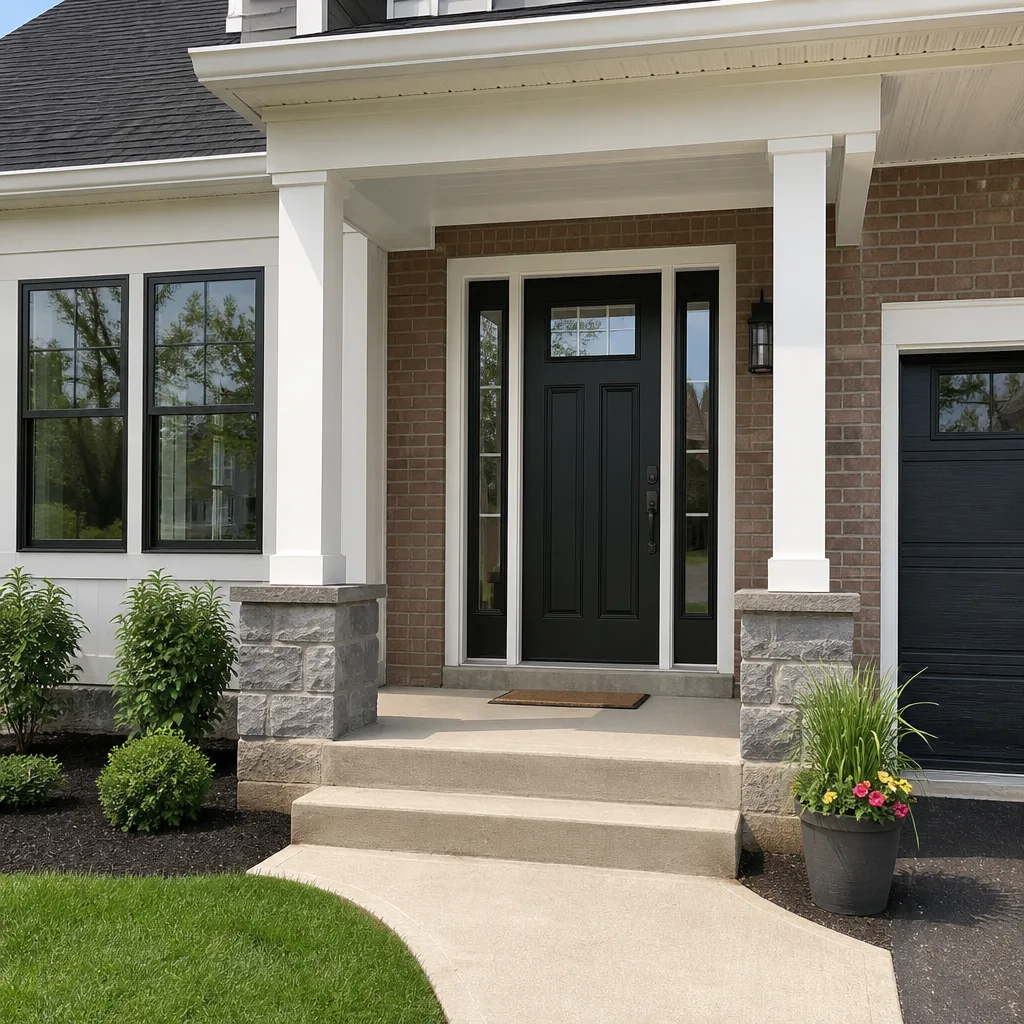 After
AfterWindows & Doors Emergency Preparedness Guide for Columbus Homes
A window that has been operating with a broken compression seal for two seasons is not just drafty. Its frame has likely absorbed enough moisture to compromise the glazing bead, which means in a significant wind event it may not hold the glass the way it was rated to. Columbus homeowners spend a lot of energy preparing for ice storms and the occasional tornado warning, but few realize that windows and exterior doors are the first line that fails when weather turns hostile or someone tries to force entry. This guide covers what can be done before an emergency so the emergency is less likely to become a disaster, and you can explore more guides & resources for year-round home protection.
Quick Answer
Emergency preparedness for windows and doors in Columbus starts with three steps: confirm your existing glass and frames meet current wind-load and impact ratings for central Ohio, close the security gaps in standard sliding door and deadbolt hardware, and keep a documented record of your windows’ condition and installation history so any claim or repair moves fast. The preparation that matters is not a supply kit in a closet. It is the decisions made during installation and the maintenance habits that keep glass and frames in their rated condition, as outlined in our Windows & Doors Warning Signs: A Columbus Homeowner’s Reference Guide.
Table of Contents
- How to Assess Whether Your Windows and Doors Meet Columbus Wind-Load and Impact Ratings
- The Security Gap in Standard Sliding Doors and Deadbolts
- The First 15 Minutes After a Window Breaks or a Door Frame Is Compromised
- How to Pre-Select an Emergency Glazier Before You Need One
- Insurance Documentation That Speeds Up a Claim and Prevents Disputes
- Maintenance Habits That Keep Windows and Doors in Rated Condition
- Common Mistakes to Avoid
- When to Call a Professional
- Frequently Asked Questions
How to Assess Whether Your Windows and Doors Meet Columbus Wind-Load and Impact Ratings
Most Columbus homes built before the mid-1990s have windows and doors that were never tested to the wind-load standards now common in the region. Central Ohio sits on the edge of tornado alley, and straight-line winds from severe thunderstorms regularly exceed 70 mph in Franklin County. A window rated for 30 pounds per square foot of wind pressure behaves differently in a 70 mph gust than one rated for 50 psf. The difference can be whether the glass stays in the frame or becomes a hazard inside your living room.
To assess what you have:
- Look for the rating label. Modern windows carry an AAMA or NFRC certification sticker, usually on the frame edge or the glass. If there is no label, the window was likely installed before local codes required labeled fenestration products.
- Check the frame material and age. Single-pane aluminum frames from the 1970s and early 1980s are the weakest common installation in Columbus. Vinyl and wood frames with double-pane glass from the last 20 years are generally stronger, but age and installation quality matter as much as the material.
- Inspect the glazing bead and compression seals. The glazing bead is the strip that holds the glass in the sash. If it is cracked, brittle, or pulling away from the glass, the window cannot be trusted to hold its rated wind load, regardless of what the label says.
- Test the door slab and jamb. Exterior doors should sit flush in the frame with no more than an eighth-inch gap at the strike side. A door that rattles in its frame transfers wind load to the lock and hinges instead of the framing, and that is the point of failure in a storm.
If the assessment shows windows that do not meet current ratings, the options are phased replacement or targeted hardening. Many Columbus homeowners replace the street-facing windows first and work through the rest over two or three seasons. Impact-rated windows built to the strictest impact standards are available in Columbus through manufacturers like Pella, Marvin, and Jeld-Wen, and they can be a practical upgrade for homes in exposed positions like window installation in Parkway or other neighborhoods with mature trees and open sightlines. A window that meets impact standards will usually also meet central Ohio wind-load requirements, but the reverse is not always true.
The Security Gap in Standard Sliding Doors and Deadbolts
Most Columbus homeowners do not know how fast a standard sliding patio door can be defeated. A typical sliding door installed in the 1980s or 1990s has a single-point latch and a track guide that can be lifted out of its rail with a flat pry bar in under 30 seconds. The door itself may be tempered glass, but the locking mechanism is the weak point, and a determined intruder knows this.
The same applies to the typical single-cylinder deadbolt on a front or side door. A single-cylinder deadbolt that is not paired with a reinforced strike plate and 3-inch screws can be kicked past in a few attempts because the door jamb splinters before the bolt fails. The bolt is not the problem. The jamb is.
Hardware upgrades that close these gaps:
- Auxiliary foot bolts or flush bolts on sliding doors pinned into the top and bottom track keep the operating panel from being lifted or levered.
- Anti-lift clips or security pins installed on the stationary panel prevent the common pry-up method.
- Reinforced strike plates with 3-inch screws on exterior door deadbolts transfer force into the framing stud rather than the jamb trim.
- A secondary sliding door lock such as a surface-mounted pin lock or a mortise-style two-point lock adds resistance without making daily operation difficult.
- Laminated or impact-rated glass in entry doors and sidelites makes breaking the glass to reach a lock from inside considerably slower and louder.
In our experience installing and servicing doors across Columbus, we regularly see sliding doors in Clintonville and German Village that have functioned with the original latch for 30 years. They slide fine, so homeowners assume the locking is fine. It is not. The hardware does what it did in 1995, which is hold the door shut, not hold the door secure. Upgrading the hardware is a half-day job and costs far less than the loss from a break-in. For homeowners near door installation in Parkway and similar established neighborhoods, this upgrade is the single highest-value emergency preparedness step available.
The First 15 Minutes After a Window Breaks or a Door Frame Is Compromised
What you do in the first quarter-hour after a window breaks or a door frame cracks determines whether you face a one-day repair or a multi-week restoration. The immediate priorities are, in order: prevent water intrusion, document the scene, and secure the opening. Speed matters, but sequence matters more.
- Move people and pets away from the glass. Tempered safety glass breaks into small cubes, but annealed glass from older Columbus windows breaks into long shards that can travel several feet. Do not walk through the area barefoot.
- Photograph everything before touching anything. Wide shots showing the entire opening, close-ups of the break pattern or frame damage, and photos from inside and outside. Insurance adjusters look for pre-loss condition details, and photographs taken before cleanup are the strongest evidence you can provide.
- Stop water entry first. If rain is coming in, tape a heavy-duty tarp over the opening from the outside using boards or a staple gun. In Columbus, spring and summer storms move fast, and a soaked interior wall adds mold remediation costs on top of glass replacement. A plastic painter’s tarp with duct tape will get you through the night; 6-mil polyethylene sheeting is better.
- Secure the opening against entry. If the door frame is compromised and the door will not lock, screw a 2×4 brace across the interior opening into the wall studs on both sides. For a broken window, cut a piece of plywood or heavy cardboard to fit the opening and fasten it from the inside.
- Record the time and cause. Write down when the damage occurred, what caused it (storm, impact, break-in), and who witnessed it. This memo becomes part of your insurance file and supports the timeline in your claim.
Temporary measures are meant to hold for 48 to 72 hours, not indefinitely. Plywood is not a replacement for a window. In the meantime, keep the affected room closed off and note any smell of moisture or visible dampness, which signals water has already entered the wall cavity.
How to Pre-Select an Emergency Glazier Before You Need One
The contractor you call at 9 PM on a Saturday should be the same one you would hire on a Tuesday. When a window is broken or a door frame is compromised, the temptation is to call the first number that shows up in a search. That is how Columbus homeowners end up with a quick patch that fails six months later and a receipt that does not hold up to an insurance audit.
Pre-selecting an emergency glazier means making the decision before the emergency, when you have time to verify credentials and compare warranties. What to look for:
- Local presence with a physical address and a listed phone number. A live person should answer when you call, not a voicemail tree or a regional dispatch center.
- Written warranty policy stated plainly. Ask what happens if the repair or installation fails. If the answer is vague, keep looking. The warranty should be in writing, with durations stated for both the product and the workmanship.
- Authorized installer status with major manufacturers. Companies authorized by Pella, Marvin, Milgard, or Jeld-Wen have passed factory certification and can register both layers of warranty coverage, product and installation, in writing.
- Technicians who are background-checked and uniformed. If a company sends a technician to your home, you should know who is walking through the door.
- Clear, upfront pricing. The quote should be a written line-item estimate, not a verbal range offered over the phone.
Keep on file the name and phone number of your selected contractor, a copy of their license and insurance certificate, and a note on their warranty terms. Share this information with the person who would manage the house in your absence, whether that is an adult child or a trusted neighbor. When the emergency happens, you will not be researching contractors. You will be making one phone call.
TruePane Windows & Doors home answers every call with a live person, 24 hours a day, seven days a week, and our technicians are background-checked and uniformed on every job. We have been serving Columbus since 2008 under the founding rule Dale Kessler keeps on the whiteboard: if the pane is not true, the job is not done.
Insurance Documentation That Speeds Up a Claim and Prevents Disputes
The most common reason insurance claims on broken windows and compromised doors drag on or get reduced is missing documentation of pre-loss condition. Adjusters do not argue with dated photographs and product specifications. They argue with vague recollections. A Columbus homeowner who keeps a simple file on their windows and doors can cut weeks off the claim process and avoid disputes about whether the damage was pre-existing.
What to document and keep:
- Photographs of every window and exterior door, inside and outside, taken on a clear day and updated every two years. The photos should show frame condition, caulking, and any existing blemishes.
- Product specifications, including manufacturer, model, glass package, and the date of installation or replacement. If you had windows replaced, keep the contract and the warranty registration certificate.
- Installation records, including the contractor’s name, the permit number if one was pulled, and the final inspection date. For window replacement in Parkway or any Columbus neighborhood, the permit record proves the work passed city inspection at the time.
- Maintenance records, such as caulking repairs, seal replacement, or hardware adjustments, with dates and the name of the company that did the work.
- A record of previous claims or repairs, even small ones, because prior damage history occasionally surfaces in a new claim review.
Store the file digitally and in print, and keep a copy somewhere other than the house. If the house is damaged, the documentation inside a drawer in the kitchen may be damaged too. A cloud-storage folder or a fireproof safe are reasonable options.
Maintenance Habits That Keep Windows and Doors in Rated Condition
Wind-load ratings and impact ratings describe a window in its installed, maintained condition. A window that has not been inspected in ten years is not in rated condition, regardless of what the label says. The gap between rated and actual is where Columbus storms find their entry point.
Maintenance habits worth building into your annual routine:
- Inspect compression seals and glazing beads every spring. In Columbus, the freeze-thaw cycle puts repeated stress on window seals. Look for cracked, brittle, or separating material around the glass edge. A broken seal means moisture is entering the frame cavity, and that slowly degrades the glazing bead’s ability to hold the glass.
- Re-caulk exterior perimeters every five to seven years, or sooner if you see cracking. The caulk joint is the first line against water entry, and Columbus weather cycles from minus-20 wind chills to 95-degree humidity in the same calendar year.
- Lubricate and adjust door hinges and sliding tracks annually. A door that binds or drags stresses its hardware and door frame. The adjustment is often a five-minute fix that prevents a long-term problem.
- Test every locking point twice a year. That includes the latch on sliding doors, the deadbolt, and any secondary locks. If a lock does not engage smoothly, repair it now, not when you notice it at midnight.
- Replace annealed glass in high-risk locations. In Columbus, homes built before the 1970s sometimes still have single-pane annealed glass in side doors and low windows. Annealed glass breaks into dangerous shards. Laminated or tempered glass breaks safely and holds up better to wind and impact.
These habits are not difficult, but they require consistency. In our experience, the homeowners who call us after a storm with the least damage are the ones who have already been through at least one maintenance cycle and know what their windows should look like.
Common Mistakes to Avoid
- Assuming insurance covers full replacement cost without documentation. Policies typically cover actual cash value, not replacement cost, unless you have documentation proving the pre-loss condition. Without photos and specs, the settlement offer may fall short of the repair bill.
- Patching a broken window with a plastic sheet and forgetting it. Plastic sheeting is a 72-hour measure. Left in place for weeks, a patch traps moisture in the frame, accelerates wood rot or vinyl degradation, and invites mold growth inside the wall cavity. Columbus summers are humid enough that a soggy wall cavity becomes a biological problem quickly.
- Relying on the original sliding door latch for security. The original latch kept the door closed when it was installed. That does not mean it keeps the door secure now. Upgrade the hardware before someone demonstrates the gap.
- Ignoring a window with a broken seal because it still opens. The broken seal is the early warning. The frame absorbs moisture, the glazing bead weakens, and the window’s wind-load performance drops without any visible change from the outside.
- Hiring the first contractor who answers the phone after a storm. That contractor may be perfectly capable or may be a storm-chaser with no local address and no intention of standing behind the work. Pre-select your glazier and make one call, not five.
- Replacing windows one at a time with mismatched products. Mixing manufacturers and glass packages across a street-facing elevation creates inconsistent wind-load and impact performance, and it complicates future warranty claims. Choose one or two manufacturers and stay consistent.
When to Call a Professional
Call a professional glazier when a window seal has visibly failed, when a door frame shows splitting around the strike plate or hinges, when glass has cracked but not fallen out, or when a storm has already left you with a boarded-up opening. Also call before a storm season if an assessment shows your windows do not meet current wind-load ratings for the Columbus area. Attempting to replace a sealed insulated glass unit or reset a door jamb without the right tools and experience usually leaves the problem worse than it was, and working with high-tension door hardware or large glass panels is genuinely dangerous without proper training. TruePane Windows & Doors offers free estimates in Columbus - call (888) 635-0804 to schedule one.
Frequently Asked Questions
Emergency window repair in Columbus typically runs $150 to $450 for a basic reglaze or glass replacement on a standard double-hung window, and $500 to $1,500 when the frame is damaged or the unit requires a custom insulated glass package. The final cost depends on glass size, frame material, and whether the repair can be completed in one visit. Call (888) 635-0804 for an exact quote - estimates are free.
The current residential building code in Ohio requires windows and doors to be rated for wind pressure based on the design wind speed for the site, which in Franklin County corresponds to a design wind speed of 115 mph for most residential structures. A window that meets this rating should carry an AAMA or NFRC label showing the tested pressure in pounds per square foot. If your windows carry no label, they predate the requirement and should be assessed against Windows & Doors Permits, Codes & Inspections in OH: What You Need to Know.
In most cases, no. Impact-rated performance requires the frame, the glass, and the glazing system to work together as a tested assembly. Applying an impact film to an existing window does not make it impact-rated, and it may void the manufacturer’s warranty. The realistic option for most Columbus homeowners is phased replacement, starting with the most exposed elevations.
A straightforward window replacement, measured, ordered, and installed by a professional crew, typically takes one day on site for standard-size windows once the product arrives. Custom sizes and full-frame replacements add time. The largest variable is manufacturing lead time, which in Columbus currently runs two to six weeks for most manufacturer lines depending on the model and glass package, so consult Choosing the Right Windows & Doors Brand: A Buyer’s Guide for Columbus when planning your project.
Most homeowners policies in Ohio cover storm-related window breakage under the dwelling coverage, less any applicable deductible. The claim takes less time and is more likely to pay out fully when you have dated photographs of the window’s pre-loss condition and the product specifications on file. Without documentation, the adjuster may assume a lower replacement value.
Yes. When the scope of the replacement work requires a permit in the City of Columbus or the surrounding jurisdictions, the permit is pulled before work begins and the final inspection is scheduled afterward. This is standard practice on our jobs, and it protects the homeowner’s insurance position and future resale documentation.
The Bottom Line
Windows and doors are the overlooked failure point in Columbus emergency planning. The preparation that matters is not a supply kit. It is knowing what your glass and frames are rated for, closing the security gaps in standard hardware, documenting pre-loss condition, and having a contractor selected before you need one. A few hours of assessment and paperwork now will save weeks of claim disputes and repair headaches later. The standard is simple: if the pane is not true, the job is not done, and if the preparation is not done, the emergency becomes a disaster. TruePane Windows & Doors has served Columbus since 2008, and we will be here when you need us. Call (888) 635-0804 for a free estimate.
Written by Dale Kessler, Owner at TruePane Windows & Doors, serving Columbus since 2008.