
Last updated August 27, 2026
Free in-home measure and quote - PGT, CGI and CWS impact lines compared on your actual openings, style by style
Sliding glass doors

Impact garage doorsPGTCGI
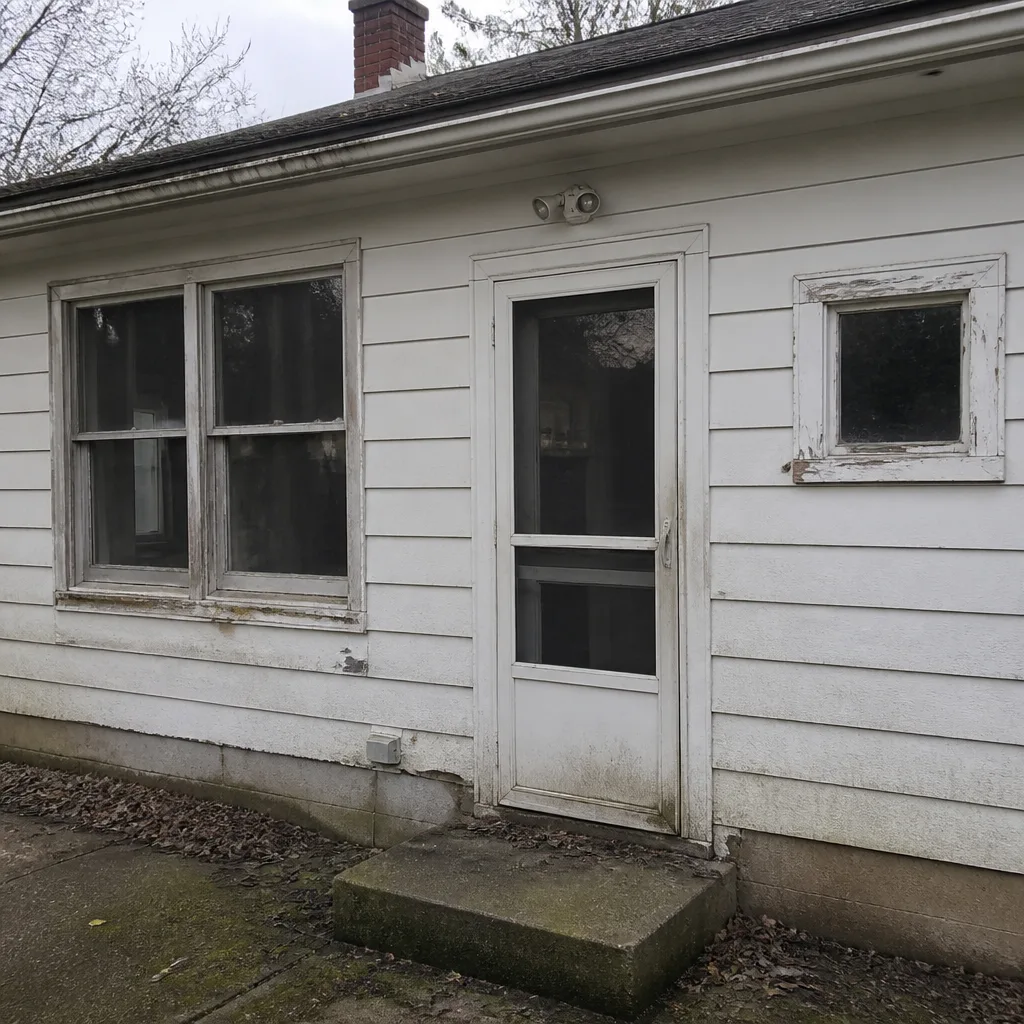 Before
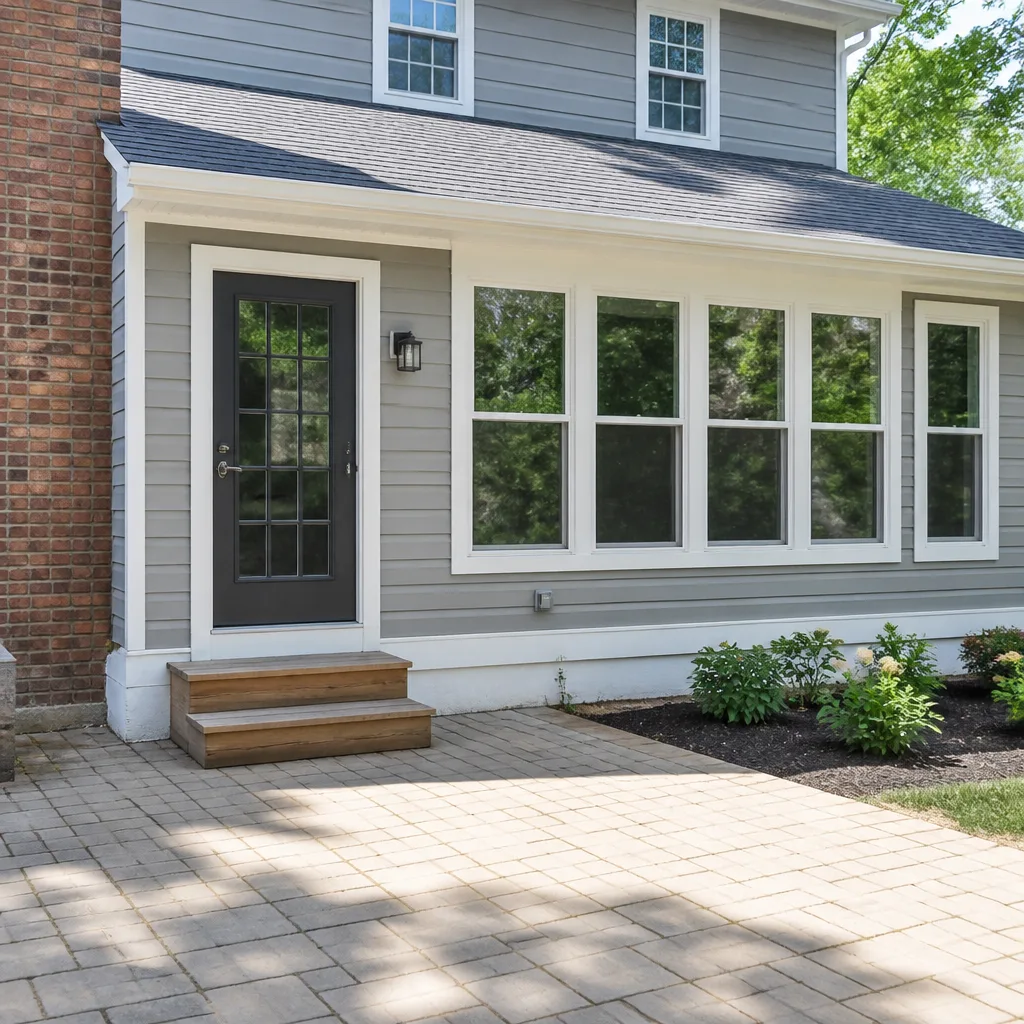 After
After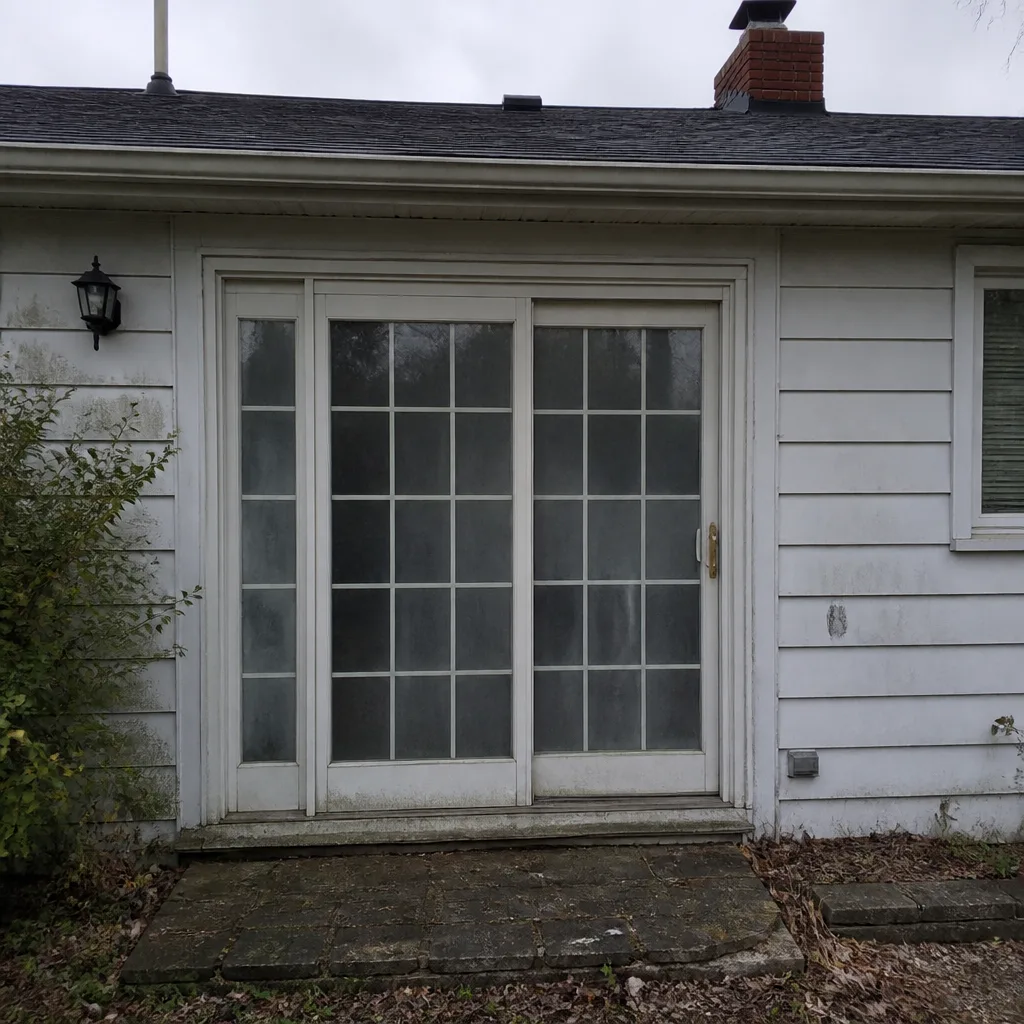 Before
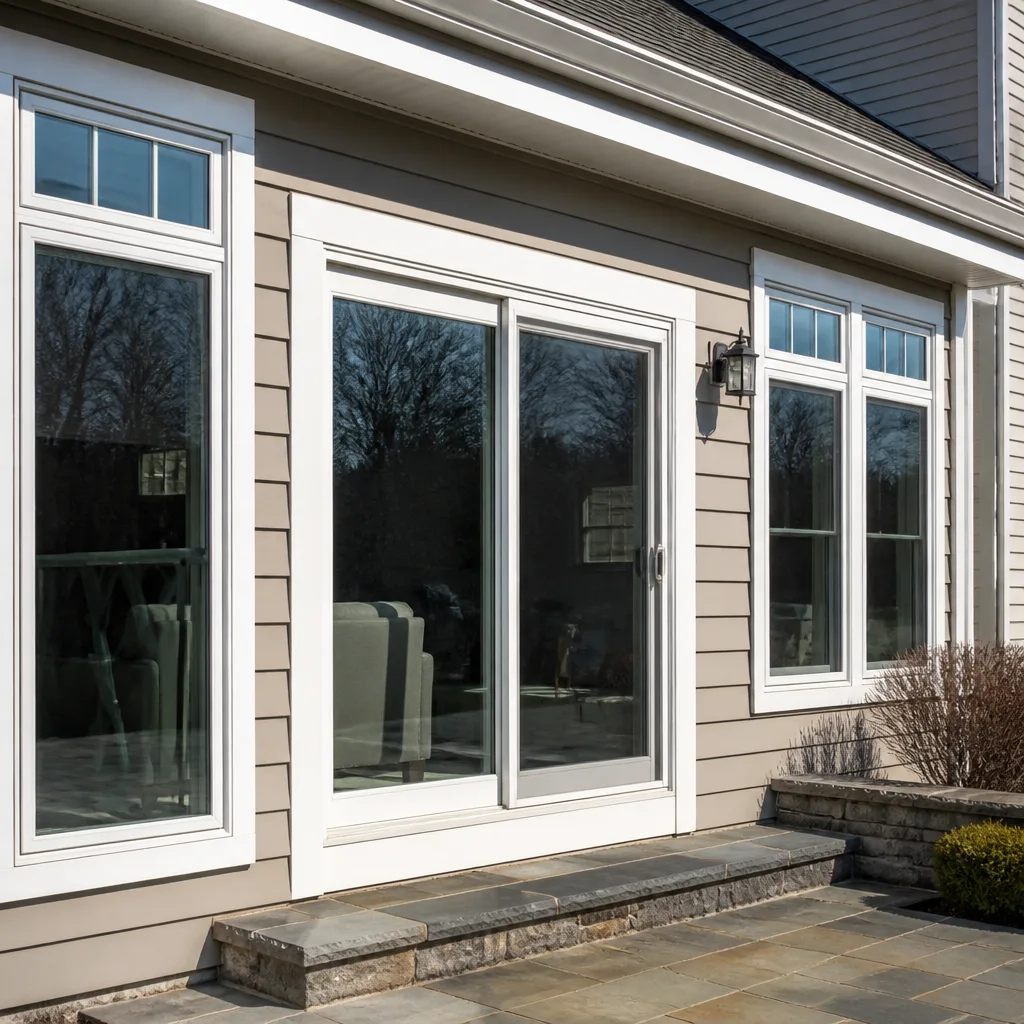 After
After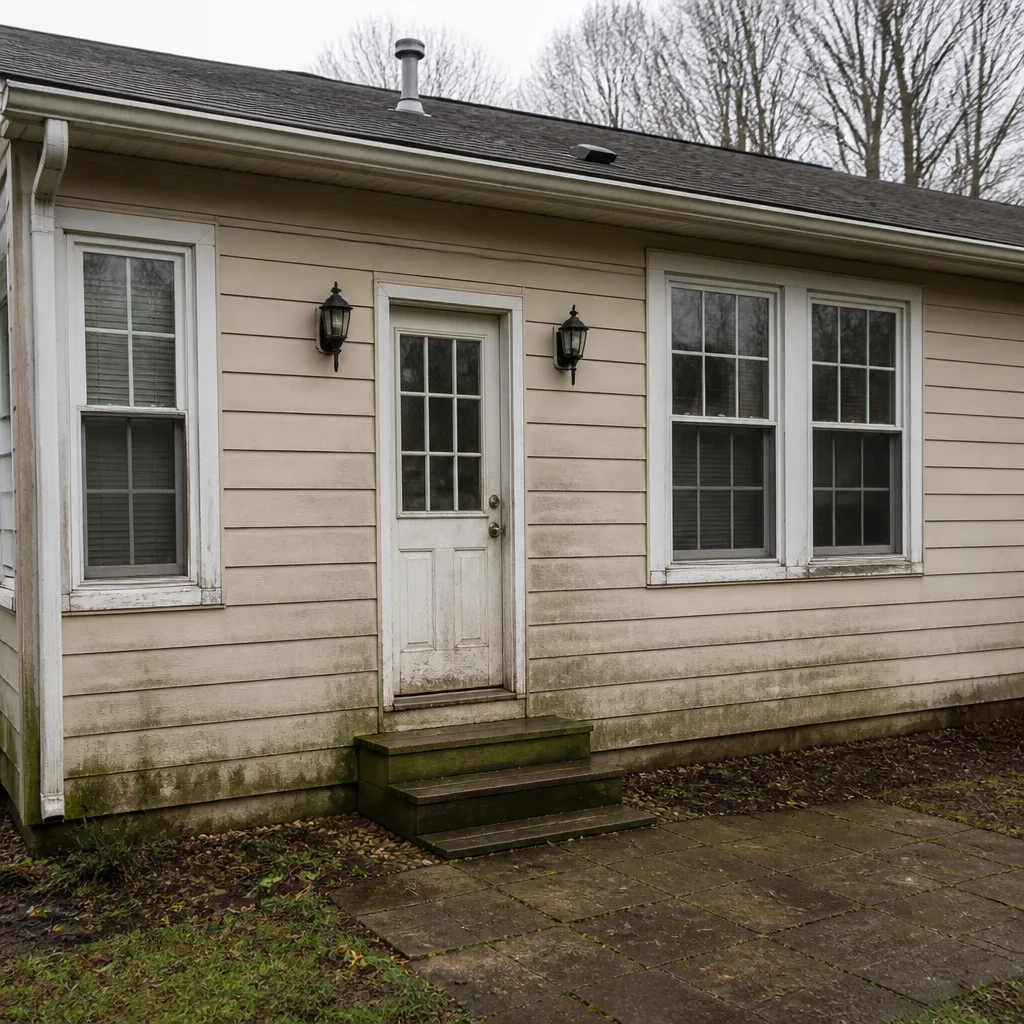 Before
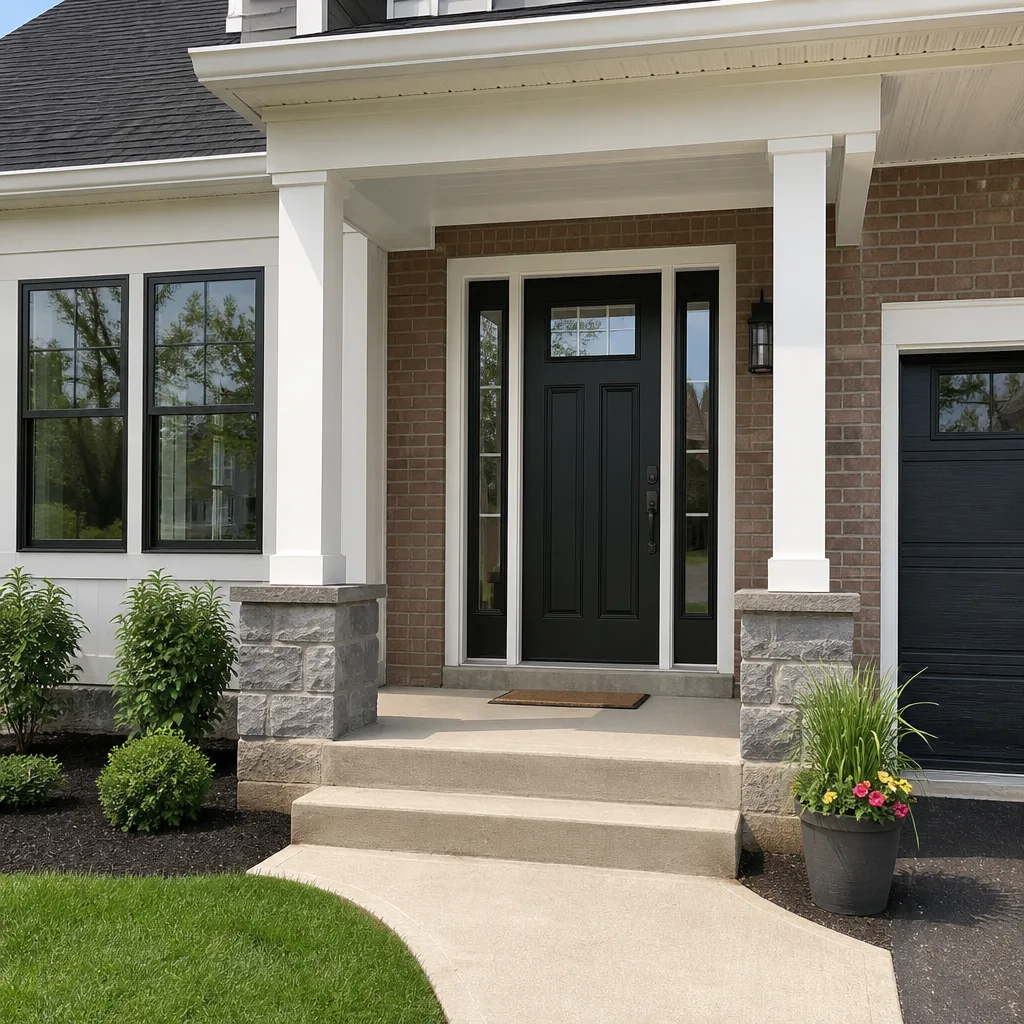 After
AfterWindow Replacement Warning Signs Every Homeowner Should Know
A window that looks perfect on the day it’s installed can hide a flashing error that won’t declare itself until the first sustained rain drives water sideways into the rough opening. In Columbus, where spring storms arrive with horizontal rain and winter brings freeze-thaw cycles that punish any gap in the building envelope, a homeowner who knows what to check in the first 90 days is protecting more than glass. They’re protecting studs, insulation, drywall, and the manufacturer warranty that most people void by waiting too long to act. This guide covers the same-day checks, the 30-day draft test, the condensation question every Columbus homeowner asks, and the documentation trail that turns a dispute into a covered repair, with Windows & Doors Emergency Preparedness Guide for Columbus Homes as a companion for storm-season planning.
Quick Answer
The most common signs of a bad window installation are a sash that doesn’t close square against the stops, daylight visible at the corners of the interior trim, drafts you can feel on a calm day, and condensation that forms between the glass panes rather than on the room-side surface. Most installation failures in Columbus show up within the first season: drafts in the fall, water stains after spring rains, or a window that binds in July humidity. The fix is rarely another window; it’s almost always a re-set, re-flash, or re-shim by a glazier who measures twice and stands behind the work, which is why our Window Replacement services include full workmanship coverage.
Table of Contents
- The Same-Day Checks: What to Inspect Before the Installer Leaves
- How to Read Exterior Flashing From the Ground
- The 30-Day Draft Test: Incense, a Lighter, and What the Results Mean
- Condensation: Normal Behavior vs. Failed Seal vs. Bad Install
- The Paper Trail: Photos, Warranty Registration, and Your Rights
- What Columbus Climate Does to a Bad Install
- Common Mistakes to Avoid
- When to Call a Professional
- Frequently Asked Questions
- The Bottom Line
The Same-Day Checks: What to Inspect Before the Installer Leaves
Most homeowners stand back, admire the new glass, and sign the completion form. That’s the moment a bad install gets locked in, because the defects that matter most are visible at arm’s length, not from across the room. A careful homeowner can catch the majority of installation errors in under fifteen minutes, before the crew packs the trailer.
Here is the same-day inspection, in order of priority:
- Open and close every sash three times. A properly set window moves smoothly through its full travel without rubbing, without a dead spot at mid-travel, and without needing two hands to persuade it. In the summer, a window that binds slightly may just be warm vinyl; in Columbus, we also see binding that comes from an out-of-square rough opening the installer chose to force rather than fix. If the sash hangs up, ask why.
- Engage every lock and check the meeting rail. The two sashes of a double-hung should align evenly along the meeting rail when closed. If one sash sits an eighth of an inch proud of the other, the lock will feel tight but the seal will leak air. This is one of the most common installation shortcuts we see, and it’s visible if you put your eye level with the lock and look straight across.
- Run a finger along the interior stop, top to bottom on all four sides. You’re feeling for gaps between the window unit and the interior trim or jamb extension. A gap wider than a dime at any point means the unit was not shimmed square, or the insulation behind the trim is missing. In a Columbus January, that gap is a cold channel directly into your wall cavity.
- Look at the corner joints of the frame from six inches away. Miters should close tight, no daylight, no caulk bridge spanning a visible void. A wide miter gap with a ribbon of caulk over it is a cosmetic patch over a structural problem.
- Check for daylight around the closed sash. From inside, kill the room lights and look at the perimeter of each sash. Any pinprick of outside light means the weatherstripping is not contacting the sash, which means air is moving. One pinhole is a warranty callback; three pinholes is an install that needs to be re-set.
None of these checks requires a tool or a ladder. What they require is the willingness to spend ten minutes paying attention, which is the cheapest insurance a Columbus homeowner can buy on installation day.
How to Read Exterior Flashing From the Ground
Flashing is the hidden work of window installation, and it’s also the part most likely to be skipped, rushed, or reversed. The function of flashing is simple: any water that gets past the exterior cladding or the window’s own frame must be directed down and out, never sideways into the rough opening. The most common flashing mistake in residential work is a reversed lap, where the top layer sits behind the layer below it, effectively funnelling water into the wall.
You can check the visual profile from the ground. At the bottom of the window, you should see a continuous horizontal line where the house wrap or peel-and-stick flashing membrane exits from behind the bottom nosing and laps over the exterior finish below. That’s the water path: down and out. At the top of the window, the house wrap or membrane should be tucked behind the top nosing, not visible as a piece that laps over it. If you see membrane lapped on top of the top nosing like a shingle laid backwards, water that hits the wall above the window will run behind the flashing instead of over it.
The sides should show a similar logic: side flashing laps over the sill flashing at the bottom, and the head flashing laps over the side flashing at the top. On brick or stucco homes in older Columbus neighborhoods like Clintonville and Olde Towne East, the absence of a visible sill pan is not proof of a problem, because some historical claddings integrate the sill differently. But if you see raw caulk where flashing materials should overlap, or if you can see house wrap exposed at the corners, that’s a sign the installer cut a corner.
Water from a reversed flashing lap doesn’t show up immediately. It shows up as a brown stain on the interior drywall below the window, usually after the first spring storm with real wind behind it. In our experience, every water stain we’ve traced back to a window corner in Columbus has been a flashing error or a window set into a rough opening that was never properly prepped, not a product failure.
The 30-Day Draft Test: Incense, a Lighter, and What the Results Mean
After the first month, the caulk has cured, the insulation has settled, and the window has found its operating rhythm. That’s the time to run a draft test. You’re not looking for a cold window this time; you’re looking for air movement around the frame, which tells you whether the installed unit is actually separating your conditioned interior from the Ohio weather.
The incense method:
- Close all windows and exterior doors about twenty minutes before you run the test, so the house reaches a neutral pressure.
- Turn off ceiling fans and anything that forces air.
- Light an incense stick and hold it six inches from the window frame, starting at the bottom corners, then the meeting rail, then all the way around the perimeter.
- Watch the smoke. A steady vertical trail means the seal at that point is holding. Smoke that bends toward the window, or flutters and dances, means air is being pulled through.
A lighter or a wooden match works on the same principle, but the flame is more sensitive to your own movements, and it’s easier to misread. If you use a lighter, hold it low, keep your hand still, and repeat each location twice before you draw a conclusion.
What the results mean: no movement at the corners, along the meeting rail, or at the top jamb means the window was shimmed and insulated properly. Movement at the bottom corners usually means the sill insulation was skipped or shoved in as an afterthought. Movement all around the perimeter means the rough opening gap was oversized and the installer chose to pad it with whatever was in the truck instead of re-framing the opening. One important note: a draft test on a windy March day in Columbus will always show some movement, because the wind loads the exterior face of the house. Run it on a calm day, or compare a suspect window side by side with a known-good window on the same wall.
Condensation: Normal Behavior vs. Failed Seal vs. Bad Install
Condensation confuses more homeowners than any other post-installation issue. Part of the confusion is that condensation can be completely normal, or a warranty-defining defect, or evidence of an installation problem, depending on where it forms and when.
Here is the rule in plain language:
- Condensation on the room-side surface of the glass, especially in winter, is normal. It means the window is doing its job so well that humid interior air can’t escape, and it’s almost never a window failure. It’s the house telling you the humidifier is set too high or the bathroom fans aren’t moving enough air. New low-E windows are more likely to show this than the old single panes they replaced, because the glass stays colder on the inside surface, and colder glass pulls more moisture out of the air.
- Condensation between the two panes of glass is a failed seal, full stop. That foggy look that won’t wipe off, the haze in the middle of the glass, means the insulating glass unit has lost its seal and the desiccant inside the spacer is saturated. This is a manufacturer defect, and on most quality lines like Simonton or PGT, it’s covered for ten to twenty years, provided the warranty was registered.
- Condensation on the frame, the wall around the window, or the sill, is an installation problem. That means the warm interior air is reaching the cold plane of the wall through a gap in the insulation or the shim pocket, and the moisture is condensing inside the wall cavity where you can see it. In Columbus, where winter indoor humidity runs high in older homes with radiators, this pattern shows up as a wet ring around the window on cold mornings.
The normal-condensation response in a Columbus house is to lower the indoor humidity in winter, not to replace the window. The failed-seal response is a warranty claim. The frame condensation response is a call back to the installer, because the problem is not the glass, it’s the hole around the glass.
The Paper Trail: Photos, Warranty Registration, and Your Rights
Most window warranties are voided by silence. The manufacturer assumes that if you didn’t report a problem within the first ninety days, the problem must not have existed. The installer, most of them, operates on the same assumption. This is why the documentation you keep in the first season is more valuable than the window itself when something goes wrong in year three.
Here is the minimum documentation a homeowner should preserve:
- Day-one photos of every window, inside and out. Take them from three angles: straight on, from a low corner looking up at the sill, and from the interior showing the full perimeter. Include the corners. These photographs are your baseline, and they resolve the “was that damage there before?” argument permanently.
- A written confirmation of warranty registration from the manufacturer. A verbal assurance from a sales rep that “it’s all taken care of” is not registration. Registration is a document with a date and a product serial. At TruePane Windows & Doors, our process registers both warranty layers in writing before the truck leaves the driveway, and the homeowner leaves with a copy in hand. If your installer can’t produce that, ask again in writing.
- Photos of any subsequent issue, taken the day you first notice it. A slow water stain, a fogged pane, a draft you can feel: photograph it before you call. It proves when you noticed it, which matters for the “did you report it in time” question that every warranty claim eventually reaches.
- Your original estimate and your final invoice, side by side. The difference between those two documents should be zero unless you requested additional work in writing. Every legitimate window job in Columbus is priced on a line-item basis, with change orders written out, not mentioned over the phone.
This four-part file takes ten minutes to assemble and it changes the outcome of every future claim; for additional help, see more guides & resources. A homeowner with photos and a registration letter is negotiating from a position of fact. A homeowner without them is negotiating from memory, and memory loses to fine print.
What Columbus Climate Does to a Bad Install
Columbus sits in a climate that tests windows harder than most of the country. The summer brings humidity that makes untreated wood frames swell and vinyl frames deflect. The winter delivers freeze-thaw cycles that turn any trapped moisture into ice, expanding inside the wall cavity and slowly tearing the flashing bond apart. Then comes the spring, with storms that drive rain nearly horizontally, followed by a hot, dry August that bakes the south-facing exterior of the house.
We’ve watched this cycle separate a poorly flashed window from its rough opening in less than three years. The first spring, the reversal in the flashing lets water in, but the volume is small and the caulk hides it. The first autumn, the wet insulation behind the frame loses some of its R-value, and the homeowner notices a draft. The second spring, the same leak has saturated the sheathing, and now the wall itself is softening. By the time the stain appears on the interior drywall, the repair is no longer a flashing re-set; it’s a siding removal and a sill replacement.
South-facing windows in Columbus also carry a specific warning sign that has nothing to do with water. If a new window transmits heat into the room in July that you can feel from three feet away, despite a low-E coating in the spec sheet, the low-E surface may be degraded, or the window is the wrong product for the orientation. Vinyl frames on a full-sun elevation in Columbus can deflect enough to crack the seal between the sash and the weatherstripping, especially on darker frame colors. This is why competent installers in Columbus quote the south and west elevations differently than the north, and why the cheapest bid often comes with a window that behaves like a magnifying glass by its second summer.
Common Mistakes to Avoid
- Signing the completion form before you run the same-day checks. Your signature ends the installer’s leverage window. Ten minutes of sash operation and lock engagement, done before you sign, is the difference between a same-week correction and a three-month callback fight.
- Assuming a draft is just “how new windows feel in winter.” A properly installed window in Columbus does not draft, period. If you can feel air movement on a calm day, it’s an installation defect, not a design characteristic.
- Confusing surface condensation with a failed seal. Wipeable moisture on the room side of the glass is normal winter behavior. Moisture you can’t wipe is a warranty issue. Knowing the difference stops you from filing the wrong claim and losing the leverage you need on the right one.
- Trusting a verbal warranty registration. Unless you hold a dated document from the manufacturer, the warranty does not exist in any enforceable way. Ask for the registration in writing before the crew packs the trailer.
- Waiting a full season to report a suspicion. The 90-day window is real, in every sense. If something looks off at day 45, report it at day 45. The longer you wait, the easier it is for the installer to blame settling, weather, or you.
- Patching a water stain without finding the source. A stain below a window is a flashing failure until proven otherwise. Painting over it is how a $500 flashing re-set becomes a $9,000 wall repair in Columbus.
- Choosing the low bid on a south-facing wall. The cheap window on the full-sun elevation is the one that will deflect, draft, and degrade first. Pay for the right glass and frame once, on the elevation that earns it.
When to Call a Professional
Call a professional when the draft test shows movement, when you see daylight at the corners of a closed sash, when moisture appears on the wall around the window rather than on the glass, or when the condensation between the panes won’t wipe away. These are not minor adjustments; they indicate the building envelope has been compromised and the repair is structural. A trained glazier can identify whether the issue is the window, the flashing, or the rough opening, and can fix the root cause rather than the symptom. TruePane Windows & Doors offers free estimates in Columbus, and we’ve been correcting other installers’ mistakes for years now. Window replacement in Parkway is a service we handle routinely, along with full window installation and door installation. Call (888) 635-0804 to schedule your free estimate.
Frequently Asked Questions
Run the same-day checks after installation: sash operation should be smooth, the lock should engage fully with the meeting rail aligned, and there should be no visible gaps at the interior stops or daylight at the corners of a closed sash. Follow up at 30 days with the incense draft test. Any air movement around the frame on a calm day, any binding that develops as the season changes, or any moisture on the wall around the window points back to the installation, not the product.
Condensation on the room-side surface of the glass in winter is normal and often means the window is performing well, keeping warm, humid interior air from escaping. Condensation between the glass panes is a failed seal and a warranty claim, and condensation on the frame or surrounding wall is an installation problem. If you’re not sure which type you’re seeing, call (888) 635-0804 and describe it; a live person answers, and we’ll tell you what you’re looking at.
Most warranty structures and installer obligations operate on a 90-day reporting window, which is why the first-season inspection matters so much. The practical answer is: the day you notice something, report it that same day. The homeowner who documents a draft at day 60 and reports it at day 60 is protected; the one who waits until the spring to see if it “settles out” has often voided their own recourse.
Good flashing shingles water down and out: the bottom layer laps over the cladding below, the top layer tucks behind the top nosing, and the sides follow the same roof-logic. Bad flashing runs the layers in reverse, so water flows behind the membrane and into the wall. If you can see raw caulk where flashing materials should overlap, or house wrap exposed at the corners, that’s a problem. The visual check takes sixty seconds from the sidewalk, no ladder required.
Manufacturer warranties cover the product: the glass, the seal, the frame components. They do not cover installation errors, which is why the installer’s own workmanship warranty matters more than most homeowners realize. At TruePane Windows & Doors, our Done Right Promise covers the workmanship, and The Keystone Standard ensures both manufacturer warranty layers are registered in writing, durations stated, before the truck leaves the driveway. If something is not done right, we make it right, without a paperwork fight.
The most overlooked sign is a door or window that operates differently depending on the season: smooth in the fall, binding in the summer humidity, loose in the winter. Most people write this off as normal house settling. It’s not. It’s almost always an out-of-square rough opening that the installer forced the unit into rather than correcting. A properly installed window in Columbus operates the same in July as it does in January. If yours doesn’t, call (888) 635-0804 for a free inspection appointment.
The Bottom Line
The first 90 days after a window installation are the warranty’s active term, but they’re also the testing period for the installer. Most installation defects are visible in that window if a homeowner knows the checks: the ten-minute same-day walkthrough, the incense draft test at day 30, the ground-level flashing read, the condensation pattern recognition. In Columbus, where the climate cycles from humid summers to freeze-thaw winters, a small flashing error compounds into a structural repair faster than homeowners expect. The fix in year one is a re-set; the fix in year five is a wall rebuild. Pay attention in the first season, and the window will do its job for decades.
Written by Dale Kessler, Owner at TruePane Windows & Doors, serving Columbus since 2008.