
Last updated August 15, 2026
Free in-home measure and quote - PGT, CGI and CWS impact lines compared on your actual openings, style by style
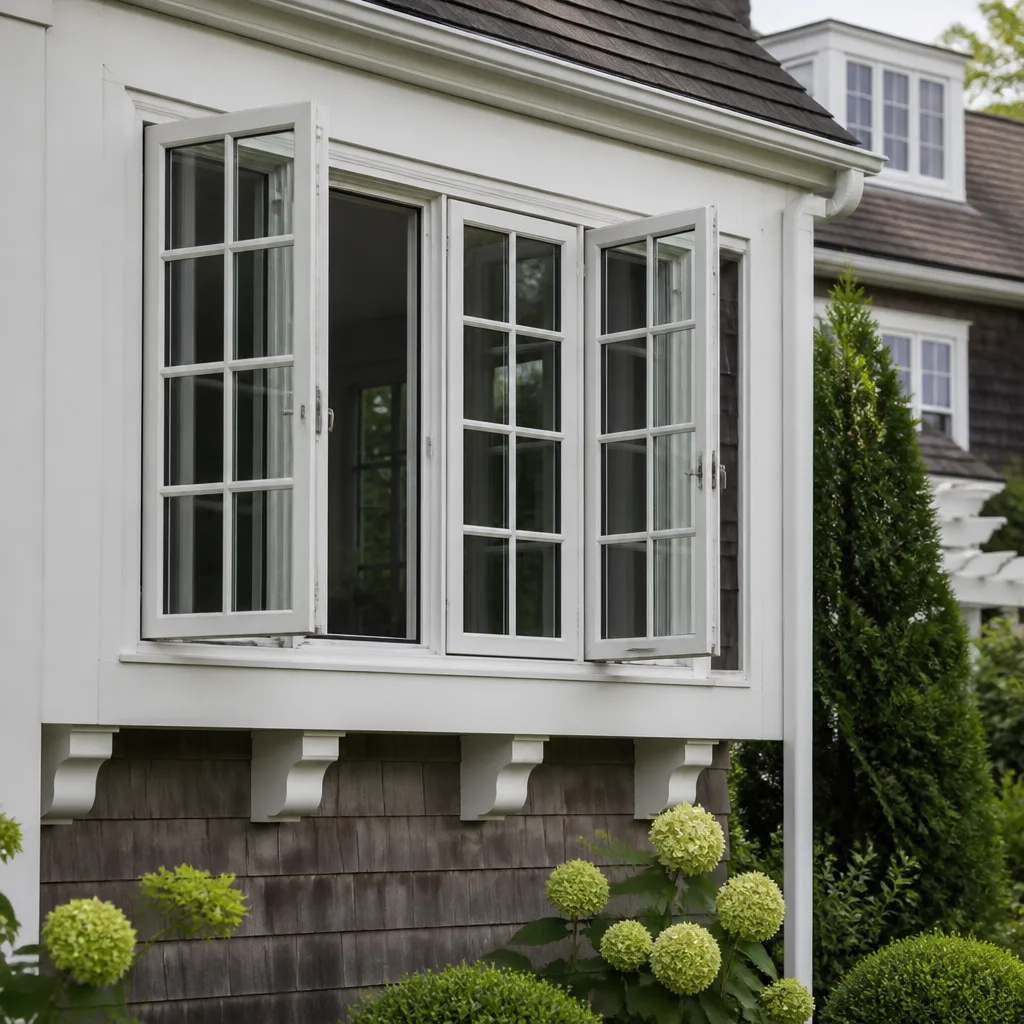
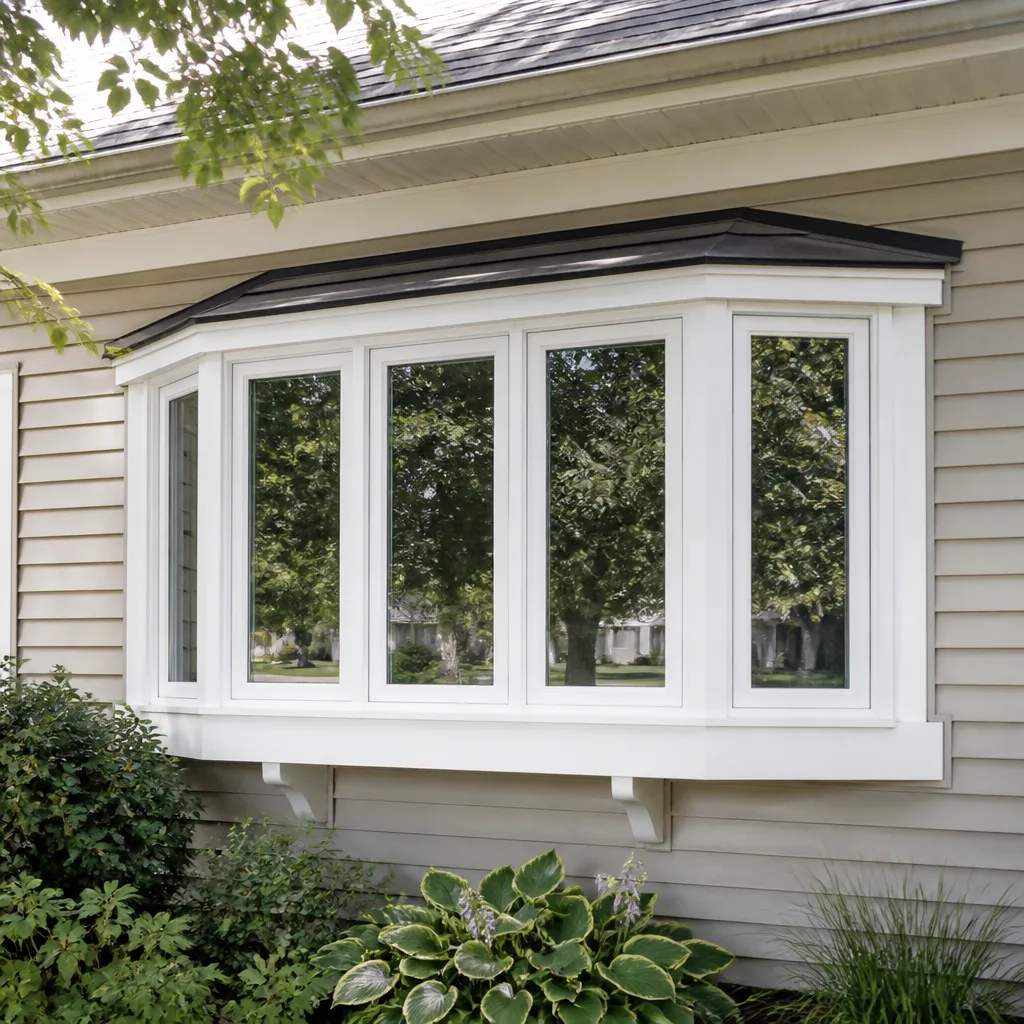
Sliding glass doors
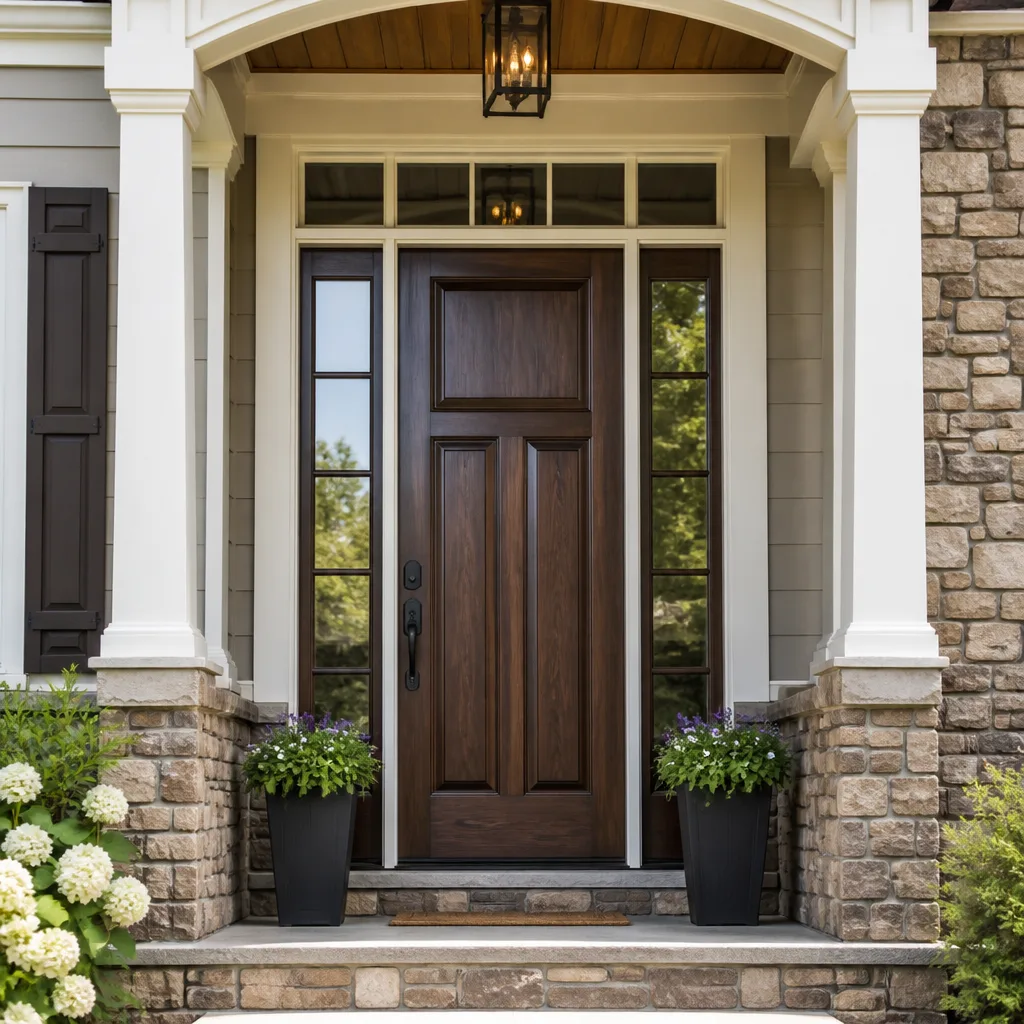
Impact garage doorsPGTCGI
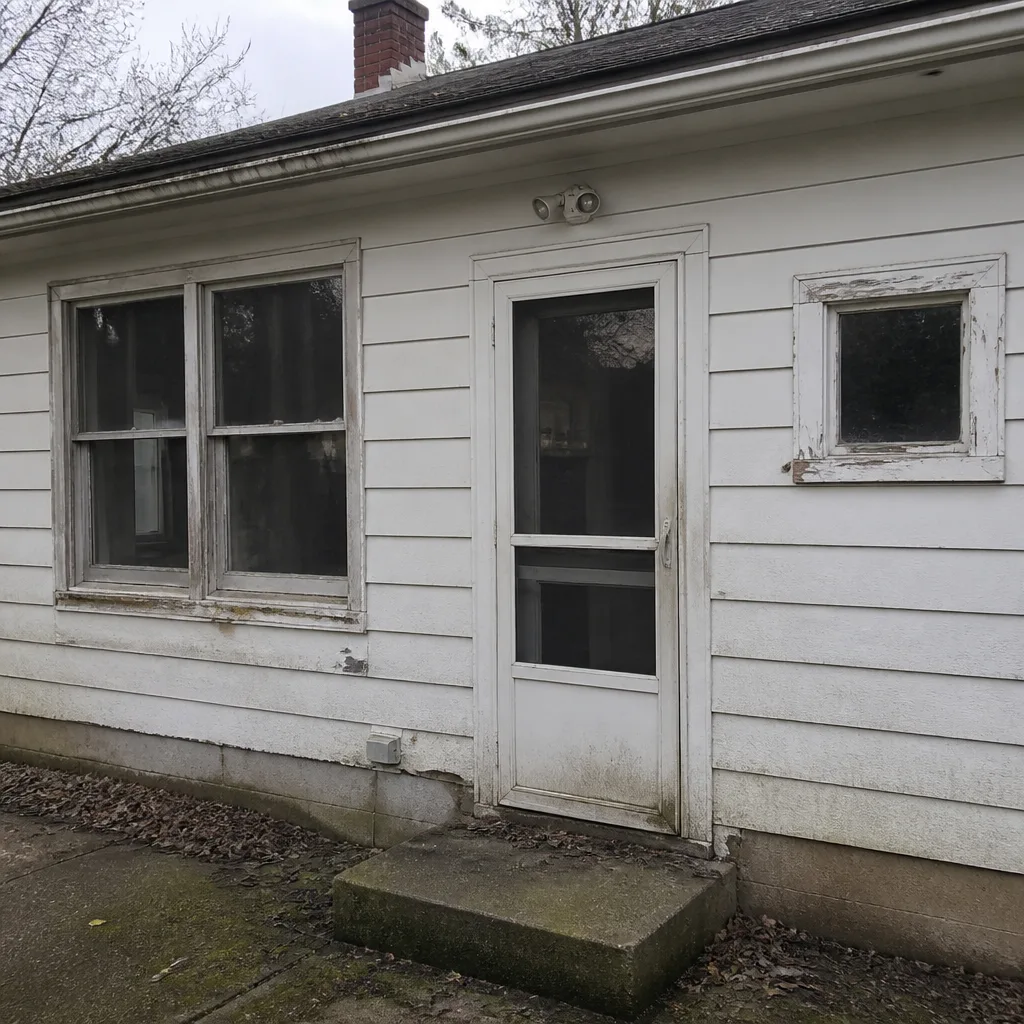 Before
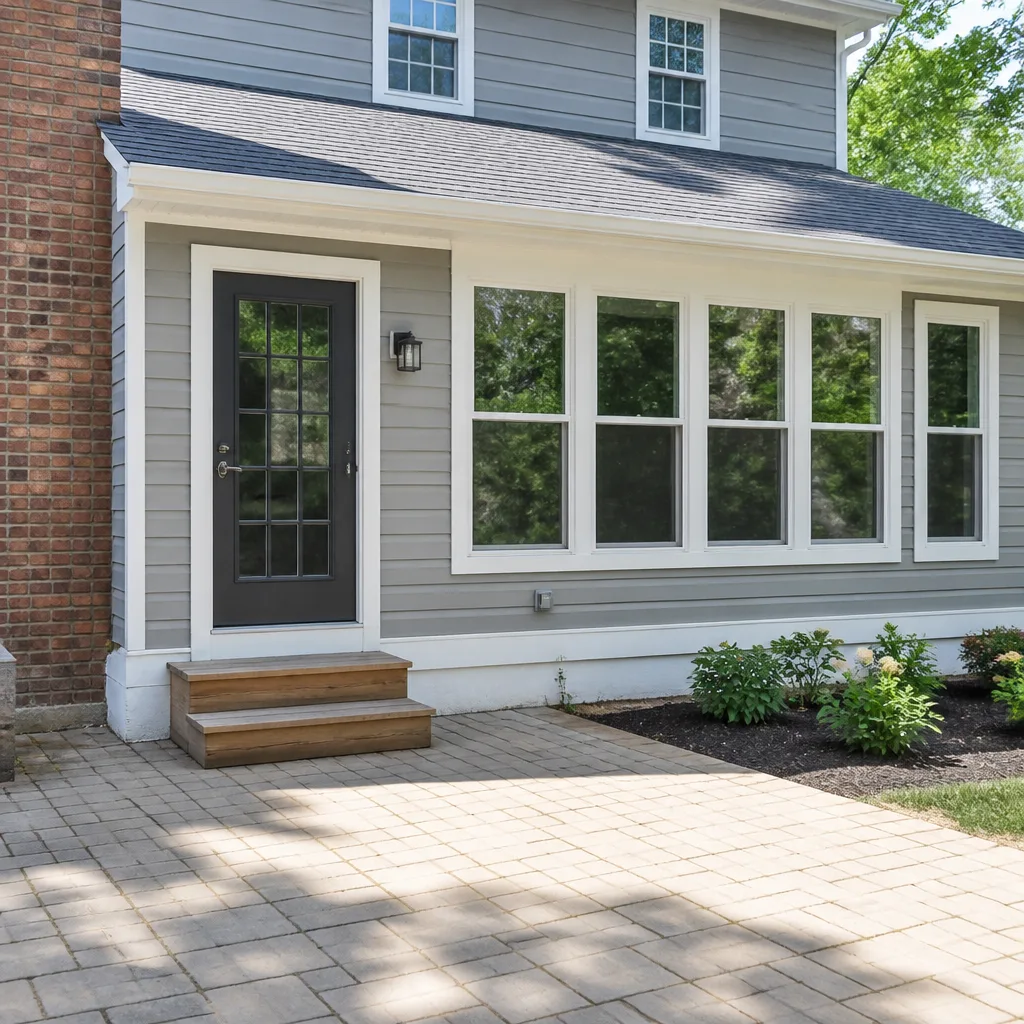 After
After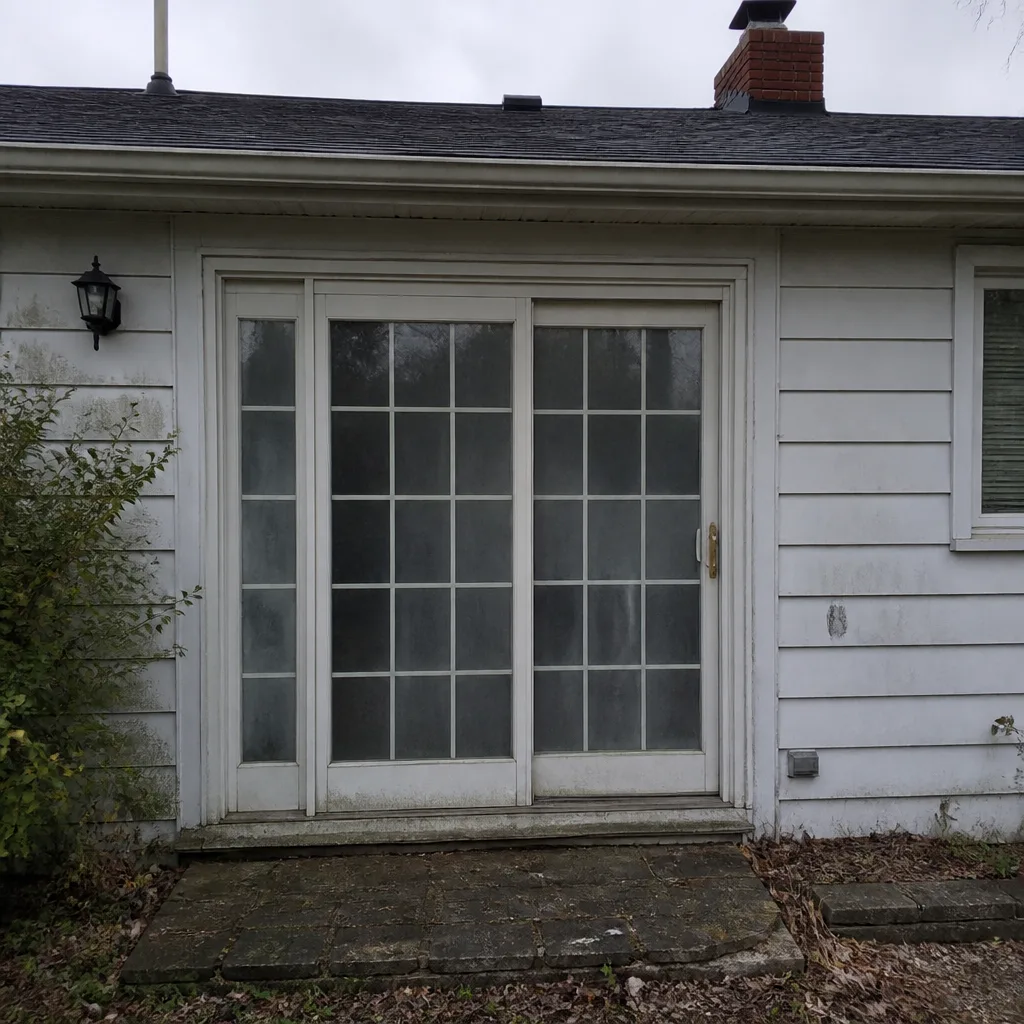 Before
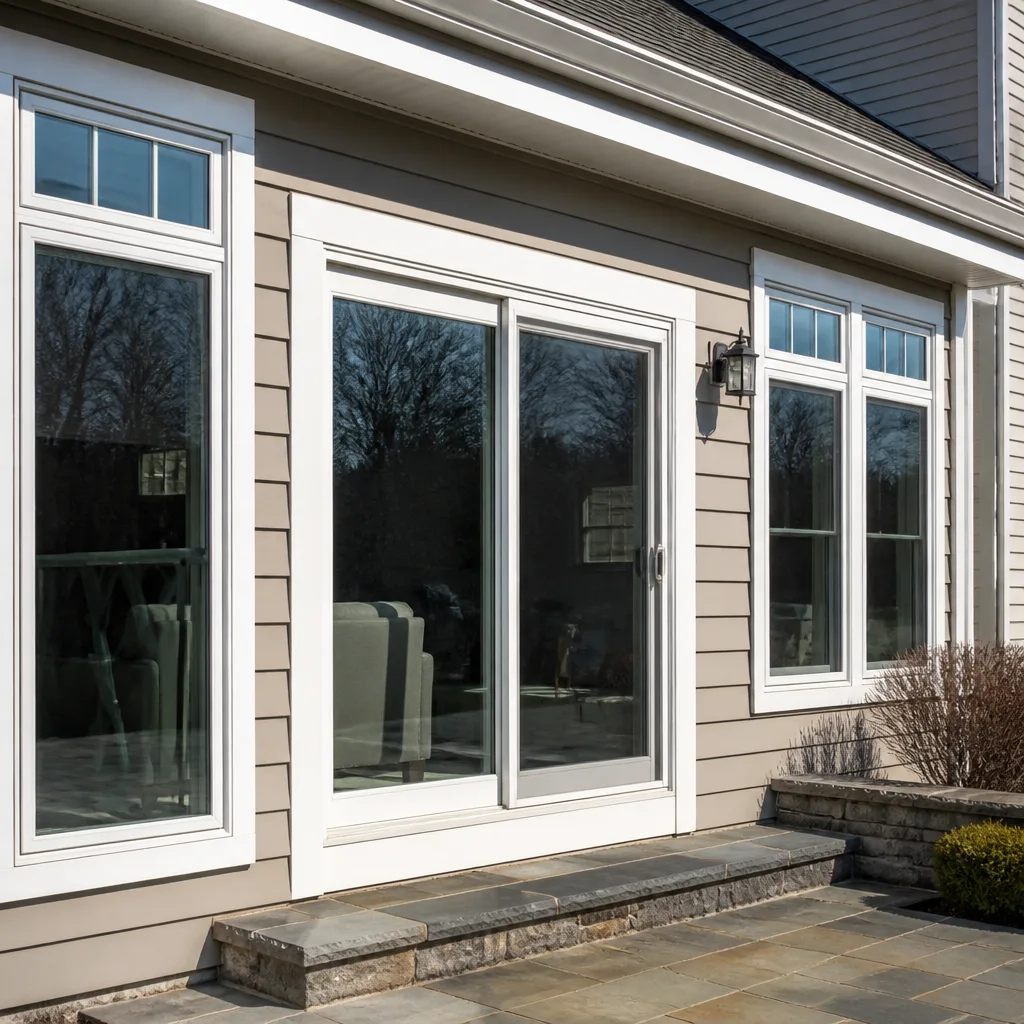 After
After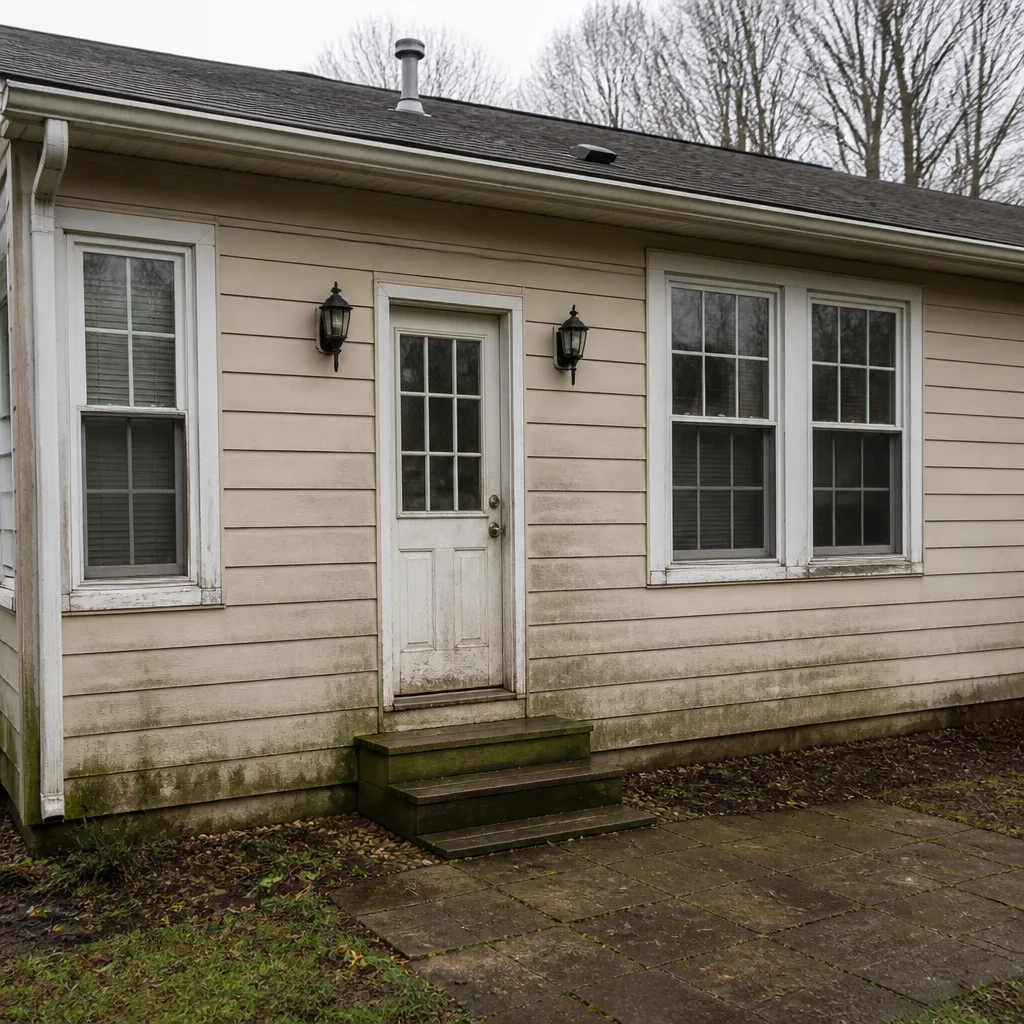 Before
 After
AfterThe Complete Energy-Efficient Windows Guide for Columbus Homeowners
Here is the fact most national window guides get wrong for Columbus, California: this town sits in Climate Zone 11 under California’s Title 24 code, and the energy math here is the opposite of what most window salespeople lead with. Hot dry summers and cold clear winters mean a window with a low Solar Heat Gain Coefficient will do more for your utility bill than one with a low U-factor, yet most showroom pitches start with U-factor because that is what sells in Chicago and Minneapolis. This guide walks through the real Title 24 requirements for Columbus, how to read an NFRC label without a salesperson’s help, and which coating and orientation choices actually pay for themselves in a foothill climate. By the end you will know more about Energy-Efficient Windows services than most of the people quoting your job.
Quick Answer
For Columbus, California homeowners, The Complete Guide to Windows & Doors in Columbus starts with this: an energy-efficient window means one that meets Title 24 Climate Zone 11 code, which requires a maximum U-factor of 0.30 and a maximum SHGC of 0.23 for replacement windows. In practical terms, look for a window with an SHGC between 0.18 and 0.23 on south and west-facing exposures, a U-factor of 0.30 or lower, and a low-e coating on surface 2 for most Columbus homes. The SHGC number matters more here than the U-factor number, which is the reverse of what national guides teach.
Table of Contents
- What California Title 24 Actually Requires in Columbus
- SHGC vs. U-Factor: Why the Priority Flips in Climate Zone 11
- Low-E Coatings: Surface 2 vs. Surface 3 in a High-Sun Climate
- How Window Orientation Changes Your SHGC Choice on the Same House
- How to Read an NFRC Label Without Relying on a Salesperson
- Frame Materials and What They Mean for Columbus Heat
- What Energy-Efficient Windows Cost in Columbus
- Common Mistakes to Avoid
- When to Call a Professional
- Frequently Asked Questions
- The Bottom Line
What California Title 24 Actually Requires in Columbus
California’s Title 24 building energy code divides the state into 16 climate zones, and Columbus falls into Zone 11, which covers the Sierra Nevada foothills and parts of the Central Valley rim. The zone designation matters because it dictates the maximum allowable U-factor and SHGC for any replacement window sold and installed in the area. For Climate Zone 11, a replacement window must carry a U-factor no higher than 0.30 and an SHGC no higher than 0.23. Those are the numbers on the NFRC label, and they are non-negotiable at the permit counter.
What confuses homeowners is that “energy efficient” is a marketing phrase, not a code standard. A window with an Energy Star sticker from a national program may or may not meet California’s stricter Zone 11 requirements. Energy Star has multiple climate zones and its criteria are looser in some regions. Title 24 is the law in Columbus and the surrounding county, and a window that fails the Zone 11 numbers will not pass inspection. When you see a window advertised as “energy efficient,” ask to see the NFRC label and check the U-factor and SHGC against the 0.30 and 0.23 thresholds yourself.
There is also a difference between what code allows and what performs well in Columbus. Code says 0.30 U-factor is fine, but a window at 0.28 or lower will handle the cold clear winter nights we get in the foothills better. Code says 0.23 SHGC is acceptable, but on a west-facing wall with full afternoon sun, 0.18 to 0.20 will make a noticeable difference in your cooling bill. Meeting code is the floor. Beat it where the exposure justifies the upgrade.
We pull permits on window replacements in Columbus and nearby foothill communities, and we see the inspection records. The jobs that pass cleanly are the ones where the homeowner or the installer checked the NFRC sticker against the Zone 11 worksheet before ordering. The jobs that stall are the ones where someone bought a “good deal” on a window that met federal Energy Star guidelines but carried a 0.32 U-factor or a 0.27 SHGC. The code enforcement office does not care what the sticker says beyond the NFRC numbers.
SHGC vs. U-Factor: Why the Priority Flips in Climate Zone 11
The Complete Impact Windows & Doors Guide for Columbus Homeowners explains that U-factor measures how well a window insulates against heat transfer by conduction. Solar Heat Gain Coefficient measures how much of the sun’s radiant heat passes through the glass. In a cold climate like Minneapolis, a low U-factor is king because the heating season is long and brutal, and any heat that escapes through the glass is expensive to replace. In Columbus, the heating season is shorter and the cooling season is longer and more intense. The sun coming through your windows is your biggest energy load from June through September, and that is what an SHGC number controls.
The national guides, the ones written for a general audience, routinely tell homeowners to prioritize U-factor. That advice is wrong for Zone 11. The California Energy Commission’s own modeling shows that cooling energy dominates in the foothill climate, and SHGC drives cooling energy. A window with a 0.20 SHGC will reject 80% of the solar heat that a clear double-pane would let through. That translates directly into a lower air conditioning load, which in Columbus can run from May through October.
Here is the target range we recommend for Columbus homeowners:
- U-factor: 0.28 to 0.30 for standard double-pane replacement windows. Going below 0.28 usually means triple-pane or argon/krypton fills, and the extra cost rarely pays back in Zone 11.
- SHGC for south and west-facing glass: 0.18 to 0.23. This is where the money is. Reject the sun, lower the cooling bill.
- SHGC for north-facing glass: 0.25 to 0.30 is acceptable, since the north side gets almost no direct sun in Columbus. You can save a little money here.
- Visible Transmittance (VT): 0.45 or higher. You want the sun blocked in terms of heat, but you still want a bright room.
One more point for clarity: U-factor is not irrelevant in Columbus. Those cold clear winter nights, when the thermometer drops into the low 30s and the heat pump is running, a lower U-factor means less heat escaping through the glass. But the annual energy cost difference between a 0.30 and a 0.26 U-factor window in Zone 11 is small, maybe $15 to $30 per year on a typical 1,800-square-foot house. The annual difference between a 0.25 and a 0.19 SHGC on a south-facing wall is larger, often $80 to $150. That is why we lead with SHGC in Columbus.
Low-E Coatings: Surface 2 vs. Surface 3 in a High-Sun Climate
Low-emissivity, or low-e, coating is a microscopically thin metallic layer applied to one surface of the glass inside a double-pane unit. It is the single most important component in controlling both U-factor and SHGC. Where that coating sits inside the window matters, and the difference between surface 2 and surface 3 placement is a technical detail most salespeople skip over.
In a double-pane window, the glass surfaces are numbered from the outside in. Surface 1 is the outermost face, the one that faces the weather. Surface 2 is the inner face of the exterior pane, the one inside the air gap. Surface 3 is the outer face of the interior pane, also inside the gap. Surface 4 is the face of the glass you see from inside the room.
For Columbus, California, surface 2 is generally the right place for the low-e coating. Here is why. A low-e coating on surface 2 blocks solar heat before it enters the air gap between the panes. That means less radiant heat gets absorbed by the glass unit in the first place, and less of it radiates into the room. For a sun-drenched foothill climate, that is exactly what you want: the sun’s heat stopped at the outer layer, not halfway into the window. Surface 2 placement also protects the coating from damage, since it sits inside a sealed gap and is never exposed to cleaning or weather.
Surface 3 placement, where the coating is applied to the inner pane’s outer face, is used primarily in cold climates. It reflects heat back into the room and improves the window’s U-factor by a small margin. But it does less to reject solar heat gain than surface 2, because the sun’s energy has already penetrated the outer pane and part of the air space before hitting the coating. In a Zone 11 climate, choosing surface 3 to chase a slightly lower U-factor will cost you cooling performance where it matters most. If a salesperson tells you surface 3 is “upgraded” or “better,” ask them to explain how it beats surface 2 for SHGC in a hot climate. Watch for the pause.
For windows with high sun exposure in Columbus, we also recommend asking about dual low-e or spectrally selective coatings. Some manufacturers offer a double coating that drives SHGC down to 0.18 or below while keeping visible light transmission above 0.50. Brands like Jeld-Wen, Simonton, and Ply Gem all make spectrally selective low-e glass packages, and we quote them side by side on paper so homeowners can see the difference in cost and performance before committing.
How Window Orientation Changes Your SHGC Choice on the Same House
A single SHGC number is not the right answer for every window on your house. The sun’s path over Columbus changes by season and by compass direction, and a smart selection strategy treats the south wall differently from the north wall. Here is the breakdown:
- South-facing windows: These get direct sun in winter, when the sun is low in the southern sky, and more angled sun in summer when the sun is higher overhead. In Columbus, south glass gets significant solar gain year-round, but the winter gain is actually useful for passive heating. Choose an SHGC between 0.20 and 0.23 here to keep summer cooling manageable while still taking advantage of free winter heat.
- West-facing windows: This is the worst exposure in Columbus. From about 2 p.m. until sunset, west glass takes direct, low-angle sun at the hottest part of the day. The heat gain is intense, and it arrives when your house is already warm. Choose the lowest SHGC you can get, 0.18 to 0.20, and consider adding exterior shading like an awning or a shade tree if the wall is fully exposed.
- East-facing windows: East glass gets direct morning sun, which is less brutal than afternoon sun because ambient temperatures are cooler. An SHGC between 0.20 and 0.23 works fine here. The heat comes in early and is usually manageable before the afternoon peak.
- North-facing windows: North glass gets almost no direct sun in Columbus, just reflected and diffused light. It contributes little to heat gain, so you can save money with a higher SHGC in the 0.25 to 0.30 range. Focus instead on a lower U-factor to keep cold winter air from making the room feel drafty.
The orientation logic applies to the same house, sometimes on the same wall. We have replaced windows in Columbus homes where the living room windows face west and the kitchen windows face north, and the right call was two different glass packages. Mixing glass specifications on one job is not complicated for an installer who does it regularly, and it is one of the ways a well-planned window replacement beats a one-size-fits-all bid.
How to Read an NFRC Label Without Relying on a Salesperson
The National Fenestration Rating Council, or NFRC, is the independent organization that tests and certifies window performance. Every legitimate replacement window sold in California carries an NFRC label, and the label shows the four numbers that matter, plus a few that matter less. You can read it yourself in about a minute.
Here are the numbers on the label and what each one means for a Columbus homeowner:
- U-Factor: The insulation value. Lower is better. For Zone 11, you need 0.30 or lower. A number between 0.26 and 0.30 is typical for a good double-pane replacement window.
- Solar Heat Gain Coefficient (SHGC): The solar rejection value. Lower is better for cooling-dominated climates. For Columbus, 0.23 or lower is code, and 0.18 to 0.22 is a good practical target for sunny exposures.
- Visible Transmittance (VT): How much light comes through the glass. Higher is brighter. Look for 0.45 or above if you want the room to feel natural and open. Some very aggressive SHGC coatings drop VT below 0.40 and make the room feel dim.
- Air Leakage (AL): How much air passes through the assembled window. Lower is better. A rating of 0.30 or lower is good for a replacement window, and 0.10 or lower is excellent. This number matters more for drafty winter nights than for summer heat.
Two other numbers show up on some labels. Condensation Resistance (CR) measures how well the window resists moisture buildup on the interior glass, with higher numbers being better. It is relevant in Columbus during winter mornings when the frost sits on the foothill grass. The Energy Star zone map, when present, tells you which federal climate region the window is optimized for. Cross-check it against California’s Climate Zone 11, not just the federal designations.
The NFRC label is your defense against vague sales language. When a quote says “High-performance low-e glass,” look at the label. The numbers will tell you whether the glass actually performs for Columbus or whether the phrase is just packaging. We give every customer a written side-by-side comparison of the NFRC numbers for the windows we quote, so there is no guessing at the table.
Frame Materials and What They Mean for Columbus Heat
The glass gets most of the attention in an energy-efficiency conversation, but the frame carries about 15% to 25% of the window’s total area and it conducts heat differently depending on the material. In Columbus, where summer temperatures routinely cross 100 degrees and winter nights drop below freezing, frame choice matters for both comfort and durability.
Vinyl is the most common replacement window frame and for good reason. It is affordable, it does not conduct heat well which is a virtue in a window, and it holds its finish for decades without painting. A quality vinyl window with welded corners and reinforced meeting rails will perform well in Zone 11. The downside is that cheap vinyl can soften or warp in sustained high heat, and thin-wall vinyl flexes more than other materials. Not all vinyl is equal; ask about wall thickness and reinforcement.
Fiberglass is stronger than vinyl and expands and contracts at a rate closer to glass, which means fewer seal failures over decades of foothill temperature swings. It costs more up front, usually 20% to 30% more than comparable vinyl, but it handles the heat better than vinyl and rarely needs adjustment after installation.
Aluminum was the standard in California for decades and it is still common in older Columbus homes. It is strong and slim, which is why it remains popular for large picture windows and sliding doors. But aluminum conducts heat extremely well, which means a bare aluminum frame will transfer foothill heat into your house and cold into the room in winter. A thermally broken aluminum frame, which inserts a non-conductive barrier between the interior and exterior halves, fixes most of the conduction problem and is worth the upgrade if you want aluminum.
Wood and wood-clad frames are beautiful and a natural fit for foothill architecture, but they require maintenance and they do not inherently perform better than a well-built vinyl or fiberglass window. A wood frame with a good low-e glass package will meet Title 24, but you are paying for appearance, not performance. We install wood-clad windows for Columbus homeowners who want the look, and we make sure the NFRC numbers line up just as carefully as they would on vinyl.
For most Columbus homes, a quality vinyl or fiberglass frame with a spectrally selective low-e glass package is the best balance of cost, performance, and longevity. The frame should not be an afterthought, but the glass package will determine more of your energy savings than the frame will.
What Energy-Efficient Windows Cost in Columbus
Window pricing in Columbus reflects the same economics as the rest of the California foothill market: materials, labor, and code compliance costs all run higher than the national average. For a Title 24-compliant, energy-efficient double-pane replacement window, a realistic installed price in Columbus runs from $700 to $1,300 per opening, depending on size, frame material, and glass package. Here is how that breaks down:
- Standard vinyl double-pane with low-e surface 2, SHGC 0.22, U-factor 0.28: $700 to $950 per window installed.
- Upgraded vinyl with spectrally selective coating, SHGC 0.19, VT above 0.50: $850 to $1,100 per window installed.
- Fiberglass frame with equivalent glass package: $950 to $1,300 per window installed.
- Wood-clad or premium architectural line: $1,200 to $2,000 or more per window installed, depending on the manufacturer and finish.
These numbers include the window, installation, trim work where needed, and the cost of pulling the permit and passing inspection. They do not include structural repairs, stucco patching beyond standard trim, or reworking openings that have rotted framing, which is common in older Columbus homes and gets quoted separately once the old window comes out.
An important note on Title 24 compliance: the savings from energy-efficient windows do not pay for the windows by themselves in the first year or the second. The energy modeling for Zone 11 shows annual savings of $150 to $350 for a whole-house replacement on a typical 1,800-square-foot home, with the bigger numbers on homes with heavy west and south sun exposure. The real return comes over 15 to 20 years, combined with the comfort improvement and the elimination of the drafts and heat gain from old single-pane or failed-seal windows. Our advice is to buy the window that meets the code and fits the exposure, not the one with the biggest “savings” sticker.
TruePane offers free estimates in Columbus and the surrounding foothill area. A written quote shows the NFRC numbers for each window we recommend, the line-item price for each opening, and both warranty layers spelled out before any money changes hands. Call (888) 635-0804 to set up a measurement visit.
Common Mistakes to Avoid
- Buying on U-factor alone. A window with a 0.24 U-factor sounds impressive, but if the SHGC is 0.30, you will bake in Columbus summer sun. Check both numbers before you buy.
- Not verifying Title 24 compliance before ordering. A federal Energy Star sticker is not the same as California Zone 11 compliance. Verify the NFRC numbers against the 0.30 U-factor and 0.23 SHGC thresholds yourself.
- Putting the same glass package on every window. West-facing glass needs a lower SHGC than north-facing glass. A single window specification across the whole house either wastes money or underperforms on the hot side.
- Choosing surface 3 low-e because it sounds newer. In Zone 11, surface 3 gives you a slightly better U-factor but sacrifices SHGC performance. Surface 2 is the right call for most Columbus windows.
- Ignoring visible transmittance. A very aggressive SHGC coating without a spectrally selective design can make the room feel dim and cave-like. Check the VT number and aim for 0.45 or higher.
- Skipping the permit. Window replacement in Columbus requires a permit and inspection under California law. An installer who suggests skipping it is saving you a small fee now and setting you up for a code compliance problem if you ever sell the house.
- Not asking about warranty registration. Both manufacturer warranty layers should be registered in writing at the time of installation. If the installer cannot tell you the warranty durations and registration process in writing, keep looking.
When to Call a Professional
Any window replacement that requires a permit, and all window replacements in Columbus do, is work that should be done by a licensed contractor with a track record in the local code jurisdiction. If your existing windows are single-pane, have fogged seals, or let visible light pass around the frame, the opening likely needs full replacement, not just glass work. Rotted framing, stucco integration, and water management details at the sill are all points where installation quality determines whether the window performs for decades or leaks in the first winter storm. TruePane Windows & Doors offers free estimates in Columbus, and we pull the permit, schedule the inspection, and register both warranty layers in writing before the truck leaves the driveway. Call (888) 635-0804 to set up a measurement visit. We have been serving the Columbus area since 2008, and we stand behind every window we install.
Frequently Asked Questions
In Climate Zone 11, which covers Columbus, replacement windows must meet a maximum U-factor of 0.30 and a maximum SHGC of 0.23. Verify both numbers on the NFRC label before buying. For practical performance, we recommend a U-factor between 0.26 and 0.30 and an SHGC between 0.18 and 0.23 on sunny exposures. Call (888) 635-0804 for a free estimate and we will show you the NFRC numbers on paper.
SHGC matters more than U-factor in Columbus because the cooling season is longer and more intense than the heating season, and the sun coming through the glass is the single biggest driver of summer cooling costs. A low SHGC blocks solar heat before it enters the house, whereas U-factor improvements only slow conductive heat transfer, which is a smaller annual energy cost in Zone 11.
Surface 2 is the better choice for Columbus because the low-e coating sits on the inner face of the exterior pane and blocks solar heat before it enters the air gap. Surface 3 placement is designed for cold climates where reflecting interior heat back into the room matters more than solar rejection, and it sacrifices SHGC performance in a high-sun climate.
Title 24-compliant energy-efficient replacement windows in Columbus typically cost $700 to $1,300 per opening installed, depending on frame material, size, and glass package. Premium wood-clad lines start around $1,200 and can go higher. For an exact quote with NFRC numbers and line-item pricing, call TruePane at (888) 635-0804.
Yes, window replacement in Columbus requires a building permit and a final inspection under California law. The permit verifies that the windows meet Title 24 Zone 11 requirements and that the installation follows code. An installer who suggests skipping the permit is setting you up for problems at resale.
Yes, and it is a smart practice in Columbus. South and west-facing windows benefit from a lower SHGC between 0.18 and 0.23, while north-facing windows can use a higher SHGC and save money without losing comfort. A qualified installer can mix glass specifications on the same job and show you the NFRC numbers for each opening.
The Bottom Line
Columbus, California sits in Title 24 Climate Zone 11, and the window that performs best here is one that rejects solar heat first. That means an SHGC between 0.18 and 0.23 on sunny exposures, a U-factor of 0.30 or lower, a low-e coating on surface 2, and a frame material that holds its shape through foothill temperature swings. Read the NFRC label yourself, verify the numbers against code, and treat orientation as a selection factor, not an afterthought. For more guides & resources, or if you want the work done right and both warranty layers registered in writing, call TruePane Windows & Doors at (888) 635-0804 for a free estimate. We have been serving Columbus since 2008, and we measure every opening twice before we quote a single window.
Written by Dale Kessler, Owner at TruePane Windows & Doors, serving Columbus since 2008.