
Last updated August 27, 2026
Free in-home measure and quote - PGT, CGI and CWS impact lines compared on your actual openings, style by style
Sliding glass doors
Impact garage doorsPGTCGI
 Before
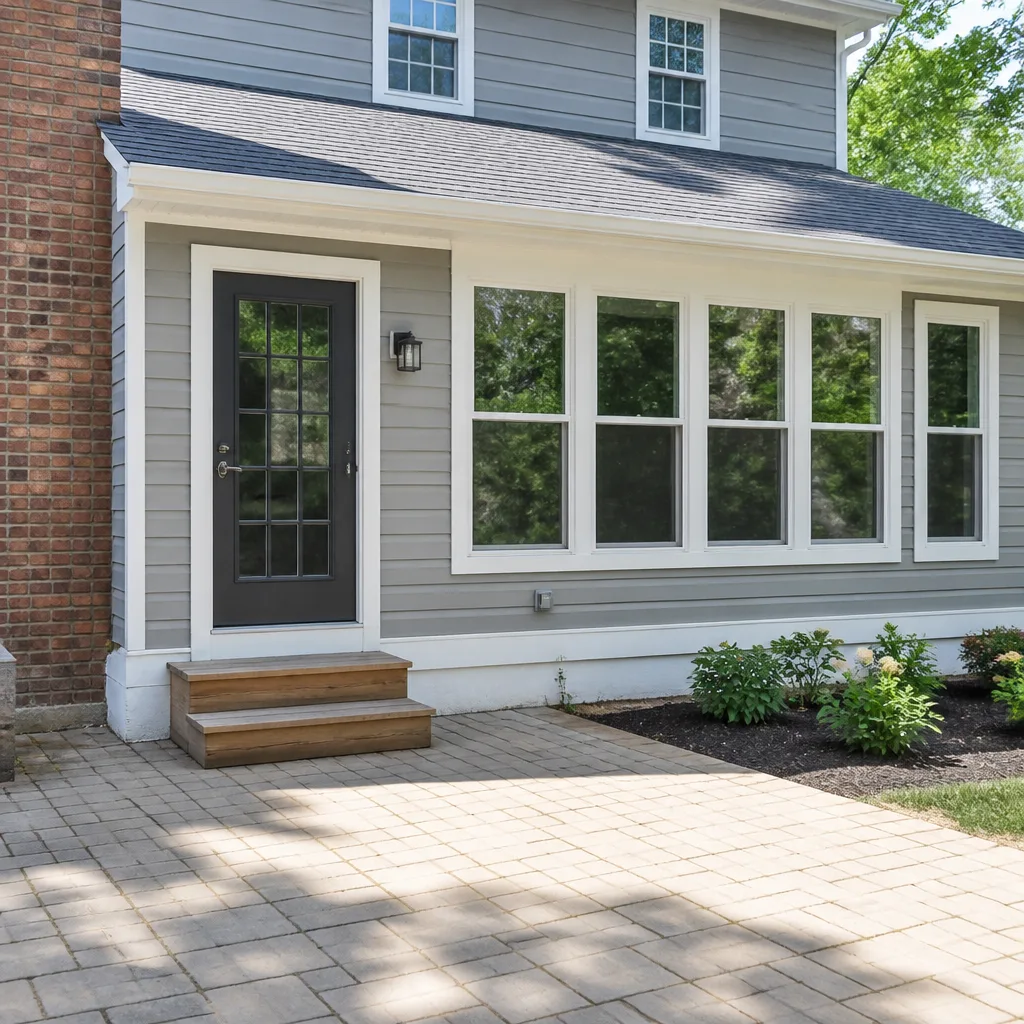 After
After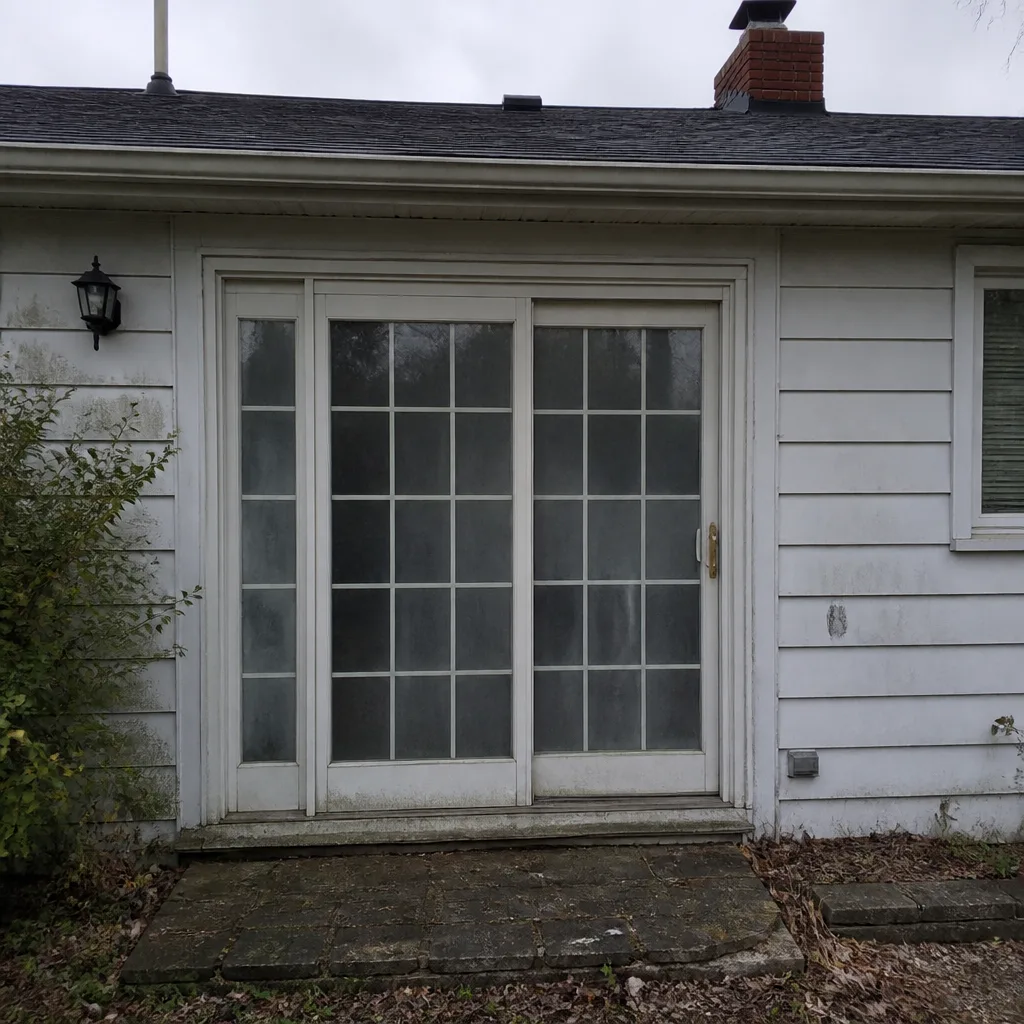 Before
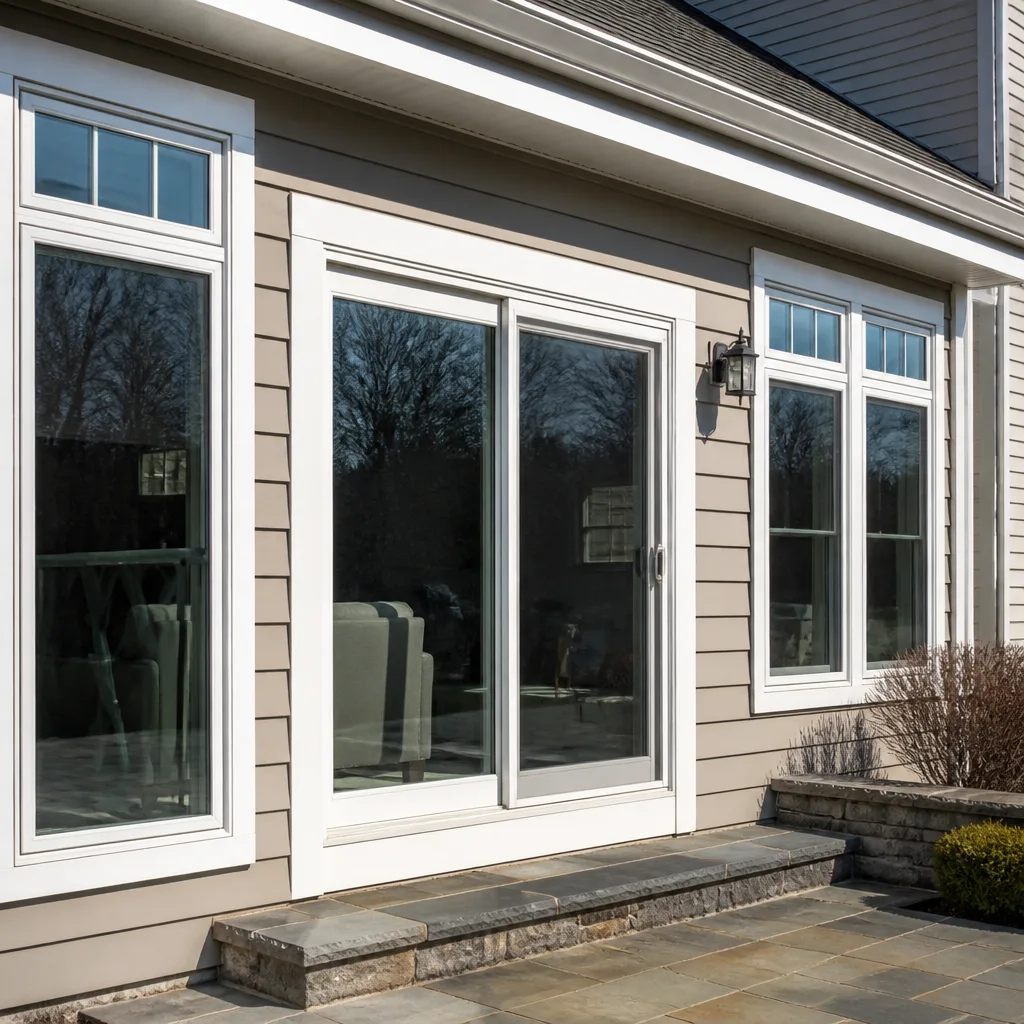 After
After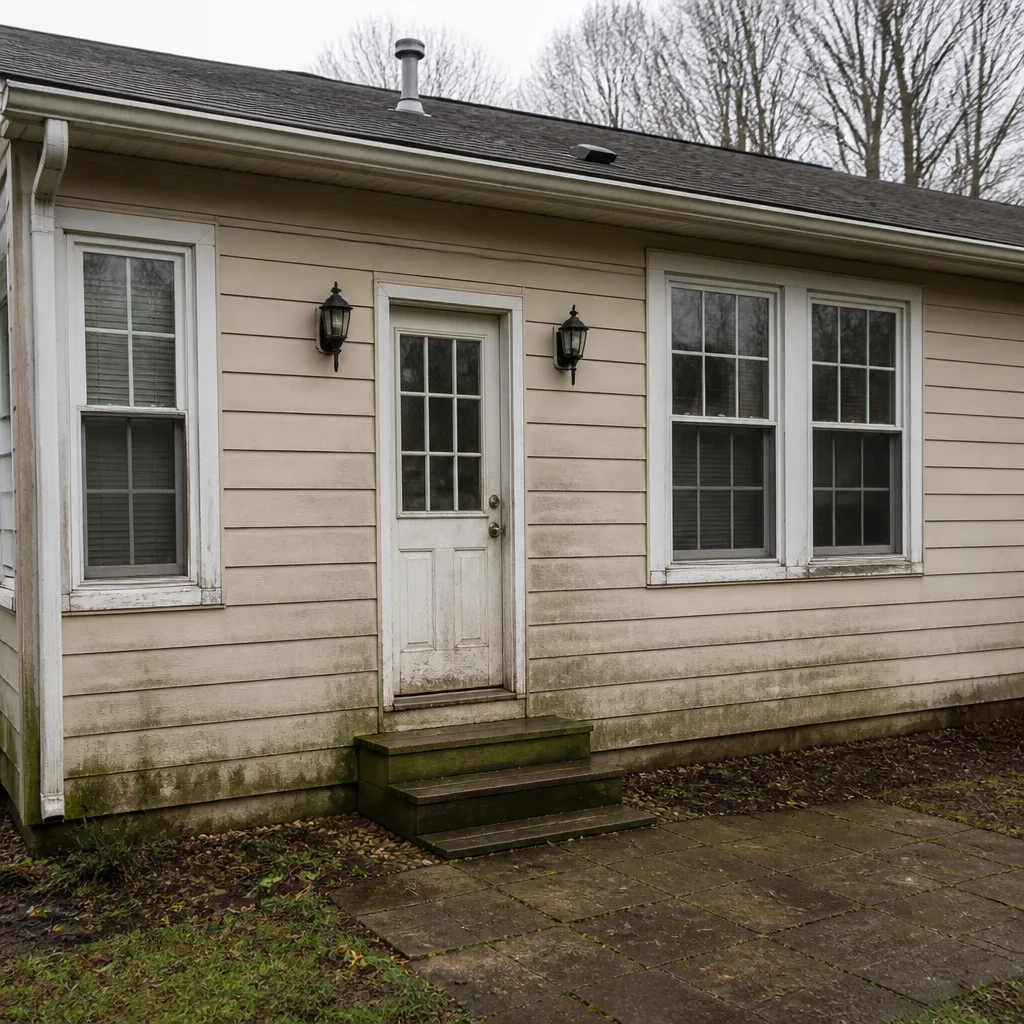 Before
 After
AfterThe Complete Guide to Windows & Doors in Columbus
Here’s something most Columbus homeowners never hear until it’s too late: a significant portion of window warranty claims in the Midwest are denied not because the product failed, but because the installation violated the manufacturer’s substrate or drainage requirements. Those failures are common in Columbus slab and crawlspace homes, where clay-heavy soil moves with the seasons and moisture finds its way into openings that were never flashed correctly. This guide maps those local variables so you can make one decision that holds for decades, not one you’ll be revisiting in year three. For more guides & resources, visit our blog.
Quick Answer
Choosing windows and doors in Columbus comes down to matching the product to the region’s specific conditions: clay soil that shifts, freeze-thaw cycles that stress frames, and postwar housing stock with non-standard rough openings. The right approach is climate-appropriate framing, installation sequencing that accounts for moisture, and a written job file that documents every warranty layer before you sign anything. Done correctly, a Columbus window or door installation should perform for 20 to 30 years without a callback.
Table of Contents
- How Columbus Soil Movement Affects Frame Choice and Installation
- Why Parkway-Area Postwar Homes Often Need Custom Sizing
- Builder-Grade vs. Finish-Carpenter Installation: What Shows Up in Year Three
- How to Read a Spec Sheet for Columbus’s Actual Climate Zone
- What a Complete Job File Should Contain Before You Sign
- Product Lines That Hold Up in Central Ohio
- What Windows and Doors Actually Cost in Columbus
- Common Mistakes to Avoid
- When to Call a Professional
- Frequently Asked Questions
How Columbus Soil Movement Affects Frame Choice and Installation
Columbus sits on glacial till with a high clay content. Clay expands when wet and contracts when dry, which means the ground beneath your foundation is moving, slowly and constantly. That movement transfers to your walls, and your walls transfer it to every window and door opening in the house.
We’ve measured rough openings in Columbus homes that were out of square by half an inch or more, not because the framing was sloppy, but because the foundation had settled unevenly over twenty or thirty years. A vinyl window with a rigid frame will flex to a point, then bind. A fiberglass or wood-composite frame will tolerate slightly more movement, but only if the installer accounts for the gap and shims it correctly.
Here’s what that means in practice:
- Vinyl frames work well in Columbus when the opening is square and the home is on a stable slab. The expansion and contraction of vinyl with temperature swings is manageable, but it does not forgive an out-of-square opening.
- Fiberglass frames expand and contract at nearly the same rate as glass, which means fewer seal failures over decades of central Ohio freeze-thaw cycling.
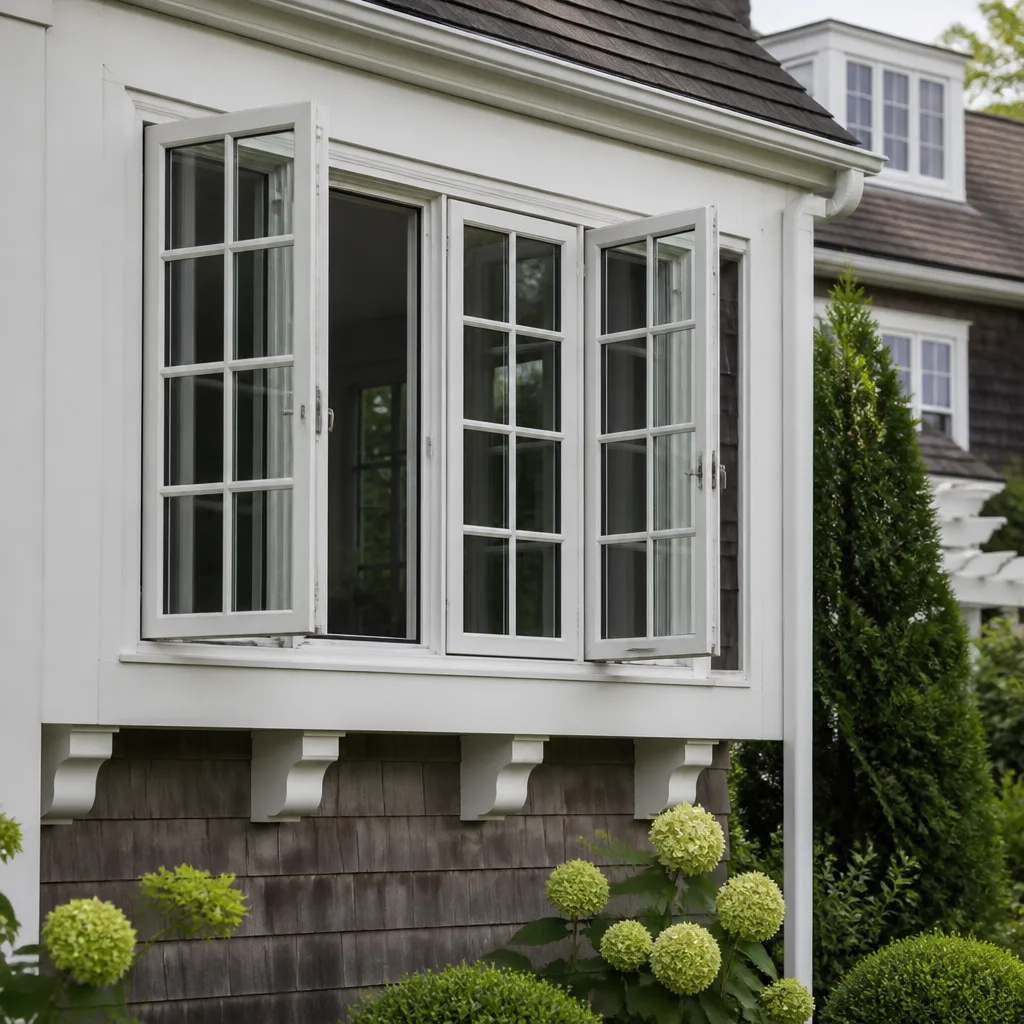
- Wood-clad frames offer the traditional look many Columbus homeowners want in older neighborhoods like Clintonville or Bexley, but they demand meticulous flashing and drainage, or the wood will wick moisture from the substrate.
- Aluminum frames are rare in Columbus residential work for good reason: they conduct cold, condense moisture, and perform poorly in a heating-dominant climate.
The installation method matters as much as the frame material. A window set directly on the rough sill without a proper sill pan will trap water against the bottom of the frame. In a crawlspace home with elevated moisture, that water becomes a slow, invisible rot problem. We build the sill pan first, every time, regardless of the product.
Why Parkway-Area Postwar Homes Often Need Custom Sizing
The Parkway area and much of postwar Columbus were built between 1945 and 1970, when framing lumber was dimensionally different from what’s milled today. A “2×4” from 1955 actually measures close to 2 inches by 4 inches. A modern 2×4 measures 1.5 by 3.5. That difference ripples through every rough opening in your house.
We regularly see rough openings in these neighborhoods that are 1/4 inch to 3/4 inch off from any standard window size on a manufacturer’s stock list. The previous homeowner may have gotten away with a builder who squeezed a stock window into a non-standard opening and filled the gap with insulation and caulk. It looks fine on day one. It leaks air and water by year three.
This is why we measure every opening twice and order custom sizing when the numbers call for it. The cost difference between a stock window and a custom-sized unit in Columbus is typically $80 to $180 per window. Compare that to the cost of redoing an installation that failed because the framing gap was never addressed: full removal, potential rot repair, new flashing, new interior trim. That job runs $500 to $1,200 per opening. The math favors the custom size on the first visit.
If you have a postwar tract home in Columbus, assume your rough openings are not standard until someone puts a tape measure against them. If the bid sheet doesn’t mention rough-opening dimensions at all, ask why.
Builder-Grade vs. Finish-Carpenter Installation: What Shows Up in Year Three
There are two ways a window or door gets installed in Columbus. The builder-grade method is fast: set the unit, shoot four nails through the flange, caulk around the exterior, done. The finish-carpenter method is slower: level and square the unit, shim at specific points, flash the sill and jambs in sequence, insulate the cavity, then trim with care.
The difference doesn’t show up on day one. It shows up in year three, when the builder-grade window starts to fog, or the door begins to bind in July because the frame was never squared and the humidity swelled the wood.
Dale Kessler has a saying he keeps on the whiteboard at the shop: if the pane is not true, the job is not done. That’s the standard we install to, and it’s the difference between a product that lasts and a product that gets warrantied.
Here’s what you’ll notice with a finish-carpenter installation:
- The window operates smoothly with one hand, no binding, no tilt.
- There are no drafts around the trim in January, because the cavity was insulated, not just caulked.
- The sill slopes slightly outward, so water sheds away from the frame instead of pooling against it.
- The interior trim fits tight against the wall, with no gaps that need a painter’s caulk to hide.
- The door swings true in June and January, because it was set square and the hinges were set correctly.
We’ve been called to replace work that was only three years old, installed by national chains that sent a different crew each time. The homeowner paid twice: once for the cheap install, once to have it done right. That’s the economics of a square deal, and it’s why TruePane Windows & Doors treats every opening as a craft project, not an appointment slot.
How to Read a Spec Sheet for Columbus’s Actual Climate Zone
Every window and door manufacturer publishes a spec sheet. Most homeowners never read it, and most national marketers would rather you didn’t, because the numbers tell a story that contradicts the brochure.
Columbus sits in DOE Climate Zone 4A: mixed-humid, with cold winters, warm humid summers, and roughly 3,000 heating degree days per year. That means you’re heating more than you’re cooling, and humidity is a constant. Your windows need a U-factor of 0.30 or lower, and a Solar Heat Gain Coefficient (SHGC) of 0.40 or lower. Those are the numbers that matter for central Ohio, not the numbers printed on a national marketing brochure for a house in Phoenix.
Here’s how to read the spec sheet:
- U-factor: measures heat loss. Lower is better in Columbus. Look for 0.30 or below, and understand that a 0.27 window is meaningfully different from a 0.35 window when your furnace runs from October to April.
- SHGC: measures solar heat gain. In Columbus, you want some solar gain in winter but not too much in summer. 0.40 or lower is the sweet spot for mixed-humid climates.
- Visible Light Transmittance (VT): how much light passes through. Higher VT means a brighter room. This matters in Columbus winters, when daylight is short.
- Air Leakage (AL): measured in cubic feet per minute. A rating below 0.30 is good; below 0.10 is excellent. This is the number that tells you if the window will feel drafty.
- Condensation Resistance (CR): a higher number means the window resists interior condensation, which matters in a climate where winter humidity is trapped inside.
We quote manufacturer lines side by side on paper in Columbus, so you can compare U-factor and SHGC between a Jeld-Wen unit and a Simonton unit before you spend a dollar. That’s a square deal: the numbers in writing, not a sales pitch from memory.
What a Complete Job File Should Contain Before You Sign
A window or door installation is a contract, and a contract is only as good as the paper behind it. Most Columbus homeowners sign a one-page bid that says “replace 8 windows” and never see another document until the final bill. That’s not a job file. That’s a hope.
Before you sign a certificate of completion on any window or door work in Columbus, the job file should contain:
- Manufacturer warranty registration for the product itself, in writing, with the warranty duration stated in years and the coverage terms spelled out.
- Glass breakage warranty where applicable, with the term stated. Some manufacturers include this; others don’t. If it’s not on the paper, it doesn’t exist.
- Workmanship warranty from the installer, with the duration stated in days or years. Ours is backed by the Done Right Promise: if it’s not done right, we make it right, no paperwork, no arguing.
- Rough-opening measurements for every opening, recorded before the order is placed. If the installer can’t produce these, the install was a guess.
- Product spec sheets with U-factor, SHGC, and air leakage ratings for the exact model you purchased, not a similar model from the same brand.
- Permit documentation where applicable. Most window replacements in Columbus don’t require a permit, but structural changes to a door opening often do, and either way the job file should state the status in writing.
- Itemized pricing breaking out product cost, labor, and any removal or rot-repair charges, so there are no surprise line items on the final bill.
At TruePane Windows & Doors, we register both manufacturer warranty layers before the truck leaves your driveway. The Keystone Standard is simple: both warranty layers registered in writing, durations stated, no fine print that covers neither. If your installer can’t produce a job file like this, they’re asking you to take their word for it. In Columbus, with clay soil and freeze-thaw cycles, that’s not a wager worth making.
Product Lines That Hold Up in Central Ohio
We’re an authorized installer for more than a dozen manufacturer lines, but not every line makes sense in every Columbus home. Here’s how we think about the brands we carry and where they fit.
For a postwar Parkway-area home with non-standard rough openings, a Jeld-Wen custom-sized double-hung is a reliable workhorse: solid thermal numbers, good warranties, and broad trim options that fit older interior profiles. For a newer Dublin or Upper Arlington home where the homeowner wants low-maintenance performance, a Simonton vinyl unit with a high condensation-resistance rating handles the humid season without fogging. For a high-exposure south-facing wall that takes direct sun all afternoon, a PGT impact-rated window offers the structural performance some Columbus homeowners want even without a coastal requirement. See The Complete Impact Windows & Doors Guide for Columbus Homeowners for more on selecting impact-rated products in this region.
The point is not that one brand wins. The point is that Columbus conditions, our clay soil, our freeze-thaw cycles, our humidity, mean that product selection is a matching exercise. A window that performs perfectly in San Diego may fog by March in Columbus. We quote manufacturer lines side by side on paper so you can see the difference in writing, because a square deal means the numbers are in front of you.
Two things to note about warranties. First, the manufacturer warranty covers the product. Second, the workmanship warranty covers the installation. Both matter, and both must be in writing. A broken seal at year nine is a product claim. A window that leaks around the frame at year two is an installation issue. If you don’t have both warranty layers registered, you’ll spend weeks figuring out which layer failed. That’s why we register both before the truck leaves.
What Windows and Doors Actually Cost in Columbus
Pricing in Columbus varies by product line, opening size, and installation complexity, but here are real ranges you can plan against, based on what we’ve quoted and installed across the city:
- Entry-level vinyl double-hung window: $350-$600 installed per window, depending on size and condition of the opening.
- Mid-range vinyl or fiberglass double-hung: $600-$900 installed per window, with better U-factor and condensation-resistance numbers.
- Premium fiberglass or wood-clad window: $900-$1,500 installed per window. This is the range for older Columbus homes where the look and the material matter.
- Standard entry door, steel or fiberglass: $1,200-$2,200 installed, including threshold and weatherstripping.
- Sliding patio door, vinyl: $1,800-$3,000 installed, depending on width and glass package.
- Full-frame replacement (vs. pocket replacement): add 20-35% to the window cost when the existing frame is rotted or out of square.
These are Columbus market numbers. They assume a licensed, insured installer who measures every opening twice, flashes the sill pan, insulates the cavity, and registers both warranty layers in writing. You can find a cheaper bid in this city. You’ll find it from someone who skips one of those steps, and in year three you’ll be calling us anyway, or calling us and starting over from a damaged opening. The lowest bid is not the cheapest job in Columbus. It’s often the most expensive one measured over ten years.
Common Mistakes to Avoid
- Choosing a window by brand name alone. A PGT window may be the right call or the wrong call depending on exposure, opening size, and frame condition. Brand without context is a guess.
- Skipping the sill pan to save money. In a Columbus crawlspace home with elevated moisture, a missing sill pan is a water-damage warranty denial waiting to happen.
- Buying a stock size for a postwar rough opening. Parkway-area homes built before 1970 rarely have standard openings. A stock window in a 3/4-inch-off opening is a draft you’ll pay for every winter.
- Signing a one-page bid with no spec sheets. If the U-factor and SHGC are not in writing, you don’t know what you’re buying. A brochure is not a spec sheet.
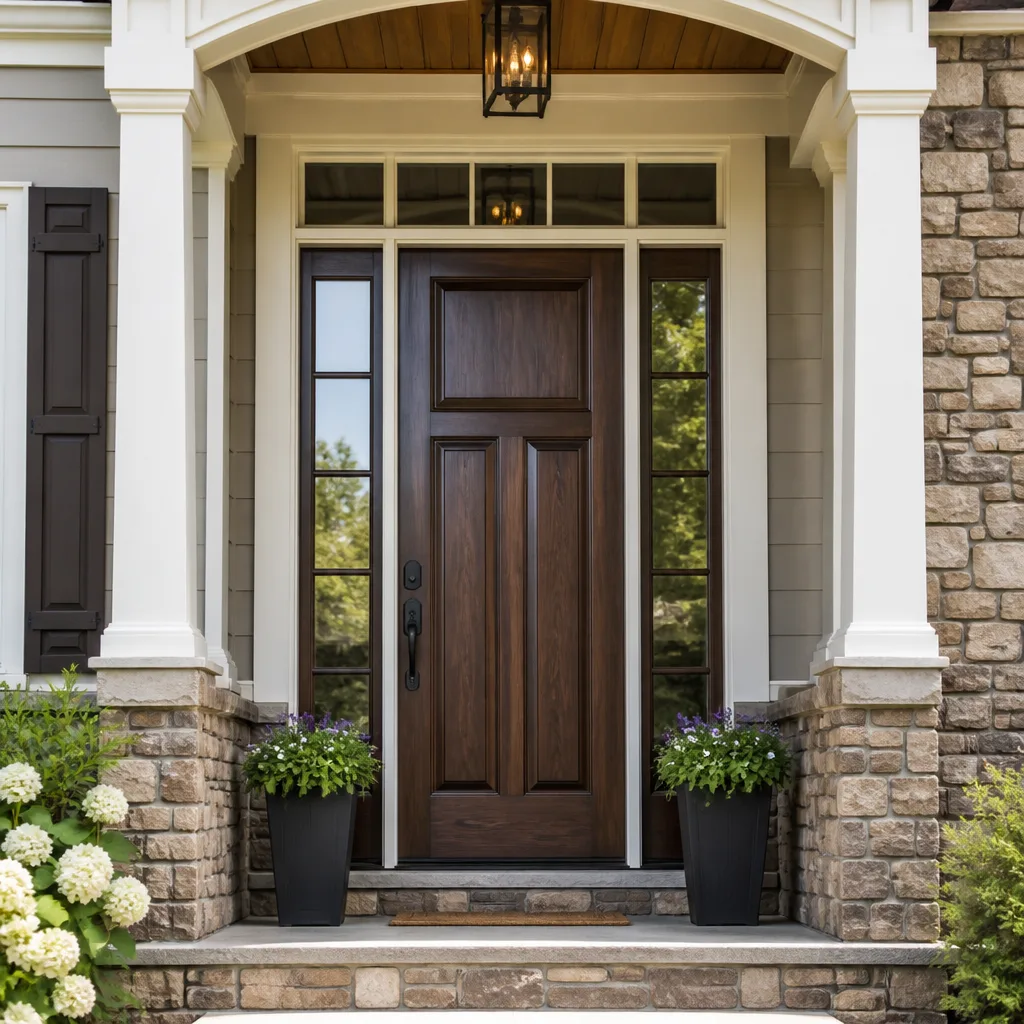
- Replacing an exterior door without addressing the threshold. The door is not the whole door. The threshold, weatherstripping, and door bottom sweep are the waterproofing layer, and in Columbus freeze-thaw cycles, they fail first.
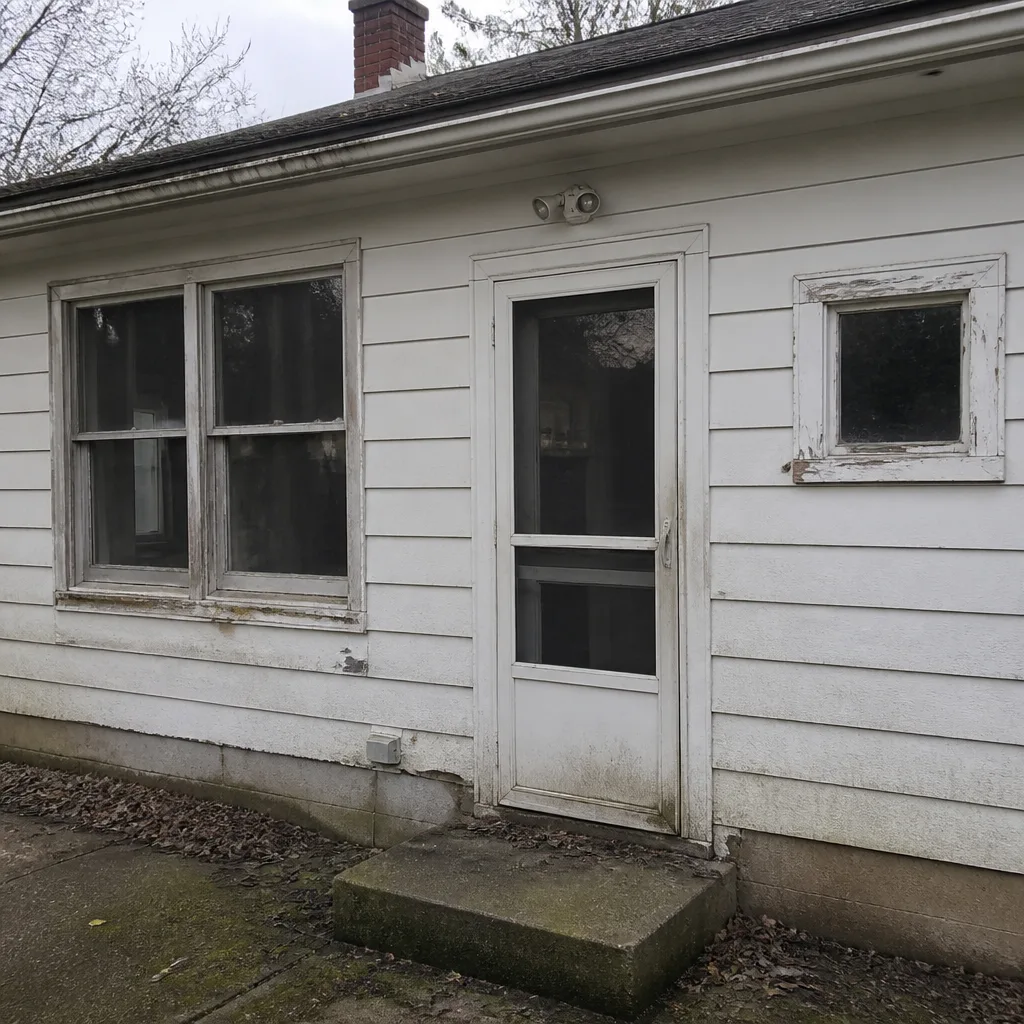
- Waiting until the window fails completely to replace it. Fogged seals and binding sashes are writing on the wall. The opening is already compromised. Waiting only adds rot-repair cost to the final bill.
- Assuming all installations are the same. They are not. A builder-grade install and a finish-carpenter install look identical on day one and entirely different in year three.
When to Call a Professional
Call a professional when a window fogs, a door binds, a draft persists after weatherstripping, or water appears on the interior sill after heavy rain. These are not cosmetic issues; they are structural signals from the opening. In Columbus, where clay soil moves and freeze-thaw cycles stress every opening, ignoring those signals costs more with every passing season. TruePane Windows & Doors offers free estimates in Columbus. Call (888) 635-0804 and a live person will answer, 24 hours a day, 7 days a week. We’ll measure, we’ll quote manufacturer lines side by side on paper, and we’ll put the warranty terms in writing before you agree to anything.
Frequently Asked Questions
The Complete Window Replacement Guide for Columbus Homeowners covers this in detail, but in short: window replacement in Columbus typically runs $350 to $1,500 per window installed, depending on product line, opening size, and whether the existing frame can be saved. Full-frame replacement adds 20 to 35 percent when rot or out-of-square framing is present. Call (888) 635-0804 for an exact quote, estimates are free.
Windows fog when the seal between the panes fails, which happens more often in climates like Columbus where freeze-thaw cycles and summer humidity stress the glass package. Once the seal is broken, the insulating gas leaks out and condensation forms between the panes. The fix is replacement, and the warranty coverage depends on whether both product and installation layers were registered in writing.
Many older Columbus homes, especially postwar tract homes in the Parkway area, have rough openings that are not standard by today’s sizing charts. If the opening is off by a quarter inch or more, custom sizing is the right call. The added cost is small compared to the cost of air leaks and rot repair down the road. We measure every opening twice before ordering.
A pocket replacement fits a new window inside the existing frame, leaving the old frame in place. A full-frame replacement removes everything down to the rough opening and rebuilds from there. In Columbus, pocket replacement works when the frame is square and dry. Full-frame is the right call when rot, moisture damage, or foundation settlement has compromised the opening. The Complete Window Installation Guide for Columbus Homeowners explains how to evaluate which method suits your specific opening.
A properly specified and installed window in Columbus should last 20 to 30 years before seal failure or frame degradation. Builder-grade installations often fail in 8 to 12 years. The difference is the installation quality, the flashing, the insulation, and whether the product was matched to the climate zone, not just to the broker’s inventory list.
Our Done Right Promise covers the workmanship window in which installation defects reveal themselves: the first full season of settlement, humidity, and temperature cycling in Columbus. After 90 days, the product warranty layers take over, and both are registered in writing before we leave. Longer workmanship warranties sound better until you read the fine print, so we keep ours short, clear, and honored without arguing.
The Bottom Line
Columbus is not a generic climate, and the homes here are not generic boxes. Clay soil, freeze-thaw cycles, summer humidity, and postwar framing all shape the right decision. The right window or door is the one matched to the opening, specified for Zone 4A, installed with proper flashing and insulation, and documented with both warranty layers in writing. Get the job file. Read the spec sheet. And if you want the work done right the first time, by a company that has served Columbus homeowners since 2008 and plans to be here in thirty more, call TruePane Windows & Doors at (888) 635-0804 for a free estimate. We’ll be there when we say.
Written by Dale Kessler, Owner at TruePane Windows & Doors, serving Columbus since 2008.