
Last updated August 15, 2026
Free in-home measure and quote - PGT, CGI and CWS impact lines compared on your actual openings, style by style
Sliding glass doors

Impact garage doorsPGTCGI
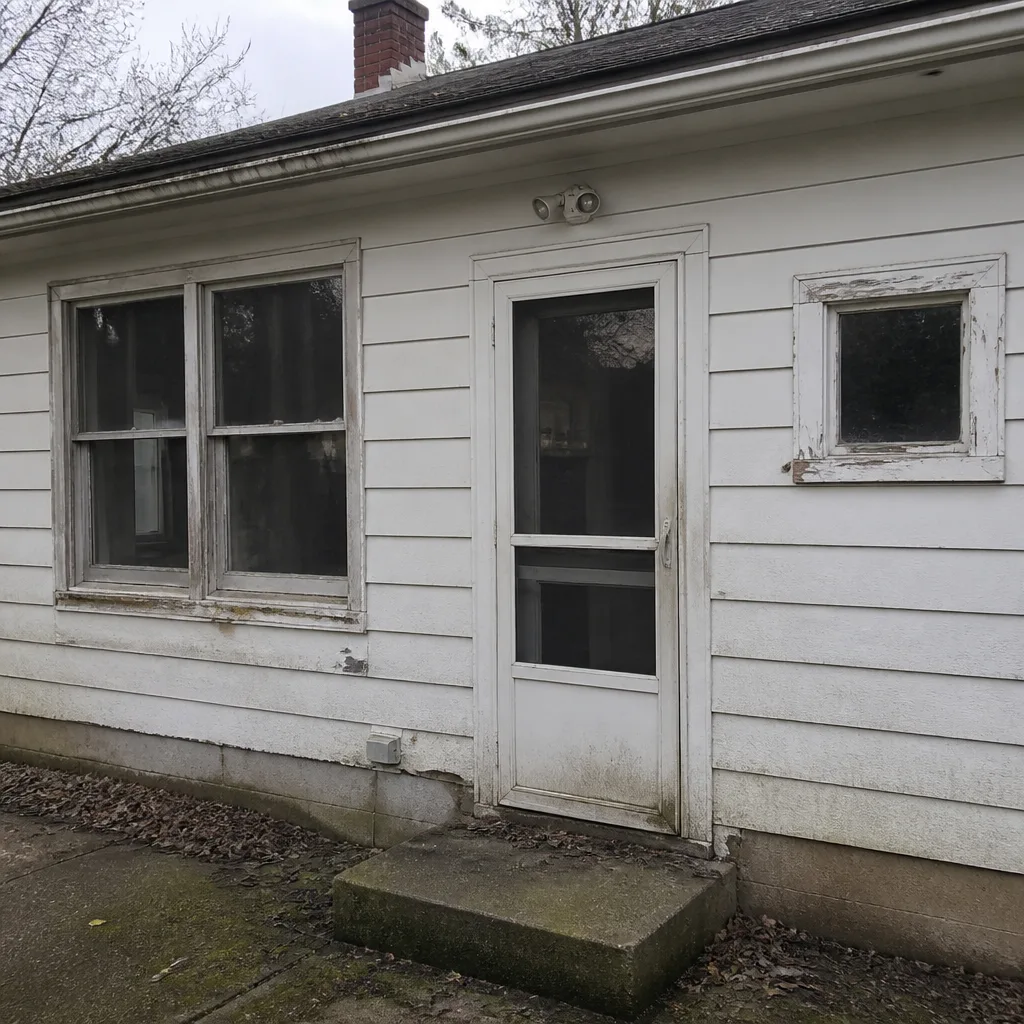 Before
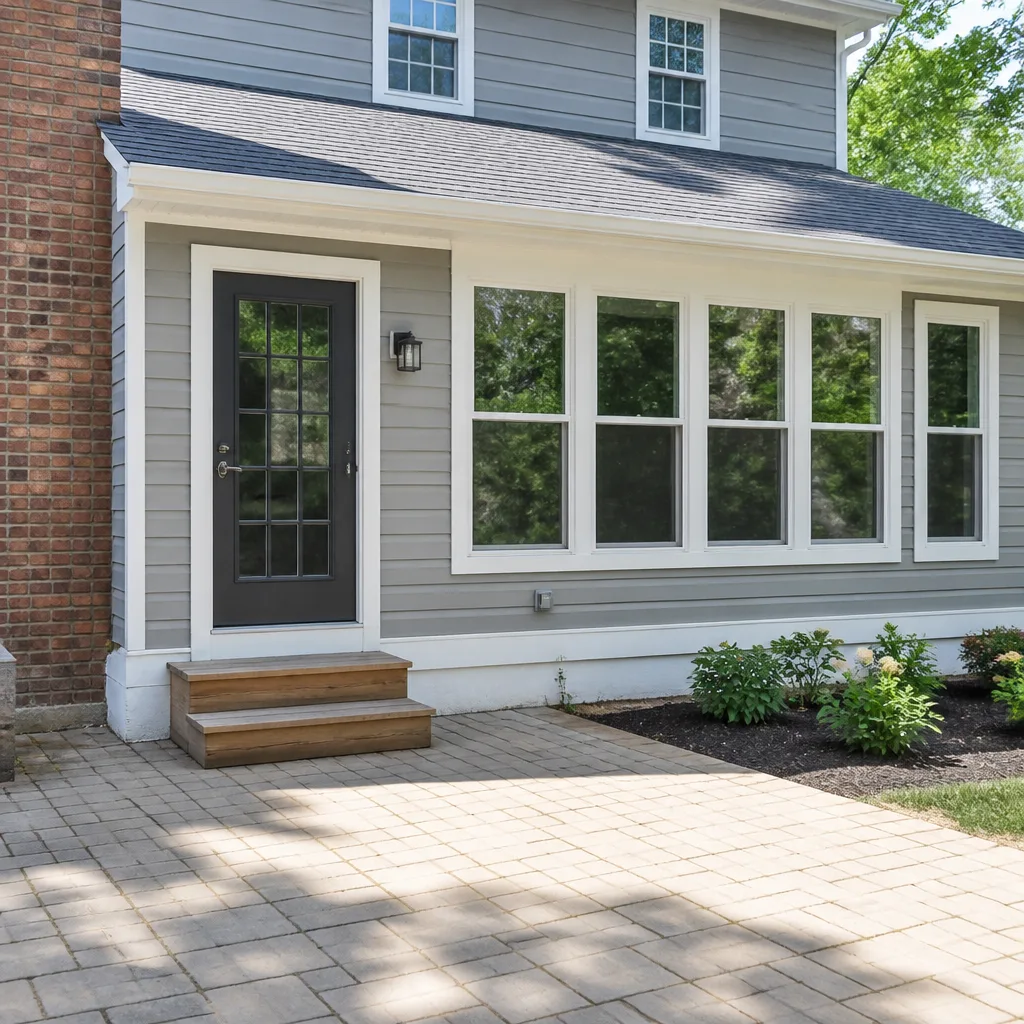 After
After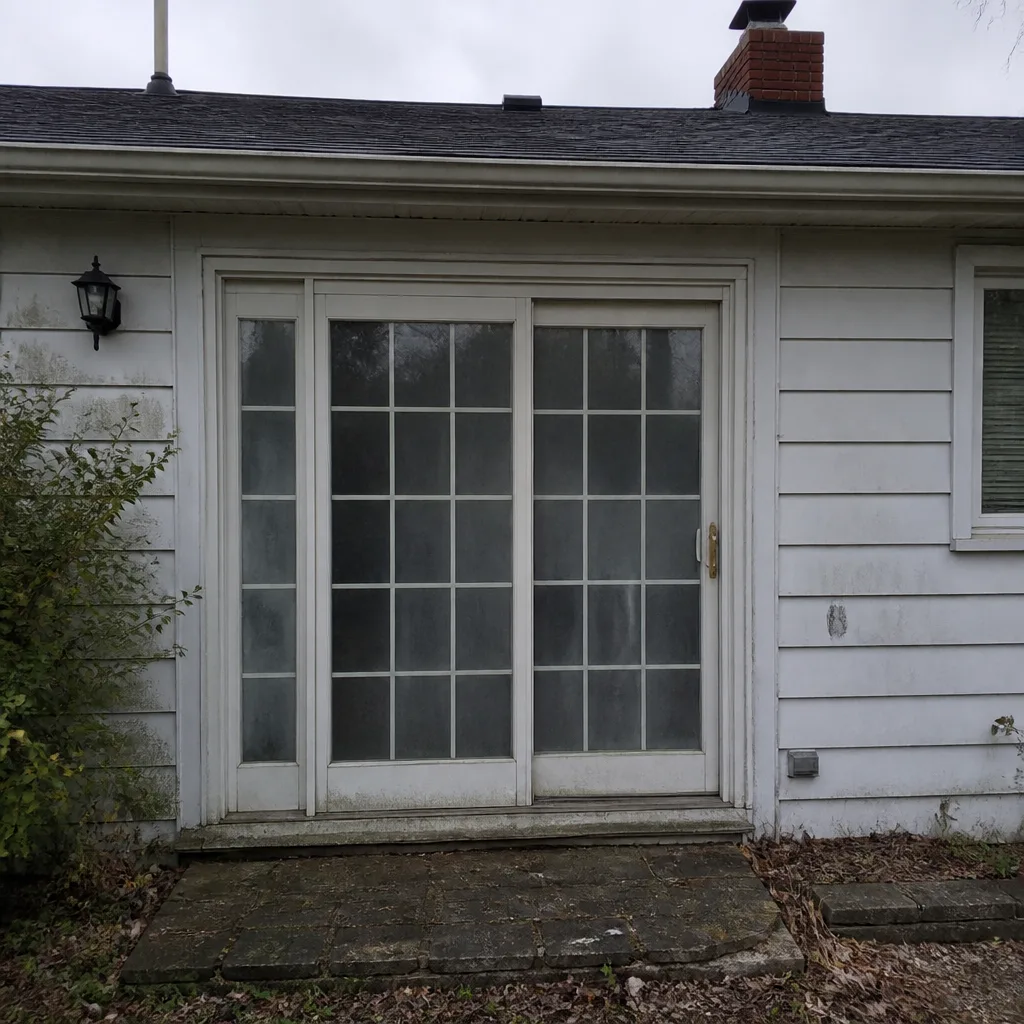 Before
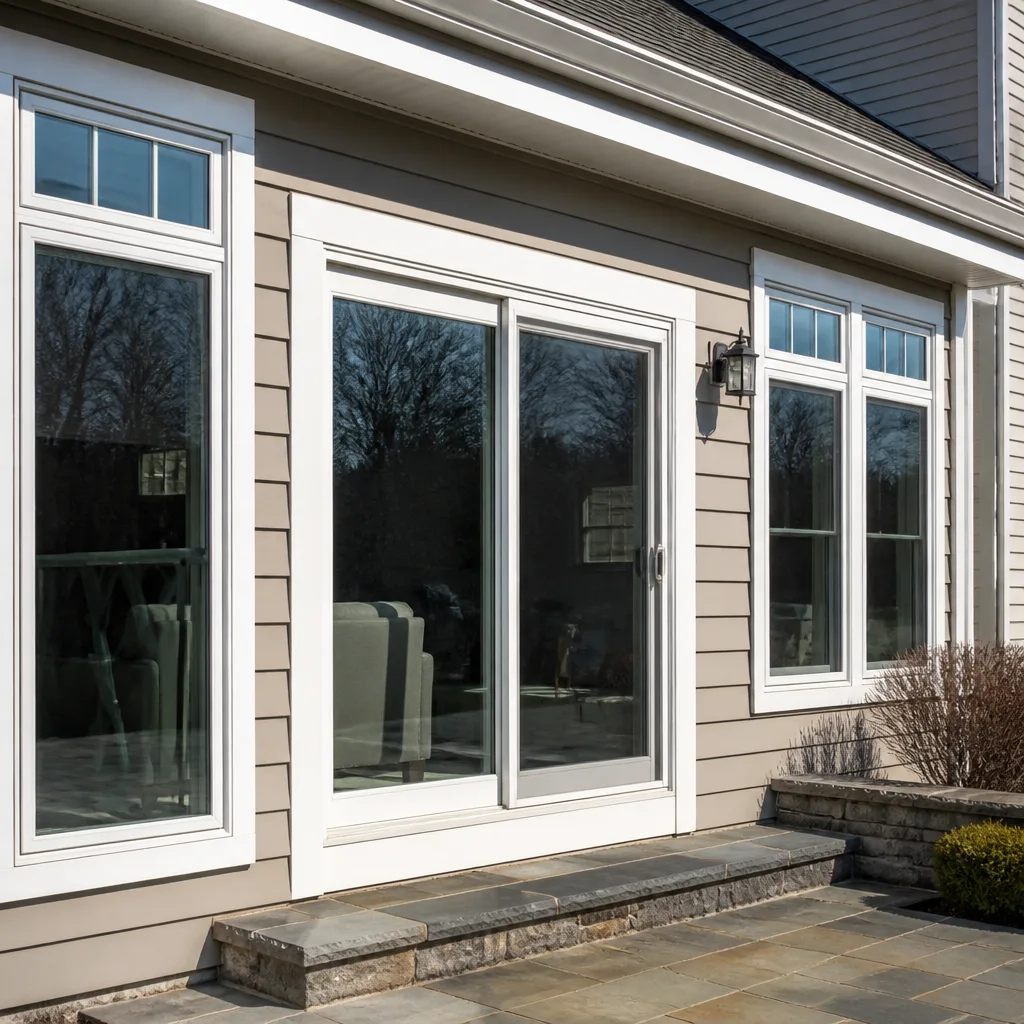 After
After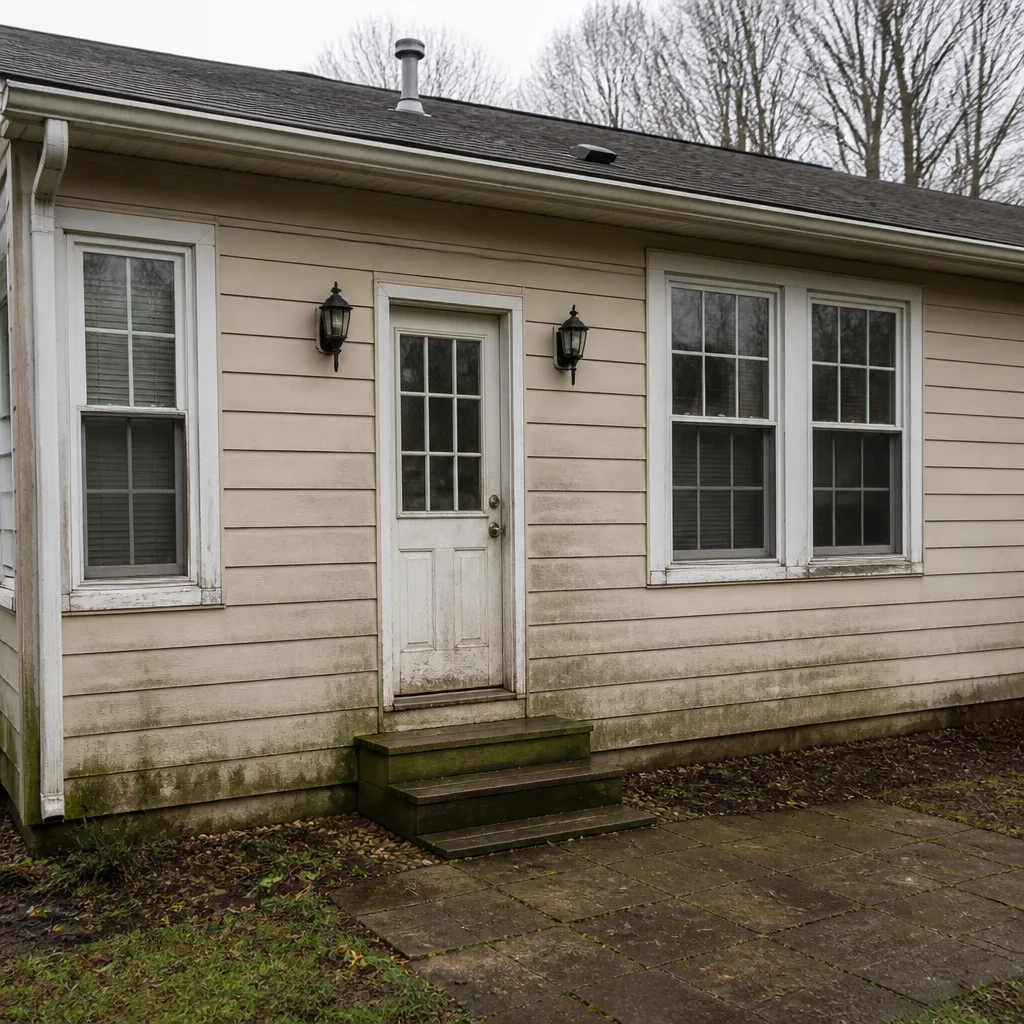 Before
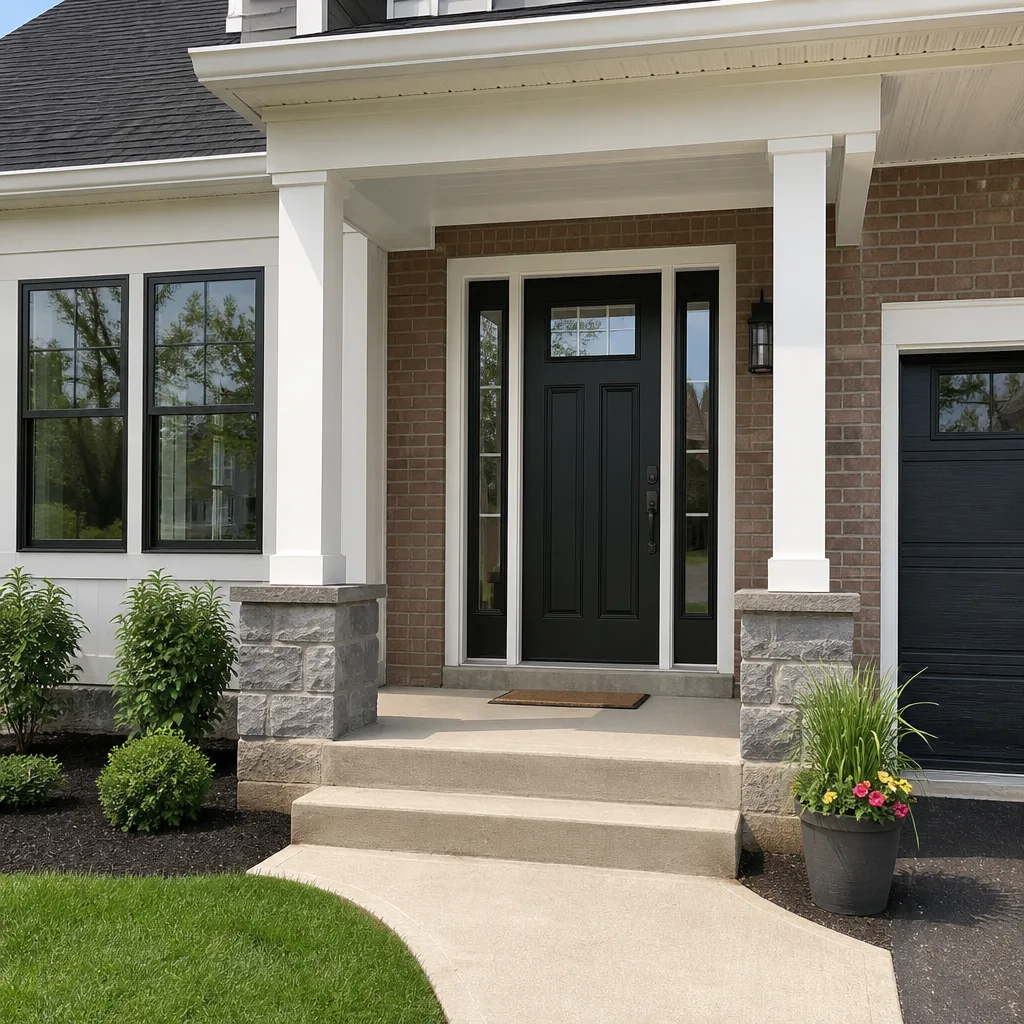 After
AfterEnergy-Efficient Windows Warning Signs Every Homeowner Should Know
Most Columbus homeowners replace their windows once in forty years. That means the windows you’re looking at right now were likely installed before low-E coatings became standard, before warm-edge spacers existed, and before argon fills were anything a contractor mentioned. Here’s the counterintuitive part: the fancier the window, the earlier it tells you something’s wrong. Standard windows fail slowly and quietly. Energy-efficient windows leave specific fingerprints at the scene - a haze that won’t lift, a spacer turning dark at the corner, a color shift in the coating you can catch at the right angle. This guide will teach you to read those signs before they become a utility bill you can’t explain and a replacement you’re rushed into. We’ll cover what’s fixable, what’s not, and what a dead window actually costs you in Columbus winters.
Quick Answer
Energy-efficient window failure shows up as persistent fog between the panes that doesn’t clear after two days, darkening or separation at the spacer edge, a visible color shift in the glass coating, condensation or frost forming inside the glass cavity, and heating or cooling bills that jump 15% or more over the same season from the prior year. Fogged glass means the insulated glass unit (IGU) has lost its seal and the argon or krypton fill has escaped - that unit is no longer energy-efficient and cannot be repaired, only replaced. Frame problems like sash binding and sealant shrinkage often predict glass failure and can sometimes be corrected before the unit dies.
Table of Contents
- A Dead IGU Is Not a Humidity Problem
- The Two-Day Rule: Distinguishing Failed Seals From Normal Condensation
- What a Compromised Warm-Edge Spacer Looks Like
- Low-E Coating Degradation: Color Shift, Reflectivity, and Performance Loss
- Frame Warning Signs That Predict Glass Unit Failure
- Utility Bills as a Performance Baseline: The 15% Rule
- Common Mistakes to Avoid
- When to Call a Professional
- Frequently Asked Questions
- The Bottom Line
A Dead IGU Is Not a Humidity Problem
A faint, permanent fogging between the panes that doesn’t clear when the outside temperature changes is not a humidity problem. It is a dead IGU - the argon has escaped, the seal has failed, and the window’s center-of-glass U-factor has reverted to something close to a single pane. In our experience serving Columbus homeowners, this is the most misunderstood window failure there is. People run dehumidifiers. They wipe the glass. They assume their HVAC is the culprit. The truth is simpler and worse: once the desiccant inside the spacer is saturated and moisture is visible inside the cavity, the thermal performance of that window is gone forever.
Here’s why that matters in practical terms. An energy-efficient double-pane window with argon fill and a low-E coating typically lands somewhere between U-0.25 and U-0.30. A single pane of clear glass runs about U-1.0 or worse. That’s a three-to-four-fold difference in heat transfer. When the seal fails and the argon leaks out, the window doesn’t fall all the way to single-pane performance - but it gets closer than most homeowners realize, especially as moisture loads the cavity and the coating begins to degrade. The window still looks like a window. It just doesn’t act like one anymore.
We see this most often in Columbus neighborhoods with mature housing stock: German Village, Clintonville, Upper Arlington, Bexley. Homes built in the 1980s and 1990s are hitting the 25-to-35-year mark where the original IGUs are reaching end of life all at once. A homeowner may have six windows fogged and not realize it because the fog is subtle - a haze that looks like the glass needs cleaning, not replacement. The tell is permanence. If the haze doesn’t wipe off the interior surface and doesn’t clear with a change in weather, it’s inside the unit. And once it’s inside, the unit is done.
On the brand side, there’s a meaningful difference in how manufacturers construct IGUs. Simonton and PGT both build quality units with good seal technology, but every IGU has a finite lifespan regardless of brand. The seal material is typically a dual-seal system: a polyisobutylene (PIB) primary seal that blocks gas and moisture diffusion, and a secondary structural seal (silicone, butyl, or polyurethane) that holds the unit together mechanically. When the PIB layer degrades, the unit starts losing argon at a rate of roughly 1% per year even in healthy windows. A failed seal accelerates that to the point where gas loss becomes functionally complete within one to two seasons. That accelerated loss is what you’re seeing when fog appears.
The Two-Day Rule: Distinguishing Failed Seals From Normal Condensation
Here is the rule we teach homeowners in Columbus: exterior condensation on energy-efficient windows is normal and even good. Interior condensation on the room-side glass is a humidity management issue. Condensation between the panes is a dead window. To tell the difference, apply the two-day rule.
- Day one: You notice moisture, fog, or haze on or in the window. Wipe the two accessible glass surfaces - the interior side and the exterior side - with a clean cloth.
- Watch the location: If the moisture is on the outside surface, that’s the low-E coating doing its job. The glass is reflecting heat back into your home, keeping the exterior pane cool, and water vapor is condensing on it. This clears as the morning sun hits the glass.
- If your wipe didn’t touch it: The moisture is inside the sealed cavity between the panes. This is the only location that confirms seal failure. No amount of wiping, reducing indoor humidity, or adjusting your HVAC will remove it.
- Day two and beyond: If interior condensation on the room-side surface persists or worsens, the problem is high indoor humidity - not a window failure. If the between-pane moisture persists, you have a failed IGU.
Normal seasonal condensation on the exterior of energy-efficient windows surprises many Columbus homeowners. They paid for good windows, then wake up in October and find the outside of the glass covered in dew while their neighbor’s old single panes are bone dry. That’s actually a sign the windows are outperforming. The low-E coating is rejecting heat; the outer pane stays cool enough to condense morning moisture. Ply Gem and other manufacturers include this in their homeowner literature because it’s such a common call. We repeat it here because we’ve answered the same question hundreds of times over the last forty-plus years.
One more nuance worth knowing: frost on the inside surface of the glass during a Columbus cold snap is a sign of high interior humidity, not necessarily a window failure. But frost between the panes - a thin crystalline pattern you can’t reach with your fingertip - is the terminal stage of the same failure that begins as fog. Once you see frost inside the cavity, the desiccant in the spacer is fully saturated and the unit is beyond any possibility of repair. That glass needs to come out.
What a Compromised Warm-Edge Spacer Looks Like
You’ll recognize a healthy warm-edge spacer as the narrow strip that separates the two panes of glass around the perimeter. It’s usually black, gray, or occasionally a muted stainless-style finish, and it sits flush inside the frame channel. Warm-edge spacers replaced the old aluminum spacers that transmitted cold directly through the edge of the glass, creating condensation rings and higher edge-of-glass U-values. Modern energy-efficient windows in Columbus use spacers made of silicone foam, polypropylene, or a hybrid composite - materials that cut edge heat loss by 20% to 40% compared to their aluminum predecessors.
A compromised spacer shows up in three ways:
- Darkening at the glass edge: If the spacer material begins to absorb moisture or the desiccant inside it becomes saturated, you’ll see a dark line or blotching along the perimeter. This is especially visible in the lower corners where condensation gravity-drains inside the unit.
- Slight bow in the glass surface: When a spacer loses structural integrity and the unit loses its gas fill, outside air pressure pushes the two panes toward each other. The glass physically deflects. You can catch this by looking at a reflected line in the window - a telephone wire, a fence line - and watching whether it bends or distorts near the edges of the glass. A healthy IGU reflects straight lines straight. A deflected unit makes them waver.
- Early-morning cold zones: On a cold Columbus morning, run your hand near the lower edge of the glass, about two inches above the frame. A working warm-edge spacer should keep that zone close in temperature to the center of the glass. If the edge feels noticeably colder than the middle, the spacer is no longer doing its thermal job. The unit is leaking heat at its perimeter and will eventually fail at the seal.
We’ve seen spacer failure precede full IGU failure by two to five years in some units. The spacer is the canary. If you catch darkening or edge bow early, you can budget for replacement before the window enters full fog mode. If you let it ride, you’ll be shopping under pressure in January when the ice between the panes makes it impossible to ignore.
Low-E Coating Degradation: Color Shift, Reflectivity, and Performance Loss
Low-E coatings are microscopically thin layers of metal or metal oxide applied to one surface of the inner glass. They’re engineered to transmit visible light while reflecting infrared heat - either back into the room during winter or back outside during summer, depending on where the coating sits in the unit and which climate it was spec’d for. In Columbus, most energy-efficient windows carry a low-E coating on the number-two surface (the inside face of the exterior pane), tuned for a mixed climate that needs both heating-season retention and cooling-season rejection.
Coating degradation is one of the most overlooked warning signs because it doesn’t announce itself. There’s no fog, no draft, no obvious failure. It shows up as a slow change in how the glass looks and behaves:
- Color shift: Healthy low-E glass has a slight tint - often a subtle gray, blue, or bronze cast depending on the manufacturer and the coating stack. If you begin to notice that one window reads slightly warmer or more amber than its neighbor next to it, that’s a sign the coating is oxidizing or breaking down. Compare windows on the same wall that were installed at the same time. They should match. If they don’t, something changed.
- Uneven reflectivity: Look at the window from an angle on a bright day. A healthy low-E coating reflects with a consistent, uniform sheen. Degradation shows up as blotchy patches, cloud-like mottling, or areas that catch light differently from the rest of the pane. This is the coating substrate separating from the glass surface.
- Visible haze that doesn’t wipe off: Some coating failures present as a whitish film on the coated surface inside the sealed unit. It’s not condensation. It’s the coating delaminating. This looks similar to hard water staining but sits on surface two, unreachable from either side.
The performance consequence matters. A failed low-E coating doesn’t reduce the window to nothing - the glass still separates inside from outside - but it loses the reflected heat benefit. This means higher cooling bills in Columbus summers, when the coating would otherwise bounce infrared back outside. PGT and CGI both build heavy low-E coatings for impact-rated applications, and even those eventually age. The key variable is exposure. Windows on south-facing walls age their coatings faster. In Columbus, a south wall takes the full brunt of summer sun from mid-May through late September. If you’re checking your windows for warning signs, start on the south side and the west side. You’ll find issues there first.
A visual change should trigger a performance check, not a panic. Coated glass can undergo cosmetic patina without losing all thermal function. But if you’re seeing a clear color shift combined with edge condensation or the cold-zone effect described above, that unit is telling you it’s near the end. A quality glazing company can measure the coated surface with a detector and tell you definitively whether the low-E is intact.
Frame Warning Signs That Predict Glass Unit Failure
The glass is only as good as the frame holding it square. In Columbus, where seasonal temperature swings exceed 70 degrees Fahrenheit between February lows and August highs, frame movement is real. Vinyl expands and contracts. Wood absorbs and dries. Aluminum conducts heat aggressively. A frame that’s drifting out of true is a frame that will eventually stress its IGUs into seal failure.
Three frame warning signs deserve your attention:
- Sash binding: This means the operable part of the window no longer slides or swings smoothly in its track. It catches mid-travel. It needs a shoulder to close. It drops when you let go. Binding indicates the frame has racked - moved slightly out of square - and the glass unit is now being subject to uneven pressure. A window that binds in July will often swing freely in January once the frame contracts. That seasonal inconsistency is itself the warning. The unit is flexing more than it should.
- Drainage slot blockage: Most vinyl and fiberglass window frames include small weepholes at the bottom track that allow water that penetrates the glazing channel to drain away from the glass. In Columbus with our pollen seasons and maple seed storm, those slots clog. Water then sits in the frame channel, letting the lower edge of the IGU bathe in standing moisture. That accelerates seal degradation at exactly the point the seal is most vulnerable. If you see persistent moisture or mineral staining on the interior side of the bottom track, clear the weepholes or have them cleared.
- Visible sealant shrinkage at the perimeter: The sealant bead where the window frame meets the exterior wall is the system’s first line of defense against water intrusion. As it ages, it pulls away from one surface and leaves a hairline gap. This can happen in as few as five years on a heavily weathered west-facing elevation. The gap allows water to reach the frame’s rough opening, and in freeze-thaw cycles, that water works on the frame from outside. A failing perimeter seal not only compromises the installation - it changes the thermal boundary and can contribute to condensation inside the frame itself.
None of these frame issues kills a window overnight. They’re slow. That’s the hazard. By the time a binding sash becomes a binding frame and the binding frame becomes a cracked IGU seal, the homeowner has been living with the problem so long it feels normal. We recommend a seasonal walkaround: check sash operation on every window in spring and fall, clear weepholes with a soft brush or compressed air as needed, and look at the perimeter sealant with a flashlight. These are ten-minute habits that buy years of window life.
Utility Bills as a Performance Baseline: The 15% Rule
Windows don’t send you an email when they fail. They leak performance slowly, and the only instrument tracking that loss is your utility bill. Most homeowners never think to compare. Here’s a method that works for any Columbus home: pull your heating bills for the last three years. Pick the same month each year - January and July are best because those are the months your HVAC runs hardest. Compare the dollar amount and the therms or kilowatt-hours used, adjusted for degree days if you want to be precise.
What you’re looking for is a change that isn’t explained by weather or rate increases. A 15% increase in heating cost year-over-year for the same calendar month, with roughly similar outdoor temperatures, suggests something in your building envelope is losing integrity. It could be attic insulation. It could be air sealing. It could be windows. The job at that point is to isolate which. If you know you have two or three windows with visible edge condensation or fog, those windows are contributing. If the spike is 15% or more and you can see failed seals, the relationship is probably causal, not coincidental.
Here’s a simple way to think about it. A standard double-hung window is roughly 12 to 15 square feet. A failed IGU on that window can drop its effective insulation value by 40% to 60% - sometimes worse with moisture in the cavity. Multiply that across six fogged windows, and you’ve opened a hole in your envelope about the size of a small door. In a Columbus heating season that runs from late October through April, that leak runs full-time for six months. At AEP Ohio rates, the cost compounds. The window replacement starts to pay for itself.
Don’t chase the whole-house bill if it’s unchanged. A home can have one failed window on a rarely-used side and barely see a billing shift. The utility bill is a blunt instrument. But when the bill moves and the windows show seal failure, you have both the diagnostic signal and the fix in front of you. Write down the comparison, bring it to your window consultation, and have the contractor explain what’s failed before you commit to any work. A company that can’t read a window failure alongside a utility trend is guessing. You don’t pay for guesses.
Common Mistakes to Avoid
- Wiping the interior glass and assuming the fog is gone: You can’t reach between-pane condensation from either side. Homeowners often think they’ve cleaned the window when they’ve simply wiped the room-side surface. The haze returns in twenty minutes because the failure is sealed inside the unit.
- Running a dehumidifier to solve between-pane fog: A dehumidifier changes the moisture content of the air in your living room. It does nothing to the sealed cavity between the panes. You’ll spend money on electricity, see no change, and wonder if your windows are worse than you thought. They’re not - they’re exactly as failed as before.
- Replacing just the glass on a failed IGU while the frame is also binding: If the sash is racked and the new unit is installed into the same out-of-square opening, the replacement will fail early. The old glass didn’t die alone - the frame helped kill it. Fix the geometry or replace the window. This is a place where a short-term economic decision becomes a long-term expensive one.
- Waiting until winter when the fog is obvious: By the time condensation is visible, the window has been dead for months or years. The visible-fog stage is the late stage. If you wait for January, you’ll be trying to replace glass in the middle of a Columbus cold snap - doable, but more disruptive and usually more expensive than scheduling the work in fall when scheduling is flexible.
- Assuming “it’s just cosmetic” because the window still operates: A failed IGU is not a cosmetic issue. It’s a thermal hole. The window keeps opening and closing because the hardware is separate from the glass seal. That comfort convinces homeowners to defer. The energy bill doesn’t defer.
- Caulking over sealant shrinkage without addressing what’s behind it: A new caulk bead over an old gap makes the trim look better temporarily. If water has already worked into the rough opening, you’ve trapped it in there. Caulk is not a repair - it’s maintenance. Different job.
When to Call a Professional
Persistent between-pane fog that survives the two-day rule means the IGU is dead - there’s no repair path, only replacement. If you’ve got multiple units failing in the same room, or if the frames show binding alongside glass failure, a professional assessment will tell you whether you’re replacing glass, sashes, or entire windows. The point of the walkthrough isn’t to sell you windows. It’s to give you a written inventory of what’s failed, what’s failing, and what’s fine - so you can budget on your schedule, not the weather’s. TruePane Windows & Doors offers free estimates in Columbus - call (888) 635-0804 to schedule one. A live person answers, day or night. We’ll measure the openings, check the seals, quote manufacturer lines side by side on paper, and register both warranty layers in writing before the truck leaves the driveway.
Frequently Asked Questions
Apply the two-day rule: wipe both accessible surfaces, then watch where the moisture sits. If it’s on the outside, that’s a healthy low-E coating doing its job and it will clear as temperatures rise. If it’s on the inside room-side surface, it’s interior humidity that a dehumidifier or ventilation change can address. If it’s between the panes and persists for two days or more through weather changes, the seal has failed and the IGU is dead. Call (888) 635-0804 for an exact diagnosis - estimates are free.
A fogged IGU cannot be repaired. Once the seal fails and moisture is visible inside the cavity, the desiccant is saturated and the gas fill is gone. The glass unit must be replaced. In some windows, the sash can be reglazed with a new IGU; in others, full Energy-Efficient Windows services make more sense based on frame condition. A free estimate will tell you which path your windows are on.
In the Columbus market, replacing a single failed IGU typically runs $150 to $350 per unit for standard double-pane glass, depending on size, coating, and whether the sash must be removed and reglazed. Full replacement windows run higher - generally $600 to $1,400 per opening installed - but include a new frame, new hardware, and a new warranty cycle. The right answer depends on how many units are failing and the condition of the existing frames. Call (888) 635-0804 and we’ll put numbers on paper, not over the phone.
Columbus puts stress on windows from both ends: hot, humid summers and sub-freezing winters create more thermal cycling than most climates. South- and west-facing windows see the fastest aging because they take direct sun while the frame and glass are expanding and contracting. A well-built IGU from a manufacturer like Simonton or PGT is engineered for decades of that cycling, but the seal materials age regardless of brand. Maintenance matters: keep weepholes clear, watch for sash binding, and inspect sealant each spring and fall.
Quality units with good installation should deliver 20 to 30 years of reliable service, with the IGU itself typically warrantied by the manufacturer for 10 to 20 years depending on brand and line. Frames can last longer. Environment, orientation, and installation quality move the needle in either direction. A window that was installed out of square may kill its glass unit in half the expected lifetime. An in-true install - which is the standard we work to - gives the full design life and often beyond it.
Yes. TruePane Windows & Doors offers free, written estimates throughout Columbus and surrounding communities. We measure every opening twice, quote manufacturer lines side by side on paper, and register both warranty layers before leaving your driveway. That’s the TruePane standard on every job. Scheduling an estimate is a phone call, not a form - (888) 635-0804.
The Bottom Line
Energy-efficient windows fail with specific, readable signs: permanent between-pane fog, darkening or deflected spacers, low-E coating color shifts, sash racking, sealant shrinkage, and utility bill creep that doesn’t track with the weather. A homeowner who checks these signals each season catches failure early and replaces on a schedule. A homeowner who ignores them replaces in emergency conditions at peak pricing, then lives with the mistake for another twenty years. The windows in your Columbus home tell you when they’re dying. The question is whether anyone’s listening. Now you are. If you spot these signs - or want a professional window replacement assessment before you commit - call (888) 635-0804. A live person will answer, and we’ll give you a square deal in writing.
Written by Dale Kessler, Owner at TruePane Windows & Doors, serving Columbus since 2008. Browse our more guides & resources for additional homeowner help.