
Last updated August 27, 2026
Free in-home measure and quote - PGT, CGI and CWS impact lines compared on your actual openings, style by style
Sliding glass doors
Impact garage doorsPGTCGI
 Before
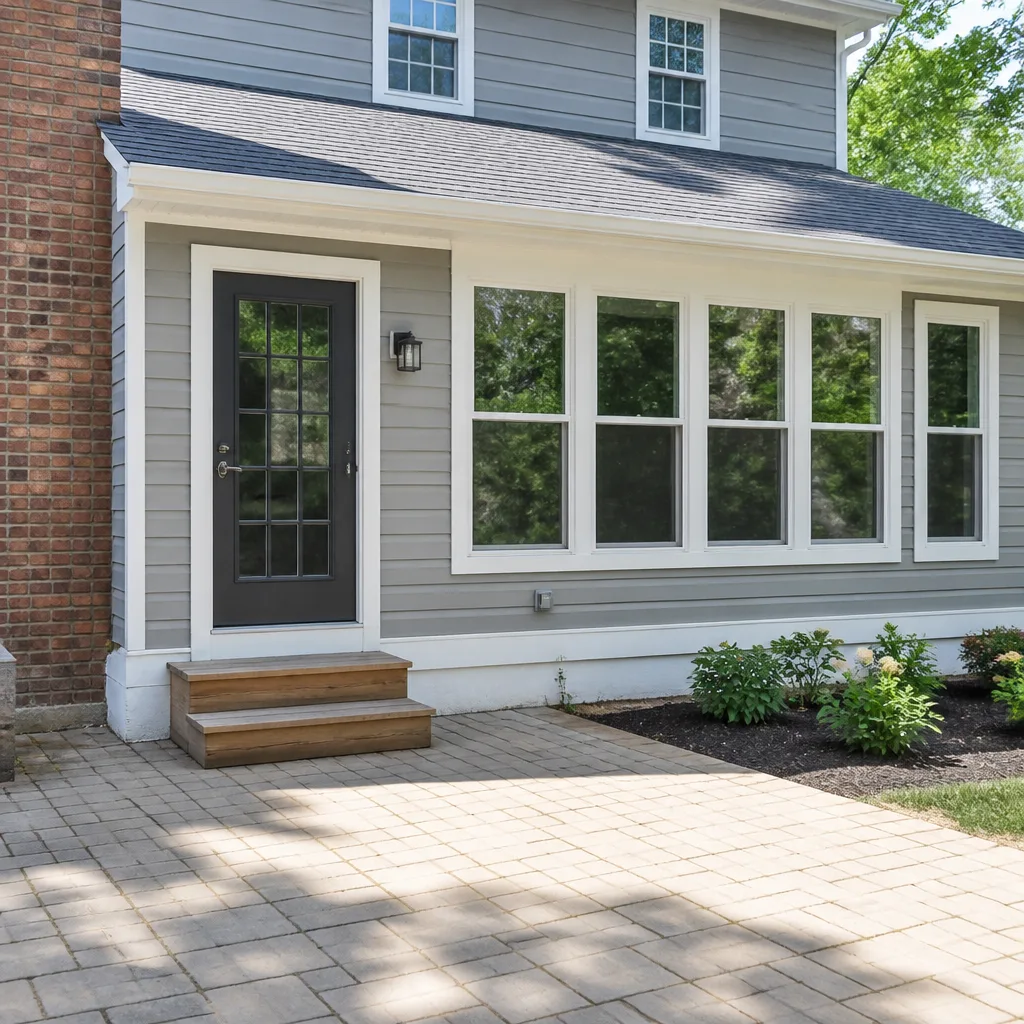 After
After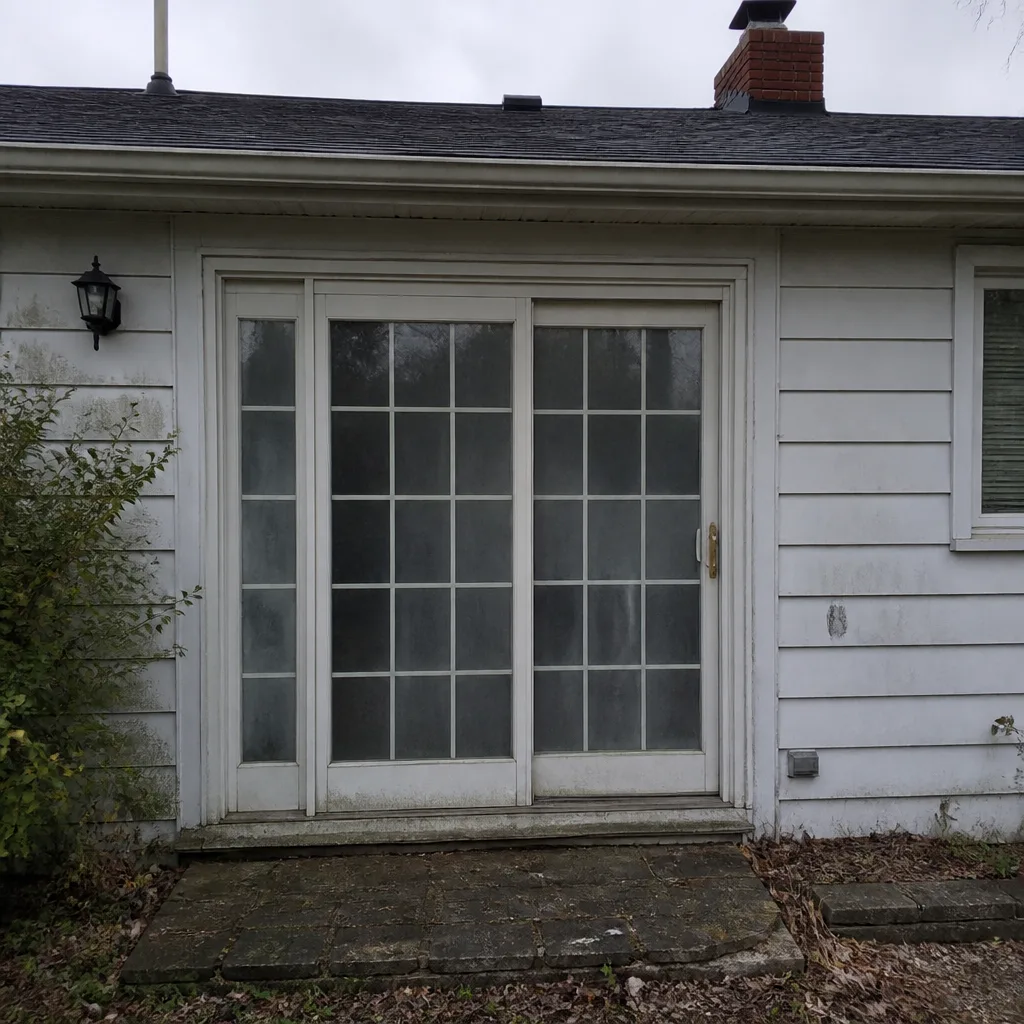 Before
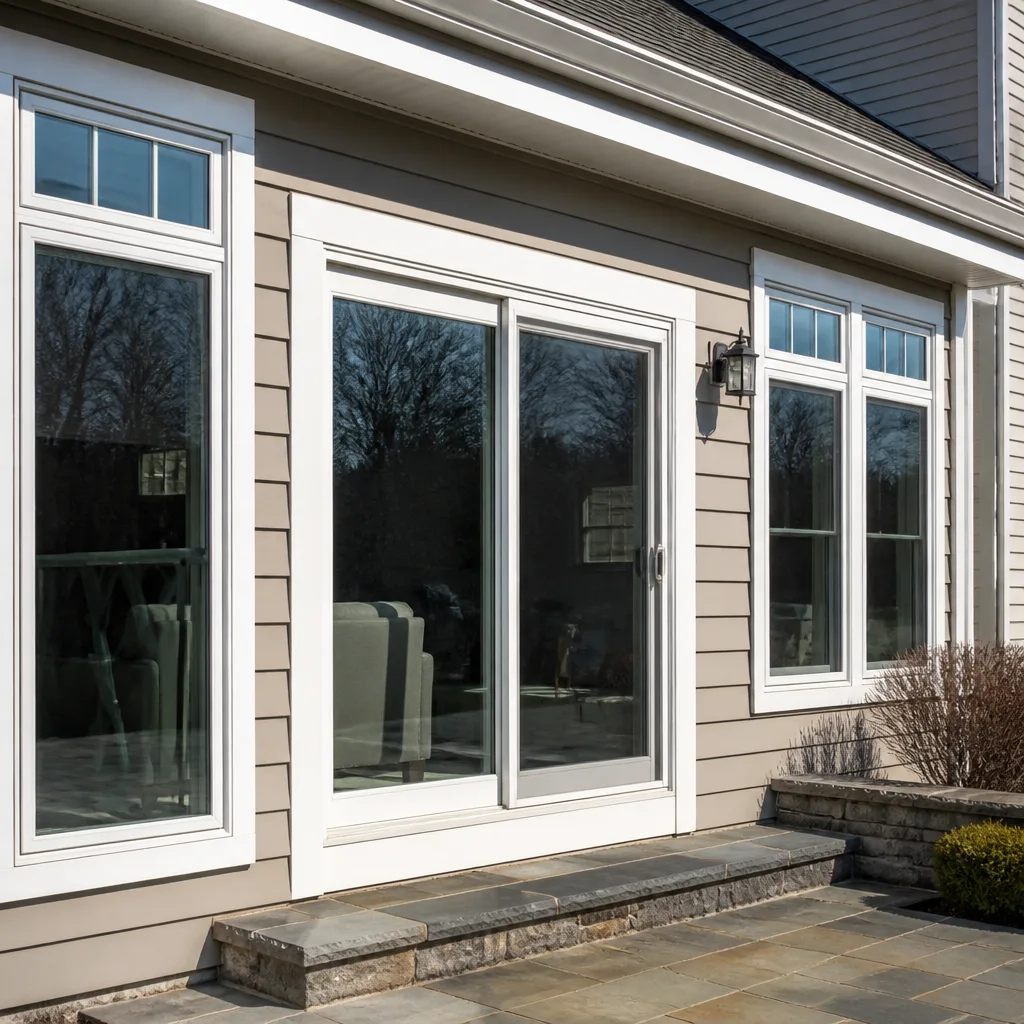 After
After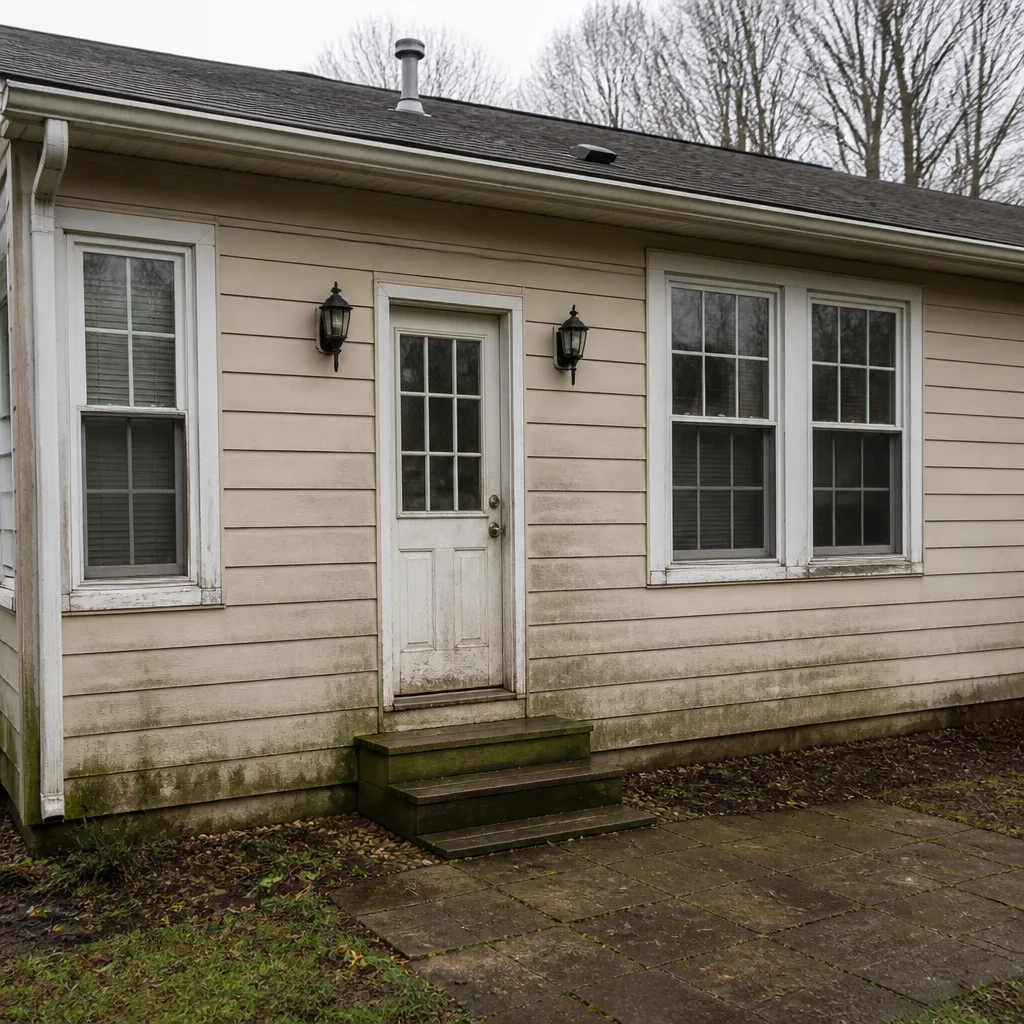 Before
 After
AfterHow Long Does Door Installation Take? Timelines and What to Expect
The most common reason a “one-day door install” becomes a two-day job has nothing to do with the door itself. It’s rot hiding inside the rough opening, or a frame that has settled out of square over two decades of Columbus freeze-thaw cycles, and no installer can see either one until the old unit comes out. Most homeowners find timeline estimates online that describe a clean, uncomplicated swap. Real installations rarely work that way. This Door Installation guide breaks down actual time ranges by door type, the hidden variables that add hours, what you can do before the crew arrives, and the difference between installation time and cure time, so you can schedule the job without disrupting your week twice.
Quick Answer
A straightforward pre-hung exterior door replacement in Columbus typically takes 4 to 6 hours for a professional crew. Custom or multi-panel installations like French doors or sliding patio doors run 6 to 10 hours. Add a day if the crew finds rot, an out-of-square rough opening, or threshold damage that must be corrected to meet current weatherproofing code before the new door can be set.
Table of Contents
- How Long Each Door Type Actually Takes
- The Hidden Time Thieves: What Adds Hours Once the Old Door Is Out
- What to Do Before the Crew Arrives
- Installation Time vs. Cure Time: When You Can Actually Use the Door
- The Walk-Through Checklist: Knowing the Job Is Done Before the Truck Leaves
- Columbus-Specific Factors That Affect Door Installation Timelines
- Common Mistakes to Avoid
- When to Call a Professional
- Frequently Asked Questions
- The Bottom Line
How Long Each Door Type Actually Takes
The honest answer to “how long does door installation take” is that it depends far more on the door type than more guides & resources admit. A pre-hung exterior door, a slab replacement, a sliding patio unit, and a French door each have a genuinely different labor profile. Here is what a professional crew actually does on each, and how long it takes.
Pre-Hung Exterior Door: 4 to 6 Hours
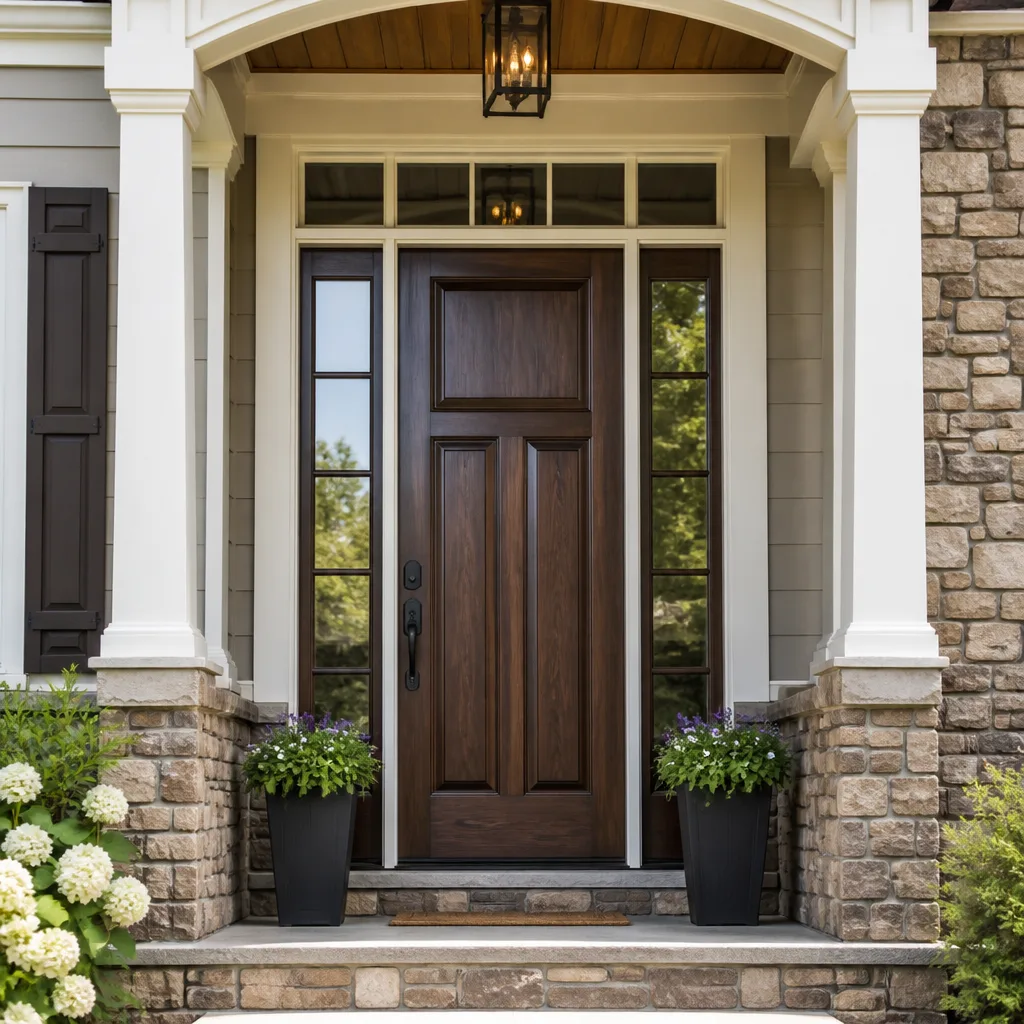
A pre-hung door arrives with the slab already hinged to its own frame, threshold attached, and weatherstripping in place. That is the good news. The work is mostly about getting the existing rough opening to accept the new unit squarely. The crew removes the old door and frame, assesses the opening, shims the new frame into level and plumb, secures it, and insulates the gaps. Then they reinstall interior and exterior trim and test the swing. In a clean opening with no surprises, a two-person crew finishes in about half a day. Most pre-hung exterior door replacements in Columbus fall in the 4 to 6 hour range.
This is the workhorse door replacement for homes in neighborhoods like Clintonville, Westerville, and Gahanna, where the original door has been in place since the house was built and the frame has moved slightly over the years.
Slab Replacement: 2 to 3 Hours
A slab replacement means only the door itself gets swapped, and the existing frame stays. This is faster only when the frame is still true. The crew removes the hinge pins, takes the old slab down, mortises the new slab to match the existing hinge locations, hangs it, and adjusts the latch and strike plate. If the old frame has sagged even a quarter inch, the new slab will bind, and the job turns into frame correction. A clean slab replacement on a properly maintained frame takes 2 to 3 hours. A slab replacement on a frame that has been out of true for years can take as long as a full pre-hung install, because the crew has to correct the frame to make the new door operate correctly.
Sliding Patio Door: 6 to 8 Hours
Sliding doors are heavier, the openings are wider, and the weatherproofing requirements in central Ohio are more demanding than a typical entry door. The crew has to remove the old track system, check the subfloor for rot under the threshold, level the new track, set the fixed panel, hang the sliding panel, and adjust the rollers so the door moves without binding. Then they seal the exterior flange and reinstall interior trim. A standard two-panel vinyl sliding patio door takes 6 to 8 hours. Larger multi-panel or impact-rated units can stretch past that.
French Door Replacement: 6 to 10 Hours
French doors are effectively two slabs that must meet perfectly at the astragal, and that changes everything about the labor. Both doors have to be shimmed, adjusted, and set so the reveal is consistent from top to bottom, and both active and passive panels have to latch without forcing. That precision work adds time. A standard replacement using a pre-hung French door unit runs 6 to 8 hours. A custom-width unit or one with sidelights can take up to 10 hours. In our experience, French door installs are where homeowners most often underestimate the labor, because they think of it as “two doors” and forget the adjustment work between them.
| Door Type | Typical Labor Time | What Adds Time |
|---|---|---|
| Pre-hung exterior | 4-6 hours | Rot remediation, out-of-square framing |
| Slab replacement | 2-3 hours | Sagged or out-of-true frame |
| Sliding patio | 6-8 hours | Subfloor rot under threshold, wide openings |
| French doors | 6-10 hours | Astragal alignment, custom widths, sidelights |
One thing that separates a careful installer from a rushed one: the careful installer measures twice before ordering, and again after the old door comes out. At TruePane Windows & Doors home, our technicians measure every opening twice and quote manufacturer lines side by side on paper before any work begins.
The Hidden Time Thieves: What Adds Hours Once the Old Door Is Out
Every estimate a homeowner receives assumes certain things about the opening. When those assumptions break, the timeline moves. Here are the three variables we encounter most often in Columbus homes, and why each one adds hours.
Rot Remediation
The bottom corners of an exterior door frame are where water collects. Decades of rain, snow, and ice dams in central Ohio work their way behind the trim, and the first sign of trouble is often soft wood that crumbles when the old frame is removed. The crew cannot set a new door on rotted framing. The affected sections have to be cut out and replaced with sound lumber, the area treated, and the opening re-squared before the new unit goes in. That work alone can add 2 to 4 hours, depending on how far the rot extends into the subfloor.
We see this regularly in older Columbus neighborhoods where the original door unit has been in place for 30 or 40 years. The door looked fine from the outside. What was underneath did not.
Out-of-Square Rough Openings
Houses settle. The rough opening that was square in 1978 may be off by half an inch diagonally today. That does not matter when the old door has been in place for decades, because the old frame sagged along with the house. But a new pre-hung unit is built square, and it will not sit right in an opening that is not. The crew must shim the frame carefully, often working from the bottom corner up, to bring the head and jambs back to level and plumb. That process is slower than it sounds. Rushing it means the door will bind in July when the humidity in Columbus makes everything swell. Done carefully, it is the difference between a door that operates correctly for twenty years and one that sticks every summer.
Threshold Correction and Weatherproofing Code
Older thresholds are often set too close to grade, or the flashing detail is incomplete by today’s standards. Current code requires proper pan flashing under the threshold and a continuous air barrier at the jambs. If the existing setup does not meet code, the crew must build up the threshold height, install new flashing, and sometimes adjust the exterior landing or deck surface. That is not optional work. It is required for the manufacturer warranty to remain valid, and it routinely adds 1 to 2 hours on older Columbus homes where the original install predates modern flashing requirements.
This is exactly the kind of detail The Keystone Standard addresses: both manufacturer warranty layers registered in writing, durations stated, before the truck leaves the driveway. If the flashing is wrong, the warranty is void, and no one wants to find that out after the first hard rain.
What to Do Before the Crew Arrives
The crew’s time on site is not the only timeline that matters. There is also the time a homeowner spends preparing the work area, and that preparation has a direct effect on how smoothly the installation goes. Here is a plain checklist of what to do before the installers show up.
- Clear a path to the door, inside and out. Move furniture, rugs, planters, and anything within about 8 feet of the door. The crew needs room to lay the new unit down flat and to carry the old one out without turning sideways through a cluttered hallway.
- Remove wall hangings near the door. Hammering and shimming transmit vibration through the framing. Pictures and mirrors on adjacent walls can end up on the floor if they are not taken down.
- Plan for dust. Cutting trim and removing old caulk creates dust. Cover nearby furniture with a sheet, or plan to vacuum after the crew leaves.
- Secure pets. During the installation the door will be open for extended stretches, sometimes in cold weather. A curious dog or cat through an open doorway adds time nobody needs.
- Clear the exterior entry. The crew needs access to the exterior trim and threshold from outside, so move any pavers, doormats, or decor that blocks the threshold.
- Make sure someone is home. Most crews need to confirm a quick walk-through at the end. If you cannot be there, arrange for a trusted neighbor or family member to be present for the final inspection.
None of this adds time to your bill if it is done before the crew arrives. Skipping it means the crew spends billable hours moving furniture and waiting for a dog to be secured. A little preparation keeps the install on schedule.
Installation Time vs. Cure Time: When You Can Actually Use the Door
The door is installed. The crew is packing up. But you are not quite done. There is a difference between the time it takes to set a door and the time it takes for the materials to fully cure and the hardware to settle, as detailed in our guide on How Long Does Energy-Efficient Windows Take? Timelines and What to Expect. Understanding that difference prevents avoidable callbacks and keeps the warranty intact.
Expanding foam insulation, used to seal the gap between the rough opening and the new frame, needs time to fully expand and cure. Most low-expansion window and door foams are set to the touch within an hour but reach full structural cure after 8 to 24 hours. The same goes for exterior caulk and sealant. Using the door before the caulk has skinned over will break the seal, and that means water intrusion later.
Hardware also needs time to settle. New weatherstripping compresses over the first few days, which means the door may feel slightly tight at first. That is normal. Give it 48 to 72 hours of normal use, and the seal will seat itself without forcing. If the door binds hard or the latch does not engage after that period, call the installer rather than forcing the door. Forcing it will damage the weatherstripping and can throw the alignment off.
Here is the practical timeline: the crew leaves at 4 in the afternoon. The door is set, latched, and locked. You should avoid slamming it or subjecting it to high wind for the first 24 hours. After 72 hours, the caulk, foam, and weatherstripping have fully settled, and the door can be used as normal. If anything feels wrong after that, the Done Right Promise means we come back and make it right, no paperwork fights and no arguing.
The Walk-Through Checklist: Knowing the Job Is Done Before the Truck Leaves
A finished door installation should pass a plain inspection before the crew drives away. You do not need a level or any special tools. You need your eyes, your hands, and about five minutes. Here is what to check.
- Open and close the door fully. It should swing without binding, scraping, or sticking at any point. The weight should feel consistent through the entire arc.
- Release the door halfway open. A properly balanced pre-hung door stays put when you let go at the halfway point. If it swings open or closed on its own, the frame is not plumb.
- Close the door and check the reveal. The gap between the door slab and the frame should be even from top to bottom and side to side. A wider gap at the top corner means the frame was not set square.
- Lock and latch the door. The deadbolt and latch should slide into the strike plate without lifting, pulling, or forcing the door. A latch that drags means the strike plate needs adjustment.
- Check the threshold. It should be firmly seated and level. Step on it from inside and outside. There should be no movement, and the weatherstripping should contact the bottom of the door evenly.
- Inspect the caulk lines. The exterior caulk should be continuous with no gaps, skips, or smears. Interior trim should sit tight against the wall with no visible gaps.
- Confirm the warranty paperwork. Both manufacturer warranty layers should be registered in writing and handed to you before the crew leaves. This is The Keystone Standard on every job TruePane installs.
If anything on this list does not check out, say so before the crew pulls away. A reputable installer will fix it on the spot. That is the standard we hold for Door Installation in Parkway and every other Columbus neighborhood we serve. Once the truck is gone, corrections take another appointment, and that is time nobody wants to spend twice.
Columbus-Specific Factors That Affect Door Installation Timelines
Door installation timelines are not the same everywhere. Columbus has specific climate patterns, housing stock, and code requirements that shape how long a job takes and what variables are most likely to surface.
First, the housing stock. Large portions of Columbus were built between 1950 and 1985, and those homes often have non-standard rough opening sizes. A homeowner in Upper Arlington or Bexley with a door opening that measures 34 inches wide instead of today’s standard 36 will need a custom-order door or framing modifications, and either one changes the timeline. Custom doors in Columbus take 2 to 6 weeks from order to delivery, depending on the manufacturer. That is a very different schedule than a standard stock door pulled from a local distributor.
Second, the climate. Central Ohio gets real freeze-thaw cycling every winter. Moisture works into the gaps around exterior doors, freezes, expands, and slowly opens those gaps wider. The result is that by the time a Columbus homeowner replaces a door, the framing underneath has often seen more water damage than the homeowner realizes. Rot under the threshold is one of the most common discoveries on older Columbus homes, and it always adds labor.
Third, weather itself affects scheduling. Door installation should not happen during heavy rain or active snow, because the opening is exposed while the old unit is out. In Columbus, spring and fall are the most reliable installation seasons. Summer thunderstorms can force a pause mid-install, but a professional crew can usually tarp the opening and resume within a few hours. We tell Columbus customers to plan around the forecast, and we will never start a door replacement on a day when a front is predicted to move through in the middle of the work.
Fourth, permit requirements. Most residential door replacements in Columbus do not require a building permit if the rough opening is not being enlarged. However, if any structural framing is modified, such as widening the opening for a larger door or replacing load-bearing components damaged by rot, a permit and inspection become necessary. That adds a day or two to the project for the city inspection itself, depending on scheduling. A good installer knows the difference and will tell you up front whether your job needs one.
Common Mistakes to Avoid
- Planning your week around the shortest possible estimate. If a contractor quotes 3 hours for a pre-hung exterior door and the crew discovers rot, that job is going to run past a full day. Schedule with buffer, not with the best-case number.
- Using the new door heavily in the first 24 hours. Caulk and foam need time to cure. Slamming a door the same evening it was installed can break the seal and void the weatherproofing warranty.
- Choosing a contractor who does not register the manufacturer warranty. Many Columbus homeowners do not learn until a seal fails that their warranty was never activated. The Keystone Standard exists because Dale Kessler got tired of seeing that happen.
- Ignoring a door that binds in summer. A door that sticks in July on Columbus humidity is telling you the frame was not set square. The longer you live with it, the more wear it puts on the hinges and weatherstripping.
- Ordering a new slab for a sagging frame. Swapping only the door into a frame that has settled out of true just moves the problem to the new slab. You end up paying for the same labor twice.
- Skipping the walk-through because the crew “seemed busy.” You are spending real money on this door. Five minutes of inspection before the truck leaves is faster than waiting weeks for a callback.
- Not checking the threshold for rot before scheduling. You cannot see everything from the outside, but soft wood around the threshold, a door that has dropped, or visible gaps at the bottom corners are warning signs. A quick check before scheduling gives you a more honest timeline going in.
When to Call a Professional
Door installation is one of those projects that looks simpler than it is. Setting a pre-hung exterior door in Columbus properly requires a level, shims, an understanding of how framing moves over time, and the experience to correct an opening that has drifted out of square. If the project involves an exterior door, a sliding patio unit, a French door, custom sizes, or any suspicion of rot, call someone who does this work every day. Trying to hang a slab in a sagged frame will leave you with a door that binds, a voided warranty, and a second bill to fix the first attempt. TruePane Windows & Doors offers free estimates in Columbus. Call (888) 635-0804 and we will send a background-checked, uniformed technician to measure the opening and give you a straight answer about time, cost, and what condition the framing is actually in.
Frequently Asked Questions
A standard pre-hung exterior door takes 4 to 6 hours for a professional crew in Columbus. Sliding patio doors run 6 to 8 hours, and French doors take 6 to 10 hours depending on width and configuration. If rot remediation or frame correction is required, add a day to the schedule. Call (888) 635-0804 for a free estimate on your specific opening.
It can, and a good contractor will tell you that up front. Rot, out-of-square framing, and threshold corrections are not visible until the old door comes out, and those repairs add labor. This is why no-hassle upfront pricing matters: at TruePane Windows & Doors, you get a written line-item quote before the job, and if we find something unexpected, we show you what we found and what it costs before we spend your money. There are no surprise line items on the final bill.
Yes, for normal entry and exit within a few hours. But low-expansion foam and exterior caulk need up to 24 hours to fully cure, and weatherstripping needs about 72 hours to seat. Avoid slamming the door or forcing it during that first week. If anything binds after 72 hours, call your installer rather than forcing the door.
Most direct replacements that do not change the size of the rough opening do not require a permit. If the opening is being enlarged, or if structural framing needs repair due to rot or damage, a permit and inspection are required. A reputable installer will tell you before work begins whether your job falls in that category.
Custom-size or configuration doors typically take 2 to 6 weeks from order to delivery, depending on the manufacturer line. Stock doors, if the opening is standard, can often be sourced within days. TruePane is an authorized installer for more than a dozen manufacturer lines including, and ES Windows, and we quote side by side on paper so you see exactly what you are buying.
It is TruePane’s standing promise on every installation: if the job is not done right, we make it right, with no paperwork fights and no arguing. It is backed by The Keystone Standard, which means both manufacturer warranty layers are registered in writing, with durations stated, before the truck leaves your driveway. Dale Kessler put that standard in place because he was tired of seeing Columbus homeowners left holding voided warranties and unanswered calls.
The Bottom Line
A door installation is not a one-size-fits-all job, and the honest timeline is always a range, not a single number. A clean pre-hung exterior replacement in Columbus runs 4 to 6 hours. Sliding doors run 6 to 8. French doors run 6 to 10. And hidden rot or out-of-square framing can turn any of those into a two-day project. The best way to keep the schedule predictable is to choose an installer who measures twice, quotes honestly, registers the warranty in writing, and stands behind the work with a real guarantee. If the pane is not true, the job is not done. That rule applies to every door we set, from Bexley to Grove City to Window Installation in Parkway and beyond. For information on replacing existing units, see Window Replacement in Parkway. Call (888) 635-0804 for a free estimate, and a live person will answer.
Written by Dale Kessler, Owner at TruePane Windows & Doors, serving Columbus since 2008.