
Last updated August 15, 2026
Free in-home measure and quote - PGT, CGI and CWS impact lines compared on your actual openings, style by style
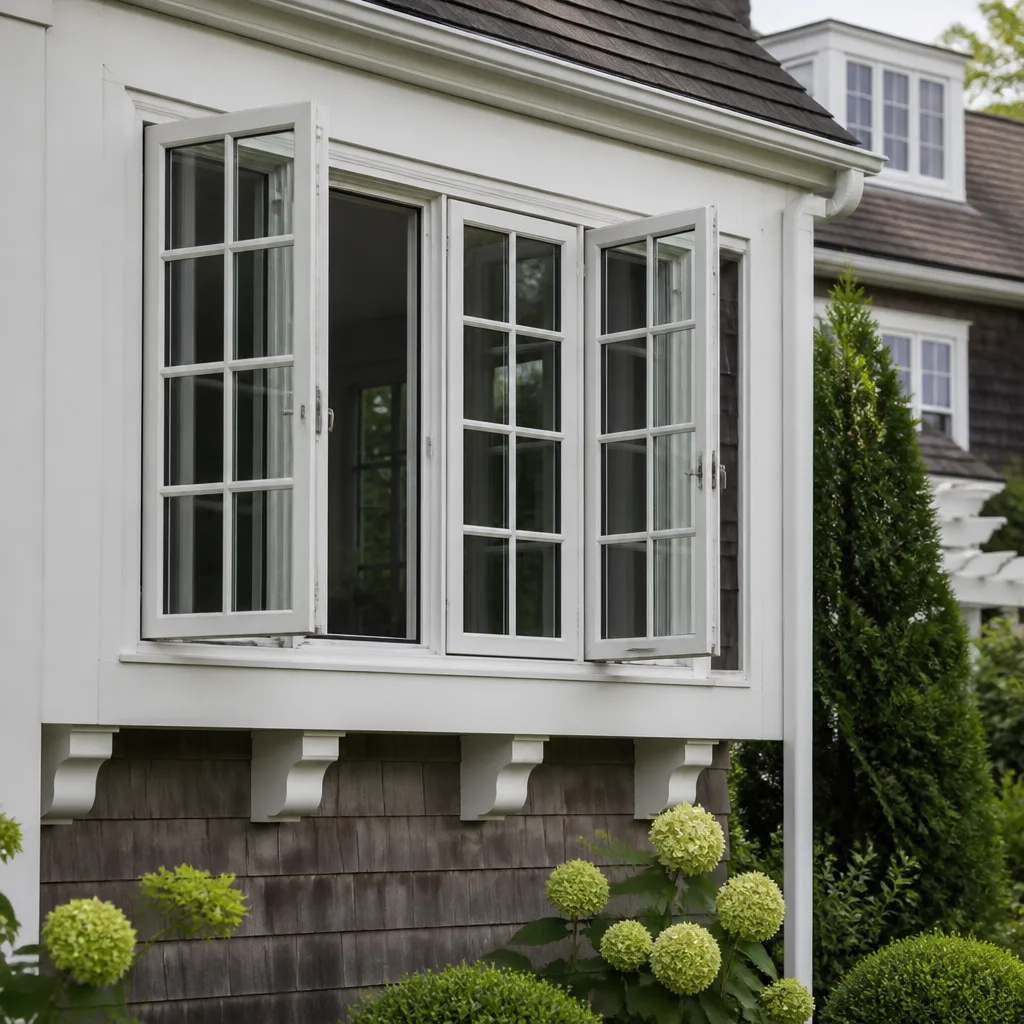
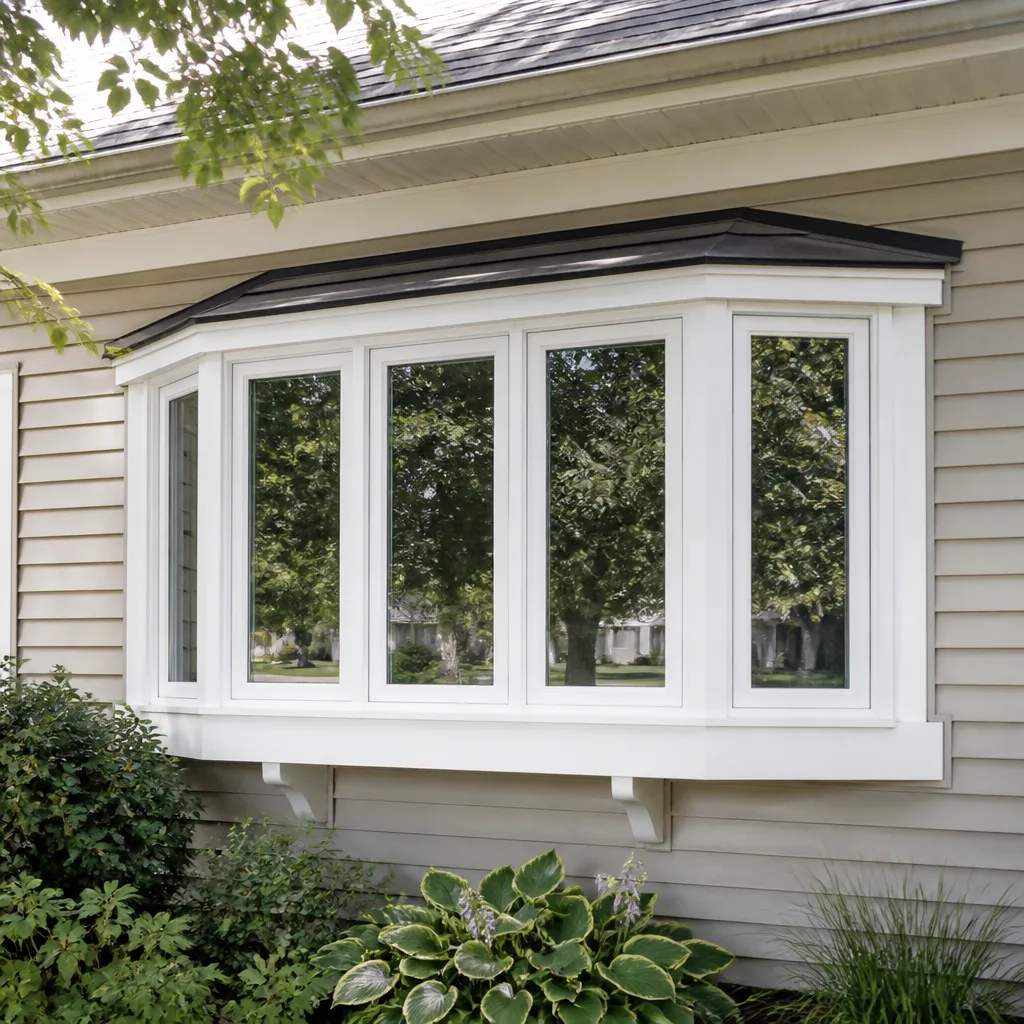
Sliding glass doors

Impact garage doorsPGTCGI
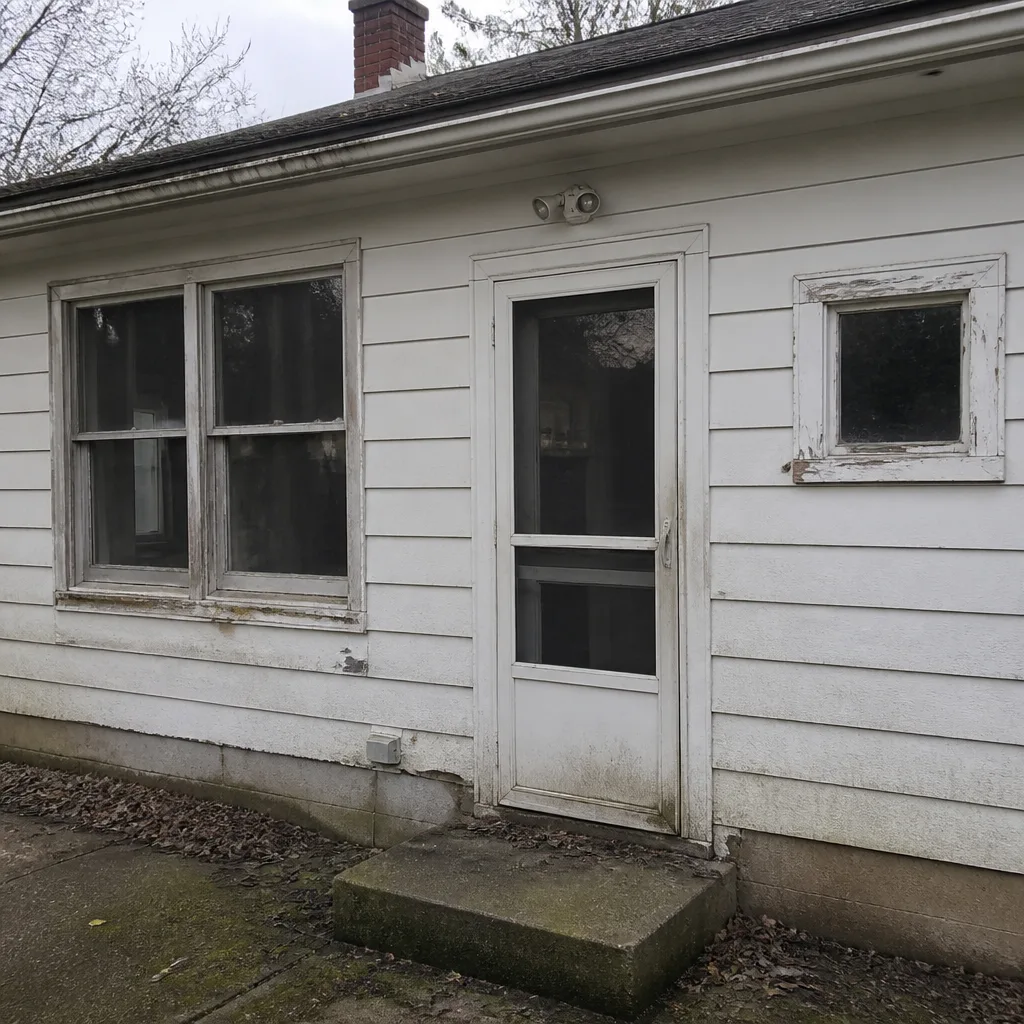 Before
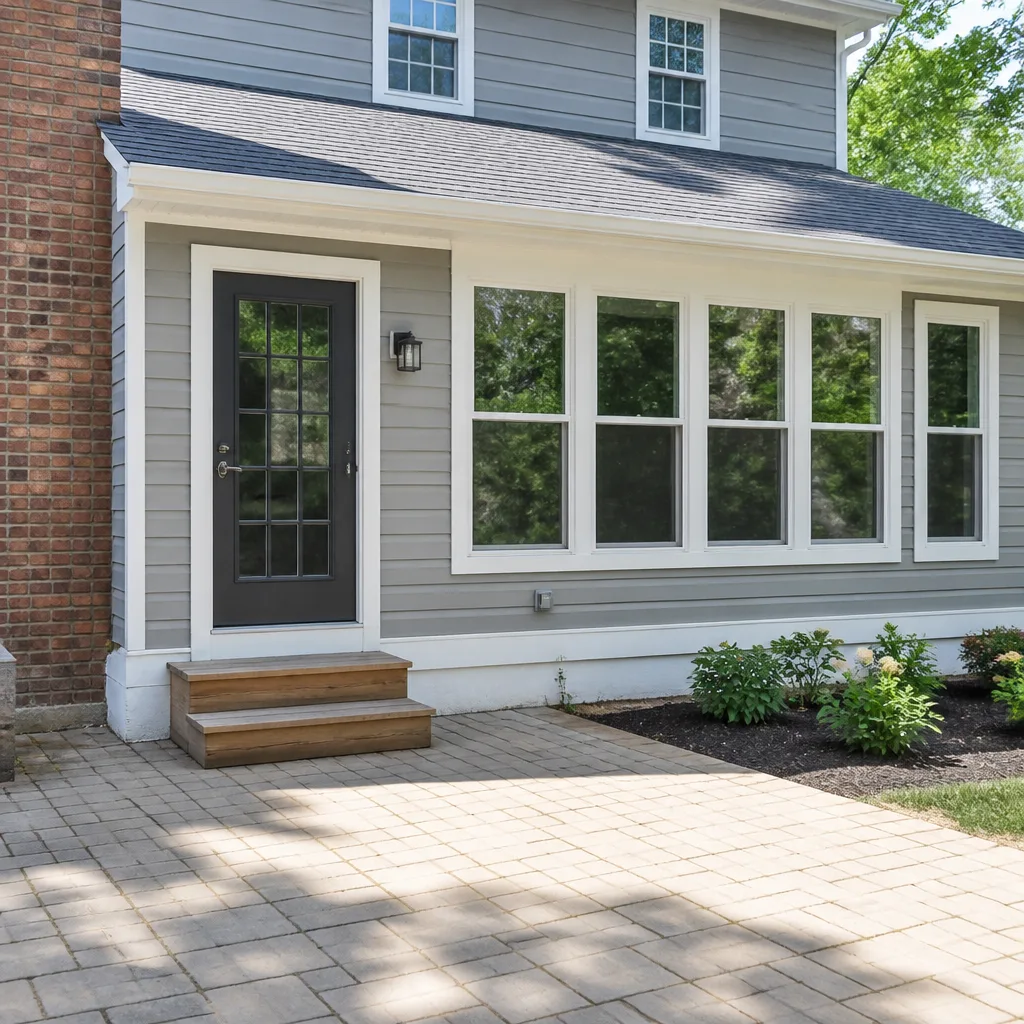 After
After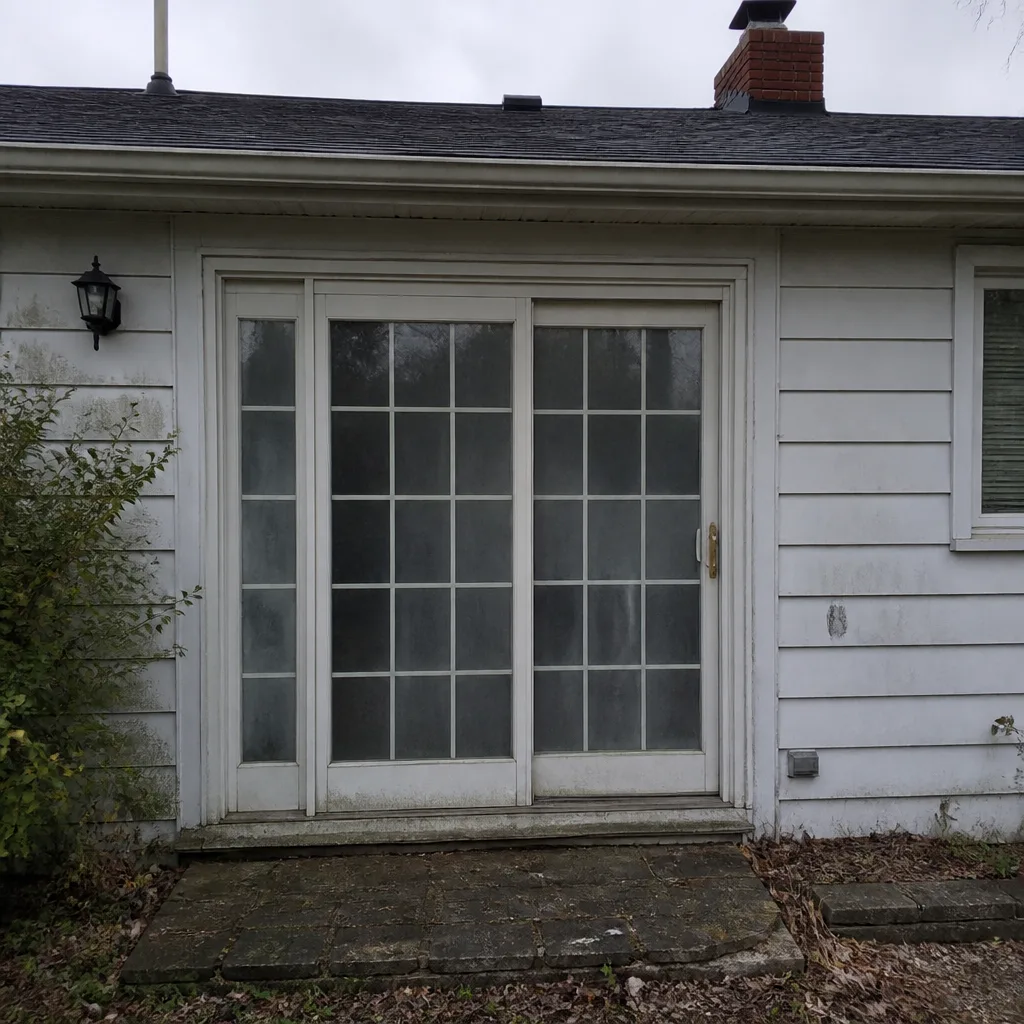 Before
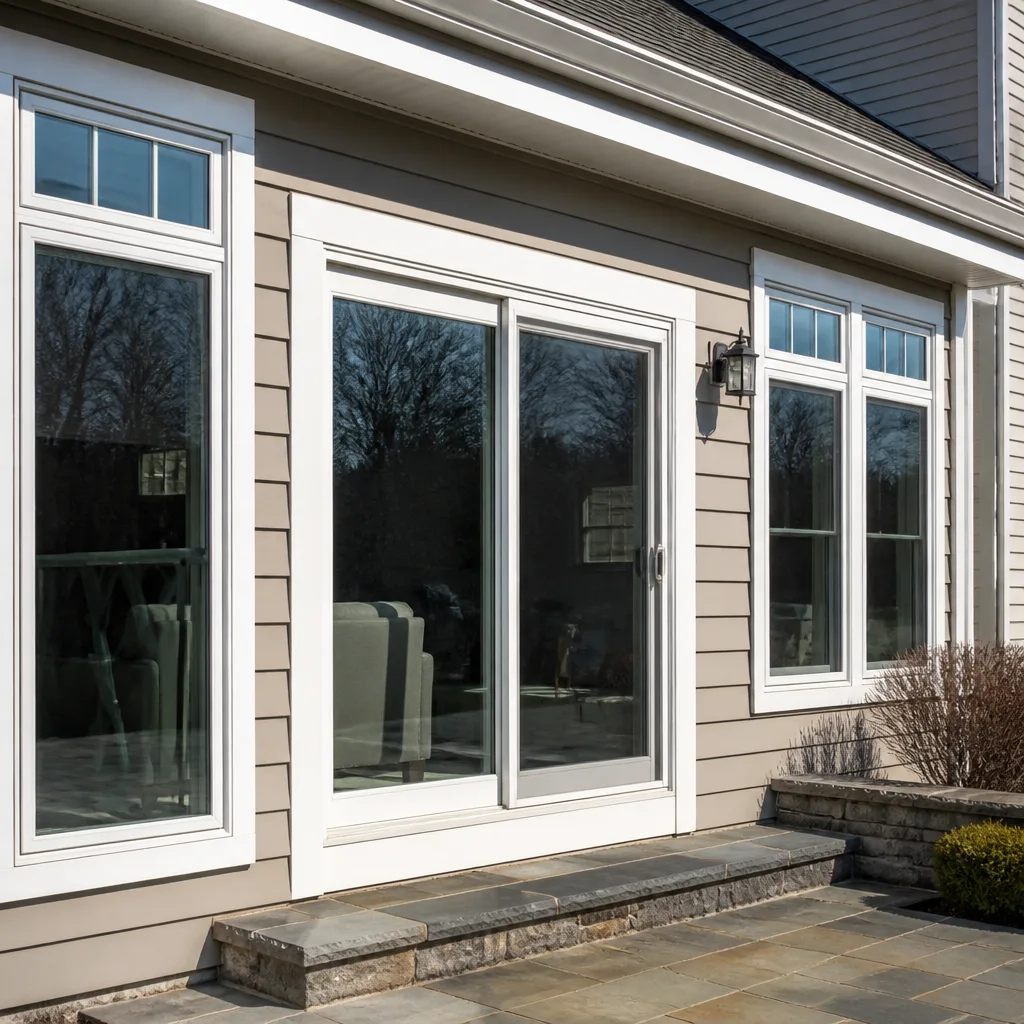 After
After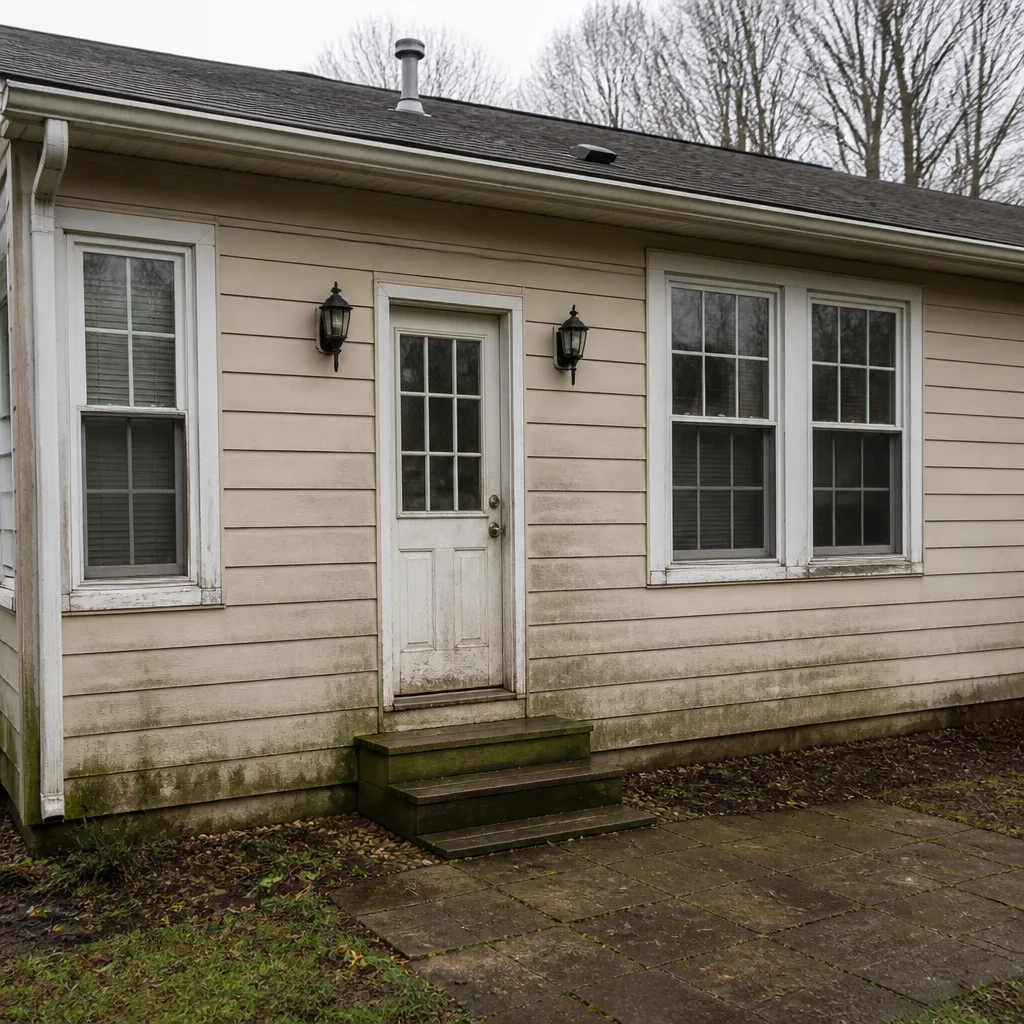 Before
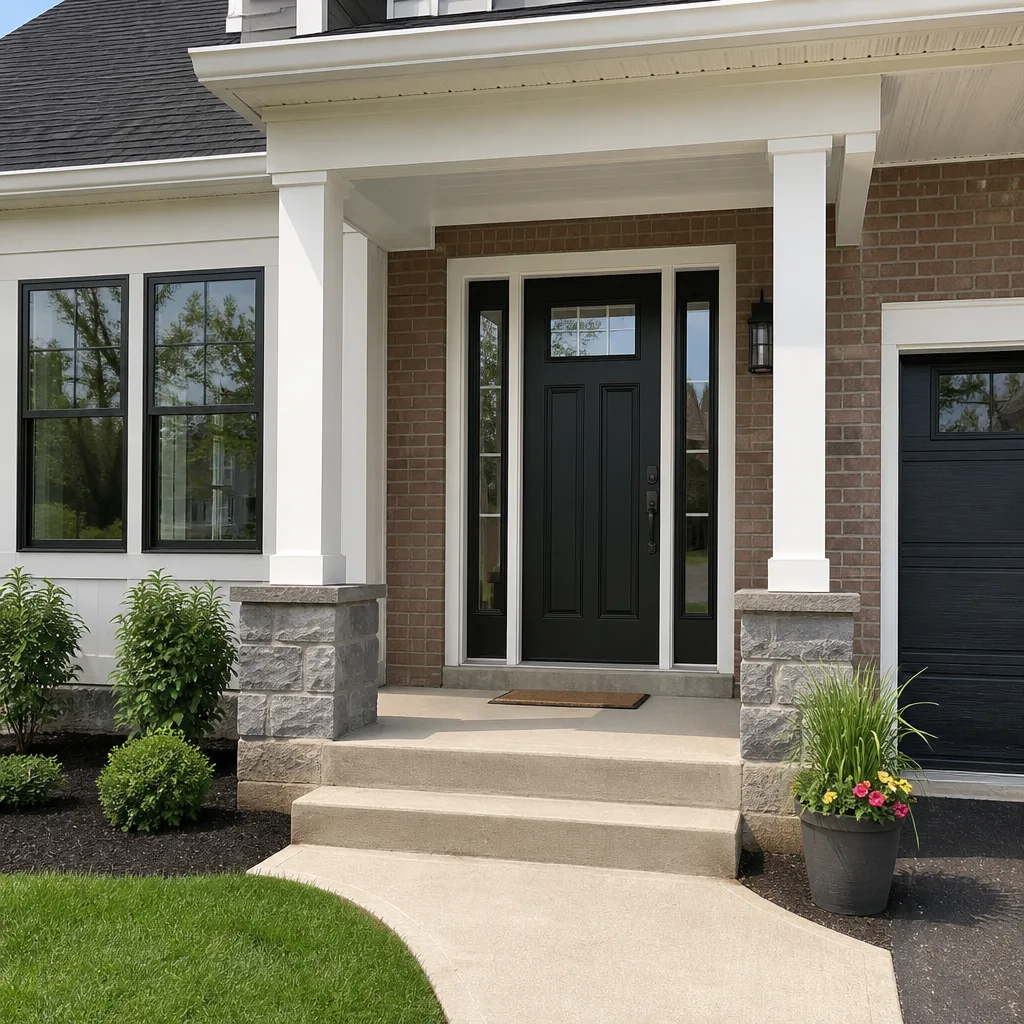 After
AfterWindows & Doors Permits, Codes & Inspections in OH: What You Need to Know
Most Ohio homeowners assume a window swap is a window swap. It isn’t. The state’s residential code distinguishes between replacing glass in an existing frame, swapping a window into the same rough opening, and changing the opening itself. Those distinctions determine whether you need a permit, an inspection, or a retrofit Title 24-style energy document. In Columbus, where housing stock ranges from 1920s Clintonville bungalows to 1990s Dublin ranches, the age of the frame often dictates the paperwork. This guide walks through the actual code triggers, the inspection sequence, and the question you should ask any contractor before demolition starts, or explore our more guides & resources for Columbus homeowners.
Quick Answer
In Ohio, a like-for-like window replacement that does not alter the rough opening typically does not require a permit, but any change to the opening size, a new window cut into a wall, or exterior door work that modifies framing almost always does. A permit is a legal record that the work meets code and a protection when the house is sold. Skipping it risks an unpermitted disclosure headache during escrow and costs more to fix after the fact than pulling the permit the first time.
Table of Contents
- Ohio Code Triggers: What Actually Requires a Permit
- How the Columbus Permit Process Works
- Energy Compliance in Ohio: What Replaces Title 24
- The Inspection Sequence for Window and Door Work
- How to Verify Your Contractor Actually Pulled the Permit
- Escrow, Disclosure, and the Cost of Unpermitted Work
- What Permits and Inspections Cost in Columbus
- What a Homeowner Can Safely Do Without a Permit
Ohio Code Triggers: What Actually Requires a Permit
The governing standard in Columbus is the Ohio Residential Code, which adopts the International Residential Code with state amendments. Under that code, window and door work splits into three categories. First, glass-only replacement (new insulated glass unit in an existing sash) needs no permit. Second, like-for-like sash or full-unit replacement within the same rough opening generally needs no structural permit, though the manufacturer’s installation instructions become the enforceable standard. Third, any change to the rough opening - a wider window, a taller door, moving an opening along a wall, or cutting a new one - requires a building permit, a structural review, and inspections.
In Columbus, the practical distinction shows up in older neighborhoods. A 1940s Upper Arlington home with original double-hung windows often has rough openings sized for weights and pulleys. A homeowner who wants a modern vinyl window sometimes discovers the opening must be reframed to accept the new unit. That reframe triggers a permit. The swap alone does not. We’ve seen this exact scenario on window replacement jobs around Parkway, where the age of the framing dictates whether the city gets involved at all.
When a Door Becomes a Permit Project
Exterior doors follow the same logic with one addition: egress. Any exterior door that serves as a required emergency exit must maintain a minimum clear opening width. A homeowner swapping a 32-inch door for a decorative 30-inch unit has just created a code violation, permit or not. Door work that involves a new rough opening, moving a door, or converting a window to a patio door always requires a permit in Columbus. Sliding door and door installation in Parkway that uses the existing opening rarely triggers a structural permit, though it still needs flashing and water management that a sharp inspector will check.
The rule of thumb: if the saw cuts framing lumber, pull a permit. If the work stays within the existing hole, you’re usually clear. A contractor who tells you otherwise is either right about a nuance or avoiding the paperwork.
How the Columbus Permit Process Works
Columbus operates under the Columbus Building and Zoning Services department. For window and door work that needs a permit, the process follows a predictable path. Understanding it helps you spot a contractor who skipped a step.
- Application. The contractor or homeowner files a permit application describing the scope, the opening dimensions, and the products being installed. Columbus accepts electronic filings for most residential work.
- Plan review. For structural changes (new openings, header modifications), the city reviews the framing details. A licensed contractor typically handles this. The review checks that the header size, sill plate, and shear requirements meet the Ohio Residential Code.
- Permit issuance. Once approved, the permit is posted at the job site. In Columbus, the permit card must be visible from the street. A contractor who never posts the card either didn’t pull the permit or pulled the wrong one.
- Inspections. The work is inspected at the stages required by the permit type. Window and door permits typically require a rough inspection and a final inspection.
- Closure. The inspector signs off. The permit is closed. The work is now on record for any future sale.
The whole sequence usually takes two to three weeks for a standard window or door permit in Columbus. That lead time is precisely why some contractors skip it: they can finish the job before a homeowner even notices the permit card never arrived. The legal risk lands on the homeowner, not the installer, when the unpermitted work surfaces later.
Energy Compliance in Ohio: What Replaces Title 24
California’s Title 24 energy standard doesn’t apply in Ohio, but the state has its own energy code requirements. Ohio enforces the energy chapter of the Residential Code, which mandates minimum U-factors and solar heat gain coefficients for replacement windows by climate zone. Columbus sits in climate zone 5, which means windows need a maximum U-factor of 0.32 or lower for most residential applications.
Here’s what this means in plain language. A window sold in a hurricane-coast warehouse and shipped to Ohio may meet hurricane-coast hurricane standards but fail Ohio’s thermal requirements. The product itself gets flagged during inspection, and the homeowner owns the problem. A reputable Columbus contractor orders glass packages suited to zone 5 winters, where nighttime lows regularly hit single digits in January, as covered in our Choosing the Right Windows & Doors Brand: A Buyer’s Guide for Columbus. An Andersen 100 Series or Pella 250 Series, ordered with the right glass, passes easily. A bargain-bin unit ordered online with the wrong glass is a code violation waiting for an inspector to notice.
The homeowner’s practical check is simple: ask what U-factor the quoted window carries for our climate. A contractor who can’t answer that question in a sentence is not the contractor to hang windows in a Columbus winter.
The Inspection Sequence for Window and Door Work
When a permit is pulled, the city inspects in stages. A homeowner who understands these stages can catch problems early, when they’re cheap to fix. Here’s what each inspection covers and what you should look for before the inspector arrives.
1. Rough Inspection
The rough inspection happens after the old window or door is out and the new framing, if any, is complete, a process detailed in The Complete Door Installation Guide for Columbus Homeowners. The inspector checks the header, the king studs, the rough opening dimensions, and the water-resistant barrier. This is the stage where a wrong-size header gets caught. A homeowner should see the framing lumber, not a covered wall. If the opening is already drywalled over before the rough inspection, the contractor skipped a step or the inspector is being asked to sign what they can’t see. Either is a problem.
In Columbus, where freeze-thaw cycling stresses exterior walls, flashing at the rough opening matters. The inspector looks for proper overlapping of the WRB and sill pan flashing that sheds water, not traps it. Homes in Clintonville with older brick veneer are especially unforgiving of sloppy flashing: trapped moisture in an Ohio winter freezes, expands, and spalls the brick face over years.
2. Insulation Inspection
Not every window permit requires a separate insulation inspection, but when the rough opening is enlarged or newly cut, the inspector checks the cavity insulation before the wall is closed. The requirement is less about comfort and more about preventing condensation inside the wall cavity. In a Columbus January, a poorly insulated window pocket becomes a condensation point, and condensation inside a wall is how rot starts.
3. Final Inspection
The final inspection verifies the finished installation: the window operates, the interior and exterior trim is in place, and the home’s weather barrier is intact. The inspector also checks that the egress requirements are unchanged. For a door, this means the opening direction, threshold height, and hardware all meet code. Once the final inspection passes, the permit is closed and the work is officially on the books.
In our experience, a homeowner who sees all three stages is rare. Most see the finished window and a contractor who says “all done.” Confirming the inspection actually happened is part of confirming the permit actually mattered.
How to Verify Your Contractor Actually Pulled the Permit
The phrase “we’ll pull the permit” is not the same as pulling the permit. Here’s how to check before demolition begins.
- Ask for the permit number. A real permit has a number. It’s issued by Columbus Building and Zoning Services and can be looked up online. A contractor who has pulled the permit can produce the number in seconds.
- Ask to see the permit card. Columbus requires the physical permit card posted on site. If no card is posted on day one of work, ask why.
- Check online. The City of Columbus maintains a public permit lookup portal. Enter the address and you’ll see active and closed permits for the property. No permit listed? Nothing was pulled.
- Ask who pays for the permit. Permit fees are typically paid by the contractor and itemized on the invoice. If the line item says “permit included” but no permit number appears, the money went somewhere other than the city.
- Confirm the inspection schedule. A permit with no inspections is an open permit. An open permit at the time of sale is a title problem. The contractor should be able to tell you when the rough inspection is scheduled before the saw comes out.
None of this is adversarial. A contractor who pulled the permit is glad to prove it; it’s part of their professional record. A contractor who stumbles, deflects, or suggests the homeowner “doesn’t need to worry about that” is telling you exactly how the rest of the job will go.
Escrow, Disclosure, and the Cost of Unpermitted Work
Here’s the part every real estate agent in Columbus knows and most homeowners learn the hard way. When a home is sold, the seller completes a disclosure form. One question asks, in substance, whether any work was done without required permits. A seller who answers truthfully must disclose. A seller who answers falsely has committed fraud. There is no third option.
Unpermitted window or door work surfaces during escrow in predictable ways. The buyer’s inspector notices a newer window in a 1950s wall and notes the mismatch between the home’s permit history and the visible improvements. The buyer’s lender requires permit closure before funding. The sale stalls. The seller now must either pull a retroactive permit (which means opening walls to show the framing and flashing) or negotiate a price reduction to compensate the buyer for the legal risk.
The cost of a retroactive permit in Columbus is almost always higher than the original permit would have been. The permit fee itself is small; the cost is the demolition needed to expose the work for inspection. A wall that was never opened now gets opened. A flashing detail that was never inspected now gets inspected, and if it fails, it gets redone. The homeowner pays twice: once for the original work and once for the correction, plus the stress of a stalled sale.
The buyer’s protection, by the way, is exactly why permits exist. A permit is not a tax; it’s a third-party record that the work in your walls meets a minimum standard. When the work is in the walls of the house you’re selling, that record is worth more than the fee.
What Permits and Inspections Cost in Columbus
Permit fees for window and door work in Columbus are modest relative to the project cost. Exact fees change, but a homeowner should expect something in this range for a standard replacement project:
- Like-for-like window replacement: No permit fee in most cases, no inspections required.
- Window or door with rough opening change: Permit fee typically $150 to $400, depending on the scope of structural work.
- New window cut into an existing wall: Permit fee typically $200 to $500, plus plan review if structural drawings are required.
- Exterior door replacement with framing modification: Permit fee typically $150 to $350.
- Re-inspection fee (failed inspection): Usually $75 to $150 per re-inspection, which is why a contractor who knows the code saves you money.
These are not the place to save money. The permit fee is the smallest line item on most window installation projects in Parkway and across Columbus. The larger cost is what happens without it.
What a Homeowner Can Safely Do Without a Permit
A homeowner in Columbus can perform certain window and door tasks without any permit. Here’s what stays on the safe side of the line:
- Replacing glass in an existing sash. If the frame stays, no permit. This is the classic fogged-seal repair where the insulated glass unit gets swapped and the sash is reinstalled.
- Replacing weatherstripping, seals, or hardware. Hinges, locks, sweeps, and gaskets are maintenance, not construction.
- Caulking and minor trim repair. Cosmetic maintenance needs no permit.
- Replacing a storm window or screen. No structural change, no permit.
- Painting or staining existing windows and doors. Cosmetic, no permit.
What a homeowner should not attempt without a permit and a professional: cutting a new opening, enlarging an existing opening, moving an opening, or changing an exterior door’s rough opening size. Those involve structural framing, and a mistake in a load-bearing wall is not a weekend-fix situation. A header that sags by an inch over a new window eventually means cracks in the drywall, a window that won’t operate, and a repair that costs far more than the original project.
The same caution applies to installing windows in high-traffic or high-wind locations where the manufacturer’s installation instructions include structural anchoring. Getting the flashing wrong means water inside the wall. Getting the structural support wrong means the wall itself is compromised. Neither is worth the savings.
Common Mistakes to Avoid
- Assuming all window replacements are permit-free. Like-for-like swaps often are, but any framing change is not. The opening width is the determining factor, not the window style.
- Taking a contractor’s word that the permit was pulled without verifying. The Columbus permit portal is public. Look up the address. If there’s no permit, there’s no permit.
- Letting the wall get closed before the rough inspection. An inspector can’t see what’s covered. If the drywall goes up before the rough inspection, the permit process is already compromised.
- Buying the cheapest window without checking the U-factor for zone 5. A window that meets code in a warm climate may fail Ohio’s energy requirements. The problem gets found at inspection, and the homeowner owns it.
- Not asking about the permit and inspection schedule before signing. A contractor who can’t state when inspections will happen probably doesn’t plan to schedule them.
- Assuming the seller will handle unpermitted work at sale. Disclosure laws require honesty. Dishonesty is fraud. The seller’s choice is legal risk or a retroactive permit, and both are expensive.
- Treating the permit fee as an unnecessary extra. The permit is the cheapest contract you’ll ever buy. It’s a third-party record that the work meets code, and it’s worth its weight when the house goes on the market.
When to Call a Professional
Window and door work that touches framing, flashing, or structural support belongs in professional hands. This includes any job that changes an opening, any door that doesn’t shut square after installation, any window that leaks air after a DIY attempt, or any project where the homeowner wants the work visible on the city’s permit record for future sale. A professional who knows the Columbus permit process will pull the permit, schedule the inspections, and stand behind the work in writing. TruePane Windows & Doors offers free estimates throughout Columbus: call (888) 635-0804 to have a technician walk your opening-by-opening needs with you, on paper, before any work begins.
Frequently Asked Questions
No permit is required for a like-for-like window replacement that uses the existing rough opening with no framing changes. A permit is required when the opening size changes, the window is moved, or a new window is cut into a wall. A permit is also required for exterior door work that alters the rough opening.
A standard residential window or door permit in Columbus typically takes two to three weeks from application to issuance, depending on the scope of structural review. That lead time is a common reason some contractors skip the permit, so confirm the permit number before demolition begins. Call (888) 635-0804 to discuss your project’s timeline.
Unpermitted window work must be disclosed on the seller’s disclosure form. Failure to disclose is fraud. Most buyers’ lenders require permit closure before funding, which stalls the sale. The seller then pays for a retroactive permit and any demolition needed to expose the work for inspection, which usually costs more than the original permit.
Yes. Ohio enforces the energy chapter of the residential code, which sets maximum U-factors by climate zone. Columbus is in zone 5, which means replacement windows generally need a U-factor of 0.32 or lower. A window ordered from a warmer climate may fail Ohio code at inspection, so confirm the U-factor before buying.
A homeowner can replace glass in an existing sash, change hardware, and perform cosmetic maintenance without a permit. Any work that changes the rough opening, cuts a new opening, or alters structural framing requires a permit and is best left to a licensed contractor. The risk of a framing mistake is not worth the savings.
Ask for the permit number and check it against the City of Columbus public permit portal by address. A real permit appears in the system. Also look for the physical permit card posted at the job site, which Columbus requires. If neither appears, the permit wasn’t pulled. Call (888) 635-0804 for a free estimate from a contractor who handles the permit process start to finish.
The Bottom Line
Window and door permits in Ohio come down to one question: did the rough opening change? If it didn’t, you’re usually clear. If it did, you need a permit, an inspection, and a record that will matter when the house is sold. The permit fee is the smallest cost in the project; the cost of skipping it is the retroactive work, the stalled sale, and the legal exposure that lands on the homeowner, not the contractor. In Columbus, a homeowner who verifies the permit number, watches the inspections, and buys windows suited to zone 5 winters gets the work done right the first time. The alternative is a lawyer’s letter in escrow and a wall opened twice.
Written by Dale Kessler, Owner at TruePane Windows & Doors, serving Columbus since 2008.